
Understanding Snail Behavior: What Your Snail is Trying to Tell You

Welcome to Aquarium Mastery!
Ever wondered exactly what your aquarium snails are up to? Dive into our latest article, "Understanding Snail Behavior: What Your Snail is Trying to Tell You," and unlock the secrets hidden in their movements. Is that snail behavior aquarium troubleshooting hinting at a larger problem in your tank? Let's find out! Prepare to become a true invertebrate expert and ensure a thriving ecosystem for your aquatic companions.
- Understanding Snail Behavior in Freshwater Aquariums
- Interpreting Snail Behavior for a Healthy Aquarium
- Snail Movement and Activity: Deciphering the Signals
- Snail Feeding Habits: Diet and Implications
- Snail Shell Condition: Indicators of Health
- Snail Reproduction and Population Management
- Snail Behavior Troubleshooting: Common Issues and Solutions
- Advanced Snail Observation: Recognizing Subtle Changes
- Maintaining a Healthy Snail Environment: Prevention Strategies
- Conclusion: Understanding Snail Behavior for a Thriving Aquarium.
-
Frequently Asked Questions
- What are some common reasons why my aquarium snails might be acting strangely?
- How can I tell if my snails are getting enough to eat in my aquarium?
- My snails are all clustered at the top of the tank. Is this normal?
- How do I address a snail infestation in my aquarium?
- What does it mean if my snail is lying upside down and not moving?
- Final Reflection: Unveiling the Secrets of the Snail
- Unlock Your Snail's Secrets!
Understanding Snail Behavior in Freshwater Aquariums
Interpreting Snail Behavior for a Healthy Aquarium
Importance of Understanding Snail Behavior for Aquarium Health
Observing the subtle cues in snail behavior is paramount for maintaining a thriving freshwater aquarium. Snails act as sensitive bio-indicators, often reacting to changes in water chemistry, temperature fluctuations, or the availability of food long before fish or plants show signs of stress. Their consistent activity or sudden inactivity provides invaluable early warnings, allowing aquarists to proactively address potential issues.
By keenly observing their movements, feeding patterns, and shell condition, aquarists can effectively engage in snail behavior aquarium troubleshooting. This proactive approach helps prevent minor issues, such as a slight pH dip or a rise in nitrates, from escalating into major problems that could jeopardize the health of the entire aquatic ecosystem, including more sensitive fish species.
Common Aquarium Snail Behaviors: Nerites, Mysteries, and Ramshorns
Different freshwater snail species exhibit distinct behavioral patterns that are important to recognize. Nerite snails (e.g., Neritina natalensis) are renowned for their continuous grazing on algae and biofilm, often seen meticulously cleaning glass, rocks, and plant leaves. They typically maintain a steady, unhurried pace and are less prone to climbing out of the water unless severely stressed.
Mystery snails ( Pomacea bridgesii), being larger and more active, are charismatic explorers. They alternate between periods of active foraging for detritus and soft plant matter, often extending their siphon to breathe at the surface, and periods of rest where they may remain motionless or partially retracted. Ramshorn snails ( Planorbella spp.), conversely, are smaller, highly prolific detritivores often seen scavenging on decaying plant matter and uneaten food throughout the tank, their numbers frequently reflecting the amount of available food.
Snail Movement and Activity: Deciphering the Signals
Normal Snail Activity: Grazing, Climbing, and Substrate Exploration
Healthy freshwater snails typically exhibit slow, deliberate movement, characterized by a smooth gliding motion across various surfaces. They spend a significant portion of their time grazing on the thin layer of biofilm and microalgae that coats aquarium glass, decor, and plant leaves. This consistent feeding activity is a primary indicator of their well-being and a stable tank environment.
Beyond grazing, normal snail activity includes climbing tank walls, exploring intricate decor elements, and burrowing lightly into soft substrates in search of detritus or buried food particles. A snail that moves consistently throughout the tank, utilizing all available surfaces for exploration and feeding, generally indicates a comfortable and healthy individual within a well-maintained habitat.
Inactive Snail: Identifying Potential Causes
An inactive snail, one that remains clamped shut, lies motionless for extended periods, or is unresponsive to gentle prodding, is a significant sign that warrants immediate investigation. This behavior is a common trigger for snail behavior aquarium troubleshooting, as it often points to underlying environmental stressors or health issues.
While occasional periods of rest are normal for some species like Mystery snails, prolonged inactivity suggests a problem. The potential causes range from critical water parameter imbalances and unsuitable temperatures to the natural progression of age or the onset of disease, each requiring specific diagnostic steps.
Snail Inactivity Due to Water Quality: Ammonia, Nitrite, and pH
High levels of ammonia (e.g., above 0.25 ppm) or nitrite (e.g., above 0.1 ppm), common in new or improperly maintained tanks, are highly toxic to snails and can quickly lead to lethargy and retraction into their shells. These nitrogenous compounds directly impair their respiratory and metabolic functions, causing severe stress.
Similarly, extreme pH levels, particularly acidic conditions below 6.5 for most freshwater snails, can cause significant stress, leading to a decline in activity and potential shell erosion. Snails struggle to maintain their internal osmotic balance and shell integrity in such environments, making water parameter testing an essential first step in snail behavior aquarium troubleshooting.
Snail Inactivity Due to Temperature Stress
Water temperature plays a critical role in snail metabolism and activity. Temperatures that are too low (e.g., consistently below 68°F or 20°C for tropical species like Mystery snails) will slow their metabolism, leading to reduced activity, slower growth, and a general state of dormancy or lethargy.
Conversely, excessively high temperatures (e.g., consistently above 82°F or 28°C) can also induce stress, causing snails to become frantic and then quickly lethargic as their oxygen demands increase and their physiological systems become overwhelmed. Maintaining a stable temperature within the preferred range for your specific snail species (e.g., 72-80°F for Mystery snails) is vital for their well-being.
Snail Inactivity Due to Age or Disease
Like all living organisms, snails have a finite lifespan, which varies by species. For example, Mystery snails typically live for 1 to 2 years, while some Nerite snails can live up to 3 years under ideal conditions. As snails approach the end of their natural lifespan, a gradual decline in activity, reduced feeding, and general senescence are expected.
While less common than environmental issues, snails can also suffer from bacterial infections or internal parasites, though diagnosis can be challenging. Symptoms of disease might include persistent retraction, unusual growths, or a failure of the operculum to close properly, often accompanied by a general lack of movement and responsiveness.
Erratic Snail Movement: Recognizing Stress or Toxicity
Erratic snail movement, characterized by frantic crawling, repeatedly falling off tank surfaces, or desperate attempts to climb out of the water, is a clear and urgent distress signal. Unlike normal exploratory movements, this behavior indicates that the snail is actively trying to escape its current environment due to immediate discomfort or danger. This is a critical observation point for snail behavior aquarium troubleshooting.
Such agitated behavior is often a direct response to sudden and severe changes in water quality or the presence of toxic substances in the aquarium. It represents a physiological alarm, prompting aquarists to investigate and intervene without delay to prevent further harm to the snails and other tank inhabitants.
Rapid Snail Movement as a Response to Poor Water Quality
A sudden surge in toxic compounds, such as ammonia, nitrite, or even high levels of nitrates (e.g., above 40 ppm), can trigger rapid and desperate movements in snails. The presence of chlorine or chloramines from untreated tap water, or residual cleaning agents, will also cause immediate and severe distress, leading to frantic attempts to escape the contaminated water.
These toxins irritate the snail's delicate soft tissues, prompting a strong aversion response. Observing such rapid, aimless movement necessitates immediate water testing and often a significant partial water change (e.g., 25-50%) to dilute the harmful substances and alleviate the stress on the snails.
Snail Clumping: Normal Behavior vs. Warning Sign
Snail clumping can sometimes be a normal behavior, particularly when multiple snails gather on a concentrated food source or during mating rituals. In these instances, the snails appear focused on their activity and do not exhibit signs of distress, and the clumping is usually temporary.
However, if multiple snails are observed clumping together at the waterline, especially near the surface or filter outflow, and appear lethargic or partially retracted, it is a significant warning sign. This behavior almost invariably indicates critically low oxygen levels in the water or severe water quality degradation, prompting the snails to seek the higher oxygen concentration found at the water's surface.
Snail Feeding Habits: Diet and Implications
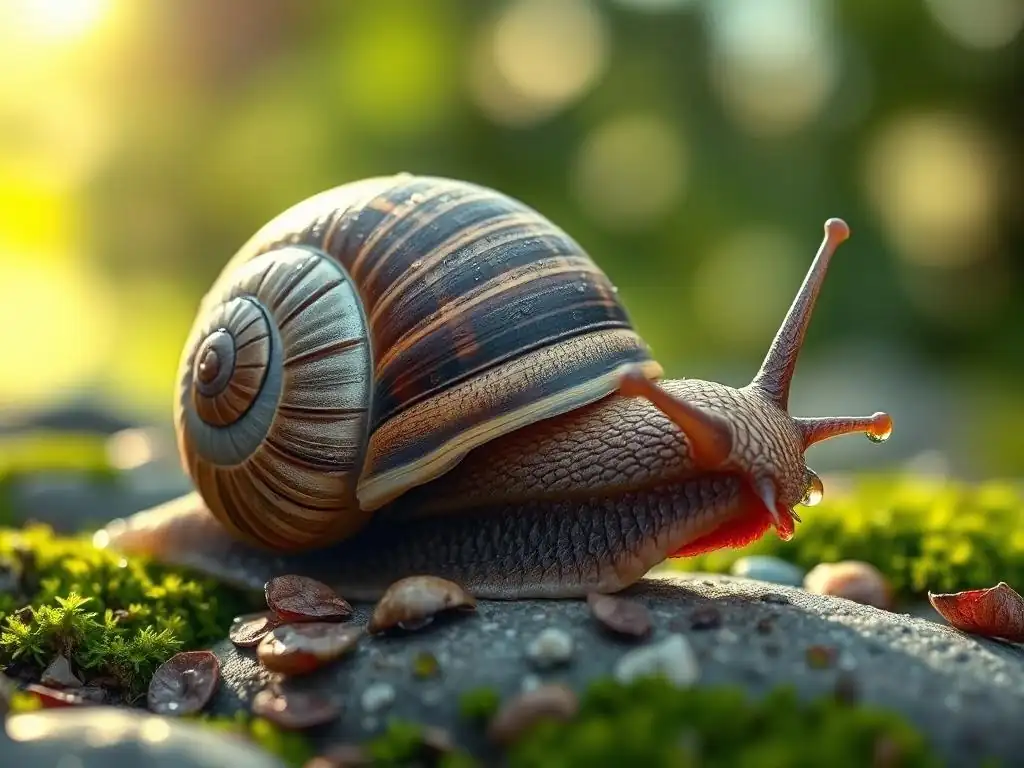
Healthy Snail Diet: Algae, Detritus, and Supplemental Foods
A healthy snail diet primarily consists of the biofilm, green algae, and diatoms that naturally grow on aquarium surfaces, alongside decaying plant matter and microscopic detritus. Nerite snails, for instance, are highly efficient grazers, constantly consuming these natural food sources. Mystery snails are more omnivorous, readily consuming blanched vegetables and specialized snail foods in addition to biofilm.
To ensure optimal health and shell growth, especially for species like Mystery snails that require more calcium, supplemental foods are often necessary. These can include high-quality algae wafers, spirulina flakes, blanched zucchini or spinach, and calcium-rich additions such as cuttlebone, crushed eggshell, or commercial calcium supplements. A varied diet contributes significantly to their overall vitality.
Snails Not Eating: Determining the Cause
When snails are consistently observed not eating, or show a marked lack of interest in their usual food sources, it is a strong indicator of underlying problems. This behavioral change is a crucial signal for initiating snail behavior aquarium troubleshooting, as appetite loss often precedes more severe symptoms of distress or illness.
The reasons for a snail's refusal to eat can range from an actual scarcity of appropriate food within the tank to intense competition from other tank inhabitants. Furthermore, the presence of certain chemicals or medications in the water, even in trace amounts, can severely impact a snail's appetite and overall health.
Insufficient Food Sources: Cleanliness and Algae Control
Paradoxically, an aquarium that is kept too "clean" can sometimes be detrimental to snails, particularly obligate grazers like Nerites. If natural biofilm and algae growth are constantly removed through aggressive cleaning or excessive algae-eating tank mates, snails may simply starve due to insufficient food sources.
Conversely, a tank with an excessive amount of decaying organic matter might indicate poor water quality, which in itself can suppress a snail's appetite. Maintaining a balance where natural biofilm is present but not overwhelming, and supplementing as needed, is crucial for ensuring adequate nutrition.
Competition for Food: Overcrowding Issues
In tanks with a high density of snails or fast-eating fish, slower-moving snails, especially larger species like Mystery snails, may struggle to compete for available food. If food is quickly consumed by more agile tank mates, the snails might not receive adequate nutrition, leading to a decline in activity and appetite.
Overcrowding not only intensifies food competition but also increases the bioload on the filtration system, leading to poorer water quality. This compounded stress further reduces a snail's willingness to eat, making proper stocking levels a key consideration in snail behavior aquarium troubleshooting related to feeding.
Sensitivity to Medications or Chemicals
Many common aquarium medications, particularly those containing copper, often used for treating parasitic infections in fish, are highly toxic and lethal to snails and other invertebrates. Even medications containing ingredients like praziquantel or malachite green can cause severe stress, leading to immediate appetite loss and eventual death.
The presence of residual household chemicals (e.g., from cleaning agents near the tank) or untreated tap water containing chlorine/chloramines can also be highly detrimental, causing snails to retract and cease feeding. Always research medication compatibility and ensure proper water conditioning to avoid these severe issues.
Snail Shell Condition: Indicators of Health
Healthy Snail Shell: Smooth, Intact, and Proper Growth
A healthy freshwater snail shell is typically smooth, free from significant pitting, erosion, or abnormal discoloration. The shell should show consistent growth rings, indicating steady development, and its operculum (the trapdoor) should fit snugly when the snail retracts. The color should be vibrant and characteristic of the species, such as the bright yellow of a golden Mystery snail or the dark stripes of a Nerite.
The integrity of the shell is paramount for a snail's protection against physical damage and osmotic stress. A strong, well-formed shell signifies that the snail is receiving adequate calcium and is living in water parameters that support healthy calcification, reflecting overall well-being.
Snail Shell Problems: Causes and Treatments
Shell problems are a visible and concerning symptom that demands attention in snail behavior aquarium troubleshooting. These issues often indicate fundamental deficiencies in the snail's diet or critical imbalances in the water chemistry, directly impacting their ability to maintain their protective outer layer.
Common shell problems include erosion, where the shell appears pitted or dissolved; physical damage from trauma or predators; and discoloration, which can point to nutritional deficiencies or environmental factors. Each problem requires specific identification of its cause to implement effective treatment.
Snail Shell Erosion: Calcium Deficiency and Low pH
Shell erosion is a common and serious issue, primarily caused by insufficient calcium in the water (e.g., general hardness, GH, below 80 ppm or 4 dGH) combined with low pH (e.g., consistently below 7.0). Acidic water actively dissolves the calcium carbonate that makes up the snail's shell, leading to visible pitting, thinning, and a compromised protective barrier.
To treat and prevent erosion, it is crucial to raise both the pH and general hardness. This can be achieved by adding calcium-rich supplements like cuttlebone, crushed coral, aragonite substrate, or specialized liquid calcium products to the aquarium water. Aim for a GH of 100-200 ppm (6-12 dGH) and a pH between 7.2 and 8.0 for most common freshwater snails.
Snail Shell Damage: Physical Trauma or Predators
Physical damage to a snail's shell can occur from accidental trauma, such as falling from a height onto hard decor, or from sharp edges within the tank. These injuries can leave cracks or chips in the shell, potentially exposing the snail's soft body to infection or further harm.
More concerning is damage inflicted by predators. Certain fish species, such as loaches (e.g., Clown Loaches, Yoyo Loaches) or some cichlids, are known to prey on snails, attempting to crack or extract them from their shells. Assassin snails ( Clea helena) are also specialized snail predators that drill into other snail shells. Identifying the source of physical damage is key to protecting your snails.
Snail Shell Discoloration: Diet and Environmental Factors
Shell discoloration, presenting as dullness, unusual banding, or dark spots, can be an indicator of a suboptimal diet or specific environmental factors. For instance, a lack of essential trace minerals, particularly calcium and magnesium, can result in a dull, lackluster shell appearance rather than the vibrant colors expected of the species.
High levels of nitrates (e.g., consistently above 40 ppm) or other pollutants in the water can also contribute to a general decline in snail health, sometimes manifesting as shell discoloration or a lack of new, healthy shell growth. Ensuring a balanced, nutrient-rich diet and maintaining pristine water parameters are crucial for promoting healthy shell coloration and growth.
Snail Reproduction and Population Management
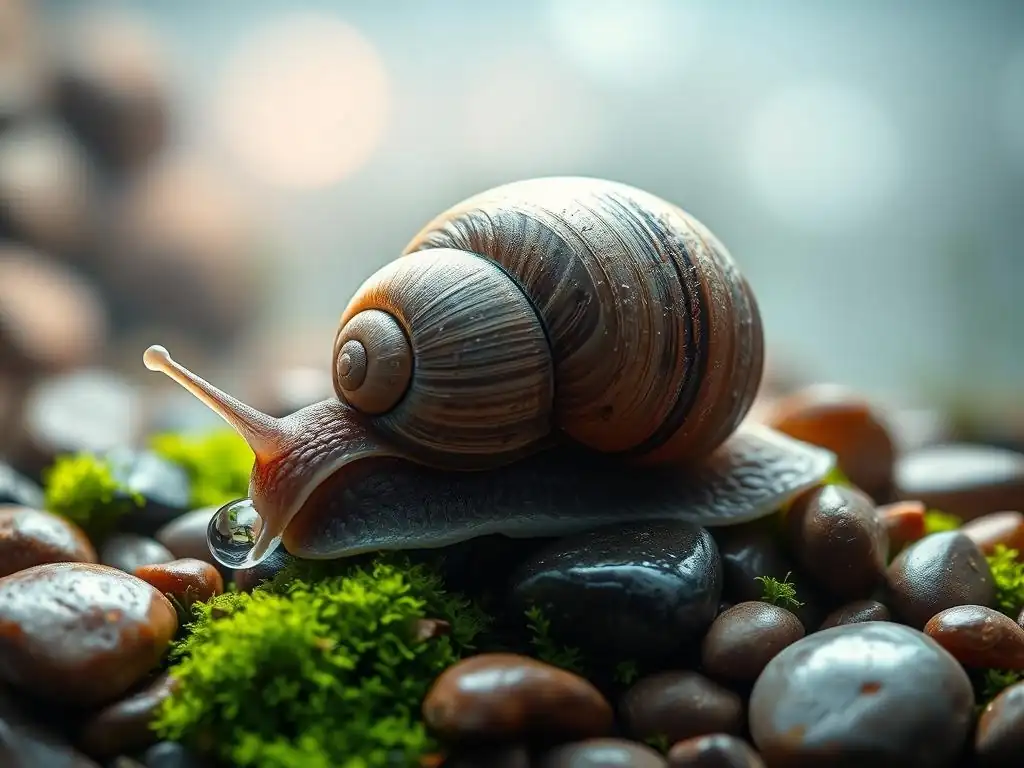
Snail Breeding: Identifying Egg Masses and Mating Behavior
Snail breeding behavior varies significantly by species. Mystery snails are gonochoristic (separate sexes) and mate frequently, often with one snail mounting another. Their distinctive egg clutches are laid above the waterline as firm, gelatinous masses containing hundreds of eggs. Nerite snails, also gonochoristic, lay tiny, hard white eggs (operculum-sized dots) on hard surfaces throughout the tank, which typically require brackish water to hatch successfully.
Ramshorn snails are hermaphroditic and can reproduce rapidly, laying clear, jelly-like egg masses containing dozens of eggs on plants, glass, or decor. Understanding these species-specific breeding habits is crucial for managing snail populations and is a key aspect of proactive snail behavior aquarium troubleshooting related to population control.
Snail Overpopulation: Causes and Management
Snail overpopulation, particularly with prolific species like Ramshorns or Pond snails, is almost invariably a direct consequence of an abundant food supply. Overfeeding fish, leaving uneaten food to decay, or excessive algal growth provides an unlimited buffet for these opportunistic feeders, leading to exponential population booms. This scenario is a common reason aquarists seek snail behavior aquarium troubleshooting.
Effective management of snail populations requires a multi-faceted approach that addresses the root causes rather than just the symptoms. Strategies include manual removal, the careful introduction of biological controls, and, most importantly, diligent attention to feeding practices and overall tank cleanliness.
Manual Snail Removal Techniques
For minor snail infestations or specific species, manual removal is a highly effective and non-invasive technique. This can involve simply hand-picking snails from the glass and decor during tank maintenance. A common method is to place a blanched lettuce leaf or zucchini slice in the tank overnight; snails will flock to it, allowing for easy removal the next morning.
Regularly inspecting the tank for egg masses and promptly scraping them off (especially for Mystery snail clutches above the waterline) can significantly reduce future population growth. These manual methods provide immediate relief and are suitable for hobbyists who prefer to avoid chemical or biological interventions.
Biological Control (Considerations and Risks)
Biological control involves introducing natural predators to manage snail populations. Assassin snails ( Clea helena) are a popular choice as they specifically prey on other snails without harming fish or plants, and they reproduce relatively slowly. Certain loach species, such as Clown Loaches or Yoyo Loaches, are also known snail eaters.
- Considerations and Risks: While effective, biological controls come with caveats. Loaches can grow quite large (Clown Loaches can exceed 12 inches) and require specific tank conditions and social structures, making them unsuitable for many community aquariums. Assassin snails themselves will reproduce, albeit at a slower rate than pest snails. Always research compatibility and potential long-term impacts before introducing a new species for population control.
Addressing Root Causes: Overfeeding and Nutrient Imbalance
The most sustainable and effective solution for snail overpopulation is to address the underlying causes: primarily overfeeding and excess nutrients. Uneaten fish food is a primary catalyst for snail booms, providing an abundant and readily available food source. Limiting fish feeding to only what they can consume in 2-3 minutes significantly reduces this food supply.
Regular and thorough tank maintenance, including gravel vacuuming to remove accumulated detritus and decaying plant matter, further reduces the food available for snails. Consistent partial water changes also help to export excess nutrients, thereby limiting the resources that fuel rapid snail reproduction and contributing to long-term snail behavior aquarium troubleshooting.
Snail Behavior Troubleshooting: Common Issues and Solutions
Problem: Snails Climbing Above the Waterline
When aquatic snails, particularly species like Mystery snails or Ramshorns, are consistently observed climbing out of the water and onto the tank lid or rim, it is a definitive sign of environmental distress. This behavior indicates that the snails are actively attempting to escape unfavorable conditions within the water column.
This is a critical signal for snail behavior aquarium troubleshooting, as it often points to severe issues such as critically low dissolved oxygen levels or the presence of harmful toxins, which can quickly impact other sensitive tank inhabitants, including fish.
Solution: Evaluate Water Quality and Oxygen Levels
The immediate response to snails climbing above the waterline should be a comprehensive water parameter test. Check for elevated levels of ammonia (e.g., above 0.25 ppm), nitrite (e.g., above 0.1 ppm), and nitrates (e.g., above 20-40 ppm). Also, ensure the pH is stable and within the appropriate range for your snail species.
Simultaneously, assess the oxygenation of the water. Insufficient surface agitation from a weak filter or lack of air stones can lead to low dissolved oxygen. Increase surface movement with an air stone or by adjusting filter outflow, and perform a significant partial water change (e.g., 25-50%) to dilute pollutants and introduce fresh, oxygenated water.
Problem: Snails Gathering at the Top of the Tank
A congregation of snails at the water's surface, particularly near the filter outflow or where air bubbles are present, is another strong indicator of environmental stress. Similar to climbing out, this behavior suggests that the snails are seeking areas with higher oxygen concentration or attempting to avoid undesirable conditions in the lower water column.
This behavior often occurs when the tank's oxygen levels are depleted due to high organic loads, insufficient surface agitation, or elevated temperatures that reduce oxygen solubility. It is a clear warning sign that necessitates prompt snail behavior aquarium troubleshooting to prevent further stress to the entire aquatic community.
Solution: Improve Water Circulation and Oxygenation
To address snails gathering at the top, first ensure that the aquarium filter is operating efficiently and providing adequate water circulation throughout the tank. Clean or replace clogged filter media to restore optimal flow. If circulation is poor, consider adding an air stone or a powerhead to increase water movement and surface agitation, thereby improving gas exchange.
A partial water change (e.g., 25%) can help dilute any accumulating pollutants that are contributing to oxygen depletion. Additionally, ensure the tank is not overstocked, as excessive bio-load consumes more oxygen and produces more waste, further exacerbating the issue.
Problem: Sudden Snail Deaths
The sudden, unexplained death of multiple snails within a short period is an emergency situation in an aquarium. This scenario points to an acute and severe environmental crisis, such as a sudden influx of highly toxic substances or a catastrophic crash in critical water parameters. This is the most urgent trigger for snail behavior aquarium troubleshooting.
Immediate action is paramount not only to identify the cause of the snail deaths but also to protect any remaining tank inhabitants, as the underlying issue is likely to be detrimental to fish and other invertebrates as well. Delay can lead to further losses.
Solution: Test Water Parameters and Rule Out Toxins
Upon discovering sudden snail deaths, the absolute first step is to perform a full suite of water parameter tests: ammonia, nitrite, nitrate, pH, and temperature. Look for any sudden spikes (e.g., ammonia or nitrite appearing suddenly, or nitrate levels skyrocketing) or drastic pH shifts (e.g., a sudden drop below 6.0).
Simultaneously, consider any recent changes or additions to the tank environment. Have you used any new medications (especially copper-based ones), fertilizers, or cleaning products near the tank? Was dechlorinator used during the last water change? Perform a large (e.g., 50%) partial water change immediately using temperature-matched, thoroughly dechlorinated water, even before test results are fully processed, to dilute any potential toxins.
Advanced Snail Observation: Recognizing Subtle Changes
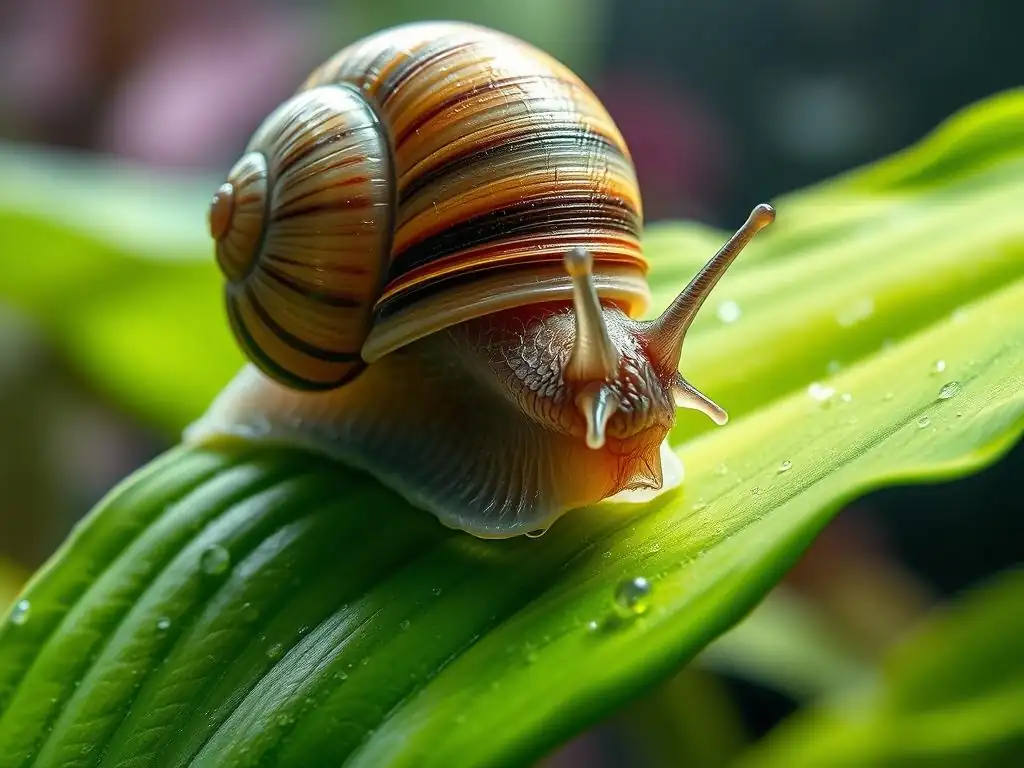
Recognizing Early Signs of Snail Illness or Stress
Advanced snail observation involves recognizing subtle behavioral and physical changes that precede overt signs of illness or severe stress. These early indicators are crucial for proactive snail behavior aquarium troubleshooting. Look for slight reductions in overall activity levels, such as less enthusiastic grazing or prolonged periods of immobility that are uncharacteristic for the species.
Other subtle cues include a less vigorous response to food, a slight gape in the operculum when the snail is retracted, or minor, unexplainable changes in shell coloration or texture that deviate from its normal appearance. Catching these early signs allows for intervention before the problem escalates, potentially saving the snail's life and preventing wider tank issues.
Species-Specific Snail Behaviors: Nerite vs. Mystery Snail
Understanding species-specific behaviors enhances observational accuracy. Nerite snails, for example, are almost exclusively grazers and tend to be constantly active on hard surfaces. Their primary distress signal, apart from inactivity, is often a desperate attempt to climb out of the water, indicating severe water quality issues. Their eggs are notoriously difficult to remove.
Mystery snails, on the other hand, are more exploratory, often burrowing into soft substrates and exhibiting periods of rest. They possess a siphon for breathing air, and their behavior of extending it frequently or lingering at the surface often indicates low oxygen. Their large, above-water egg clutches are easily identifiable and can be removed for population control.
Maintaining a Healthy Snail Environment: Prevention Strategies
Regular Water Changes and Monitoring
The cornerstone of maintaining a healthy snail environment and preventing most snail behavior aquarium troubleshooting scenarios is a consistent schedule of partial water changes. Performing weekly or bi-weekly water changes (e.g., 25% of tank volume) removes accumulated nitrates, phosphates, and other pollutants, ensuring stable and pristine water parameters.
Coupled with regular water changes, consistent monitoring of water parameters (ammonia, nitrite, nitrate, and pH) using a reliable test kit is essential. This proactive testing helps to identify any unfavorable trends or sudden shifts in water chemistry before they can negatively impact snail health, allowing for timely corrective action.
Providing a Balanced Diet and Calcium Supplementation
A balanced diet is crucial for snail vitality, promoting not only active behavior but also robust shell growth. While many snails graze on natural biofilm and detritus, supplementing their diet with high-quality algae wafers, blanched vegetables (like zucchini or spinach), and specialized snail foods ensures they receive all necessary nutrients. Avoid overfeeding fish, as excess food fouls the water and leads to pest snail booms.
For species that require significant calcium for shell development, such as Mystery snails, ensuring adequate calcium in the water is vital. This can be achieved by maintaining a general hardness (GH) between 8-12 dGH (140-220 ppm) or by directly adding calcium sources like cuttlebone, crushed eggshell, or commercial calcium supplements to the tank.
Avoiding Harmful Chemicals and Medications
A critical prevention strategy is to exercise extreme caution with any chemicals or medications introduced into the aquarium. Many common fish medications, particularly those containing copper (e.g., for ich treatment), are highly toxic to snails and other invertebrates, often leading to rapid and fatal outcomes. Even some plant fertilizers or algaecides can contain ingredients harmful to snails.
Always read product labels carefully and research the active ingredients for invertebrate safety before use. If medication is necessary for fish and is known to be harmful to snails, it is imperative to remove the snails to a separate, established quarantine tank during the treatment period, thereby completely avoiding severe snail behavior aquarium troubleshooting related to chemical exposure.
Conclusion: Understanding Snail Behavior for a Thriving Aquarium.
Understanding and interpreting snail behavior is an invaluable skill for any freshwater aquarist. Far from being mere tank cleaners, snails serve as vital living indicators, providing continuous feedback on the health and stability of their aquatic environment. Their movements, feeding patterns, and shell conditions offer a rich tapestry of information, signaling everything from optimal conditions to impending crises.
By diligently observing these fascinating invertebrates, aquarists gain a powerful tool for proactive snail behavior aquarium troubleshooting. This informed approach allows for early detection and swift resolution of issues, transforming potential problems into minor adjustments and ultimately fostering a more stable, balanced, and thriving freshwater aquarium ecosystem for all its inhabitants.
Frequently Asked Questions
What are some common reasons why my aquarium snails might be acting strangely?
Unusual snail behavior often indicates poor water quality, lack of food, or unsuitable tank conditions. Observe your snails closely for specific symptoms to pinpoint the problem.
How can I tell if my snails are getting enough to eat in my aquarium?
If snails are constantly scavenging and appear thin, they may not be getting enough food. Supplement their diet with algae wafers or blanched vegetables, and ensure there's enough algae growth.
My snails are all clustered at the top of the tank. Is this normal?
This behavior is not typically normal and suggests stressful water parameters, particularly low oxygen levels or the presence of toxins like ammonia or nitrites. Test your water immediately.
How do I address a snail infestation in my aquarium?
Control snail populations through manual removal, reducing food availability, and introducing snail-eating fish or invertebrates carefully. Avoid overfeeding your fish to limit snail food sources.
What does it mean if my snail is lying upside down and not moving?
An upside-down, immobile snail could be dead or severely ill. Gently probe the snail to check for a response and smell the snail - a foul odor indicates decomposition, confirming it is deceased.
Final Reflection: Unveiling the Secrets of the Snail
The insights we've explored into snail behavior, far from being merely academic, are directly applicable to creating thriving aquarium ecosystems. Understanding these subtle cues allows us to proactively address potential issues, transforming what might seem like random snail activity into a valuable diagnostic tool for aquarium health. This knowledge empowers aquarists to move beyond simply observing their snails to truly understanding and responding to their needs.
This journey into the world of snail behavior has profoundly impacted how we perceive these often-overlooked creatures. Recognizing the complexity of their actions and their sensitivity to environmental changes underscores the importance of responsible aquarium keeping. It's a reminder that even the smallest inhabitants play a crucial role in the delicate balance of an aquatic environment. In the end, we will conserve only what we love; we will love only what we understand; and we will understand only what we are taught.
- Baba Dioum. This quote perfectly encapsulates the power of knowledge in fostering appreciation and responsible stewardship.
Now, armed with a deeper understanding of snail behavior, I invite you to observe your own aquatic companions with renewed curiosity. Pay attention to the subtle signals they send, and use this knowledge to create a healthier, more harmonious environment for all your aquarium inhabitants. By becoming more attuned to their needs, you not only enhance their well-being but also enrich your own experience as a responsible and compassionate aquarist.
Unlock Your Snail's Secrets!
Thanks for diving into the fascinating world of snail behavior! Now that you understand what your shelled friend is trying to tell you, it's time to put that knowledge into action and create the best possible environment for them.
Here are a few things you can do right now:
- Actively observe your snail's behavior for at least 15 minutes each day for the next week. Note any changes in activity, appetite, or location within the aquarium.
- Share a picture of your snail and a description of its behavior in the comments below, asking for insights from fellow snail enthusiasts.
- Brainstorm three ways you can enrich your snail's environment (e.g., new plants, hiding spots, food variety) and implement one this week.
What's the most surprising thing you've learned about your snail's behavior, and how will you use that knowledge to improve their life?