
Building a Selective Breeding Program for Freshwater Shrimp: A LongTerm View

Welcome to Aquarium Mastery, fellow aquarist!
Ever dreamt of crafting your perfect freshwater shrimp colony, bursting with vibrant colors and robust health? Our latest guide, "Building a Selective Breeding Program for Freshwater Shrimp: A LongTerm View," dives deep into the art and science of freshwater shrimp breeding. Prepare to unlock the secrets to successful breeding, understand the nuances of genetics, and transform your tank into a thriving shrimp paradise. Curious to learn how? Let's get started!
- Introduction to Selective Breeding for Freshwater Shrimp
- Planning Your Freshwater Shrimp Breeding Program
- The Selective Breeding Process: A Step-by-Step Guide
- Optimizing Shrimp Breeding Conditions for Success
- Advanced Techniques in Freshwater Shrimp Breeding
- Challenges and Troubleshooting in Shrimp Breeding
- Maintaining Genetic Diversity in Your Shrimp Colony
- The Long-Term Commitment to Selective Shrimp Breeding
- Conclusion: The Rewards of Selective Freshwater Shrimp Breeding
-
Frequently Asked Questions
- How long does it typically take to see results from a selective breeding program for freshwater shrimp?
- What are the most important factors to consider when selecting parent shrimp for breeding?
- What type of aquarium setup is ideal for a selective breeding program?
- How often should I cull shrimp from the breeding program?
- What are some common challenges faced when breeding freshwater shrimp, and how can I overcome them?
- Final Reflection: Cultivating a Legacy of Innovation
- Ignite Your Shrimp Breeding Journey!
Introduction to Selective Breeding for Freshwater Shrimp
Understanding the Basics of Freshwater Shrimp Genetics
At the core of any successful freshwater shrimp breeding guide is a fundamental understanding of genetics. Just like any other living organism, freshwater shrimp inherit traits from their parents through genes. These genes determine characteristics such as color, size, pattern, and even resilience to environmental changes. For example, the vibrant red coloration in a Neocaridina davidi 'Cherry Shrimp' is a result of specific genes being expressed. Some traits are dominant, meaning only one copy of the gene is needed for the trait to appear, while others are recessive, requiring two copies for expression.
Understanding these genetic principles allows breeders to predict, to some extent, the outcomes of specific pairings. For instance, if you breed two 'Snowball' Neocaridina shrimp (which are essentially white Cherry shrimp), you can expect all offspring to be white, as the 'Snowball' trait is a stable genetic line. However, if you cross a 'Red Cherry' with a 'Blue Dream', the offspring (F1 generation) might exhibit mixed or wild-type coloration due to the complex interplay of dominant and recessive genes, requiring further selective breeding to stabilize desired new color forms.
Why Selective Breeding Matters for Aquarium Shrimp
Selective breeding offers profound benefits for the freshwater shrimp hobbyist, going far beyond simply increasing numbers. One primary reason is the enhancement and stabilization of desirable traits, particularly color. Many popular shrimp varieties, such as the intensely colored 'Painted Fire Red' Neocaridina or the intricate patterns of high-grade Caridina 'Crystal Red Shrimp', are the direct result of generations of meticulous selective breeding, where only the most vibrantly colored individuals are chosen to reproduce. This process helps to fix the desired genetic traits within a line, ensuring consistency in offspring.
Beyond aesthetics, selective breeding is crucial for improving the overall health and vigor of a shrimp colony. By consistently selecting the healthiest, most active, and robust individuals for breeding, aquarists can gradually build a line that is more resistant to common diseases, more tolerant of minor water parameter fluctuations, and generally more prolific. This long-term approach helps mitigate the risks of inbreeding depression, which can lead to smaller, weaker, and less fertile shrimp over time if not managed carefully. A well-executed freshwater shrimp breeding guide emphasizes these health benefits as much as the visual ones.
Planning Your Freshwater Shrimp Breeding Program
Defining Your Breeding Goals: Color, Size, and Disease Resistance
Before embarking on a freshwater shrimp breeding program, clearly defining your goals is paramount. For many, the primary objective is to achieve a consistent and vibrant color line. For instance, a breeder might aim for a 'Bloody Mary' Neocaridina line with an opaque, deep red coloration that extends throughout the entire body, including the legs, or a 'Black King Kong' Caridina with solid black bodies and no white markings. This often involves culling (removing) shrimp that do not meet the desired color standard, such as those with faded coloration or undesirable patterns.
Beyond color, other important goals include size and disease resistance. Some breeders strive for larger adult shrimp, which can be more visually impactful and often command higher prices in the market. This involves selecting the largest, fastest-growing individuals for breeding. Simultaneously, focusing on disease resistance means prioritizing shrimp that show no signs of illness, are consistently active, and exhibit strong molting patterns. By breeding from a healthy foundation, you contribute to a more robust gene pool for your freshwater shrimp breeding guide efforts, reducing susceptibility to common ailments like bacterial infections or molting issues.
Selecting Your Foundation Stock: Choosing the Right Shrimp
The success of your freshwater shrimp breeding program hinges significantly on the quality of your initial foundation stock. It is critical to start with healthy, active, and well-colored individuals that exhibit the traits you wish to propagate. Sourcing shrimp from reputable breeders who maintain stable lines and provide clear information about their shrimp's lineage can minimize genetic surprises and potential health issues down the line. Avoid buying "mystery mixes" if you have specific breeding goals, as their genetic backgrounds are often too varied to produce consistent results.
When selecting your shrimp, observe them closely for signs of vitality: they should be actively foraging, have intact antennae, and display their characteristic coloration without patches or dullness. Avoid shrimp that appear lethargic, have opaque muscles, or show any signs of fungal or bacterial infections. For a starting colony, a ratio of approximately 2-3 females per male is often recommended to ensure successful fertilization while minimizing stress on individual males. A typical starting group for a serious freshwater shrimp breeding guide might be 10-20 high-quality individuals to provide a good genetic base.
Setting Up Dedicated Breeding Tanks for Shrimp
To maximize breeding success and maintain control over your genetic lines, dedicated breeding tanks are essential. A tank size of 5 to 10 gallons (approximately 19 to 38 liters) is often ideal for a starting colony of freshwater shrimp, providing enough space for growth and reproduction without being overly difficult to manage. Smaller tanks also make it easier to observe individual shrimp and perform selective culling. For substrate, inert options like fine gravel or sand are suitable for Neocaridina, while active substrates designed to lower pH are crucial for Caridina species like Crystal Red or Bee shrimp.
Filtration should be gentle yet effective; sponge filters are highly recommended as they provide excellent biological filtration without posing a risk to tiny shrimplets, which can easily be sucked into hang-on-back or canister filters. Maintaining stable temperatures, typically between 72-78°F (22-26°C) for Neocaridina and slightly cooler for some Caridina, is also vital. Ensure the tank is fully cycled before introducing shrimp to prevent ammonia and nitrite spikes, which are highly toxic to these sensitive invertebrates. This controlled environment is a cornerstone of any effective freshwater shrimp breeding guide.
The Selective Breeding Process: A Step-by-Step Guide
Step 1: Initial Selection and Isolation of Breeding Pairs
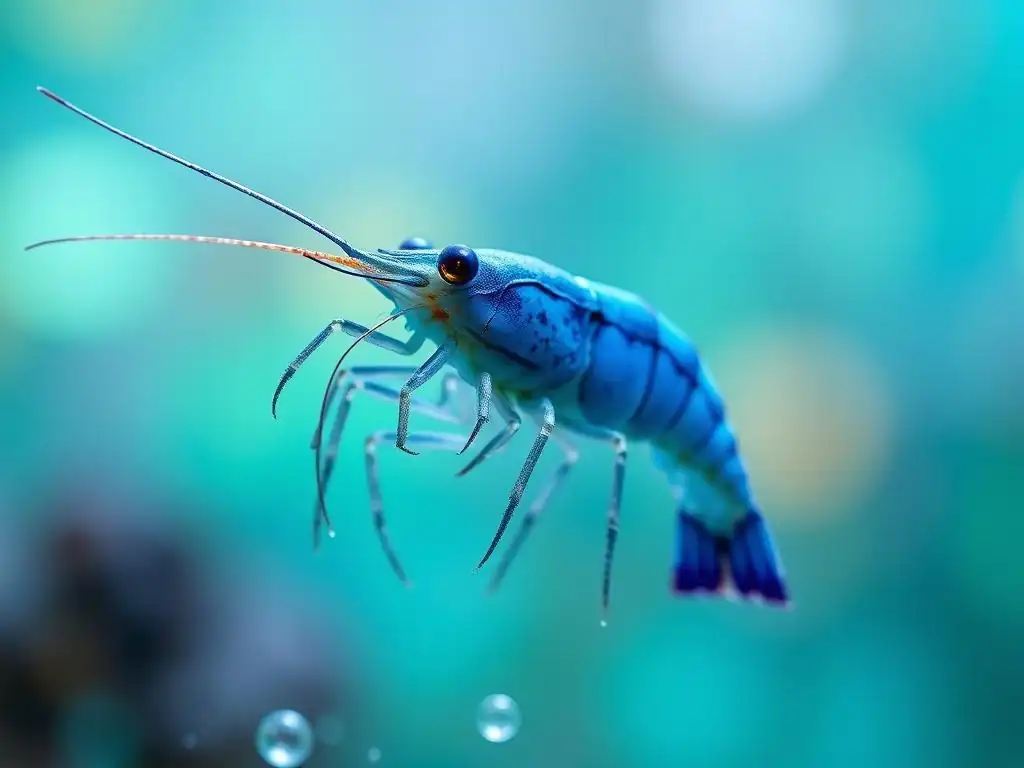
The first critical step in a freshwater shrimp breeding guide is the careful initial selection and isolation of your prospective breeding pairs or groups. Once your foundation stock has settled into their dedicated breeding tank and shown signs of good health and activity, you will begin to identify individuals that most closely embody your breeding goals.
For instance, if you are aiming for a deeper red in your Cherry shrimp, you would select the most intensely colored females and males. These chosen individuals are then either moved into their own smaller breeding tanks or marked for observation within a larger, well-segregated breeding setup.
This isolation or focused observation phase is crucial because it allows you to control parentage and minimize the influence of less desirable genetic traits from other shrimp in the colony. By separating your prime specimens, you ensure that the offspring produced are directly from the individuals you've chosen for their superior qualities. For example, if you have 20 'Painted Fire Red' shrimp, you might select the top 5 females and 3 males with the most opaque and uniform coloration to form your initial breeding group, setting them apart to produce the F1 generation.
Step 2: Monitoring and Documenting Shrimp Characteristics
Consistent monitoring and meticulous documentation are indispensable tools in a comprehensive freshwater shrimp breeding guide. As your selected shrimp begin to reproduce, it is vital to observe the offspring (shrimplets) as they grow, noting their characteristics. Key data points to record include the parentage of each brood, the number of shrimplets produced, their growth rate, and, most importantly, the development of their color, pattern, or other desired traits as they mature. You might use a simple notebook, a spreadsheet, or specialized breeding software to keep track of this information.
For example, you might note that a specific pair consistently produces offspring with 80% high-grade coloration, while another pair yields only 40% high-grade offspring. This data allows you to identify successful genetic pairings and track progress across generations. Documenting survival rates and any observed deformities also provides crucial insights into the health and stability of your breeding lines. Without detailed records, it becomes incredibly difficult to make informed decisions about which shrimp to breed next or which lines to discontinue, making the entire selective breeding process less efficient and more reliant on guesswork.
Step 3: Culling Undesirable Traits in Shrimp
Culling is a fundamental, albeit often debated, practice in selective freshwater shrimp breeding. It involves the removal of individuals from your breeding population that do not meet your established breeding goals or exhibit undesirable traits. This could include shrimp with faded or inconsistent coloration, deformities (such as bent rostrums or missing limbs), slow growth rates, or signs of chronic illness. The purpose of culling is to prevent these less desirable genes from being passed on to future generations, thereby maintaining and improving the genetic purity and quality of your breeding line.
The method of culling varies among breeders. Some maintain a separate "cull tank" where these shrimp can live out their lives, or they might be sold as lower-grade shrimp to other hobbyists. In some cases, they might be used as feeder shrimp for larger fish.
For example, in a 'Blue Dream' Neocaridina breeding program, any shrimp that are brown, clear, or have patchy blue coloration would be culled from the main breeding tank to ensure that only the most intensely blue individuals contribute to the next generation. This rigorous selection is what drives the consistent improvement seen in high-grade shrimp lines mentioned in any thorough freshwater shrimp breeding guide.
Step 4: Refining Your Breeding Lines Through Generations
The process of refining your breeding lines is an iterative and long-term commitment central to any successful freshwater shrimp breeding guide. After culling the undesirable individuals from the F1 generation (first generation offspring), you will then select the best of these F1 shrimp to become the parents of your F2 generation. This continuous cycle of selection, breeding, and culling, repeated over many generations, gradually intensifies and stabilizes the desired traits within your colony. It's a testament to patience and meticulous observation.
With each successive generation (F2, F3, F4, and so on), you should observe an increasing percentage of offspring exhibiting the desired characteristics. For instance, if your F1 'Painted Fire Red' shrimp show only 60% full body coloration, by the F3 or F4 generation, with diligent culling and selection, you might see 90% or more meeting that standard.
This consistent improvement is the reward for the effort put into documentation and culling. It's important to remember that genetic variation will always occur, so the process of selection and refinement is ongoing, ensuring your line remains strong and true to its type.
Optimizing Shrimp Breeding Conditions for Success
Maintaining Optimal Water Parameters for Shrimp Breeding
Maintaining stable and optimal water parameters is perhaps the most critical factor for successful freshwater shrimp breeding. Different shrimp species have distinct requirements. For instance, Neocaridina species like Cherry shrimp thrive in a pH range of 6.5-8.0, with a General Hardness (GH) of 6-10 dGH, a Carbonate Hardness (KH) of 2-6 dKH, and a Total Dissolved Solids (TDS) between 150-300 ppm. In contrast, sensitive Caridina species such as Crystal Red Shrimp prefer more acidic and softer water, typically with a pH of 5.5-6.5, GH of 4-6 dGH, KH of 0-1 dKH, and TDS between 100-200 ppm.
Consistency is key; sudden fluctuations in pH, temperature, or hardness can stress shrimp, leading to molting issues, reduced breeding activity, or even death. Regular, small water changes (e.g., 10-20% weekly) with properly conditioned water are essential to remove nitrates and replenish minerals. Using a reliable test kit to monitor pH, GH, KH, ammonia, nitrite, and nitrate levels ensures that the environment remains ideal for both adult shrimp and delicate shrimplets. This rigorous attention to water quality is a cornerstone of any effective freshwater shrimp breeding guide.
Providing a Nutritious Diet for Shrimp Growth and Reproduction
A diverse and nutritious diet is fundamental for promoting healthy growth, vibrant coloration, and consistent reproduction in your freshwater shrimp. While shrimp are excellent scavengers and will graze on biofilm and algae, a dedicated feeding regimen is crucial for a successful breeding program. High-quality specialized shrimp foods, often containing spirulina, moringa, and calcium, provide essential vitamins and minerals. Calcium, in particular, is vital for proper molting and shell development.
Supplementing their diet with blanched vegetables like spinach, zucchini, or kale provides additional fiber and nutrients. Protein sources, such as occasional small amounts of bloodworms, brine shrimp, or specialized protein pellets, can boost growth and egg production, but should be fed sparingly to avoid overfeeding and water fouling. Overfeeding is a common pitfall, leading to poor water quality and potential health issues.
Feed small amounts once a day or every other day, ensuring the food is consumed within a few hours to maintain pristine conditions in the breeding tank. A balanced diet is a key component of any comprehensive freshwater shrimp breeding guide.
Creating a Stress-Free Environment for Breeding Shrimp
A tranquil and stress-free environment significantly boosts breeding success in freshwater shrimp. Stress can lead to reduced breeding rates, molting problems, and increased susceptibility to disease. One of the primary ways to reduce stress is by providing ample hiding spots and grazing surfaces. Live plants, such as Java moss, Christmas moss, Anubias, and Bucephalandra, are excellent for this purpose, offering both shelter for shrimplets and a rich source of biofilm. Driftwood and shrimp caves also serve as valuable refuges.
Equally important is ensuring there are no aggressive tank mates. Freshwater shrimp breeding tanks should ideally be species-only or house only very peaceful, small fish like Otocinclus catfish, which pose no threat to adult shrimp or shrimplets. Avoid sudden changes in lighting, loud noises, or excessive movement around the tank, as these can startle and stress the shrimp. A stable, quiet environment allows shrimp to feel secure, promoting natural behaviors like foraging and reproduction. This emphasis on a calm habitat is a recurring theme in any expert freshwater shrimp breeding guide.
Advanced Techniques in Freshwater Shrimp Breeding
Line Breeding vs. Outcrossing for Genetic Diversity
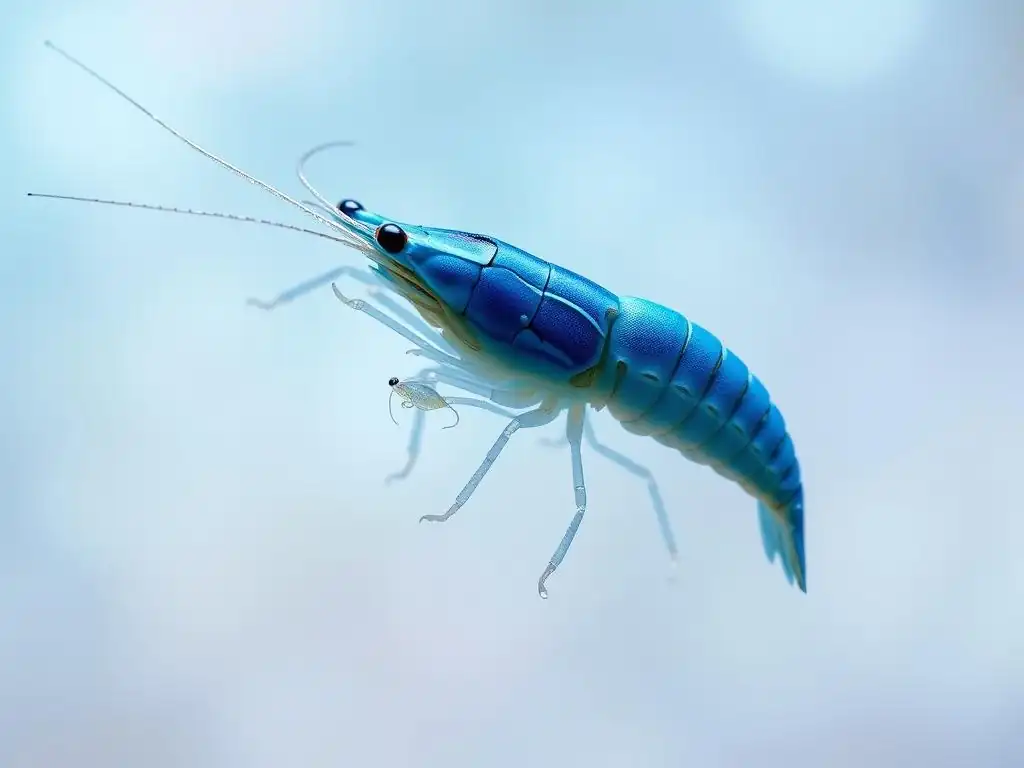
In the realm of advanced freshwater shrimp breeding, understanding the strategic application of line breeding versus outcrossing is crucial for long-term success. Line breeding involves breeding closely related individuals to intensify and fix specific desired traits within a lineage, such as a particular shade of red or a unique pattern.
For example, an F2 generation male with exceptional color might be bred back to his F1 mother to strengthen the desired trait in the subsequent generation. While highly effective for trait stabilization, prolonged line breeding without intervention can significantly reduce genetic diversity, leading to inbreeding depression, characterized by smaller shrimp, reduced fertility, and increased susceptibility to disease after several generations (e.g., F5-F7).
Outcrossing, conversely, involves introducing new, unrelated genetic material into your breeding line. This is typically done by acquiring a high-quality, unrelated shrimp from a different breeder that shares your desired traits. The primary purpose of outcrossing is to inject fresh genes into your colony, thereby increasing genetic diversity and improving overall vigor, size, and fertility.
For instance, if your 'Blue Dream' colony begins to show signs of reduced size and fertility, introducing a robust, unrelated 'Blue Dream' male could revitalize the line. A balanced approach, alternating between periods of line breeding to fix traits and strategic outcrossing to maintain genetic health, forms the backbone of a sophisticated freshwater shrimp breeding guide.
Understanding Genetic Mutations and Their Role in Shrimp Breeding
Genetic mutations play a fascinating and often unpredictable role in freshwater shrimp breeding. These are spontaneous changes in the shrimp's DNA that can lead to entirely new traits, such as novel color forms or patterns. Many of the popular and stable shrimp varieties we see today, like the 'Blue Dream' Neocaridina, are believed to have originated from such mutations within existing lines (e.g., a blue mutation appearing in a red Cherry shrimp colony). While most mutations are not beneficial or even viable, occasionally one arises that is aesthetically pleasing or offers a unique characteristic.
When a breeder observes a new, desirable trait appearing unexpectedly in their colony, the next step is to isolate and selectively breed those individuals to see if the trait is heritable and stable. This often involves rigorous line breeding of the mutated shrimp to themselves and their offspring to "fix" the mutation within a new line.
For example, if a black shrimp suddenly appears in a red colony, the breeder would isolate it and try to breed it to other black individuals (if any appear) or to red individuals carrying the black gene, to establish a stable black line. Documenting these occurrences is vital, as a successful mutation can lead to the creation of an entirely new, highly sought-after freshwater shrimp breeding guide entry.
Reverse Osmosis (RO) Water Use: Managing Water Chemistry for Sensitive Shrimp
For breeders of sensitive freshwater shrimp species, particularly many Caridina varieties like Crystal Red, Black King Kong, or Taiwan Bee shrimp, the use of Reverse Osmosis (RO) water is an advanced yet essential technique. Tap water, even if seemingly clean, often contains varying levels of minerals, chlorine, chloramines, heavy metals, and other impurities that can be detrimental to delicate shrimp. RO water, produced by a reverse osmosis filter, is essentially pure H2O, stripped of almost all dissolved solids and contaminants.
However, RO water on its own is too pure for shrimp, lacking the essential minerals they need for osmoregulation and molting. Therefore, it must be remineralized to specific parameters using specialized shrimp-safe remineralizers. For Caridina shrimp, a product like SaltyShrimp GH+ is commonly used to add back only General Hardness (GH) minerals, aiming for a TDS of 100-200 ppm and a low pH.
For Neocaridina, a product like SaltyShrimp GH/KH+ might be used to restore both GH and KH. This precise control over water chemistry eliminates variables present in tap water, providing a consistent and optimal environment for even the most demanding freshwater shrimp breeding guide.
Challenges and Troubleshooting in Shrimp Breeding
Dealing with Genetic Bottlenecks in Shrimp Populations
Genetic bottlenecks are a significant challenge in freshwater shrimp breeding, often arising from starting a colony with too few individuals or through overly aggressive culling without introducing new genetic material. When a population passes through a bottleneck, its genetic diversity is drastically reduced, as only a small subset of the original gene pool survives or is selected for breeding.
This can lead to a host of problems, including reduced fertility rates (e.g., fewer berried females or smaller clutch sizes), smaller adult sizes, increased susceptibility to diseases due to a weakened immune system, and a general decline in the vitality and robustness of the colony over several generations.
Recognizing the signs of a genetic bottleneck, such as consistently low breeding rates despite optimal conditions or a noticeable increase in deformities, is crucial. The primary solution for a bottleneck is outcrossing: carefully introducing new, unrelated genetic material from a healthy, high-quality shrimp of the same species. This infusion of fresh genes can revitalize the colony, restoring genetic diversity and improving overall health and breeding performance. A responsible freshwater shrimp breeding guide will always emphasize the importance of maintaining a broad genetic base to prevent this common issue.
Preventing and Managing Diseases in Shrimp Breeding Tanks
Disease can quickly decimate a freshwater shrimp breeding colony, making prevention and swift management paramount. The best defense against disease is a proactive approach focused on maintaining pristine water quality, providing a balanced diet, and ensuring a stress-free environment, as outlined earlier in this freshwater shrimp breeding guide. Regular, small water changes (e.g., 10-15% weekly) prevent the buildup of harmful nitrates, while avoiding overfeeding minimizes decaying organic matter that can foster bacterial growth.
When introducing new shrimp, a strict quarantine protocol of 2-4 weeks in a separate tank is essential to prevent bringing pathogens into your main breeding lines. Common shrimp ailments include bacterial infections (often appearing as cotton-like growths or opaque muscles), fungal infections (which can affect eggs or the shrimp's exoskeleton), and parasites like Vorticella (appearing as white fuzz on the shrimp).
Chemical treatments are generally discouraged due to shrimp sensitivity; instead, focus on improving water conditions, providing a clean environment, and, if necessary, isolating affected individuals. For example, a salt dip (using aquarium salt, not table salt) in a separate container for a few minutes can sometimes help with external parasites, but always research specific treatments carefully.
Addressing Low Breeding Rates and Infertile Shrimp
Low breeding rates or seemingly infertile shrimp can be frustrating for any freshwater shrimp breeding guide enthusiast, but often point to underlying environmental or physiological issues. One of the first steps in troubleshooting is to meticulously re-evaluate all water parameters: ensure temperature, pH, GH, KH, and TDS are consistently within the optimal range for your specific shrimp species. Fluctuations or incorrect parameters are leading causes of breeding cessation. For instance, Neocaridina might stop breeding if the temperature drops below 70°F (21°C), while Caridina might struggle if the pH rises above 6.5.
Diet also plays a crucial role; a lack of essential nutrients, particularly protein and calcium, can hinder reproduction. Ensure you're providing a varied diet of high-quality shrimp food and occasional protein supplements. Additionally, check your male-to-female ratio; too few males can result in unfertilized eggs. Stress from aggressive tank mates, excessive light, or frequent disturbances can also suppress breeding. Finally, consider the age of your shrimp: while shrimp typically breed for 1-1.5 years, older individuals may become less fertile. Sometimes, simply waiting patiently for a new batch of younger, sexually mature shrimp to develop will resolve the issue.
Maintaining Genetic Diversity in Your Shrimp Colony
Introducing New Genetic Material to Prevent Inbreeding
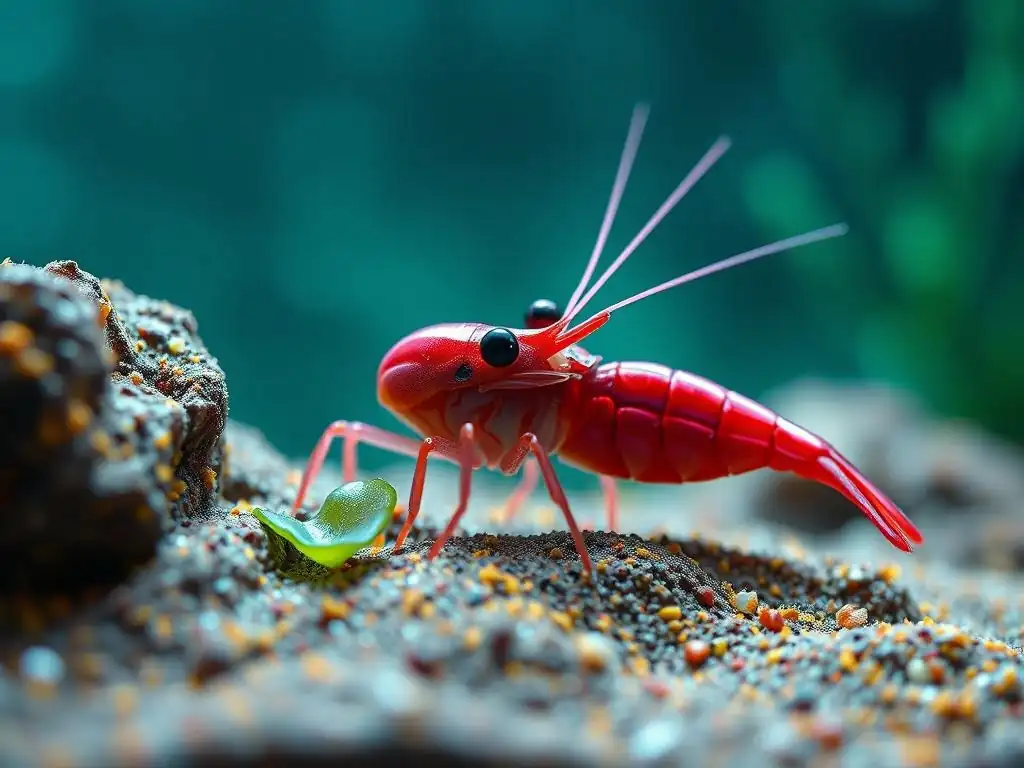
Maintaining robust genetic diversity is paramount for the long-term health and vitality of any freshwater shrimp breeding program. Without it, continuous line breeding, while effective for fixing traits, inevitably leads to inbreeding depression. This manifests as reduced fertility, smaller clutch sizes, decreased adult size, weakened immune systems, and an overall decline in the vigor of the colony over several generations (typically after F5-F7 if no new blood is introduced). To counteract this, strategic introduction of new genetic material is essential.
This involves carefully sourcing healthy, high-quality, and genetically unrelated shrimp of the same species from different reputable breeders. For example, if you've been line breeding your 'Blue Dream' Neocaridina for five generations, you might acquire 2-3 unrelated 'Blue Dream' shrimp from a different source to introduce fresh genes. These new shrimp should be quarantined rigorously for 2-4 weeks to prevent disease introduction. Once healthy, they can be introduced to your main breeding tank, providing a genetic "refresh" that can significantly boost fertility, size, and overall resilience in subsequent generations, ensuring your freshwater shrimp breeding guide remains viable for years.
The Importance of Careful Record Keeping in Shrimp Breeding
As emphasized throughout this freshwater shrimp breeding guide, meticulous record keeping is not merely a good practice; it is an indispensable tool for serious breeders. Detailed records allow you to track the progress of your breeding lines, identify successful pairings, and make informed decisions about future breeding strategies. Essential information to document includes the specific parents of each brood, the date of birth, the number of shrimplets, and observations on their growth, coloration, and any notable traits or deformities as they mature.
For example, a record might show that "Pair A (Male #1, Female #3) produced 25 shrimplets on 03/15/2023, with 80% high-grade red coloration at 2 months old." Another entry might note that "Pair B (Male #2, Female #5) produced 18 shrimplets on 03/20/2023, but only 40% showed desired coloration." Such data helps you identify which lines are consistently producing superior offspring and which pairs are underperforming. This objective data prevents guesswork and ensures that your selective breeding efforts are always moving towards your defined goals, making the long-term commitment more efficient and rewarding.
Pedigree Tracking: A Technique for Tracking Shrimp Lineages
For advanced freshwater shrimp breeding programs, pedigree tracking takes record keeping to the next level, offering a detailed map of your shrimp lineages. This technique involves assigning unique identifiers (e.g., numbers, codes, or even physical markers if safe and possible) to individual shrimp or specific breeding groups and meticulously documenting their ancestry and offspring over multiple generations. While challenging with the sheer number of shrimp, it provides invaluable insights into genetic inheritance and helps prevent accidental inbreeding.
For example, you might designate your initial breeding pairs as "Founders F1-A," "Founders F1-B," and so on. Their offspring would be labeled "F2-A1," "F2-A2," etc., indicating their parentage. This allows you to track specific traits through generations, identify carriers of recessive genes, and pinpoint which lines are most successful. Pedigree tracking is particularly useful when working with multiple lines simultaneously or attempting complex breeding goals like developing new patterns or combining traits. It's a sophisticated method that provides the kind of granular data necessary for a truly comprehensive freshwater shrimp breeding guide, ensuring genetic integrity and long-term success.
The Long-Term Commitment to Selective Shrimp Breeding
Patience and Persistence: Keys to Success in Shrimp Breeding
Selective freshwater shrimp breeding is not a sprint; it is a marathon that demands significant patience and unwavering persistence. Unlike some other aquarium inhabitants that breed quickly and predictably, achieving consistent results with shrimp, especially in developing specific traits, often takes months, if not years, of dedicated effort. You will encounter setbacks: shrimp that don't breed as expected, offspring that don't meet your standards, or even unexplained losses. It's crucial to understand that not every pairing will yield perfect results, and genetic variation means that even the best parents can produce offspring with undesirable traits.
A successful freshwater shrimp breeding guide emphasizes that learning from these experiences is part of the journey. For instance, you might spend six months line breeding for a specific blue hue, only to find that the color consistency isn't improving as rapidly as hoped. This requires patience to continue the process and persistence to adapt your strategy. Celebrating small victories, like the first generation showing a noticeable improvement in color, helps maintain motivation through the longer periods of incremental progress.
Adapting Your Strategy Based on Results and Observations
A rigid freshwater shrimp breeding guide is often less effective than one that encourages flexibility and adaptation. Your initial breeding strategy, based on your defined goals, should serve as a starting point, but it must be continually refined based on the results you observe and the data you collect. If your records indicate that a particular pairing consistently produces a low percentage of high-grade shrimp, it might be time to discontinue that pairing or introduce new genetic material through outcrossing.
For example, if your goal is to achieve a solid, opaque red in your 'Painted Fire Red' Neocaridina, but after three generations, you still see too many shrimp with clear spots or faded coloration, you might need to adjust your culling criteria, introduce a new, more intensely colored male from an outside line, or even re-evaluate your water parameters and diet. Conversely, if a specific pairing consistently produces exceptional offspring, you might focus more on line breeding within that particular lineage to strengthen the trait further.
This continuous cycle of observation, evaluation, and adaptation is crucial for long-term success in selective shrimp breeding.
Beyond the personal satisfaction of creating beautiful and healthy shrimp lines, a significant reward of long-term selective freshwater shrimp breeding is the opportunity to contribute positively to the wider shrimp keeping community. Sharing your knowledge, experiences, and even your surplus high-quality shrimp can enrich the hobby for everyone. Participating in online forums, local aquarium clubs, or even creating your own freshwater shrimp breeding guide content allows you to help other aspiring breeders avoid common pitfalls and learn from your successes and failures.
Selling or trading your carefully bred shrimp not only helps fund your hobby but also introduces healthy, genetically diverse specimens into the broader market, benefiting other aquarists who are looking for quality stock. For instance, if you've spent years perfecting a robust line of 'Black King Kong' Caridina, sharing these shrimp helps reduce the demand for potentially weaker, mass-farmed individuals and strengthens the genetic pool of the hobby. This collaborative spirit fosters a more vibrant and sustainable environment for all shrimp enthusiasts.
Conclusion: The Rewards of Selective Freshwater Shrimp Breeding
Achieving Your Breeding Goals and Creating Unique Shrimp Lines
The journey of building a selective breeding program for freshwater shrimp is a deeply rewarding endeavor, culminating in the achievement of your specific breeding goals and the potential creation of truly unique shrimp lines. Imagine the satisfaction of seeing a tank full of 'Blue Dream' Neocaridina, each exhibiting the deep, opaque blue you meticulously worked towards for years, a testament to your patience and precise selection. Or perhaps you've successfully stabilized a new pattern in your Caridina colony that no one else has, a direct result of identifying a subtle genetic mutation and dedicating yourself to propagating it.
This personalized accomplishment goes beyond mere aesthetics; it's about understanding the intricate balance of genetics and environment. Through careful observation, diligent record-keeping, and strategic pairing, you move beyond simply keeping shrimp to actively shaping their development. This process transforms a standard aquarium into a living laboratory, where your vision and dedication bring forth new levels of beauty and resilience in these captivating invertebrates, making every step of your freshwater shrimp breeding guide truly your own.
Contributing to the Overall Health and Diversity of Aquarium Shrimp
Beyond individual achievements, engaging in selective freshwater shrimp breeding offers a profound contribution to the overall health and genetic diversity of aquarium shrimp worldwide. In a hobby where mass-produced or wild-caught shrimp can sometimes carry genetic weaknesses or diseases, dedicated breeders who prioritize health, vigor, and genetic stability play a crucial role. By consistently breeding from the strongest, most resilient individuals and preventing inbreeding depression through careful management and occasional outcrossing, you are actively strengthening the gene pool.
This commitment helps ensure that future generations of hobbyists have access to robust, healthy shrimp that are more adaptable to aquarium life and less susceptible to common ailments. Your efforts contribute to a sustainable hobby, reducing reliance on potentially unsustainable wild harvests and promoting responsible aquaculture. Every healthy, vibrant shrimp line you develop adds to the collective genetic richness, supporting the long-term vitality and beauty of these fascinating creatures for aquarists around the globe.
Resources for Further Learning About Freshwater Shrimp Genetics and Breeding
For those eager to delve deeper into the fascinating world of freshwater shrimp genetics and advanced breeding techniques, a wealth of resources is available. Online forums dedicated specifically to shrimp keeping, such as various hobbyist communities, provide platforms for asking questions, sharing experiences, and learning from seasoned breeders. These communities often host discussions on specific genetic lines, troubleshooting common issues, and sharing insights into water parameters and dietary needs for various species.
Specialized books and e-books on shrimp care and breeding offer comprehensive guides, often delving into more scientific aspects of genetics, water chemistry, and disease management. While this freshwater shrimp breeding guide provides a solid foundation, these texts can offer more in-depth knowledge and specific protocols. Additionally, scientific articles and university extension publications, though sometimes more technical, can provide valuable insights into the biological processes underpinning shrimp reproduction and genetics. Engaging with these diverse resources will continue to enrich your understanding and enhance your selective breeding journey.
Frequently Asked Questions
How long does it typically take to see results from a selective breeding program for freshwater shrimp?
It usually takes several generations, often 6-12 months or more, to see significant and consistent improvements in desired traits like color or pattern. This depends on the shrimp species and the intensity of the selection process.
What are the most important factors to consider when selecting parent shrimp for breeding?
Focus on shrimp that exhibit the most desirable traits you're trying to enhance, such as vibrant color, strong body shape, or specific patterns. Ensure they are also healthy and disease-free to pass on good genes.
What type of aquarium setup is ideal for a selective breeding program?
A dedicated tank, often a smaller 10-20 gallon tank, is recommended to isolate and control the breeding process. This allows for easier monitoring of shrimp and selective removal of undesirable offspring.
How often should I cull shrimp from the breeding program?
Culling should be done regularly, ideally after each generation reaches maturity. Remove any shrimp that do not meet your desired criteria to prevent them from diluting the gene pool.
What are some common challenges faced when breeding freshwater shrimp, and how can I overcome them?
Challenges include low breeding rates, poor water quality, and genetic issues. Overcome these by maintaining optimal water parameters, providing a varied diet, and carefully monitoring for health problems.
Final Reflection: Cultivating a Legacy of Innovation
The journey of building a selective breeding program for freshwater shrimp, as we've explored, is not merely about improving genetics; it's about fostering a sustainable ecosystem and pushing the boundaries of what's possible in aquaculture. The principles outlined here, from meticulous record-keeping to understanding heritability, resonate far beyond the confines of a single tank, offering a blueprint for responsible and innovative breeding practices applicable across various species and contexts.
This pursuit of excellence in freshwater shrimp breeding has profoundly shaped, and continues to shape, the hobby and industry. It's a testament to the power of patience, observation, and dedication to a craft, reminding us that even small creatures can inspire significant advancements. The future belongs to those who believe in the beauty of their dreams.
- Eleanor Roosevelt. This quote encapsulates the spirit of long-term breeding programs, where the vision of a better future fuels years of dedicated effort.
Now, consider how these lessons in selective breeding can translate to your own endeavors. Whether you're a seasoned aquarist or simply someone seeking to cultivate growth in any area of your life, embrace the principles of careful observation, strategic planning, and unwavering commitment. Dare to dream of a brighter future, and let the humble freshwater shrimp inspire you to cultivate your own legacy of innovation and improvement.
Ignite Your Shrimp Breeding Journey!
Thank you for diving into the world of freshwater shrimp breeding! We hope you've gleaned valuable insights into crafting a selective breeding program that suits your long-term goals. Now, it's time to take these insights and turn them into action.
- Embark on your selective breeding program! Begin by meticulously documenting your shrimp colony's traits and setting clear, achievable goals for improvement.
- Share your progress and challenges with fellow shrimp enthusiasts on online forums. Your experiences could inspire and guide others!
- Surprise yourself and your shrimp – experiment with unexpected environmental factors (within safe limits, of course!) and observe how they influence genetic expression.
What specific trait are you most excited to enhance in your shrimp, and what initial steps will you take this week to begin?