
Breeding Caridina Shrimp: Challenges and Triumphs for Advanced Hobbyists

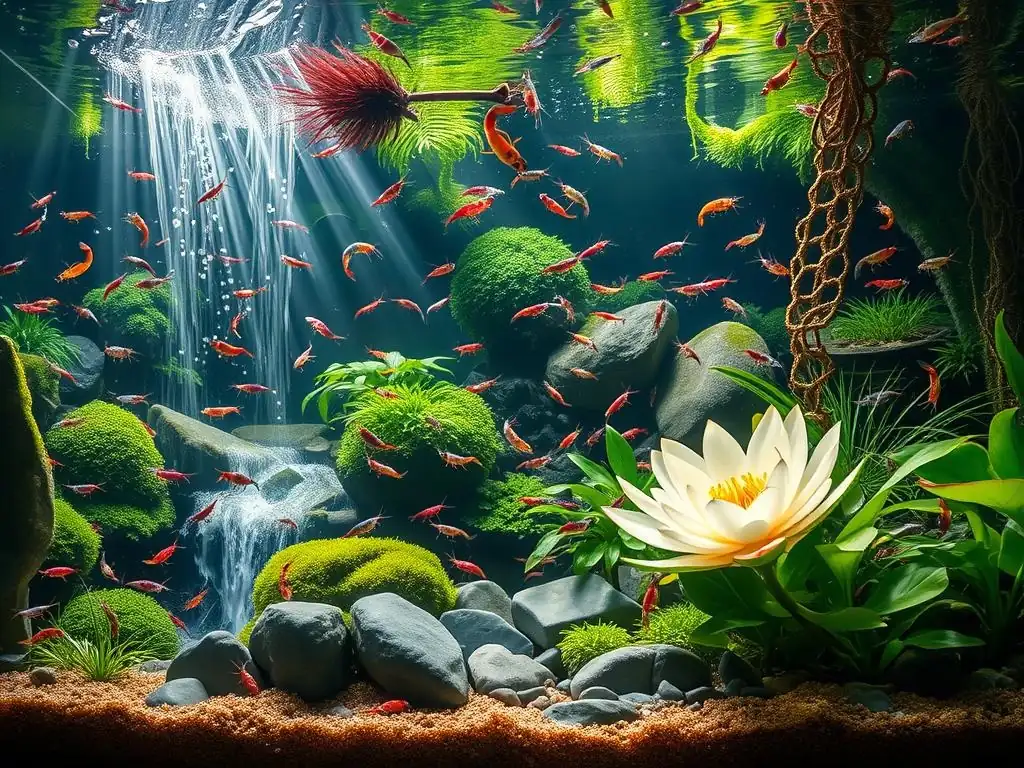
Welcome to Aquarium Mastery, where passion for aquariums meets proven expertise!
Ever wondered how to unlock the secrets to thriving Caridina shrimp colonies? You're in the right place. Get ready to dive deep into our latest article, packed with Caridina shrimp breeding success tips that will help you navigate the challenges and celebrate the triumphs of breeding these fascinating invertebrates. What are the common pitfalls even experienced aquarists face, and how can you avoid them? Let's find out...
- Introduction to Caridina Shrimp Breeding: A Rewarding Challenge
-
Overcoming Common Caridina Shrimp Breeding Challenges
- Water Quality Issues in Caridina Breeding Tanks: Prevention and Solutions
- Maintaining Stable Water Parameters: A Key to Caridina Shrimp Breeding Success
- Dealing with Diseases and Parasites in Caridina Shrimp: Early Detection and Treatment
- Understanding Caridina Shrimp Molting Issues: Causes and Remedies
- Identifying and Addressing Infertility in Caridina Shrimp
-
Caridina Shrimp Breeding Success Tips: Advanced Techniques
- Optimizing Diet for Caridina Shrimp Breeding: Enhancing Fertility and Growth
- The Importance of Biofilm in Caridina Shrimp Breeding
- Substrate Selection for Caridina Shrimp Breeding: Influencing Water Parameters
- Plant Selection for Caridina Shrimp Breeding: Providing Shelter and Biofilm
- Managing Tank Mates: Choosing Compatible Species for a Caridina Shrimp Breeding Tank
- Advanced Caridina Shrimp Breeding Strategies
- Troubleshooting Caridina Shrimp Breeding Problems: A Practical Guide
- Case Studies: Examples of Caridina Shrimp Breeding Success
- The Future of Caridina Shrimp Breeding: Trends and Innovations
-
Frequently Asked Questions
- What are the biggest challenges when trying to breed Caridina shrimp?
- What specific water parameters are crucial for Caridina shrimp breeding success?
- What type of food promotes optimal breeding conditions for Caridina shrimp?
- How often should I perform water changes in a Caridina shrimp breeding tank?
- What are some signs that my Caridina shrimp are ready to breed?
- Final Reflection: Cultivating Aquatic Harmony
- Unleash Your Inner Shrimp Breeder!
Introduction to Caridina Shrimp Breeding: A Rewarding Challenge
Caridina Species Overview: Identifying Key Breeding Differences
Caridina shrimp encompass a vast array of species, each with unique characteristics and varying levels of breeding difficulty. Among the most popular for hobbyists are the Crystal Red Shrimp (CRS) and Crystal Black Shrimp (CBS), which are derived from Caridina cantonensis. These varieties are known for their striking red and white or black and white patterns and are often considered a good starting point for advanced Caridina breeding due to their relative hardiness compared to other sensitive types.
Other notable species include the Taiwan Bee shrimp (e.g., King Kong, Panda, Red Wine), which are selectively bred derivatives of Caridina cantonensis and are prized for their intricate patterns and vibrant colors, though they demand more stringent water parameters. Tiger shrimp ( Caridina mariae) and various wild-type Caridina also feature in breeding efforts, often for cross-breeding experiments.
The key breeding differences among Caridina species primarily revolve around their environmental sensitivity and reproductive output. For instance, while a mature Crystal Red Shrimp female might consistently produce 20-30 viable eggs per clutch every 4-6 weeks, a Taiwan Bee female might yield a smaller clutch of 10-15 eggs and be more prone to dropping eggs prematurely if conditions are not absolutely perfect.
Wild-type Caridina species can be significantly more prolific, sometimes producing 40-50 eggs, but their offspring may lack the desired aesthetic traits of selectively bred lines. Understanding these inherent differences is a crucial step in developing effective Caridina shrimp breeding success tips tailored to specific species.
Water Parameter Requirements for Caridina Shrimp Breeding: Achieving Stability
Achieving and maintaining precise water parameters is the cornerstone of Caridina shrimp breeding success. Unlike their Neocaridina cousins, Caridina shrimp, particularly the Cantonensis varieties, thrive in soft, slightly acidic water. The ideal pH range typically falls between 5.5 and 6.8, with some advanced breeders pushing closer to 5.0 for specific high-grade Taiwan Bees. General Hardness (GH) should be maintained between 4-6 dGH, providing essential minerals like calcium and magnesium for healthy molting and egg development.
Carbonate Hardness (KH) should be kept very low, ideally 0-1 dKH, to prevent pH fluctuations, although this requires careful management as it offers little buffering capacity. Total Dissolved Solids (TDS) usually ranges from 100-180 ppm, reflecting the mineral content. Consistency is paramount; even minor fluctuations can cause significant stress, leading to failed molts, dropped eggs, or reduced fertility.
The meticulous control of these parameters directly impacts the shrimp's reproductive health and the viability of their offspring. A stable GH ensures proper exoskeleton formation and successful molting, a critical process for female shrimp to become receptive to breeding after shedding their old shell. The low KH and acidic pH create an environment that mimics their natural habitats, promoting optimal metabolic function and reducing physiological stress.
Furthermore, stable water chemistry directly influences the survival rates of delicate Caridina shrimplets, which are extremely sensitive to environmental changes. Therefore, rigorous monitoring and consistent adjustments are non-negotiable Caridina shrimp breeding success tips for any serious hobbyist.
Essential Equipment for Breeding Caridina Shrimp: Setting Up Your Breeding Tank
Setting up a dedicated breeding tank with the right equipment is fundamental for consistent Caridina shrimp breeding success. The most critical component is a reliable source of pure water, typically achieved through a Reverse Osmosis (RO) or Deionized (DI) water system. This provides a blank slate, free from contaminants and varying tap water parameters, allowing for precise remineralization using products like Salty Shrimp GH+. An active buffering substrate, such as ADA Aqua Soil Amazonia or Fluval Stratum, is indispensable. These substrates naturally lower and stabilize pH and KH, creating the soft, acidic environment Caridina shrimp require.
For filtration, sponge filters are highly recommended. They provide gentle mechanical and biological filtration, preventing shrimplets from being sucked in, and offer a large surface area for beneficial biofilm to grow, which is a primary food source for fry. A reliable heater, set to maintain a stable temperature between 70-76°F (21-24°C), prevents temperature swings that can stress shrimp and inhibit breeding.
A high-quality thermometer is essential for monitoring this. Additionally, an air pump, airline tubing, and check valve are needed for the sponge filter. While not strictly equipment, botanicals like Indian Almond Leaves (Catappa leaves) and Cholla wood are highly beneficial, releasing humic substances that condition the water and providing additional surface area for biofilm, further enhancing Caridina shrimp breeding success chances.
Overcoming Common Caridina Shrimp Breeding Challenges
Water Quality Issues in Caridina Breeding Tanks: Prevention and Solutions
Water quality issues are among the most common hurdles to Caridina shrimp breeding success. High levels of ammonia, nitrite, and nitrate are particularly detrimental to these sensitive invertebrates. Ammonia and nitrite, even at concentrations as low as 0.25 ppm, can cause severe gill damage and lead to mass mortalities, especially among shrimplets.
Nitrates, while less acutely toxic, can stress shrimp when levels exceed 10-20 ppm, suppressing breeding activity and reducing overall vitality. Other issues include heavy metal contamination from tap water or certain aquarium decorations, which can be lethal even in trace amounts. Overfeeding is a frequent culprit, leading to decaying organic matter that spikes ammonia and nitrates.
Preventing these issues requires a multi-faceted approach. Firstly, ensure the tank is fully cycled before introducing shrimp, establishing a robust nitrifying bacteria colony. Regular, small water changes (e.g., 10-15% weekly) using remineralized RO/DI water are crucial for diluting nitrates and replenishing essential minerals. Avoid overfeeding; feed only what the shrimp can consume within 2-3 hours.
Remove any uneaten food promptly. Using a high-quality water conditioner if tap water is unavoidable (though RO/DI is strongly preferred) can neutralize chlorine and chloramines. Regular testing with reliable liquid test kits for ammonia, nitrite, nitrate, pH, GH, and KH allows for early detection and intervention, safeguarding your Caridina shrimp breeding success.
Maintaining Stable Water Parameters: A Key to Caridina Shrimp Breeding Success
The stability of water parameters is often more critical than the absolute values themselves for Caridina shrimp, especially during breeding. Rapid fluctuations in pH, GH, KH, or temperature induce extreme stress, leading to a cascade of problems such as failed molts, dropped eggs, reduced fertility, and weakened immune systems.
For example, a sudden pH drop of just 0.5 units can trigger a mass molt, potentially overwhelming the shrimp's system and leading to the "white ring of death" where the shrimp cannot shed its old shell. Temperature swings exceeding 2-3°F (1-1.5°C) can also disrupt breeding cycles and increase susceptibility to disease.
To achieve and maintain this vital stability, several Caridina shrimp breeding success tips are essential. Relying on an active buffering substrate is paramount, as it actively works to keep pH and KH within the desired range for 1-2 years. Consistent remineralization of RO/DI water to the exact same parameters for every water change prevents mineral shock.
Using a reliable aquarium heater with a thermostat ensures stable water temperature, even in rooms with fluctuating ambient temperatures. Avoiding large, infrequent water changes in favor of smaller, more frequent ones minimizes parameter shifts. Furthermore, avoiding the introduction of new elements (e.g., rocks, driftwood) that can drastically alter water chemistry without prior testing is crucial.
Dealing with Diseases and Parasites in Caridina Shrimp: Early Detection and Treatment
Diseases and parasites can quickly decimate a Caridina shrimp breeding colony, making early detection and appropriate treatment vital. Common issues include bacterial infections (e.g., Columnaris, often appearing as milky white patches or a saddle on the shrimp's back), fungal infections (e.g., Vorticella, presenting as white, cottony tufts on the exoskeleton or rostrum), and various internal or external parasites like Planaria (flatworms that prey on shrimplets), Scutariella Japonica (small white worms around the rostrum), or Ellobiopsidae (green fungus-like growth inside the shrimp). Symptoms often include lethargy, loss of appetite, abnormal swimming, discolored patches, or visible growths.
Prevention is the best strategy for maintaining Caridina shrimp breeding success. Always quarantine new shrimp for at least 2-4 weeks in a separate tank before introducing them to the main breeding colony. This allows time to observe for signs of illness and treat if necessary, preventing the spread of pathogens.
Maintaining pristine water quality and a stable environment strengthens the shrimp's immune system. For specific issues, shrimp-safe treatments exist: Planaria can be eradicated with Fenbendazole (e.g., No Planaria), while mild bacterial or fungal infections might respond to natural remedies like Indian Almond Leaves or very dilute salt dips (used with extreme caution and for short durations). Chemical medications should be used sparingly and only if confirmed safe for invertebrates, as many common fish medications are toxic to shrimp.
Understanding Caridina Shrimp Molting Issues: Causes and Remedies
Molting is a critical biological process for shrimp, allowing them to grow and repair damaged tissues. However, molting issues are a frequent cause of mortality and a significant impediment to Caridina shrimp breeding success. A common problem is the "white ring of death," where a distinct white band forms around the shrimp's carapace, indicating it is struggling to shed its old exoskeleton.
Causes of molting problems include incorrect General Hardness (GH) – either too low, leading to insufficient minerals for a new shell, or too high, making the old shell too rigid to shed. Rapid changes in water parameters, mineral deficiencies, poor nutrition, stress, or even old age can also contribute.
To remedy molting issues and promote healthy growth, ensuring the GH is consistently within the optimal range of 4-6 dGH is paramount. This provides the necessary calcium and magnesium for proper exoskeleton development. Using a high-quality remineralizer specifically designed for Caridina shrimp (e.g., Salty Shrimp GH+) ensures the correct balance of minerals. Maintaining stable water parameters, as discussed previously, reduces stress that can trigger failed molts.
A diet rich in essential minerals and proteins, through specialized shrimp foods and occasional blanched vegetables, also supports robust shell development. If a shrimp is struggling to molt, avoid disturbing it; focus on optimizing the tank environment to prevent future occurrences. Successful molting is directly linked to a female's ability to berry eggs, making it a key factor in Caridina shrimp breeding success.
Identifying and Addressing Infertility in Caridina Shrimp
Infertility in a Caridina shrimp colony can be frustrating for hobbyists aiming for consistent breeding success. This issue manifests as females not becoming berried after molting, or males showing a lack of interest in seeking out receptive females. Several factors can contribute to infertility, including the age of the shrimp (very young or very old shrimp may not breed effectively), inadequate nutrition, chronic stress from unstable or incorrect water parameters, disease, or an imbalanced male-to-female ratio. Sometimes, a lack of genetic diversity within a heavily inbred line can also lead to reduced fertility and vigor.
Addressing infertility requires a comprehensive review of tank conditions and colony health. First, ensure water parameters are perfectly stable and within the ideal range for your specific Caridina species. Optimize the diet by providing a variety of high-quality shrimp foods rich in proteins and essential minerals, which are crucial for egg development and sperm production.
Ensure there is a healthy ratio of males to females; a ratio of 1:1 or slightly more females (e.g., 1:2 or 1:3) is generally recommended to ensure ample opportunities for mating. Provide plenty of hiding spots and surface area for biofilm, as a comfortable and well-fed environment reduces stress. If inbreeding is suspected, introducing new, healthy bloodlines (unrelated shrimp of the same quality) can often reinvigorate a stagnant colony and significantly boost Caridina shrimp breeding success rates.
Caridina Shrimp Breeding Success Tips: Advanced Techniques
Optimizing Diet for Caridina Shrimp Breeding: Enhancing Fertility and Growth
An optimized diet is a cornerstone of robust Caridina shrimp breeding success, directly influencing fertility, growth rates, and overall health. While biofilm is a primary food source, especially for shrimplets, adult shrimp benefit significantly from a varied and high-quality supplementary diet. Key nutritional components include protein (essential for growth and egg development), plant matter (for digestive health and general well-being), and minerals (crucial for molting and exoskeleton formation). High-quality commercial shrimp pellets from reputable brands (e.g., GlasGarten, Shirakura, Benibachi) are formulated to provide a balanced diet. These often contain around 30-40% crude protein, vital for berried females.
Beyond commercial pellets, supplementing with blanched vegetables like spinach, zucchini, or nettle leaves provides additional vitamins and fiber. For enhancing fertility, some breeders use specialized foods designed to boost reproductive activity, often rich in specific amino acids and vitamins. However, the most crucial aspect of feeding for Caridina shrimp breeding success is moderation.
Overfeeding is a common mistake that leads to poor water quality, algae blooms, and potential health issues. Feed small amounts, 2-3 times a week, ensuring all food is consumed within a few hours. Any uneaten food should be removed promptly to prevent water contamination and maintain a pristine breeding environment.
The Importance of Biofilm in Caridina Shrimp Breeding
Biofilm is a complex, slimy matrix of microorganisms (bacteria, algae, fungi, and detritus) that adheres to surfaces within the aquarium. For Caridina shrimp, particularly their delicate shrimplets, biofilm is not just a food source; it is often their primary and most crucial sustenance. It provides essential nutrients, digestive enzymes, and a continuous grazing opportunity, which is vital for the survival and rapid growth of newly hatched fry. Without sufficient biofilm, shrimplet survival rates plummet significantly, often by 50% or more, making its cultivation a top Caridina shrimp breeding success tip.
To enhance biofilm growth, hobbyists should ensure ample surface area within the breeding tank. Sponge filters are excellent for this, as are various botanicals like Indian Almond Leaves, Guava Leaves, and Cholla wood. These items decompose slowly, releasing beneficial humic substances while providing vast surface areas for microbial colonization.
Allowing the tank to mature for several weeks or even months before introducing shrimp (a process known as "cycling" and "maturing") ensures a robust biofilm layer is established. Avoid excessive cleaning that removes beneficial biofilm, such as aggressive gravel vacuuming or scrubbing all surfaces. A well-established, healthy biofilm layer is a clear indicator of a thriving Caridina shrimp breeding environment.
Substrate Selection for Caridina Shrimp Breeding: Influencing Water Parameters
The choice of substrate is arguably one of the most critical decisions for establishing a successful Caridina shrimp breeding tank, as it directly influences and stabilizes the water parameters. Active buffering substrates are almost universally recommended for Caridina species due to their unique properties. Brands like ADA Aqua Soil Amazonia, Fluval Stratum, and Akadama are popular choices. These substrates are designed to absorb minerals from the water and release humic and fulvic acids, which naturally lower and buffer the pH and KH, creating the soft, acidic water conditions that Caridina shrimp require.
The active buffering capacity of these substrates typically lasts for 1-2 years, depending on the initial water parameters and the frequency of water changes. They work through a process called cation exchange capacity (CEC), effectively pulling hardness from the water column and stabilizing the environment. This consistent buffering effect is vital for preventing the parameter swings that stress Caridina shrimp and inhibit breeding.
While inert substrates (like sand or gravel) can be used, they offer no buffering capacity, making it significantly more challenging to maintain the precise and stable water parameters necessary for consistent Caridina shrimp breeding success. Therefore, investing in a high-quality active substrate is a non-negotiable Caridina shrimp breeding success tip.
Plant Selection for Caridina Shrimp Breeding: Providing Shelter and Biofilm
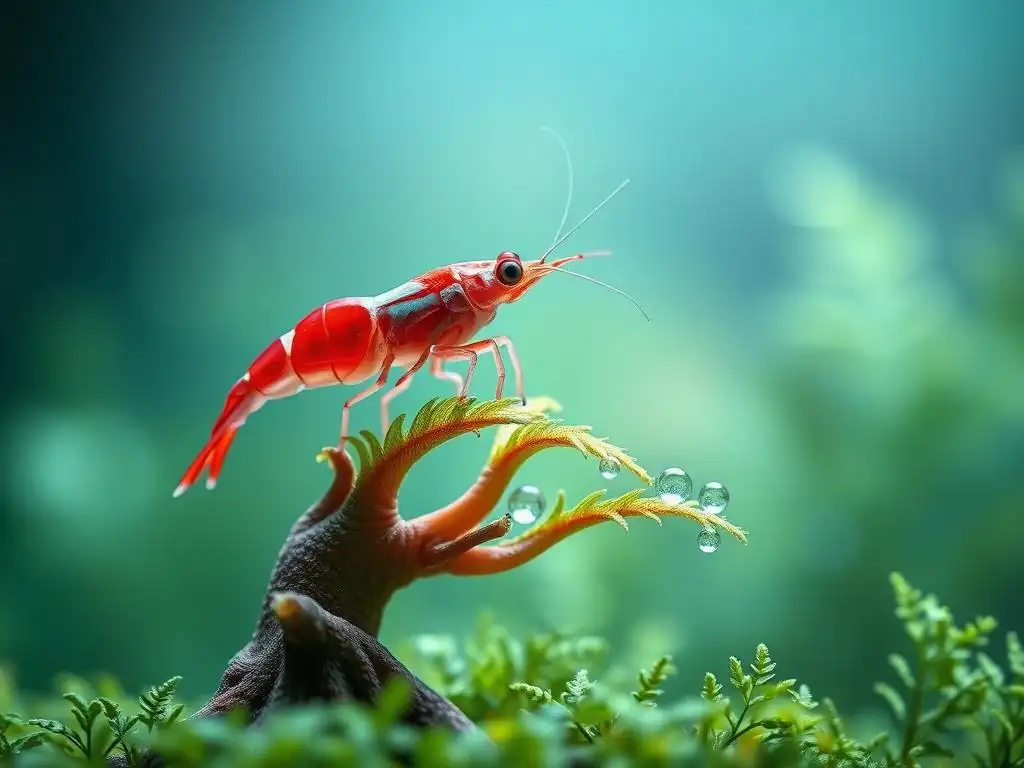
Strategic plant selection plays a significant role in fostering a healthy and productive Caridina shrimp breeding environment. Ideal plants for Caridina tanks are typically slow-growing, low-light varieties that do not require CO2 injection, which can lead to rapid pH swings detrimental to sensitive shrimp. Excellent choices include various mosses (Java Moss, Christmas Moss, Fissidens), Anubias, Bucephalandra, and Subwassertang. These plants are easy to care for and provide numerous benefits to a breeding colony.
Firstly, dense mosses and plants offer abundant hiding spots and refuge for vulnerable shrimplets, protecting them from potential predators (if any tank mates are present) and even from overly active adult shrimp, though adults rarely prey on their own fry. This increased security reduces stress, leading to higher fry survival rates, which is a key measure of Caridina shrimp breeding success.
Secondly, the extensive surface area provided by these plants serves as an excellent substrate for the growth of biofilm, providing a continuous grazing source for both adult shrimp and, more importantly, newly hatched shrimplets. Thirdly, live plants contribute to water quality by absorbing nitrates and other waste products, helping to maintain a cleaner and more stable environment conducive to breeding.
Managing Tank Mates: Choosing Compatible Species for a Caridina Shrimp Breeding Tank
For optimal Caridina shrimp breeding success, a species-only tank is almost always the preferred and most effective setup. This eliminates any potential predation, competition for food, or stress caused by other aquatic inhabitants. However, if tank mates are desired, careful selection is crucial. Only very small, peaceful, and non-predatory fish species should be considered. Examples of potentially compatible tank mates include Otocinclus catfish, small Boraras species (like Chili Rasboras or Phoenix Rasboras), and certain types of snails (such as Nerite snails or Ramshorn snails, provided their reproduction doesn't become overwhelming).
Even with these seemingly "safe" choices, it's important to understand that any fish, no matter how small or peaceful, carries an inherent risk. They may opportunistically prey on the extremely vulnerable Caridina shrimplets, significantly reducing fry survival rates, sometimes by 50% or more. Fish can also outcompete shrimp for food, especially if the shrimp are slow to feed. Furthermore, their presence can cause stress to the shrimp, potentially inhibiting breeding activity. Therefore, for maximum Caridina shrimp breeding success and the highest possible yield of shrimplets, a dedicated, shrimp-only breeding tank remains the unequivocal best practice among advanced hobbyists.
Advanced Caridina Shrimp Breeding Strategies
Selective Breeding for Color Enhancement in Caridina Shrimp
Selective breeding is a cornerstone strategy for advanced hobbyists aiming to achieve specific aesthetic goals and maintain high-quality lines in Caridina shrimp. For color enhancement, this involves meticulously choosing individual shrimp that exhibit the most desirable and intense coloration, pattern coverage, and vibrancy from each generation to become the parents of the next. For example, in Crystal Red Shrimp, breeders might select individuals with the whitest white and deepest red, striving for a higher "grade" (e.g., SSS or SSSS grade). In Taiwan Bee shrimp, the focus might be on crisp patterns, solid color blocks, and minimal translucent areas.
This process requires a keen eye, careful record-keeping, and often a large enough breeding pool to allow for choice. Shrimp with less desirable traits, such as faded colors, irregular patterns, or translucent shells, are typically "culled" (removed from the breeding pool). While time-consuming, often taking multiple generations (e.g., 5-10 generations over 1-2 years) to see significant improvements, selective breeding can dramatically elevate the quality of a Caridina shrimp line. It's a continuous commitment to genetic improvement, directly contributing to long-term Caridina shrimp breeding success and the development of truly stunning specimens.
Line Breeding for Improved Caridina Shrimp Traits
Line breeding is an advanced genetic strategy often employed by experienced Caridina shrimp breeders to "fix" or concentrate desirable traits within a specific lineage. Unlike simple selective breeding, line breeding involves intentionally breeding closely related individuals, such as siblings or parent-offspring combinations, to amplify the presence of specific genes.
For instance, a breeder might pair a male from a particularly robust and colorful batch with his most vibrant sister or with his mother, if she exhibits exceptional traits. The goal is to create a highly consistent "line" that reliably produces offspring with the desired characteristics, whether it's enhanced color, unique patterns, or even increased hardiness within a specific parameter range.
While line breeding can yield rapid and impressive results in terms of trait consistency, it carries significant risks, primarily that of inbreeding depression. Prolonged or overly aggressive line breeding without proper management can lead to a reduction in genetic diversity, resulting in decreased fertility, smaller adult size, increased susceptibility to disease, deformities, and overall weaker shrimp.
To mitigate these risks and ensure long-term Caridina shrimp breeding success, breeders often implement a strict culling strategy and occasionally introduce "outcrosses" – bringing in unrelated, high-quality shrimp with similar desired traits from a different line to reintroduce genetic diversity without diluting the established characteristics. This delicate balance is key to successful line breeding.
Implementing a Culling Strategy for Caridina Shrimp: Maintaining Genetic Health
A robust culling strategy is an indispensable practice for any serious hobbyist committed to long-term Caridina shrimp breeding success, especially when pursuing selective or line breeding goals. Culling involves the intentional removal of shrimp from the primary breeding pool that exhibit undesirable traits.
These traits can include poor color intensity, irregular or incomplete patterns, deformities (e.g., crooked backs, missing limbs), stunted growth, or signs of weakness and poor health. The purpose of culling is not punitive but rather to prevent these less desirable genes from being passed on to future generations, thereby maintaining and improving the overall quality, health, and vigor of the breeding colony.
The process of culling typically involves identifying shrimp that do not meet the desired standards and moving them to a separate "cull tank." These culled shrimp can still live out their lives, be sold as lower-grade specimens, or even serve as feeder shrimp for other aquatic animals. For a batch of 50 newly hatched Taiwan Bee shrimplets, for example, an advanced breeder might cull 10-15 individuals due to insufficient pattern development or color, leaving the top 35-40 for potential breeding.
Culling is a continuous process that requires keen observation and discipline. While it might seem harsh, it is a scientifically sound practice that ensures the genetic health and purity of a Caridina shrimp line, ultimately leading to more consistent and higher-quality Caridina shrimp breeding success.
Troubleshooting Caridina Shrimp Breeding Problems: A Practical Guide
My Caridina Shrimp Aren't Breeding: Identifying Potential Causes
When Caridina shrimp fail to breed, it can be a source of frustration for hobbyists. Identifying the root cause is the first step toward resolution.
Common reasons for a lack of breeding activity include chronic stress (often due to unstable water parameters, excessive tank mates, or a newly set-up tank), incorrect water parameters (pH, GH, KH, or TDS outside the optimal range for the specific species), insufficient or inappropriate diet, an imbalanced male-to-female ratio, or simply the shrimp being too young or too old to breed effectively. A lack of established biofilm or insufficient hiding spots can also contribute, making shrimp feel insecure.
To troubleshoot, begin by meticulously testing all water parameters using reliable liquid test kits. Ensure pH, GH, KH, and TDS are stable and within the recommended ranges for your Caridina species. Check the temperature; consistent temperatures around 72-75°F (22-24°C) often stimulate breeding. Review your feeding regimen: are you providing a varied, high-quality diet?
Ensure a healthy mix of males and females, typically a 1:1 ratio or slightly more females. If the tank is newly established, patience is key, as shrimp often need several weeks to settle in before breeding. Adding botanicals like Indian Almond Leaves can reduce stress and promote biofilm. Systematically addressing these potential issues significantly increases the chances of Caridina shrimp breeding success.
Low Survival Rate of Caridina Shrimp Fry: Improving Fry Survival Rates
A low survival rate among Caridina shrimp fry is a common and disheartening problem for breeders. Newly hatched shrimplets are incredibly delicate and highly susceptible to environmental stressors. Primary causes for poor fry survival include a lack of adequate food (specifically, insufficient biofilm), poor water quality (even trace amounts of ammonia or nitrite, or elevated nitrates), predation by tank mates, a scarcity of hiding spots, or rapid fluctuations in water parameters. The small size of the fry makes them extremely vulnerable to even minor environmental imbalances.
To drastically improve fry survival rates and enhance Caridina shrimp breeding success, several critical actions should be taken. First, ensure the breeding tank is well-established and has a thriving, mature biofilm layer, as this is the primary food source for shrimplets. Sponge filters are ideal as they are fry-safe and provide extensive surface area for grazing. Maintain pristine and, most importantly, stable water parameters; any sudden shifts can be fatal.
Eliminate all potential predators or competitive tank mates, as a dedicated breeding tank yields the highest survival. Provide abundant hiding spots using dense mosses (e.g., Java Moss, Fissidens) and leaf litter (e.g., Indian Almond Leaves, Guava Leaves). Supplemental feeding with powdered fry foods designed for shrimp (e.g., Bacter AE, Salty Shrimp Baby Food) can also significantly boost survival, ensuring the tiny shrimplets receive sufficient nutrition.
Algae Blooms in Caridina Shrimp Breeding Tanks: Prevention and Control
While a healthy amount of green algae and biofilm is beneficial in a Caridina shrimp breeding tank, uncontrolled algae blooms can indicate underlying water quality issues and become detrimental. Excessive algae, such as green water, hair algae, or black beard algae, can compete with plants for nutrients, block light, and, in severe cases, consume oxygen at night, stressing shrimp. The primary causes of algae blooms are overfeeding, too much light (either too intense or too long a photoperiod), and high levels of nitrates and phosphates from decaying organic matter or tap water.
Preventing algae blooms is crucial for maintaining a balanced ecosystem conducive to Caridina shrimp breeding success. Limit your aquarium lighting to 6-8 hours per day and ensure it's not excessively powerful for the tank's needs. Implement strict feeding practices, feeding only what the shrimp can consume within 2-3 hours and removing any uneaten food promptly. Perform regular, small water changes with remineralized RO/DI water to keep nitrates and phosphates in check.
Introducing a few algae-eating snails, such as Nerite snails (which do not reproduce in freshwater), can help manage minor algae growth. For severe blooms, manual removal is often necessary, followed by addressing the root cause. A clean, balanced tank environment is essential for the health and breeding output of your Caridina shrimp.
Case Studies: Examples of Caridina Shrimp Breeding Success
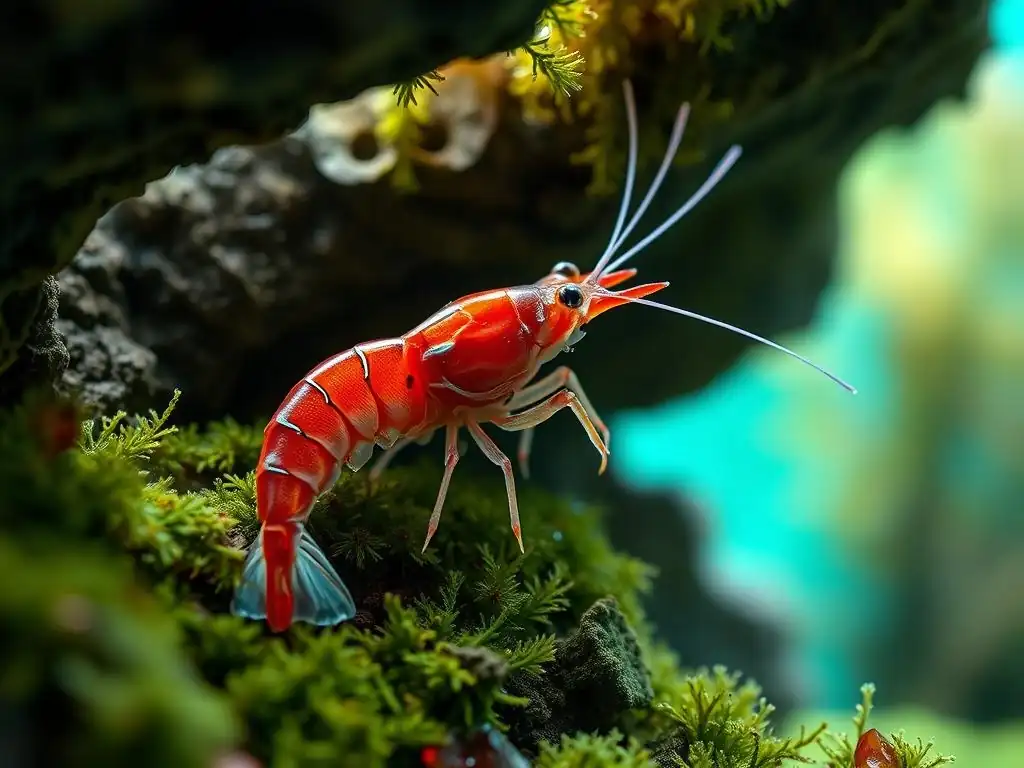
Case Study 1: Breeding Crystal Red Shrimp: Maintaining Grade and Stability
A dedicated hobbyist, Sarah, aimed to consistently breed high-grade Crystal Red Shrimp (CRS) to SSS and SSSS grades. She set up a 10-gallon tank with ADA Aqua Soil Amazonia, a sponge filter, and a small heater to maintain 72°F (22°C). Her water parameters were meticulously kept at pH 6.2, GH 5 dGH, KH 0 dKH, and TDS 140 ppm, achieved by remineralizing RO water with Salty Shrimp GH+.
Sarah started with 20 high-quality CRS, 12 females and 8 males. She fed a varied diet of commercial shrimp pellets and blanched spinach 3 times a week, removing any uneaten food within an hour.
Within three months, her initial colony had produced over 150 shrimplets. Sarah observed that approximately 70% of the offspring maintained or improved upon the parental grade, with 30% being lower grades (A/B grade). She implemented a strict culling strategy, moving the lower-grade shrimp to a separate tank to prevent them from breeding within her main colony. Over a year, she successfully raised over 500 high-grade CRS, with adult females consistently berrying 25-30 eggs every 4-5 weeks. Her Caridina shrimp breeding success was directly attributable to unwavering water parameter stability, optimal nutrition, and disciplined selective breeding and culling.
Case Study 2: Breeding Taiwan Bee Shrimp: Focusing on Pattern and Color Development
Mark, an advanced aquarist, embarked on the challenging journey of breeding high-quality Black King Kong and Red Wine Taiwan Bee shrimp, focusing on developing crisp patterns and intense coloration. He established a 20-gallon long tank using Fluval Stratum, set to maintain a slightly lower pH of 5.8, GH 4 dGH, KH 0 dKH, and TDS 110 ppm, using a precise RO/DI remineralization method. Mark also incorporated a mature sponge filter, cholla wood, and several large Indian Almond Leaves to foster a rich biofilm environment. He started with 15 carefully selected Taiwan Bee shrimp, aiming for specific genetic traits.
Taiwan Bees are notoriously sensitive, and Mark faced initial challenges with lower fry survival compared to CRS. His first few clutches yielded only 5-8 viable shrimplets per female. To improve this, he began supplementing with powdered fry food (Bacter AE) and ensured his tank had been matured for over 3 months prior to introducing shrimp, establishing a dense biofilm.
After six months of meticulous care and consistent feeding, his female Taiwan Bees were consistently berrying 10-15 eggs, with a shrimplet survival rate improving to roughly 70%. Through rigorous selective breeding, culling any shrimp with faded colors or incomplete patterns, Mark successfully developed a stable line of Taiwan Bees with impressive pattern development and deep, vibrant colors, showcasing advanced Caridina shrimp breeding success through extreme dedication.
The Future of Caridina Shrimp Breeding: Trends and Innovations
Frequently Asked Questions
What are the biggest challenges when trying to breed Caridina shrimp?
The biggest hurdles are maintaining stable water parameters and providing the correct food and environment. Caridina shrimp are very sensitive to fluctuations.
What specific water parameters are crucial for Caridina shrimp breeding success?
Maintaining a low pH (around 6.0-7.0), low KH (0-2), and low GH (4-6) is absolutely critical. Temperature should also be kept stable, ideally between 68-74°F.
What type of food promotes optimal breeding conditions for Caridina shrimp?
A varied diet is best. Supplement their algae grazing with high-quality shrimp food, blanched vegetables, and biofilm to ensure they get all the necessary nutrients for successful breeding.
How often should I perform water changes in a Caridina shrimp breeding tank?
Small, frequent water changes are preferable. Aim for 10-20% water changes once or twice a week using RO or distilled water that has been remineralized.
What are some signs that my Caridina shrimp are ready to breed?
Look for a "saddle" on the female's back (unfertilized eggs) or, even better, eggs that are visible under her swimmerets. This indicates she has been successfully berried.
Okay, here's a final reflection designed to close your article "Breeding Caridina Shrimp: Challenges and Triumphs for Advanced Hobbyists," optimized for the keyword "Caridina shrimp breeding success tips" and following your specified structure:
Final Reflection: Cultivating Aquatic Harmony
The journey of breeding Caridina shrimp, as we've explored, is far more than just mastering water parameters and genetics; it's about cultivating a miniature ecosystem and fostering life. The pursuit of Caridina shrimp breeding success tips ultimately reveals a deeper understanding of aquatic life and our role as stewards of these delicate creatures. This isn't merely a hobby; it's a testament to patience, observation, and a commitment to creating a thriving environment.
This intricate dance with nature has profoundly influenced the aquascaping community, pushing the boundaries of what's possible in a home aquarium. The dedication required to achieve consistent breeding success highlights the profound connection we can forge with the natural world, even within the confines of a glass tank. In the end, we will conserve only what we love; we will love only what we understand; and we will understand only what we are taught.
- Baba Dioum. This quote encapsulates the essence of our journey: understanding Caridina shrimp leads to a deeper appreciation and a stronger desire to protect their fragile existence.
Now, armed with these insights and Caridina shrimp breeding success tips, I invite you to reflect on your own aquatic aspirations. Consider how you can apply these principles of patience, observation, and dedication to not only breed these beautiful creatures, but also to create a more harmonious and sustainable world around you. Let the triumphs and challenges of Caridina shrimp breeding inspire you to cultivate beauty, resilience, and a deeper connection with nature in all aspects of your life.
Unleash Your Inner Shrimp Breeder!
Thank you for exploring the nuances of Caridina shrimp breeding with us! We hope you've gleaned valuable insights into the challenges and rewards that await the advanced hobbyist. Now, let's put that knowledge to work!
Here are a few ways to take your Caridina shrimp breeding journey to the next level:
- Dive deep and implement a new water parameter strategy based on what you've learned – even a small adjustment can make a big difference! This is where you'll truly see if you've grasped the concepts.
- Share your biggest Caridina breeding challenge (and potential solutions!) on the Aquarium Mastery forums. Helping others is a fantastic way to solidify your understanding.
- Surprise yourself (and your shrimp!) – try introducing a new, all-natural food source to their diet. Observe the changes and share your findings!
What unexpected twist will you introduce to your Caridina breeding setup this week, and how do you predict it will impact your shrimp colony?