
Troubleshooting TDS Creep in Your Dedicated Shrimp Aquarium

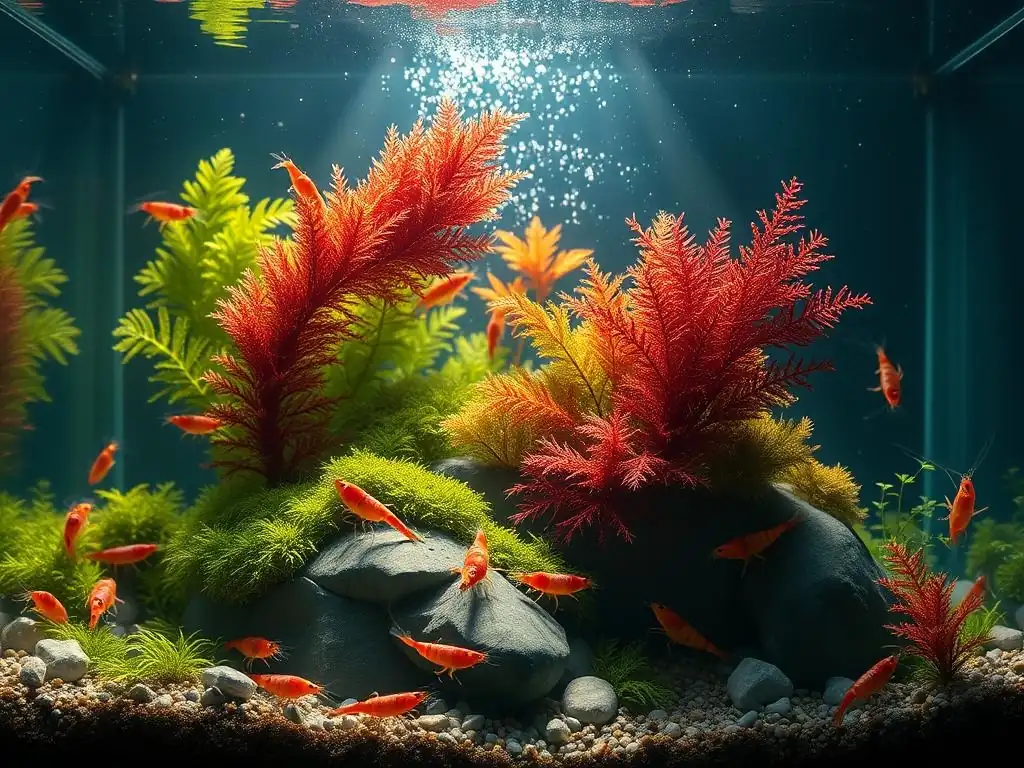
Welcome to Aquarium Mastery!
Ever noticed that sneaky TDS creep slowly destabilizing your beautiful shrimp tank? You're not alone! Shrimp keeping can be wonderfully rewarding, but maintaining the perfect water parameters is crucial. Dive into our comprehensive guide to understanding and troubleshooting TDS creep in your dedicated shrimp aquarium, and unlock the secrets to a thriving, happy shrimp colony. Ready to unravel the mystery?
- Troubleshooting TDS Creep in Your Caridina Shrimp Aquarium
- Understanding TDS Creep in Shrimp Tanks
- Identifying the Causes of TDS Creep in Shrimp Aquariums
- Diagnosing TDS Creep: Monitoring Your Shrimp Tank's Water Parameters
- Solutions for Managing and Preventing TDS Creep
- Advanced Troubleshooting: When TDS Creep Persists
- Long-Term Strategies for Maintaining Stable TDS in Shrimp Tanks
-
Frequently Asked Questions
- What is TDS creep in a shrimp tank and why is it a problem?
- What are the common causes of TDS creep in a shrimp tank?
- How often should I test the TDS level in my shrimp tank?
- How do I lower the TDS level in my shrimp tank if it's too high?
- What TDS level is generally considered safe for most shrimp species?
- Final Reflection: Navigating the Unseen Tides of Your Shrimp Tank
- Ignite Your Shrimp Keeping Journey!
Troubleshooting TDS Creep in Your Caridina Shrimp Aquarium
Understanding TDS Creep in Shrimp Tanks
What is TDS and Why Does it Matter for Caridina Shrimp?
Total Dissolved Solids (TDS) refers to the concentration of all inorganic and organic substances present in water in a molecular, ionized, or micro-granular suspended form. This includes minerals, salts, metals, cations, and anions dissolved in water. For Caridina shrimp, such as Crystal Red Shrimp (CRS) or Taiwan Bees, TDS is a critical parameter as it directly influences osmotic pressure, which is vital for their cellular functions and overall health.
Maintaining a stable and appropriate TDS range is paramount for these sensitive invertebrates. Caridina shrimp, often originating from soft, acidic waters, thrive within specific parameters, typically with a TDS range of 100-180 parts per million (ppm). Deviations outside this range can lead to significant stress, impacting their ability to properly absorb nutrients, regulate internal water balance, and successfully molt, which is a life-or-death process for shrimp.
Defining TDS Creep: A Gradual Increase in Total Dissolved Solids
TDS creep is the insidious, gradual increase in the total dissolved solids within an aquarium over time. Unlike a sudden spike caused by a major event, TDS creep is a slow accumulation that often goes unnoticed without regular monitoring. It's a common issue in dedicated shrimp tanks, particularly those with sensitive Caridina species, where even minor daily contributions to dissolved solids can accumulate into problematic levels over weeks or months.
This gradual rise can be more dangerous than acute changes because shrimp may slowly adapt to worsening conditions until they reach a tipping point, often manifesting as mass mortalities or a complete halt in breeding. The term "creep" perfectly describes its nature: a slow, pervasive advancement that silently compromises water quality, making the regular monitoring of shrimp tank TDS creep essential for proactive management.
Why TDS Creep is a Problem for Sensitive Caridina Shrimp Species
For sensitive Caridina shrimp species, TDS creep poses a significant physiological threat. These shrimp are highly adapted to stable, low-TDS environments, and a continuous increase in dissolved solids directly affects their osmoregulation. When the external water's solute concentration becomes too high, shrimp expend excessive energy trying to maintain their internal osmotic balance, leading to chronic stress and weakened immune systems.
This prolonged stress can manifest in several critical ways: molting difficulties, often seen as the "white ring of death" where the shrimp cannot shed its old exoskeleton completely; reduced lifespan; decreased appetite; and a severe impact on breeding success. For instance, a Caridina tank initially stable at 120 ppm TDS might see a 10-20 ppm increase per month due to creep.
Over half a year, this could push TDS to 180-240 ppm, a range where many Crystal Red or Bee shrimp will exhibit severe signs of stress, leading to high rates of unexplained deaths and a complete cessation of reproduction.
Identifying the Causes of TDS Creep in Shrimp Aquariums
Overfeeding Shrimp and its Impact on TDS Levels
One of the most common and often overlooked contributors to shrimp tank TDS creep is overfeeding. Shrimp are scavengers with small bioloads, and they require very little food. When too much food is introduced into the aquarium, uneaten portions quickly break down, releasing a multitude of organic compounds, proteins, and minerals into the water column. These dissolved substances directly add to the overall TDS measurement.
Even small, seemingly insignificant amounts of uneaten food can accumulate over days and weeks, leading to a steady rise in dissolved solids. For example, a single pea-sized shrimp pellet left uneaten for 24 hours can significantly decompose, releasing enough dissolved organic carbon (DOC) and other compounds to contribute measurably to the TDS, especially in a small, densely stocked shrimp tank. This highlights the importance of feeding sparingly and removing any uneaten food within a few hours.
The materials used for your aquarium's substrate and hardscape can be a significant, often hidden, source of TDS creep. While many aquarists opt for inert substrates like specialized shrimp soils (e.g., ADA Amazonia, Controsoil) which are initially designed to buffer pH and soften water, some can release humic acids and minor amounts of minerals during their initial weeks or months, contributing to TDS. More problematic are certain types of rocks and decorative wood.
Rocks such as Seiryu stone, often prized for its aesthetic appeal, contain calcium carbonate and will slowly leach minerals like calcium and magnesium into the water, thereby increasing General Hardness (GH), Carbonate Hardness (KH), and consequently, TDS. Similarly, unseasoned or improperly prepared driftwood can release tannins, lignins, and other organic compounds over an extended period. A large piece of Seiryu stone in a 10-gallon shrimp tank, for instance, could slowly contribute 5-10 ppm to the TDS each month, leading to a noticeable shrimp tank TDS creep over time if not accounted for.
Water Source as a Source of TDS Increase: Testing and Mitigation
The quality of your source water is fundamental to preventing TDS creep. Many aquarists use tap water, which, even after dechlorination, can contain a wide array of dissolved minerals, salts, and chemicals, leading to a TDS reading anywhere from 50 ppm to over 500 ppm, depending on the geographical location. When this tap water is used for regular top-offs to compensate for evaporation, only pure water evaporates, leaving all the dissolved solids behind to accumulate in the tank, inevitably increasing the overall TDS.
To mitigate this, using Reverse Osmosis (RO) or Reverse Osmosis/Deionization (RO/DI) water is highly recommended for Caridina shrimp tanks. RO/DI water typically has a TDS reading of 0-5 ppm, providing a clean slate. This allows the aquarist to precisely remineralize the water to the exact parameters required by their specific Caridina species, preventing the introduction of unknown or excessive dissolved solids from the source water.
Accumulation of Organic Waste and Detritus
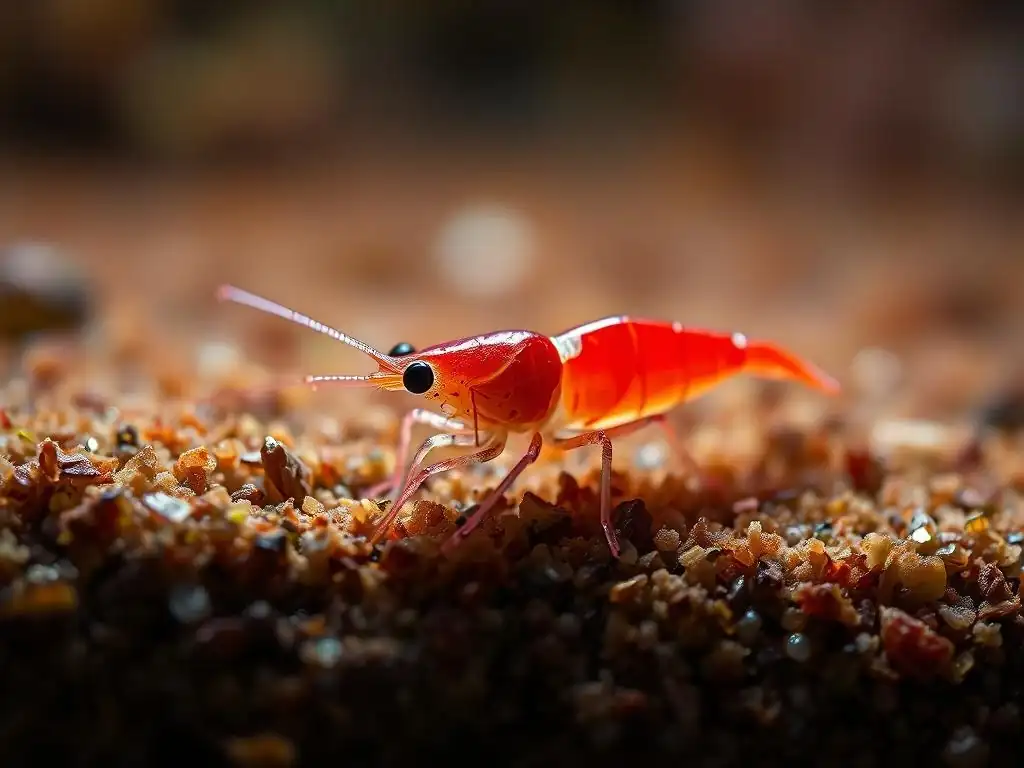
Beyond uneaten food, the general accumulation of organic waste and detritus within the aquarium is a major contributor to TDS creep. This includes shrimp waste, decaying plant matter, dead algae, and biofilm. As these organic materials break down through the nitrogen cycle and other decomposition processes, they release various soluble compounds such as nitrates, phosphates, and dissolved organic carbon (DOCs) into the water column.
All these dissolved substances contribute directly to the total TDS reading. A tank with poor circulation, neglected substrate vacuuming, or an overloaded biological filter can quickly develop significant detritus build-up. For example, a layer of mulm several millimeters thick on the substrate can continuously release dissolved organics, causing a steady and often rapid increase in the overall shrimp tank TDS creep.
Inadequate Water Changes Contributing to TDS Creep
One of the primary functions of regular water changes in an aquarium is to dilute and remove accumulated dissolved solids and pollutants. When water changes are infrequent, too small in volume, or skipped altogether, the dissolved solids introduced through feeding, decaying matter, and leaching sources have no effective means of removal. Consequently, the TDS level will steadily climb.
Consider a shrimp tank that experiences a daily increase of 2-3 ppm in TDS due to normal metabolic processes and feeding. If only a 10% water change is performed weekly, it may not be sufficient to counteract this daily accumulation, especially if the new water isn't RO/DI. Over a month, this can lead to a significant shrimp tank TDS creep of 20-30 ppm or more, pushing parameters outside the comfortable range for sensitive Caridina shrimp.
Diagnosing TDS Creep: Monitoring Your Shrimp Tank's Water Parameters
Regular TDS Testing: Tools and Techniques
Diagnosing TDS creep effectively relies on consistent and accurate testing. The primary tool for this is a handheld TDS meter, a relatively inexpensive and easy-to-use device. These pen-style meters measure the electrical conductivity of water, which is directly correlated to the concentration of total dissolved solids. To use it, simply turn it on, rinse the probes with tank water, immerse them in the water, and read the displayed value.
It is crucial to calibrate your TDS meter periodically, usually with a 342 ppm or 500 ppm calibration solution, to ensure accuracy. Regular testing, ideally weekly or bi-weekly, is recommended. Always test your remineralized RO/DI water before adding it to the tank to confirm its TDS, and then test the tank water. Recording these readings allows you to track trends and identify the onset of shrimp tank TDS creep before it becomes problematic.
Establishing a Baseline TDS Level for Your Caridina Shrimp Species
Before you can effectively monitor for TDS creep, you must establish a baseline TDS level that is optimal for your specific Caridina shrimp species. This baseline is the ideal, stable TDS range where your shrimp are thriving, breeding, and exhibiting vibrant colors. For most Caridina species, this typically falls within 100-180 ppm, but exact preferences can vary slightly (e.g., Crystal Reds often prefer 120-150 ppm, while some Taiwan Bees might prefer slightly lower).
Once your tank is established and parameters are stable, take a baseline reading and record it. This initial reading serves as your reference point. Any consistent deviation upwards from this baseline, even by a small margin (e.g., 5-10 ppm week over week), indicates that shrimp tank TDS creep is occurring and requires investigation. Without a clear baseline, it's difficult to discern whether a current reading is within an acceptable range or indicative of a problem.
Recognizing the Signs of TDS Creep in Your Shrimp's Behavior
While water testing provides quantitative data, observing your shrimp's behavior offers crucial qualitative insights into their well-being and can be an early indicator of TDS creep. Stressed Caridina shrimp will often exhibit noticeable behavioral changes before severe health issues or mortalities occur. These signs include lethargy, reduced activity, and a general lack of enthusiasm for food or exploration.
Molting difficulties are another significant indicator; shrimp may struggle to shed their old exoskeleton, often resulting in the "white ring of death" or incomplete molts, which are frequently fatal. Other signs can include a loss of vibrant coloration, the appearance of stress stripes, reduced breeding activity, or an increased frequency of unexplained deaths, particularly after molting. If you observe these symptoms in conjunction with rising TDS readings, it's a strong confirmation that shrimp tank TDS creep is negatively impacting your colony.
Solutions for Managing and Preventing TDS Creep
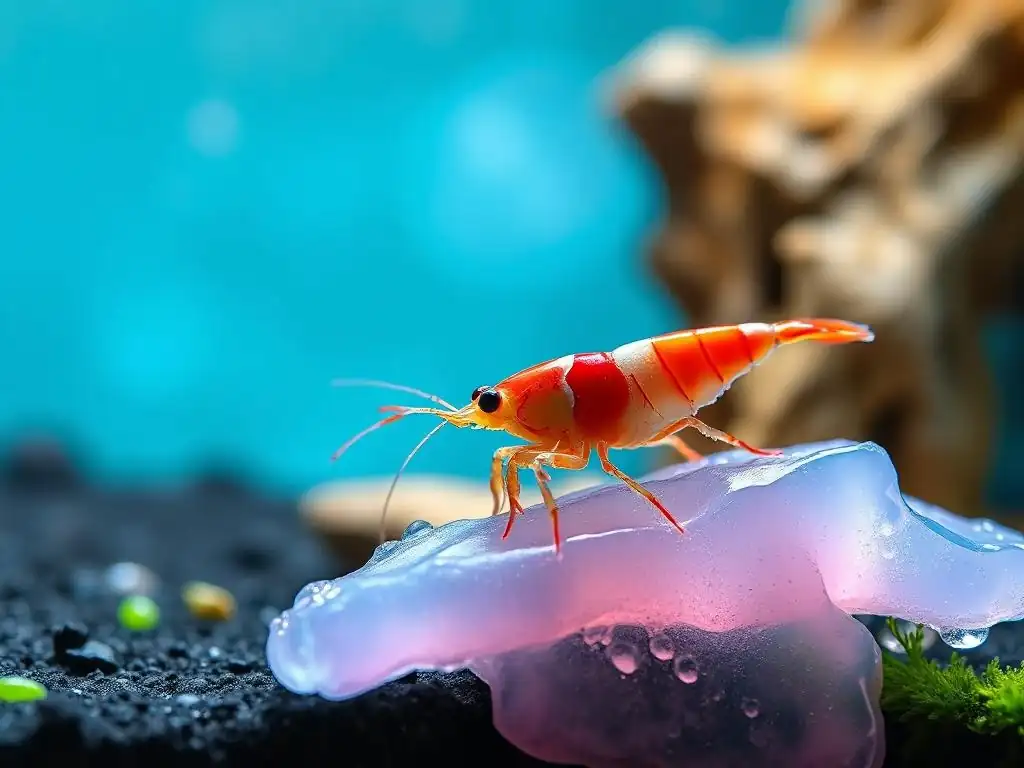
Implementing a Consistent Water Change Schedule
One of the most effective strategies for managing and preventing shrimp tank TDS creep is to implement a consistent and appropriate water change schedule. Regular water changes dilute the concentration of accumulated dissolved solids, effectively resetting the parameters closer to your desired baseline. For Caridina shrimp, small, frequent water changes are generally preferred over large, infrequent ones to minimize parameter fluctuations and reduce stress.
A common recommendation is to perform 10-15% water changes weekly, using remineralized RO/DI water that is temperature-matched to the tank. This consistent dilution prevents the gradual build-up of organic waste and leached minerals. For instance, in a 10-gallon tank, a 1-gallon weekly water change using 0 ppm TDS water remineralized to 120 ppm TDS will effectively counteract the daily accumulation of dissolved solids, preventing the upward trend.
Choosing Shrimp-Safe Substrates and Hardscape
Careful selection of substrate and hardscape materials is crucial to prevent them from contributing to TDS creep. Opt for substrates specifically designed for shrimp, which are often inert or designed to buffer pH and stabilize water parameters without significant leaching. If using inert sand or gravel, ensure it's truly inert and won't release minerals.
For hardscape, avoid rocks known to contain calcium carbonate, such as most limestones or Seiryu stone, as they will slowly dissolve and increase GH, KH, and TDS. You can test rocks by dripping a few drops of vinegar or muriatic acid on them; if they bubble, they contain carbonates and should be avoided or used with caution in Caridina tanks. Driftwood should be thoroughly soaked and boiled for several hours to leach out tannins and other organic compounds before being introduced into the aquarium, preventing it from contributing to the shrimp tank TDS creep.
Optimizing Shrimp Feeding Practices: Less is Often More
Optimizing your shrimp feeding practices is perhaps the most impactful way to prevent TDS creep from organic sources. Caridina shrimp have very small appetites, and overfeeding is a common mistake that quickly leads to an accumulation of uneaten food. This uneaten food decomposes rapidly, releasing a significant amount of dissolved organic carbon (DOC) and other nutrients directly into the water column, which directly contributes to the TDS.
The best practice is to feed only what your shrimp can consume within 1-2 hours. Some aquarists even recommend feeding every other day, or just 3-5 times a week, rather than daily. Utilizing a glass feeding dish can also be beneficial, as it contains the food and makes it easy to remove any uneaten portions with a pipette or small net after the feeding period, preventing it from breaking down and adding to the shrimp tank TDS creep.
Utilizing Filtration to Reduce Organic Waste Build-up
Effective filtration is paramount in mitigating the build-up of organic waste, which directly contributes to TDS creep. A robust filtration system helps to remove particulate matter and process dissolved pollutants, maintaining cleaner water.
Mechanical Filtration for Removing Particulate Matter
Mechanical filtration physically removes suspended particles from the water column, such as uneaten food, decaying plant matter, and shrimp waste. Sponge filters are an excellent choice for shrimp tanks due to their gentle flow and large surface area for beneficial bacteria. Filter floss or fine filter pads can also be used in hang-on-back (HOB) or canister filters.
Regular cleaning or replacement of mechanical filter media is crucial, as trapped detritus will eventually break down and release dissolved solids if left undisturbed. A well-maintained sponge filter, for example, can trap hundreds of milligrams of particulate waste weekly, preventing its decomposition into TDS-contributing compounds.
Biological Filtration: Maintaining a Healthy Nitrogen Cycle
Biological filtration is essential for processing nitrogenous waste (ammonia, nitrite, nitrate) produced by shrimp and decaying organics. Beneficial bacteria colonize porous media (like ceramic rings, bio-balls, or the sponge itself) and convert toxic ammonia into nitrite, and then into less toxic nitrate. While nitrates are themselves dissolved solids and contribute to TDS, a healthy nitrogen cycle prevents the accumulation of far more harmful compounds. Ensuring your biological filter is mature and well-oxygenated helps efficiently process waste, thereby reducing the overall organic load and its contribution to shrimp tank TDS creep.
Utilizing RO/DI Water for Water Changes
For Caridina shrimp, the consistent use of Reverse Osmosis (RO) or Reverse Osmosis/Deionization (RO/DI) water for all water changes and top-offs is perhaps the single most important step in preventing TDS creep. RO/DI water is essentially pure water, with a TDS reading typically between 0-5 ppm. This provides a clean, neutral base that allows you to precisely control your water parameters.
Since tap water contains varying levels of dissolved solids, using it for top-offs (where only pure water evaporates, leaving solids behind) or water changes will inevitably introduce new dissolved substances, leading to a gradual increase in tank TDS. By starting with RO/DI water, you can then remineralize it using a specific shrimp-safe mineral additive (e.g., SaltyShrimp GH+ for Caridina species) to achieve the exact desired GH and TDS levels, ensuring that only beneficial minerals are added and preventing the uncontrolled accumulation that causes shrimp tank TDS creep.
Monitoring and Adjusting GH and KH Alongside TDS
While TDS provides an overall measure of dissolved solids, it's crucial to monitor and adjust General Hardness (GH) and Carbonate Hardness (KH) independently, as they are specific components of TDS that are vital for Caridina shrimp health. Caridina species typically thrive in soft, slightly acidic water, meaning low KH and moderate GH. Many mineral supplements for Caridina shrimp, such as SaltyShrimp GH+, are designed to primarily raise GH (important for molting and shell development) with minimal or no impact on KH (which buffers pH).
Understanding the relationship between GH, KH, and TDS allows for precise parameter control. If your TDS is creeping up, but your GH and KH are stable, it indicates an accumulation of other dissolved solids (e.g., nitrates, organic compounds). Conversely, if GH or KH are rising, it points to mineral leaching from hardscape or substrate. Regularly testing these parameters alongside TDS provides a comprehensive picture, allowing you to fine-tune your remineralization and maintenance routines to specifically address sources of shrimp tank TDS creep.
Advanced Troubleshooting: When TDS Creep Persists
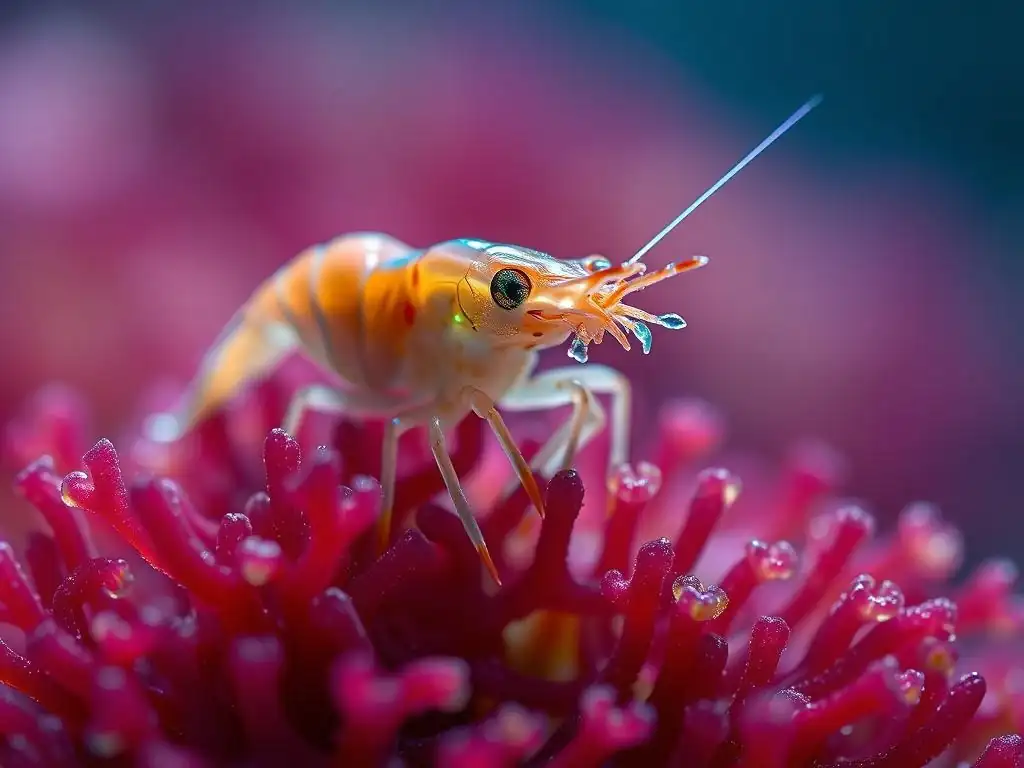
Investigating Less Common Sources of TDS Creep [Example: Mineral Stones]
When persistent shrimp tank TDS creep occurs despite addressing common culprits, it's time to investigate less obvious sources. One such example involves various mineral stones or clay products often marketed for shrimp tanks, such as Montmorillonite clay balls, tourmaline balls, or specialized mineral rocks. While some of these products are touted for their beneficial mineral release, they can contribute to a slow, steady increase in TDS, particularly if overused or if their long-term leaching properties are not fully understood.
For instance, a Montmorillonite clay stone placed in a 10-gallon tank might slowly release trace minerals and contribute 5-10 ppm to the TDS over a month. While seemingly small, this accumulation adds to the overall creep. It's important to research the long-term effects of any such additives and consider their potential contribution to dissolved solids when troubleshooting persistent TDS increases. Removing these items temporarily can help confirm if they are a contributing factor.
Evaluating the Role of Plants in TDS Fluctuations
Live plants generally have a positive impact on water quality by absorbing nitrates and other dissolved nutrients, which can actually help reduce TDS. However, plants can also contribute to TDS fluctuations, particularly if they are not well-maintained. Decaying plant matter, such as melting leaves, dead roots, or trimmings left in the tank, will break down and release dissolved organic compounds (DOCs) and other nutrients into the water, directly increasing TDS.
Therefore, regular plant maintenance is essential. Promptly remove any yellowing, browning, or decaying leaves. Trim plants regularly to encourage healthy new growth and prevent dense, stagnant areas where detritus can accumulate. A sudden die-off of a large plant, for instance, can release a significant amount of organic matter that rapidly contributes to shrimp tank TDS creep.
Addressing Algae Blooms and Their Potential Impact on TDS
Algae, while a natural part of an aquatic ecosystem, can become a significant contributor to TDS when it experiences large die-offs. During active growth, algae consumes nutrients and nitrates, which can temporarily lower TDS. However, when an algae bloom crashes due to nutrient depletion, light changes, or chemical treatments, the massive amount of dying algal cells decompose, releasing a substantial volume of dissolved organic compounds and other cellular components back into the water.
This sudden release of dissolved organic matter can lead to a rapid increase in TDS. While the initial cause of the bloom might be high nutrients, the subsequent die-off becomes a direct source of TDS creep. Managing algae through balanced lighting, appropriate nutrient levels, and manual removal rather than relying on large die-offs is crucial for maintaining stable water parameters and preventing unexpected spikes in shrimp tank TDS creep.
Dealing with Biofilm and Its Contribution to TDS
Biofilm is a complex matrix of microorganisms, primarily bacteria, that adheres to surfaces within the aquarium, including substrate, hardscape, and tank walls. While a healthy amount of biofilm is beneficial as a food source for shrimp and for biological filtration, excessive or poorly managed biofilm can contribute to TDS creep. Biofilm contains a significant amount of dissolved organic carbon (DOC) and other metabolic byproducts.
If a tank is consistently overfed, or if there's an abundance of decaying organic matter, the biofilm layer can become excessively thick and slough off, releasing these dissolved substances into the water column. While beneficial bacteria consume some of these, an overload can lead to an accumulation that registers as increased TDS. Regular, gentle substrate vacuuming and ensuring proper water flow can help manage excessive biofilm buildup and prevent its contribution to shrimp tank TDS creep.
Long-Term Strategies for Maintaining Stable TDS in Shrimp Tanks
Proactive Water Quality Management
Maintaining stable TDS levels in a dedicated shrimp tank is not a reactive measure but a proactive, ongoing process. Instead of waiting for signs of shrimp tank TDS creep to appear, aquarists should integrate consistent water quality management into their regular routine. This involves a disciplined approach to monitoring, maintenance, and understanding the specific needs of their Caridina species.
Proactive management means always having remineralized RO/DI water on hand for water changes and top-offs, consistently feeding small amounts, and regularly inspecting the tank for any decaying organic matter. It's about preventing problems before they arise, rather than scrambling to fix them, ensuring a consistently healthy environment for your sensitive shrimp.
Regular Tank Maintenance Best Practices
Beyond water changes, adhering to a schedule of regular tank maintenance best practices is fundamental to preventing TDS creep. This includes light substrate vacuuming to remove accumulated detritus and uneaten food, which are major sources of dissolved solids. Care should be taken not to disturb the beneficial bacterial colonies in the substrate too much, especially in active aquasoil tanks.
Cleaning or replacing mechanical filter media (like sponges or filter floss) on a consistent basis is also crucial, as these trap particulate waste that would otherwise break down and contribute to TDS. Promptly removing any dead plant leaves or other decaying organic matter will also significantly reduce the organic load. These routine tasks, though seemingly small, collectively play a massive role in mitigating shrimp tank TDS creep.
Understanding Your Water Chemistry and Its Impact on Caridina Shrimp
A deep understanding of water chemistry is indispensable for any serious Caridina shrimp keeper. TDS is just one piece of the puzzle; pH, GH, KH, and nitrate levels all interact and influence the overall health of your shrimp. For example, while low KH is ideal for many Caridina species to maintain a stable, slightly acidic pH, it also means less buffering capacity against pH swings, which can be indirectly affected by large TDS fluctuations.
Educating yourself on how each parameter affects shrimp physiology – from molting success (GH) to osmotic balance (TDS) and waste processing (nitrates) – empowers you to make informed decisions about water changes, remineralization, and troubleshooting. This holistic understanding allows you to precisely dial in the optimal environment and proactively address any potential issues that could lead to shrimp tank TDS creep.
Documenting Your Shrimp Tank's History and Water Parameters
One of the most powerful long-term strategies for maintaining stable TDS and overall tank health is to keep a detailed logbook of your aquarium's history and water parameters. This log should include dates of water changes, the volume of water changed, the TDS (and GH/KH) readings of both the new water and the tank water, feeding amounts, and any significant observations about shrimp behavior or tank conditions.
This documentation serves as an invaluable diagnostic tool. By reviewing past entries, you can easily identify trends, pinpoint when shrimp tank TDS creep began, or correlate changes in parameters with specific maintenance activities or additions to the tank. For example, if you notice a consistent 5 ppm weekly rise in TDS despite regular water changes, your logbook might reveal that it started after adding a new piece of hardscape or increasing your feeding frequency, allowing for targeted intervention.
Frequently Asked Questions
What is TDS creep in a shrimp tank and why is it a problem?
TDS creep refers to a gradual and unwanted increase in total dissolved solids (TDS) within your shrimp tank. This is a problem because high TDS levels can be stressful and even deadly for delicate shrimp species.
What are the common causes of TDS creep in a shrimp tank?
Common causes include evaporation of water (leaving behind dissolved solids), the use of certain substrates or decorations that leach minerals, and the accumulation of waste products from uneaten food and shrimp waste.
How often should I test the TDS level in my shrimp tank?
Ideally, you should test your TDS level at least once a week. This allows you to monitor for any significant changes and address potential issues promptly.
How do I lower the TDS level in my shrimp tank if it's too high?
The best way to lower TDS is through regular water changes using RO/DI water. Avoid adding tap water unless you know its TDS is significantly lower and safe for your shrimp.
What TDS level is generally considered safe for most shrimp species?
Generally, a TDS level between 100-250 ppm is considered safe for most common shrimp species like Red Cherry Shrimp. However, specific species may have slightly different requirements, so research your shrimp's needs.
The journey of maintaining a thriving shrimp tank is a delicate dance with unseen parameters, and understanding Total Dissolved Solids (TDS) creep is paramount to success. What began as a technical exploration of water chemistry reveals a deeper truth: our dedication to these miniature ecosystems reflects a commitment to balance and precision in a world often lacking both. The principles of proactive monitoring and informed intervention extend far beyond the glass walls of our aquariums, offering lessons in attentiveness and responsible stewardship.
The subtle, yet persistent, rise of TDS serves as a potent reminder that even seemingly stable environments are subject to constant change. This understanding has profoundly impacted my own approach to aquarium keeping, fostering a deeper appreciation for the interconnectedness of every element within the system. The best way to predict the future is to create it.
– Peter Drucker. This quote resonates deeply, highlighting the importance of proactive management and informed decision-making in preventing TDS creep and ensuring the long-term health of our shrimp colonies.
Now, armed with the knowledge of how to identify, mitigate, and even prevent TDS creep, I urge you to look beyond the numbers and consider the broader implications of your actions. Are you truly listening to the subtle signals your tank is sending?
Are you prepared to adapt and evolve your practices as needed? Embrace the challenge of mastering your shrimp tank's environment, and you'll find that the lessons learned extend far beyond the realm of aquatics, enriching your understanding of balance, responsibility, and the delicate art of creating a thriving ecosystem, both within your tank and within your own life.
Ignite Your Shrimp Keeping Journey!
Thank you for diving into the world of shrimp keeping and learning how to combat TDS creep! We hope this article has empowered you with the knowledge to maintain a healthy and thriving aquarium. Now, let's take that knowledge and turn it into action!
Here are a few things you can do right now:
- Immediately test your aquarium's TDS level. This is the most important step to ensure a healthy environment for your shrimp.
- Explore our other articles on shrimp species care to discover compatible tank mates and create a diverse aquatic ecosystem.
- Share this article with fellow shrimp enthusiasts in your online communities – let's help everyone keep their shrimp happy!
What small adjustment will you make this week to improve your shrimp's water quality?