
Dwarf Crayfish vs. Large Crayfish: Which Crustacean is Right for You?

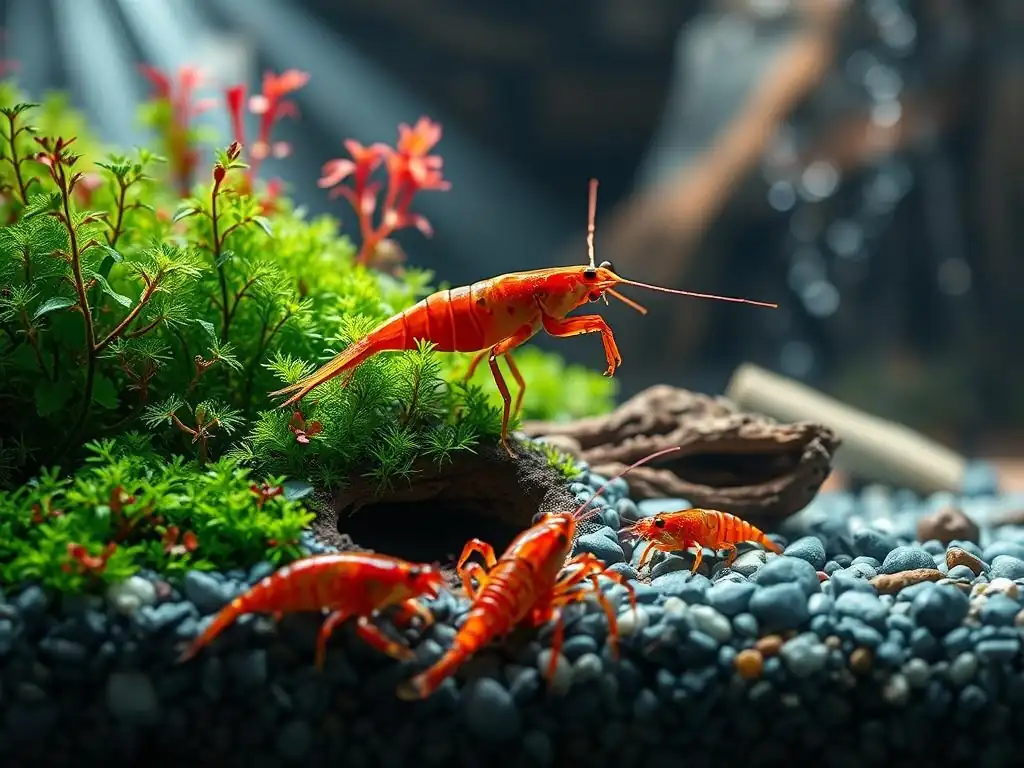
Welcome to Aquarium Mastery! Ever wondered if a tiny titan could be the perfect addition to your freshwater aquarium? Dwarf crayfish are captivating creatures, but are they right for your tank? Dive in as we unravel the secrets of dwarf crayfish care requirements and compare them to their larger cousins. Discover which crustacean will thrive in your aquatic world and bring a unique spark to your underwater ecosystem. Ready to explore? Let's get started!
Dwarf Crayfish Care Requirements: Essential Guidelines
Meeting the specific dwarf crayfish care requirements is crucial for their health and longevity in a home aquarium. These small crustaceans, while hardy, thrive best when their environment closely mimics their natural habitat and their fundamental needs are consistently met. Proper attention to tank size, water parameters, diet, and compatibility will ensure a thriving and active dwarf crayfish population.
Tank Size for Dwarf Crayfish: Creating an Ideal Habitat
Despite their small stature, dwarf crayfish benefit significantly from adequate tank space. For a single dwarf crayfish, a minimum of a 5-gallon (approximately 19-liter) aquarium is generally recommended. This size provides enough room for the crayfish to forage, explore, and most importantly, find secluded spots for molting, a vulnerable period where they shed their exoskeleton. A 10-gallon (approximately 38-liter) tank is even better, offering increased stability in water parameters and more territory for a pair or small group, especially if breeding is a goal.
When considering multiple dwarf crayfish, it's advisable to increase the tank size proportionately. For instance, a 20-gallon (approximately 76-liter) long tank can comfortably house several individuals, providing ample floor space and reducing potential territorial disputes. The emphasis on floor space over vertical height is important, as dwarf crayfish are primarily bottom-dwellers. Providing a diverse landscape with plenty of hiding spots, such as small caves, driftwood, and dense plant cover, is a critical aspect of their habitat, directly impacting their well-being and reducing stress.
Water Parameters for Dwarf Crayfish: Maintaining Optimal Conditions
Maintaining stable and appropriate water parameters is one of the most critical dwarf crayfish care requirements. These crustaceans prefer slightly alkaline to neutral water with a moderate hardness. Ideal temperature ranges from 68°F to 78°F (20°C to 25.5°C), though they can tolerate slightly cooler or warmer conditions for short periods. The pH should ideally be between 6.5 and 8.0, and general hardness (GH) between 5 and 15 dGH. Consistency in these parameters is more important than hitting exact numbers, as sudden fluctuations can stress the crayfish, particularly during molting.
Beyond temperature and pH, excellent water quality is paramount. Ammonia and nitrite levels must always be at 0 ppm, as these compounds are highly toxic to all aquatic invertebrates. Nitrate levels should be kept below 20 ppm through regular partial water changes, typically 20-25% weekly.
Dwarf crayfish are also highly sensitive to copper, which is often found in medications for fish parasites; therefore, any copper-containing treatments should be strictly avoided in their tanks. A robust filtration system, such as a sponge filter or a small hang-on-back filter, is essential to maintain water clarity and biological filtration, ensuring a healthy environment.
Diet and Feeding of Dwarf Crayfish: What to Feed Your Miniature Crustaceans
Dwarf crayfish are omnivores and scavengers, meaning their diet in the aquarium should be varied and balanced to meet all their nutritional needs. A staple diet should include high-quality sinking pellets or granules specifically formulated for crustaceans or bottom-dwelling fish, as these provide essential proteins and minerals. Supplementing this with blanched vegetables like zucchini, spinach, or kale offers necessary roughage and vitamins. Small pieces of algae wafers are also readily accepted and provide plant-based nutrition.
To ensure they receive adequate protein and calcium, which is vital for their exoskeleton development and successful molting, incorporate frozen or live foods a few times a week. Options such as bloodworms, brine shrimp, daphnia, or even finely crushed calcium-rich foods like cuttlebone can be beneficial. It's important not to overfeed, as uneaten food can quickly foul the water, leading to poor water quality. Feeding small amounts once a day, or every other day, is usually sufficient, allowing them to graze naturally and ensuring that their specific dwarf crayfish care requirements for nutrition are met.
Temperament and Compatibility: Tank Mates for Dwarf Crayfish
The temperament of dwarf crayfish is generally peaceful, making them suitable for community tanks with careful selection of tank mates. Unlike their larger cousins, dwarf crayfish are less likely to aggressively pursue and harm healthy, fast-moving fish. However, they are opportunistic feeders and may attempt to catch very slow or injured fish, or snails. During molting, they are particularly vulnerable and shy, seeking secluded spots to hide. Providing ample hiding places like small caves, PVC pipes, and dense plant cover is a crucial part of their care, reducing stress and potential aggression from other tank inhabitants.
When selecting tank mates, prioritize small, peaceful, and active fish that primarily occupy the middle and upper water columns. Good choices include various species of Tetras (e.g., Neon Tetras, Ember Tetras), Rasboras (e.g., Harlequin Rasboras), Guppies, and other small livebearers. Avoid large, aggressive, or predatory fish that might view the crayfish as prey.
Bottom-dwelling fish that might compete for food or territory, such as certain species of Corydoras or larger plecos, should also be introduced with caution or avoided entirely. Similarly, while some snails can coexist, delicate shrimp species might be at risk, especially if food is scarce, making careful consideration of overall dwarf crayfish care requirements for community living essential.
- What are the basic dwarf crayfish care requirements that differ from larger crayfish species?
- What specific water parameters are crucial for successful dwarf crayfish care requirements?
- How does diet impact the dwarf crayfish care requirements, and what should I feed them?
- What tank setup elements are essential for meeting dwarf crayfish care requirements and promoting their well-being?
- What are some common health problems that can affect dwarf crayfish, and how can these be addressed within their dwarf crayfish care requirements?
Frequently Asked Questions
What are the basic dwarf crayfish care requirements that differ from larger crayfish species?
Dwarf crayfish generally require smaller tanks, typically 5-10 gallons per crayfish, compared to the larger tanks needed for their bigger counterparts. They are also generally less aggressive and can sometimes be kept with small, peaceful fish.
What specific water parameters are crucial for successful dwarf crayfish care requirements?
Maintaining stable water parameters is vital. Ideal conditions include a pH of 6.5-7.5, a temperature of 68-78°F, and low levels of ammonia and nitrites. Regular water changes are essential to ensure a healthy environment.
How does diet impact the dwarf crayfish care requirements, and what should I feed them?
Dwarf crayfish are omnivores and require a varied diet. Offer them sinking pellets, algae wafers, blanched vegetables, and the occasional protein-rich treat like bloodworms. Avoid overfeeding, as it can lead to water quality issues.
What tank setup elements are essential for meeting dwarf crayfish care requirements and promoting their well-being?
Provide plenty of hiding places such as rocks, caves, and driftwood. These reduce stress and offer protection during molting. A sandy or fine gravel substrate is also recommended for burrowing.
What are some common health problems that can affect dwarf crayfish, and how can these be addressed within their dwarf crayfish care requirements?
Copper toxicity is a common concern. Ensure any medications or decorations are copper-free. Maintaining clean water and a balanced diet can help prevent most health issues.
Okay, here's a final reflection tailored to your article, "Dwarf Crayfish vs. Large Crayfish: Which Crustacean is Right for You?," focusing on the theme of responsible pet ownership and informed decision-making, while also incorporating the keyword "Dwarf crayfish care requirements":
Final Reflection: The Tiny Titans of Responsible Aquascaping
The journey of choosing an aquatic companion, as we've explored, hinges on understanding their needs and ensuring a suitable environment. The decision between a dwarf crayfish and a larger species is not merely about size, but about commitment to providing appropriate care. This commitment is especially crucial in today's world, where the popularity of exotic pets demands heightened awareness of their specific requirements and the potential impact on both the animal and the ecosystem.
This exploration of crayfish care, particularly focusing on dwarf crayfish care requirements, underscores the importance of informed choices in aquascaping. It's not just about aesthetics; it's about ethical responsibility. The well-being of these fascinating creatures depends on our diligence in understanding their needs and providing for them. The greatness of a nation and its moral progress can be judged by the way its animals are treated.
- Mahatma Gandhi. This quote resonates deeply when considering the care we provide to even the smallest of our aquatic companions.
Now, as you consider adding a crayfish to your aquarium, take a moment to reflect on the information presented. Are you prepared to meet the specific dwarf crayfish care requirements, or would a larger species be a better fit for your resources and experience? The choice is yours, but let it be guided by a commitment to responsible pet ownership and a genuine desire to provide a thriving environment for these captivating crustaceans. Let's all strive to be informed and compassionate stewards of the aquatic world.
Unleash Your Perfect Crayfish Companion!
Thank you for diving into the world of crayfish and exploring which crustacean suits your aquarium aspirations! Now that you're equipped with the knowledge to choose between a dwarf and a larger crayfish, it's time to take the plunge and create the underwater habitat of your dreams.
- Begin your journey by carefully selecting your new crayfish companion from a reputable breeder or local aquarium store! Remember to ask about the specific needs of the species you choose.
- Research compatible tank mates and plan your aquarium layout. Consider adding plants, rocks, and hiding spots to create a stimulating and safe environment.
- Share your crayfish selection journey with other aquarium enthusiasts! What drew you to dwarf crayfish or the larger varieties?
Ready to transform your aquarium into a vibrant crustacean paradise?