
Feeding Caridina Shrimp: Specialized Diets for Sensitive and Exotic Species

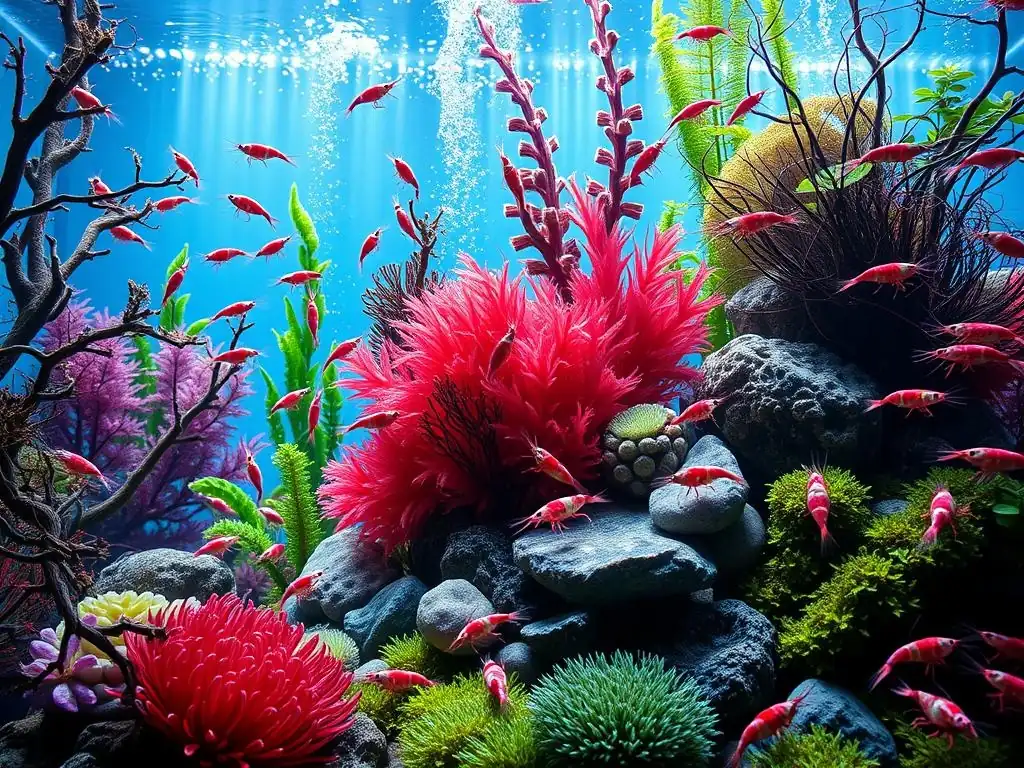
Welcome to Aquarium Mastery!
Ever wondered if your vibrant Caridina shrimp are truly thriving? Unlocking their full potential starts with understanding their specialized dietary needs. Dive in to our comprehensive guide on Caridina shrimp specialized feeding diet, and discover the secrets to a flourishing shrimp colony. Ready to elevate your shrimp-keeping game?
- Understanding the Dietary Needs of Caridina Shrimp
- Key Components of a Caridina Shrimp Specialized Feeding Diet
- Best Food Options for Caridina Shrimp
- Creating a Feeding Schedule for Caridina Shrimp
- Addressing Specific Dietary Needs of Caridina Shrimp Species
- Avoiding Common Feeding Mistakes with Caridina Shrimp
- Culturing Live Food for Caridina Shrimp at Home
- Advanced Caridina Shrimp Feeding Techniques
- Troubleshooting Caridina Shrimp Feeding Problems
-
Frequently Asked Questions
- What makes Caridina shrimp feeding so specialized?
- Why can't I just feed my Caridina shrimp regular fish flakes?
- What are some key components of a Caridina shrimp specialized feeding diet?
- How often should I feed my Caridina shrimp?
- Where can I find specialized food specifically formulated for Caridina shrimp?
- Final Reflection: Nurturing Life's Delicate Balance
- Ignite Your Caridina Shrimp's Vitality
Understanding the Dietary Needs of Caridina Shrimp
Why Caridina Shrimp Require Specialized Feeding
Caridina shrimp, particularly delicate varieties like Caridina cantonensis (Crystal Red, Black King Kong), originate from oligotrophic (nutrient-poor) waters where their primary food sources are microscopic organisms, biofilm, and decaying plant matter. This natural diet contrasts sharply with the high-protein, often animal-based, foods typically fed to fish or even robust Neocaridina shrimp.
Their digestive systems are adapted for slow, continuous grazing on these fine particles, making them highly sensitive to large, nutrient-dense pellets that can cause digestive upset and rapidly foul the water. The introduction of inappropriate foods can quickly lead to elevated nitrates and phosphates, which are detrimental to these sensitive invertebrates.
Furthermore, Caridina species often thrive in specific water parameters—soft, acidic water with low Total Dissolved Solids (TDS)—which can influence their nutrient uptake and overall metabolism. Their delicate nature means they are less tolerant of fluctuations and contaminants introduced by unsuitable food. For instance, an excess of animal protein can overwhelm their digestive tracts, leading to bacterial imbalances and potentially fatal issues like molting complications. A precisely formulated Caridina shrimp specialized feeding diet is therefore not just beneficial, but essential for their long-term health and survival in an aquarium environment.
The Importance of a Balanced Caridina Shrimp Diet for Health and Breeding
A well-balanced Caridina shrimp specialized feeding diet is paramount for ensuring their vibrant coloration, robust health, and successful reproduction. Proper nutrition provides the necessary building blocks for chitin formation, which is crucial for successful molting—a frequent and critical process for shrimp growth. Deficiencies can manifest as "white ring of death," where the shrimp cannot shed its old exoskeleton, leading to rapid mortality. A diet rich in essential minerals like calcium and magnesium directly supports strong exoskeleton development and reduces molting failures, with some aquarists reporting a 20-30% reduction in molting-related deaths after optimizing their feeding regimen.
Beyond individual health, a balanced diet significantly impacts breeding success. Females require specific nutrients, particularly lipids and proteins, to develop and carry viable eggs. A nutrient-deficient diet can result in smaller clutches, unfertilized eggs, or premature egg drops. Studies indicate that a consistent Caridina shrimp specialized feeding diet rich in plant-based proteins and essential fatty acids can increase female berried rates by up to 15-20% and improve the survival rate of the delicate fry. This comprehensive nutritional approach ensures that both adult shrimp and their offspring thrive, contributing to a self-sustaining and healthy colony.
Key Components of a Caridina Shrimp Specialized Feeding Diet
Essential Nutrients for Caridina Shrimp: Protein, Carbohydrates, and Fats
Proteins are vital for the growth, repair, and maintenance of tissues in Caridina shrimp. However, unlike fish, they require a lower percentage of protein, typically ranging from 20-35%, with a strong emphasis on plant-based and microbial sources found in biofilm. Excess animal protein can lead to digestive issues, liver damage, and rapid water quality degradation. Carbohydrates serve as the primary energy source, fueling their metabolic processes and daily activities. These are often derived from various plant materials and algae.
Fats, or lipids, are crucial for energy storage, cell membrane integrity, and the synthesis of hormones. Essential fatty acids, particularly omega-3 and omega-6, play a significant role in overall vitality, immune function, and reproductive health. A high-quality Caridina shrimp specialized feeding diet will balance these macronutrients, ensuring that shrimp receive adequate energy without being overwhelmed by excessive protein. For example, premium commercial foods often feature spirulina, chlorella, and various plant extracts as primary protein and carbohydrate sources, ensuring optimal nutrient absorption and minimal waste.
The Role of Vitamins and Minerals in Caridina Shrimp Health
Vitamins, though required in minute quantities, are indispensable for numerous metabolic functions, immune system support, and stress resistance in Caridina shrimp. Vitamin C (ascorbic acid) acts as a powerful antioxidant, protecting cells from damage, while Vitamin E is crucial for reproductive health and muscle function. Minerals are even more critical, particularly calcium and magnesium, which are the primary components of their exoskeleton. A deficiency in these minerals can lead to soft shells, incomplete molts, and increased susceptibility to disease.
Trace minerals such as iodine, zinc, and selenium are also vital for enzymatic reactions and overall physiological processes. Iodine, for instance, is essential for proper thyroid function and preventing molting abnormalities. Caridina shrimp absorb these essential minerals not only from their food but also directly from the water column. Therefore, a comprehensive Caridina shrimp specialized feeding diet, combined with appropriate water remineralization (especially in RO/DI water setups), ensures that shrimp have constant access to these vital elements. Many specialized shrimp foods include chelated minerals to enhance their bioavailability.
Natural Sources of Essential Nutrients for Caridina Shrimp
Biofilm is the cornerstone of a Caridina shrimp specialized feeding diet in their natural habitat and a crucial component in the aquarium. This complex matrix of bacteria, fungi, algae, and detritus adheres to all surfaces in the tank (glass, substrate, plants, decor) and provides a continuous, balanced source of proteins, carbohydrates, fats, and essential minerals. Shrimp constantly graze on biofilm, making it their most consistent food source.
Leaf litter, such as Indian almond leaves ( Terminalia catappa), guava leaves, or mulberry leaves, serves multiple purposes. As they slowly decompose, they release beneficial humic substances and tannins, which condition the water and provide a substrate for further biofilm growth. The decaying leaf material itself also becomes a direct food source for shrimp. For example, a single 4-6 inch Indian almond leaf can provide continuous grazing opportunities for a small colony of 10-15 shrimp for several weeks, significantly contributing to their natural Caridina shrimp specialized feeding diet and overall tank health.
Best Food Options for Caridina Shrimp
Commercial Caridina Shrimp Foods: Pellets, Granules, and Wafers
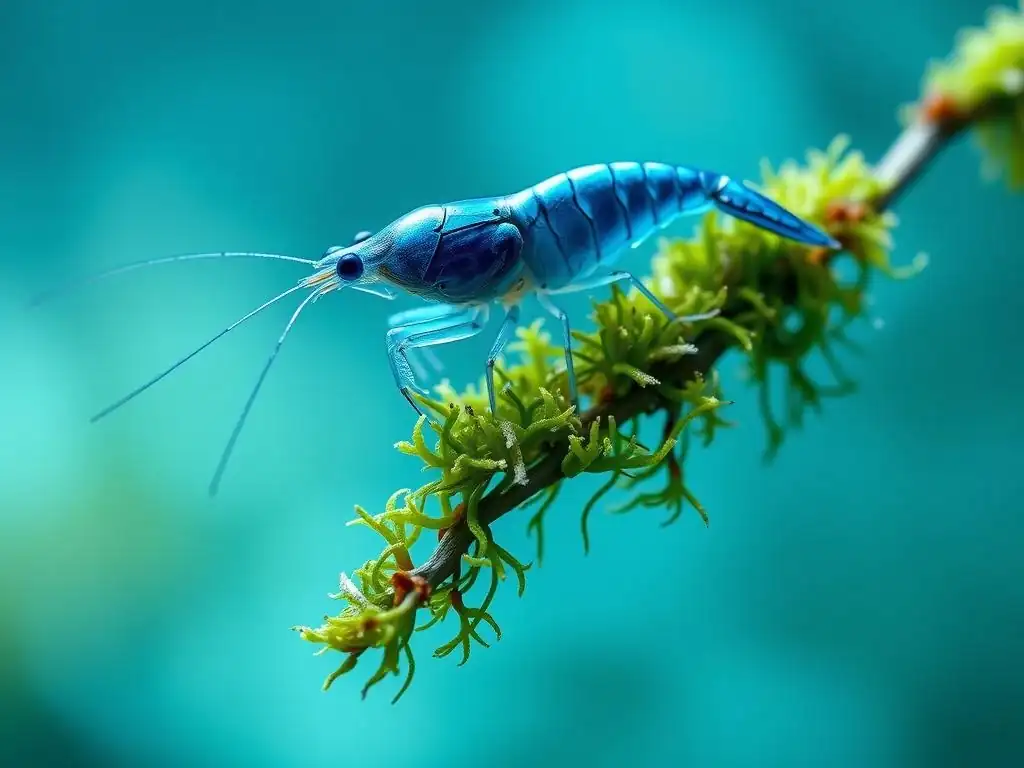
Commercial Caridina shrimp foods offer a convenient and nutritionally balanced option for aquarists. Leading brands like Shirakura, GlasGarten, and Benibachi have developed specialized formulations tailored to the precise needs of Caridina species. These foods typically consist of high-quality plant matter, spirulina, chlorella, and a precise blend of minerals, specifically designed to promote vibrant coloration, successful molting, and robust health. For instance, Shirakura Ebi Dama is a widely popular choice, known for its optimal protein-to-carbohydrate ratio and its ability to remain stable in water without quickly dissolving.
When selecting a commercial Caridina shrimp specialized feeding diet, it is crucial to choose products explicitly labeled for Caridina shrimp, as general fish flakes or even Neocaridina foods may contain too much animal protein or lack the necessary mineral balance. Look for ingredients that emphasize vegetable proteins, kelp, and a comprehensive profile of essential vitamins and trace minerals. A high-quality Caridina shrimp food should sink quickly, minimizing surface feeding, and should not cloud the water, ensuring optimal water quality for these sensitive invertebrates.
Homemade Caridina Shrimp Food Recipes: Spinach and Spirulina Bites, Pea and Carrot Mash
Homemade foods can serve as an excellent supplement to commercial diets, offering variety and allowing for precise control over ingredients. Blanched organic spinach is a nutrient-rich option, packed with vitamins and minerals. A small piece, roughly 1 square inch for a colony of 15-20 shrimp, can be offered once or twice a week and should be removed after 2-3 hours to prevent fouling. Similarly, spirulina powder can be mixed with a natural binder like agar-agar to create nutrient-dense, custom-sized wafers.
For a pea and carrot mash, blanch a few organic peas and a small piece of carrot until soft, then mash them into a fine paste. This mixture provides carbohydrates, fiber, and essential vitamins. Offer a tiny amount, no larger than a grain of rice per 10 shrimp, as this mash can quickly break down and impact water quality if overfed. These homemade options, when integrated thoughtfully, can enhance the diversity and nutritional value of a Caridina shrimp specialized feeding diet.
Live Foods for Caridina Shrimp: Enhancing Natural Foraging Behavior
Live foods are an excellent way to stimulate natural foraging behaviors and provide highly nutritious supplements for Caridina shrimp, particularly for fry. Microworms ( Panagrellus redivivus) are tiny nematodes that are perfect for adult shrimp and are especially beneficial for shrimp fry due to their small size and high protein content. Vinegar eels ( Turbatrix aceti) are even smaller, making them ideal for the most delicate Caridina fry, providing essential nutrients in an easily consumable form.
Occasionally, larger live foods like Daphnia or newly hatched brine shrimp nauplii can be offered. These crustaceans provide a rich source of essential fatty acids and protein, contributing to improved growth and coloration. However, it is crucial to ensure that live foods are cultured in a clean, controlled environment to prevent the introduction of pathogens or parasites into the aquarium. A small, continuous culture of microworms or vinegar eels can provide a daily boost to a comprehensive Caridina shrimp specialized feeding diet.
Supplemental Foods for Caridina Shrimp: Algae, Biofilm, and Leaf Litter
Beyond prepared foods, naturally occurring elements within the aquarium are vital supplemental food sources for Caridina shrimp. Algae growth on tank surfaces, such as diatoms and various green algae, provides a continuous, natural grazing opportunity, supplying essential nutrients and fiber. Biofilm, the omnipresent layer of microorganisms that coats all surfaces in a mature aquarium, is arguably the single most important component of a Caridina shrimp specialized feeding diet, offering a balanced and constantly available food source.
Leaf litter, including Indian almond leaves, mulberry leaves, and guava leaves, serves as both a direct food source and a substrate for biofilm growth. As these leaves slowly decompose, they release humic substances and tannins that benefit water quality, while the decaying organic matter becomes a palatable food for shrimp. A single Indian almond leaf, for example, can slowly break down over several weeks, providing a consistent source of food and fostering a healthy microbial environment, thereby enhancing the overall Caridina shrimp specialized feeding diet. Driftwood also contributes significantly to biofilm development.
Creating a Feeding Schedule for Caridina Shrimp
Determining the Right Amount of Food for Your Caridina Shrimp Colony
Determining the correct amount of food is critical to prevent overfeeding, which is a common cause of issues in Caridina shrimp tanks. A good starting point is to offer only what the shrimp can fully consume within 2-3 hours. For a colony of 20-30 adult shrimp, this might translate to a single pellet approximately 2-3mm in diameter. It is essential to observe their feeding behavior closely; if food remains after the suggested timeframe, reduce the portion size for the next feeding.
The optimal food amount also depends on various factors, including the size of your colony, the maturity of the tank, and the abundance of natural biofilm. In a heavily planted, well-established tank with a thriving biofilm layer, less supplemental food will be required as shrimp are constantly grazing. Conversely, a newer tank with less established biofilm might necessitate slightly larger portions. Always err on the side of underfeeding, as shrimp can graze on natural resources, whereas excess food quickly degrades water quality.
Frequency of Feeding Caridina Shrimp: Avoiding Overfeeding
The frequency of feeding Caridina shrimp is crucial for their health and the stability of the aquarium environment. Most Caridina shrimp colonies thrive on a feeding schedule of every 2-3 days. Some experienced aquarists with mature, heavily biofilmed tanks even opt for feeding only twice a week. Daily feeding is generally discouraged unless you have an exceptionally large and active colony or are specifically trying to boost breeding in a highly controlled setup, as it significantly increases the risk of overfeeding and water quality issues.
Skipping a day or two between feedings encourages shrimp to actively graze on the natural biofilm and detritus present in the tank, which is a healthier and more natural feeding behavior for them. For example, a schedule of feeding on Monday, Wednesday, and Friday works well for many standard colonies, allowing ample time for the shrimp to consume all offerings and for the tank's cleanup crew to process any remnants. This approach helps maintain pristine water conditions, which are paramount for the sensitive Caridina shrimp specialized feeding diet.
Monitoring Caridina Shrimp Feeding Habits and Adjusting the Diet
Regularly observing your Caridina shrimp's feeding habits is key to fine-tuning their diet. Healthy and hungry shrimp will quickly gather around the food within minutes of it being introduced. Pay attention to how quickly the food is consumed; if it disappears within an hour, you might consider a slight increase in portion size or frequency. Conversely, if food remains untouched after 3 hours, it indicates overfeeding, and the amount should be reduced immediately.
Beyond consumption rates, monitor the overall health of your shrimp colony. Look for signs of vibrancy in coloration, active foraging behavior, consistent successful molts, and the presence of berried females. Any decline in these indicators, such as faded colors or recurring molting issues, could signal a dietary imbalance or underlying water parameter problems, prompting a review of your Caridina shrimp specialized feeding diet and environmental conditions. Regular water testing for nitrates and phosphates will also provide indirect feedback on feeding practices.
Addressing Specific Dietary Needs of Caridina Shrimp Species
Feeding Crystal Red Shrimp (CRS): Specific Dietary Considerations
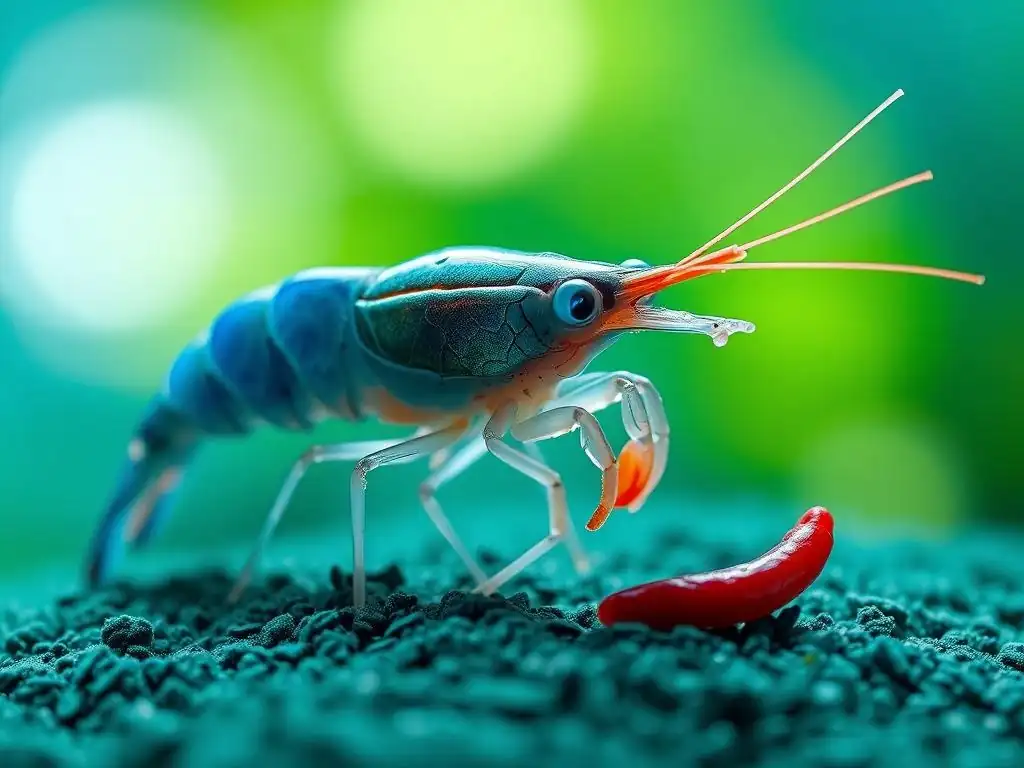
Crystal Red Shrimp (CRS), a popular variant of Caridina cantonensis, are highly prized for their striking red and white patterns but are also known for their particular sensitivity. Their Caridina shrimp specialized feeding diet should prioritize high-quality vegetable matter, spirulina, and chlorella, with minimal animal protein. Many dedicated CRS foods incorporate natural carotenoids like astaxanthin to enhance and maintain their vibrant red pigmentation.
These shrimp greatly benefit from a diet that supports their delicate digestive systems and promotes consistent, successful molts. Overfeeding protein or using foods not specifically formulated for Caridina species can lead to digestive upset, lethargy, and rapid deterioration of water quality, to which CRS are particularly susceptible. A typical feeding regimen for CRS might involve small, infrequent portions of a premium Caridina-specific pellet every other day, supplemented with blanched organic spinach or mulberry leaves to provide varied nutrition and encourage natural grazing.
Feeding Black King Kong Shrimp (BKK): Optimal Nutrition for Coloration
Black King Kong Shrimp (BKK), another highly sought-after Caridina cantonensis variant, are celebrated for their intense black and white coloration. The optimal Caridina shrimp specialized feeding diet for BKKs must include ingredients that actively enhance and preserve their deep pigmentation. Ingredients rich in astaxanthin and other carotenoids are crucial for developing and maintaining the desired depth of black and the crispness of their white patterns.
While their general dietary needs are similar to other Caridina cantonensis varieties, BKK shrimp often show improved coloration when fed foods specifically formulated to boost black pigments. Some premium commercial foods designed for Taiwan Bee varieties (which include BKK) contain specific algae strains or natural extracts aimed at color enhancement. Providing a consistent Caridina shrimp specialized feeding diet that is rich in these compounds helps ensure that these stunning shrimp maintain their striking appearance and overall vitality.
Feeding Taiwan Bee Shrimp: Meeting the Needs of Delicate Caridina Varieties
Taiwan Bee Shrimp, encompassing varieties like Panda, King Kong, Red Wine, and Blue Bolt, are among the most delicate and prized Caridina varieties in the hobby. Their Caridina shrimp specialized feeding diet must be meticulously clean and precise. They thrive on a diet heavily reliant on biofilm and specialized pellets that are very low in protein but rich in essential minerals, which aligns with their preference for soft, acidic water parameters.
Due to their extreme sensitivity to water parameters and waste accumulation, avoiding overfeeding is paramount for Taiwan Bee Shrimp. Small, infrequent feedings of high-quality, sinking pellets specifically designed for these delicate Caridina species are highly recommended. Supplementation with products like Bacter AE, which promotes the growth of beneficial biofilm, is also incredibly beneficial for these sensitive varieties, providing a continuous and natural food source that supports their unique needs and contributes to a robust Caridina shrimp specialized feeding diet.
Avoiding Common Feeding Mistakes with Caridina Shrimp
The Dangers of Overfeeding Caridina Shrimp
Overfeeding is unequivocally the most common and detrimental mistake made by Caridina shrimp keepers. Excess food rapidly decomposes in the aquarium, leading to a cascade of negative effects, including dangerous ammonia spikes, increased nitrate levels, and elevated phosphate concentrations. These elevated parameters stress the shrimp, weaken their immune systems, and make them highly susceptible to bacterial infections, molting issues, and ultimately, premature death. Even small amounts of uneaten food can significantly impact the delicate balance of a Caridina tank.
Beyond water quality degradation, overfeeding can directly cause digestive problems in the shrimp themselves. Their small, sensitive digestive systems are not designed to process large, infrequent meals. Uneaten food also serves as a breeding ground for undesirable pests such as planaria, hydra, and various types of worms, which can further stress shrimp and compete for resources. Always remove any uneaten food after 2-3 hours to prevent these issues and maintain the pristine environment essential for a healthy Caridina shrimp specialized feeding diet.
Preventing Food Contamination in Caridina Shrimp Tanks
Preventing food contamination is crucial for the health of sensitive Caridina shrimp. Always source your commercial foods from reputable manufacturers known for their quality control. Cheaper or bulk-purchased foods can sometimes contain harmful contaminants such as heavy metals, pesticides, or residual chemicals that are highly toxic to invertebrates. Store all shrimp food in airtight containers in a cool, dry place, away from direct light, to prevent moisture absorption, mold growth, and degradation of nutrients.
When preparing blanched vegetables or other homemade food components, ensure they are organic and thoroughly washed to remove any potential pesticide residues. Even the water used for blanching can introduce contaminants if it is not clean. Using RO/DI water for this purpose is highly recommended to eliminate any risk. Be cautious with wild-collected live foods, as they can introduce parasites, diseases, or unwanted organisms into your carefully maintained Caridina shrimp specialized feeding diet and aquarium environment.
Recognizing and Addressing Nutritional Deficiencies in Caridina Shrimp
Recognizing signs of nutritional deficiency in Caridina shrimp is vital for timely intervention. Common indicators include faded or dull coloration, lethargy, reduced activity, and, most critically, failed molts. A "white ring" around the shrimp's body, where the old exoskeleton separates but the shrimp cannot fully shed it, is a classic sign of mineral deficiency, specifically calcium or magnesium, leading to high mortality rates. Reduced breeding activity, smaller egg clutches, or unfertilized eggs can also point to a lack of essential nutrients.
If nutritional deficiencies are suspected, the first step is to thoroughly review the current Caridina shrimp specialized feeding diet. Consider incorporating a broader range of high-quality commercial foods specifically designed for Caridina species, blanched organic greens, and mineral-rich supplements. Adding a broad-spectrum mineral supplement designed for Caridina shrimp to the water (e.g., SaltyShrimp GH+) can ensure adequate mineral absorption. Increasing the diversity of food offerings and maintaining stable, optimal water parameters can often resolve subtle deficiencies and restore shrimp health.
Culturing Live Food for Caridina Shrimp at Home
Setting Up a Culture for Microworms
Microworms ( Panagrellus redivivus) are an excellent live food source for both adult Caridina shrimp and their delicate fry due to their small size and high protein content. Setting up a microworm culture is straightforward: use a shallow plastic container with a lid, and prepare a substrate of oatmeal mixed with water to a thick, porridge-like consistency. Introduce a starter culture of microworms, spreading them evenly over the oatmeal surface.
Within 5-7 days, the tiny worms will begin to crawl up the sides of the container, indicating they are ready for harvest. To collect, simply wipe the worms from the sides of the container with a clean finger, a small brush, or a cotton swab, and rinse them directly into the shrimp tank. A single culture can provide a continuous supply for several weeks, offering a consistent and protein-rich supplement to the Caridina shrimp specialized feeding diet before needing to be refreshed.
Culturing Vinegar Eels for Caridina Fry
Vinegar eels ( Turbatrix aceti) are even smaller than microworms, making them the perfect live food for the smallest Caridina shrimp fry, which often struggle to consume larger food particles. They are cultured in a simple mixture of apple cider vinegar and distilled water, typically a 50/50 ratio, with a small piece of apple added as a food source. These cultures are low-maintenance and thrive at room temperature, requiring no aeration.
Harvesting vinegar eels involves a clever trick: transfer the culture to a bottle with a narrow neck. Place a piece of cotton wool loosely in the neck, with the culture below and fresh water (or tank water) above.
The eels, being aerobic, will swim upwards through the cotton wool into the fresh water, where they can be easily collected with a pipette and introduced to the shrimp tank. This method provides a continuous, microscopic food source vital for the initial growth and survival of Caridina shrimp fry, making it an essential part of their early Caridina shrimp specialized feeding diet.
Growing Algae for Caridina Shrimp Consumption
Cultivating algae directly for Caridina shrimp consumption provides a continuous, natural, and highly beneficial food source. This can be achieved by placing smooth rocks, ceramic tiles, or small pieces of inert decor in a separate container filled with tank water. Position this container under strong lighting (e.g., a simple LED light or even natural sunlight) for several days to a few weeks. Diatoms and various types of green algae will naturally begin to grow on the surfaces.
Once a visible layer of algae has developed, the rocks or decor can be carefully transferred directly into the shrimp tank. The Caridina shrimp will enthusiastically graze on the algae, providing them with essential nutrients, fiber, and a natural foraging experience. This method is particularly useful for supplementing the Caridina shrimp specialized feeding diet, especially in tanks where natural algae growth is minimal, ensuring a steady supply of their preferred natural forage.
Advanced Caridina Shrimp Feeding Techniques
Using Bacter AE and Similar Products for Biofilm Enhancement
Bacter AE by GlasGarten, and similar powdered bacterial additives, are not direct foods for Caridina shrimp but rather powerful biofilm enhancers. These products contain a blend of beneficial bacteria, amino acids, enzymes, and trace elements that stimulate the growth of a robust and nutrient-rich biofilm within the aquarium. This biofilm, composed of microorganisms, algae, and detritus, is the primary natural food source for Caridina shrimp.
By promoting the development of a healthy biofilm layer, Bacter AE provides a continuous grazing opportunity for shrimp, mimicking their natural feeding environment. A tiny pinch (e.g., 0.5 grams per 20 gallons) added a few times a week can significantly boost biofilm production, ensuring that shrimp always have access to their most natural and preferred food. This technique is particularly beneficial in newer tanks where biofilm has not fully established or as a foundational component of a comprehensive Caridina shrimp specialized feeding diet.
Incorporating Mineral Supplements into the Caridina Shrimp Diet
While a high-quality Caridina shrimp specialized feeding diet provides many essential nutrients, mineral supplements are often crucial, especially in setups utilizing RO/DI water. Products like SaltyShrimp GH/KH+ (for Neocaridina and some Caridina) or SaltyShrimp GH+ (specifically for softwater Caridina like Cantonensis varieties) are designed to remineralize pure water, adding essential calcium, magnesium, and other trace minerals. These minerals are vital for exoskeleton formation and successful molting.
Shrimp absorb minerals directly from the water column, making water parameters as important as food in their overall mineral intake. Maintaining optimal GH (General Hardness) levels, such as 5-6 dGH for Caridina cantonensis varieties, ensures sufficient mineral availability for strong shells and reduced molting complications. Regular water testing and the consistent addition of appropriate mineral supplements are key to preventing deficiencies and supporting a robust Caridina shrimp specialized feeding diet.
Understanding the Impact of Water Parameters on Caridina Shrimp Feeding
Water parameters exert a profound influence on how Caridina shrimp feed, digest, and absorb nutrients. Stable water conditions—including temperature, pH, GH, KH, and TDS—are paramount for reducing stress, which directly impacts a shrimp's appetite and digestive efficiency. Fluctuations in these parameters can cause significant stress, leading to a refusal to eat, lethargy, or even digestive upset. For instance, a sudden drop or rise in temperature can trigger a stress response that inhibits feeding.
Caridina cantonensis varieties, such as Crystal Red and Black King Kong shrimp, thrive in soft, acidic water (typically pH 5.5-6.5, GH 4-6, KH 0-1, TDS 100-200 ppm). If the water is too hard or alkaline, shrimp may struggle to absorb essential minerals efficiently, even if those minerals are present in their food, thereby compromising the effectiveness of their Caridina shrimp specialized feeding diet. Consistent monitoring and maintaining stable, species-appropriate water parameters are fundamental to encouraging healthy feeding behaviors and overall shrimp well-being.
Troubleshooting Caridina Shrimp Feeding Problems
Caridina Shrimp Not Eating: Possible Causes and Solutions
If Caridina shrimp are observed not eating, the immediate priority is to assess water parameters. Poor water quality, particularly elevated ammonia, nitrite, or high nitrate levels (above 10-20 ppm for Caridina), is a primary stressor that suppresses appetite. Test your water thoroughly. Another common reason is an abundance of natural biofilm and algae; in a mature tank, shrimp may simply not require much supplemental food.
Other potential causes include recent molting (shrimp often hide and do not feed immediately after molting), illness, or stress from new tank mates or environmental changes. Try offering a different type of food to see if variety stimulates interest. If multiple shrimp are refusing food despite good water parameters, a small water change with properly remineralized water might alleviate stress. Ensuring a consistent and appropriate Caridina shrimp specialized feeding diet minimizes instances of food refusal.
Identifying and Treating Digestive Issues in Caridina Shrimp
Digestive issues in Caridina shrimp can manifest as stringy white feces, lethargy, a bloated appearance, or a general lack of interest in food. These problems are most commonly caused by overfeeding, feeding inappropriate foods (especially those too high in animal protein), or underlying bacterial infections. Overfeeding can disrupt the delicate balance of gut flora, leading to inefficient digestion and nutrient absorption.
Treatment for digestive issues typically involves an immediate reduction in feeding. Offer only very small amounts of easily digestible foods, such as blanched organic spinach or a tiny piece of a high-quality spirulina wafer. In severe cases where a bacterial infection is suspected, a short course of a mild antibacterial treatment specifically designed for invertebrates might be considered, but this should be a last resort due to the sensitivity of shrimp. Prevention through a carefully managed Caridina shrimp specialized feeding diet and pristine water quality is always the best approach.
Addressing Food Competition in a Community Shrimp Tank
In aquariums housing multiple shrimp species or other tank inhabitants (such as small, peaceful fish), food competition can become a significant issue for Caridina shrimp. Being generally slower and more delicate, Caridina varieties may struggle to get enough food if faster or more aggressive species consume all the offerings quickly. This can lead to nutritional deficiencies, stunted growth, and increased stress for the Caridina shrimp.
To mitigate food competition, consider spreading food across multiple points in the tank, allowing more shrimp access simultaneously. Using a dedicated feeding dish can help concentrate food, making it easier to monitor consumption and remove uneaten portions. Alternatively, feeding larger pieces of blanched vegetables that take longer to consume can ensure that all shrimp have an opportunity to graze. Feeding at multiple times throughout the day, if feasible, can also help. Ensuring all shrimp have consistent access to their Caridina shrimp specialized feeding diet is crucial for their well-being in a community setup.
Frequently Asked Questions
What makes Caridina shrimp feeding so specialized?
Caridina shrimp are highly sensitive to water parameters and food quality. They require a specialized feeding diet due to their specific nutritional needs and susceptibility to contaminants often found in standard fish food. This ensures optimal health and breeding.
Why can't I just feed my Caridina shrimp regular fish flakes?
Regular fish flakes often contain high levels of copper and other additives that can be toxic to Caridina shrimp. They also lack the specific micronutrients and plant-based matter essential for their survival and color vibrancy.
What are some key components of a Caridina shrimp specialized feeding diet?
A good Caridina shrimp diet should include algae-based foods, biofilms, and specialized shrimp pellets that are low in copper and rich in vitamins and minerals. Supplementation with blanched vegetables like spinach can also be beneficial.
How often should I feed my Caridina shrimp?
Caridina shrimp should be fed sparingly, every other day or even every third day. Overfeeding can lead to water quality issues and stress the shrimp. Ensure food is consumed within a few hours to avoid fouling the tank.
Where can I find specialized food specifically formulated for Caridina shrimp?
Specialized Caridina shrimp food can be found at reputable aquarium stores both online and offline. Look for brands that explicitly state their products are safe for shrimp and list ingredients suitable for Caridina species. Always read reviews.
Final Reflection: Nurturing Life's Delicate Balance
The intricate dance of life within our aquariums, particularly the specialized needs of Caridina shrimp and their feeding habits, reminds us of the delicate balance that exists in all ecosystems. Understanding and catering to these specific dietary requirements is not merely about keeping shrimp alive; it's about fostering a thriving microcosm, mirroring the broader responsibility we have to protect biodiversity and ecological integrity in the world around us.
The journey into the world of Caridina shrimp feeding has undeniably shaped my perspective on responsible aquascaping and the interconnectedness of all living things. It's a constant reminder that even the smallest creatures deserve our utmost care and attention, and that their well-being directly reflects our own understanding and respect for nature. The greatness of a nation and its moral progress can be judged by the way its animals are treated.
- Mahatma Gandhi. This quote resonates deeply when considering the ethical implications of keeping and caring for these sensitive creatures.
As you reflect on the information shared in this article, I encourage you to consider how you can apply these principles of specialized care and mindful observation to other aspects of your life. Whether it's nurturing a garden, supporting conservation efforts, or simply being more attentive to the needs of those around you, let the lessons learned from the Caridina shrimp specialized feeding diet inspire you to cultivate a deeper appreciation for the interconnectedness of life and to actively contribute to a more sustainable and compassionate world.
Ignite Your Caridina Shrimp's Vitality
Thank you for diving into the world of Caridina shrimp! We hope you found valuable insights into their unique dietary needs. Now, let's take those insights and transform them into action for a thriving shrimp colony.
Here are a few ways to elevate your Caridina keeping:
- Revolutionize their diet: Begin incorporating specialized Caridina food like bee pollen or a high-quality shrimp-specific granulated food into their feeding routine for optimal health and vibrant coloration.
- Experiment with offering a small, unexpected treat like blanched dandelion greens or finely ground spirulina powder to observe their feeding behavior and identify their favorite foods.
- Share your newfound knowledge! Post a picture of your happy, well-fed Caridina shrimp on your favorite aquarium forum or social media group and inspire others.
What's one small dietary change you'll implement this week to see a big difference in your Caridina shrimp's vitality?