
Orange Eye Blue Tiger (OEBT) Shrimp: Advanced Care and Breeding Tips

Welcome to Aquarium Mastery!
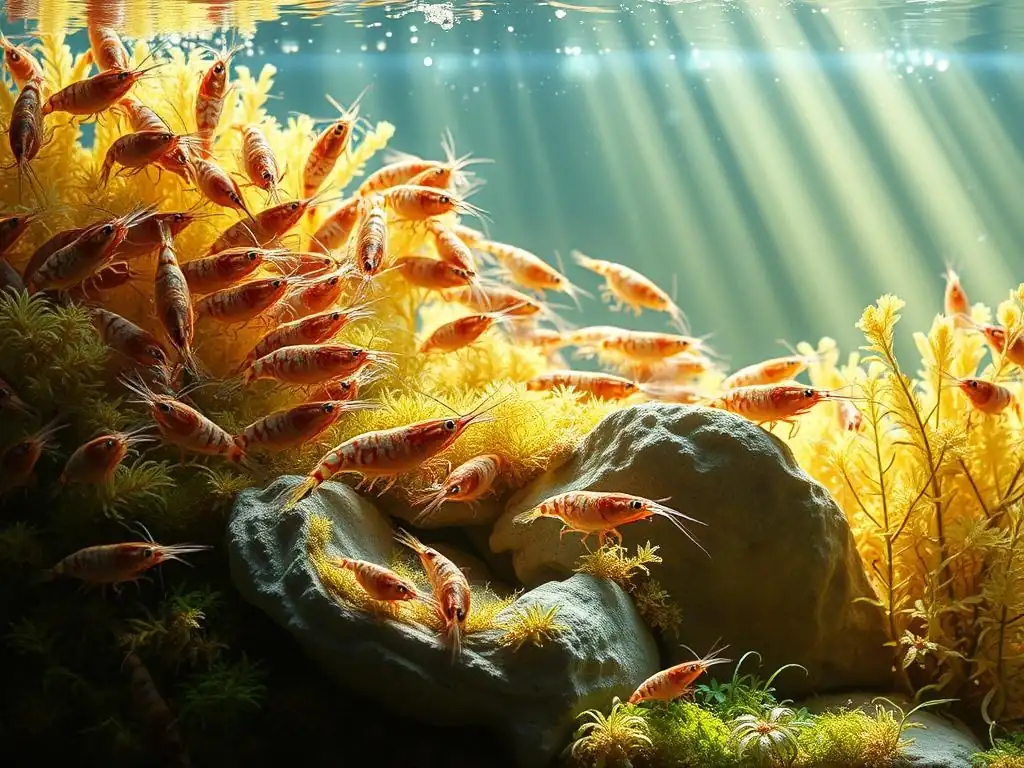
Intrigued by the allure of vibrant colors and intricate ecosystems? Get ready to dive deep into the captivating world of aquariums! Especially if you're ready to take your shrimp keeping to the next level. Wondering how to unlock the secrets to successful breeding of the elusive and beautiful Orange Eye Blue Tiger (OEBT) shrimp? Our comprehensive OEBT shrimp breeding guide is your key to unlocking this rewarding challenge. Let's explore the advanced care and breeding tips that will transform you from a novice into a true shrimp-keeping master!
- Orange Eye Blue Tiger (OEBT) Shrimp: Advanced Care and Breeding Tips for Aquarium Hobbyists
- Understanding Orange Eye Blue Tiger Shrimp: An Introduction
-
Setting Up the Ideal OEBT Shrimp Tank Environment
- Tank Size Requirements for OEBT Shrimp: Ensuring Adequate Space and Stability
- Water Parameters for Successful OEBT Shrimp Keeping: Temperature, pH, and Hardness
- Substrate Selection for OEBT Shrimp Tanks: Influencing Water Chemistry and Shrimp Health
- Filtration and Aeration for OEBT Shrimp: Maintaining Water Quality and Oxygen Levels
- Choosing the Right Lighting for OEBT Shrimp: Supporting Plant Growth and Shrimp Coloration
- Essential Tank Decorations and Hiding Places: Providing Security and Reducing Stress
-
OEBT Shrimp Care: Ensuring Optimal Health and Longevity
- Feeding OEBT Shrimp: Nutritional Needs and Dietary Requirements
- Best Foods for OEBT Shrimp: Supplementing Their Diet for Vibrant Colors and Growth
- Water Change Routine for OEBT Shrimp: Maintaining Pristine Water Conditions
- Recognizing and Treating Common OEBT Shrimp Diseases: Preventing and Addressing Health Issues
- Preventing Algae Growth in OEBT Shrimp Tanks: Maintaining a Clean and Healthy Environment
-
The Comprehensive OEBT Shrimp Breeding Guide
- Creating Optimal Breeding Conditions for OEBT Shrimp: Stimulating Reproduction
- Identifying Male and Female OEBT Shrimp: Sexual Dimorphism and Breeding Readiness
- The OEBT Shrimp Breeding Process: From Mating to Hatching
- Caring for OEBT Shrimp Fry: Ensuring Their Survival and Growth
- Common Challenges in OEBT Shrimp Breeding: Troubleshooting and Solutions
- Selective Breeding of OEBT Shrimp: Enhancing Color and Patterns
- Increasing OEBT Shrimp Survival Rate: Tips for Raising Healthy Shrimplets
- OEBT Shrimp Tank Mates: Compatibility and Considerations
- Troubleshooting Common OEBT Shrimp Problems
- Advanced Tips for OEBT Shrimp Keeping and Breeding
- Conclusion: Mastering the Art of OEBT Shrimp Care and Breeding
-
Frequently Asked Questions
- What are Orange Eye Blue Tiger (OEBT) Shrimp, and why are they considered an advanced species to keep?
- What key water parameters are crucial for successful OEBT shrimp breeding?
- What type of aquarium setup is recommended for OEBT shrimp?
- How can I improve the chances of successful breeding with OEBT shrimp?
- What are some common challenges faced when breeding OEBT shrimp and how can I overcome them?
- Final Reflection: The Enduring Allure of the OEBT
- Ignite Your Shrimp-Keeping Passion!
Orange Eye Blue Tiger (OEBT) Shrimp: Advanced Care and Breeding Tips for Aquarium Hobbyists
Understanding Orange Eye Blue Tiger Shrimp: An Introduction
What are Orange Eye Blue Tiger (OEBT) Shrimp? Origin and Characteristics
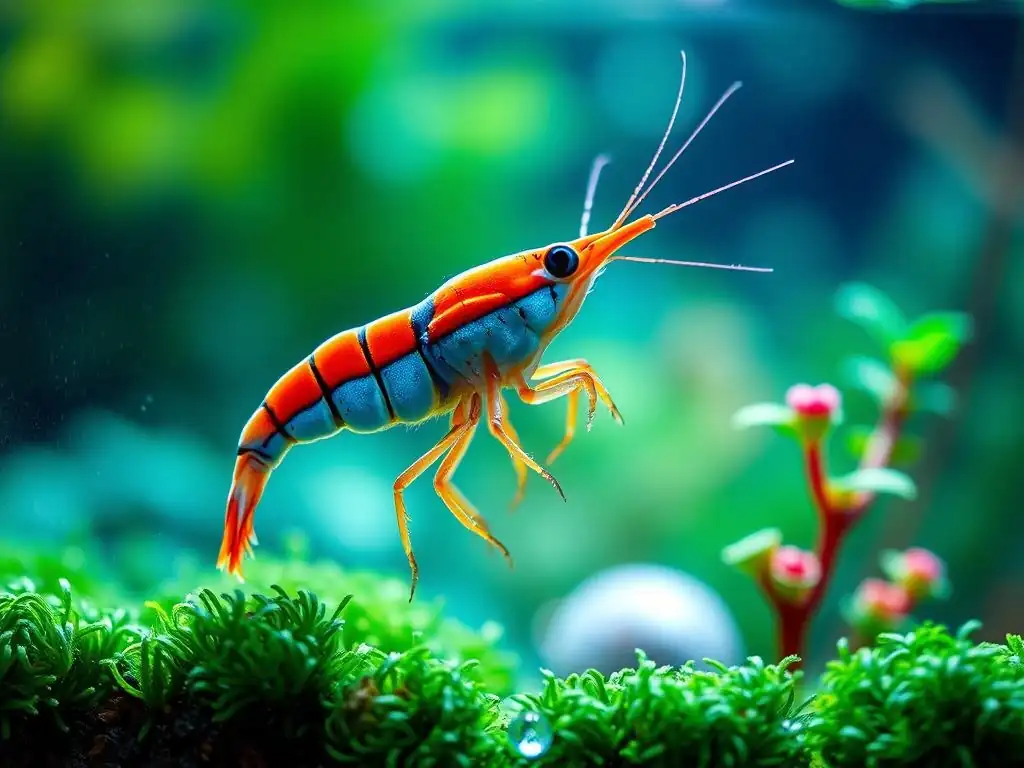
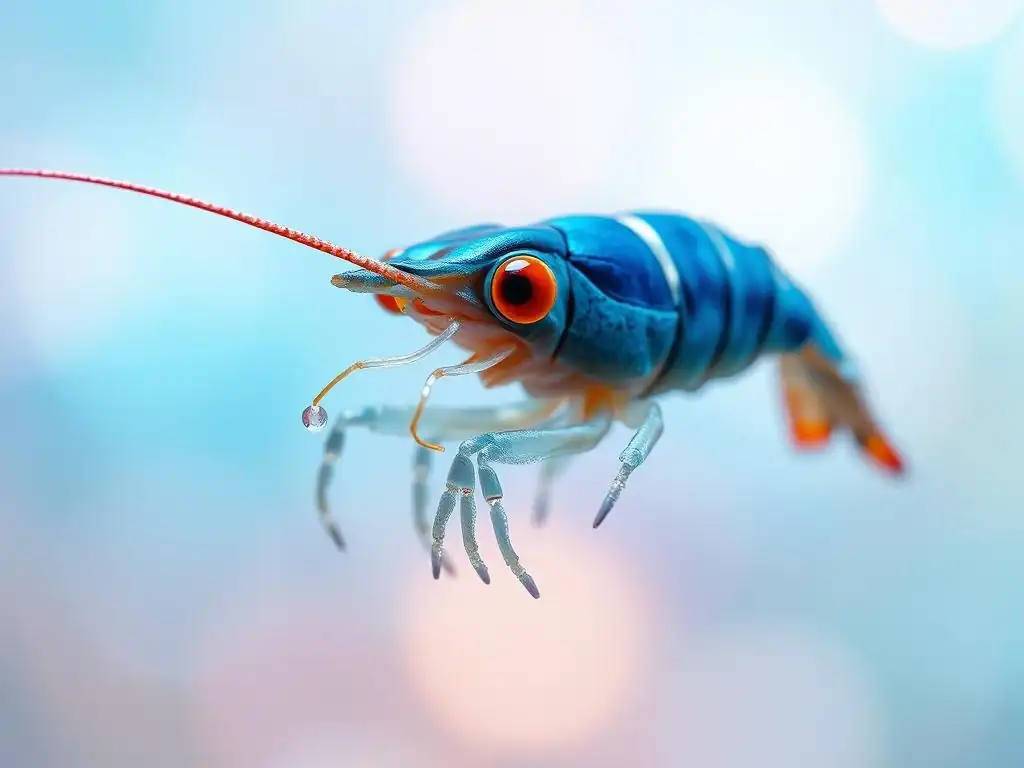
Orange Eye Blue Tiger (OEBT) shrimp are a captivating freshwater invertebrate, highly sought after by aquarists for their striking appearance. These shrimp are a selectively bred variant of Caridina cantonensis, originating from the wild tiger shrimp strains found in Southern China. Their defining features include a vibrant blue body coloration, which can range from a translucent light blue to a deep, opaque sapphire, uniquely contrasted by brilliant orange eyes. Unlike some other shrimp, the orange eyes are a consistent and stable genetic trait, making them instantly recognizable.
OEBT shrimp are relatively small, typically reaching an adult size of 1 to 1.2 inches (2.5 to 3 cm). They are known for their somewhat shy nature and thrive in stable, well-maintained aquarium environments. Their delicate appearance belies a resilient nature when kept within their specific parameter requirements, making them a rewarding species for dedicated hobbyists.
Identifying Genuine OEBT Shrimp: Key Visual Traits and Distinguishing Features
Distinguishing genuine Orange Eye Blue Tiger shrimp from other blue shrimp varieties is crucial for enthusiasts aiming for specific genetics and aesthetics. The most unmistakable characteristic is, as their name suggests, the bright, luminous orange eyes that stand out vividly against their blue bodies. While other Neocaridina or Caridina strains might exhibit blue coloration, none possess this distinct orange eye trait unless crossbred.
Beyond the eyes, genuine OEBT shrimp typically display a consistent blue hue across their carapace and body, often with subtle banding or tiger stripes that become more pronounced in higher grades. The intensity of the blue can vary, but the clarity and brilliance of the orange eyes remain the primary identifier. Hobbyists looking to initiate an OEBT shrimp breeding guide or establish a pure colony should always verify these key visual traits to ensure authenticity and genetic purity.
OEBT Shrimp Color Variations: Exploring Different Blue Hues and Patterns
The beauty of OEBT shrimp lies not just in their signature orange eyes, but also in the fascinating spectrum of blue hues and patterns they exhibit. While the base color is blue, this can range from a light, almost translucent powder blue to a rich, opaque sapphire or even a deep indigo. Some individuals may display faint, horizontal stripes (tiger patterns) across their bodies, which are more prominent in certain genetic lines.
Breeders often categorize OEBT shrimp by the intensity and opacity of their blue coloration, with more opaque and darker blues generally considered higher grades. Environmental factors, such as water parameters and diet, can also influence the vibrancy of their color. For instance, a diet rich in astaxanthin and other color-enhancing compounds can help bring out the deepest blues, while stable, pristine water conditions reduce stress, allowing the shrimp to display their best coloration.
The Appeal of OEBT Shrimp: Why They're Popular Among Aquarists
OEBT shrimp hold a special allure for aquarists, cementing their popularity in the freshwater invertebrate hobby. Their primary appeal stems from their unique and striking aesthetic: the vivid contrast between their brilliant orange eyes and the varying shades of blue on their bodies creates a visually captivating display in any aquarium. This distinct appearance sets them apart from more common shrimp species.
Beyond their beauty, OEBT shrimp offer a rewarding challenge for hobbyists seeking to advance their skills. Their specific water parameter requirements demand meticulous care and attention to detail, making successful keeping and breeding a significant achievement. For those interested in an advanced OEBT shrimp breeding guide, the process of nurturing these delicate creatures from shrimplets to mature adults, and then observing their reproduction, provides immense satisfaction. Their peaceful nature also makes them ideal for dedicated species tanks, allowing their subtle behaviors and interactions to be fully appreciated.
Setting Up the Ideal OEBT Shrimp Tank Environment
Tank Size Requirements for OEBT Shrimp: Ensuring Adequate Space and Stability
For Orange Eye Blue Tiger shrimp, tank size plays a crucial role not only in providing adequate space but, more importantly, in ensuring water parameter stability. A minimum tank size of 5 gallons (approximately 19 liters) is recommended for a small colony of 5-10 OEBT shrimp. However, a 10-gallon (around 38 liters) tank or larger is generally preferred, especially for those looking to implement a comprehensive OEBT shrimp breeding guide.
Larger tanks offer greater water volume, which inherently provides more stability against sudden fluctuations in temperature, pH, and dissolved solids. This buffer is invaluable for sensitive Caridina species like OEBT shrimp, reducing stress and the risk of molting issues or other health problems. A larger footprint also allows for more surface area for biofilm growth, a primary food source for shrimp, and provides ample hiding spots and grazing opportunities, contributing to a thriving colony.
Water Parameters for Successful OEBT Shrimp Keeping: Temperature, pH, and Hardness
Maintaining precise and stable water parameters is paramount for the health and successful breeding of OEBT shrimp. These shrimp thrive in cool, slightly acidic, and soft water conditions. The ideal temperature range is between 68-74°F (20-23°C). Fluctuations outside this range can cause significant stress, leading to molting problems or even death.
Regarding pH, OEBT shrimp prefer a range of 5.8 to 6.8. The general hardness (GH) should be maintained between 4-6 dGH, while carbonate hardness (KH) should be very low, ideally 0-1 dKH. A total dissolved solids (TDS) reading of 100-180 ppm is typically optimal. Achieving these parameters often necessitates the use of RO/DI (reverse osmosis/deionized) water remineralized with a product specifically designed for Caridina shrimp, such as SaltyShrimp GH+. This precise control is a cornerstone of any effective OEBT shrimp breeding guide, ensuring optimal conditions for reproduction and shrimplet survival.
Substrate Selection for OEBT Shrimp Tanks: Influencing Water Chemistry and Shrimp Health
The choice of substrate is a critical decision when setting up an OEBT shrimp tank, as it directly influences water chemistry and overall shrimp health. Active substrates, often referred to as "aquasoil" or "buffered substrates," are highly recommended for Caridina shrimp like OEBTs. These specialized substrates are designed to lower and buffer the pH to an acidic range (typically 5.5-6.5) and absorb excess minerals, helping to maintain the soft water conditions these shrimp require.
Popular brands include ADA Aqua Soil Amazonia, Fluval Stratum, or Brightwell Aquatics FlorinVolcanit. These substrates not only provide the necessary water chemistry but also offer a rich surface area for beneficial bacteria and biofilm to colonize, serving as a constant food source for shrimp and their delicate fry. Using inert substrates like sand or gravel is generally not advised unless you are highly experienced in maintaining very low KH and acidic pH through other means, as they lack the buffering capacity essential for OEBT shrimp.
Filtration and Aeration for OEBT Shrimp: Maintaining Water Quality and Oxygen Levels
Effective filtration and consistent aeration are fundamental for maintaining the pristine water quality that OEBT shrimp demand. Sponge filters are overwhelmingly the preferred filtration method for shrimp tanks. Their gentle flow prevents shrimplets from being sucked in, and their porous structure provides a vast surface area for beneficial bacteria, which are crucial for the nitrogen cycle and serve as a supplemental food source for grazing shrimp.
A common setup involves two sponge filters in a 10-gallon tank, providing redundancy and ample biological filtration. Air pumps connected to these sponge filters also ensure continuous aeration, which is vital for maintaining high dissolved oxygen levels. OEBT shrimp are sensitive to low oxygen, especially in warmer temperatures. Ensuring proper water circulation without strong currents is also important, as strong flow can stress the shrimp and make it difficult for shrimplets to navigate.
Choosing the Right Lighting for OEBT Shrimp: Supporting Plant Growth and Shrimp Coloration
While OEBT shrimp themselves do not have specific lighting requirements beyond ambient light, the choice of lighting for their aquarium is important for supporting the overall tank ecosystem, particularly live plants. Moderate lighting is generally sufficient for most mosses, Anubias, and other low-light plants commonly used in shrimp tanks. These plants contribute to water quality by absorbing nitrates and provide vital hiding places and grazing surfaces for shrimp.
Excessive lighting can lead to aggressive algae growth, which, while some types are grazed by shrimp, can quickly overwhelm a tank and negatively impact water quality. A photoperiod of 8-10 hours per day is typical. While lighting doesn't directly enhance OEBT shrimp coloration, a healthy, thriving environment facilitated by appropriate lighting will reduce stress and allow the shrimp to display their most vibrant blues and orange eyes.
Essential Tank Decorations and Hiding Places: Providing Security and Reducing Stress
Providing ample tank decorations and hiding places is crucial for the well-being and security of OEBT shrimp. These shy invertebrates thrive when they have plenty of spots to retreat to, especially after molting when they are most vulnerable. Live plants, particularly dense mosses like Java moss, Christmas moss, or Fissidens, are excellent choices. They offer extensive surface area for biofilm growth, provide shelter for shrimplets, and help maintain water quality.
Other beneficial decorations include:
- Driftwood: Releases tannins that can slightly lower pH and provide additional grazing surfaces.
- Cholla Wood: Offers numerous nooks and crannies for shrimp to explore and graze on.
- Catappa Leaves (Indian Almond Leaves): Release beneficial humic substances, act as a mild antifungal/antibacterial, slightly lower pH, and provide a natural food source as they decompose.
- Ceramic Shrimp Huts/Caves: Purpose-built shelters that provide secure hiding spots.
A well-decorated tank with varied textures and hiding spots reduces stress, encourages natural behavior, and can significantly improve the success rate of an OEBT shrimp breeding guide.
OEBT Shrimp Care: Ensuring Optimal Health and Longevity
Feeding OEBT Shrimp: Nutritional Needs and Dietary Requirements
OEBT shrimp are primarily biofilm grazers and detritivores in their natural habitat, making their dietary needs relatively straightforward but crucial for their health and vibrant coloration. They require a balanced diet that includes protein, minerals, and vegetable matter. While they constantly graze on biofilm, algae, and decaying plant matter within the tank, supplemental feeding is essential to ensure they receive all necessary nutrients.
High-quality commercial shrimp foods are formulated to meet these needs, offering a blend of spirulina, kelp, various proteins, and essential minerals. Overfeeding is a common mistake that can quickly degrade water quality, so it's important to feed sparingly – only what they can consume within a few hours. A good rule of thumb is to feed a small amount every 2-3 days, adjusting based on colony size and tank conditions.
Best Foods for OEBT Shrimp: Supplementing Their Diet for Vibrant Colors and Growth
To ensure OEBT shrimp exhibit their most vibrant colors and achieve optimal growth, supplementing their diet with specialized foods is highly beneficial. Beyond the natural biofilm and algae found in a mature tank, specific commercial shrimp foods are designed to provide a complete nutritional profile. Brands like Shirakura, GlasGarten, and Hikari offer high-quality pellets and sticks that are rich in spirulina, chlorella, and other plant-based ingredients, alongside essential minerals.
For enhancing color, foods containing astaxanthin or other natural color boosters can be fed occasionally. Blanched vegetables such as spinach, zucchini, or kale can be offered as a treat, providing additional fiber and vitamins. Furthermore, mineral supplements like Bacter AE or mineral powders can be sprinkled into the tank to promote healthy molting and overall vitality, especially important for a successful OEBT shrimp breeding guide. Always remove uneaten food within a few hours to prevent water fouling.
Water Change Routine for OEBT Shrimp: Maintaining Pristine Water Conditions
Maintaining pristine water conditions is non-negotiable for OEBT shrimp, making a consistent and careful water change routine essential. Due to their sensitivity to sudden parameter shifts, large, infrequent water changes are highly discouraged. Instead, small, frequent water changes are recommended, typically 10-15% of the tank volume every 1-2 weeks.
Crucially, the replacement water must precisely match the tank's established parameters for temperature, pH, GH, KH, and TDS. This almost always means using RO/DI water remineralized with a product like SaltyShrimp GH+ to the target TDS range (e.g., 120-150 ppm). Drip acclimation for the new water is also highly advised to minimize stress. This meticulous approach to water changes is a fundamental aspect of an effective OEBT shrimp breeding guide, as stable conditions significantly reduce molting issues and promote successful reproduction.
Recognizing and Treating Common OEBT Shrimp Diseases: Preventing and Addressing Health Issues
While OEBT shrimp are generally robust in ideal conditions, they can fall prey to common aquarium diseases if water quality deteriorates or they experience prolonged stress. Prevention is always the best approach, focusing on stable water parameters, a balanced diet, and minimal stress. One common issue is molting failure, often indicated by a shrimp struggling to shed its old exoskeleton or dying during the process. This is typically due to insufficient minerals (GH too low) or sudden parameter changes. Increasing mineral content or ensuring stability can help.
Bacterial infections, often manifesting as opaque white patches or lethargy, are usually a symptom of poor water quality or overfeeding. Improving filtration, performing small water changes, and reducing food can often resolve these. Fungal infections, which may appear as cotton-like growths, can be treated with specific anti-fungal medications, though care must be taken as some medications are shrimp-toxic.
Parasites like Scutariella Japonica (small white worms around the rostrum) can be treated with salt dips (e.g., 1 teaspoon non-iodized salt per gallon for 30-60 seconds, or specific shrimp-safe treatments like No Planaria). Always research treatments thoroughly to avoid harming your delicate OEBT shrimp.
Preventing Algae Growth in OEBT Shrimp Tanks: Maintaining a Clean and Healthy Environment
While OEBT shrimp do graze on some types of algae, excessive algae growth can be a sign of an imbalanced ecosystem and can negatively impact water quality. Preventing algae overgrowth is key to maintaining a clean and healthy environment for your shrimp. The primary culprits for rampant algae are too much light and excess nutrients (nitrates and phosphates).
To prevent algae, ensure your lighting duration is appropriate, typically 8-10 hours daily, and that the light intensity is not excessive for your plant load. Regular, small water changes (as detailed in an OEBT shrimp breeding guide) help to remove accumulating nitrates and phosphates. Overfeeding should be strictly avoided, as uneaten food quickly breaks down into these nutrients. Adequate filtration, particularly biological filtration, also helps process waste. Introducing algae-eating snails, such as Nerite snails, can also assist in keeping surfaces clean without posing a threat to the shrimp.
The Comprehensive OEBT Shrimp Breeding Guide
Creating Optimal Breeding Conditions for OEBT Shrimp: Stimulating Reproduction
To successfully breed Orange Eye Blue Tiger shrimp, replicating their ideal environmental conditions as closely as possible is paramount. This comprehensive OEBT shrimp breeding guide emphasizes stability and optimal parameters. A stable temperature between 70-74°F (21-23°C) is conducive to breeding, as warmer temperatures can sometimes stimulate reproductive activity. The water parameters, specifically pH (5.8-6.8), GH (4-6 dGH), KH (0-1 dKH), and TDS (100-180 ppm), must be meticulously maintained using remineralized RO/DI water and an active substrate.
Beyond water chemistry, a consistent and nutritious diet plays a significant role. Providing high-quality shrimp foods rich in protein and minerals ensures the shrimp are healthy enough to reproduce. Ample hiding places, such as mosses and cholla wood, reduce stress and provide security for berried females and newly hatched shrimplets. A mature tank with established biofilm also offers a constant food source for all life stages, significantly increasing breeding success.
Identifying Male and Female OEBT Shrimp: Sexual Dimorphism and Breeding Readiness
Accurately identifying male and female OEBT shrimp is a crucial step for anyone following an OEBT shrimp breeding guide. While not as pronounced as in some other shrimp species, sexual dimorphism in OEBTs becomes more apparent as they mature. Females are typically larger and have a more robust, rounded underside or "belly" (pleura) where they will carry their eggs. Before they are berried (carrying eggs), mature females will often develop a "saddle" – a greenish or yellowish mass of undeveloped eggs visible through their translucent carapace, just behind their head.
Males, in contrast, are generally smaller, more slender, and have a straighter underside. They lack the visible saddle or the broad pleura of the females. Observing these physical differences allows hobbyists to ensure a good male-to-female ratio in their breeding colony, ideally with a slight abundance of males to ensure successful fertilization.
The OEBT Shrimp Breeding Process: From Mating to Hatching
The OEBT shrimp breeding process is a fascinating cycle, central to any comprehensive OEBT shrimp breeding guide. It begins when a mature female, ready to molt and breed, releases pheromones into the water. These pheromones signal her readiness and attract receptive males. Following a successful molt, males will actively seek out the female, and mating occurs, typically involving the male depositing a spermatophore (sperm packet) onto the female's underside.
Soon after, the female will transfer her eggs, now fertilized, from her ovaries to her swimmerets (pleopods) located on her underside. These eggs, numbering anywhere from 15 to 30, are initially green or yellowish and become clearer as they develop. The female "berries" the eggs, constantly fanning them to ensure oxygenation and prevent fungal growth. The incubation period typically lasts 25-35 days, depending on temperature. Once the shrimplets are fully developed, they hatch as miniature versions of the adult shrimp, immediately independent and ready to graze on biofilm.
Caring for OEBT Shrimp Fry: Ensuring Their Survival and Growth
Caring for OEBT shrimp fry is a delicate yet rewarding aspect of successful OEBT shrimp breeding. Unlike some other aquatic species, OEBT shrimplets hatch as miniature, fully formed versions of the adults, bypassing a larval stage. This means they are immediately independent and capable of foraging. However, their tiny size (often less than 1mm) makes them highly vulnerable.
Ensuring a constant supply of micro-foods is critical. A mature tank with established biofilm and algae provides an excellent natural food source. Supplementing with powdered foods designed for shrimp fry, such as Bacter AE, powdered spirulina, or specialized baby shrimp foods, is highly recommended.
These fine powders disperse throughout the tank, making food accessible to the tiny shrimplets. Additionally, gentle filtration (sponge filters are paramount) is essential to prevent them from being sucked into the filter. Stable water parameters, as outlined throughout this OEBT shrimp breeding guide, are also vital, as shrimplets are even more sensitive to fluctuations than adults.
Common Challenges in OEBT Shrimp Breeding: Troubleshooting and Solutions
Even with a detailed OEBT shrimp breeding guide, hobbyists may encounter challenges. One common issue is females not becoming berried. This can often be attributed to stress, poor diet, or unsuitable water parameters (e.g., pH too high or too low, unstable temperatures). Ensuring consistent, optimal water conditions and a high-quality diet can often resolve this. Another challenge is females dropping their eggs prematurely. This is usually a sign of severe stress, sudden parameter changes, or a lack of essential minerals required for egg adhesion. Gradual acclimation and mineral supplementation (e.g., GH+ remineralizer) can help prevent this.
Low shrimplet survival rates are also a frequent concern. This often stems from a lack of adequate food for the fry (insufficient biofilm, no powdered food), predation by unsuitable tank mates, or poor water quality. Implementing a species-only tank, ensuring abundant micro-foods, and maintaining pristine water are crucial for maximizing shrimplet survival. Understanding these common pitfalls is key to a successful OEBT shrimp breeding guide.
Selective Breeding of OEBT Shrimp: Enhancing Color and Patterns
Selective breeding is an advanced technique for OEBT shrimp keepers aiming to enhance specific traits, primarily color and patterns. The goal is to produce higher-grade shrimp with more intense blue coloration, greater opacity, and clearer orange eyes. This involves carefully choosing parent shrimp that exhibit the desired characteristics and isolating them for breeding, or culling (removing) lower-grade individuals from a colony.
For OEBT shrimp, breeders typically focus on:
- Color Intensity: Selecting shrimp with the deepest, most opaque blue bodies.
- Eye Color: Ensuring the orange eyes are vibrant and distinct.
- Pattern Definition: If aiming for striped variants, selecting those with clear, consistent tiger patterns.
The process is iterative; generations of careful selection are required to stabilize desired traits. This meticulous approach, often detailed in an advanced OEBT shrimp breeding guide, ensures that the genetic lineage continually improves, leading to stunning, high-grade shrimp.
Increasing OEBT Shrimp Survival Rate: Tips for Raising Healthy Shrimplets
Maximizing the survival rate of OEBT shrimplets is a primary goal for any successful OEBT shrimp breeding guide. Several key strategies contribute significantly to raising healthy shrimplets:
- Stable, Pristine Water: Shrimplets are exceptionally sensitive to water parameter fluctuations. Maintaining the precise pH, GH, KH, and temperature consistently is paramount. Use RO/DI water remineralized to target parameters and perform small, gentle water changes.
- Abundant Micro-Food: Ensure a mature tank with a rich biofilm layer, which is their primary food source. Supplement with fine powdered foods like Bacter AE or specialized baby shrimp foods, distributed widely so every shrimplet can access nourishment.
- Gentle Filtration: Sponge filters are essential. Their gentle suction prevents shrimplets from being drawn in, and they provide additional surface area for biofilm. Avoid strong currents.
- Species-Only Tank: Eliminate any potential predators, even seemingly harmless small fish, as they can prey on tiny shrimplets. Snails are generally safe tank mates.
- Ample Hiding Places: Dense mosses, cholla wood, and leaf litter offer protection and grazing surfaces for the vulnerable shrimplets, reducing stress and increasing their chances of survival.
OEBT Shrimp Tank Mates: Compatibility and Considerations
Suitable Tank Mates for OEBT Shrimp: Fish and Invertebrates
When considering tank mates for OEBT shrimp, the primary concern is the safety of the shrimp, especially the delicate shrimplets. Given their small size and peaceful nature, OEBT shrimp are best kept in a dedicated species tank or with a select few, very peaceful, and small tank mates.
Suitable fish include:
- Otocinclus Catfish: Small, peaceful algae eaters that pose no threat to shrimp.
- Chili Rasboras (Boraras brigittae): Extremely small and peaceful nano fish that rarely bother adult shrimp or even larger shrimplets.
- Other Boraras species (e.g., Phoenix Rasboras): Similar to Chili Rasboras in temperament and size.
Suitable invertebrates:
- Nerite Snails: Excellent algae eaters, completely harmless to shrimp and their eggs.
- Mystery Snails: Peaceful and add to the tank's biodiversity.
- Other Caridina Shrimp: While possible, cross-breeding with other Caridina cantonensis variants (e.g., Crystal Red, Black King Kong) can occur, diluting genetic lines if purity is desired. If purity is a goal for your OEBT shrimp breeding guide, a species-only tank is best.
Unsuitable Tank Mates for OEBT Shrimp: Avoiding Predators and Aggressors
When planning an OEBT shrimp setup, it is crucial to avoid any tank mates that could pose a threat, either as predators or aggressors. Any fish with a mouth large enough to consume an adult shrimp, or even just shrimplets, should be excluded.
Common unsuitable fish include:
- Guppies, Endlers, Platies, Mollies: While often considered peaceful, their mouths are large enough to eat shrimplets, and adult shrimp can be harassed.
- Tetras (e.g., Neon Tetras, Cardinal Tetras): These fish are opportunistic feeders and will readily prey on shrimplets.
- Betta Fish: Highly predatory and will actively hunt and consume shrimp.
- Cichlids (even dwarf varieties), Barbs, larger Gouramis: Aggressive and predatory.
Additionally, other invertebrates like crayfish, crabs, and large predatory snails are entirely unsuitable as they will prey on OEBT shrimp. Maintaining a species-only tank is often the most recommended approach for successful OEBT shrimp breeding and ensuring the safety of your valuable colony.
Maintaining a Balanced Ecosystem in an OEBT Shrimp Tank: Preventing Overcrowding and Competition
Maintaining a balanced ecosystem is vital for the long-term health and productivity of an OEBT shrimp colony. This involves preventing overcrowding and minimizing competition for resources. Overcrowding quickly leads to a decline in water quality due to increased bioload, higher nitrate levels, and reduced oxygen availability, all of which stress OEBT shrimp and hinder reproduction.
To prevent overcrowding, regularly monitor your colony size. In a 10-gallon tank, a stable colony of 50-70 adult OEBT shrimp is often considered a healthy maximum, depending on filtration and plant density. If the population significantly exceeds this, consider setting up an additional tank or thinning out the colony. Ensuring ample food and grazing surfaces (mosses, biofilm, leaf litter) helps reduce competition for sustenance, promoting healthier growth and more consistent breeding. A well-balanced ecosystem, as emphasized in any comprehensive OEBT shrimp breeding guide, contributes to a thriving, self-sustaining colony.
Troubleshooting Common OEBT Shrimp Problems
Sudden OEBT Shrimp Deaths: Identifying Potential Causes and Solutions
Sudden deaths in an OEBT shrimp colony can be alarming and are often indicative of a serious underlying issue. Identifying the cause quickly is crucial for preventing further losses. The most common culprits include:
- Sudden Water Parameter Swings: Rapid changes in temperature, pH, GH, or TDS are highly lethal. Always drip acclimate new shrimp and ensure new water for changes matches tank parameters precisely.
- Ammonia/Nitrite Spikes: A cycling tank or sudden filter malfunction can lead to toxic levels. Test water parameters immediately. Perform small, emergency water changes with perfectly matched water.
- Lack of Minerals (Molting Issues): Insufficient GH can lead to failed molts, where shrimp get stuck in their old exoskeleton. Ensure GH is within the 4-6 dGH range.
- Pesticides/Heavy Metals: Even trace amounts from tap water, aerosols, or contaminated food can be fatal. Use RO/DI water, avoid sprays near the tank, and use shrimp-safe products.
- Old Age: Individual shrimp typically live for 1-2 years. If only a few older-looking individuals are dying, it might just be natural attrition.
OEBT Shrimp Losing Color: Addressing Stress and Environmental Factors
When OEBT shrimp lose their vibrant blue coloration and appear faded or dull, it's a clear sign of stress or suboptimal environmental conditions. Addressing these factors promptly is essential for restoring their health and aesthetic appeal.
Common causes for color loss include:
- Poor Water Quality: High nitrates, inconsistent parameters, or fluctuating temperatures can stress shrimp, leading to faded colors. Regular small water changes with remineralized RO/DI water are crucial.
- Inadequate Diet: A lack of essential nutrients, particularly those that promote pigmentation (like astaxanthin), can dull colors. Ensure a diet rich in high-quality shrimp foods and occasional color-enhancing supplements.
- Stress from Tank Mates: Aggressive or predatory fish will cause constant stress, leading to a washed-out appearance. A species-only tank is often the best solution.
- Insufficient Hiding Places: A bare tank can make shrimp feel exposed and insecure, contributing to stress and faded colors. Provide plenty of mosses, wood, and leaf litter.
- Lighting: While not directly affecting color, very bright or inappropriate lighting can make shrimp feel exposed, causing them to hide or lose color.
OEBT Shrimp Not Breeding: Optimizing Conditions and Addressing Infertility
If your OEBT shrimp are not breeding, despite having both sexes present, it indicates that conditions are not yet optimal for reproduction. This is a common challenge for those following an OEBT shrimp breeding guide.
Key areas to troubleshoot include:
- Water Parameters: Re-verify that temperature (70-74°F), pH (5.8-6.8), GH (4-6 dGH), KH (0-1 dKH), and TDS (100-180 ppm) are stable and within the ideal range. Even slight deviations can inhibit breeding.
- Diet: Ensure a consistent supply of high-quality, protein-rich shrimp food. A varied diet that includes specialized breeding foods can stimulate reproductive activity.
- Stress Levels: High stress from unsuitable tank mates, overcrowding, or frequent disturbances will prevent breeding. A peaceful, dedicated species tank with ample hiding spots is ideal.
- Maturity: Ensure the shrimp are sexually mature. OEBT shrimp typically reach breeding age around 3-4 months old.
- Male-to-Female Ratio: While not always critical, a good ratio (e.g., 2-3 males per female) ensures successful fertilization.
- Tank Maturity: A well-established tank with a thriving biofilm layer provides a natural food source and a stable environment, which is crucial for breeding success.
Dealing with Parasites and Infections in OEBT Shrimp: Prevention and Treatment
Dealing with parasites and infections in OEBT shrimp requires careful attention, as many common aquarium medications are toxic to invertebrates. Prevention through excellent husbandry is always the first line of defense.
Common issues and their management:
- Scutariella Japonica: These are small, white, worm-like parasites that attach to the shrimp's rostrum (nose) or gills. They are often harmless in small numbers but can proliferate and cause issues. Mild salt dips (1 teaspoon non-iodized salt per gallon for 30-60 seconds, or a very dilute permanent salt bath) can help, as can shrimp-safe treatments like No Planaria (active ingredient Betel nut palm extract).
- Vorticella: Appears as white, fuzzy growths, often around the head or appendages. This is typically a sign of poor water quality or excessive organic waste. Improving tank hygiene, performing small water changes, and ensuring proper filtration are usually effective. Salt dips can also help.
- Fungal Infections: Cotton-like growths on the shrimp's body. These are often secondary infections in already stressed or injured shrimp. Isolation and very careful use of shrimp-safe antifungal treatments might be necessary, but prevention via optimal water conditions is best.
Always quarantine new shrimp and plants to prevent introducing diseases into your main OEBT shrimp breeding guide tank.
Advanced Tips for OEBT Shrimp Keeping and Breeding
Maintaining Genetic Diversity in OEBT Shrimp Colonies: Preventing Inbreeding
For serious hobbyists following an advanced OEBT shrimp breeding guide, maintaining genetic diversity within the colony is crucial for long-term health and vitality. Continuous breeding from a small, closed population can lead to inbreeding depression, resulting in smaller shrimp, reduced fertility, increased susceptibility to disease, and a loss of vibrant coloration.
To prevent inbreeding:
- Introduce New Bloodlines: Periodically (e.g., every 12-18 months), acquire new, healthy OEBT shrimp from a different reputable breeder. Acclimate them carefully and introduce them into your colony.
- Start with a Larger Group: Begin your colony with at least 10-20 individuals from diverse genetic backgrounds if possible.
- Selective Culling: While beneficial for improving traits, avoid culling so aggressively that it severely limits the genetic pool. Sometimes, individuals with slightly less desirable traits might carry valuable genetic diversity.
- Rotate Breeding Stock: If you have multiple tanks, rotate shrimp between them or swap males periodically to ensure a wider mix of genes.
Utilizing Specialized Shrimp Supplements: Enhancing Color and Vitality
Beyond a balanced diet, specialized shrimp supplements can significantly enhance the color, vitality, and breeding success of OEBT shrimp. These supplements often target specific nutritional needs that might not be fully met by standard foods or biofilm.
Key supplements include:
- Mineral Additives (e.g., SaltyShrimp GH+): While primarily for remineralizing RO/DI water, ensuring adequate calcium and magnesium is vital for healthy molting and shell development, directly impacting vitality and color vibrancy.
- Bacterial Additives (e.g., Bacter AE, Shrimp King BioTase): These products promote the growth of beneficial biofilm and microorganisms, which are a primary food source for shrimp, especially shrimplets. A robust biofilm enhances overall health and color.
- Natural Botanicals (e.g., Catappa Leaves, Alder Cones): These release humic substances and tannins, which have mild antibacterial/antifungal properties and can slightly lower pH. They also provide grazing surfaces and act as a natural food source as they decompose.
- Color-Enhancing Foods: Some specialized foods contain natural pigments like astaxanthin, spirulina, or chlorella, which can intensify blue coloration when fed regularly.
These supplements, used judiciously, can elevate your OEBT shrimp breeding guide practices and result in healthier, more stunning shrimp.
Creating a Biotope Aquarium for OEBT Shrimp: Mimicking Their Natural Habitat
Creating a biotope aquarium for OEBT shrimp involves meticulously mimicking their natural habitat, which is typically cool, soft, and slightly acidic mountain streams in Southern China. This approach not only provides optimal conditions but also offers a beautiful and naturalistic display.
Key elements for an OEBT biotope:
- Substrate: Use an active aquasoil that buffers pH to the desired acidic range (e.g., ADA Amazonia, Fluval Stratum).
- Water Parameters: Strictly adhere to the recommended ranges: Temperature 68-74°F (20-23°C), pH 5.8-6.8, GH 4-6 dGH, KH 0-1 dKH. Use RO/DI water remineralized with a Caridina-specific product.
- Decor: Incorporate natural elements such as smooth river stones, driftwood, and leaf litter (e.g., Catappa, Guava, Alder cones). These provide hiding places, grazing surfaces, and release beneficial tannins.
- Plants: Focus on plants that thrive in soft, acidic water and low-to-moderate light, such as various mosses (Java moss, Christmas moss), Anubias, Bucephalandra, and Cryptocoryne species. These plants contribute to water quality and offer shelter.
- Filtration: Gentle sponge filtration is ideal, replicating slow-moving stream conditions while maintaining water clarity.
A well-executed biotope not only supports a thriving OEBT shrimp breeding guide but also creates a captivating, serene underwater landscape.
The Future of OEBT Shrimp Breeding: New Color Variations and Genetic Lines
The future of OEBT shrimp breeding holds exciting possibilities for new color variations and the stabilization of existing genetic lines. The dedication of hobbyists and professional breeders continually pushes the boundaries of what's possible with selective breeding. While the classic vibrant blue with orange eyes remains highly sought after, ongoing breeding efforts are exploring new frontiers.
Potential developments include:
- More Intense and Opaque Blues: Breeders are striving for even deeper, more opaque sapphire or indigo hues, reducing any translucency.
- Unique Patterns: Further development of distinct "tiger" stripes, or even "galaxy" patterns (small white dots), could become more common and stable.
- Novel Color Morphs: While the orange eye is a defining feature, there might be exploration into variations of eye color or combinations with other body colors if compatible genetics emerge.
- Increased Hardiness: Efforts to breed for increased resilience to minor parameter fluctuations could make OEBT shrimp more accessible to a wider range of aquarists, without compromising their specific needs.
These advancements underscore the dynamic nature of shrimp keeping and ensure that the OEBT shrimp breeding guide remains a constantly evolving and fascinating pursuit for aquarists worldwide.
Conclusion: Mastering the Art of OEBT Shrimp Care and Breeding
Mastering the art of Orange Eye Blue Tiger (OEBT) shrimp care and breeding is a rewarding journey that demands meticulous attention to detail and a deep understanding of their specific needs. From establishing the precise water parameters using remineralized RO/DI water and active substrates to providing a stable, enriching environment with ample hiding places and a specialized diet, every aspect contributes to their health and reproductive success.
This comprehensive OEBT shrimp breeding guide has highlighted the importance of stability, pristine water quality, and a keen eye for troubleshooting common issues. While challenges like molting failures or low shrimplet survival may arise, armed with knowledge of optimal conditions and preventive measures, these can be overcome. The dedication to maintaining genetic diversity and exploring advanced techniques like selective breeding further enriches the experience, allowing hobbyists to cultivate vibrant, thriving colonies of these captivating invertebrates. Ultimately, patience, observation, and adherence to these advanced care and breeding tips will lead to a successful and immensely satisfying OEBT shrimp keeping experience.
Frequently Asked Questions
What are Orange Eye Blue Tiger (OEBT) Shrimp, and why are they considered an advanced species to keep?
OEBT shrimp are a variety of tiger shrimp known for their striking orange eyes and blue coloration. They are considered advanced due to their sensitivity to water parameters and specific breeding requirements.
What key water parameters are crucial for successful OEBT shrimp breeding?
Maintaining stable and optimal water parameters is essential. Key parameters include a pH of 6.0-7.0, a temperature of 68-74°F (20-23°C), and low levels of ammonia, nitrite, and nitrate. Consistent water changes are also important.
What type of aquarium setup is recommended for OEBT shrimp?
A well-established aquarium with plenty of hiding places is ideal. Use an inert substrate and include driftwood and plants to provide biofilm and shelter. A sponge filter is also recommended for gentle filtration.
How can I improve the chances of successful breeding with OEBT shrimp?
Provide a stable and clean environment, maintain optimal water parameters, and offer a high-quality diet. Avoid sudden changes in water chemistry and minimize stress to encourage breeding.
What are some common challenges faced when breeding OEBT shrimp and how can I overcome them?
Common challenges include low breeding rates and shrimplets dying off. Addressing these issues involves ensuring stable water parameters, offering a balanced diet for shrimplets, and maintaining a clean tank environment.
Final Reflection: The Enduring Allure of the OEBT
The intricate details of OEBT shrimp care and breeding, as explored in this guide, are not merely technical instructions; they represent a deeper engagement with the delicate balance of life within our aquariums. The growing popularity of these vibrant creatures underscores a broader trend: a renewed appreciation for biodiversity and the responsibility we bear in preserving it, even within the confines of our homes. This guide, therefore, serves as a gateway, inviting enthusiasts to become active participants in the ongoing narrative of aquatic conservation.
The journey of breeding OEBT shrimp is more than just achieving successful reproduction; it's about fostering a deeper understanding of the interconnectedness of ecosystems and the subtle nuances of animal husbandry. This pursuit has personally reinforced the importance of patience, observation, and continuous learning, qualities that extend far beyond the aquarium. In the end, we will conserve only what we love; we will love only what we understand; and we will understand only what we are taught.
- Baba Dioum. This quote resonates deeply, highlighting the crucial role of education and shared knowledge in safeguarding the future of these captivating creatures.
Now, armed with the knowledge shared within this guide, consider the impact you can have. Don't just be a keeper of OEBT shrimp; become a steward of their well-being. Share your experiences, contribute to the collective knowledge, and inspire others to appreciate the beauty and fragility of these remarkable animals. Let the vibrant colors of your OEBT shrimp serve as a constant reminder of the responsibility we all share in protecting the wonders of the natural world.
Ignite Your Shrimp-Keeping Passion!
Thank you for diving into the fascinating world of Orange Eye Blue Tiger shrimp. We hope this article has empowered you with the knowledge to successfully care for and breed these stunning creatures. Now, let’s put that knowledge into action!
Here are some next steps you can take:
- Begin planning your OEBT shrimp tank setup! Consider the parameters and equipment discussed to create an ideal environment.
- Join our "Aquarium Mastery" community forum to share your shrimp-keeping journey and learn from other enthusiasts.
- Surprise a friend who's into aquariums by sharing this article with them – spread the shrimp love!
What's one small change you can implement in your aquarium setup this week to better support shrimp health and breeding?