
Mexican Dwarf Crayfish (CPO): Tiny Orange Dynamos for Nano Tanks

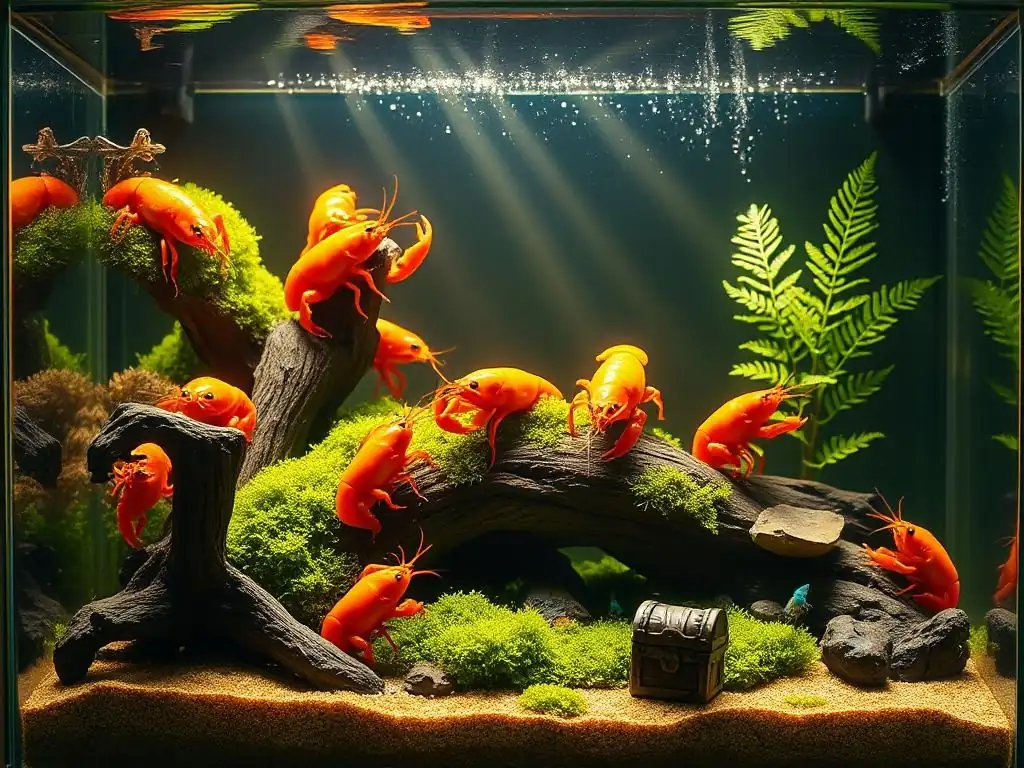
Welcome to Aquarium Mastery! Ever wondered if you could keep a fascinating, colorful creature in a nano tank without overwhelming it? Dive in to discover the secrets of the Mexican Dwarf Crayfish (CPO) – these tiny orange dynamos are the perfect addition to your small aquarium. Ready to unravel the mysteries of keeping these captivating invertebrates thriving in their own miniature world? Let's explore!
- Introduction to the Mexican Dwarf Crayfish: A Nano Tank Gem
- Mexican Dwarf Crayfish Care: Essential Guidelines
- Setting Up a Thriving Mexican Dwarf Crayfish Nano Tank
- Mexican Dwarf Crayfish Tank Mates: Compatible Companions
- Breeding Mexican Dwarf Crayfish: A Rewarding Experience
- Common Mexican Dwarf Crayfish Issues and Solutions
- The Appeal of Mexican Dwarf Crayfish: A Summary
- Conclusion: Embrace the World of Mexican Dwarf Crayfish
-
Frequently Asked Questions
- What makes Mexican Dwarf Crayfish (CPO) suitable for a nano tank?
- What are the ideal water parameters for a Mexican Dwarf Crayfish nano tank?
- What types of plants are recommended for a Mexican Dwarf Crayfish nano tank?
- What should I feed my Mexican Dwarf Crayfish in a nano tank?
- What tankmates are compatible with Mexican Dwarf Crayfish in a nano tank?
- Final Reflection: The Vibrant Future of Nano Aquascaping
- Unleash the CPO Charm in Your Own Aquarium!
Introduction to the Mexican Dwarf Crayfish: A Nano Tank Gem
Discover the Charm of Cambarellus patzcuarensis var. Orange
The Mexican Dwarf Crayfish, scientifically known as Cambarellus patzcuarensis var. Orange, is a truly captivating invertebrate that has rapidly gained popularity among aquarists. Often affectionately referred to as CPOs, these miniature crustaceans hail from Lake Patzcuaro in Michoacán, Mexico, where they inhabit freshwater environments. Their most striking feature is their vibrant, almost neon orange coloration, which makes them stand out brilliantly against any aquarium backdrop. Unlike their larger, often aggressive cousins, CPOs typically reach a maximum size of only 1.5 to 2 inches (approximately 3.8 to 5 cm) in length, making them perfectly suited for smaller aquarium setups.
Beyond their stunning appearance, CPOs are known for their active and inquisitive personalities. They spend their days exploring their surroundings, foraging for food, and occasionally engaging in fascinating territorial displays that are more posturing than actual aggression. Their diminutive size and relatively peaceful nature make them a far cry from the destructive tendencies of many larger crayfish species, allowing them to coexist with appropriate tank mates without posing a significant threat. This combination of beauty, manageable size, and engaging behavior positions the CPO as an ideal candidate for any Mexican dwarf crayfish nano tank.
Why Choose CPOs for Your Small Aquarium?
Opting for a Mexican Dwarf Crayfish for your small aquarium presents a multitude of advantages, especially for those venturing into the world of nano tank environments. Their most apparent benefit is their size; at under 2 inches, they exert a minimal bioload on the system, making it easier to maintain stable water parameters in smaller volumes of water, such as a 5 or 10-gallon Mexican dwarf crayfish nano tank. This small footprint prevents the common issue of overcrowding that can plague nano setups with larger inhabitants.
Furthermore, CPOs offer a unique dynamic to a nano aquarium that fish alone cannot provide. Their scuttling movements, climbing antics, and occasional molting events provide endless entertainment and observational opportunities. They are also relatively hardy creatures, forgiving of minor fluctuations once established, which makes them a suitable choice for beginner aquarists looking to expand beyond basic fish keeping. Their vibrant orange hue adds an undeniable pop of color, transforming a simple small tank into a lively, eye-catching display, all while maintaining a generally peaceful demeanor towards most other inhabitants.
Mexican Dwarf Crayfish Care: Essential Guidelines
Ideal Nano Tank Size for Mexican Dwarf Crayfish
When considering a Mexican dwarf crayfish nano tank, the minimum recommended size is typically 5 gallons for a single CPO. While a single individual can thrive in this volume, providing a slightly larger tank, such as a 10-gallon aquarium, is highly beneficial for a pair or a small group of three to four CPOs. The extra space in a 10-gallon setup allows for more stable water parameters, greater territorial separation, and reduced stress among individuals, especially during molting periods or if breeding is desired.
It's crucial to remember that CPOs are bottom-dwellers, meaning horizontal tank space is more important than vertical height. A longer, shallower 10-gallon tank provides more floor area for exploration and establishing territories than a tall, narrow 5-gallon tank. Adequate space helps prevent potential squabbles over prime hiding spots and ensures each CPO has sufficient room to forage and feel secure within their Mexican dwarf crayfish nano tank environment.
Water Parameters for Optimal CPO Health: Temperature, pH, and Hardness
Maintaining precise and stable water parameters is paramount for the health and longevity of your Mexican Dwarf Crayfish. CPOs thrive in temperatures ranging from 65-78°F (approximately 18-26°C), with an ideal range typically falling between 72-76°F (22-24°C). Consistent temperature helps prevent stress and supports their metabolic processes. Sudden or drastic temperature swings can be detrimental, particularly during the vulnerable molting phase.
Regarding pH, CPOs are quite adaptable, tolerating a range from 6.5 to 8.0, though a slightly alkaline to neutral pH of 7.0-7.5 is often considered optimal. Water hardness, specifically General Hardness (GH), is also critical; a GH of 8-15 dGH (140-270 ppm) is recommended. This provides the necessary minerals, especially calcium, which is vital for the development and strengthening of their exoskeleton. Without sufficient calcium, CPOs can experience difficulties during molting, leading to potentially fatal outcomes. Regular testing of these parameters is essential for any Mexican dwarf crayfish nano tank.
CPO Diet and Feeding: What to Feed Your Tiny Crayfish
Mexican Dwarf Crayfish are omnivorous scavengers, meaning their diet in the aquarium should be diverse to ensure they receive all necessary nutrients. Their primary diet should consist of high-quality sinking pellets or wafers specifically formulated for invertebrates or bottom feeders, such as algae wafers, shrimp pellets, or sinking spirulina wafers. These provide a balanced base of protein and plant matter.
Supplementing their staple diet with various foods enhances their health and coloration. Blanched vegetables like zucchini, spinach, or kale can be offered in small amounts, providing essential vitamins and fiber. Frozen foods such as bloodworms, brine shrimp, or daphnia, offered once or twice a week, provide valuable protein and can stimulate breeding. It's important to feed small portions once a day or every other day, as CPOs have small appetites. Overfeeding can quickly foul the water in a Mexican dwarf crayfish nano tank, leading to water quality issues.
Maintaining Water Quality in Your CPO Nano Tank: Water Changes and Filtration
Excellent water quality is non-negotiable for the well-being of Mexican Dwarf Crayfish. In a Mexican dwarf crayfish nano tank, a reliable filtration system is essential, but it must be gentle. Sponge filters are highly recommended as they provide both mechanical and biological filtration without creating strong currents that can stress these small creatures. Small hang-on-back (HOB) filters can also work, provided their flow is baffled or reduced to a gentle trickle. Avoid powerful internal filters or canister filters that create excessive water movement.
Regular partial water changes are crucial for removing accumulated nitrates and replenishing essential minerals. A 20-30% water change weekly or bi-weekly is generally recommended, depending on the tank's stocking level and feeding regimen. Always use dechlorinated water that matches the tank's temperature and pH as closely as possible to prevent shock. Monitoring ammonia, nitrite (which should always be 0 ppm), and nitrate levels (ideally below 20 ppm) is vital to ensure a healthy and stable environment for your CPOs.
Setting Up a Thriving Mexican Dwarf Crayfish Nano Tank
Choosing the Right Substrate and Decor for CPOs
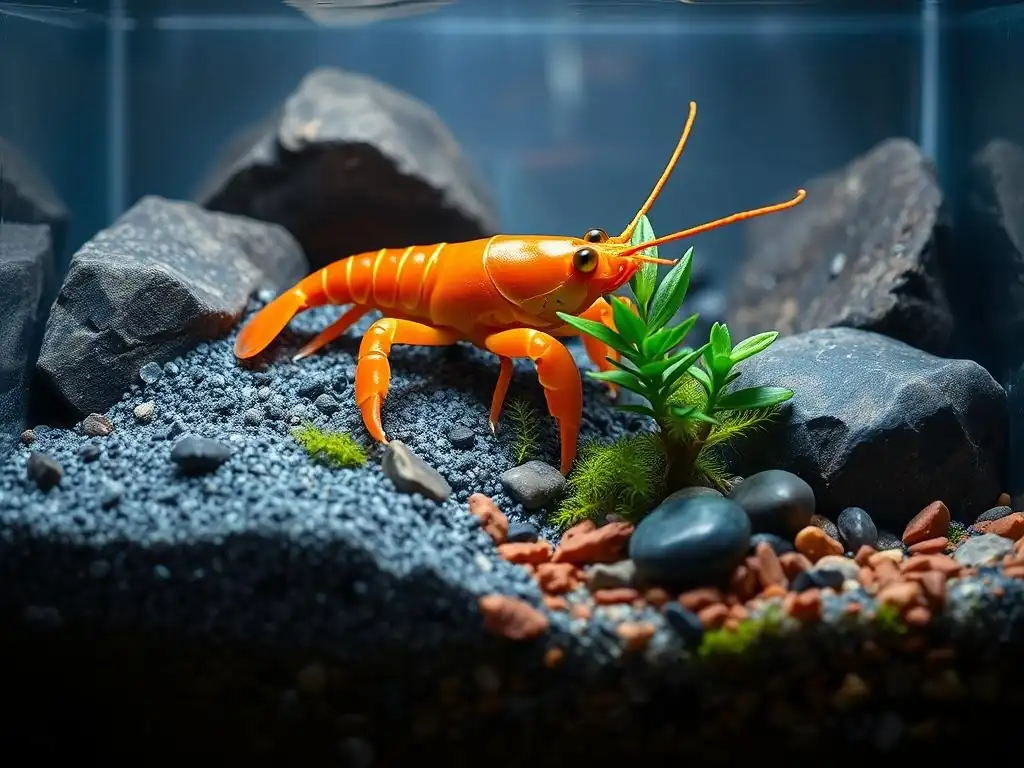
The substrate choice for a Mexican dwarf crayfish nano tank is important for the comfort and safety of your CPOs. Fine gravel or sand are ideal options. These substrates are gentle on their delicate antennae and walking legs, preventing injuries that could occur with sharper, coarser gravel. A dark-colored substrate can also help enhance their vibrant orange coloration, making them stand out even more.
Decor is equally, if not more, important as it provides essential hiding spots, climbing opportunities, and territorial markers. Smooth rocks, driftwood, ceramic caves, small PVC pipes, or specialized shrimp/crayfish hides are excellent choices. It's crucial to provide multiple hiding spots, ideally more than the number of CPOs in the tank, to reduce stress and prevent territorial disputes, especially during molting when they are most vulnerable. A well-decorated tank not only looks appealing but also significantly contributes to the CPOs' sense of security and overall well-being.
Live Plants for Mexican Dwarf Crayfish: Creating a Natural Habitat
Incorporating live plants into a Mexican dwarf crayfish nano tank offers numerous benefits, contributing to both the aesthetic appeal and the biological stability of the ecosystem. Plants help absorb nitrates, produce oxygen, and provide additional surfaces for beneficial bacteria to colonize. More importantly for CPOs, plants offer excellent hiding spots and climbing structures, mimicking their natural habitat.
Hardy plant species are best suited for a CPO tank, as some crayfish might occasionally snip at softer leaves. Excellent choices include Java Moss ( Taxiphyllum barbieri), Anubias species (e.g., Anubias barteri var. nana), Bucephalandra, and Cryptocoryne species. Java Moss is particularly beneficial as it provides dense cover for molting CPOs and newly hatched fry. While CPOs are generally not destructive plant eaters, choosing robust plants ensures a thriving green environment that complements these tiny orange dynamos.
Essential Equipment for a CPO Nano Aquarium: Heater, Filter, and Lighting
Setting up a successful Mexican dwarf crayfish nano tank requires a few key pieces of equipment to maintain a stable and healthy environment. A heater is essential to keep the water temperature within the ideal range of 72-76°F (22-24°C). For a 5-gallon tank, a small 25-watt submersible heater is typically sufficient, while a 10-gallon tank might require a 50-watt heater. Always use a reliable thermometer to monitor the water temperature accurately.
As previously mentioned, a gentle filter is crucial. A sponge filter, powered by a small air pump, is often the top recommendation due to its gentle flow and excellent biological filtration capabilities. Alternatively, a small hang-on-back (HOB) filter with a flow baffle can also work. For lighting, standard aquarium LED lighting is usually more than adequate. While CPOs don't have specific lighting requirements, appropriate lighting supports plant growth and allows for clear viewing of your fascinating crayfish.
Mexican Dwarf Crayfish Tank Mates: Compatible Companions
Safe Fish and Invertebrates for a CPO Community Tank
Choosing appropriate tank mates is critical for the success of a Mexican dwarf crayfish nano tank that aims to be a community setup. The key is to select peaceful, small-sized fish that primarily inhabit the middle or upper levels of the water column, minimizing direct interaction with the bottom-dwelling CPOs. Excellent choices include micro rasboras suchas Chili Rasboras ( Boraras brigittae) or Harlequin Rasboras ( Trigonostigma heteromorpha), small Endler's Livebearers ( Poecilia wingei), and tiny tetras like Ember Tetras ( Hyphessobrycon amandae). These fish are generally too fast for CPOs to catch, even during molting.
Regarding other invertebrates, Amano shrimp ( Caridina multidentata) and various species of Nerite snails ( Neritina spp.) are generally safe companions. While CPOs might occasionally show interest in snails, they rarely cause harm to healthy, adult snails. Malaysian Trumpet Snails ( Melanoides tuberculata) are also excellent, as they burrow in the substrate, helping to aerate it and consuming detritus, largely staying out of the CPO's way. A well-planned Mexican dwarf crayfish nano tank can host a harmonious community.
Avoiding Aggressive Tank Mates: Protecting Your Dwarf Crayfish
To ensure the safety and well-being of your Mexican Dwarf Crayfish, it is imperative to avoid tank mates that are either aggressive, large enough to prey on CPOs, or known to be fin-nippers. Larger fish species, even those considered peaceful like adult guppies or common tetras (e.g., Neon Tetras), can become opportunistic predators, especially when a CPO is vulnerable after molting. Fish with long, flowing fins, such as Bettas ( Betta splendens), should generally be avoided as CPOs might nip at their fins, leading to stress and injury for the fish.
Naturally, larger crayfish species and most cichlids are completely unsuitable, as they would view CPOs as a food source. Any fish that can fit a CPO in its mouth or is known to be territorial and aggressive should be excluded from a Mexican dwarf crayfish nano tank. While CPOs are generally peaceful, they can be opportunistic, so even very small or slow-moving fry of other species might be at risk if they venture too close to a hungry CPO. Careful selection prevents stress, injury, and potential loss of your beloved dwarf crayfish.
Breeding Mexican Dwarf Crayfish: A Rewarding Experience
Creating Breeding Conditions for CPOs in a Nano Tank
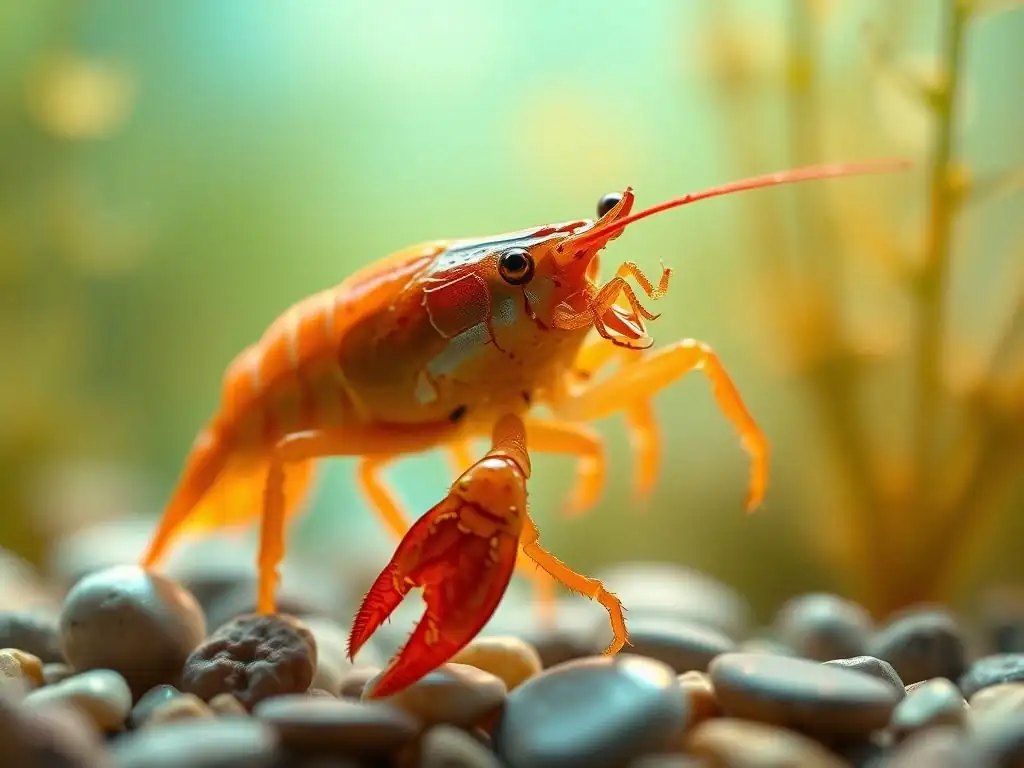
Breeding Mexican Dwarf Crayfish in a Mexican dwarf crayfish nano tank can be a highly rewarding experience, and it's relatively straightforward given the right conditions. The primary factors influencing successful breeding are stable and pristine water parameters, a varied and nutritious diet, and ample hiding spots. Maintaining a consistent temperature within the higher end of their preferred range, around 75-78°F (24-26°C), can encourage breeding activity.
A diet rich in protein, including sinking pellets and occasional frozen foods like bloodworms or brine shrimp, is crucial for conditioning the breeding pair. Providing an abundance of caves, driftwood, and dense plant cover (such as Java Moss) is paramount. These hiding spots offer security for the berried female and later, protection for the tiny fry. While a 5-gallon tank can support breeding, a 10-gallon Mexican dwarf crayfish nano tank offers more space and stability, increasing the chances of successful reproduction and fry survival.
Identifying and Caring for Pregnant Female CPOs
Identifying a pregnant Mexican Dwarf Crayfish, often referred to as a "berried" female, is relatively easy once you know what to look for. A berried female will carry a cluster of small, typically dark orange or brownish eggs tucked underneath her tail (pleopods). She will meticulously fan these eggs with her pleopods to ensure proper oxygenation and to keep them clean. The number of eggs can vary, but a healthy female might carry anywhere from 20 to 60 eggs.
During this gestation period, which usually lasts about 3 to 4 weeks depending on temperature, it's crucial to ensure the female has ample undisturbed hiding spots. This reduces her stress and provides a secure environment for her and the developing eggs. Maintaining excellent water quality through regular, small water changes is vital during this sensitive time. Avoid major tank disturbances or sudden changes in parameters to give the berried female the best chance of a successful hatch in your Mexican dwarf crayfish nano tank.
Raising CPO Fry: From Hatching to Adulthood
Once the Mexican Dwarf Crayfish eggs hatch, tiny replicas of the adult CPOs emerge, typically measuring about 0.1-0.2 inches (2-5 mm) in length. Unlike many other crustacean species, CPO fry are fully independent from birth and do not go through a larval stage. They immediately begin foraging for food. Survival rates in a community tank can be low due to predation from fish or even other adult CPOs, making a dedicated breeding tank beneficial if you aim to raise a large number of fry.
For their diet, the fry will initially graze on biofilm and micro-organisms present in the tank. Supplementing with finely crushed sinking pellets, spirulina powder, or specialized invertebrate fry food is essential for their rapid growth. Providing abundant micro-hiding spots, particularly dense clumps of Java Moss, is critical for their survival, offering both food sources and protection. With consistent feeding and pristine water quality, these tiny fry will grow quickly, reaching maturity in approximately 2-3 months, ready to become the next generation of vibrant additions to your Mexican dwarf crayfish nano tank.
Common Mexican Dwarf Crayfish Issues and Solutions
Identifying and Treating Common CPO Diseases
While Mexican Dwarf Crayfish are generally hardy, they can occasionally succumb to common invertebrate ailments, often exacerbated by poor water quality or stress. Fungal infections may appear as white, cottony growths on their body or legs. Treatment often involves improving water quality and, in some cases, gentle, invertebrate-safe anti-fungal treatments, though caution is advised as invertebrates are sensitive to medications. Bacterial infections can manifest as lethargy, loss of appetite, or red sores. The primary solution is always to improve water parameters, ensure a clean environment, and provide a high-quality diet.
Shell rot, characterized by eroding patches on the exoskeleton, is typically a sign of prolonged poor water quality or injury. Addressing the underlying water quality issues and ensuring sufficient calcium in the water (via proper GH levels) is crucial for recovery. Prevention is always the best approach: maintaining stable, clean water parameters, providing a nutritious diet, and minimizing stress are key to keeping your CPOs disease-free in their Mexican dwarf crayfish nano tank.
Dealing with Molting Problems in Dwarf Crayfish
Molting is a critical and recurring process for Mexican Dwarf Crayfish as they grow, shedding their old exoskeleton to allow for new growth. Problems during molting are often a leading cause of mortality. Failed molt, where the crayfish gets stuck in its old shell and cannot fully shed it, is usually fatal.
This issue is most commonly attributed to insufficient calcium in the water or rapid, drastic changes in water parameters. To prevent this, ensure your water has adequate General Hardness (GH) levels (8-15 dGH) to provide sufficient calcium. Some aquarists add a small piece of cuttlebone to the tank to slowly release calcium.
Another issue can be a soft shell after molting, which is normal for a few hours, but if it persists for an extended period, it indicates a lack of minerals. Again, proper water hardness and a calcium-rich diet are essential. During molting, CPOs are extremely vulnerable and reclusive; providing plenty of secure hiding spots (caves, dense plants) is crucial to minimize stress and prevent predation from tank mates. A stable Mexican dwarf crayfish nano tank environment significantly reduces molting complications.
Preventing Aggression and Territorial Disputes in CPO Tanks
Despite their generally peaceful nature, Mexican Dwarf Crayfish can exhibit territorial behavior, particularly males, or if the tank is overcrowded. While true aggression leading to severe injury is rare among CPOs themselves, nipping and chasing can occur, especially during feeding or when prime hiding spots are contested. The most effective way to prevent aggression and territorial disputes in a Mexican dwarf crayfish nano tank is to provide ample space and an abundance of hiding spots.
Ensure there are more hiding places (caves, driftwood, dense plant clumps) than the number of CPOs in the tank, ideally at least two per crayfish. This allows each individual to establish its own secure territory and retreat when feeling threatened. If keeping multiple CPOs, a 10-gallon tank or larger is highly recommended over a 5-gallon to provide sufficient room. Distributing food widely during feeding times can also help minimize competition. Regularly observing their behavior allows you to intervene if a particular individual becomes overly dominant, though this is uncommon for the species.
The Appeal of Mexican Dwarf Crayfish: A Summary
Why Mexican Dwarf Crayfish are Perfect for Beginner Aquarists
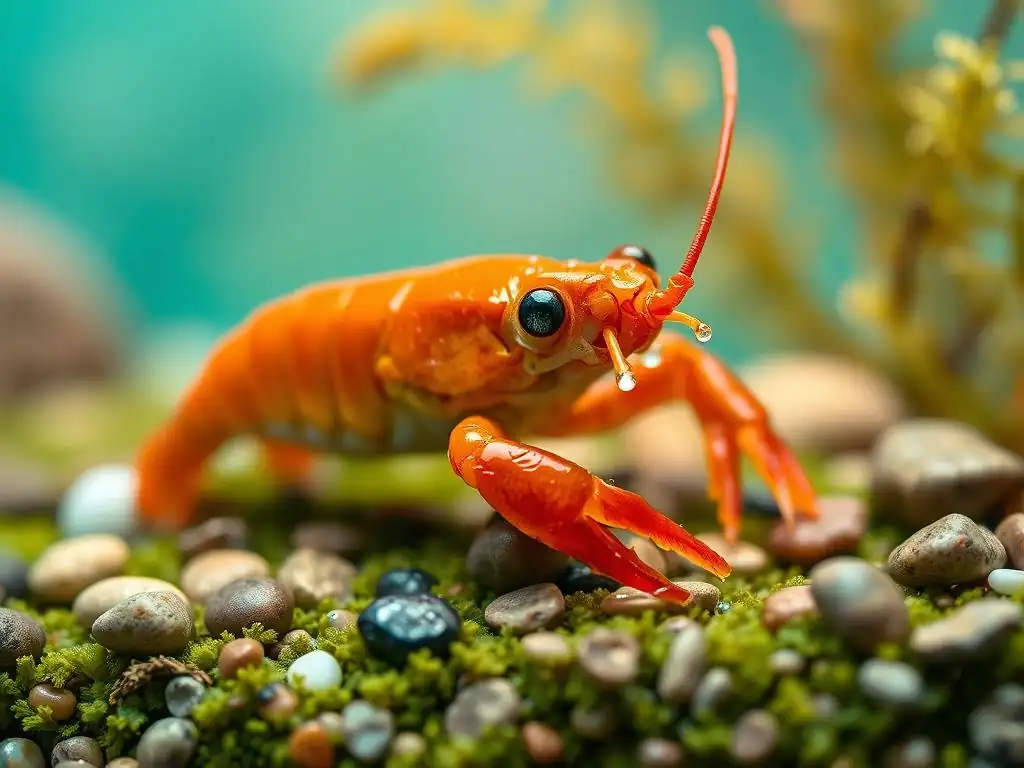
The Mexican Dwarf Crayfish stands out as an excellent choice for beginner aquarists for several compelling reasons. Firstly, their small size means they don't require vast amounts of space, making them ideal inhabitants for compact setups like a 5 or 10-gallon Mexican dwarf crayfish nano tank. This addresses a common limitation for new hobbyists who might have limited room. Secondly, CPOs are relatively hardy creatures; once their basic water parameter needs are met, they are quite forgiving of minor fluctuations, unlike more sensitive aquatic species.
Furthermore, their care requirements are straightforward, focusing on clean water, a balanced diet, and plenty of hiding spots. Their active and inquisitive nature provides constant entertainment and a unique alternative to traditional fish-only tanks. Observing their foraging, climbing, and molting behaviors offers a fascinating introduction to invertebrate keeping. Their vibrant orange coloration also adds an immediate "wow" factor, making any beginner's Mexican dwarf crayfish nano tank a visually appealing and engaging display.
The Benefits of Keeping CPOs in a Nano Tank Environment
Keeping Mexican Dwarf Crayfish specifically in a nano tank environment offers distinct advantages that enhance the aquarist's experience. Their diminutive size is perfectly suited for the limited footprint of nano aquariums, preventing issues of overcrowding and making it easier to maintain stable water parameters. This allows hobbyists to create a complete, self-sustaining ecosystem in a compact space, ideal for desktops, small apartments, or offices.
CPOs bring a unique behavioral dynamic to nano tanks that fish often cannot. Their bottom-dwelling, exploratory nature provides a different focal point and adds diversity to the tank's activity. They are also efficient scavengers, helping to clean up uneaten food and detritus, contributing to the tank's overall cleanliness. The vivid orange coloration of the CPO transforms a small glass box into a vibrant, living piece of art, showcasing the beauty and complexity that can be achieved even within the confines of a Mexican dwarf crayfish nano tank.
Conclusion: Embrace the World of Mexican Dwarf Crayfish
Frequently Asked Questions
What makes Mexican Dwarf Crayfish (CPO) suitable for a nano tank?
Mexican Dwarf Crayfish, or CPOs, are perfect for nano tanks because of their small size, typically reaching only about 2 inches in length. This allows them to thrive in smaller environments without requiring a large aquarium footprint. They also have a low bioload, which helps maintain water quality.
What are the ideal water parameters for a Mexican Dwarf Crayfish nano tank?
CPOs thrive in slightly alkaline water, generally a pH between 7.0 and 8.0. The temperature should be kept between 68-78°F (20-26°C). Regular water changes are crucial to maintain good water quality and keep the CPOs healthy.
What types of plants are recommended for a Mexican Dwarf Crayfish nano tank?
Plants like Java Moss, Anubias, and Java Fern are excellent choices for CPO nano tanks. These plants are hardy and can tolerate a range of conditions. They also provide hiding places and grazing surfaces for the crayfish.
What should I feed my Mexican Dwarf Crayfish in a nano tank?
CPOs are omnivores and enjoy a varied diet. Offer them high-quality sinking pellets or flakes designed for invertebrates. Supplement their diet with blanched vegetables like zucchini and occasional treats like bloodworms.
What tankmates are compatible with Mexican Dwarf Crayfish in a nano tank?
Avoid keeping CPOs with larger, aggressive fish that might prey on them. Small, peaceful fish like Ember Tetras or Chili Rasboras can be suitable tankmates. Be cautious with shrimp, as CPOs may occasionally prey on smaller shrimp.
Final Reflection: The Vibrant Future of Nano Aquascaping
The journey into the world of Mexican Dwarf Crayfish, or CPOs, reveals more than just the appeal of tiny orange dynamos for nano tanks. It highlights a growing appreciation for biodiversity within the confines of our own homes and a shift towards more sustainable and responsible aquarium keeping. The increasing popularity of nano tanks, coupled with the unique charm of these miniature crustaceans, speaks volumes about our desire to connect with nature in innovative and accessible ways.
This fascination with CPOs and nano tanks isn't just a fleeting trend; it reflects a deeper connection with the natural world and a desire to create miniature ecosystems that thrive. Witnessing these tiny creatures navigate their carefully crafted environments fosters a sense of wonder and responsibility, reminding us of the delicate balance within larger ecosystems. In every walk with nature one receives far more than he seeks.
- John Muir. This quote perfectly encapsulates the profound joy and unexpected learning that comes from observing the intricate lives of these miniature marvels.
So, as you consider adding a splash of vibrant orange to your own nano tank with these captivating CPOs, remember that you're not just acquiring a pet; you're becoming a steward of a tiny, self-contained world. Embrace the opportunity to learn, to create, and to connect with nature on a miniature scale. Let the Mexican Dwarf Crayfish inspire you to cultivate beauty, balance, and a deeper appreciation for the wonders that exist, even in the smallest of spaces.
Unleash the CPO Charm in Your Own Aquarium!
Thank you for diving into the captivating world of Mexican Dwarf Crayfish! We hope you're now inspired to bring a splash of vibrant orange and intriguing behavior into your nano aquarium. Now, let's put that inspiration into action!
Here's how you can get started:
- Plan your perfect CPO habitat: Research suitable tank mates and aquascape options to ensure a thriving and harmonious environment.
- Dive deeper into the world of dwarf crayfish: Explore further into their breeding habits and social interactions by looking up more resources to expand your understanding and care techniques for these little creatures.
- Share your CPO dreams with fellow enthusiasts! What are your initial tank design ideas for your new Mexican Dwarf Crayfish?