
Quarantining New Freshwater Crabs: An Essential Step for Tank Health

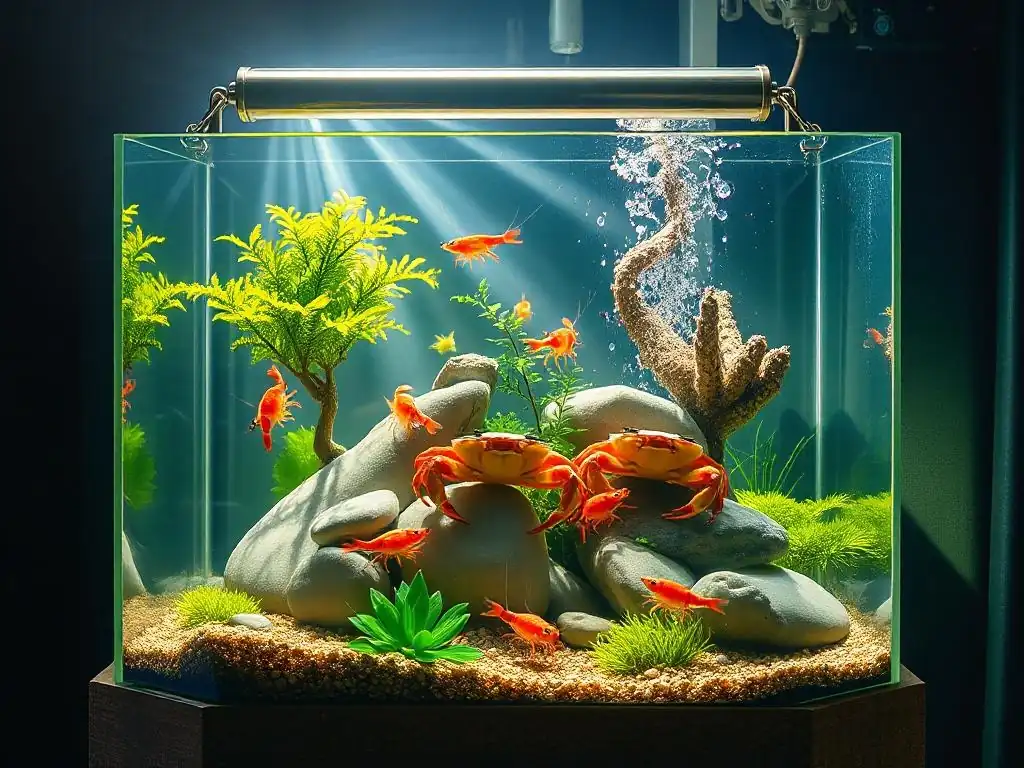
Welcome to Aquarium Mastery!
Ever wondered how to ensure your freshwater aquarium remains a vibrant, thriving ecosystem, even when introducing new inhabitants? Before you add that fascinating freshwater crab to your established community, there's a crucial step you cannot skip. Dive into our essential guide for Freshwater Crab Quarantine Tips and discover how to protect your existing aquatic family from potential threats. Are you ready to safeguard your tank and keep your crabs healthy and happy? Let's get started!
- Why Quarantine Freshwater Crabs? Protecting Your Aquarium Ecosystem
- Setting Up a Freshwater Crab Quarantine Tank: A Step-by-Step Guide
- The Freshwater Crab Quarantine Process: A Detailed Timeline
- Acclimating Quarantined Freshwater Crabs to the Main Tank
- Freshwater Crab Quarantine Checklist: Ensuring a Successful Process
- Troubleshooting Common Quarantine Problems for Freshwater Crabs
- Long-Term Benefits of Quarantining Freshwater Crabs: A Healthy and Thriving Aquarium
-
Frequently Asked Questions
- How long should I quarantine new freshwater crabs before introducing them to my main aquarium?
- What are the key signs of illness to watch for during the quarantine period?
- What type of quarantine tank setup is recommended for freshwater crabs?
- Should I treat my quarantined crabs prophylactically for parasites or diseases?
- How can I ensure the water quality in the quarantine tank remains optimal?
- Final Reflection: Ensuring a Thriving Aquatic Ecosystem
- Unlock the Secrets to a Thriving Crab Tank!
Why Quarantine Freshwater Crabs? Protecting Your Aquarium Ecosystem
Preventing Disease Introduction: A Primary Reason for Crab Quarantine
Introducing new freshwater crabs directly into an established aquarium carries a significant risk of introducing various pathogens, including bacteria, fungi, and even viruses. Even seemingly healthy crabs can be carriers of latent diseases that only manifest under the stress of shipping and a new environment. For instance, common issues like shell rot, characterized by lesions or pitting on the carapace, can quickly spread from an infected new arrival to other crustaceans or even fish in the main tank if not properly isolated.
The potential impact on an established tank can be devastating. A single infected freshwater crab could act as a vector, introducing a virulent strain of bacteria that decimates an entire community of fish and invertebrates, leading to significant financial losses and emotional distress for the aquarist. Proactive prevention through quarantine is far more effective and less stressful than attempting to treat an entire tank, which often requires strong medications that can harm beneficial bacteria or sensitive inhabitants.
Avoiding Parasite Infestations: Safeguarding Your Existing Tank Inhabitants
Beyond diseases, new freshwater crabs can also harbor a variety of parasites that may not severely affect the crab itself but can wreak havoc on other aquatic life. These hidden hitchhikers can include microscopic protozoans, various types of worms (e.g., trematodes, nematodes), or even larger external parasites such as leeches. These parasites can easily transfer from the crab to fish, snails, or other invertebrates in the main display tank, leading to widespread infestation.
Parasites often have complex life cycles and can reproduce rapidly once they find a suitable host and environment. For example, some parasitic worms lay eggs that become free-swimming larvae, quickly infecting multiple hosts. Visible parasites are often just the tip of the iceberg; microscopic forms pose an even greater threat because they are undetectable without close inspection. Implementing thorough freshwater crab quarantine tips is crucial to prevent these unseen invaders from compromising your entire aquatic ecosystem.
Minimizing Stress on New Crabs: A Gradual Acclimation Process
The journey from a breeder or supplier to your home aquarium is inherently stressful for any aquatic animal, and freshwater crabs are no exception. They endure changes in water parameters, temperature fluctuations, limited space, and often go without food for extended periods during transport. This high level of stress significantly weakens their immune systems, making them highly susceptible to illnesses they might otherwise resist.
A dedicated quarantine tank provides a stable, low-stress environment where new freshwater crabs can recover and gradually acclimate to their new surroundings. This allows them to adjust to new water parameters, become accustomed to a feeding schedule, and regain their strength without the immediate competition for food or territorial disputes from existing inhabitants in a main tank. This gradual transition significantly improves their chances of survival and long-term well-being, fostering a healthier and more resilient crab.
Setting Up a Freshwater Crab Quarantine Tank: A Step-by-Step Guide
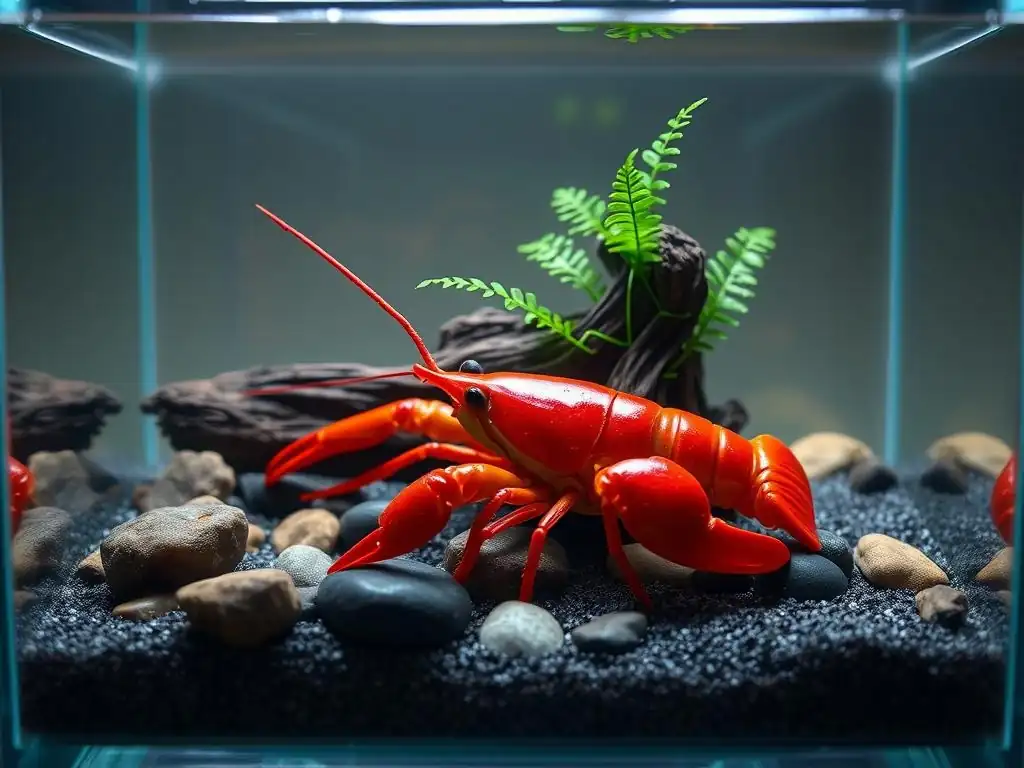
Choosing the Right Quarantine Tank Size for Freshwater Crabs
The ideal size for a freshwater crab quarantine tank depends largely on the species and number of crabs being quarantined. For a single small species like a Thai Micro Crab, a 2-5 gallon tank might suffice, offering enough space for observation and stable water conditions. However, for larger freshwater crabs, or if quarantining multiple individuals, a 10-20 gallon aquarium is generally more appropriate, providing ample space to reduce stress and aggression.
It's important that the quarantine tank is large enough to allow for stable water parameters and comfortable movement for the crab(s), but not so large that medication dosages become impractical or diluted. Overcrowding in a small tank, even for a temporary period, can lead to increased stress, heightened aggression between crabs, and rapid deterioration of water quality, which defeats the primary purpose of quarantine.
Essential Equipment for a Crab Quarantine Setup: Heater, Filter, Hideaways
A successful freshwater crab quarantine setup requires a few key pieces of equipment. A small, gentle filter, such as an air-driven sponge filter, is ideal as it provides excellent biological filtration without creating strong currents that can stress crabs. An appropriately sized aquarium heater, paired with a reliable thermometer, is crucial for maintaining a stable temperature, typically between 72-78°F (22-26°C), which is optimal for most freshwater crab species.
Critically, a tight-fitting lid is non-negotiable for any freshwater crab setup, especially a quarantine tank. Crabs are renowned escape artists and will exploit any opening. Additionally, providing ample hideaways is paramount. Crabs are naturally shy and need secure places to retreat, especially when stressed or during molting. PVC pipes, small ceramic caves, or even dense clumps of floating plastic plants can serve as effective hiding spots, promoting a sense of security for the new arrivals.
Water Parameters for Quarantine: Maintaining Optimal Conditions for Freshwater Crabs
Maintaining pristine water quality is a cornerstone of successful freshwater crab quarantine tips. Consistent and optimal water parameters are crucial for minimizing stress and supporting the immune system of newly acquired crabs.
Temperature and pH Levels for Freshwater Crab Quarantine
For most freshwater crabs, maintaining a stable water temperature between 72-78°F (22-26°C) is essential. Fluctuations can cause significant stress, suppressing their immune response and making them more vulnerable to illness. A reliable heater and thermometer are key to ensuring this consistency throughout the quarantine period.
Regarding pH, a slightly alkaline range, typically between 7.0 and 8.0, is generally suitable for many freshwater crab species. This range often provides sufficient calcium and other minerals necessary for their exoskeleton health and successful molting. Regularly testing both temperature and pH levels with accurate kits ensures that the environment remains within the optimal range for the quarantined crabs.
Water Chemistry Considerations: Ammonia, Nitrite, and Nitrate Control
Even in a temporary quarantine setup, managing the nitrogen cycle is critical. Ammonia and nitrite, both highly toxic to aquatic life, must be kept at zero parts per million (ppm). This is best achieved by using a cycled sponge filter (perhaps seeded with beneficial bacteria from an established tank) or through frequent, small water changes. If the filter is not cycled, daily water changes of 25-50% may be necessary to dilute these harmful compounds.
Nitrate levels, while less toxic than ammonia or nitrite, should still be kept low, ideally below 20 ppm. High nitrate concentrations can cause chronic stress and weaken a crab's immune system over time. Regular partial water changes are the primary method for controlling nitrates. The goal is to provide pristine, stable water quality throughout the freshwater crab quarantine period, promoting recovery and preventing any further health complications.
The Freshwater Crab Quarantine Process: A Detailed Timeline
Initial Observation Period: Monitoring for Signs of Illness or Stress
Upon placing new freshwater crabs into the quarantine tank, the initial 7-10 days are critical for intensive observation. During this period, refrain from any treatments unless a clear illness is identified. Instead, focus on monitoring their behavior, activity levels, and physical appearance. Look for signs such as lethargy, unusual spots, discolored gills, frayed appendages, or a persistent refusal to eat. Any frantic activity or unusual swimming patterns should also be noted.
It is advisable to conduct thorough visual inspections at least once daily, preferably twice. Using a flashlight can help reveal subtle changes that might be missed under normal lighting conditions. Keep a detailed log of your observations, including feeding habits, the crab's general disposition, and any physical abnormalities. Early detection of potential health issues is paramount for successful intervention, making these freshwater crab quarantine tips invaluable.
Feeding and Water Changes During Quarantine: Maintaining a Healthy Environment
During the quarantine period, providing a varied and appropriate diet is essential to help the crabs regain strength and boost their immune systems. Offer high-quality sinking pellets formulated for invertebrates, along with blanched vegetables like spinach or zucchini, and occasional protein sources such such as frozen bloodworms or brine shrimp. Feed small amounts once a day, ensuring all uneaten food is removed promptly within an hour to prevent water fouling.
Regular water changes are fundamental to maintaining pristine water quality, especially in a smaller quarantine setup. Perform 25-50% partial water changes every 2-3 days, or more frequently if ammonia or nitrite levels begin to rise. Always use dechlorinated water that is temperature-matched to the quarantine tank to avoid shocking the crabs. Consistent water quality is key to reducing stress and supporting the crabs' overall health throughout the quarantine period.
Medication and Treatment: Addressing Potential Health Issues in Quarantine
Should signs of illness appear during the quarantine period, this isolated environment allows for targeted and effective treatment without risking the main aquarium's inhabitants or beneficial bacteria. Correct identification of the issue is the first step.
Identifying Common Freshwater Crab Diseases and Parasites
Common health issues in freshwater crabs include bacterial infections like shell rot, which manifests as darkened, pitted, or eroded areas on the carapace and limbs. Fungal infections might appear as white, cotton-like growths on the body. External parasites, though less common on crabs, could include small worms or leeches. Behavioral cues such as excessive scratching, twitching, or difficulty molting can also indicate underlying health problems.
Accurate diagnosis is crucial before initiating any treatment. Misdiagnosis can lead to ineffective medication or, worse, treatments that are harmful to the crab. Consult reliable aquatic health resources or experienced aquarists if you are unsure about a diagnosis. If multiple crabs are being quarantined and one shows signs of illness, it may be prudent to isolate the affected individual in an even smaller hospital tank if possible, to prevent spread and allow for concentrated treatment.
Appropriate Medications for Treating Ailing Crabs in Quarantine
Once a disease is identified, select an appropriate medication. For bacterial infections like shell rot, broad-spectrum antibiotics such as Maracyn 2 (minocycline) or Furan-2 (nitrofurazone) are often effective, always following the manufacturer's dosage instructions precisely. Fungal infections may respond to antifungal treatments like API Fungus Cure. Remember to remove activated carbon from the filter during medication, as it will absorb the treatment.
It is critically important to avoid copper-based medications, as copper is highly toxic to all invertebrates, including freshwater crabs. Many fish medications can also be harmful to crabs, so always research thoroughly before administering any treatment. If a crab molts during a course of medication, the new exoskeleton may not have absorbed enough of the treatment, potentially requiring a re-dose after the molt is complete and the new shell has hardened slightly.
Acclimating Quarantined Freshwater Crabs to the Main Tank
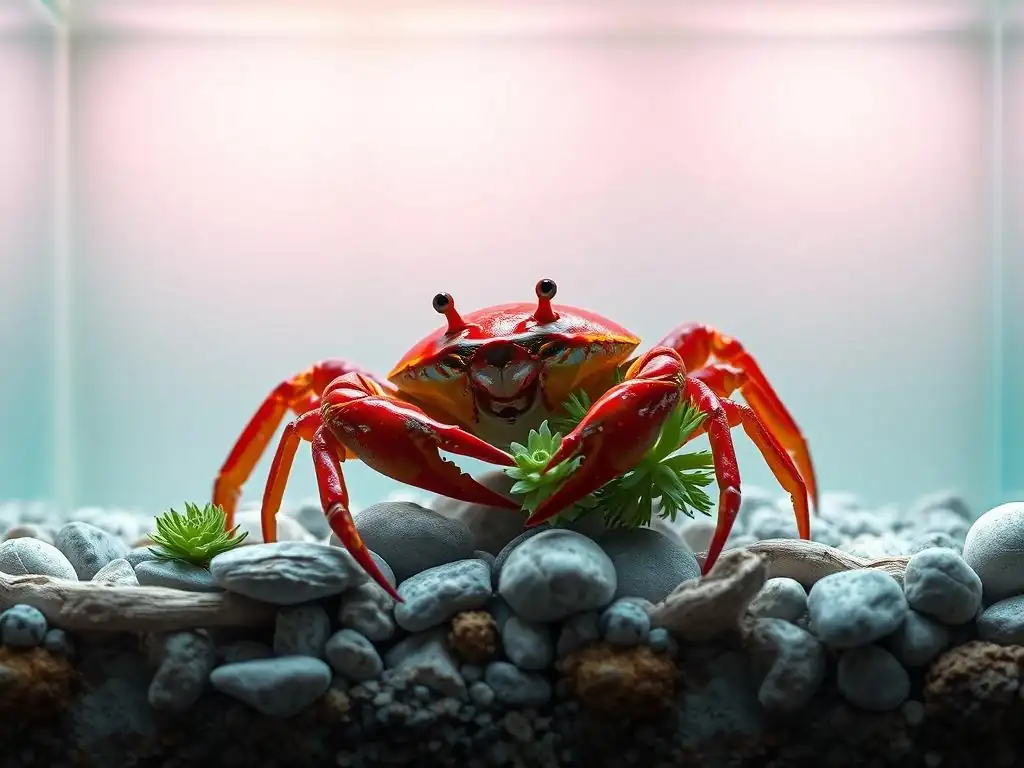
Gradual Introduction: Minimizing Shock and Stress
Once your freshwater crabs have successfully completed their quarantine period—typically 3-4 weeks with no signs of illness or after successful treatment and a period of observation—it's time to introduce them to the main aquarium. The goal is to minimize shock and stress during this transition. The drip acclimation method is highly recommended: slowly drip water from the main tank into the quarantine tank over a period of 30-60 minutes, or even longer, until the water parameters are nearly equalized. This gradual process prevents osmotic shock, which can be fatal.
To further reduce stress and potential aggression from existing tank inhabitants, introduce the newly acclimated crab(s) to the main tank during periods of low light or after the tank lights have been off for a few hours. This allows them to explore their new environment discreetly and find hiding spots before the other inhabitants become fully active. Ensure there are plenty of secure hiding places in the main tank for the new arrivals to retreat to as they become accustomed to their new home.
Post-Quarantine Monitoring: Observing for Any Delayed Symptoms
Even after a successful quarantine and careful acclimation, vigilance remains key. Continue to monitor the newly introduced freshwater crabs closely for at least a week after their transfer to the main tank. Look for any signs of stress, unusual behavior, or subtle indications of illness that might have been latent or triggered by the transfer itself. Observe their feeding habits, activity levels, and interactions with other tank inhabitants.
Equally important is to monitor your existing tank inhabitants for any unexpected issues. While rare after proper quarantine, a delayed onset of symptoms in the new crabs or an undetected issue could potentially affect others. Early detection allows for prompt action, whether it's re-isolating the new crab or addressing a wider tank issue. This continuous observation is a crucial final step in ensuring the long-term health and stability of your entire aquarium ecosystem, reinforcing effective freshwater crab quarantine tips.
Freshwater Crab Quarantine Checklist: Ensuring a Successful Process
Pre-Quarantine Preparations: Gathering Necessary Supplies
Before bringing any new freshwater crabs home, ensure you have a dedicated quarantine tank fully set up and ready. This tank should be appropriately sized, typically 5-10 gallons for smaller species or 10-20 gallons for larger ones, to provide adequate space. Essential equipment includes a gentle filter (a sponge filter is highly recommended), a reliable heater, and an accurate thermometer to maintain stable water temperatures.
Crucially, acquire a tight-fitting lid for the quarantine tank, as freshwater crabs are adept escape artists. Stock up on water test kits for ammonia, nitrite, nitrate, and pH, along with a high-quality dechlorinator. Have appropriate food on hand for your specific crab species, and prepare a variety of hideaways such as PVC pipes, ceramic caves, or dense artificial plants to provide security and reduce stress for the new arrivals.
Daily Quarantine Tasks: Monitoring and Maintenance
Establish a consistent daily routine for your freshwater crab quarantine period. Each day, perform a thorough visual inspection of the crab(s) for any physical changes, unusual behavior, or signs of illness like lethargy, lesions, or discolored gills. Also, check the water temperature and ensure all equipment is functioning correctly.
Every 1-2 days, test the water parameters, especially ammonia and nitrite, which should always be zero. Conduct partial water changes (25-50%) as needed to maintain pristine water quality, typically every 2-3 days, or more frequently if ammonia or nitrite levels are detected. Promptly remove any uneaten food to prevent water fouling, contributing to the overall success of your freshwater crab quarantine tips.
Post-Quarantine Procedures: Integrating Crabs into the Main Tank
Once the quarantine period, usually a minimum of 3-4 weeks (or longer if any illnesses were treated and resolved), has been successfully completed with no signs of disease, you can prepare for integration into the main tank. Begin the acclimation process using a drip method to slowly equalize the water parameters between the quarantine tank and the main display tank over at least 30-60 minutes.
Introduce the crab(s) into the main tank during low light conditions or after the main tank lights have been off for some time to minimize immediate stress and potential aggression from existing inhabitants. Ensure that the main tank offers ample hiding spots for the new crab(s) to retreat to as they adjust to their larger, new environment. Continue to observe both the newly introduced crabs and your existing tank inhabitants for several days to ensure a smooth and healthy transition.
Troubleshooting Common Quarantine Problems for Freshwater Crabs
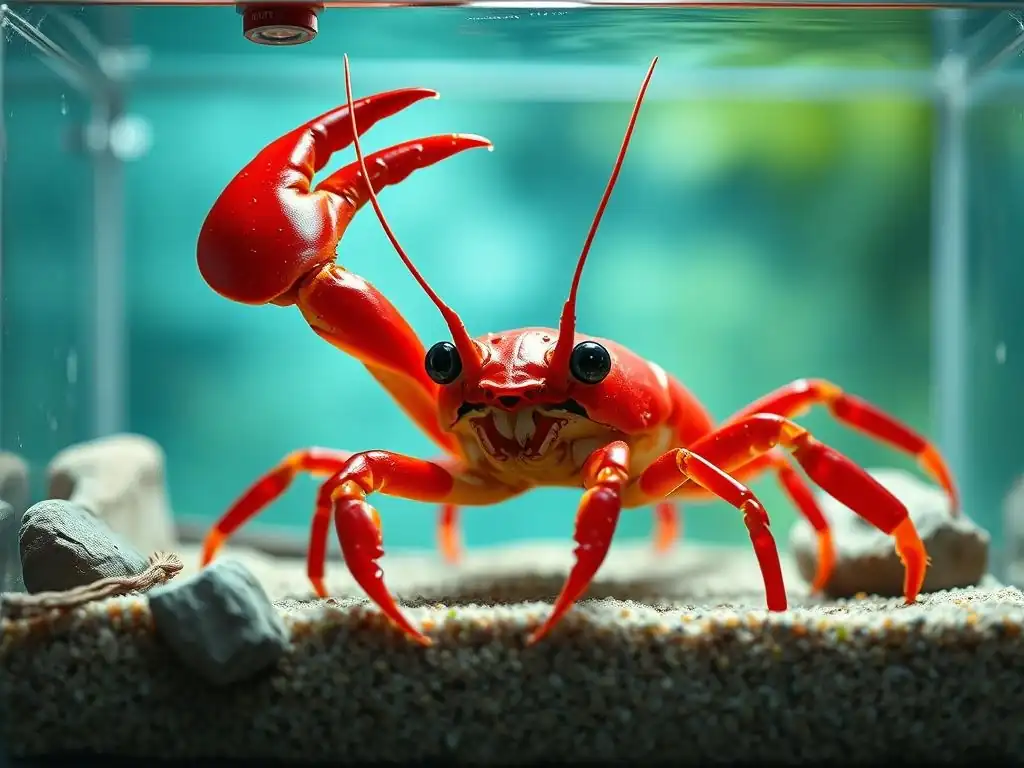
Crab Refusal to Eat During Quarantine: Identifying and Addressing the Cause
A new freshwater crab refusing to eat during quarantine is a common issue, often stemming from stress due to transport or unfamiliar surroundings. To address this, first ensure that you are offering a varied diet that includes sinking pellets, blanched vegetables (like spinach or zucchini), and occasional protein sources such as bloodworms. Make sure the food is easily accessible to the crab and not immediately removed by filtration or other potential tank mates if quarantining multiple individuals.
Secondly, meticulously check all water parameters. Poor water quality, particularly elevated ammonia or nitrite levels, is a significant cause of appetite loss and overall stress. Ensure the water temperature is stable and within the optimal range for the species. Providing ample secure hiding spots can also help reduce stress, making the crab feel safer and more inclined to eat. If a crab continues to refuse food for more than a few days despite optimal conditions, it might indicate an underlying illness requiring further investigation.
Molting Issues in Quarantine: Providing Proper Support
Molting is a critical and vulnerable process for freshwater crabs, and it can sometimes be triggered or complicated by the stress of quarantine. Signs of an impending molt include lethargy, dull coloration, or a visible crack forming along the carapace. To support a successful molt, ensure water quality is impeccable, with zero ammonia and nitrite. Adequate calcium and magnesium levels are crucial for shell hardening; these are often present in tap water but can be supplemented if necessary, for example, by adding a small piece of cuttlebone.
Provide plenty of secure and undisturbed hiding spots where the crab can retreat during this highly vulnerable period. It is vital not to disturb a molting crab. If a crab appears to struggle or gets "stuck" during a molt, it can be a sign of poor water quality, insufficient mineral content, or inadequate iodine. After a successful molt, leave the old exoskeleton in the tank for a day or two, as the crab may re-absorb vital minerals from it. These freshwater crab quarantine tips are essential for supporting this delicate process.
Aggression During Quarantine: Managing Interactions Between Crabs
If you are quarantining multiple freshwater crabs together in the same tank, aggression can become a problem, especially if space is limited or if the crabs are of different sizes, sexes, or species with varying temperaments. Signs of aggression include chasing, fighting, or one crab consistently dominating a prime hiding spot. Such chronic stress from aggression can weaken their immune systems and lead to injuries.
To mitigate aggression, ensure the quarantine tank is adequately sized for the number of crabs being housed, ideally with at least 5 gallons per small-to-medium crab. Crucially, provide multiple, distinct hiding spots so each crab can establish its own territory and retreat when necessary. If aggression persists and becomes severe, or if one crab is clearly being bullied, the most effective solution is to separate the crabs into individual quarantine setups if feasible. This ensures each crab can recover and destress without the added pressure of inter-species conflict.
Long-Term Benefits of Quarantining Freshwater Crabs: A Healthy and Thriving Aquarium
Reduced Disease Outbreaks: A Proactive Approach to Tank Management
The most significant and far-reaching long-term benefit of diligently quarantining new freshwater crabs is the dramatic reduction in the risk of introducing diseases and parasites into your established main aquarium. This proactive and preventative measure creates a vital buffer zone, ensuring that any potential pathogens are contained and treated before they can ever reach your display tank. This prevents costly and time-consuming treatments for an entire community, the potential loss of cherished established inhabitants, and the significant emotional toll associated with widespread illness in your aquatic ecosystem.
By isolating new freshwater crabs, you are safeguarding the health and longevity of all your aquatic pets. Only healthy, disease-free, and properly acclimatized specimens are integrated into your community, thereby protecting the delicate balance of your biological filtration and the well-being of every fish, snail, and plant. This initial investment of time and effort provides enduring protection against devastating outbreaks.
Healthier and More Resilient Crab Population: Promoting Long-Term Wellbeing
Freshwater crabs that undergo a proper quarantine period are inherently healthier and more resilient when introduced to their permanent home. The quarantine tank provides a low-stress environment where they can recover from the rigors of shipping, adjust to stable water parameters, and overcome any initial illnesses or parasitic burdens in a controlled setting. This foundational period allows their immune systems to strengthen without the immediate challenges of a bustling main tank.
This robust start contributes directly to a more thriving and resilient crab population within your aquarium. Healthy crabs are more active, exhibit their natural behaviors, and are significantly less susceptible to future health issues. This proactive approach ensures a longer, more fulfilling life for your freshwater crabs, allowing them to contribute to the beauty and dynamics of your aquatic environment for years to come.
A More Enjoyable Aquarium Keeping Experience: Peace of Mind and Reduced Stress
Perhaps one of the most underrated long-term benefits of adhering to freshwater crab quarantine tips is the immense peace of mind it provides to the aquarist. Knowing that every new addition has undergone a thorough and effective quarantine process eliminates the constant worry of potential disease outbreaks or hidden parasites wreaking havoc on your beloved aquarium. This significantly reduces the stress often associated with adding new inhabitants to an established setup.
Investing time and effort in proper freshwater crab quarantine at the outset ultimately saves considerable frustration, money, and heartache in the long run. It transforms aquarium keeping from a series of potential problems into a genuinely rewarding and enjoyable hobby. This proactive measure allows you to fully appreciate the unique charm, intriguing behaviors, and vibrant presence of your freshwater crabs, fostering a truly thriving and harmonious aquatic sanctuary.
Frequently Asked Questions
How long should I quarantine new freshwater crabs before introducing them to my main aquarium?
New freshwater crabs should be quarantined for at least 4-6 weeks to observe them for signs of disease and prevent introducing any potential parasites or illnesses to your established tank.
What are the key signs of illness to watch for during the quarantine period?
During quarantine, observe your crabs for signs of lethargy, abnormal molting, loss of appetite, or any unusual spots or growths. These indicators may suggest a health problem.
What type of quarantine tank setup is recommended for freshwater crabs?
A quarantine tank should mimic the conditions of your main tank but with separate equipment. This includes a filter, heater (if necessary), substrate, and hiding places, ensuring optimal water parameters for the crab species.
Should I treat my quarantined crabs prophylactically for parasites or diseases?
Prophylactic treatment is generally not recommended unless there's clear evidence of a specific issue. Over-treating can stress the crabs. Observe first and treat only when necessary.
How can I ensure the water quality in the quarantine tank remains optimal?
Regular water changes (around 25% weekly) are crucial for maintaining good water quality in the quarantine tank. Monitor water parameters like pH, ammonia, nitrite, and nitrate to prevent stressful conditions for the crabs.
Final Reflection: Ensuring a Thriving Aquatic Ecosystem
The principles outlined in this article, while focused on the seemingly niche topic of freshwater crab quarantine, speak to a much broader truth: responsible stewardship of our aquatic ecosystems is paramount. The health of our tanks, and by extension, the health of the natural world, depends on the informed choices we make and the precautions we take. Neglecting quarantine protocols, as we've seen, can have devastating consequences, underscoring the interconnectedness of all living things within these miniature environments.
This commitment to responsible care extends beyond just crabs; it's a philosophy that shapes how we interact with all living creatures. My own experience with freshwater aquariums has shown me that patience and diligent observation are key to success, and that the rewards of a thriving, balanced ecosystem are immeasurable. The ultimate test of a moral society is the kind of world that it leaves to its children.
- Dietrich Bonhoeffer. This quote resonates deeply when considering the long-term impact of our actions, not just on our tanks, but on the planet we share.
So, as you embark on your journey with freshwater crabs, or any aquatic creature, remember the lessons learned here. Let this article serve as a reminder that even the smallest actions can have profound consequences. Embrace the responsibility, practice diligent quarantine, and contribute to a healthier, more vibrant aquatic world. Your dedication will not only benefit your tank, but will also inspire a deeper appreciation for the delicate balance of nature.
Unlock the Secrets to a Thriving Crab Tank!
Thanks for diving into the world of freshwater crab care! We hope you've gained valuable insights into the importance of quarantine for these fascinating creatures. Ready to ensure your crabs' health and happiness?
Here are a few next steps you can take:
- Prioritize Quarantine: Immediately set up a dedicated quarantine tank for any new freshwater crabs you acquire. This single action is the most crucial step in preventing disease outbreaks.
- Delve Deeper: Research common freshwater crab diseases and their symptoms to become a more informed and proactive crab keeper.
- Share Your Success: Post photos and videos of your crabs' quarantine setup on social media using #AquariumMasteryCrabs to connect with fellow enthusiasts!
What specific quarantine methods do you find most effective for your freshwater crabs?