
Rili Shrimp Explained: Understanding Patterns and Color Variations in Neocaridina

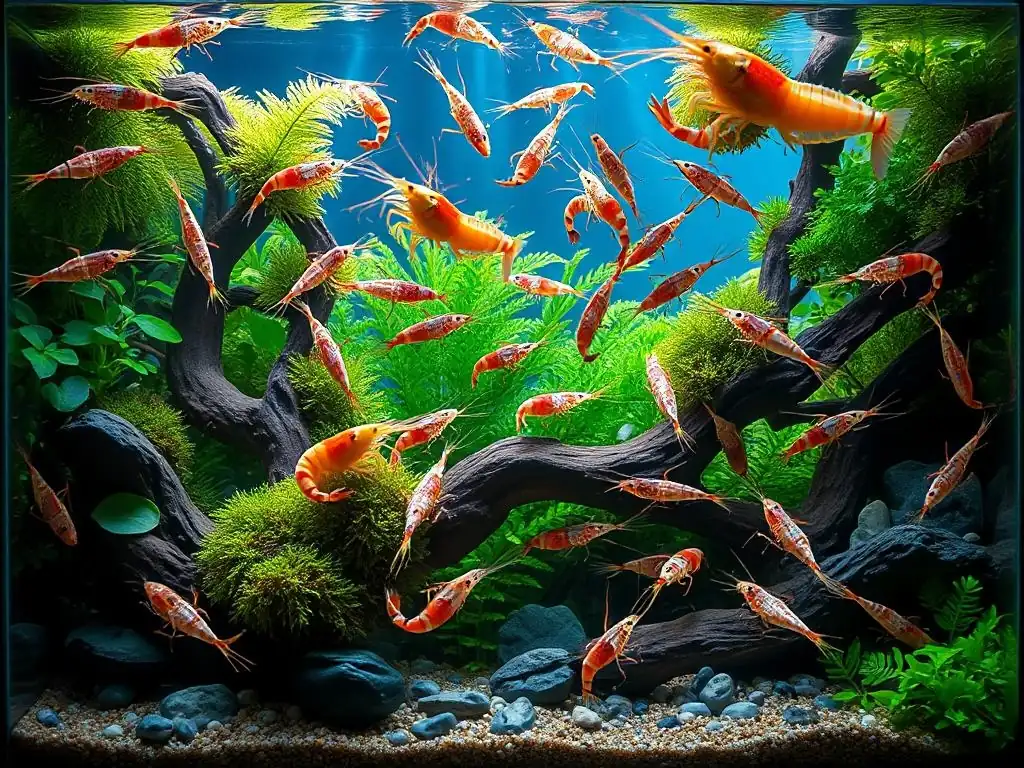
Welcome to Aquarium Mastery!
Intrigued by the vibrant world of aquatic invertebrates? Get ready to dive deep! Ever wondered what makes Rili shrimp color patterns so captivating? This article unlocks the secrets behind these mesmerizing variations in Neocaridina shrimp. Prepare to discover the fascinating genetics and environmental factors that shape their stunning hues, and learn how to keep your own Rili shrimp thriving and colorful! Let's explore!
- What are Rili Shrimp? An Introduction to Neocaridina Rili Varieties
- Exploring the Diverse Rili Shrimp Color Patterns and Markings
- Genetics of Rili Shrimp Coloration: How Patterns are Inherited
- Factors Influencing Rili Shrimp Color Intensity and Pattern Expression
- Identifying and Addressing Rili Shrimp Color Fading Issues
- Caring for Rili Shrimp: Creating an Optimal Environment for Vibrant Colors
- Rili Shrimp vs. Other Neocaridina Varieties: A Color Comparison
- Purchasing Rili Shrimp: Selecting Healthy and Vibrant Specimens
- Advanced Rili Shrimp Breeding Techniques: Selective Breeding for Specific Traits
- Common Rili Shrimp Health Problems and Solutions
- The Future of Rili Shrimp: New Color Morphs and Breeding Goals
-
Frequently Asked Questions
- What factors influence the Rili shrimp's distinct color patterns?
- How does the 'Rili' pattern differ from other Neocaridina shrimp varieties?
- What water parameters are ideal for maintaining vibrant colors in Rili shrimp?
- Can I selectively breed Rili shrimp to enhance specific color variations?
- What are some common issues that can cause Rili shrimp to lose their color?
- Final Reflection: Embracing the Spectrum of Life
- Dive Deeper into the Rili Shrimp World!
What are Rili Shrimp? An Introduction to Neocaridina Rili Varieties
Defining Rili Shrimp: Genetics and Key Characteristics
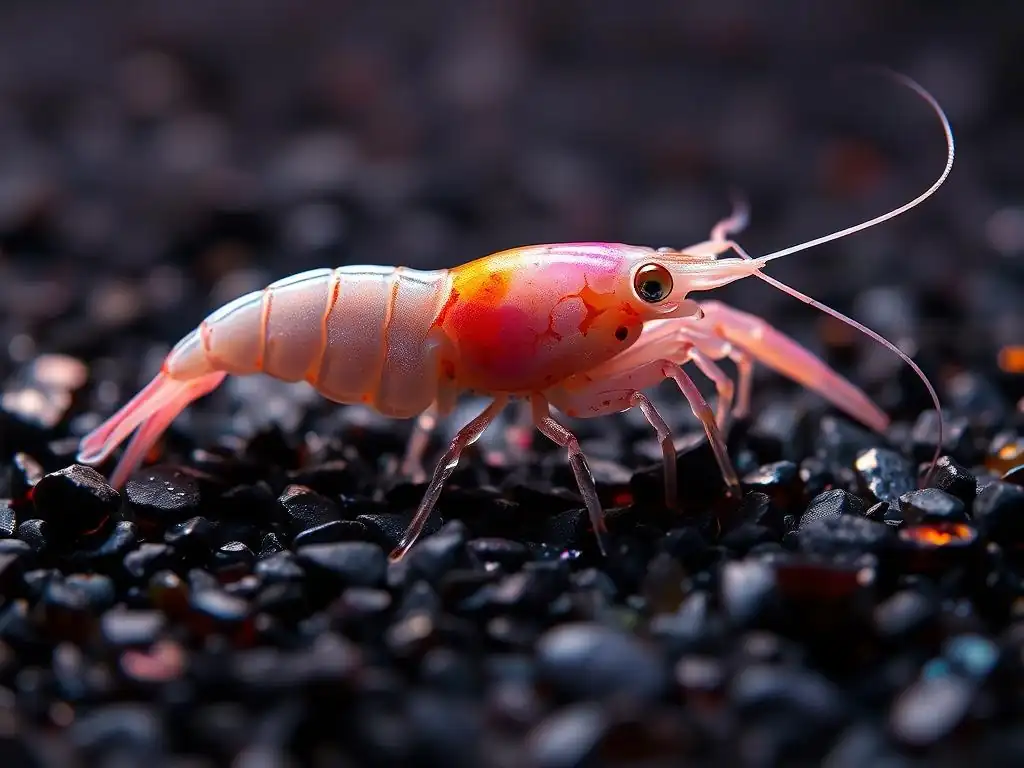
Rili shrimp are a captivating pattern morph of Neocaridina davidi, a species renowned for its hardiness and diverse color forms. What distinguishes a Rili shrimp from other Neocaridina varieties is its unique tri-segmentation: a colored head, a translucent or clear mid-section, and a colored tail.
This distinctive clear band is the defining characteristic of all Rili shrimp color patterns, making them instantly recognizable in the aquarium trade. The Rili pattern is not a natural occurrence but rather a result of selective breeding, where aquarists specifically chose shrimp exhibiting this clear body segment and bred them over generations to stabilize the trait.
The genetic mutation responsible for the Rili pattern is believed to be a relatively simple one, possibly involving a single or a few genes that control pigment distribution. This means that while the base color of the Rili shrimp can vary widely (red, orange, yellow, blue, black, chocolate), the fundamental clear mid-section remains consistent.
For instance, a Red Rili shrimp will consistently display a vibrant red head and tail, sharply delineated from a transparent body segment. This genetic consistency allows breeders to focus on enhancing the vibrancy and opacity of the colored sections, leading to increasingly stunning Rili shrimp color patterns.
Neocaridina Davidi: The Foundation of Rili Shrimp Development
The journey of the Rili shrimp begins with Neocaridina davidi, the humble wild-type shrimp found in streams and ponds across East Asia. These wild shrimp typically exhibit drab, brownish-green coloration for camouflage. Through dedicated selective breeding efforts spanning decades, hobbyists transformed these unassuming crustaceans into a kaleidoscope of colors, including the popular Red Cherry shrimp. It was from these solid-colored mutations, particularly the Red Cherry line, that the initial Rili shrimp emerged.
The first Red Rili shrimp were reportedly developed in Taiwan around 2010, appearing as spontaneous mutations within Red Cherry colonies. Breeders quickly recognized the aesthetic appeal of this distinct Rili shrimp color pattern and began isolating and line-breeding these individuals.
The inherent adaptability and rapid breeding cycle of Neocaridina davidi (females can carry eggs approximately every 30 days) allowed for swift progression in stabilizing and refining the Rili pattern across various base colors. This foundational robustness of the Neocaridina davidi species is what makes Rili shrimp relatively easy to care for and encourages further development of new Rili shrimp color patterns.
Exploring the Diverse Rili Shrimp Color Patterns and Markings
The Classic Rili Pattern: Red and Clear Segmentation
The Red Rili shrimp is arguably the most iconic and widely recognized of all Rili shrimp color patterns. This classic variant features a striking bright red coloration on its head and tail, sharply contrasted by a translucent or clear mid-section. The clarity of the middle segment can vary from almost completely transparent to a slightly opaque white, with higher-grade specimens exhibiting the clearest division. The intensity of the red itself can range from a lighter, almost Sakura-grade red to a deep, vibrant "fire" red, often depending on the lineage and care.
The distinct demarcation lines between the colored and clear areas are crucial for a high-quality Red Rili. These lines should be well-defined, creating a clean visual separation. This particular Rili shrimp color pattern is highly sought after by aquarists due to its eye-catching appearance and the relative ease of maintaining its color through selective breeding. Many Red Rili lines have been established over more than 10 generations, ensuring the stability of this captivating color pattern.
Understanding Rili Shrimp Color Variations: Orange, Yellow, and Blue Rilis
Beyond the classic red, the Rili pattern has been successfully applied to a spectrum of other Neocaridina base colors, leading to a diverse array of Rili shrimp color patterns. Orange Rili shrimp display a brilliant orange head and tail, often derived from Orange Sunkist or Orange Sakura lines. Their vibrant hue provides a warm contrast to the clear body. Yellow Rili shrimp showcase a sunny yellow head and tail, bred from Yellow Cherry or Goldenback shrimp.
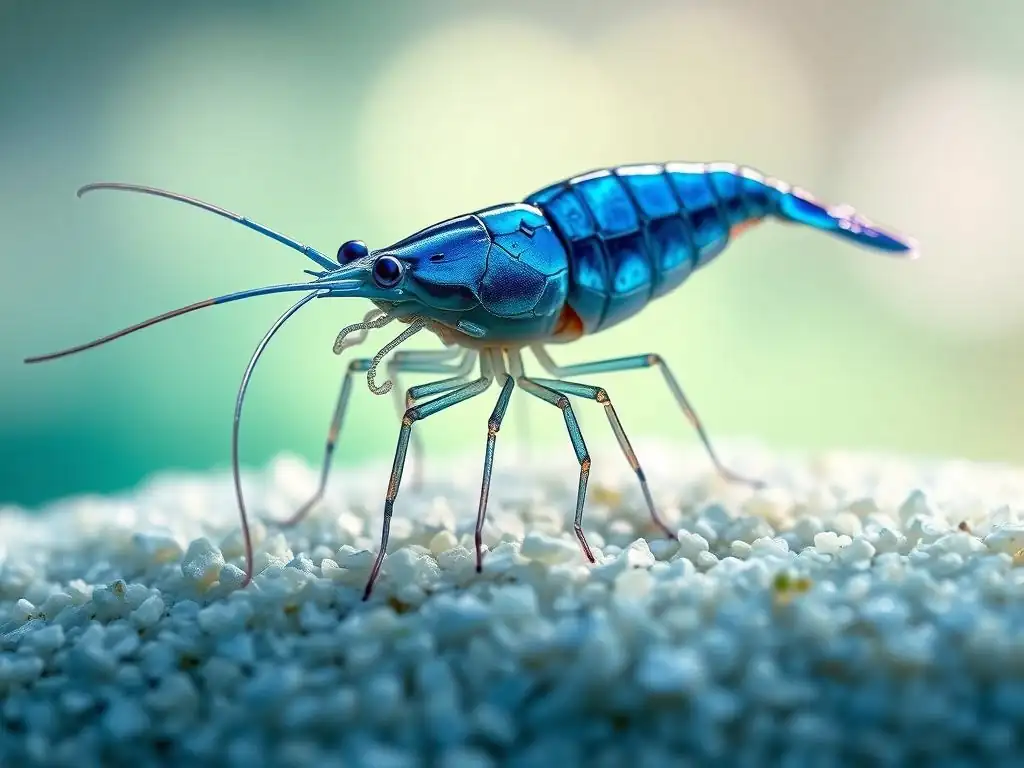
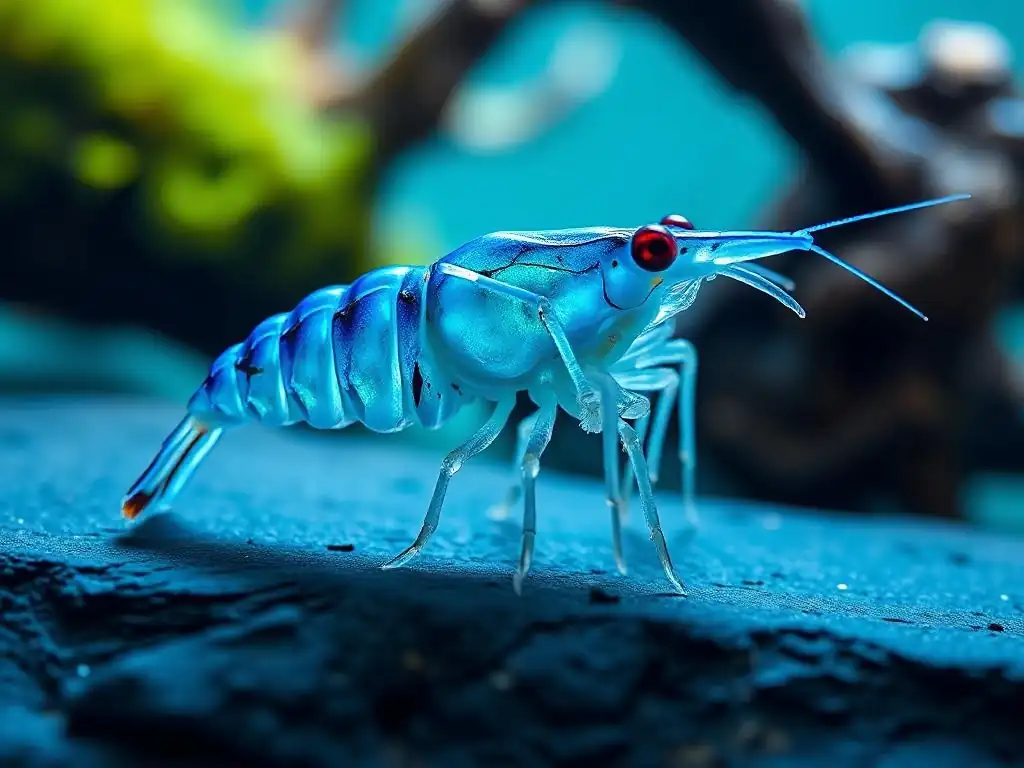
This bright Rili shrimp color pattern adds a cheerful splash to any aquarium. Blue Rili shrimp feature a captivating blue coloration on their head and tail, typically originating from Blue Dream or Blue Jelly lines. The blue can range from a translucent sky blue to a deeper, more opaque sapphire, depending on the specific genetic line and grade.
In all these variations, the fundamental Rili pattern—a clear mid-section separating two colored segments—remains the defining characteristic. The success in developing these diverse Rili shrimp color patterns highlights the genetic plasticity of Neocaridina davidi and the dedication of breeders to explore new aesthetic possibilities. For instance, a well-established Blue Rili line might produce 80-90% offspring with the desired blue and clear pattern, demonstrating the stability achieved through consistent selective breeding.
Chocolate Rili Shrimp: A Unique and Sought-After Color Morph
The Chocolate Rili shrimp presents a distinct and earthy entry into the world of Rili shrimp color patterns. Unlike the brighter red, orange, or yellow variants, Chocolate Rilis feature a rich, brownish-black coloration on their head and tail segments, sharply contrasted by their clear mid-section. This unique hue gives them a sophisticated and understated elegance that appeals to many aquarists looking for something different from the more common vibrant colors.
Chocolate Rili shrimp are often developed from darker Neocaridina lines, such as Black Rose or Chocolate Sakura shrimp, where the Rili pattern spontaneously appears or is selectively bred for. The depth of the chocolate color can vary from a lighter brown to a deep, almost coffee-like shade. While not as intensely dark as Carbon Rilis, their distinct brown tone makes them highly sought after. Maintaining the richness of this particular Rili shrimp color pattern requires careful breeding, as lighter brown or even reddish throwbacks can occasionally appear in a colony.
Carbon Rili Shrimp: The Striking Black and Clear Contrast
Among the darkest of the Rili shrimp color patterns, the Carbon Rili shrimp offers a dramatic black and clear contrast that is visually stunning. These shrimp possess an opaque, deep black coloration on their head and tail, which stands out starkly against their translucent body segment. The intensity of the black can be truly profound, giving them a sleek and modern appearance in the aquarium.
Carbon Rili shrimp are typically bred from high-grade Black Rose or Black Sakura shrimp lines. The goal in breeding Carbon Rilis is to achieve the deepest possible black, with minimal streaking or fading, and a perfectly clear mid-section. This Rili shrimp color pattern is highly prized, and breeders often work to stabilize the black saturation over many generations. It's common to see a success rate of around 60-70% for offspring displaying the desired deep black and clear pattern in well-established Carbon Rili lines, with the remaining often being lighter black or solid black shrimp that lack the Rili pattern.
Genetics of Rili Shrimp Coloration: How Patterns are Inherited
Rili Shrimp Breeding: Maximizing Desired Color Patterns
Understanding the genetics behind Rili shrimp color patterns is crucial for successful breeding. The Rili pattern itself is largely considered a Mendelian trait, meaning it follows predictable inheritance patterns, likely controlled by a few key genes. To maximize desired Rili shrimp color patterns, breeders employ rigorous selective breeding techniques. This involves identifying shrimp that exhibit the most vibrant colors and the clearest, most defined mid-sections, and then breeding these individuals together.
For instance, if a breeder aims to enhance the red in a Red Rili line, they will select shrimp with the deepest red and the sharpest contrast between the red and clear segments. Any offspring that display faded colors, solid coloration, or poorly defined patterns are typically removed from the breeding pool—a process known as culling.
By consistently breeding only the best examples, breeders can gradually improve the consistency and quality of Rili shrimp color patterns over successive generations. It's not uncommon for a dedicated breeding project to take 5-10 generations to achieve a stable and high-grade Rili line, with each generation potentially showing incremental improvements.
Understanding the Role of Recessive Genes in Rili Shrimp Colors
While the Rili pattern itself behaves somewhat dominantly in its expression, the underlying base color (red, blue, yellow, etc.) and other specific traits can be influenced by recessive genes. This means that a shrimp might carry a gene for a certain color or pattern without visibly expressing it. For example, a solid-colored shrimp might carry the Rili gene recessively. If two such carriers are bred together, or a carrier is bred with a visible Rili shrimp, some Rili patterned offspring can appear, even if the parents were solid-colored.
This interplay of dominant and recessive genes also explains the phenomenon of "throwbacks" or "culls" in Rili shrimp colonies. In a brood from two Rili parents, it's common to find a percentage of solid-colored shrimp (e.g., solid red from Red Rili parents) or shrimp with poorly defined Rili shrimp color patterns. These individuals carry recessive genes for solid coloration or less desirable pattern expression. Recognizing these genetic principles is vital for breeders who aim to maintain the purity and vibrance of their Rili shrimp color patterns over time.
Maintaining Color Lineage: Selective Breeding for Rili Shrimp Color
Maintaining a consistent and high-quality Rili shrimp color pattern lineage requires systematic selective breeding. This process goes beyond simply breeding two Rili shrimp together; it involves careful observation, grading, and isolation. Breeders often establish multiple tanks, each dedicated to a specific grade or type of Rili shrimp. For example, a "show tank" might house the top 5-10% of shrimp with perfect Rili shrimp color patterns, a "breeding tank" for the next tier of high-quality individuals, and a "cull tank" for shrimp that do not meet the desired standards.
The key to maintaining color lineage is to prevent undesirable genes from being passed on. This means regularly culling shrimp with faded colors, inconsistent patterns, or those that revert to solid coloration. Consistency in environmental parameters also plays a role, as stress or poor water quality can temporarily mask true genetic potential. By diligently following these practices, breeders can ensure that future generations consistently exhibit the desired Rili shrimp color patterns, improving the overall genetic pool of their colony. Over a year, a dedicated breeder might raise several hundred shrimplets, carefully selecting the best 20-30% for future breeding efforts.
Factors Influencing Rili Shrimp Color Intensity and Pattern Expression
Water Parameters and Their Impact on Rili Shrimp Color
Stable and appropriate water parameters are paramount for maintaining the vibrant Rili shrimp color patterns. Neocaridina davidi are generally hardy, but fluctuations or incorrect parameters can cause stress, leading to faded coloration. Key parameters to monitor include:
- General Hardness (GH): An ideal range for Rili shrimp is typically 6-10 dGH (degrees of general hardness), which translates to approximately 100-160 ppm. This provides essential minerals for molting and shell development, directly impacting color vibrancy.
- Carbonate Hardness (KH): A KH of 2-8 dKH (35-140 ppm) is generally suitable. KH acts as a pH buffer, preventing sudden pH swings that can stress shrimp and dull their colors.
- pH: A stable pH between 6.5 and 7.5 is ideal. Rapid changes in pH can be highly stressful, causing shrimp to lose their brilliant Rili shrimp color patterns and even leading to fatalities.
- Temperature: Maintaining a consistent temperature between 68-78°F (20-25.5°C) is crucial. While Rilis can tolerate a wider range, stability prevents stress.
Elevated levels of ammonia, nitrites, or nitrates (above 20 ppm) are direct toxins that will invariably result in dull, faded Rili shrimp color patterns as the shrimp's health deteriorates. Regular testing and small, consistent water changes (10-20% weekly) are essential to keep these parameters in check.
Diet and Supplementation for Enhanced Rili Shrimp Coloration
The diet of Rili shrimp plays a significant role in the intensity and expression of their Rili shrimp color patterns. Shrimp cannot synthesize certain pigments, such as carotenoids, and must obtain them from their food. Carotenoids are responsible for the red, orange, and yellow hues seen in many Rili shrimp color patterns.
- Carotenoid-Rich Foods: Incorporating foods rich in astaxanthin, spirulina, and other natural carotenoids is highly beneficial. Examples include specialized shrimp pellets formulated with these ingredients, blanched spinach, kale, or even small amounts of high-quality paprika (used sparingly).
- Balanced Nutrition: Beyond pigments, a balanced diet including proteins, fats, and essential vitamins is necessary for overall shrimp health, which indirectly supports vibrant coloration. High-quality shrimp foods often contain a mix of plant-based and protein ingredients.
Many breeders report a noticeable improvement in the vibrancy of red and orange Rili shrimp color patterns within 2-3 weeks of consistently feeding a diet rich in astaxanthin. Conversely, a diet lacking these essential pigments will lead to duller, less intense colors, even in genetically superior shrimp.
Substrate and Lighting Effects on Rili Shrimp Color Display
While not directly altering the shrimp's genetic Rili shrimp color patterns, substrate color and lighting can significantly influence how these colors are perceived and displayed.
- Substrate Color: Darker substrates, such as black sand or fine black gravel, are highly recommended for Rili shrimp. The contrast provided by a dark background makes the vibrant colored sections of the shrimp, particularly the red, orange, yellow, and blue Rili shrimp color patterns, appear much more intense and striking. Shrimp also tend to feel more secure on dark substrates, which can reduce stress and encourage them to display their best colors. Conversely, light-colored substrates can make shrimp appear washed out or faded, as they may try to lighten their coloration to blend in. Anecdotal evidence from hobbyists suggests that switching from a light to a dark substrate can improve the perceived vibrancy of Rili shrimp by as much as 20-30%.
- Lighting: Moderate lighting is generally best for Rili shrimp. Too bright lighting can stress them, causing them to hide and potentially dull their colors. The spectrum of the light also matters. Full-spectrum LED lights with a high Color Rendering Index (CRI) can enhance the natural Rili shrimp color patterns by accurately reflecting their true hues. While lighting doesn't "create" color, it optimizes its visual presentation, making the clear segments appear more transparent and the colored segments more vivid.
Identifying and Addressing Rili Shrimp Color Fading Issues
Common Causes of Color Loss in Rili Shrimp
Fading Rili shrimp color patterns can be a disheartening sight for any aquarist, often signaling underlying issues. Several factors commonly contribute to this unwelcome change:
- Stress: This is arguably the most prevalent cause. Stress can arise from poor water quality (e.g., high ammonia, nitrite, or nitrate levels), sudden changes in parameters (temperature, pH, GH/KH), aggressive tank mates, overcrowding, or excessive handling/disturbance. A stressed Rili shrimp will often exhibit duller colors as a defensive mechanism.
- Poor Diet: As discussed, a lack of essential pigments like carotenoids in their diet will directly impact the intensity of red, orange, and yellow Rili shrimp color patterns. If shrimp are not receiving a balanced diet, their overall health declines, leading to faded coloration.
- Aging: Like all living creatures, Rili shrimp experience natural aging. Older shrimp, especially females who have carried many clutches of eggs, may gradually lose some of their color vibrancy over time.
- Genetics: Some shrimp may simply have a weaker genetic predisposition for vibrant coloration. If the breeding stock was of lower quality, offspring may naturally exhibit less intense Rili shrimp color patterns.
- Molt Cycle: It's normal for Rili shrimp to temporarily lose some color just before or immediately after molting. This is usually transient and the color returns once the new exoskeleton hardens. However, if molting issues are chronic, it indicates a problem. For example, a sudden ammonia spike from 0 to 0.5 ppm can cause visible color fading within hours due to acute stress.
Troubleshooting Faded Colors: Water Quality and Diet Adjustments
When faced with faded Rili shrimp color patterns, a systematic approach to troubleshooting is essential. The first and most critical step is to thoroughly test your water parameters. Check for ammonia, nitrites, nitrates, pH, GH, and KH. If any parameters are off, perform small, frequent water changes (e.g., 10-15% daily for several days) using dechlorinated, temperature-matched water to gradually correct the situation. Avoid large water changes, as these can cause further stress.
Simultaneously, re-evaluate your shrimp's diet. Ensure they are receiving a high-quality, shrimp-specific food that includes ingredients known to enhance color, such as spirulina or astaxanthin. Vary their diet with blanched vegetables occasionally. Observe their feeding behavior; healthy shrimp should be actively grazing. Many experienced breeders report a significant improvement in Rili shrimp color patterns within 1-2 weeks after correcting water parameters and optimizing their feeding regimen. If aggressive tank mates are present, consider rehoming them to reduce stress on the shrimp.
Stress Factors Affecting Rili Shrimp Coloration
Beyond immediate water quality issues, various chronic stress factors can significantly impact Rili shrimp color patterns. Understanding and mitigating these stressors is key to maintaining vibrant colonies.
- Predation/Harassment: Even seemingly peaceful fish can stress shrimp. Small fish like Endler's Livebearers or certain tetras might nip at antennae or chase shrimplets, causing constant anxiety. This chronic stress diverts energy from color production and can lead to dull, washed-out hues.
- Overcrowding: While Neocaridina are tolerant of higher densities than some fish, severe overcrowding (e.g., hundreds of shrimp in a 10-gallon tank without sufficient filtration and feeding) leads to competition for resources and increased waste, elevating stress levels and dulling Rili shrimp color patterns. A general guideline is 5-10 adult Neocaridina per gallon for a thriving colony, but this needs to be balanced with filtration capacity.
- Rapid Environmental Changes: Sudden fluctuations in temperature (more than 2-3°F in an hour), pH, or even lighting cycles can cause acute stress. Always acclimate new shrimp slowly (drip acclimation over 1-2 hours) and ensure consistency in daily tank routines.
- Lack of Hiding Places: Shrimp, especially during molting, feel vulnerable. Insufficient plant cover or hiding spots (like driftwood or ceramic caves) can make them feel exposed, leading to chronic stress and faded colors. A well-planted tank with ample cover is crucial for vibrant Rili shrimp color patterns.
Caring for Rili Shrimp: Creating an Optimal Environment for Vibrant Colors
Ideal Tank Setup for Rili Shrimp: Substrate, Plants, and Hiding Places
Creating an optimal tank environment is fundamental for the health and vibrant Rili shrimp color patterns. A minimum tank size of 5 gallons is recommended for a small colony, though a 10-gallon tank or larger offers greater stability and allows for a larger, more robust colony.
- Substrate: Choose a dark, inert substrate such as black sand or fine black gravel. This not only enhances the visual pop of Rili shrimp color patterns by providing high contrast but also helps shrimp feel more secure, encouraging them to display their best colors. Avoid active substrates designed to lower pH unless you are specifically aiming for lower pH parameters, which might not be ideal for all Neocaridina lines.
- Plants: A heavily planted tank is highly beneficial. Live plants like Java Moss, Christmas Moss, Anubias, Bucephalandra, and various stem plants provide abundant hiding places, grazing surfaces rich in biofilm, and help maintain water quality by absorbing nitrates. Shrimp love to graze on the surfaces of plants, contributing to their diet and wellbeing.
- Hiding Places: Supplement plants with additional hiding spots such as small pieces of driftwood, shrimp caves (ceramic or coconut shells), or small rock formations. These refuges are especially important during molting, when shrimp are most vulnerable, reducing stress and promoting consistent, strong Rili shrimp color patterns.
Water Chemistry for Rili Shrimp: Maintaining Stable Parameters
Maintaining stable and appropriate water chemistry is the cornerstone of successful Rili shrimp keeping and crucial for preserving their striking Rili shrimp color patterns. While Neocaridina davidi are adaptable, consistency is key.
- GH (General Hardness): Aim for 6-10 dGH (100-160 ppm). This range provides the necessary calcium and magnesium for healthy molting and robust shell development, which directly correlates with color intensity.
- KH (Carbonate Hardness): A KH of 2-8 dKH (35-140 ppm) is generally suitable. This acts as a buffer, preventing sudden pH crashes that can severely stress shrimp.
- pH: Maintain a stable pH between 6.5 and 7.5. Fluctuations are more detrimental than being slightly outside the ideal range.
- TDS (Total Dissolved Solids): A TDS reading of 150-250 ppm is a good general indicator of mineral content for Neocaridina.
- Temperature: Keep the temperature stable between 70-76°F (21-24.5°C). While they can tolerate lower temperatures, consistent warmth encourages activity and breeding.
Regularly test your water parameters using a reliable liquid test kit. Perform small, consistent water changes (10-20% weekly) using dechlorinated, temperature-matched water. For example, replacing 10% of a 10-gallon tank's water weekly removes approximately 10-20 ppm of nitrates, helping to keep the water pristine and prevent color fading.
Feeding Rili Shrimp: A Balanced Diet for Health and Color
A balanced and varied diet is essential for the overall health of Rili shrimp and directly contributes to their vibrant Rili shrimp color patterns.
- Staple Diet: Provide high-quality, shrimp-specific pellets or wafers. Look for products that contain spirulina, chlorella, kelp, and other plant-based ingredients, often fortified with natural carotenoids like astaxanthin to boost color.
- Vegetables: Supplement their diet with blanched vegetables a few times a week. Favorites include zucchini slices, spinach leaves, or small pieces of kale. Ensure these are free of pesticides and removed after a few hours to prevent water fouling.
- Protein: While primarily herbivores, Rili shrimp benefit from occasional protein sources. Specialized protein pellets or very small amounts of freeze-dried bloodworms or brine shrimp can be offered once a week, especially for breeding females.
- Biofilm: The primary food source for shrimp is the biofilm that naturally grows on tank surfaces, plants, and decor. A mature, well-established tank provides ample grazing opportunities.
Feeding Frequency and Amount: Feed sparingly, 2-3 times a week, only what the shrimp can consume within 2-3 hours. Overfeeding is a common mistake that leads to water pollution, which directly impacts shrimp health and dulls their Rili shrimp color patterns. A colony of 50 adult Rili shrimp in a 10-gallon tank might only require a single small pellet every other day.
Rili Shrimp vs. Other Neocaridina Varieties: A Color Comparison
Comparing Rili Shrimp with Cherry Shrimp
The most direct comparison for Rili shrimp, particularly Red Rilis, is with their progenitor, the Cherry Shrimp (often referred to as Red Cherry, Sakura, or Fire Red grades depending on color intensity). The key differentiator lies in the Rili shrimp color patterns.
- Cherry Shrimp: These shrimp exhibit a solid red coloration across their entire body. From head to tail, the shrimp is uniformly red, with higher grades (Sakura, Fire Red) displaying increasing opacity and saturation of the red. There is no clear or translucent section interrupting the color.
- Rili Shrimp (Red Rili): In contrast, the Red Rili shrimp is defined by its distinct clear mid-section that separates a red head from a red tail. While the red portions can be just as vibrant as a Cherry shrimp, the presence of this transparent band creates a unique, segmented Rili shrimp color pattern.
Essentially, Red Rili shrimp are Cherry shrimp that have been selectively bred for this specific pattern mutation. This distinction is paramount when discussing Rili shrimp color patterns and understanding their lineage.
Contrasting Rili Shrimp with Bloody Mary Shrimp
Bloody Mary shrimp represent a peak of red coloration in Neocaridina, but their Rili shrimp color patterns (or lack thereof) set them apart from Rilis.
- Bloody Mary Shrimp: These shrimp are characterized by an incredibly deep, opaque, and often "blood-red" coloration that permeates their entire body, including their legs and underside. The color is exceptionally dense and uniform, appearing as if the shrimp is made of solid red. Their color is thought to be in the muscle tissue, giving them a unique depth that differs from surface coloration.
- Rili Shrimp (Red Rili): While Red Rili shrimp have vibrant red sections, their color is typically less opaque and deep than a Bloody Mary, and crucially, they possess the defining clear mid-section. The red on Rilis tends to be more concentrated on the exoskeleton surface.
Genetically, Bloody Mary shrimp are believed to be a distinct line, potentially derived from chocolate or black Neocaridina mutations, rather than directly from Red Cherry shrimp. This different genetic origin contributes to their unique, uniformly intense red, which entirely lacks the segmented Rili shrimp color patterns.
Differentiating Rili Shrimp from Painted Fire Red Shrimp
Painted Fire Red shrimp are another popular solid red Neocaridina variety that can be confused with Rili shrimp if one is not familiar with the specific Rili shrimp color patterns.
- Painted Fire Red Shrimp: These shrimp exhibit a very intense, opaque, and often glossy red coloration that covers their entire body, similar to Bloody Mary shrimp but sometimes with a slightly brighter, almost "painted" finish. The red extends consistently to their legs and underside, leaving no clear spots or transparency. Their color is typically more uniform and saturated than a standard Fire Red or Sakura shrimp.
- Rili Shrimp (Red Rili): The distinguishing feature, once again, is the presence of the clear, translucent mid-section that defines all Rili shrimp color patterns. While the red on a high-grade Red Rili can be very vibrant, it will always be interrupted by this transparent band, unlike the continuous red of a Painted Fire Red.
The primary difference lies in the distribution of color: solid and uniform for Painted Fire Reds, versus segmented with a clear band for Rili shrimp. This makes identifying the distinct Rili shrimp color patterns relatively straightforward once you know what to look for.
Purchasing Rili Shrimp: Selecting Healthy and Vibrant Specimens
Where to Buy Rili Shrimp: Reputable Breeders and Online Retailers
When looking to acquire Rili shrimp, selecting a reputable source is crucial for obtaining healthy specimens with stable Rili shrimp color patterns.
- Local Fish Stores (LFS): While convenient, the quality and health of shrimp can vary significantly. You can inspect the shrimp in person, but ensure the store maintains clean tanks and knowledgeable staff. Ask about their source for the shrimp.
- Dedicated Online Breeders: This is often the best option for high-quality Rili shrimp with specific Rili shrimp color patterns. Reputable online breeders specialize in shrimp, often have stable genetic lines, and provide detailed information about their shrimp's lineage and care. They typically pack shrimp meticulously for safe shipping. Check reviews and testimonials before purchasing. For example, some breeders guarantee live arrival even after 2-3 days of transit time, a testament to their packing quality.
- Aquarium Forums and Local Hobbyist Groups: These communities can connect you directly with local breeders, often offering excellent quality shrimp at competitive prices. This allows for local pickup, minimizing shipping stress and enabling direct observation of the breeding setup.
Always ask for photos or videos of the actual shrimp for sale, not just stock photos. Inquire about their water parameters and the shrimp's diet to ensure a smooth transition to your tank.
Assessing Rili Shrimp Health and Coloration Before Purchase
Before committing to a purchase, it's essential to carefully assess the health and Rili shrimp color patterns of the specimens.
- Health Indicators: Look for active, alert shrimp that are constantly grazing or exploring their environment. Their antennae should be intact and moving. Avoid shrimp that are lethargic, hiding excessively, have clamped legs, or show any visible signs of disease such as white patches, cottony growths, or external parasites. The "white ring of death" (a white band around the body, indicating a failed molt) is a clear sign of a stressed or unhealthy shrimp that likely won't survive.
- Coloration: Pay close attention to the Rili shrimp color patterns. For Red Rilis, ensure the red is vibrant and opaque, and the clear mid-section is indeed transparent, with sharp demarcation lines. For other color morphs like Blue Rili or Carbon Rili, check for the intensity and consistency of their respective hues. Avoid shrimp with dull, faded colors unless you're confident it's due to temporary stress in the seller's tank and you can revive them. A healthy, high-grade Rili shrimp should proudly display its distinct pattern.
Quarantine Procedures for New Rili Shrimp Arrivals
Quarantining new Rili shrimp arrivals is a critical step that cannot be overlooked, even if they appear healthy and exhibit vibrant Rili shrimp color patterns. This proactive measure protects your existing colony from potential diseases, parasites, or unwanted hitchhikers.
- Quarantine Tank: Set up a separate, dedicated quarantine tank, even a small 1-3 gallon tank will suffice for a small group of shrimp. Ensure it's fully cycled and has stable water parameters matching your main tank as closely as possible.
- Drip Acclimation: Upon arrival, slowly acclimate the new shrimp to your quarantine tank's water parameters using the drip acclimation method over 1-2 hours. This minimizes shock from sudden changes in pH, temperature, or TDS.
- Observation Period: Keep the new shrimp in quarantine for a minimum of 2-4 weeks. During this time, observe them closely for any signs of illness, lethargy, unusual behavior, or the appearance of parasites like Planaria or Vorticella. Do not add anything new (plants, decor) to the quarantine tank that could introduce pathogens.
By strictly adhering to quarantine procedures, you significantly reduce the risk of introducing problems that could decimate your established colony and negatively impact the long-term vibrancy of your Rili shrimp color patterns.
Advanced Rili Shrimp Breeding Techniques: Selective Breeding for Specific Traits
Isolating Lines for Specific Rili Shrimp Color Patterns
For serious Rili shrimp breeders aiming to perfect specific Rili shrimp color patterns, isolating breeding lines is a fundamental advanced technique. This involves setting up multiple breeding tanks, each dedicated to a particular color grade or pattern. For example, a breeder might have:
- A "top-grade" tank for shrimp exhibiting the most desirable Rili shrimp color patterns (e.g., intense color, perfectly clear mid-section, sharp demarcation).
- A "mid-grade" tank for shrimp that are good but not perfect, which can still be used for breeding or sold as lower-grade stock.
- A "cull tank" for shrimp that do not meet breeding standards (e.g., solid colors, faded patterns, deformities).
This isolation prevents cross-breeding between different grades or patterns, which can dilute desired traits and introduce undesirable genes into the primary breeding line. By dedicating tanks to specific Rili shrimp color patterns, breeders can concentrate genetic material and accelerate the development of stable, high-quality lines. Many breeders find that dedicating at least 3-5 tanks for different grades or experimental lines is necessary for serious selective breeding.
Culling Techniques to Improve Rili Shrimp Color Quality
Culling is an indispensable, albeit sometimes difficult, technique in advanced Rili shrimp breeding. It involves the removal of shrimp that do not meet the desired standards for health, form, or Rili shrimp color patterns from the breeding population.
- Purpose: The primary purpose of culling is to prevent undesirable genes from being passed on to future generations. If shrimp with faded colors, inconsistent patterns, or genetic defects are allowed to breed, the overall quality and consistency of the Rili shrimp color patterns in the colony will rapidly decline.
- Process: Breeders regularly inspect their shrimp, typically every few weeks as shrimplets mature. Any shrimp that are undersized, sickly, have poor coloration, lack the clear Rili band, or exhibit undesirable patterns are removed. These culled shrimp can be housed in a separate tank, or in some cases, used as feeder shrimp for larger fish (though this is a sensitive topic for some hobbyists).
Consistent and rigorous culling, even if it means removing 20-30% of a batch of shrimplets, is the most effective way to improve the average quality of Rili shrimp color patterns within a lineage. Over 3-4 generations, the noticeable improvement in consistency and vibrancy can be dramatic.
Documenting Rili Shrimp Breeding Success: Keeping Records and Pedigrees
Detailed record-keeping is a hallmark of advanced Rili shrimp breeding and crucial for understanding and replicating success in developing specific Rili shrimp color patterns.
- Information to Record: Breeders typically document the date of breeding pair introduction, the number of successful hatches, the quality and consistency of Rili shrimp color patterns in the offspring, growth rates, water parameters for each breeding tank, and feeding regimens. Some even create simple pedigree charts to track lineage.
- Benefits: These records allow breeders to identify which pairings produce the best results, troubleshoot issues (e.g., if a batch of shrimplets has poor coloration, they can review the historical parameters and diet), and predict future outcomes. This data-driven approach transforms breeding from a trial-and-error process into a more scientific endeavor. For example, if a specific pair consistently produces 90% high-grade Red Rilis, that pair's lineage and conditions can be replicated.
Maintaining accurate records, whether in a physical notebook or a digital spreadsheet, provides invaluable insights into the genetics and environmental factors influencing Rili shrimp color patterns, accelerating the achievement of breeding goals.
Common Rili Shrimp Health Problems and Solutions
Identifying Rili Shrimp Diseases and Parasites
Rili shrimp, while generally hardy, can succumb to various health problems if their environment is unstable or if new diseases are introduced. Early identification is key to successful treatment and preserving their vibrant Rili shrimp color patterns.
- Bacterial Infections: Symptoms include lethargy, loss of appetite, white patches or spots on the body, or "rust disease" (brownish-red spots on the shell). These can be caused by poor water quality or stress.
- Fungal Infections: Often appear as cotton-like growths, typically around the mouth or on molting wounds. Saprolegnia is a common culprit.
- Parasites:
- Vorticella: Small, white, fuzzy tufts that attach to the shrimp's carapace, often mistaken for fungus. They are filter feeders and generally not lethal in small numbers but indicate poor water quality.
- Scutariella japonica: Tiny white worms that attach around the shrimp's rostrum (nose) or gills. They are largely harmless but unsightly and can interfere with feeding if numerous.
- Planaria: Flatworms with a triangular head and two prominent eyespots. They are predatory and can harm or even consume shrimplets and weak adults. Their presence usually signifies overfeeding.
- Molting Issues: The "white ring of death" is a distinct white band around the shrimp's body where the old exoskeleton fails to separate from the new one. This is usually fatal and indicates improper GH/KH levels or sudden environmental changes.
Any of these issues can cause stress, leading to a visible dulling of Rili shrimp color patterns before more severe symptoms appear.
Treating Common Rili Shrimp Ailments
Treating Rili shrimp ailments requires caution, as shrimp are highly sensitive to many common aquarium medications. Always opt for shrimp-safe treatments and follow dosing instructions precisely.
- Bacterial/Fungal Infections: For mild cases, improving water quality (small, frequent water changes) and ensuring a good diet can help. For more severe infections, some shrimp-safe treatments exist, often containing mild antibacterial or antifungal agents. Salt dips (e.g., 1 tablespoon per gallon for 5-10 minutes in a separate container, with extreme caution) are sometimes used for external issues but can be very stressful.
- Parasites:
- Vorticella/Scutariella: Improving water quality is the primary treatment. For severe infestations, some over-the-counter shrimp-safe dewormers (e.g., products containing Fenbendazole) can be effective.
- Planaria: Products specifically designed to eliminate Planaria without harming shrimp (e.g., those containing Fenbendazole) are available. Manual removal through trapping is also an option.
- Molting Issues: There is no direct "cure" for a failed molt. Prevention is key. Ensure stable GH (6-10 dGH) and KH (2-8 dKH), consistent temperature, and a diet rich in minerals. Adding a cuttlebone or mineral rock can provide a slow release of calcium.
Always remove sick or dead shrimp immediately to prevent the spread of disease. A 70-80% success rate is achievable for treating early-stage parasitic infestations with appropriate shrimp-safe medications, provided water quality is also addressed.
Preventing Health Issues in Rili Shrimp Colonies
Prevention is always superior to treatment when it comes to Rili shrimp health, ensuring consistently vibrant Rili shrimp color patterns.
- Stable Water Parameters: This is the single most important preventative measure. Regular testing and consistent, small water changes prevent the buildup of toxins and maintain the ideal mineral balance. Aim for nitrates below 20 ppm.
- Quarantine New Arrivals: Strictly adhere to a 2-4 week quarantine period for all new shrimp, plants, or decor before introducing them to your main tank. This prevents the introduction of diseases and parasites that could devastate your colony.
- Balanced Diet: Provide a varied diet rich in essential nutrients and pigments. A well-fed shrimp has a stronger immune system and is more resilient to disease. Avoid overfeeding, as uneaten food quickly fouls the water.
- Appropriate Tank Mates: Avoid keeping Rili shrimp with aggressive or predatory fish. Even small, seemingly harmless fish can stress shrimp, making them more susceptible to illness and causing their Rili shrimp color patterns to fade.
- Tank Cleanliness: Regularly remove uneaten food and detritus. Lightly vacuum the substrate during water changes to prevent the buildup of organic waste. Clean filter media as needed, using old tank water to preserve beneficial bacteria.
By implementing these preventative measures, you create a robust and healthy environment where your Rili shrimp can thrive, display their most brilliant Rili shrimp color patterns, and maintain strong breeding capabilities.
The Future of Rili Shrimp: New Color Morphs and Breeding Goals
Emerging Trends in Rili Shrimp Color Variations
The world of Neocaridina shrimp breeding is dynamic, with hobbyists constantly pushing the boundaries of Rili shrimp color patterns. While classic Red, Orange, Yellow, Blue, Carbon, and Chocolate Rilis are well-established, there's ongoing interest in developing new and more exotic variations.
- Green Rili: Though challenging to stabilize and often appearing as a muddy brown-green, dedicated breeders are working towards a true, vibrant Green Rili.
- Purple Rili: Often a deeper, richer variant of Blue Rili or a specific chocolate line, a truly stable and distinct Purple Rili is an emerging goal.
- Multi-Color Rili: The ultimate challenge involves combining multiple distinct colors within the Rili pattern, for example, a blue head, clear mid-section, and red tail. While extremely difficult to stabilize due to complex genetics, the visual appeal drives ongoing experimental breeding.
These emerging trends highlight the innovative spirit within the shrimp keeping community, continually expanding the aesthetic possibilities of Rili shrimp color patterns and challenging breeders to master complex genetic selections.
The Role of Hobbyists in Developing New Rili Shrimp Lines
The development of virtually all new Neocaridina color morphs, including the diverse range of Rili shrimp color patterns, stems directly from the dedicated efforts of hobbyist breeders. Unlike commercial operations, hobbyists often have the patience and passion to identify minute genetic mutations and spend years, even decades, selectively breeding to stabilize these new traits. The process typically involves:
- Observation: Noticing a unique individual shrimp with an unusual color or pattern in a large colony.
- Isolation: Separating this "mutant" shrimp into its own breeding tank.
- Line Breeding: Continuously breeding this individual with its offspring or other closely related shrimp that exhibit the desired trait. This often requires many generations to "fix" the gene responsible for the new Rili shrimp color pattern.
- Refinement: Through rigorous culling and selective breeding, enhancing the vibrancy, opacity, and consistency of the new color or pattern.
This meticulous process, driven by thousands of individual hobbyists worldwide, ensures a continuous evolution of Rili shrimp color patterns and the overall diversity within the Neocaridina species, keeping the hobby fresh and exciting. It can take 5-10 years to truly stabilize a complex new Rili color or pattern to the point where it consistently breeds true.
Frequently Asked Questions
What factors influence the Rili shrimp's distinct color patterns?
The Rili shrimp's color patterns are primarily influenced by genetics and selective breeding. Environmental factors like diet and water parameters can also play a minor role in the intensity of coloration.
How does the 'Rili' pattern differ from other Neocaridina shrimp varieties?
The 'Rili' pattern is characterized by a clear midsection separating the colored head and tail. Other Neocaridina varieties typically exhibit uniform coloration throughout their bodies, or different patterns altogether.
What water parameters are ideal for maintaining vibrant colors in Rili shrimp?
Maintaining stable and optimal water parameters is crucial. Specifically, a pH of 6.5-7.5, a temperature of 68-78°F, and low levels of ammonia and nitrites are essential for optimal color expression.
Can I selectively breed Rili shrimp to enhance specific color variations?
Yes, selective breeding is the primary method for enhancing specific color variations. By carefully selecting and breeding individuals with desirable traits, you can gradually strengthen the expression of those traits in subsequent generations.
What are some common issues that can cause Rili shrimp to lose their color?
Stress, poor water quality, and inadequate diet can all contribute to color loss. Ammonia spikes, nutrient deficiencies, and sudden changes in water parameters are common culprits that need to be immediately addressed.
Final Reflection: Embracing the Spectrum of Life
The vibrant tapestry of Rili shrimp color patterns, as we've explored, isn't just about aesthetics; it's a testament to the remarkable adaptability and genetic diversity within even the smallest creatures. Understanding these variations allows us to appreciate the intricate dance of genetics and environment that shapes life, reminding us that beauty often lies in the unexpected combinations and subtle nuances.
The fascination with Rili shrimp and their ever-evolving colorations speaks to a deeper human desire to connect with nature and appreciate its artistry. My own journey into keeping these tiny gems has been a constant lesson in patience, observation, and the sheer wonder of biological processes. As we strive to understand and preserve biodiversity, even at the micro level, we contribute to a richer, more resilient world. The beauty of the natural world lies in the details, and the Rili shrimp, with its captivating color patterns, is a perfect example of this.
Now, as you close this article, I invite you to look beyond the aquarium glass and consider the broader implications of appreciating diversity. How can you apply this newfound understanding of variation and adaptation to your own life, embracing the unique qualities that make each individual, and each species, so valuable? Let the vibrant colors of the Rili shrimp inspire you to cultivate a world that celebrates the full spectrum of life.
Dive Deeper into the Rili Shrimp World!
Thanks for exploring the fascinating world of Rili shrimp with us! We hope you’ve gained valuable insights into their unique patterns and color variations. Now, it's time to take action and enrich your own aquarium experience:
- Begin your Rili Shrimp adventure: Start planning your own Rili Shrimp tank! Research suitable tank mates, ideal water parameters, and compatible plants to create a thriving environment for these captivating creatures. This is your gateway to hands-on learning.
- Share your newfound knowledge: Enlighten fellow aquarium enthusiasts by sharing this article on social media! Let's spread the word and foster a deeper appreciation for these amazing invertebrates.
- Experiment with your Camera Settings: Capture the vibrant colors and intricate patterns of your own shrimp by experimenting with camera settings in your tank! Consider sharing photos on our forum.
What unique color variation are you most excited to cultivate in your own Rili shrimp colony?