
Sea Cucumbers: The Detritus Vacuums of the Marine World

Welcome to Aquarium Mastery!
Ever wondered about the unsung heroes of the marine aquarium, those fascinating creatures that quietly keep your ecosystem thriving? We're diving deep into the world of invertebrates, and today's star is a truly unique one. Get ready to explore the ins and outs of marine sea cucumber care! Discover everything you need to know about these amazing detritus vacuums and how they can benefit your saltwater tank. Intrigued? Let's get started and unlock the secrets to a healthy and happy sea cucumber!
- Introduction to Sea Cucumbers in Aquariums
- Understanding Sea Cucumber Biology and Behavior
- Sea Cucumber Care: Essential Guidelines
- Feeding Your Sea Cucumber: Supplementation and Considerations
- Compatible Tank Mates for Sea Cucumbers
- Common Sea Cucumber Health Issues and Prevention
- Types of Sea Cucumbers Suitable for Aquariums
- The Benefits of Sea Cucumbers in Reef Tanks
- Potential Risks and Considerations of Keeping Sea Cucumbers
- Sea Cucumber Reproduction
- Conclusion: Mastering Sea Cucumber Care for a Thriving Aquarium
-
Frequently Asked Questions
- What are the primary benefits of keeping sea cucumbers in a marine aquarium?
- Are all sea cucumbers suitable for reef aquariums?
- What are the ideal water parameters for sea cucumbers?
- What should I feed my sea cucumber in a marine aquarium?
- What are some common health issues that affect sea cucumbers?
- Final Reflection: The Unsung Heroes of Our Reefs
- Dive Deeper: Transform Your Aquarium Today!
Introduction to Sea Cucumbers in Aquariums
The Role of Sea Cucumbers in a Saltwater Aquarium Ecosystem
Sea cucumbers play a vital, often understated, role in the delicate balance of a saltwater aquarium ecosystem. As detritivores, they are the unsung heroes of the clean-up crew, tirelessly sifting through the substrate to consume decaying organic matter, uneaten food, and various forms of waste. This continuous grazing action prevents the accumulation of harmful nutrients like nitrates and phosphates, which can lead to unsightly algae blooms and compromise water quality. Their presence significantly contributes to maintaining a pristine and stable environment, essential for the health of fish and corals alike.
Beyond nutrient export, the burrowing and sifting activities of many sea cucumber species aerate the sand bed. This aeration is crucial for preventing the formation of anaerobic pockets, which can release toxic hydrogen sulfide gas into the water column. By keeping the substrate healthy and oxygenated, sea cucumbers foster a robust population of beneficial bacteria, further enhancing the natural filtration capabilities of the aquarium. This makes them an invaluable asset in comprehensive marine sea cucumber care.
Why Choose Sea Cucumbers for Your Saltwater Tank?
Choosing sea cucumbers for your saltwater tank offers several compelling advantages, primarily their exceptional ability to act as natural waste managers. Unlike mechanical filters or protein skimmers that remove suspended particles, sea cucumbers target and process the detritus that settles within the substrate, reaching areas that other clean-up crew members might miss. This specialized niche makes them highly efficient at maintaining a clean sand bed, reducing the workload of routine tank maintenance.
Furthermore, sea cucumbers introduce a unique aesthetic and behavioral element to a marine aquarium. Their diverse shapes, colors, and slow, deliberate movements add a fascinating dimension to the tank's inhabitants. From the striped elegance of a Tiger Tail to the robust presence of a Black Sea Cucumber, they offer a captivating point of interest. Integrating these fascinating invertebrates is a key aspect of advanced marine sea cucumber care, promoting a more diverse and naturally balanced ecosystem.
Understanding Sea Cucumber Biology and Behavior
What are Sea Cucumbers? An Overview
Sea cucumbers are fascinating marine invertebrates belonging to the class Holothuroidea, which is part of the phylum Echinodermata, making them relatives of starfish and sea urchins. They possess an elongated, cylindrical body, often with leathery skin, and typically lack the prominent arms seen in other echinoderms. Most species have five rows of tube feet running along their bodies, which they use for locomotion and attachment to surfaces. Their internal anatomy is unique, featuring a distinctive "water vascular system" that operates their tube feet and tentacles.
These creatures typically range in size from less than an inch to several feet in length, though aquarium species are generally smaller, often between 4 to 12 inches. They breathe through specialized respiratory trees located internally, near their cloaca, drawing water in and expelling it to extract oxygen. Their unique biology and often cryptic behavior make them intriguing subjects for dedicated marine sea cucumber care.
Sea Cucumber Feeding Habits: Detritus and More
The primary feeding habit of most sea cucumbers suitable for home aquariums is deposit feeding. This means they consume the substrate, digest the organic matter and microorganisms within it, and then expel the cleaned sand or gravel. Their feeding tentacles, often feathery or branched, are used to scoop up sediment or to filter suspended particles from the water column, depending on the species. They are highly efficient at processing detritus, including uneaten food, fish waste, and decaying plant matter.
Some species are more specialized, such as filter-feeding sea cucumbers that extend their sticky, branched tentacles into the water to capture plankton and other suspended organic particles. Regardless of their specific method, their continuous feeding activity significantly contributes to nutrient cycling within the aquarium. For instance, a medium-sized sand-sifting sea cucumber can process several pounds of sand weekly, effectively turning over the substrate and consuming accumulated organic sludge, directly benefiting marine sea cucumber care efforts.
Sea Cucumber Locomotion and Habitat Preferences
Sea cucumbers are known for their slow and deliberate locomotion, primarily utilizing their numerous tube feet, which operate through hydraulic pressure from their water vascular system. They typically glide slowly across the substrate or attach themselves to rocks and glass. Some species, particularly the burrowing ones, can partially or fully bury themselves in the sand, emerging periodically to feed.
Their habitat preferences in an aquarium largely mirror their natural environment. Most species thrive in tanks with a deep, fine sand bed, ideally at least 3-4 inches deep, to allow for their natural sifting and burrowing behaviors. Others may prefer to attach to rockwork or live rock, especially filter-feeding varieties. Providing the right substrate and ample surface area for movement is a critical aspect of successful marine sea cucumber care, ensuring they can exhibit their natural behaviors and contribute effectively to the tank's cleanliness.
Sea Cucumber Care: Essential Guidelines
Selecting Healthy Sea Cucumbers for Your Aquarium
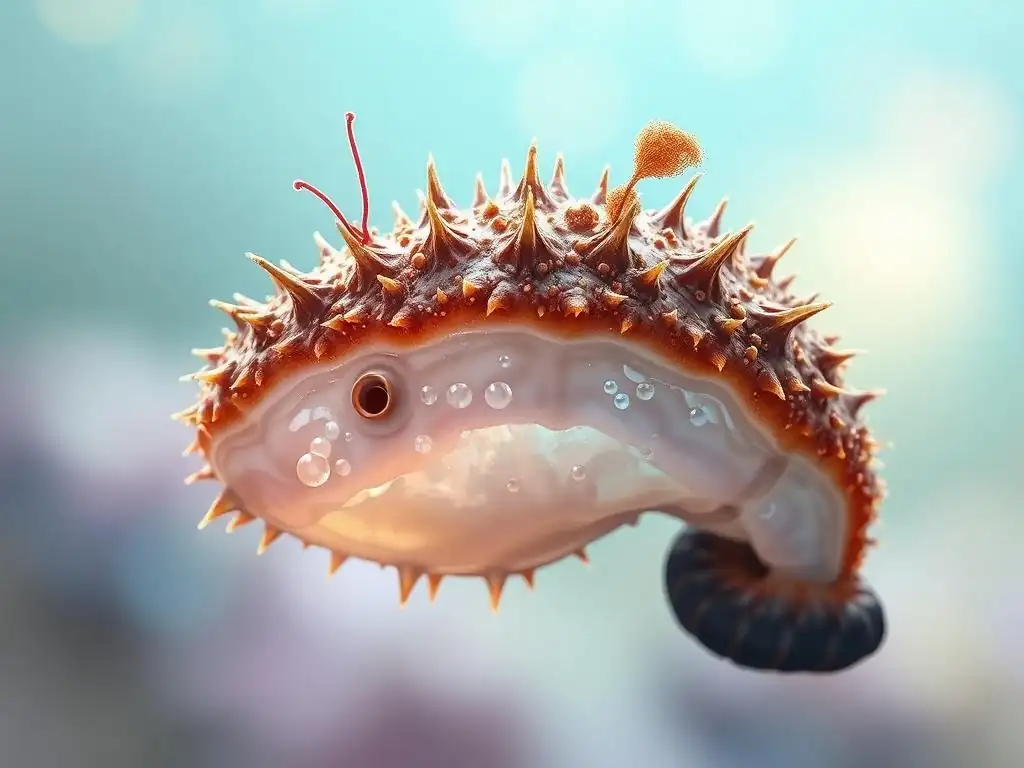
Selecting a healthy sea cucumber is paramount for successful marine sea cucumber care. When examining a specimen at a local fish store or online, observe its overall appearance and behavior. A healthy sea cucumber should appear plump, firm, and fully extended, not shriveled or deflated. Look for an intact body without any visible lesions, tears, or signs of disintegration. Its coloration should be vibrant and typical for the species, without unusual paleness or dark spots.
Observe its movement: a healthy sea cucumber should be slowly but steadily moving across the substrate or attached to a surface. Avoid any specimen that is completely motionless, curled up tightly, or appears to be "melting." Pay attention to its feeding tentacles; they should be active and extended if it's a feeding type. Inquire about its origin and how long it has been at the store. Specimens that have been stable for a few days are generally a safer choice, reducing the initial stress on the animal.
Acclimation Process for New Sea Cucumbers
The acclimation process for new sea cucumbers is critical due to their extreme sensitivity to changes in salinity, temperature, and pH. A slow drip acclimation method is highly recommended to minimize stress. Begin by floating the bag in your sump or tank for 15-20 minutes to equalize temperature. Then, carefully open the bag and secure it in a container larger than the bag itself, ensuring the sea cucumber remains submerged in its original water.
Using airline tubing, start a slow drip from your display tank into the container. A drip rate of approximately 1-2 drops per second over a period of 1 to 2 hours is ideal, slowly mixing your tank water with the bag water. The goal is to gradually equalize the water parameters.
Once the volume of water in the container has roughly quadrupled, gently scoop the sea cucumber out with your hand (avoiding nets, which can damage their delicate skin) and place it directly into your aquarium. Discard the acclimation water, as it may contain ammonia or other undesirable substances. This careful process is a cornerstone of responsible marine sea cucumber care.
Optimal Water Parameters for Sea Cucumber Health
Maintaining stable and optimal water parameters is the most crucial aspect of long-term marine sea cucumber care. These invertebrates are highly susceptible to fluctuations and poor water quality. Consistent monitoring and immediate correction of any deviations are essential for their survival and well-being.
Maintaining Proper Salinity for Sea Cucumbers
Salinity is perhaps the most critical water parameter for sea cucumbers. They are extremely sensitive to rapid changes. The ideal specific gravity range for most aquarium-suitable sea cucumbers is between 1.023 and 1.026, or a salinity of 33-35 parts per thousand (ppt). Fluctuations of even 0.002-0.003 in specific gravity within a short period can cause severe stress and lead to the release of toxins or evisceration.
It is vital to use a reliable refractometer or a high-quality hydrometer for accurate salinity measurements. Regular top-offs with fresh, RO/DI water are necessary to compensate for evaporation and prevent salinity creep. When performing water changes, ensure the new saltwater precisely matches the salinity of the display tank to avoid shocking the sea cucumber.
Temperature Requirements for Sea Cucumber Wellbeing
Sea cucumbers thrive within a stable temperature range, typically between 72°F and 78°F (22°C to 26°C). While they can tolerate slight deviations, sudden or prolonged exposure to temperatures outside this range can be detrimental. High temperatures can increase their metabolic rate, leading to stress, while excessively low temperatures can cause sluggishness and compromise their immune system.
Maintaining a consistent temperature is more important than hitting a precise number within the acceptable range. Use a reliable aquarium heater with a thermostat and consider a separate thermometer for verification. Avoid placing the tank in areas prone to large temperature swings, such as near windows or air conditioning vents, to ensure optimal conditions for marine sea cucumber care.
Importance of Water Chemistry: Nitrate and Phosphate Levels
While sea cucumbers are detritivores, they are highly sensitive to elevated levels of nitrates and phosphates, which are byproducts of organic decomposition. Ideally, nitrate levels should be kept below 10 ppm, and phosphates should be virtually undetectable, ideally below 0.03 ppm. High levels of these nutrients can stress sea cucumbers, making them more susceptible to disease and potentially triggering stress responses like evisceration.
Regular water changes (e.g., 10-20% weekly or bi-weekly), efficient protein skimming, and the use of phosphate-removing media are effective strategies to keep these parameters in check. Avoiding overfeeding and ensuring adequate biological filtration also contribute significantly to maintaining pristine water quality. Consistent water testing is crucial to monitor these parameters and ensure the long-term health and success of marine sea cucumber care.
Feeding Your Sea Cucumber: Supplementation and Considerations
Natural Food Sources vs. Supplemental Feeding
For most sand-sifting sea cucumbers, their primary diet in an established marine aquarium consists of the detritus, micro-organisms, and microscopic algae naturally present in the sand bed. They are highly efficient at processing this organic material, often eliminating the need for direct supplemental feeding. A well-established tank with a mature sand bed (at least 6 months old) and a moderate bioload usually provides sufficient natural food sources for these species.
However, in newer tanks, very clean systems with minimal detritus, or tanks with a high concentration of other detritivores, supplemental feeding might become necessary. Filter-feeding sea cucumbers, which extract particles from the water column, will almost certainly require regular supplemental feeding of liquid or powdered foods unless the tank is exceptionally rich in plankton. Observing the sea cucumber's plumpness and activity levels can indicate whether it's receiving adequate nutrition.
Choosing the Right Food for Your Sea Cucumber Species
When supplemental feeding is required, choosing the right food type is crucial for effective marine sea cucumber care. For sand-ssifting species, fine-particle foods designed for invertebrates or detritivores can be broadcast over the sand bed. These often include powdered spirulina, finely crushed marine pellets, or specialized invertebrate foods. Some hobbyists even use marine snow or phytoplankton solutions, though these are more directly beneficial for filter-feeding species.
Filter-feeding sea cucumbers, such as the colorful Flower Anemone Sea Cucumber (Pseudocolochirus violaceus), require regular doses of liquid phytoplankton, zooplankton, or other suspended particulate foods. These should be dosed directly into the water column, preferably in a low-flow area or with pumps temporarily off, to allow the sea cucumber to capture the particles. Always research the specific dietary needs of your chosen sea cucumber species to ensure proper nourishment.
Avoiding Overfeeding and Water Quality Issues
While supplemental feeding can be beneficial, avoiding overfeeding is paramount to prevent water quality issues. Sea cucumbers process organic matter, but excessive amounts of uneaten supplemental food will quickly break down, leading to spikes in nitrates, phosphates, and potentially ammonia. These elevated nutrient levels are detrimental to all aquarium inhabitants, especially sensitive invertebrates like sea cucumbers themselves.
Feed sparingly, perhaps once or twice a week, and only if the sea cucumber appears thin or inactive. Observe how quickly the food is consumed and adjust quantities accordingly. A general guideline is to feed only what can be consumed within a few minutes. Regular water testing, as part of your marine sea cucumber care routine, will help you gauge the impact of feeding and allow you to make necessary adjustments to maintain pristine water parameters.
Compatible Tank Mates for Sea Cucumbers
Fish Species That Are Safe with Sea Cucumbers
When considering tank mates for sea cucumbers, the primary concern is to avoid any fish species that are predatory or aggressive. Peaceful, community-oriented fish are generally safe companions. Good examples include most species of clownfish (e.g., Ocellaris or Percula clownfish), various gobies (like watchman gobies or pistol shrimp gobies), and blennies (such as Lawnmower or Tailspot blennies). Small, non-aggressive wrasses, like certain fairy wrasse species, can also coexist peacefully.
It is crucial to research the adult size and temperament of any fish before introducing it to a tank with sea cucumbers. Fish that are known to nip at sessile invertebrates or have a diet that includes echinoderms should be strictly avoided. Maintaining a calm and non-threatening environment is a key component of successful marine sea cucumber care.
Invertebrates That Complement Sea Cucumbers
Many other marine invertebrates can make excellent tank mates for sea cucumbers, often complementing their clean-up efforts. Various species of snails, such as turbo snails, Nassarius snails, and cerith snails, are highly beneficial as they graze on algae and detritus on surfaces and within the sand bed, respectively. Hermit crabs (e.g., blue leg or scarlet reef hermits) can also be good additions, provided they are not overly aggressive or prone to bothering the sea cucumber.
Cleaner shrimp, such as Lysmata amboinensis (Pacific Cleaner Shrimp), are also generally safe and beneficial tank mates, offering cleaning services to fish without posing a threat to sea cucumbers. When selecting invertebrate companions, ensure they do not have a reputation for preying on or harassing other slow-moving bottom dwellers, which is vital for comprehensive marine sea cucumber care.
Avoiding Predatory Tank Mates
Avoiding predatory tank mates is perhaps the most critical consideration for the safety of your sea cucumber. Many fish species are known predators of echinoderms and will actively hunt or pick at sea cucumbers, often leading to their demise. Prime examples of fish to avoid include triggerfish, puffers (e.g., Dogface Puffer), large wrasses (like Lunar Wrasses or Coris Wrasses), and certain angelfish species that might nip at their tentacles or bodies.
Additionally, some larger, more aggressive crab species, particularly those not typically found in standard clean-up crews, can pose a significant threat. These include Sally Lightfoot Crabs or decorator crabs if they are not well-fed or are particularly opportunistic. Thorough research into the compatibility of any potential tank mate is essential to prevent harm to your sea cucumber and ensure effective marine sea cucumber care.
Common Sea Cucumber Health Issues and Prevention
Recognizing Signs of Stress in Sea Cucumbers
Recognizing signs of stress early is crucial for effective marine sea cucumber care. A stressed sea cucumber may exhibit several alarming behaviors. One common sign is shrinking or deflating, where the animal appears significantly smaller and loses its turgid, plump appearance. Excessive mucus production, often a thick, slimy coating, is another strong indicator of distress or irritation.
Perhaps the most dramatic sign of severe stress is "evisceration," where the sea cucumber expels its internal organs (digestive tract, respiratory trees, and gonads) through its anus or mouth. While some species can regenerate these organs in nature, evisceration in an aquarium setting is almost always a precursor to death and can release harmful toxins into the water. Other signs include lack of movement, staying hidden for prolonged periods, or unusual changes in coloration. Immediate investigation of water parameters and potential irritants is warranted upon observing any of these symptoms.
Addressing Potential Diseases and Infections
Specific diseases and infections in sea cucumbers within a home aquarium are not as well-documented or easily treatable as those in fish. Their delicate nature and sensitivity to medications make direct treatment challenging. Therefore, the best approach to addressing potential health issues is preventative: maintaining pristine water quality and stable parameters.
If a sea cucumber shows signs of illness, the first step is to thoroughly test all water parameters (salinity, temperature, pH, ammonia, nitrite, nitrate, phosphate) to identify any deviations. Correcting these issues gradually is paramount. If water quality is perfect, consider potential irritants like aggressive tank mates or sudden changes in lighting or flow. Isolation in a separate, sterile quarantine tank with ideal conditions may offer a chance for recovery, but medication is rarely an option due to the risk of further stress and potential harm.
Preventing Common Problems Through Proper Care
The most effective strategy for preventing common problems and ensuring long-term health in marine sea cucumber care is consistent, proper husbandry. This primarily involves maintaining stable and optimal water parameters: salinity between 1.023-1.026, temperature between 72-78°F (22-26°C), and undetectable ammonia/nitrite with low nitrates (<10 ppm) and phosphates (<0.03 ppm). Regular water changes (10-20% weekly or bi-weekly) are essential for nutrient export and replenishment of trace elements.
Providing an appropriately sized tank with a deep, mature sand bed (at least 3-4 inches) ensures they have adequate substrate for their natural behaviors and food sources. Avoiding sudden changes in lighting, flow, or water parameters is crucial. Lastly, selecting compatible tank mates and absolutely avoiding any predatory species will prevent physical harm and stress. By focusing on these preventative measures, hobbyists can significantly reduce the likelihood of health issues and enjoy their sea cucumbers for many years.
Types of Sea Cucumbers Suitable for Aquariums
Tiger Tail Sea Cucumber (Holothuria hilla) Care
The Tiger Tail Sea Cucumber (Holothuria hilla) is one of the most popular and relatively hardy sea cucumbers for marine aquariums, making its care a common topic in marine sea cucumber care guides. It is characterized by its elongated, cylindrical body, typically brown or tan with darker bands, resembling a tiger's tail. These detritivores can grow quite large, often reaching 10-15 inches in length in captivity, though they are usually smaller when purchased.
Tiger Tails are active sand sifters, constantly burrowing through the substrate to consume detritus and micro-organisms. Therefore, a deep, fine sand bed of at least 3-4 inches is essential for their well-being. They require a well-established tank (at least 6 months old) with ample detritus to sustain them, as supplemental feeding is rarely necessary. They are generally peaceful and compatible with most reef-safe fish and invertebrates. However, like all sea cucumbers, they are sensitive to sudden parameter changes and should be drip acclimated carefully.
Black Sea Cucumber (Holothuria atra) Care
The Black Sea Cucumber (Holothuria atra) is another robust and commonly available species, known for its uniform dark brown to black coloration and often reaching an impressive size of up to 20 inches, sometimes even longer, making tank size an important consideration for its marine sea cucumber care. They are primarily found in sandy or rubble areas in the wild and exhibit similar behavior in the aquarium.
Like the Tiger Tail, the Black Sea Cucumber is a voracious sand sifter, making it an excellent addition to tanks needing substrate aeration and detritus removal. A deep sand bed (at least 4-6 inches) is crucial to accommodate their size and burrowing habits. While generally hardy, their large size means they process a significant amount of sand, potentially stirring up fine particles. They are also known to release holothurin toxin if severely stressed or dying, necessitating prompt removal if signs of distress appear.
Pink Cucumber (Holothuria edulis) Care
The Pink Cucumber (Holothuria edulis) is a less common but equally beneficial species, recognized by its often pinkish-brown to reddish-brown coloration, sometimes with lighter spots. These sea cucumbers typically grow to a more manageable size of 6-10 inches, making them suitable for a wider range of tank sizes compared to their larger cousins, simplifying aspects of their marine sea cucumber care.
Holothuria edulis is also a sand-sifting detritivore, thriving in tanks with a substantial, mature sand bed where they can continuously graze on organic debris. Their activity helps prevent anaerobic spots and promotes a healthy substrate. They share the same sensitivities to water quality fluctuations as other sea cucumbers and require a slow, careful acclimation process. Ensuring a consistent supply of detritus is key to their long-term health, as they rarely accept supplemental foods.
Leopard Sea Cucumber (Bohadschia argus) Care
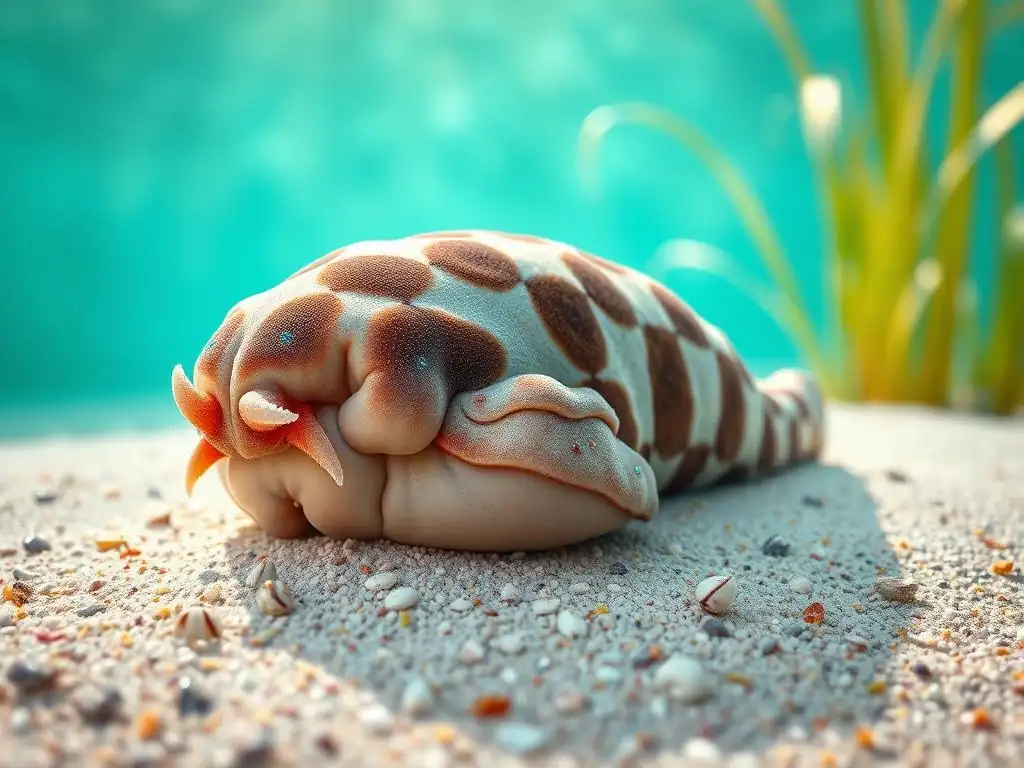
The Leopard Sea Cucumber (Bohadschia argus), also known as the "Leopard Spot" or "Spotted Sea Cucumber," is a visually striking species characterized by its mottled brown and white or yellowish coloration with distinctive dark spots. This species can grow quite large, often reaching 18-24 inches in length, demanding a very spacious tank (100 gallons or more) for proper marine sea cucumber care.
Bohadschia argus is a deposit feeder, but unlike some other sand sifters, it tends to graze more on the surface of the sand bed rather than burrowing extensively. They are known for their ability to eviscerate easily when stressed, releasing toxins that can be harmful to other tank inhabitants. Due to their large size, potential for toxin release, and sometimes more specialized dietary needs (some may prefer larger detritus particles), the Leopard Sea Cucumber is generally recommended for experienced aquarists who can provide a stable, large environment and are prepared for its specific considerations.
The Benefits of Sea Cucumbers in Reef Tanks
Sea Cucumbers as Natural Algae Control
Sea cucumbers, particularly the sand-sifting varieties, contribute significantly to natural algae control in reef tanks. While they don't directly graze on film algae on glass or rockwork like snails, their continuous processing of the sand bed removes the underlying cause of many nuisance algae outbreaks: accumulated organic detritus. This detritus acts as a nutrient source (nitrates, phosphates) for various types of algae, including diatoms, cyanobacteria, and hair algae.
By consuming this organic waste and the microscopic organisms that feed on it, sea cucumbers effectively reduce the available nutrients in the water column and substrate. This nutrient export mechanism helps to starve out nuisance algae, preventing their proliferation and maintaining clearer water. Their role in nutrient reduction is a passive yet powerful form of algae management, making them an excellent addition to a balanced reef ecosystem and a key aspect of comprehensive marine sea cucumber care.
Detritus Removal and Nutrient Cycling
The primary and most significant benefit of sea cucumbers in reef tanks is their unparalleled ability to remove detritus and facilitate nutrient cycling. As deposit feeders, they consume vast amounts of sand, digesting the organic particles, uneaten food, and fish waste embedded within it. This constant consumption directly removes potential sources of pollution from the system.
Their digestive process converts complex organic compounds into simpler, more manageable forms, which are then excreted. This action aids in the breakdown of waste and prevents the buildup of harmful compounds like ammonia and nitrite. By continuously processing the substrate, they contribute to a more efficient nitrogen cycle, where beneficial bacteria can convert waste into less harmful nitrates, which are then exported through water changes. This diligent detritus removal is a cornerstone of maintaining a healthy, stable reef environment and is central to effective marine sea cucumber care.
Promoting a Healthy Substrate
Beyond just cleaning, sea cucumbers actively promote a healthy substrate in reef tanks. Their continuous burrowing and sifting activities effectively aerate the sand bed. This mechanical action prevents the compaction of the substrate and, more importantly, inhibits the formation of anaerobic (oxygen-deprived) pockets. Anaerobic zones can lead to the production of toxic hydrogen sulfide gas, which is highly detrimental to all tank inhabitants, including fish and corals.
By ensuring the sand bed remains oxygenated, sea cucumbers foster a thriving environment for beneficial aerobic bacteria. These bacteria are crucial for the nitrification process, converting ammonia and nitrite into nitrate. A healthy, aerated substrate also supports a diverse microfauna, which further contributes to the overall biological filtration of the aquarium. This constant cultivation of the sand bed by sea cucumbers is an invaluable, often unseen, benefit to the long-term stability and health of a reef tank, making their inclusion a sophisticated element of marine sea cucumber care.
Potential Risks and Considerations of Keeping Sea Cucumbers
Toxins Released Upon Death: Prevention and Mitigation
One of the most significant risks associated with keeping certain sea cucumber species is their ability to release a potent toxin, known as holothurin, into the water column when severely stressed, injured, or, most commonly, upon death. Holothurin is a saponin-like compound that can be lethal to fish and other invertebrates, potentially wiping out an entire tank within hours. This risk is a critical consideration in marine sea cucumber care.
To mitigate this risk, it is paramount to select a healthy specimen, provide optimal water parameters, and ensure compatible tank mates to minimize stress. Crucially, regularly observe your sea cucumber for any signs of distress, such as shrinking, excessive mucus, or lack of movement. If a sea cucumber appears to be dying or has died, immediate removal from the tank is essential.
Using a large net or gloved hand to gently scoop it out, taking care not to rupture its body, can prevent toxin release. Running activated carbon and performing a large water change (e.g., 50%) immediately after removal can help absorb any released toxins and dilute their concentration.
Sea Cucumber Size and Tank Space Requirements
While some sea cucumbers remain relatively small, many species commonly available for aquariums can grow surprisingly large, necessitating careful consideration of tank space in marine sea cucumber care. For example, a Tiger Tail Sea Cucumber (Holothuria hilla) can reach 15 inches, and a Black Sea Cucumber (Holothuria atra) can exceed 20 inches in length. A Leopard Sea Cucumber (Bohadschia argus) might even reach 24 inches.
Housing these larger species requires a substantial aquarium, typically 50 gallons or more for smaller varieties like the Pink Cucumber, and 100-gallon tanks or larger for species like the Black or Leopard Sea Cucumber. Providing adequate space is not just about length; it's also about ensuring a deep, extensive sand bed for burrowing and foraging, which is critical for their health and function as detritivores. Overcrowding can lead to stress, reduced feeding efficiency, and increased competition for resources, ultimately jeopardizing their well-being.
Sand Sifting Species and Substrate Disturbance
Many of the beneficial sea cucumber species are prolific sand sifters, constantly burrowing through and processing the substrate. While this activity is highly beneficial for aeration and detritus removal, it can also lead to significant substrate disturbance. In a reef tank, this constant sifting can sometimes kick up fine particulate matter, leading to temporary cloudiness in the water. This is usually harmless but can be aesthetically unappealing.
More importantly, active sand sifters can potentially dislodge or bury small corals, particularly those placed directly on the sand bed or those with delicate bases. Soft corals and LPS corals are generally more tolerant, but small SPS frags or newly settled corals can be at risk. To minimize this issue, ensure corals are securely attached to rockwork or elevated off the sand bed. A coarser sand grain size (e.g., 1-3 mm) can also help reduce fine particle suspension. Understanding and managing this aspect is part of comprehensive marine sea cucumber care.
Sea Cucumber Reproduction
Asexual Reproduction: Fission
While sexual reproduction involving the release of gametes into the water column is common in the wild, asexual reproduction through fission is the most likely form of reproduction observed, albeit rarely, in home aquariums for certain sea cucumber species. Fission involves the sea cucumber spontaneously dividing itself into two or more pieces, typically by constricting its body until it splits. Each piece then regenerates into a complete, new individual.
This process is usually a response to extreme stress or, conversely, a sign of exceptionally ideal environmental conditions and abundant food resources. For example, some Holothuria species have been known to undergo fission. While fascinating, it is not a common occurrence in hobbyist tanks. If fission does occur, ensure continued stable water parameters and abundant food to support the regeneration process, which can take several months. This unique reproductive strategy highlights another intriguing aspect of marine sea cucumber care.
Conclusion: Mastering Sea Cucumber Care for a Thriving Aquarium
The Importance of Research and Observation
Mastering marine sea cucumber care hinges fundamentally on two critical principles: thorough research and diligent observation. Before introducing any sea cucumber, extensive research into the specific species' needs—its adult size, dietary preferences, habitat requirements, and potential for toxin release—is paramount. Understanding these nuances allows aquarists to select a species that is truly compatible with their tank's size, maturity, and existing inhabitants, preventing foreseeable issues.
Once introduced, continuous and diligent observation becomes the cornerstone of their well-being. Watching for signs of stress, changes in behavior, or alterations in appearance can provide early warnings of impending problems. Promptly addressing any deviations in water parameters or potential irritants based on these observations can often prevent severe health issues and ensure the sea cucumber thrives as a long-term, beneficial inhabitant of the aquarium.
Creating a Balanced and Healthy Ecosystem for Your Sea Cucumbers
Ultimately, the goal of marine sea cucumber care is to create a balanced and healthy ecosystem where these unique invertebrates can flourish. This involves more than just meeting their individual needs; it's about fostering an environment where they can effectively contribute to the overall health of the tank. By providing stable, pristine water parameters, a deep and mature sand bed rich in detritus, and peaceful, compatible tank mates, aquarists empower sea cucumbers to perform their natural roles as efficient detritus vacuums and substrate aerators.
Their inclusion represents a commitment to biological diversity and natural tank maintenance, reducing the reliance on mechanical solutions for waste management. A thriving sea cucumber population signifies a robust, well-established marine system, reflecting the aquarist's dedication to creating a truly self-sustaining and beautiful underwater world.
Frequently Asked Questions
What are the primary benefits of keeping sea cucumbers in a marine aquarium?
Sea cucumbers are excellent detritivores, meaning they consume decaying organic matter. This helps to reduce waste and maintain a cleaner substrate. They can also contribute to nutrient cycling within the tank.
Are all sea cucumbers suitable for reef aquariums?
No, some sea cucumber species can be toxic if stressed or injured. Others may grow too large or disturb corals. Research specific species before introduction to a reef tank.
What are the ideal water parameters for sea cucumbers?
Sea cucumbers generally require stable water conditions similar to other invertebrates. Maintain proper salinity, temperature, and low nitrate levels. Avoid sudden changes to prevent stress.
What should I feed my sea cucumber in a marine aquarium?
Most sea cucumbers will graze on detritus and algae found within the tank. Supplement their diet with sinking pellets or specialized invertebrate food if necessary. Ensure they are getting enough food to avoid starvation.
What are some common health issues that affect sea cucumbers?
Sea cucumbers are sensitive to copper-based medications and sudden changes in water parameters. Look out for signs of tissue disintegration or lack of movement, which can indicate illness. Quarantine and treat affected individuals promptly.
Final Reflection: The Unsung Heroes of Our Reefs
The journey through understanding sea cucumbers reveals more than just fascinating biology; it highlights their critical role in maintaining healthy marine ecosystems. Their unassuming existence as detritus feeders directly impacts water quality and nutrient cycling, making them essential players in the delicate balance of reef environments, a fact that becomes increasingly important as our oceans face unprecedented challenges.
The impact of these "detritus vacuums" extends beyond scientific understanding; it touches upon our responsibility as stewards of the ocean. Recognizing the importance of responsible marine sea cucumber care, whether in a home aquarium or in the wild, is a tangible way to contribute to conservation efforts. In the end, we will conserve only what we love; we will love only what we understand; and we will understand only what we are taught.
- Baba Dioum. This quote underscores the power of knowledge in fostering a deeper connection to, and ultimately, a greater commitment to protecting these often-overlooked creatures.
As you consider the information shared within this article, I invite you to reflect on your own connection to the marine world. How can you, in your own life, contribute to the well-being of these vital organisms and the ecosystems they support? Whether it's through informed purchasing decisions, advocating for sustainable practices, or simply spreading awareness, remember that every action, no matter how small, can ripple outwards, creating a wave of positive change for the future of our oceans and the amazing sea cucumbers that call them home.
Dive Deeper: Transform Your Aquarium Today!
Thanks for exploring the fascinating world of sea cucumbers with us! We hope you’ve discovered how vital these incredible creatures are to a healthy marine ecosystem. Now, it’s time to put that knowledge into action.
Here are some ways you can get involved:
- Critically evaluate the ecological impact of any new additions to your home aquarium – ensuring you're promoting a balanced and sustainable environment.
- Share this article with fellow aquarium enthusiasts and spread awareness about the importance of detritivores like sea cucumbers.
- Research local marine conservation efforts and consider volunteering or donating to support the health of our oceans.
What small change will you make this week to ensure your aquarium is as balanced and sustainable as possible?