
Selective Breeding Caridina: Achieving High Grades and Desirable New Patterns

Welcome to Aquarium Mastery!
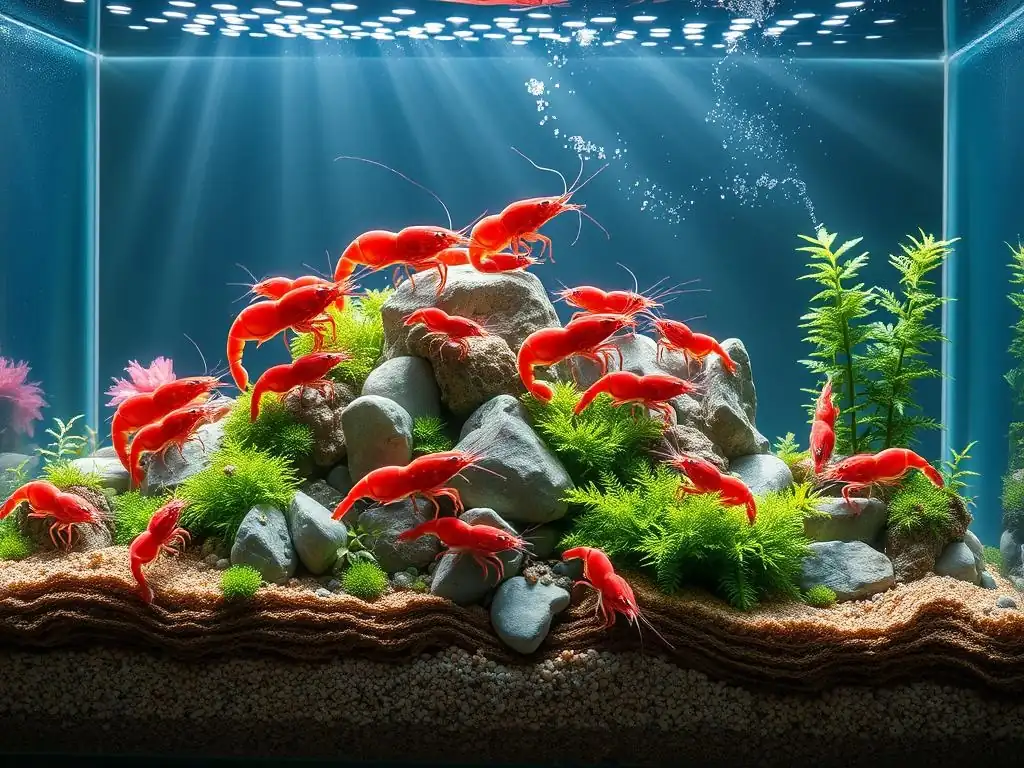
Ever wondered how aquarists achieve those stunning, high-grade Caridina shrimp with vibrant colors and intricate patterns? Dive into the fascinating world of Caridina selective breeding patterns and unlock the secrets to creating your own aquarium masterpieces. Prepare to be amazed as we explore proven techniques and best practices for achieving desirable traits in your shrimp. Let's get started and see what wonders you can create!
- Selective Breeding Caridina: Achieving High Grades and Desirable Patterns
- Understanding Caridina Shrimp Genetics for Selective Breeding
- Setting Up a Selective Breeding Program for Caridina Shrimp
- Caridina Selective Breeding Techniques: A Step-by-Step Guide
- Achieving High Grades in Caridina Shrimp through Selective Breeding
- Developing New and Desirable Caridina Shrimp Patterns
- Maintaining Genetic Diversity in Caridina Selective Breeding Programs
- Common Challenges and Troubleshooting in Caridina Selective Breeding
- Advanced Techniques for Caridina Selective Breeding
- Documenting Your Caridina Selective Breeding Journey
- The Future of Caridina Selective Breeding: What's Next?
-
Frequently Asked Questions
- How does selective breeding apply to Caridina shrimp?
- What are some common Caridina selective breeding patterns?
- What factors are most crucial for successful Caridina selective breeding?
- How long does it typically take to see results from Caridina selective breeding?
- What are some ethical considerations when selectively breeding Caridina?
- Final Reflection: The Art of Caridina Creation
- Ignite Your Shrimp Keeping Passion: Breed a Masterpiece!
Selective Breeding Caridina: Achieving High Grades and Desirable Patterns
Understanding Caridina Shrimp Genetics for Selective Breeding
Basics of Caridina Genetics and Inheritance
Understanding the fundamental principles of genetics is crucial for any successful Caridina selective breeding program. Traits such as color, pattern, and even shell opacity are passed down from parent to offspring through genes, following Mendelian inheritance patterns. Some traits may be dominant, meaning only one copy of the gene is needed for the trait to express, while others are recessive, requiring two copies.
For instance, the red coloration in Crystal Red Shrimp (CRS) is often dominant or co-dominant over wild-type coloration, while the white bands are typically a recessive trait that breeders have painstakingly selected for. Many desired Caridina selective breeding patterns are polygenic, meaning they are influenced by multiple genes acting in concert, making their inheritance more complex than simple dominant/recessive traits.
When planning to refine Caridina selective breeding patterns, breeders must consider homozygous and heterozygous gene states. A homozygous individual carries two identical copies of a gene for a specific trait, ensuring that trait is consistently passed on. A heterozygous individual carries two different copies, which can lead to more varied offspring.
For example, a shrimp homozygous for opaque white bands will consistently produce offspring with opaque white bands when bred with another shrimp carrying the same genes, whereas a heterozygous parent might produce some offspring with lesser quality patterns. This understanding guides pairing decisions to achieve predictable and high-quality results in successive generations.
Identifying Desirable Traits in Caridina Shrimp (e.g., Intense Color, Distinct Pattern)
Identifying desirable traits is the cornerstone of effective Caridina selective breeding. For Crystal Red Shrimp (CRS), these traits include intense, opaque red and white coloration, crisp and well-defined pattern edges, and a solid, healthy body shape. A high-grade CRS, such as an SSS grade, typically exhibits 90% or more opaque white coverage with vibrant, uniform red, minimal translucency, and no "bleeding" of colors where red encroaches on white areas. Similarly, for Black King Kongs, a desirable trait is a deep, solid black body with minimal or no white, contrasting sharply with any white markings if present.
Beyond color intensity and pattern definition, other traits contribute to overall quality. These include the opacity of the shell, which should be solid and not translucent, and the overall vigor and size of the shrimp. A healthy adult Caridina shrimp often reaches 1.0 to 1.2 inches (2.5 to 3.0 cm) in length, displaying robust movement and a clean exoskeleton.
Breeders meticulously observe these characteristics in their shrimp, often using magnifying glasses or macro lenses to discern subtle variations in Caridina selective breeding patterns and quality that might not be visible to the naked eye. Selecting only the best individuals for breeding significantly accelerates progress towards achieving higher grades and desired aesthetics.
Genetic Mutations and New Pattern Development in Caridina
Genetic mutations are the accidental, yet often pivotal, drivers behind the development of new colors and patterns in Caridina shrimp. These spontaneous changes in a shrimp's DNA can lead to entirely novel phenotypes that differ significantly from the parent stock. For instance, the popular Black King Kong shrimp is believed to have originated from a mutation within Crystal Black Shrimp (CBS) lines, exhibiting a deeper, more solid black. Similarly, the striking blue coloration of Blue Bolt shrimp emerged from crosses involving King Kong or Panda shrimp, where a recessive gene or combination of genes expressed an unexpected blue hue.
When a breeder observes a shrimp with a unique or unprecedented pattern or color, it often signals a new mutation. The next crucial step is to isolate this individual and attempt to breed it, often back to its parents or siblings, to determine if the trait is heritable and to establish a stable line.
This process can take multiple generations, sometimes 5 to 10 or even more, to ensure that the new Caridina selective breeding patterns consistently appear in offspring. This diligent process of identification, isolation, and stabilization is how many of the diverse and sought-after Caridina varieties available today have been brought into existence, demonstrating the dynamic nature of shrimp genetics.
Setting Up a Selective Breeding Program for Caridina Shrimp
Choosing the Right Caridina Species for Selective Breeding (Crystal Red Shrimp)
Selecting the appropriate Caridina species is the foundational step for any selective breeding program. The Crystal Red Shrimp (CRS), Caridina cantonensis, is an excellent choice for both novice and experienced breeders due to its established grading system, clear genetic traits, and widespread popularity. CRS breeding allows for a focus on enhancing specific Caridina selective breeding patterns such as the intensity of red and white coloration, the crispness of banding, and the opacity of the shell. Their relatively stable genetics, compared to more complex patterns like Pintos, make them a manageable starting point for understanding selective breeding principles.
Other popular species for selective breeding include Crystal Black Shrimp (CBS), which share similar genetic principles with CRS but focus on black and white patterns, and various Tiger shrimp species known for their striped patterns. Each species presents its own unique challenges and rewards. For example, while CRS are well-understood, breeding the newer, more intricate patterns like Galaxy Fishbone Pintos requires a deeper understanding of polygenic inheritance and can take considerably longer to stabilize. Therefore, starting with a well-documented species like CRS allows a breeder to build confidence and expertise before tackling more advanced Caridina selective breeding patterns.
Creating Separate Breeding Tanks for Caridina Shrimp
The establishment of separate breeding tanks is absolutely essential for a controlled Caridina selective breeding program. This isolation prevents unwanted crossbreeding between different lines or grades, ensuring that the genetic integrity of your selected breeding pairs is maintained.
For Caridina, a 5- to 10-gallon tank is often sufficient for a small breeding group of 5-10 individuals. Each tank should be set up with a sponge filter, which provides gentle filtration and a surface for biofilm growth, and an inert substrate, or preferably a buffering substrate like ADA Amazonia or similar, which helps maintain the low pH required by many Caridina species.
Beyond preventing unintended genetic mixing, separate tanks allow for precise monitoring of offspring. A breeder can accurately track which parents produced which fry, enabling informed decisions about future pairings and culling. This level of control is vital for refining Caridina selective breeding patterns because it allows for the clear identification of the genetic contributions of each parent. Without separate tanks, it becomes nearly impossible to isolate and propagate specific desired traits, as the gene pool would be diluted by random breeding, hindering progress towards high-grade shrimp.
Water Parameter Optimization for Caridina Breeding (TDS, pH, Temperature)
Optimizing water parameters is paramount for successful Caridina breeding and the vibrant expression of Caridina selective breeding patterns. Most popular Caridina species, such as Crystal Red Shrimp (CRS), thrive in soft, acidic water. Ideal parameters typically include a Total Dissolved Solids (TDS) range of 100-180 ppm, a pH between 5.5 and 6.5, and a stable temperature between 68-74°F (20-23°C). Achieving these specific parameters often necessitates the use of Reverse Osmosis (RO) water, which is then remineralized with specialized salts like Salty Shrimp GH+ to provide the necessary minerals without increasing carbonate hardness (KH), which can buffer pH.
Maintaining stable water parameters is even more critical than hitting exact numbers, as fluctuations can stress shrimp, reduce breeding activity, and even lead to mortality. Consistent water changes with properly remineralized water, along with regular testing using reliable kits, are key practices.
For instance, a sudden drop in pH or a spike in nitrates can cause females to drop their eggs or hinder successful molting, both of which are detrimental to a breeding program focused on achieving high-grade Caridina selective breeding patterns. Optimal and stable conditions ensure the health of the parents, the successful development of eggs, and the robust growth of fry, directly impacting the quality and consistency of the next generation's traits.
Caridina Selective Breeding Techniques: A Step-by-Step Guide
Selecting Parent Caridina Shrimp with Superior Traits (e.g., Deep Red Coloration, Clean White Bands)
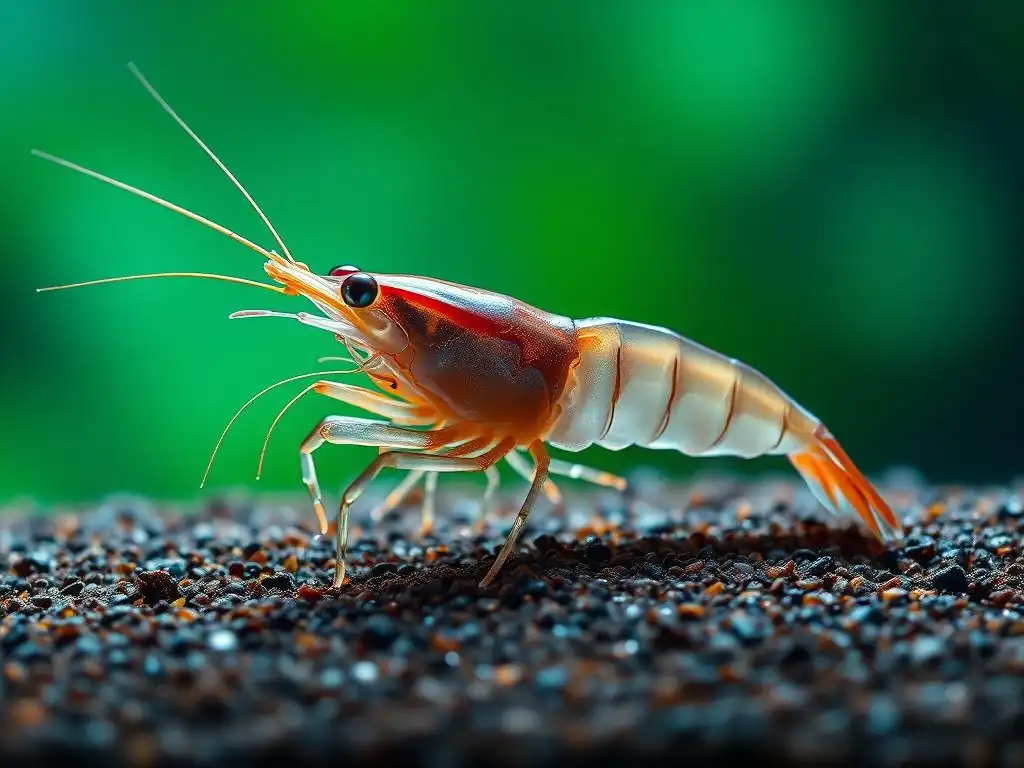
The meticulous selection of parent Caridina shrimp is the most critical step in a selective breeding program aimed at achieving superior Caridina selective breeding patterns. Breeders must visually inspect each shrimp, often using a magnifying glass, to identify individuals that exhibit the most desirable traits. For Crystal Red Shrimp (CRS), this means choosing shrimp with deep, opaque red coloration that shows no signs of fading or translucency.
The white bands should be crisp, solid, and sharply defined, without any "bleeding" of red into the white areas or vice-versa. The shell should be fully opaque, indicating good health and genetic quality.
Beyond color and pattern, breeders also assess overall body shape, size, and vigor. Healthy, robust shrimp with a good posture and active foraging behavior are preferred, as these traits indicate strong genetics and better reproductive potential.
For example, when selecting a pair for a Hinomaru pattern CRS, one would look for a perfectly round, solid red circle on the back surrounded by opaque white. Any shrimp showing signs of deformities, faded colors, or patchy patterns should be excluded from the breeding pool to prevent the propagation of undesirable genes, thereby concentrating the gene pool towards the desired Caridina selective breeding patterns.
Isolating and Mating Selected Caridina Shrimp
Once the superior parent Caridina shrimp have been identified, the next step is to carefully isolate them for mating in their dedicated breeding tank. This process involves gently netting the chosen individuals from their original tank and transferring them to the prepared breeding setup. It's crucial to minimize stress during this transfer, often by using a soft net and ensuring the new tank's water parameters closely match their previous environment. Typically, a ratio of one male to two or three females is ideal to ensure successful fertilization while avoiding over-stressing the females.
Once in the breeding tank, the selected shrimp are given time to acclimate and naturally engage in mating. Breeders then monitor the females for signs of being "berried," meaning they are carrying eggs under their pleopods (swimmerets). A healthy female typically carries between 20 to 40 eggs, depending on her size and species. Successful mating and egg development indicate that the chosen pair is compatible and the environment is conducive to breeding, laying the groundwork for the emergence of the next generation of Caridina selective breeding patterns.
Monitoring and Documenting Caridina Offspring
Continuous monitoring and meticulous documentation of Caridina offspring are indispensable for tracking progress and making informed decisions in a selective breeding program. Once the eggs hatch, typically after 25-35 days depending on temperature, the tiny fry emerge. Breeders should regularly observe the fry for their growth rate, survival rate, and, most importantly, the initial expression of desired traits. While fry may not immediately display their full coloration or pattern, early indicators can often be observed.
Detailed records should be kept for each breeding batch, including the identification of the parent shrimp, the date the female became berried, the hatch date, the estimated number of fry, and subsequent observations on their development and emerging Caridina selective breeding patterns. This data, often logged in a spreadsheet or dedicated notebook, allows breeders to identify which pairings consistently produce higher-quality offspring and which lines might be underperforming. Such systematic record-keeping is vital for understanding the heritability of traits and refining future breeding strategies.
Culling Undesirable Traits in Caridina Shrimp Lines (e.g., Faded Color, Broken Patterns)
Culling, the process of removing individuals that do not meet the desired standards, is a critical yet often challenging aspect of Caridina selective breeding. Its purpose is to prevent shrimp with undesirable traits from reproducing and passing those genes onto future generations, thereby concentrating the gene pool for the desired Caridina selective breeding patterns. For example, in a Crystal Red Shrimp line, individuals with translucent shells, faded red or white coloration, irregular or broken patterns, or any physical deformities (like bent spines) should be culled.
There are various methods for culling. Undesirable shrimp can be moved to a separate "cull tank," sold as lower-grade shrimp, or, in some cases, used as feeder shrimp for other aquatic animals. The decision to cull should be based on a clear set of criteria established at the outset of the breeding program.
While it can be difficult to remove otherwise healthy shrimp, consistent culling is absolutely necessary to make significant progress in improving grades and stabilizing new patterns. Without it, the gene pool dilutes, and the quality of the breeding line will stagnate or even decline, making it impossible to achieve high-grade Caridina selective breeding patterns.
Achieving High Grades in Caridina Shrimp through Selective Breeding
Understanding Caridina Grading Systems (SSS, SS, S, A, B, C - and specific criteria for each grade)
Understanding the established grading systems is fundamental for anyone aiming to achieve high grades in Caridina shrimp through selective breeding. While specific criteria can vary slightly between species and individual breeders, a common system for Crystal Red Shrimp (CRS) and Crystal Black Shrimp (CBS) uses grades like C, B, A, S, SS, and SSS. A C-grade shrimp typically exhibits basic coloration with significant translucency and irregular patterns. A B-grade shows better color and more opaque white, but still some imperfections. A-grade shrimp have good opaque white and red (or black) with defined, though not perfectly crisp, patterns.
Moving up the scale, an S-grade shrimp displays very good opacity, strong colors, and clean patterns, often including popular variations like the V-band or Tiger Tooth. SS-grade shrimp are characterized by excellent opacity, intense and uniform colors, and very clean, well-defined patterns such as the Hinomaru (a solid red circle on the back) or Flower Head.
The pinnacle, SSS-grade, represents near-perfect opacity, vibrant and solid colors, and extremely clean, precise patterns with no bleeding or imperfections. Achieving these higher grades for Caridina selective breeding patterns requires consistent selection over many generations, with less than 5% of a typical spawn reaching SS or SSS grades without intense selective pressure.
Improving Color Intensity in Caridina Shrimp
Improving color intensity in Caridina shrimp is primarily a genetic endeavor, requiring consistent selection of the most vibrant individuals for breeding. Over generations, by breeding only shrimp that exhibit the deepest reds, most opaque whites, or richest blacks, breeders can concentrate the genes responsible for these highly desired traits. For example, to enhance the red in Crystal Red Shrimp, one would continuously select individuals with the most saturated, fire-engine red hues, culling any that show orange tones or fading. This process can take 3-5 generations of strict selection to show significant, measurable improvements in color vibrancy.
While genetics are paramount, environmental factors also play a supporting role in optimizing the expression of color. Providing optimal water parameters (stable pH, TDS, and temperature), a high-quality diet rich in natural pigments like astaxanthin (found in spirulina or krill-based foods), and maintaining a stress-free environment can help shrimp reach their full genetic potential.
A darker substrate can also visually enhance color intensity by providing a contrasting background. However, it's crucial to remember that a genetically inferior shrimp will not become high-grade simply through diet; genetics dictate the potential, while environment allows that potential to be fully realized in Caridina selective breeding patterns.
Enhancing Pattern Definition in Caridina Shrimp
Enhancing pattern definition in Caridina shrimp involves a rigorous selective breeding strategy focused on the crispness and clarity of their markings. This means consistently choosing parent shrimp that display the sharpest edges between colors, with no "bleeding" or blurring where one color merges imperfectly into another. For Crystal Red Shrimp, this could mean selecting individuals where the red and white bands are perfectly delineated, aiming for patterns like the "Hinomaru" (a distinct red circle on a white body) or "Mosura" (a primarily white body with a red head and tail spot), which require extremely precise boundaries.
Culling plays a vital role here; any shrimp exhibiting fuzzy, irregular, or incomplete patterns should be removed from the breeding pool. This prevents the propagation of genes that contribute to poor pattern definition. Line breeding, where individuals with the desired pattern clarity are bred back to their superior ancestors or siblings, is often employed to "fix" these genes within the line. This intensive process can span many generations, as multiple polygenic traits often contribute to the intricate Caridina selective breeding patterns. Achieving consistent, well-defined patterns across a line is a testament to persistent and meticulous breeding efforts.
Increasing Body Size and Shape in Caridina Shrimp
Increasing the body size and improving the overall shape of Caridina shrimp are important objectives in selective breeding, contributing to the robustness and aesthetic appeal of the line. Breeders aim for shrimp that are not only large but also well-proportioned, with a sturdy build and vibrant health. This involves selecting the largest and most robust individuals from each generation for breeding, ensuring they are free from any deformities or signs of stunted growth. While adult Caridina typically reach 1.0 to 1.2 inches (2.5 to 3.0 cm), consistent selection can slightly push these genetic limits, resulting in visibly larger specimens.
Beyond genetic selection, environmental factors significantly influence the realization of maximum size potential. Providing optimal and stable water parameters, a high-quality and varied diet, and avoiding overcrowding are crucial. Overcrowding can lead to competition for food and space, stunting growth and increasing stress, which negatively impacts overall development. Regular feeding of nutrient-rich foods, especially during the juvenile stages, supports rapid and healthy growth. By combining genetic selection with superior husbandry, breeders can produce Caridina shrimp that are not only beautiful in their Caridina selective breeding patterns but also impressive in their size and vitality.
Developing New and Desirable Caridina Shrimp Patterns
Breeding for Unique Color Combinations (e.g., Red and Black, Blue and White)
Breeding for unique color combinations in Caridina shrimp often involves strategic crossbreeding between different color morphs or even closely related species (with caution). This can unlock recessive genes or create novel genetic combinations that result in entirely new aesthetic possibilities.
A prime example is the development of the "Panda" and "King Kong" shrimp, which emerged from crosses between Crystal Red Shrimp (red and white) and Crystal Black Shrimp (black and white). The offspring of such crosses initially might display wild-type coloration or a mix of parental traits, but subsequent generations (F2, F3, and beyond) often reveal the desired new patterns.
The process typically involves identifying individuals that show even a hint of the new color combination in the F1 or F2 generation. These "mutant" or "variant" individuals are then isolated and bred together, or back to a parent that carries the desired genetic potential, to intensify and stabilize the new trait.
For instance, to develop a blue and white pattern like the Blue Bolt, breeders might cross a Black King Kong with a specific blue-tinted variant, then meticulously select for the bluest and whitest offspring over multiple generations. This methodical approach, often spanning years, is how entirely new Caridina selective breeding patterns and color forms are established in the hobby.
Creating New Pattern Variations through Crossbreeding
Creating new pattern variations through crossbreeding is an advanced technique that requires patience, keen observation, and a solid understanding of genetics. One of the most prominent examples is the development of "Pinto" shrimp, which feature intricate patterns like "Zebra," "Spotted Head," and "Fishbone." These patterns were initially achieved by crossing Crystal Red or Crystal Black Shrimp with certain types of Tiger shrimp, specifically Caridina mariae (formerly Caridina cf. cantonensis "Tiger"). The F1 generation from such a cross often reverts to a wild-type appearance, as the genes for the intricate patterns are typically recessive.
However, it's in the F2 and F3 generations, through careful inbreeding and selection, that the desired new Caridina selective breeding patterns begin to emerge. Breeders will identify the rare individuals that display the nascent patterns and breed them together to increase the frequency of these recessive genes.
This process is iterative and can take a considerable amount of time, often several years and numerous generations, to stabilize a new pattern so that a high percentage of offspring consistently exhibit the desired characteristics. The complexity lies in managing multiple genes responsible for both color and pattern, making it one of the most rewarding challenges in Caridina breeding.
Stabilizing New Caridina Patterns Through Line Breeding
Once a desirable new Caridina pattern emerges from crossbreeding or mutation, the crucial next step is to stabilize it through line breeding. Line breeding is a controlled form of inbreeding where individuals exhibiting the new pattern are bred back to each other or to a superior parent that carries the genetic potential for the trait.
The goal is to increase the homozygosity of the genes responsible for the novel pattern, making it consistently expressed across generations. For example, if a unique "Fishbone" pattern appears in a few offspring, those individuals would be bred together to intensify and fix the trait within their lineage.
This process involves carefully selecting the best examples of the new pattern in each successive generation and isolating them for breeding. While line breeding accelerates the fixation of desired traits, it also carries the risk of inbreeding depression if not managed carefully. Therefore, meticulous record-keeping is essential to track genetic lineages and avoid excessive inbreeding. It can take anywhere from 5 to 10 generations, or even more for complex polygenic patterns, to truly stabilize a new pattern, ensuring that 80% or more of the offspring consistently display the desired Caridina selective breeding patterns with high quality.
Maintaining Genetic Diversity in Caridina Selective Breeding Programs
Avoiding Inbreeding Depression in Caridina Shrimp
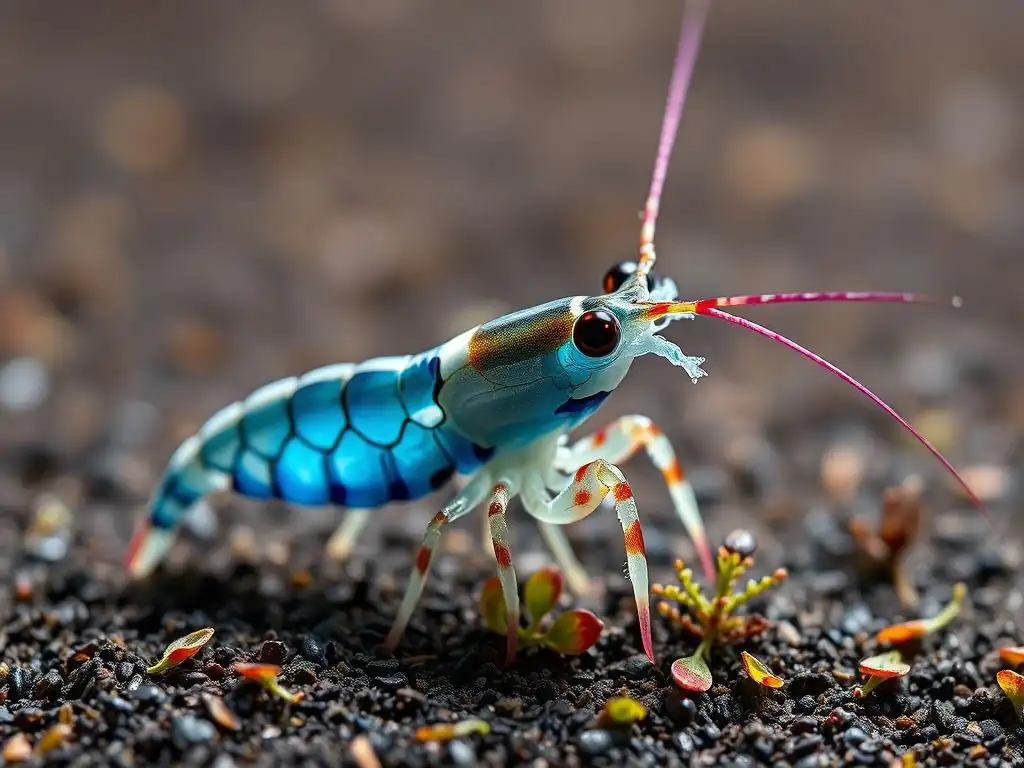
While line breeding is crucial for fixing desired Caridina selective breeding patterns and traits, prolonged and indiscriminate inbreeding can lead to a phenomenon known as inbreeding depression. This genetic bottleneck can manifest as a range of detrimental effects, including reduced fertility, smaller brood sizes, higher mortality rates among fry, weakened immune systems, and increased susceptibility to diseases. Over time, inbreeding depression can also lead to a noticeable decline in the very traits one is trying to enhance, such as faded colors, diminished pattern clarity, or smaller body size, making the entire breeding program counterproductive.
To mitigate these risks, breeders must implement strategies to maintain a healthy level of genetic diversity within their lines. After approximately 5-7 generations of strict brother-sister or parent-offspring breeding without new blood, signs of inbreeding depression may start to appear. This is a critical point where breeders should consider introducing new genetic material to rejuvenate the line, ensuring the long-term health and vitality of their Caridina population. Ignoring these signs can lead to the collapse of a meticulously developed breeding line.
Introducing New Genetic Material to Caridina Lines
Introducing new genetic material is a vital strategy to combat inbreeding depression and invigorate Caridina breeding lines. This process, often referred to as "outcrossing," involves carefully selecting unrelated individuals of the same species and desired quality from an external source and introducing them into an existing breeding line.
The goal is to infuse fresh genes into the population, which can restore vigor, improve fertility, enhance disease resistance, and potentially even strengthen the expression of desired traits. For example, if a line of Crystal Red Shrimp is showing signs of reduced clutch sizes, introducing a healthy, unrelated male or female of similar high quality can often re-energize the line.
However, outcrossing must be done judiciously. The new individual should be thoroughly quarantined to prevent the introduction of diseases and carefully evaluated to ensure it does not carry undesirable recessive genes that could compromise years of selective breeding efforts on Caridina selective breeding patterns. While outcrossing might temporarily dilute some of the fixed traits in the immediate F1 generation, the long-term benefits of improved health and genetic robustness far outweigh this short-term setback, ultimately leading to a more resilient and sustainable breeding program.
Tracking Pedigrees and Genetic Lineages
Meticulous tracking of pedigrees and genetic lineages is an indispensable practice for any serious Caridina selective breeding program. This involves creating and maintaining detailed records that document the parentage of each breeding pair, the dates of mating and hatching, the number of offspring, and observations on their quality and traits. Each tank or breeding group should be clearly labeled, and individual shrimp (especially breeding stock) can be assigned unique identifiers or codes. This systematic record-keeping allows breeders to trace back the ancestry of any given shrimp and understand the genetic contributions of specific individuals or lines.
The ability to track genetic lineages is crucial for several reasons. Firstly, it enables breeders to strategically plan pairings, avoiding accidental inbreeding by identifying closely related individuals. Secondly, it helps in identifying lines that consistently produce high-quality Caridina selective breeding patterns or, conversely, those that tend to pass on undesirable traits. Thirdly, when outcrossing is necessary, pedigree tracking allows for the selection of the most genetically distant yet high-quality new blood. Without such detailed records, a breeding program quickly becomes a haphazard endeavor, making it impossible to achieve consistent progress and long-term success.
Common Challenges and Troubleshooting in Caridina Selective Breeding
Dealing with Infertile Caridina Shrimp
Infertile Caridina shrimp can be a frustrating challenge in a selective breeding program, hindering progress on desired Caridina selective breeding patterns. Infertility can stem from several factors, including suboptimal water parameters, nutritional deficiencies, chronic stress, old age, or underlying genetic issues.
If a breeding group of 10 females consistently produces less than 5 berried females over a month, despite the presence of healthy males, it's a strong indicator of an infertility problem. The first step in troubleshooting is to meticulously check and stabilize all water parameters—TDS, pH, temperature, and GH—ensuring they are within the optimal range for the specific Caridina species being bred.
Beyond water chemistry, diet plays a significant role; a varied diet rich in essential proteins, vitamins, and minerals can boost reproductive health. Overfeeding or underfeeding can both contribute to infertility. Chronic stress, often caused by unstable water conditions, aggressive tankmates (though less common in dedicated breeding tanks), or frequent disturbances, can also suppress breeding activity. Finally, if all environmental factors are optimal and infertility persists, it might indicate genetic issues within the line, suggesting the need to introduce new, unrelated genetic material to improve fertility rates.
Addressing Genetic Defects in Caridina Shrimp (e.g., Bent Spine)
Genetic defects, such as bent spines or other deformities, occasionally appear in Caridina shrimp lines and pose a significant challenge to breeders. While some physical deformities can result from nutritional deficiencies during development or severe environmental stress, they are often a tell-tale sign of severe inbreeding depression or the propagation of undesirable recessive genes. A bent spine, for instance, is a common deformity that indicates a weakening of the genetic line, impacting not only the shrimp's health and longevity but also its aesthetic quality and value in a breeding program focused on high-grade Caridina selective breeding patterns.
When such defects are observed, the most crucial step is to immediately cull the affected individuals from the breeding pool. This prevents them from reproducing and passing on the problematic genes to future generations. Thorough record-keeping can help identify which parent pairings are more prone to producing offspring with defects, allowing breeders to adjust their breeding strategy.
To minimize the occurrence of genetic defects, maintaining genetic diversity through strategic outcrossing and avoiding overly aggressive inbreeding is paramount. A healthy gene pool is the best defense against the emergence and spread of genetic abnormalities, ensuring the overall vitality and quality of the Caridina line.
Preventing Disease Outbreaks in Caridina Breeding Tanks
Preventing disease outbreaks is paramount in Caridina selective breeding tanks, as a single outbreak can decimate an entire breeding line and set back years of progress on Caridina selective breeding patterns. The primary defense against disease is strict quarantine protocols for any new shrimp introduced to the facility. New arrivals should be isolated in a separate tank for a minimum of 2-4 weeks, allowing any latent diseases to manifest before they can infect the main breeding stock. During quarantine, observe for signs of lethargy, unusual swimming patterns, discoloration, or external parasites like Vorticella or Scutariella Japonica.
Beyond quarantine, maintaining pristine water quality and a stable environment is crucial. Overfeeding should be avoided, as uneaten food quickly decays, leading to elevated ammonia and nitrite levels, which stress shrimp and make them susceptible to opportunistic infections. Regular, small water changes with properly prepared water, along with consistent monitoring of parameters, are essential. Adequate filtration, typically sponge filters, and a clean substrate also contribute to a healthy environment. A healthy, stress-free shrimp with a strong immune system is far less likely to succumb to disease, safeguarding the investment in selective breeding.
Advanced Techniques for Caridina Selective Breeding
Using Line Breeding to Fix Desirable Traits
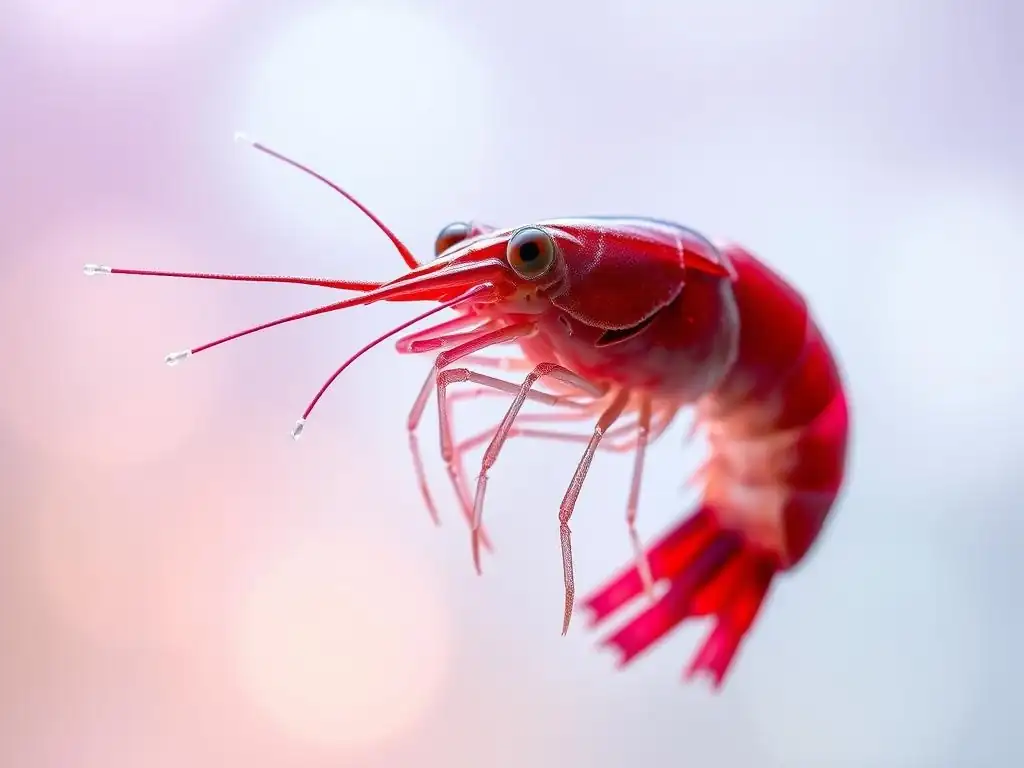
Line breeding is an advanced, yet indispensable, technique in Caridina selective breeding used to "fix" or concentrate specific desirable traits within a lineage. Unlike indiscriminate inbreeding, line breeding is a controlled process where individuals exhibiting the desired high-grade Caridina selective breeding patterns are selectively bred back to a superior ancestor (e.g., father-daughter, mother-son) or very closely related siblings.
The goal is to increase the homozygosity of the genes responsible for the desired trait, ensuring that a higher percentage of offspring consistently express that trait in subsequent generations. For example, if a male Crystal Red Shrimp consistently produces offspring with exceptionally opaque white bands, breeding his best daughters back to him can solidify this trait in the line.
This technique is particularly effective for traits controlled by multiple genes (polygenic traits), such as complex patterns or intense coloration. It allows breeders to intensify specific characteristics more rapidly than random breeding. However, line breeding requires meticulous record-keeping to track genetic relationships and prevent the inadvertent accumulation of undesirable recessive genes or the onset of inbreeding depression. While it can accelerate the development of high-grade Caridina selective breeding patterns, it must be balanced with occasional outcrossing to maintain genetic vigor.
Understanding the Role of Environment in Caridina Color Expression
While genetics primarily determine a Caridina shrimp's potential for color and pattern, environmental factors play a significant role in the expression of these traits. Suboptimal environmental conditions can lead to shrimp displaying less vibrant coloration or less defined patterns than their genetic potential allows. Key environmental factors include stable water parameters (pH, TDS, temperature), a high-quality and varied diet, and the color of the substrate. For instance, a shrimp genetically predisposed to vibrant red might appear dull if kept in unstable water or fed a poor diet lacking essential pigments.
For red and orange Caridina, a diet rich in astaxanthin, a carotenoid pigment, can enhance color intensity. Foods containing spirulina, krill, or specialized color-enhancing shrimp foods are often used. Furthermore, keeping shrimp on a dark substrate can visually make their colors appear more intense due to contrast, and it can also encourage them to "color up" more to blend with their surroundings.
Stress, caused by fluctuating parameters, overcrowding, or aggressive tankmates, can also cause shrimp to fade in color. Therefore, providing a pristine, stable, and enriched environment is crucial to ensure that the genetically selected Caridina selective breeding patterns are expressed to their fullest potential.
Understanding the Role of Epigenetics in Color Expression
Epigenetics, a relatively newer field of study in aquaculture, refers to heritable changes in gene expression that occur without altering the underlying DNA sequence. In the context of Caridina shrimp, this means that environmental factors experienced by the parents, or even early developmental stages of the offspring, can influence how certain genes are "turned on" or "off," thereby impacting the ultimate expression of color and pattern.
For example, a shrimp may have the genetic blueprint for a high-grade pattern, but if its parents experienced severe nutritional deficiencies or chronic stress, these environmental stressors might epigenetically suppress the full expression of those color genes in the offspring.
While the precise mechanisms in shrimp are still being researched, it's theorized that factors like maternal diet, water quality during egg development, and even the stress levels of the breeding pair could influence the phenotypic quality of the fry. This highlights the complex interplay between nature (genetics) and nurture (environment), suggesting that optimal husbandry throughout the entire breeding cycle, not just for the selected parents, is vital for achieving the best possible Caridina selective breeding patterns.
Understanding epigenetics encourages breeders to not only select superior genetics but also to provide the most ideal conditions possible across generations to unlock the full potential of their shrimp.
Documenting Your Caridina Selective Breeding Journey
Keeping Detailed Records of Breeding Experiments
Keeping detailed records of breeding experiments is the backbone of any successful Caridina selective breeding program. This involves meticulously documenting every aspect of your breeding efforts, from initial pairings to offspring development. Essential information to record includes: the unique IDs of parent shrimp, the date they were paired, the date the female became berried, the hatch date of the eggs, and the approximate number of fry observed. Beyond these basics, notes on the water parameters in the breeding tank, the diet provided, and any observed behaviors or health issues are invaluable.
As the offspring grow, their development should also be tracked. Record the number of shrimp that survived, their growth rates, and, most importantly, their emerging Caridina selective breeding patterns and quality grades. Documenting culling decisions, including the reasons for culling, is also crucial. These records, whether kept in a physical logbook, a spreadsheet (like Excel or Google Sheets), or dedicated breeding software, allow breeders to analyze which pairings yield the best results, identify genetic trends, and make informed decisions for future breeding strategies, significantly accelerating progress towards desired traits.
Sharing your Caridina selective breeding results with the wider community offers numerous benefits, contributing to both your own progress and the hobby as a whole. Engaging with other breeders on online forums, social media groups, or local aquarium clubs provides an invaluable platform for knowledge exchange. You can receive constructive feedback on your Caridina selective breeding patterns, learn from the successes and failures of others, and troubleshoot common challenges. For example, posting photos of your high-grade shrimp or discussing challenges with a specific pattern can lead to insights from experienced breeders.
Beyond personal gain, sharing contributes to the collective knowledge of the Caridina hobby. Documenting your methods and outcomes, whether successes or failures, helps others learn and refine their own techniques. It fosters a sense of community, allowing breeders to connect, trade, or even sell their high-quality shrimp, thereby expanding the genetic diversity available to others. This collaborative spirit is essential for the continuous evolution and improvement of Caridina strains and the development of new, desirable Caridina selective breeding patterns.
Online Forums and Resources for Caridina Breeders
The internet offers a wealth of online forums and resources that are indispensable for Caridina breeders, providing a vast repository of shared knowledge and a vibrant community. Dedicated shrimp forums, such as Shrimp Keepers Forum or the shrimp sections of larger aquarium communities like The Planted Tank, are excellent places to ask questions, share experiences, and learn from seasoned aquarists. These platforms often contain decades of archived discussions on topics ranging from specific water parameters for rare species to advanced Caridina selective breeding patterns techniques.
Beyond forums, numerous Facebook groups cater specifically to Caridina enthusiasts, offering real-time interaction, photo sharing, and opportunities for buying, selling, or trading. YouTube channels from experienced breeders provide visual guides on tank setup, shrimp care, and breeding practices. Specialized blogs and websites (like AquariumMastery.com itself) offer in-depth articles and profiles on various Caridina species and breeding methodologies. These resources are crucial for staying updated on new trends, troubleshooting issues, and finding inspiration for the next generation of Caridina selective breeding patterns.
The Future of Caridina Selective Breeding: What's Next?
Exploring potential new directions in Caridina breeding (e.g., Breeding for Disease Resistance)
The future of Caridina selective breeding extends far beyond purely aesthetic goals. While the pursuit of unique colors and intricate Caridina selective breeding patterns will undoubtedly continue, emerging directions include breeding for enhanced hardiness, disease resistance, and greater adaptability to a wider range of water parameters. This involves a shift in selection criteria, focusing on individuals that demonstrate exceptional resilience to common pathogens, survive challenging environmental fluctuations, or exhibit robust health despite minor parameter deviations. For example, breeders might intentionally expose shrimp to mild stressors or pathogens (under controlled, ethical conditions) to identify and propagate naturally resistant individuals.
Another potential avenue is the exploration of hybrid vigor by carefully crossing different Caridina species to introduce beneficial traits like increased fertility or faster growth rates, while then selectively breeding out undesirable traits. This is a complex undertaking, as inter-species crosses can lead to sterile offspring or unpredictable genetic outcomes. However, the potential to create new, more robust, and easier-to-keep Caridina varieties offers a significant contribution to the hobby, making these beautiful invertebrates accessible to a broader audience while ensuring their long-term sustainability.
Ethical Considerations of Selective Breeding
As Caridina selective breeding becomes more sophisticated, it's crucial to address the ethical considerations involved. One primary concern is the potential for reduced genetic diversity within highly specialized lines. Extreme selection for specific Caridina selective breeding patterns can inadvertently lead to inbreeding depression, resulting in weaker immune systems, reduced fertility, smaller clutch sizes, and increased susceptibility to diseases. This can create fragile lines that are difficult to maintain and less resilient to environmental changes. Responsible breeders prioritize the health and vitality of their shrimp over purely aesthetic achievements, ensuring that genetic diversity is maintained through strategic outcrossing.
Another ethical consideration revolves around the welfare of the shrimp themselves. While culling is a necessary part of selective breeding, it should always be performed humanely. Breeders should also avoid practices that cause undue stress or harm to the shrimp in pursuit of specific traits, such as keeping them in suboptimal conditions to test hardiness. The ultimate goal should be to produce beautiful and robust shrimp that thrive, reflecting a commitment to animal welfare within the fascinating world of Caridina selective breeding patterns.
Frequently Asked Questions
How does selective breeding apply to Caridina shrimp?
Selective breeding in Caridina shrimp involves choosing individuals with desirable traits like color or pattern. These are then bred together to enhance and stabilize those specific traits in subsequent generations. The goal is to improve the overall "grade" and create unique patterns.
What are some common Caridina selective breeding patterns?
Common patterns include color variations, such as solid colors, stripes, and spots. Selective breeding also aims to create specific markings or increase the intensity of existing colors. Examples are Crystal Red, Black King Kong, and Pinto patterns.
What factors are most crucial for successful Caridina selective breeding?
Maintaining stable water parameters is essential for shrimp health and breeding success. Careful selection of breeding stock based on desired traits is also critical. Finally, isolating breeding lines prevents unwanted genetic mixing.
How long does it typically take to see results from Caridina selective breeding?
It can take several generations to stabilize a desired trait in Caridina shrimp. Patience is key, as it often requires multiple breeding cycles and careful culling of undesirable offspring. Expect to see noticeable progress after 3-6 generations.
What are some ethical considerations when selectively breeding Caridina?
Prioritize the health and well-being of the shrimp above all else. Avoid breeding for traits that may compromise their health or lifespan. Be mindful of genetic diversity to prevent inbreeding depression.
Final Reflection: The Art of Caridina Creation
The journey through Caridina selective breeding patterns reveals more than just the science of genetics; it unveils an art form, a collaboration between human intention and the inherent beauty of nature. Today, as the demand for unique and high-grade Caridina shrimp continues to surge, the principles and techniques discussed are not merely academic exercises, but practical tools for aquarists seeking to push the boundaries of what's possible. The pursuit of these desirable patterns is a testament to our enduring fascination with beauty and our capacity to shape the world around us, even in the smallest of ecosystems.
The influence of Caridina selective breeding extends far beyond the confines of the aquarium. It's a microcosm of our broader relationship with nature, a reminder of the power of observation, patience, and dedication. The intricate patterns we strive to create are not just aesthetically pleasing; they represent generations of careful selection and a deep understanding of genetics. The beauty of the natural world lies in the details, and it is through careful observation and selective breeding that we can unlock and enhance that beauty in the Caridina shrimp.
This pursuit fosters a deeper appreciation for the delicate balance of life and the potential for innovation within even the smallest creatures.
Now, as you close this article, consider the lessons learned about patience, observation, and the pursuit of excellence. How can you apply these principles not only to your Caridina breeding projects, but also to other areas of your life? Embrace the challenge of creating something beautiful and unique, whether it's a stunning shrimp pattern or a masterpiece of your own making. Let the dedication required for successful Caridina selective breeding inspire you to cultivate patience, refine your observation skills, and strive for excellence in all your endeavors. The world awaits your unique contribution.
Ignite Your Shrimp Keeping Passion: Breed a Masterpiece!
Thank you for diving into the world of Caridina selective breeding! We hope you've found inspiration and practical knowledge to elevate your shrimp-keeping game. Now, let's put that knowledge into action and create something truly extraordinary.
Here's how you can get started:
- Commit to meticulously tracking your shrimp's genetics and traits. This is the cornerstone of successful selective breeding.
- Explore advanced techniques like line breeding or outcrossing to accelerate your progress and unlock new patterns.
- Share your breeding journey and connect with fellow shrimp enthusiasts in online forums or local aquarium clubs. What unique patterns are you striving to create?
What's the first trait you'll be focusing on refining in your Caridina breeding program?