
Taiwan Bee Shrimp Demystified: King Kong, Panda, Blue Bolt & Wine Red Care

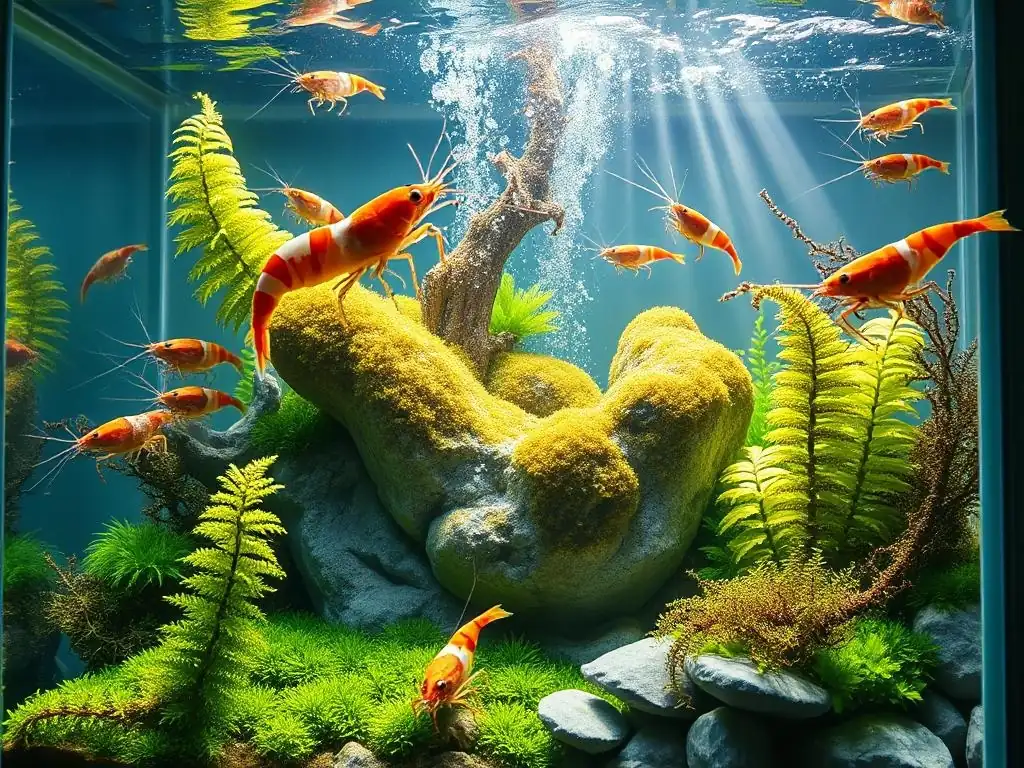
Welcome to Aquarium Mastery! Ever been captivated by the vibrant colors and delicate beauty of Taiwan Bee shrimp? These fascinating invertebrates, like the King Kong, Panda, Blue Bolt, and Wine Red varieties, can truly transform your freshwater aquarium. But are you ready to unlock their secrets? Dive into our comprehensive guide on Taiwan Bee Shrimp Care Tips, where we demystify the specific needs of these stunning creatures and help you create the perfect environment for them to thrive. Intrigued? Let's unravel the mysteries of Taiwan Bee shrimp keeping, together!
- Taiwan Bee Shrimp Demystified: King Kong, Panda, Blue Bolt & Wine Red Care - Aquarium Mastery
- Understanding Taiwan Bee Shrimp: An Introduction
- Taiwan Bee Shrimp Care: Essential Guidelines for Beginners
- Breeding Taiwan Bee Shrimp: A Comprehensive Guide
- Common Problems and Solutions in Taiwan Bee Shrimp Keeping
- Taiwan Bee Shrimp: King Kong, Panda, Blue Bolt & Wine Red Specific Care
- Where to Buy Taiwan Bee Shrimp: Finding Reputable Breeders and Suppliers
- Advanced Taiwan Bee Shrimp Keeping: Selective Breeding and Line Development
- Conclusion: Mastering Taiwan Bee Shrimp Care for a Thriving Colony
-
Frequently Asked Questions
- What are the key water parameters to keep in mind for Taiwan Bee Shrimp?
- What type of substrate is best for Taiwan Bee Shrimp?
- How often should I perform water changes for my Taiwan Bee Shrimp tank?
- What should I feed my Taiwan Bee Shrimp?
- What are some common health problems to watch out for in Taiwan Bee Shrimp?
- Final Reflection: The Delicate Dance of Ecosystems
- Unleash Your Inner Shrimp Keeper!
Taiwan Bee Shrimp Demystified: King Kong, Panda, Blue Bolt & Wine Red Care - Aquarium Mastery
Understanding Taiwan Bee Shrimp: An Introduction
What are Taiwan Bee Shrimp? Unveiling the Caridina Cantonensis "Taiwan Bee"
Taiwan Bee Shrimp are a highly sought-after lineage of the Caridina cantonensis species, renowned for their striking colors and intricate patterns. Originating from selective breeding efforts in Taiwan, these freshwater invertebrates represent a pinnacle of aquarist dedication, evolving from the more common Bee Shrimp ( Caridina cantonensis). Unlike their hardier Neocaridina cousins, Taiwan Bees demand precise and stable water parameters, making their successful keeping a testament to an aquarist's skill and attention to detail.
These delicate crustaceans typically reach an adult size of 0.8 to 1.2 inches (2-3 cm), making them ideal inhabitants for nano aquariums. Their unique genetic makeup allows for a wide array of color expressions and patterns not found in other shrimp varieties. The initial development of these shrimp involved complex cross-breeding and selection over many generations, leading to the stable lines we see today, such as King Kong, Panda, and Blue Bolt. Mastering Taiwan bee shrimp care tips is essential for their longevity and vibrant appearance.
Popular Taiwan Bee Shrimp Varieties: King Kong, Panda, Blue Bolt, and Wine Red
Among the most celebrated Taiwan Bee Shrimp varieties are the King Kong, Panda, Blue Bolt, and Wine Red, each boasting distinct aesthetic qualities. King Kong shrimp are characterized by their deep, opaque black bodies, often with a subtle white "hump" or head stripe, making them appear incredibly solid and imposing. Panda shrimp, conversely, exhibit a stark contrast with their alternating bands of black and white, resembling their namesake terrestrial mammal, with the clarity of these bands being a key grading factor.
Blue Bolt shrimp are admired for their mesmerizing blue coloration, which can range from a light sky blue to an intense, almost metallic sapphire, often accompanied by white highlights, particularly on the head and tail. Wine Red shrimp captivate with their rich, opaque red bodies, sometimes accented with white markings, offering a luxurious visual appeal. While all these varieties share the same Caridina cantonensis lineage, their specific genetic expressions result in these stunning color forms, with their availability and grading significantly influencing their market value. Effective Taiwan bee shrimp care tips are crucial for maintaining their vivid coloration.
Why Taiwan Bee Shrimp are Popular: Aesthetics and Unique Patterns
The primary allure of Taiwan Bee Shrimp lies in their unparalleled aesthetics and the diverse, intricate patterns they display. Their vibrant, often opaque colors – from the deep blacks of King Kongs to the electric blues of Blue Bolts – create a captivating spectacle in any aquarium. The sharp contrast between colors, such as the crisp black and white bands of Panda shrimp, adds a dynamic visual element that few other invertebrates can match. This visual appeal makes them highly desirable for aquascaping and dedicated shrimp tanks.
Beyond their beauty, Taiwan Bee Shrimp offer a rewarding challenge for aquarists. Successfully maintaining and breeding these sensitive creatures requires a deep understanding of water chemistry and consistent care, which appeals to hobbyists looking to advance their skills. Their peaceful temperament also makes them excellent inhabitants for species-only tanks or carefully selected community setups with other small, non-aggressive tank mates. The dedication to providing optimal Taiwan bee shrimp care tips transforms an ordinary aquarium into a miniature aquatic masterpiece.
Taiwan Bee Shrimp Care: Essential Guidelines for Beginners
Ideal Water Parameters for Taiwan Bee Shrimp: Achieving Stability
Achieving and maintaining stable water parameters is the cornerstone of successful Taiwan bee shrimp care. These sensitive invertebrates are highly susceptible to fluctuations, which can lead to stress, molting issues, and even death. Unlike Neocaridina shrimp, which tolerate a wider range of conditions, Taiwan Bees thrive within very narrow parameters that closely mimic their ideal natural habitats. Consistent monitoring and precise adjustments are non-negotiable for their long-term health and breeding success.
The use of reverse osmosis (RO) water, remineralized with shrimp-specific salts (e.g., GH+), is highly recommended to achieve the precise mineral content without unwanted elements. This approach allows aquarists full control over their water chemistry, enabling them to create the perfect environment from scratch. Regular testing with accurate liquid test kits is imperative to ensure that these delicate parameters remain within the optimal range, providing the best possible Taiwan bee shrimp care tips for their well-being.
Temperature Requirements for Taiwan Bee Shrimp Health
The ideal temperature range for Taiwan Bee Shrimp is relatively cool and stable, typically between 68°F and 74°F (20°C to 23.5°C). Maintaining consistency within this range is far more critical than hitting a precise number, as sudden temperature swings can induce significant stress, leading to molting difficulties or a weakened immune system. Cooler temperatures within this range, often around 72°F (22°C), are generally preferred as they can promote a longer lifespan and potentially encourage breeding activity.
Temperatures exceeding 76°F (24.5°C) for extended periods can be detrimental, increasing their metabolism, shortening their lifespan, and making them more susceptible to disease. Conversely, temperatures consistently below 65°F (18.5°C) can lead to lethargy and reduced activity. Utilizing a reliable aquarium heater with a thermostat, or in warmer climates, a chiller, helps maintain this crucial stability, which is a fundamental aspect of effective Taiwan bee shrimp care tips.
KH and GH Levels: Maintaining Optimal Water Hardness
For Taiwan Bee Shrimp, the carbonate hardness (KH) should ideally be very low, ranging from 0 to 1 dKH. A low KH is crucial because it allows the pH to remain slightly acidic, which these shrimp prefer, without excessive buffering. High KH levels can make it difficult to maintain the desired low pH, as carbonates act as a buffer, resisting pH changes. This is why active substrates are often used, as they naturally consume KH.
General hardness (GH) is equally important, as it measures the concentration of calcium and magnesium ions, which are vital for proper molting and shell development. The optimal GH range for Taiwan Bee Shrimp is typically 4 to 6 dGH. Insufficient GH can lead to incomplete molts, known as "white ring of death," where the shrimp struggles to shed its old exoskeleton. Conversely, excessively high GH can also cause molting issues. Achieving this balance is a critical component of successful Taiwan bee shrimp care tips.
pH Levels: The Importance of Slightly Acidic Water
Taiwan Bee Shrimp thrive in slightly acidic water conditions, with an optimal pH range of 5.8 to 6.8. This acidic environment is crucial for their overall health, metabolism, and breeding success. In their natural or simulated environments, this pH range is often achieved and maintained through the use of active substrates, which possess cation exchange properties that absorb minerals and lower pH.
Maintaining a stable pH within this range is more important than hitting an exact number. Fluctuations can cause immense stress, making them vulnerable to illness. While active substrates are the most common method, some aquarists also use driftwood (which releases tannins) or Indian almond leaves to help subtly lower and stabilize pH. Regular monitoring of pH levels is a non-negotiable step in providing consistent Taiwan bee shrimp care tips.
TDS (Total Dissolved Solids): Keeping Levels in Check
Total Dissolved Solids (TDS) is a crucial parameter for Taiwan Bee Shrimp, measuring the concentration of all dissolved inorganic and organic substances in the water. For these sensitive shrimp, an optimal TDS range typically falls between 100 to 180 ppm. This range indicates the correct balance of essential minerals, particularly when using remineralized RO water, without excess impurities.
A TDS meter is an inexpensive and indispensable tool for any Taiwan Bee Shrimp keeper. Consistently high TDS can indicate an accumulation of waste products or excessive minerals, leading to osmotic stress and potential health issues. Conversely, very low TDS suggests insufficient minerals, which can hinder molting and overall vitality. Monitoring and adjusting TDS levels, often in conjunction with GH and KH, are integral Taiwan bee shrimp care tips to ensure a stable and healthy environment.
Setting Up a Taiwan Bee Shrimp Tank: A Step-by-Step Guide
Setting up a dedicated tank for Taiwan Bee Shrimp requires careful planning and selection of components to create an optimal and stable environment. This initial setup phase is critical, as the choices made here will significantly impact the long-term health and thriving of your shrimp colony. Every element, from the tank size to the type of filtration, plays a role in replicating the specific conditions these delicate invertebrates need to flourish.
A well-planned setup minimizes future problems and reduces the need for constant intervention, which can stress the shrimp. It involves selecting the right substrate to buffer water parameters, choosing gentle yet effective filtration, and incorporating appropriate plants and decorations that provide both aesthetic appeal and functional benefits for the shrimp. Adhering to these Taiwan bee shrimp care tips during setup lays the foundation for a successful colony.
Choosing the Right Aquarium Size for Taiwan Bee Shrimp
While Taiwan Bee Shrimp are small, a tank size of at least 5 to 10 gallons (approximately 19 to 38 liters) is recommended for a beginner colony. Larger tanks, such as 10 to 20 gallons (38 to 76 liters), offer greater water volume and therefore more stability in parameters, making them more forgiving for new aquarists. While a smaller tank can house a few shrimp, maintaining consistent water parameters in a nano tank can be challenging due to less buffering capacity.
For breeding purposes or larger colonies, a 10-gallon tank is generally considered a good starting point, providing ample space for growth and the establishment of a robust biofilm. The key consideration is stability over sheer size. A larger water volume dilutes waste products more effectively and buffers against rapid changes in temperature or water chemistry, contributing significantly to long-term Taiwan bee shrimp care tips.
Substrate Selection: Active Substrates for pH Buffering
The choice of substrate is paramount for Taiwan Bee Shrimp, as they require specific water parameters that active substrates help maintain. Active substrates, often referred to as "shrimp soil" (e.g., ADA Aqua Soil Amazonia, Brightwell Aquatics FlorinGourmet, Fluval Stratum), are designed to lower and buffer the pH to the acidic range (typically 5.5-6.5) and absorb carbonate hardness (KH). This is crucial because Taiwan Bees thrive in soft, acidic water with very low KH.
Unlike inert substrates like sand or gravel, which have no impact on water chemistry, active substrates provide the necessary chemical buffering that helps stabilize the environment for these sensitive shrimp. They also provide a good surface area for beneficial bacteria and biofilm to grow, which serves as a natural food source for the shrimp. Using an active substrate is one of the most fundamental Taiwan bee shrimp care tips for establishing the correct water chemistry.
Filtration for Taiwan Bee Shrimp: Sponge Filters and More
Gentle yet effective filtration is essential for Taiwan Bee Shrimp tanks, as strong currents can stress these small invertebrates and potentially harm shrimp fry. Sponge filters are widely considered the best option for shrimp tanks. They provide excellent biological filtration by offering a large surface area for beneficial bacteria to colonize, and their gentle flow ensures the safety of even the smallest fry, preventing them from being sucked into the filter.
For larger tanks or those requiring additional mechanical filtration, a hang-on-back (HOB) filter can be used, provided it is equipped with a pre-filter sponge over the intake to prevent shrimp (especially fry) from being drawn in. Canister filters are generally less common for small shrimp tanks due to their strong flow, but if used, flow restrictors and coarse pre-filters are necessary. Regardless of the type, ensuring adequate oxygenation through gentle surface agitation or an air stone is another key Taiwan bee shrimp care tip.
Plants and Decorations: Creating a Shrimp-Safe Environment
Live plants and natural decorations are highly beneficial for Taiwan Bee Shrimp, providing both aesthetic enhancement and crucial functional benefits. Mosses, such as Java Moss, Christmas Moss, or Fissidens, are particularly popular as they offer extensive surface area for biofilm and algae growth, which are primary food sources for shrimp, especially fry. Other suitable plants include Anubias, Bucephalandra, and various stem plants, all of which help absorb nitrates and oxygenate the water.
Decorations like driftwood (e.g., Malaysian, Cholla wood) and Indian almond leaves release beneficial tannins, which can subtly lower pH and possess mild antibacterial properties. Cholla wood, in particular, becomes covered in biofilm, offering a constant food source. When selecting decorations, ensure they are free of copper or heavy metals, as these are highly toxic to shrimp. Creating a naturally enriched environment with these elements is a vital part of comprehensive Taiwan bee shrimp care tips.
Feeding Taiwan Bee Shrimp: A Balanced Diet for Vibrant Colors
Proper nutrition is crucial for the health, growth, and vibrant coloration of Taiwan Bee Shrimp. While they are primarily grazers that feed on biofilm and algae, supplementing their diet with specialized foods ensures they receive all necessary nutrients, including proteins, minerals, and vitamins. Overfeeding is a common mistake that can quickly foul the water and lead to serious health issues, making careful portion control essential.
A balanced diet not only supports their general well-being but also plays a significant role in enhancing their specific color forms, such as the deep blacks of King Kongs or the intense blues of Blue Bolts. Understanding what to feed, how much, and how often are key Taiwan bee shrimp care tips for a thriving and colorful colony.
What to Feed Taiwan Bee Shrimp: Specialized Foods and Supplements
A varied diet is best for Taiwan Bee Shrimp, combining specialized commercial foods with natural supplements. High-quality shrimp pellets, specifically formulated for Caridina shrimp (e.g., Shirakura, GlasGarten, Benibachi), are excellent as a staple, providing a balanced mix of proteins, carbohydrates, and minerals. These pellets are designed to be palatable and release nutrients slowly.
Supplement their diet with blanched vegetables like spinach, kale, or nettle leaves, which offer essential vitamins and fiber. Mineral supplements, such as bee pollen or mineral stones (e.g., Shirakura Mineral Stone), can also be beneficial, providing trace elements vital for molting and overall vitality. Occasionally, a small amount of protein-rich food, like spirulina flakes or specialized protein pellets, can be offered. Providing a diverse nutritional intake is a fundamental aspect of Taiwan bee shrimp care tips.
Feeding Frequency and Amount: Avoiding Overfeeding
Overfeeding is one of the most common pitfalls in Taiwan bee shrimp care and can quickly lead to disastrous water quality issues. Due to their small size and reliance on biofilm, Taiwan Bee Shrimp do not require large amounts of food. It is generally recommended to feed them small amounts, approximately 2-3 times per week. The amount should be what they can consume within a few hours, ideally within 2-4 hours.
Any uneaten food should be removed promptly after this period to prevent it from decaying and fouling the water, which can lead to dangerous ammonia or nitrite spikes. A good guideline is to observe their feeding behavior; if food remains for too long, reduce the quantity at the next feeding. Consistent and cautious feeding practices are among the most important Taiwan bee shrimp care tips for maintaining a healthy and stable aquarium environment.
Natural Food Sources: Biofilm and Algae
Biofilm and naturally occurring algae are incredibly important, often primary, food sources for Taiwan Bee Shrimp, particularly for shrimplets. Biofilm is a complex matrix of microorganisms, including bacteria, fungi, and algae, that grows on all surfaces within a mature aquarium. It provides a constant, readily available source of nutrition that is easily digestible for shrimp of all ages.
A well-established, mature tank with plenty of surface area (plants, driftwood, porous decorations) will naturally cultivate a rich biofilm layer. Allowing some natural algae growth (without letting it get out of control) also provides grazing opportunities. For tanks lacking sufficient natural food, specific products like Bacter AE can be used to promote beneficial bacterial growth and biofilm. Encouraging these natural food sources is a significant component of holistic Taiwan bee shrimp care tips.
Water Changes and Maintenance: Keeping Your Taiwan Bee Shrimp Healthy
Regular water changes and diligent maintenance are critical for the long-term health and stability of a Taiwan Bee Shrimp colony. While these shrimp prefer stable conditions, periodic small water changes are necessary to replenish essential minerals, remove accumulated nitrates, and maintain overall water quality. The key is to perform these changes carefully to avoid shocking the shrimp with sudden shifts in parameters.
Beyond water changes, consistent monitoring of water parameters and routine tank cleaning, such as substrate vacuuming and filter maintenance, contribute to a pristine environment. Neglecting these aspects can lead to a buildup of toxins, stress, and increased susceptibility to diseases. Implementing a strict maintenance schedule is a vital part of effective Taiwan bee shrimp care tips.
Regular Water Change Schedule for Taiwan Bee Shrimp Tanks
For Taiwan Bee Shrimp tanks, small, frequent water changes are preferred over large, infrequent ones. A typical schedule involves changing about 10-15% of the tank water weekly or bi-weekly. This approach minimizes parameter fluctuations, which are highly stressful for these sensitive shrimp. It is crucial to use aged, remineralized reverse osmosis (RO) water that precisely matches the tank's parameters (temperature, pH, GH, KH, TDS) as closely as possible.
Using a slow drip method for adding new water back into the tank is highly recommended. This gradual reintroduction allows the shrimp to slowly acclimate to any minor differences in the new water, significantly reducing stress. Consistency in this schedule is a cornerstone of robust Taiwan bee shrimp care tips, preventing the buildup of harmful nitrates and refreshing essential minerals.
Avoiding Sudden Parameter Shifts: The Dangers of Rapid Changes
Sudden shifts in water parameters are one of the most common causes of stress, illness, and mortality in Taiwan Bee Shrimp. Rapid changes in temperature, pH, GH, KH, or TDS can induce osmotic shock, molting difficulties (often resulting in the dreaded "white ring of death"), and a weakened immune system. Even seemingly minor changes can be detrimental to these highly sensitive Caridina species.
When performing water changes or adding new shrimp, extreme caution and slow acclimation are paramount. Drip acclimation for new shrimp over several hours is non-negotiable. For water changes, ensuring the new water matches the tank's parameters as closely as possible and adding it slowly minimizes stress. Understanding and mitigating the dangers of rapid parameter shifts is perhaps the most critical of all Taiwan bee shrimp care tips.
Monitoring Water Quality: Essential Testing Kits
Consistent and accurate monitoring of water quality is absolutely essential for successful Taiwan bee shrimp care. Regular testing allows aquarists to detect potential problems early and take corrective action before they become critical. Key parameters to test regularly include pH, General Hardness (GH), Carbonate Hardness (KH), Total Dissolved Solids (TDS), Ammonia, Nitrite, and Nitrate.
High-quality liquid test kits are highly recommended over test strips, as they provide significantly more accurate and reliable readings. A TDS meter is also indispensable for precise control over mineral content. Weekly testing of core parameters (pH, GH, KH, TDS) and occasional checks for nitrogen compounds (Ammonia, Nitrite, Nitrate) will help ensure a stable and healthy environment, providing continuous insight into the effectiveness of your Taiwan bee shrimp care tips.
Breeding Taiwan Bee Shrimp: A Comprehensive Guide
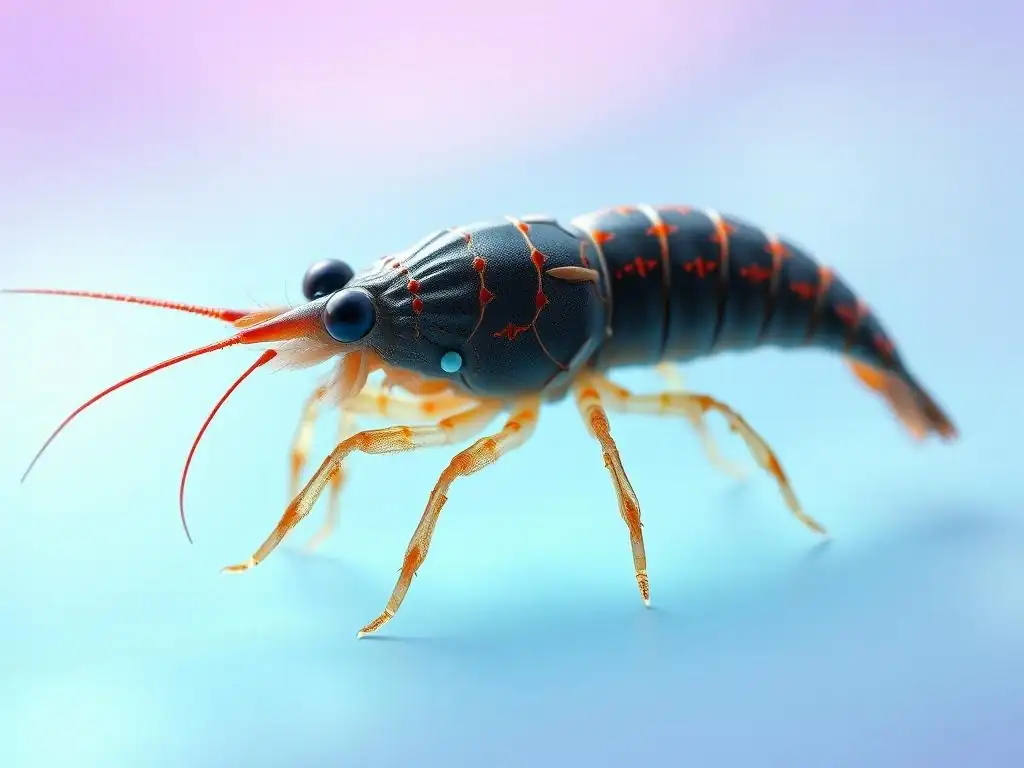
Breeding Taiwan Bee Shrimp is a rewarding aspect of the hobby, indicating that the shrimp are thriving in their environment. While challenging due to their specific parameter requirements, successful breeding signifies a mastery of Taiwan bee shrimp care tips. The process involves creating an optimal and stable environment, correctly identifying males and females, and ensuring the survival of delicate fry.
Consistent water parameters, proper nutrition, and a stress-free environment are paramount for encouraging successful reproduction. Once the females are berried (carrying eggs), protecting the eggs and subsequently the tiny shrimplets becomes the next crucial phase. This section delves into the specifics of encouraging reproduction and raising the next generation of these beautiful invertebrates.
Creating Optimal Breeding Conditions for Taiwan Bee Shrimp
Creating optimal breeding conditions for Taiwan Bee Shrimp primarily revolves around maintaining extremely stable and precise water parameters. Consistency in temperature, pH, GH, KH, and TDS, as previously detailed (pH 5.8-6.8, GH 4-6, KH 0-1, TDS 100-180 ppm), is paramount. Any fluctuations can cause stress, leading to failed molts, egg drops, or a reluctance to breed. A slightly cooler temperature, around 72°F (22°C), is often cited as conducive to breeding activity.
Beyond water chemistry, a mature tank with an established biofilm layer and plenty of hiding spots (mosses, leaf litter) contributes significantly to breeding success. A diet rich in minerals and appropriate proteins also supports reproductive health. Providing a calm, stable, and nutrient-rich environment is the most effective way to encourage your Taiwan Bee Shrimp to breed, showcasing the effectiveness of your Taiwan bee shrimp care tips.
The Importance of Stable Water Parameters for Breeding Success
Stable water parameters are not just important for general health; they are absolutely critical for successful Taiwan Bee Shrimp breeding. Any significant fluctuation in temperature, pH, or hardness can cause berried females to drop their eggs prematurely or lead to unsuccessful molts, preventing the release of pheromones that trigger male breeding behavior. Consistency reduces stress, allowing the shrimp to focus their energy on reproduction.
Maintaining the precise ideal ranges for pH (5.8-6.8), GH (4-6 dGH), KH (0-1 dKH), and TDS (100-180 ppm) continuously is key. This often means using remineralized RO water and an active substrate, coupled with meticulous monitoring. A stable environment ensures that the entire reproductive cycle, from egg development to larval release, proceeds without interruption, making it a non-negotiable aspect of advanced Taiwan bee shrimp care tips.
Sexing Taiwan Bee Shrimp: Identifying Males and Females
Distinguishing between male and female Taiwan Bee Shrimp is relatively straightforward once they reach maturity. Females are typically larger, more robust, and have a noticeably deeper, more rounded underside (pleura or "belly") compared to males. This deeper pleura provides space for carrying eggs. Mature females will also often display a "saddle," which is a yellowish or greenish patch behind their head, indicating undeveloped eggs in their ovaries.
Males, conversely, are generally smaller, slimmer, and have a less pronounced, straighter underside. They are often more active, darting around the tank in search of receptive females. While identifying sexes can be challenging with very young shrimp, observing these physical differences in mature individuals becomes easier over time. Accurate sexing is important for selective breeding and understanding the dynamics of your colony, aiding in targeted Taiwan bee shrimp care tips.
Berried Females: Recognizing and Protecting Eggs
A female Taiwan Bee Shrimp is considered "berried" when she is carrying a clutch of eggs tucked neatly under her pleopods (swimmerets) on her underside. These eggs are typically dark, often black, brown, or sometimes yellowish-green, and are constantly fanned by the female to ensure proper aeration and prevent fungal growth. The gestation period usually lasts around 28-35 days, depending on temperature.
During this period, it is crucial to maintain pristine and stable water conditions, as stress can cause the female to drop her eggs. While Taiwan Bees are generally peaceful, ensuring there are ample hiding spots like mosses or cholla wood can provide the berried female a sense of security. Protection from any potential predators, even small fish, is also advisable to ensure the successful hatching of the fry. Observing and supporting berried females is a key part of diligent Taiwan bee shrimp care tips.
Raising Taiwan Bee Shrimp Fry: Ensuring Survival and Growth
The survival rate of Taiwan Bee Shrimp fry is highly dependent on the tank environment and the availability of appropriate food sources. Unlike some other shrimp species that have planktonic larval stages, Taiwan Bee Shrimp hatch as miniature versions of the adults, making them relatively easier to raise, provided the conditions are optimal. Their tiny size, however, makes them vulnerable.
Ensuring a continuous supply of micro-foods, protecting them from larger tank inhabitants, and maintaining impeccable water quality are paramount for their growth and development. A dedicated species-only tank is often recommended for maximum fry survival. Mastering these specific Taiwan bee shrimp care tips for fry is essential for expanding your colony.
Feeding Taiwan Bee Shrimp Fry: Specialized Foods and Microorganisms
Taiwan Bee Shrimp fry are incredibly tiny upon hatching and primarily feed on biofilm and microscopic organisms naturally present in a mature tank. Therefore, establishing a well-cycled tank with ample surface area for biofilm growth (mosses, leaf litter, cholla wood) is crucial even before the fry appear. This provides a continuous and accessible food source.
To supplement their diet and boost survival rates, specialized powdered shrimp foods designed for fry (e.g., GlasGarten Bacter AE, Benibachi Bee Ball, or other powdered Caridina foods) can be sparingly added. These ultra-fine powders disperse easily and are small enough for the fry to consume. Overfeeding, however, remains a significant danger, as it can quickly pollute the water. Consistent availability of micro-food is a fundamental Taiwan bee shrimp care tip for fry.
Protecting Fry from Predators: Shrimp-Safe Tank Mates
For optimal Taiwan Bee Shrimp fry survival, a species-only tank is highly recommended. Even the smallest fish can view shrimplets as a food source, significantly reducing the success rate of a breeding colony. If a community tank is desired, extreme caution must be exercised in choosing tank mates.
Only very small, peaceful fish with upward-facing mouths that cannot easily consume shrimplets should be considered, such as Otocinclus catfish, small species of Rasboras (e.g., Chili Rasboras, Phoenix Rasboras), or certain types of snails (e.g., Nerite snails, Ramshorn snails). Any fish with a mouth large enough to fit a shrimplet should be avoided. Providing ample hiding spots in the form of dense mosses and plants also helps the fry evade potential predators, underscoring critical Taiwan bee shrimp care tips for their protection.
Maintaining Water Quality for Healthy Fry Development
Maintaining pristine and stable water quality is just as crucial for Taiwan Bee Shrimp fry as it is for adults, if not more so. Their tiny size makes them even more susceptible to fluctuations in parameters and the presence of harmful substances like ammonia, nitrite, or high nitrates. Regular, small water changes (5-10%) using carefully prepared, perfectly matched RO water are essential.
When performing water changes, use a very slow drip method for reintroduction to prevent shock. Care must also be taken to avoid siphoning out fry during maintenance, perhaps by using a fine mesh over the siphon intake. Excellent aeration and a mature biological filter are vital to process waste effectively. Diligent water quality management is a continuous and paramount Taiwan bee shrimp care tip for ensuring the healthy development and survival of the fry.
Common Problems and Solutions in Taiwan Bee Shrimp Keeping
Even with meticulous attention to Taiwan bee shrimp care tips, problems can arise. Recognizing common diseases, understanding the signs of water quality issues, and knowing how to respond are crucial skills for any aquarist. Many problems stem from environmental instability or improper maintenance, highlighting the importance of prevention over treatment.
This section addresses frequently encountered challenges, from specific ailments to managing algae and preventing bacterial outbreaks. Prompt identification and appropriate intervention can often save a colony from significant losses. Proactive measures and a keen eye are the best defenses against these common issues.
Identifying Common Diseases and Ailments Affecting Taiwan Bee Shrimp
Taiwan Bee Shrimp, like all aquatic invertebrates, can suffer from various diseases and ailments, often triggered by stress from unstable water parameters or poor water quality. One common issue is molting problems, sometimes referred to as "white ring of death," where the shrimp struggles to shed its old exoskeleton, often due to insufficient minerals (GH) or rapid parameter changes. The shrimp appears to have a clear ring separating its head from its body.
Other ailments include bacterial infections, which can manifest as cloudy muscle tissue, lethargy, or sudden deaths, often linked to high organic loads. Fungal infections might appear as cotton-like growths on the shrimp's body. Parasites like Vorticella (small, white, stalked organisms) or Scutariella japonica (small, white worms near the rostrum) are typically introduced with new livestock and indicate poor water quality or stress. Early identification and addressing underlying causes are key Taiwan bee shrimp care tips for recovery.
Troubleshooting Water Quality Issues: Ammonia, Nitrite, and Nitrate Spikes
Water quality issues, particularly spikes in nitrogen compounds, are lethal to Taiwan Bee Shrimp. Ammonia and nitrite are highly toxic and should always be at zero. Even low levels can cause severe stress and death. Nitrate, while less toxic, should be kept below 20 ppm, as high levels can weaken shrimp and inhibit breeding.
If ammonia or nitrite are detected, an immediate large water change (50-70%) with perfectly matched, remineralized RO water is necessary. Identify the source: overfeeding, a dead shrimp, or an uncycled tank. For high nitrates, increase the frequency or volume of small water changes, ensure adequate plant mass, and reduce feeding. Regular testing is the best preventative measure, allowing for prompt action, which is a critical aspect of effective Taiwan bee shrimp care tips.
Dealing with Algae Blooms: Maintaining a Clean and Healthy Tank
While some algae and biofilm are beneficial as a food source for Taiwan Bee Shrimp, excessive algae blooms can indicate an imbalance in the tank and are aesthetically undesirable. Common causes include too much light (duration or intensity), excess nutrients (high nitrates or phosphates from overfeeding or infrequent water changes), or insufficient plant mass to outcompete algae.
To combat algae blooms, reduce lighting duration to 6-8 hours per day. Manually remove as much algae as possible during maintenance. Evaluate your feeding routine to ensure you are not overfeeding. Increasing the number of fast-growing plants can help absorb excess nutrients. Addressing the root cause rather than just treating the symptoms is a sustainable approach to maintaining a clean and healthy tank, aligning with comprehensive Taiwan bee shrimp care tips.
Preventing and Treating Bacterial Infections in Taiwan Bee Shrimp
Bacterial infections in Taiwan Bee Shrimp are often a secondary issue, arising from weakened immune systems due to poor water quality, stress, or injury. Prevention is far more effective than treatment, as shrimp are highly sensitive to medications. The cornerstone of prevention is maintaining pristine and stable water parameters, along with a balanced diet.
Quarantining new shrimp for several weeks before introducing them to the main tank can prevent the introduction of pathogens. If a bacterial infection is suspected (e.g., cloudy muscle, lethargy, sudden deaths), a large water change with perfectly matched water should be the first step to improve conditions. Some aquarists use natural remedies like Indian Almond Leaves or Alder Cones, which release tannins that have mild antibacterial and antifungal properties. However, severe cases are difficult to treat in shrimp-only tanks, emphasizing that proper Taiwan bee shrimp care tips are primarily about prevention.
Taiwan Bee Shrimp: King Kong, Panda, Blue Bolt & Wine Red Specific Care
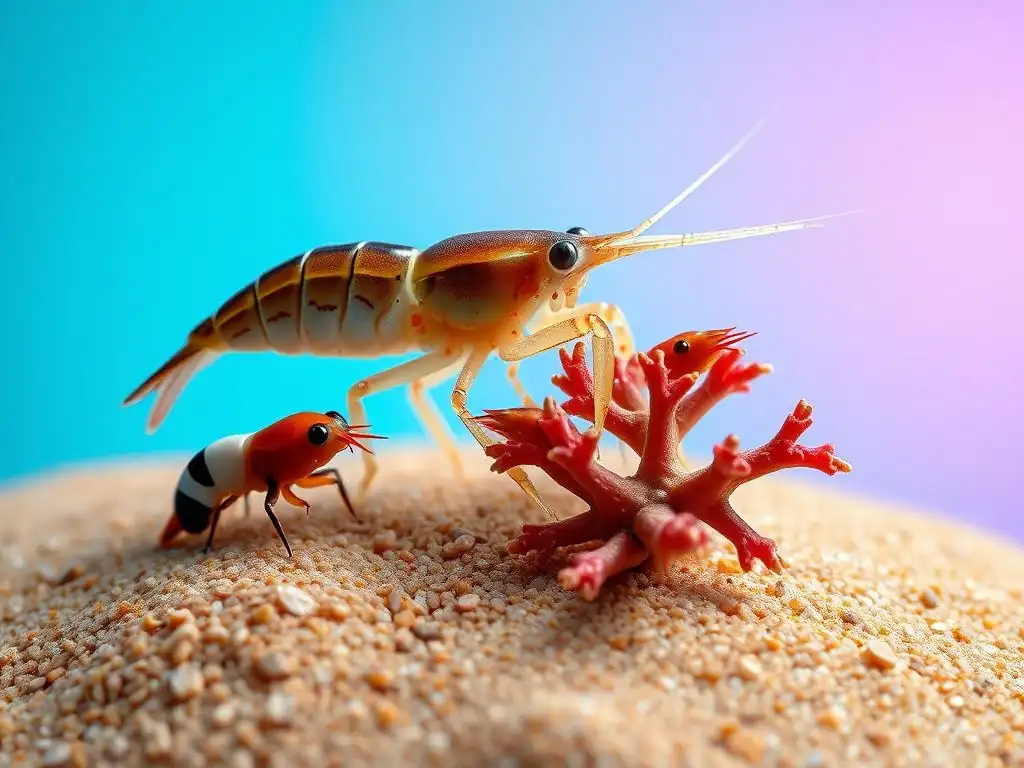
While the foundational Taiwan bee shrimp care tips apply universally across all varieties, subtle nuances in their specific care can help enhance their unique colorations and patterns. These specific considerations often involve optimizing diet and sometimes lighting to bring out the best in each distinct type. Understanding these minor adjustments can elevate the visual impact of your King Kong, Panda, Blue Bolt, and Wine Red shrimp.
The genetic potential for color is inherent, but environmental factors and nutrition play a significant role in how vividly those colors are expressed. By tailoring aspects of their care, aquarists can further intensify the beauty that makes these shrimp so highly prized.
King Kong Shrimp Care: Maintaining Deep Black Coloration
Maintaining the deep, opaque black coloration of King Kong shrimp relies heavily on stable, pristine water parameters and a suitable diet. While their genetic makeup dictates the potential for intense black, environmental stressors or poor nutrition can cause their colors to fade or appear less vibrant. A high-quality staple shrimp food should be the foundation of their diet.
Some aquarists find that foods containing natural color enhancers, such as astaxanthin or spirulina, can help deepen black pigmentation, though results can vary. Providing a dark substrate can also make their black coloration appear more prominent by offering a contrasting background. Ultimately, consistent application of fundamental Taiwan bee shrimp care tips, focusing on water quality and nutrition, is key to their striking appearance.
Panda Shrimp Care: Emphasizing White Band Contrast
For Panda Shrimp, the goal is to emphasize the crisp contrast between their black and white bands. This requires not only excellent genetics but also meticulous attention to water quality. Pristine water conditions are paramount for the white bands to appear bright and opaque, as poor water quality can lead to a dull or yellowish tint.
A balanced diet, including high-quality shrimp pellets and occasional vegetable matter, supports overall health and color vibrancy. While no specific food magically enhances white, ensuring the shrimp are stress-free and well-nourished allows their natural colors to shine. The clarity and sharpness of the bands are prime indicators of good health and effective Taiwan bee shrimp care tips.
Blue Bolt Shrimp Care: Enhancing Blue Intensity
Blue Bolt Shrimp are prized for their varying shades of blue, and optimizing their care can significantly enhance this intensity. While genetics are the primary factor for the depth of blue, environmental conditions and diet can play a supportive role. Stable water parameters, particularly within the slightly acidic pH range (6.0-6.5), are often cited by breeders as beneficial for blue intensity.
Some specialized shrimp foods contain ingredients like spirulina or astaxanthin, which are believed to help enhance blue and red pigments, respectively. Moderate lighting can also make their blue coloration appear more striking. The key is to reduce stress through consistent water quality, as stressed shrimp often exhibit faded colors. Focusing on these specific Taiwan bee shrimp care tips can help unlock the full potential of their captivating blue hue.
Wine Red Shrimp Care: Promoting Rich Red Pigmentation
Promoting the rich, deep red pigmentation of Wine Red Shrimp largely depends on their genetic background and a diet rich in specific carotenoids. Like other brightly colored shrimp, their color can fade under stress or poor conditions. Providing a high-quality staple food is essential, supplemented with foods known to enhance red coloration.
Foods containing natural sources of carotenoids, such as paprika, astaxanthin, or specialized red shrimp foods, can help deepen their red tones. Maintaining stable and optimal water parameters is crucial, as stress can cause colors to become dull. A dark substrate can also make their red stand out more prominently. Consistent and attentive Taiwan bee shrimp care tips are the best way to ensure your Wine Red shrimp display their most vibrant and luxurious coloration.
Where to Buy Taiwan Bee Shrimp: Finding Reputable Breeders and Suppliers
Acquiring healthy Taiwan Bee Shrimp from a reputable source is a critical first step in ensuring the success of your colony. Due to their sensitivity and specific needs, purchasing from a knowledgeable breeder or supplier who prioritizes the shrimp's well-being is paramount. Avoid impulse buys from sources with questionable tank conditions or unknown water parameters.
A good supplier will be transparent about their breeding practices, water parameters, and the lineage of their shrimp. They should also provide guidance on acclimation and care. Taking the time to research and select a reputable source is an investment that pays off in the long-term health and vitality of your shrimp.
Selecting Healthy Taiwan Bee Shrimp: What to Look For
When purchasing Taiwan Bee Shrimp, observe them carefully for signs of good health. Healthy shrimp should be active, constantly grazing, and exhibit clear, vibrant coloration characteristic of their variety (e.g., deep black for King Kongs, crisp white bands for Pandas). Avoid shrimp that appear lethargic, are hiding excessively, or have faded colors, as these are signs of stress or illness.
Check for any visible injuries, deformities, or signs of fungal or bacterial infections, such as cloudy muscle tissue or cotton-like growths. Ensure their carapace is clear and intact, with no signs of molting issues or the "white ring of death." Inquire about the water parameters of the seller's tank to ensure they are compatible with your setup, which is a key Taiwan bee shrimp care tip for a smooth transition.
Acclimating New Shrimp to Your Tank: A Gradual Process
Acclimating new Taiwan Bee Shrimp to your tank is arguably one of the most critical steps in their successful introduction and survival. Due to their extreme sensitivity to changes in water parameters, a slow and gradual acclimation process is absolutely essential. The "drip acclimation" method is highly recommended and should be performed over several hours.
Begin by floating the sealed bag in your tank for 15-20 minutes to equalize temperature. Then, transfer the shrimp and their original water into a clean bucket or container. Using airline tubing and an air valve, start a slow drip from your tank into the container, aiming for about 1-2 drips per second.
Allow the volume of water in the container to slowly double or triple (over 2-4 hours, or even longer for highly sensitive shrimp), gradually matching your tank's parameters. Once acclimated, gently net the shrimp and release them into your tank, discarding the old water. This careful acclimation is a non-negotiable Taiwan bee shrimp care tip.
Advanced Taiwan Bee Shrimp Keeping: Selective Breeding and Line Development
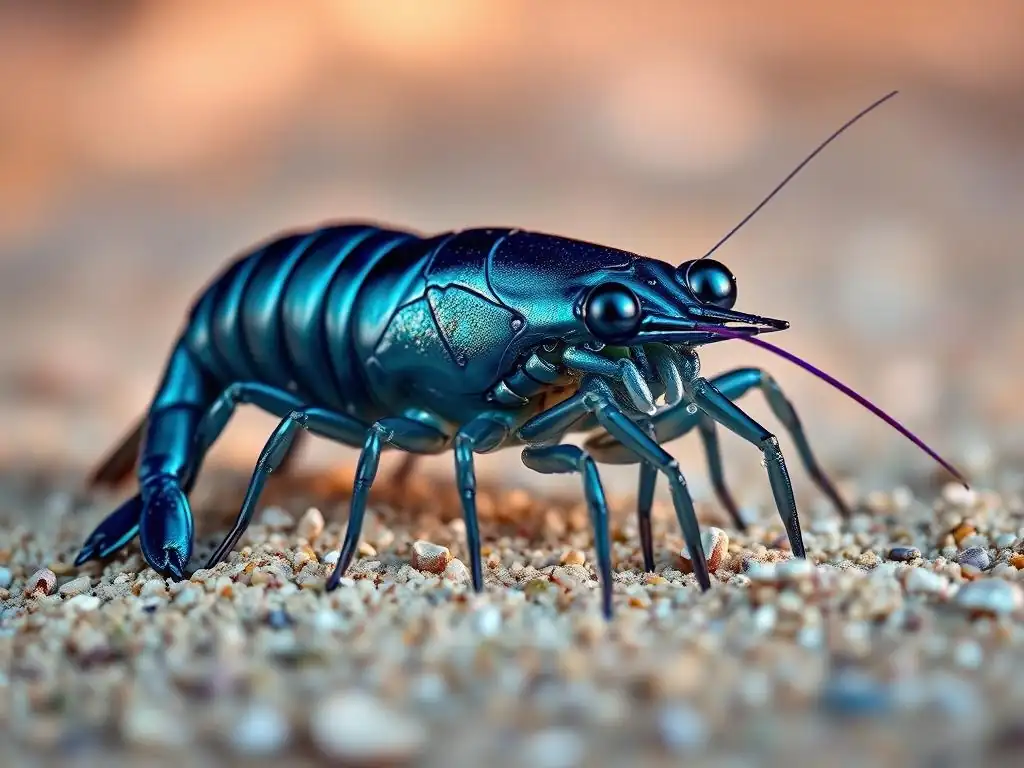
For the dedicated aquarist, Taiwan Bee Shrimp keeping can evolve into the fascinating realm of selective breeding and line development. This advanced aspect moves beyond basic care to focus on enhancing specific traits, such as color intensity, pattern clarity, and shell opacity, over generations. It requires a deeper understanding of genetics, meticulous record-keeping, and often multiple dedicated tanks.
Selective breeding is a long-term commitment, but it offers immense satisfaction in producing consistently high-quality offspring that embody the desired characteristics. It represents the pinnacle of Taiwan bee shrimp care tips, transforming the hobby into a scientific and artistic endeavor.
Understanding Genetics and Selective Breeding for Taiwan Bee Shrimp
Understanding the basic genetics of Taiwan Bee Shrimp is fundamental to selective breeding. While complex, the core principle involves identifying shrimp with desirable traits (e.g., a specific shade of blue, a crisp white band) and breeding them together. Conversely, "culling" involves removing shrimp that display undesirable traits or are weaker specimens, preventing them from passing on those genes to future generations.
This process requires patience and keen observation. Traits like color opacity, pattern consistency, and even hardiness can be improved over successive generations through careful selection. Keeping detailed records of breeding pairs and their offspring's characteristics is invaluable. This systematic approach to genetics is what allows hobbyists to develop and stabilize high-grade Taiwan Bee Shrimp lines, representing an advanced application of Taiwan bee shrimp care tips.
Line Development: Focus on Specific Traits
Line development in Taiwan Bee Shrimp keeping is the systematic process of breeding shrimp over multiple generations to consistently produce offspring with specific, enhanced traits. This could involve focusing on achieving a pure, opaque King Kong black, refining the stark contrast of Panda bands, intensifying the blue of Blue Bolts, or deepening the red of Wine Reds. It often requires several dedicated breeding tanks to isolate specific genetic lines.
The process involves careful pairing, observing offspring, and culling individuals that do not meet the desired standards or exhibit undesirable traits. Over time, this meticulous selection strengthens the gene pool for the chosen characteristics, leading to a stable line that consistently produces high-grade shrimp. This commitment to genetic improvement is a hallmark of advanced Taiwan bee shrimp care tips and a rewarding challenge for serious enthusiasts.
Conclusion: Mastering Taiwan Bee Shrimp Care for a Thriving Colony
Mastering Taiwan Bee Shrimp care is an incredibly rewarding journey that transforms a simple aquarium into a vibrant, living art piece. As we've explored, success hinges on a few core principles: maintaining incredibly stable and precise water parameters, providing a balanced and appropriate diet, and adhering to a meticulous maintenance schedule. These sensitive yet stunning invertebrates demand attention to detail, but their captivating colors and intriguing behaviors richly compensate the dedicated aquarist.
From understanding the nuances of King Kong, Panda, Blue Bolt, and Wine Red varieties to navigating breeding challenges and troubleshooting common issues, the comprehensive Taiwan bee shrimp care tips provided here offer a robust foundation. While challenging, the journey of cultivating a thriving Taiwan Bee Shrimp colony is a testament to an aquarist's skill and patience, culminating in the joy of watching these miniature jewels flourish.
Frequently Asked Questions
What are the key water parameters to keep in mind for Taiwan Bee Shrimp?
Taiwan Bee Shrimp require very specific water conditions. Maintaining a low pH (around 6.0-6.8), low GH and KH, and a stable temperature (around 68-74°F) is crucial for their survival and breeding.
What type of substrate is best for Taiwan Bee Shrimp?
Inert substrates like aquarium soil are generally recommended. These help to buffer the pH and provide a suitable environment. Avoid substrates that leach ammonia.
How often should I perform water changes for my Taiwan Bee Shrimp tank?
Small, frequent water changes are better than large, infrequent ones. Aim for 10-20% water changes every week or two using RO/DI water remineralized with a shrimp-specific mineral supplement.
What should I feed my Taiwan Bee Shrimp?
A varied diet is essential. Offer them high-quality shrimp foods, blanched vegetables (like spinach or zucchini), and biofilm. Be careful not to overfeed as this can pollute the water.
What are some common health problems to watch out for in Taiwan Bee Shrimp?
Common issues include bacterial infections, fungal infections, and molting problems due to poor water quality. Regularly observe your shrimp for any signs of distress or unusual behavior.
Okay, here's a final reflection tailored for your "Taiwan Bee Shrimp Demystified" article, aiming to resonate with readers interested in Taiwan Bee Shrimp care:
Final Reflection: The Delicate Dance of Ecosystems
The intricate world of Taiwan Bee Shrimp, as we've explored, underscores the delicate balance required for their thriving existence. Understanding their specific needs, from water parameters to suitable tank mates, is not just about keeping shrimp alive; it's about creating a miniature, self-sustaining ecosystem within our homes, a testament to the beauty and complexity of the natural world.
The allure of these vibrant creatures has undeniably shaped a niche within the aquascaping community. My own journey into keeping Taiwan Bee Shrimp has taught me patience, observation, and a deeper appreciation for the interconnectedness of life. In nature, nothing exists alone.
- Rachel Carson. This quote perfectly encapsulates the responsibility we undertake when bringing these sensitive shrimp into our care, urging us to consider the ripple effects of our actions within their miniature world.
Now, armed with these Taiwan Bee Shrimp care tips, I invite you to reflect on your own approach to aquascaping. Consider how you can create not just a visually stunning tank, but a truly thriving habitat for these captivating creatures. Embrace the challenge, learn from your experiences, and contribute to the growing knowledge base that allows us to appreciate and protect these tiny jewels of the aquatic world.
Unleash Your Inner Shrimp Keeper!
Thanks for diving into the fascinating world of Taiwan Bee shrimp! We hope you've gained a clearer understanding of these captivating creatures and feel inspired to try your hand at keeping them. Ready to take the next step?
- Start Planning Your Dream Shrimp Tank: Research the specific water parameters required for the Taiwan Bee shrimp you're most interested in and begin assembling the necessary equipment.
- Share your newfound knowledge! Tell other hobbyists what you learned in the article.
- Consider joining a local aquarium club or online forum to connect with experienced Taiwan Bee shrimp keepers.
What's one unique piece of decor you'd love to include in your Taiwan Bee shrimp tank?