
Troubleshooting Common Neocaridina Shrimp Problems: A Quick Fix Guide

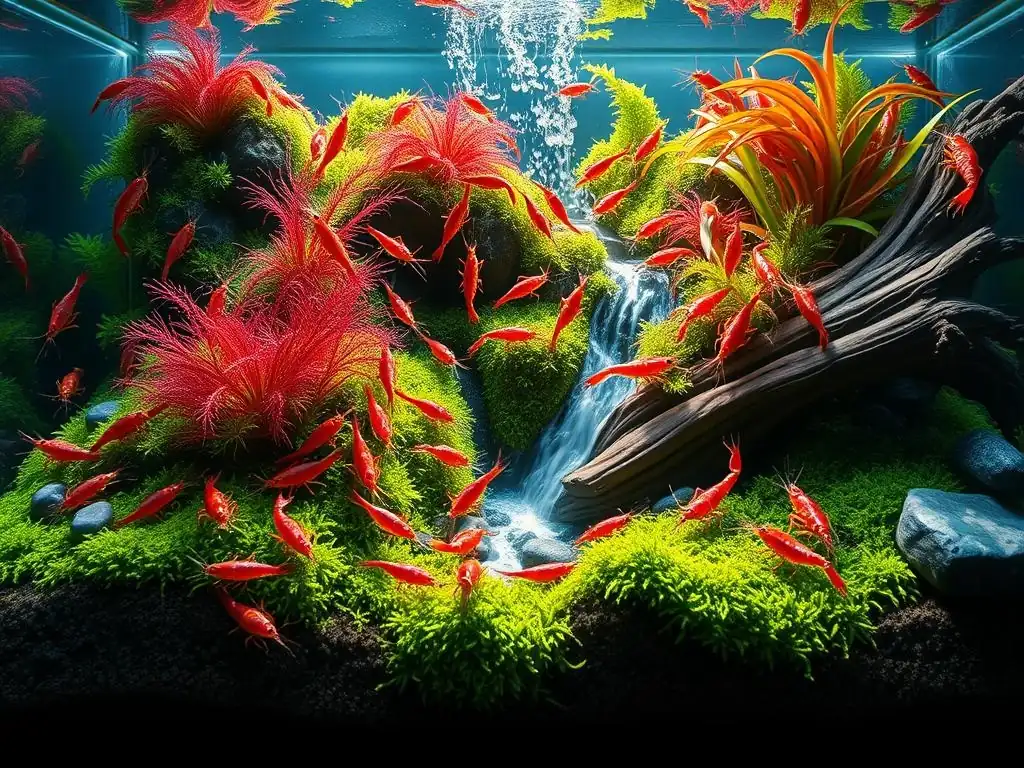
Welcome to Aquarium Mastery! Ever wondered why your vibrant Neocaridina shrimp aren't thriving like they should? Dive into our comprehensive guide, "Troubleshooting Common Neocaridina Shrimp Problems," and unlock the secrets to a healthy and flourishing shrimp tank. Let's unravel those mysteries together and get your little aquatic gems back on track! Ready to explore?
- Introduction to Neocaridina Shrimp Health Issues
- Common Neocaridina Shrimp Problems and Solutions
- Advanced Neocaridina Shrimp Troubleshooting
- Preventing Future Neocaridina Shrimp Problems
- Conclusion: Ensuring a Thriving Neocaridina Shrimp Colony
-
Frequently Asked Questions
- What are some common causes of Neocaridina shrimp deaths in a newly established tank?
- How can I tell if my Neocaridina shrimp are stressed?
- Why are my Neocaridina shrimp not breeding, even though the water parameters seem fine?
- What are some signs of a bacterial infection in my Neocaridina shrimp?
- How often should I perform water changes in my Neocaridina shrimp tank, and what percentage of the water should I change?
- Final Reflection: Cultivating Thriving Shrimp Colonies
- Dive Deeper: Transform Your Shrimp Care Today!
Introduction to Neocaridina Shrimp Health Issues
Understanding Neocaridina Shrimp Needs for a Healthy Aquarium
Neocaridina shrimp, such as Cherry, Blue Dream, and Sunkist varieties, are popular inhabitants of freshwater aquariums due to their vibrant colors and active foraging behaviors. However, their delicate nature requires specific environmental conditions to thrive. Optimal water parameters are crucial, typically ranging from a pH of 6.5-7.5, GH (General Hardness) between 6-10 dGH, and KH (Carbonate Hardness) from 2-6 dKH. A stable temperature, ideally between 70-78°F (21-25.5°C), is also vital, as sudden fluctuations can induce significant stress. These parameters directly influence their metabolic processes, molting success, and overall longevity.
Beyond water chemistry, a well-set-up aquarium provides the foundation for shrimp health. A mature tank with established beneficial bacteria is paramount for processing waste and maintaining water quality. Fine substrates, ample live plants like Java Moss or Anubias, and various hiding spots (e.g., driftwood, ceramic caves) offer security and grazing surfaces. Efficient filtration, commonly a sponge filter for its shrimp-safe design, ensures good water circulation and oxygenation without harming the small invertebrates. Addressing these fundamental needs proactively significantly reduces the likelihood of encountering common Neocaridina shrimp problems troubleshooting scenarios.
Why is Troubleshooting Neocaridina Shrimp Problems Important?
Neocaridina shrimp are highly sensitive to changes in their environment, making them excellent indicator species for water quality issues. Unlike larger fish, shrimp often show signs of distress or decline much earlier, providing a narrow window to intervene before a problem escalates to a full-blown crisis.
Early detection and prompt Neocaridina shrimp problems troubleshooting can prevent the loss of an entire colony, which can be disheartening for aquarists who have invested time and effort into their care. For instance, a single shrimp struggling to molt might indicate a widespread mineral deficiency that, if unaddressed, could lead to a cascade of deaths.
Effective troubleshooting also contributes to the overall health and stability of the entire aquarium ecosystem. A thriving shrimp colony signifies balanced water parameters, adequate nutrition, and a low-stress environment – conditions that benefit all inhabitants. Conversely, a declining shrimp population often signals underlying issues that could eventually impact fish or plants. By understanding and addressing Neocaridina shrimp problems troubleshooting techniques, aquarists not only preserve their valuable shrimp but also cultivate a more robust and resilient aquatic environment, ensuring a rewarding and sustainable hobby experience.
Common Neocaridina Shrimp Problems and Solutions
Problem #1: Shrimp Deaths - Identifying the Cause and Finding Solutions
Sudden Neocaridina Shrimp Deaths: Potential Causes
Sudden deaths in a Neocaridina shrimp colony often point to acute, rapid changes in the aquarium environment. One of the most frequent culprits is sudden shifts in water parameters, such as a drastic temperature swing (e.g., dropping from 75°F to 65°F after a large, cold water change) or an abrupt pH change (e.g., from 7.0 to 8.5 due to adding new substrate). Ammonia or nitrite spikes, even brief ones, are highly toxic to shrimp; a reading of just 0.25 ppm ammonia can be lethal within hours.
Furthermore, the presence of chlorine or chloramines from untreated tap water, or heavy metals like copper (often found in some fish medications or even tap water), can cause immediate shrimp mortality. For example, copper levels as low as 0.03 ppm can be fatal.
Another significant cause of sudden shrimp deaths is the introduction of toxins into the tank. This can include accidental exposure to household cleaning products, aerosols, or even residues from hands that have touched soaps or lotions. Pesticides, whether from houseplants near the tank or even residue on newly added plants from a pet store, can be incredibly dangerous.
In some cases, a new piece of driftwood or rock that was not properly prepared (e.g., boiled or soaked) might leach harmful substances. When facing sudden deaths, the first step in Neocaridina shrimp problems troubleshooting is to perform an immediate, large (30-50%) water change with properly conditioned, temperature-matched water, and conduct comprehensive water tests.
Gradual Neocaridina Shrimp Deaths: Addressing Underlying Issues
When Neocaridina shrimp die off gradually over days or weeks, it typically indicates chronic stressors or slowly deteriorating conditions rather than an acute event. Consistently poor water quality, such as persistently high nitrate levels (above 40 ppm for extended periods), can weaken shrimp's immune systems and lead to premature death. Insufficient mineral content, particularly low GH, can hinder successful molting over time, resulting in failed molts and subsequent fatalities.
For instance, if GH consistently stays below 5 dGH, shrimp may struggle to form new exoskeletons. Overcrowding, where a tank has too many shrimp for its size (e.g., more than 10-15 shrimp per gallon without heavy planting and filtration), creates competition for resources and increases bioload, leading to stress and eventual decline.
Lack of adequate or varied nutrition is another common underlying issue. A diet solely consisting of one type of food can lead to deficiencies. For example, if shrimp only consume biofilm and algae, they might not get enough protein or specific minerals needed for growth and reproduction, leading to stunted growth and a higher susceptibility to illness.
Additionally, old age can contribute to gradual deaths in a well-established colony, as the natural lifespan of Neocaridina shrimp is typically 1-2 years. Addressing these issues systematically through regular maintenance, appropriate feeding, and population management forms the core of effective Neocaridina shrimp problems troubleshooting for gradual mortality.
Water Parameter Issues Leading to Shrimp Mortality
Water parameters are the cornerstone of Neocaridina shrimp health, and deviations from ideal ranges are a leading cause of mortality. pH fluctuations are particularly detrimental; a rapid swing from pH 6.8 to 7.8 within a few hours can cause fatal osmotic shock. While Neocaridina can tolerate a range of pH, stability is far more important than a specific number within their accepted range.
General Hardness (GH) is critical for molting, as it measures the concentration of calcium and magnesium ions. A GH below 6 dGH often results in molting difficulties, commonly known as "white ring of death," where the shrimp cannot shed its old exoskeleton. Conversely, extremely high GH (e.g., above 15 dGH) can also stress shrimp by making it difficult to absorb minerals.
Carbonate Hardness (KH) directly impacts pH stability by buffering the water. A KH too low (below 2 dKH) makes the tank susceptible to pH crashes, while an excessively high KH (above 8 dKH) can push the pH beyond the preferred range for Neocaridina. Total Dissolved Solids (TDS), while not a direct measure of specific ions, provides a general indication of the mineral content and can be a useful diagnostic tool.
For Neocaridina, a TDS reading between 150-250 ppm is often cited as ideal. Any significant deviation from these optimal ranges or, more critically, rapid changes within them, necessitates immediate attention during Neocaridina shrimp problems troubleshooting. Regular testing and careful, gradual adjustments are essential to prevent shrimp mortality linked to water parameters.
Problem #2: Molting Problems in Neocaridina Shrimp
Identifying Molting Difficulties in Neocaridina Shrimp
Molting is a critical process for Neocaridina shrimp, allowing them to grow and repair damaged exoskeletons. Identifying molting difficulties early is key to successful Neocaridina shrimp problems troubleshooting. The most tell-tale sign is the "white ring of death," a distinct white band around the shrimp's body where the old exoskeleton fails to detach cleanly from the new one. This often occurs near the head or mid-section, indicating the shrimp is stuck and unable to complete the shed. Such shrimp may appear lethargic, struggle to move, or lie on their side, often succumbing within hours.
Another indicator is finding dead shrimp with their exoskeleton still fully intact, or only partially shed. Healthy shrimp shed their entire exoskeleton cleanly, leaving behind a perfect, translucent "ghost" of themselves. If you observe shrimp exhibiting unusual twitching, excessive scratching, or attempting to bend themselves into strange positions, they might be struggling to molt. Regularly observing your colony for these behaviors and promptly removing any deceased shrimp (along with their shed exoskeletons, if found) can provide valuable clues for Neocaridina shrimp problems troubleshooting.
Common Causes of Molting Issues
Molting issues in Neocaridina shrimp primarily stem from two main categories: mineral deficiencies and environmental stress. A lack of essential minerals, specifically calcium and magnesium, is the most common cause. These minerals are vital for the formation of the new, harder exoskeleton. If the General Hardness (GH) of the water is too low (e.g., consistently below 5 dGH), shrimp simply do not have enough building blocks to successfully complete the molt. This is particularly prevalent in tanks using reverse osmosis (RO) or distilled water that is not properly remineralized.
Environmental stress, often caused by unstable water parameters, also plays a significant role. Rapid fluctuations in pH, temperature, or high levels of nitrates can weaken shrimp, making the molting process more challenging and energy-intensive. Overfeeding, while seemingly benign, can lead to poor water quality and increased stress. Additionally, aggressive tank mates can constantly harass shrimp, preventing them from feeling secure enough to undergo the vulnerable molting process. Understanding these underlying causes is fundamental for effective Neocaridina shrimp problems troubleshooting related to molting.
Solutions for Successful Shrimp Molting
Addressing molting problems requires a multi-faceted approach, focusing on mineral supplementation and environmental stability. The primary solution for mineral deficiency is to ensure adequate GH levels. For Neocaridina shrimp, a GH between 6-10 dGH is generally recommended.
This can be achieved by using a specialized remineralizer like SaltyShrimp GH/KH+ if using RO or distilled water, or by adding small amounts of calcium carbonate (e.g., crushed coral or wonder shells in a filter bag) to the tank, though these can affect KH and pH. Regular water testing (at least weekly) is crucial to monitor GH and ensure it remains within the optimal range.
Beyond mineral supplementation, maintaining stable water parameters and a low-stress environment is paramount. Avoid large, infrequent water changes that can shock the shrimp; instead, opt for smaller, more frequent changes (e.g., 10-15% weekly) with temperature-matched, dechlorinated water. Provide a varied diet that includes calcium-rich foods like blanched spinach, kale, or specialized shrimp pellets that contain spirulina or other natural calcium sources. Ensure adequate hiding spots and avoid tank mates that might harass or predate on shrimp. Implementing these solutions systematically will greatly improve molting success and reduce instances of Neocaridina shrimp problems troubleshooting related to shedding.
Problem #3: Lack of Breeding or Slow Growth in Neocaridina Shrimp
Why are My Neocaridina Shrimp Not Breeding?
A lack of breeding or slow growth in a Neocaridina shrimp colony can be frustrating for aquarists, and it often indicates suboptimal conditions that need addressing. One primary reason is incorrect or unstable water parameters; while shrimp may survive in a wider range, they will only breed consistently in their optimal zones (e.g., stable pH 6.5-7.5, GH 7-10 dGH, KH 3-6 dKH, and temperatures around 72-78°F or 22-25°C).
If the water is too soft, too hard, or experiences frequent swings, it can inhibit reproductive activity. For example, a tank consistently at 65°F will see significantly reduced breeding compared to one at 75°F.
Other common factors include insufficient food, leading to a lack of energy for reproduction, or a diet lacking essential nutrients. Stress, caused by aggressive tank mates, overcrowding, or frequent disturbances, can also halt breeding. A colony might also be too small, with an insufficient number of males or females, or the shrimp might simply be too young to reproduce (they typically mature around 3-4 months old).
In some cases, if you only have a few shrimp, the chances of having both sexes and them finding each other for mating are lower. Addressing these points is crucial for effective Neocaridina shrimp problems troubleshooting related to reproduction.
Optimizing Water Parameters for Neocaridina Shrimp Breeding
Optimizing water parameters is the single most impactful step for encouraging Neocaridina shrimp to breed. The key is not just to hit specific numbers, but to maintain them with unwavering stability. A pH between 6.8 and 7.2 is often cited as ideal for consistent breeding, as it facilitates proper ion exchange. General Hardness (GH) should be consistently within 7-10 dGH, providing ample calcium and magnesium for egg development and successful molting before breeding. Carbonate Hardness (KH) around 3-5 dKH offers sufficient buffering capacity to prevent pH swings, which can be highly detrimental to shrimp health and breeding efforts.
Temperature also plays a significant role; raising the temperature slightly to 74-78°F (23-25.5°C) can often stimulate breeding activity, as warmer temperatures typically increase metabolism and encourage more frequent molting (a prerequisite for female shrimp to become "berried"). Beyond these specific parameters, ensuring pristine water quality with zero ammonia and nitrite, and nitrates consistently below 20 ppm, is paramount. Regular small water changes (10-15% weekly) with properly conditioned, temperature-matched water can also provide a fresh influx of minerals and stimulate breeding, making it a vital component of Neocaridina shrimp problems troubleshooting for reproduction.
Diet and Nutrition for Enhanced Shrimp Growth and Reproduction
A comprehensive and varied diet is fundamental for robust growth and prolific reproduction in Neocaridina shrimp. While shrimp are efficient grazers of biofilm and algae, relying solely on these natural sources may not provide all the necessary nutrients, especially in newer tanks. High-quality specialized shrimp pellets should form the backbone of their diet, offering a balanced mix of proteins, carbohydrates, vitamins, and minerals.
Look for foods that list spirulina, chlorella, or other algae as primary ingredients, along with some form of protein. For example, a diet rich in astaxanthin (a carotenoid found in spirulina and certain foods) can not only enhance color but also support overall vitality and egg development.
Supplementing their diet with blanched vegetables like spinach, zucchini, or kale provides essential roughage and additional minerals. Protein-rich foods, such as specialized protein pellets or occasional small pieces of bloodworm (fed sparingly to avoid water fouling), can boost growth rates and reproductive success, particularly for developing females. However, overfeeding must be avoided as it leads to poor water quality, which in turn stresses shrimp and inhibits breeding.
Feeding small amounts once a day, or even every other day, is often sufficient, allowing shrimp to graze on biofilm between meals. A well-rounded diet is a critical aspect of Neocaridina shrimp problems troubleshooting for slow growth and breeding issues.
Problem #4: Neocaridina Shrimp Color Loss or Fading
Understanding Factors Affecting Neocaridina Shrimp Color
Neocaridina shrimp are prized for their vibrant colors, and color loss or fading can be a sign of underlying issues. Genetics play a foundational role; some shrimp lines naturally possess stronger, more stable coloration than others. However, environmental factors are often the primary culprits in a healthy genetic line.
Stress is a major contributor to color fading; shrimp that feel insecure or threatened will often lighten their coloration as a survival mechanism. This stress can stem from poor water quality (e.g., high nitrates, unstable pH), aggressive tank mates, or even frequent disturbances like excessive handling or loud noises near the tank.
The color of the substrate and background in the aquarium also significantly impacts shrimp coloration. Shrimp have a natural ability to adapt their color to their surroundings for camouflage. On a dark substrate (e.g., black or dark brown gravel/sand) and with a dark background, shrimp will typically display their brightest, most intense colors to stand out.
Conversely, a light-colored substrate (e.g., white sand) can cause shrimp to fade or become translucent as they attempt to blend in. Lighting conditions can also play a role; while not as direct as other factors, extreme brightness or incorrect spectrums might contribute to stress or simply make existing colors appear less vibrant. Addressing these factors is essential for Neocaridina shrimp problems troubleshooting related to color.
Diet and Supplementation for Vibrant Shrimp Colors
Diet is a crucial element in maintaining and enhancing the vibrant coloration of Neocaridina shrimp. The pigments responsible for red, orange, and yellow hues in shrimp are primarily carotenoids, with astaxanthin being one of the most important. Shrimp cannot synthesize these pigments themselves; they must obtain them through their diet. Therefore, feeding foods rich in natural carotenoids is paramount. Spirulina, chlorella, and other green algae are excellent sources, as are certain specialized shrimp foods formulated with color-enhancing ingredients. For instance, some aquarists occasionally feed small amounts of blanched paprika or carrot (in moderation) as natural sources of carotenoids.
Beyond specific color-enhancing ingredients, a balanced and nutritious diet contributes to overall shrimp health, which in turn supports vibrant coloration. A shrimp that is well-fed and thriving will naturally display better color than one that is stressed or malnourished. Ensure a consistent feeding schedule with high-quality pellets, supplemented with natural biofilm and occasional blanched vegetables. Avoid overfeeding, as this can lead to poor water quality, which will negate any benefits from color-enhancing foods. Incorporating these dietary considerations is a key aspect of Neocaridina shrimp problems troubleshooting for faded colors.
Environmental Factors Impacting Shrimp Coloration
Several environmental factors within the aquarium directly influence the intensity and stability of Neocaridina shrimp coloration. As previously mentioned, the substrate color is highly significant. A dark substrate, such as black sand or dark gravel, provides a strong contrast that encourages shrimp to display their deepest and most vibrant colors. This is a natural defense mechanism; by contrasting with a dark background, they appear more prominent to potential mates and predators alike. Conversely, light-colored substrates can cause shrimp to lighten their coloration, sometimes appearing almost translucent, as they attempt to camouflage.
Stable water parameters are equally vital. Fluctuations in pH, temperature, or high levels of ammonia, nitrite, or nitrate put shrimp under immense stress, often resulting in faded or dull colors. A clean, well-established tank with consistent water chemistry (within their optimal range) allows shrimp to feel secure and display their best hues.
Providing ample hiding spots, such as dense plant cover, driftwood, or ceramic caves, further reduces stress by offering sanctuary. When shrimp feel safe and unthreatened, they are more likely to exhibit their true, brilliant colors, making environmental optimization a core strategy in Neocaridina shrimp problems troubleshooting for color issues.
Problem #5: Algae Overgrowth and its Impact on Shrimp
Controlling Algae in Neocaridina Shrimp Tanks
While Neocaridina shrimp are excellent algae eaters, excessive algae growth indicates an imbalance in the aquarium and can pose indirect problems for the shrimp. The primary causes of algae overgrowth are excess nutrients (nitrates and phosphates) and too much light. To control algae, first assess your lighting schedule: most tanks only need 6-8 hours of light per day. Prolonged lighting, especially with high-intensity fixtures, fuels algae blooms. Reducing the duration can significantly curb growth.
Next, address nutrient levels. Overfeeding is a common culprit; uneaten food breaks down, releasing nitrates and phosphates. Reduce feeding amounts and ensure all food is consumed within a few hours. Regular, consistent water changes (e.g., 10-20% weekly) are essential to dilute nitrates and phosphates. Manual removal of stubborn algae with a scraper or brush can provide immediate relief, but it's crucial to address the root causes for long-term control. Effective algae control is an important part of overall tank maintenance, which impacts Neocaridina shrimp problems troubleshooting.
Algae Eaters: Are They a Solution for Your Shrimp Tank?
Introducing other algae eaters can be a supplementary strategy for controlling algae in a Neocaridina shrimp tank, but it's important to choose species carefully to avoid stressing or harming your shrimp. Nerite snails are generally considered excellent and safe tank mates; they are highly efficient algae grazers and do not compete with or predate on shrimp or shrimplets. Otocinclus catfish can also be good additions in larger tanks (10+ gallons) that are well-established and have plenty of natural biofilm for them to graze on, as they are peaceful and primarily herbivorous.
However, caution is advised with other common algae eaters. Chinese Algae Eaters can become aggressive as they mature, and Siamese Algae Eaters, while generally peaceful, can grow too large for smaller shrimp tanks. Bristlenose Plecos also produce a significant bioload, which can negatively impact water quality in smaller shrimp-focused setups.
Remember that any added algae eater contributes to the tank's bioload, and they are not a substitute for addressing the underlying causes of algae growth. They should be seen as a tool to assist, not replace, proper maintenance and nutrient control when dealing with Neocaridina shrimp problems troubleshooting concerning algae.
Maintaining a Balanced Ecosystem to Prevent Algae Blooms
Preventing algae blooms in a Neocaridina shrimp tank is best achieved by fostering a balanced and healthy ecosystem. Live plants play a pivotal role in this. Fast-growing aquatic plants, such as Hornwort, Anacharis, or Water Sprite, are highly effective at outcompeting algae for available nutrients (nitrates and phosphates). By absorbing these excess nutrients, plants starve the algae and prevent its proliferation. A densely planted tank not only looks appealing but also creates a more stable and biologically diverse environment beneficial for shrimp.
Beyond planting, consistent and proper tank maintenance is paramount. This includes regular water changes, appropriate feeding habits (avoiding overfeeding), and ensuring adequate filtration. A well-maintained sponge filter, cleaned periodically by rinsing in old tank water, ensures efficient mechanical and biological filtration without harming shrimp. Avoiding overstocking, whether with shrimp or other tank mates, also helps keep the bioload manageable and nutrient levels low. By integrating live plants, consistent maintenance, and mindful stocking, aquarists can establish a robust ecosystem that naturally resists algae blooms, minimizing the need for extensive Neocaridina shrimp problems troubleshooting for algae.
Advanced Neocaridina Shrimp Troubleshooting
Diagnosing Uncommon Shrimp Diseases and Parasites
While most Neocaridina shrimp problems troubleshooting focuses on water parameters and molting, shrimp can occasionally suffer from less common diseases and parasites. One notable example is "Green Fungus" (Cladogonium), which appears as fuzzy, green or black patches, often on the shrimp's gills or appendages. This is typically a fungal infection that can be treated with specific anti-fungal medications safe for invertebrates, or sometimes with salt dips. Another common external parasite is Scutariella Japonica, small white worm-like creatures attached to the shrimp's rostrum or head. While generally harmless in small numbers, heavy infestations can cause irritation and stress.
Vorticella, a ciliate parasite, manifests as white, cotton-like growths, often around the shrimp's head or gills. Unlike fungal infections, Vorticella is usually indicative of poor water quality and can often be cleared by improving tank conditions and performing water changes. Internal parasites are harder to diagnose but may present as lethargy, emaciation, or unusual feces. Planaria, though not a direct parasite, are flatworms that can prey on shrimplets and sick adults; their triangular head and two eyespots distinguish them from harmless detritus worms. Accurate identification is crucial, as misdiagnosis can lead to ineffective or harmful treatments.
Quarantine Procedures for Sick or Injured Shrimp
Establishing a proper quarantine procedure is a critical advanced Neocaridina shrimp problems troubleshooting technique, especially when dealing with suspected diseases or injuries. A dedicated quarantine tank, even a small 1-3 gallon setup, is essential. This tank should be bare-bottom for easy cleaning, equipped with a small, air-driven sponge filter for gentle filtration, and a heater to maintain stable temperatures. It should not contain substrate or decorations that could absorb medication.
When a shrimp shows signs of severe illness or injury, carefully transfer it to the quarantine tank using a soft net or by gently scooping it in a small container of tank water. This isolates the affected shrimp, preventing the potential spread of disease to the main colony and allowing for targeted treatment without harming the main tank's inhabitants or beneficial bacteria. Monitor the shrimp closely for changes in symptoms.
If a specific ailment is diagnosed, administer shrimp-safe medications as directed. For instance, a 1-2 week salt dip regimen (using aquarium salt, not table salt, at 1-2 tablespoons per 5 gallons) can be effective for some fungal or parasitic infections, but always research the specific treatment thoroughly and ensure it is copper-free, as copper is highly toxic to shrimp.
When to Seek Expert Advice for Your Neocaridina Shrimp
Knowing when to seek expert advice is a sign of responsible shrimp keeping and an important aspect of advanced Neocaridina shrimp problems troubleshooting. If you are experiencing widespread or rapid deaths in your colony that don't respond to standard water parameter adjustments or common solutions, it's time to reach out. For example, if you've checked ammonia, nitrite, and nitrate, ensured proper GH/KH, and still see multiple shrimp dying daily, there might be an unseen issue like a persistent toxin or an uncommon pathogen.
Similarly, if you suspect a specific disease or parasite but are unsure of the diagnosis or appropriate treatment, consulting experienced aquarists or a specialized aquatic veterinarian is advisable. Online forums dedicated to shrimp keeping, reputable local fish stores with experienced staff, or even university extension programs that specialize in aquaculture can provide invaluable guidance.
When seeking advice, be prepared to provide detailed information about your tank setup, water parameters (recent test results), symptoms observed, and any actions already taken. This comprehensive approach ensures that you receive the most accurate and effective Neocaridina shrimp problems troubleshooting guidance for your specific situation.
Preventing Future Neocaridina Shrimp Problems
Regular Water Testing and Maintenance for Shrimp Health
Proactive prevention is the most effective strategy to avoid future Neocaridina shrimp problems troubleshooting. Regular water testing is the cornerstone of this approach. At a minimum, test your aquarium water weekly for pH, GH, KH, ammonia, nitrite, and nitrate. For Neocaridina shrimp, target parameters should be consistently maintained: pH 6.5-7.5, GH 6-10 dGH, KH 2-6 dKH, ammonia and nitrite at 0 ppm, and nitrates below 20 ppm. Consistent monitoring allows you to catch any deviations early and make minor, gradual adjustments before they become critical issues.
Complementing regular testing with consistent maintenance is crucial. Perform small, weekly water changes (10-20% of the tank volume) using dechlorinated water that is temperature-matched to the aquarium. This replenishes essential minerals, removes accumulated nitrates, and introduces fresh oxygen. Clean sponge filters monthly by gently rinsing them in old tank water to preserve beneficial bacteria. Avoid aggressive cleaning of the substrate, as this can disturb the beneficial bacterial colonies. This routine vigilance significantly reduces the likelihood of encountering common Neocaridina shrimp problems troubleshooting scenarios.
Choosing the Right Tank Mates for Neocaridina Shrimp
The selection of tank mates is paramount for the long-term health and security of a Neocaridina shrimp colony. The ideal tank mates are small, peaceful, and do not perceive shrimp (especially shrimplets) as food. Examples of suitable companions include Otocinclus catfish, which are excellent algae eaters and remain small and docile.
Small, peaceful schooling fish like Chili Rasboras, Ember Tetras, or Pygmy Corydoras are also generally safe, as their mouths are too small to consume adult shrimp, though they might occasionally snack on shrimplets. Snails, such as Nerite snails or Mystery snails, are also excellent, non-aggressive additions that help with algae control.
Conversely, many popular aquarium fish are entirely unsuitable. Any fish with a mouth large enough to fit an adult shrimp, or any aggressive or fin-nipping species, should be avoided. This includes most Betta fish, larger Tetras (e.g., Serpae Tetras), most Cichlids, and Gouramis. Even seemingly peaceful fish can become opportunistic predators if given the chance. Choosing appropriate tank mates is a fundamental preventative measure in Neocaridina shrimp problems troubleshooting, ensuring a low-stress environment where shrimp can thrive and reproduce without constant threat.
Proper Acclimation Techniques for New Shrimp
Improper acclimation is a leading cause of stress and death in newly introduced Neocaridina shrimp, making proper technique a vital preventative measure in Neocaridina shrimp problems troubleshooting. Shrimp are highly sensitive to sudden changes in water parameters, including pH, temperature, and Total Dissolved Solids (TDS). The most recommended method is drip acclimation, which slowly introduces the tank's water to the shrimp's transport bag or container over an extended period.
To perform drip acclimation, float the sealed bag in your tank for 15-20 minutes to equalize temperature. Then, open the bag, pour the shrimp and their water into a clean container (e.g., a small bucket), and use an air line tubing with a knot or valve to create a slow drip from your main tank into the container. Aim for a drip rate of about 1-2 drops per second. Allow this process to continue for 1 to 2 hours, or until the volume of water in the container has roughly quadrupled.
Once acclimated, gently net the shrimp (avoiding netting them directly if possible, instead scooping them with some water) and introduce them to the tank. Dispose of the acclimation water, as it may contain ammonia from transport. Turning off the tank lights for the first few hours after introduction also helps reduce stress for the newly added shrimp.
Conclusion: Ensuring a Thriving Neocaridina Shrimp Colony
Maintaining a thriving Neocaridina shrimp colony is a rewarding aspect of the aquarium hobby, but it requires diligent observation and proactive care. As we've explored, most Neocaridina shrimp problems troubleshooting scenarios can be traced back to fundamental issues such as unstable water parameters, inadequate nutrition, or environmental stressors. From sudden deaths caused by acute toxins to gradual declines stemming from chronic deficiencies, understanding the root causes is the first step toward effective intervention.
By consistently monitoring water quality, providing a balanced diet, selecting appropriate tank mates, and implementing proper acclimation techniques, aquarists can significantly reduce the incidence of common shrimp ailments. Remember that prevention is always more effective than cure. A keen eye for early signs of distress and a commitment to regular, consistent maintenance will ensure your vibrant Neocaridina shrimp colony not only survives but truly flourishes, bringing continuous beauty and life to your freshwater aquarium.
Frequently Asked Questions
What are some common causes of Neocaridina shrimp deaths in a newly established tank?
New tank syndrome often leads to ammonia and nitrite spikes, which are highly toxic to shrimp. Insufficient biological filtration is a key contributor to this problem. Ensure the tank is fully cycled before introducing shrimp.
How can I tell if my Neocaridina shrimp are stressed?
Stressed shrimp may exhibit lethargic behavior, loss of color, and erratic swimming patterns. They might also stop eating and attempt to escape the tank. Regularly check water parameters for fluctuations.
Why are my Neocaridina shrimp not breeding, even though the water parameters seem fine?
While water parameters are crucial, other factors can impact breeding. Consider the shrimp's age and maturity. Also, ensure a proper male-to-female ratio and provide sufficient hiding places for berried females.
What are some signs of a bacterial infection in my Neocaridina shrimp?
Bacterial infections can manifest as cloudy or milky patches on the shrimp's body or limbs. You might also observe lethargy and loss of appetite. Isolate affected shrimp immediately to prevent spread.
How often should I perform water changes in my Neocaridina shrimp tank, and what percentage of the water should I change?
Regular partial water changes are essential. Aim for 20-25% water changes weekly or bi-weekly, depending on the tank's bioload. Always use dechlorinated water that matches the tank's temperature.
Final Reflection: Cultivating Thriving Shrimp Colonies
The challenges of keeping Neocaridina shrimp, as highlighted in this guide, are surprisingly common, yet often stem from easily addressable issues. Understanding and proactively managing these potential pitfalls is crucial for anyone aspiring to maintain a healthy and vibrant shrimp colony. This isn't just about keeping shrimp alive; it's about fostering a thriving ecosystem within the confines of a glass tank.
The delicate balance required for successful shrimp keeping has profoundly influenced my own understanding of aquatic ecosystems. It's a constant reminder that even seemingly small changes can have significant ripple effects, demanding careful observation and a commitment to continuous learning. The best way to learn is to do; the worst way to teach is to talk.
This quote perfectly encapsulates the hands-on nature of shrimp keeping and the invaluable lessons learned through direct experience and problem-solving.
Now, armed with this knowledge, I encourage you to approach your own shrimp keeping journey with renewed confidence and a proactive mindset. Remember that every challenge is an opportunity to learn and refine your skills. Embrace the process, observe your shrimp closely, and never hesitate to seek out further information. Your dedication will not only lead to a flourishing shrimp colony but also a deeper appreciation for the intricate beauty of the natural world.
Dive Deeper: Transform Your Shrimp Care Today!
Thanks for exploring the world of Neocaridina shrimp with us! We hope this guide has given you the quick solutions you need to keep your shrimp thriving. Now, let's take those insights and put them into action:
- Prioritize one key water parameter: Test your water parameters (pH, ammonia, nitrite, nitrate, GH, and KH) and adjust the most problematic one immediately. Consistent parameters are key!
- Share your knowledge! Help other shrimp keepers by sharing this article in your favorite aquascaping group.
- Looking for inspiration? Visit the Aquarium Mastery community forum to discover how seasoned shrimp keepers creatively solve unique problems.
What's one small tweak you can make to your shrimp tank right now based on what you've learned?