
The Ultimate Color Morph Guide for Neocaridina Shrimp Enthusiasts

Welcome to Aquarium Mastery!
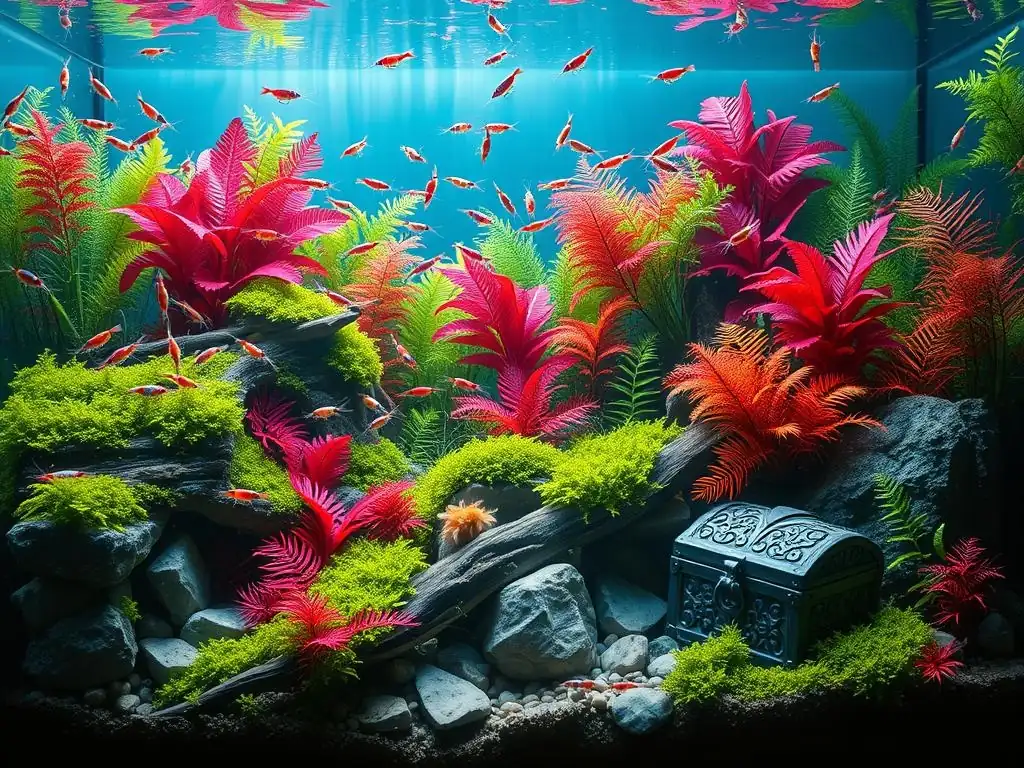
Ever wondered how to unlock the vibrant rainbow within your aquarium? Get ready to dive deep into the fascinating world of Neocaridina shrimp color morphs! This guide is your key to understanding, selecting, and breeding these captivating invertebrates. Uncover the secrets to achieving stunning colors and creating a thriving shrimp colony. Let's explore the ultimate color morph guide!
- Understanding Neocaridina Shrimp Color Morphs
-
Popular Neocaridina Shrimp Color Varieties: A Visual Guide
- Red Cherry Shrimp: The Classic Red Neocaridina
- Black Rose Shrimp: Deep Black Coloration Explained
- Yellow Goldenback Shrimp: Vibrant Yellow Shrimp
- Blue Dream Shrimp: Captivating Blue Hues
- Orange Sakura Shrimp: Bright Orange Delight
- Green Jade Shrimp: Rare and Stunning Green
- Bloody Mary Shrimp: Intense Red Hue
- Rili Shrimp Variations: Unique Color Patterns
- Achieving Vibrant Colors in Your Neocaridina Shrimp
- Breeding Neocaridina Shrimp for Specific Colors
- Common Issues Affecting Neocaridina Shrimp Color
- Advanced Neocaridina Shrimp Color Morph Breeding Techniques
- Maintaining a Healthy and Colorful Neocaridina Shrimp Colony
- Troubleshooting Faded or Unsatisfactory Neocaridina Shrimp Colors
-
Frequently Asked Questions
- What are Neocaridina shrimp color morphs and why are they popular?
- How do different Neocaridina shrimp colors breed and what offspring can I expect?
- What water parameters are ideal for maintaining vibrant colors in Neocaridina shrimp?
- Are some Neocaridina shrimp color morphs more difficult to keep than others?
- Where can I reliably purchase healthy Neocaridina shrimp color morphs?
- Final Reflection: Embracing the Spectrum of Life
- Unlock the Vibrant Potential of Your Shrimp!
Understanding Neocaridina Shrimp Color Morphs
What are Neocaridina Shrimp? A Brief Overview
Neocaridina shrimp, primarily Neocaridina davidi, are small, freshwater invertebrates that have become immensely popular in the aquarium hobby. Originating from streams and ponds in Taiwan and parts of mainland China, these hardy crustaceans are celebrated for their vibrant coloration, active scavenging habits, and relatively easy care requirements, making them an excellent choice for both beginner and experienced aquarists. Their adaptability to a range of water parameters, compared to their more sensitive Caridina cousins, further contributes to their widespread appeal.
Typically reaching an adult size of 1 to 1.5 inches (2.5 to 3.8 cm), Neocaridina shrimp are peaceful tank inhabitants that pose no threat to fish or other invertebrates. They spend their days grazing on biofilm, algae, and detritus, contributing to the cleanliness of the aquarium. Their prolific breeding habits also mean that a small starter colony can quickly grow into a bustling population, showcasing an array of beautiful Neocaridina shrimp color morphs.
The Genetics of Color in Neocaridina Shrimp
The stunning array of Neocaridina shrimp color morphs observed today is primarily the result of many generations of dedicated selective breeding. The color itself is determined by specialized pigment-containing cells called chromatophores, which are located within their exoskeletons and underlying tissues. Different types of chromatophores, such as erythrophores (red), xanthophores (yellow), and melanophores (black/brown), along with light-reflecting iridophores, combine in various densities and arrangements to produce the diverse spectrum of hues.
While the precise genetic pathways are complex and not fully mapped, the inheritance of Neocaridina shrimp color morphs often follows Mendelian principles, where specific genes control color expression. For instance, the gene for red coloration in Red Cherry shrimp is largely dominant over the wild-type brown. Breeders meticulously select individuals with the most intense and uniform coloration, breeding them together to concentrate these desirable genes and establish stable, pure lines that consistently produce specific Neocaridina shrimp color morphs.
Factors Influencing Neocaridina Shrimp Coloration
Several environmental and internal factors significantly influence the vibrancy and intensity of Neocaridina shrimp color morphs. Water parameters are paramount; stable conditions in terms of pH, General Hardness (GH), and Carbonate Hardness (KH) are crucial, as fluctuations can stress shrimp and lead to faded colors. Diet also plays a critical role, particularly the intake of carotenoid pigments.
Stress, whether from poor water quality (e.g., elevated ammonia, nitrite, or nitrate levels), aggressive tank mates, or frequent disturbances, is a common cause of color loss. Shrimp will often "pale out" as a stress response, making their Neocaridina shrimp color morphs appear dull or translucent. Additionally, the substrate and background color of the aquarium can visually impact perceived coloration; darker backgrounds and substrates encourage shrimp to display their most vibrant hues as a form of camouflage or to stand out.
Popular Neocaridina Shrimp Color Varieties: A Visual Guide
Red Cherry Shrimp: The Classic Red Neocaridina
The Red Cherry Shrimp (RCS) is arguably the most recognizable and widely kept Neocaridina shrimp color morph. Their vibrant red hue, which can range from a light, translucent red in lower grades to a deep, opaque, and intense red in higher grades, makes them a striking addition to any freshwater aquarium. This classic morph is particularly valued for its hardiness, adaptability, and prolific breeding, making it an excellent starting point for new aquarists interested in shrimp keeping.
The grading of Red Cherry Neocaridina shrimp color morphs is based on the density and coverage of their red pigmentation. For example, "Cherry" grade may have translucent patches, while "Sakura" has more opaque red, "Fire Red" is solid and intense, and "Painted Fire Red" boasts an almost completely opaque, deep red that extends to their legs. This scale allows enthusiasts to choose the intensity of red that best suits their aesthetic preference and budget, with higher grades typically commanding higher prices due to the extensive selective breeding required.
Black Rose Shrimp: Deep Black Coloration Explained
The Black Rose shrimp is a sophisticated and highly sought-after Neocaridina shrimp color morph, celebrated for its profound, velvety black coloration. Achieving a truly opaque and uniform black in this morph requires diligent selective breeding, often originating from darker strains like Chocolate or Dark Green Jade shrimp. The ideal Black Rose specimen exhibits no clear or translucent patches, maintaining its intense black hue even under bright aquarium lighting.
These deep black Neocaridina shrimp color morphs create a dramatic visual contrast in a planted aquarium, particularly against lush green foliage or light-colored driftwood. While generally as hardy as other Neocaridina varieties, maintaining their deep color relies on consistent water parameters and a diet that supports overall health. Their striking appearance makes them a focal point for many aquarists looking for a unique and elegant addition to their collection.
Yellow Goldenback Shrimp: Vibrant Yellow Shrimp
The Yellow Goldenback shrimp is a cheerful and bright Neocaridina shrimp color morph that adds a sunny disposition to the aquarium. Their coloration ranges from a soft, translucent lemon yellow to a deep, vibrant golden hue. The "goldenback" designation refers to a distinct, often iridescent yellow stripe that runs down the dorsal side of the shrimp, which becomes more pronounced and shimmery in higher-grade specimens, making them particularly attractive.
These lively yellow Neocaridina shrimp color morphs are highly visible against darker substrates and green plants, making them stand out effortlessly. They share the same robust nature as other Neocaridina varieties, making them suitable for beginners. Their consistent breeding patterns ensure that a colony can quickly multiply, providing a continuous display of their captivating yellow and golden hues.
Blue Dream Shrimp: Captivating Blue Hues
Blue Dream shrimp are among the most captivating Neocaridina shrimp color morphs, showcasing a stunning spectrum of blue shades. Their color can range from a light, translucent sky blue to a deep, opaque sapphire, with the most prized specimens exhibiting a uniform, dense blue coloration across their entire body and legs. This deep blue hue provides a serene and elegant aesthetic to the freshwater aquarium.
Achieving and maintaining the intense blue of these Neocaridina shrimp color morphs often benefits from stable water parameters, particularly slightly harder water (higher GH), which can sometimes enhance their pigmentation. Like other high-grade morphs, the presence of clear patches or inconsistent coloration can occur if breeding efforts are not meticulously managed, highlighting the importance of selective breeding for maintaining their unique beauty.
Orange Sakura Shrimp: Bright Orange Delight
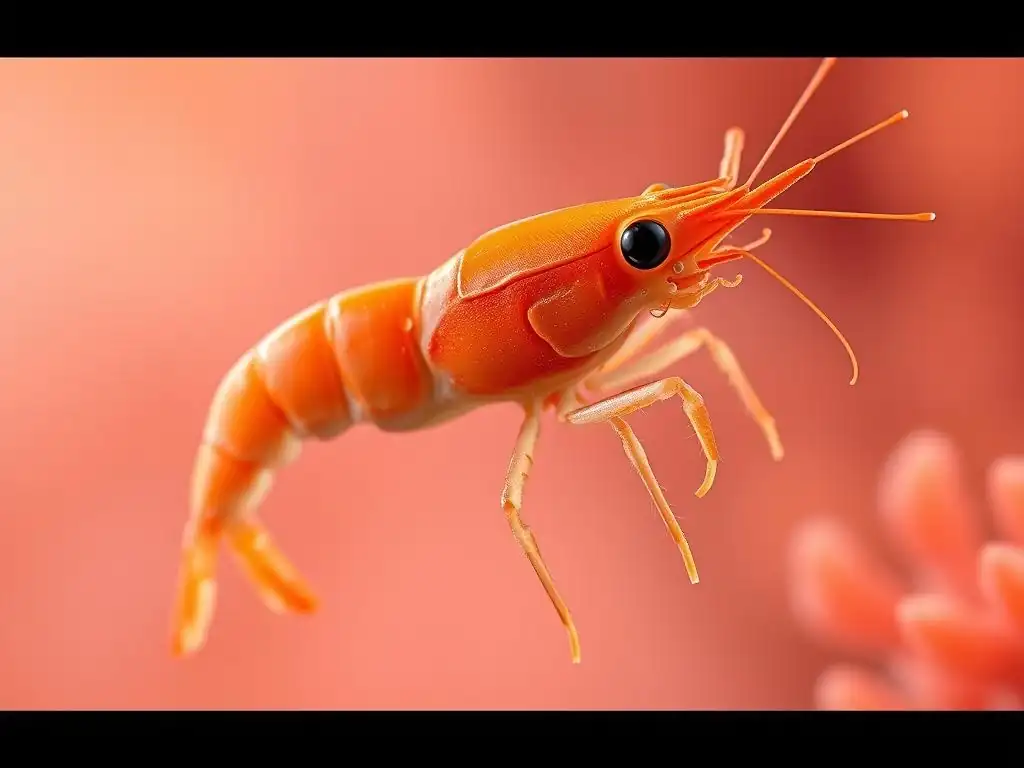
The Orange Sakura shrimp is a vibrant and eye-catching Neocaridina shrimp color morph that injects a fiery splash of orange into the aquatic environment. Their color spectrum extends from a translucent, light orange to a rich, opaque pumpkin or tangerine orange. Similar to the Red Cherry line, the intensity and coverage of the orange pigmentation are key factors in determining its grade.
Higher-grade Orange Sakura Neocaridina shrimp color morphs exhibit solid, dense orange coloration that covers their entire body, including their legs, making them exceptionally visible and attractive. These hardy shrimp are as easy to care for as their red counterparts, making them an excellent choice for aquarists who desire a bright, non-red color to diversify their shrimp collection while enjoying the typical resilience of Neocaridina varieties.
Green Jade Shrimp: Rare and Stunning Green
The Green Jade shrimp is one of the more unique and less commonly encountered Neocaridina shrimp color morphs. Their coloration can vary from a subtle olive green to a deep, dark jade green, with the most desirable specimens displaying an opaque, consistent shade of green throughout their bodies. Achieving and maintaining this specific green hue consistently is a challenging endeavor for breeders, contributing to their relative rarity and higher market value.
The green coloration of these Neocaridina shrimp color morphs can sometimes appear brownish or even bluish depending on the lighting conditions and water parameters in the aquarium. However, a well-established colony of high-quality Green Jade shrimp provides a truly distinctive and aesthetically pleasing element to a planted tank, offering a rare natural green that stands apart from the more common reds and blues.
Bloody Mary Shrimp: Intense Red Hue
The Bloody Mary shrimp is a distinct and highly prized Neocaridina shrimp color morph known for its exceptionally intense, deep red hue that appears to emanate from within the shrimp's flesh rather than just being a surface color on the exoskeleton. Unlike Red Cherry shrimp, which are selectively bred from wild red forms, Bloody Mary shrimp are believed to have originated from chocolate or black Neocaridina davidi lines, giving them a unique genetic background for their color.
This specific lineage results in a red that is often more translucent yet incredibly saturated, appearing almost crimson. The color saturation of Bloody Mary Neocaridina shrimp color morphs is remarkably high, making them stand out vividly against any background. Their unique genetic origin also means they tend to maintain their intense coloration more consistently than some grades of Red Cherry shrimp, provided optimal care is maintained.
Rili Shrimp Variations: Unique Color Patterns
Rili shrimp represent a fascinating category of Neocaridina shrimp color morphs characterized by a distinctive color pattern rather than a single solid hue. The defining feature of a Rili shrimp is a clear or translucent mid-section, contrasting sharply with colored heads and tails. This genetic trait allows for a myriad of variations, including Red Rili, Blue Rili, Carbon Rili (black), Orange Rili, and even Yellow Rili shrimp, each offering a unique visual appeal.
The Rili pattern creates a striking "two-tone" or "three-tone" effect, where the vibrant colors are concentrated at the extremities while the central body remains unpigmented. This unique distribution of pigment makes Rili Neocaridina shrimp color morphs highly sought after by enthusiasts looking for patterned shrimp. The consistency and sharpness of the color breaks are key indicators of a high-quality Rili specimen, showcasing the intricate possibilities within Neocaridina breeding.
Achieving Vibrant Colors in Your Neocaridina Shrimp
Optimal Tank Parameters for Color Development
Maintaining stable and appropriate tank parameters is fundamental to encouraging the most vibrant Neocaridina shrimp color morphs. Neocaridina shrimp thrive in consistent conditions. For most varieties, a pH range of 6.5 to 7.5 is ideal. General Hardness (GH), which measures the concentration of calcium and magnesium, should typically be between 4 and 8 dGH; these minerals are crucial for healthy molting and the development of strong, colorful exoskeletons. Carbonate Hardness (KH) around 2-6 dKH is also important to buffer pH fluctuations, preventing dangerous swings.
Consistent parameters minimize stress on the shrimp, which is a primary cause of color fading. While wild Neocaridina davidi are quite adaptable, the selective breeding for specific Neocaridina shrimp color morphs has resulted in strains that display their best colors within these narrower, optimal ranges. Regularly testing your water with a reliable liquid test kit (e.g., weekly or bi-weekly) is essential to monitor and maintain these conditions, ensuring your shrimp can express their full chromatic potential.
Water Chemistry: pH, GH, and KH Importance
Each aspect of water chemistry plays a distinct role in the health and color of your Neocaridina shrimp color morphs. pH directly affects the availability of essential nutrients and minerals, and an unstable pH can cause significant stress, leading to a noticeable dulling of colors. General Hardness (GH) is particularly vital as it measures the calcium and magnesium ions necessary for the formation of the shrimp's hard outer shell; insufficient GH can lead to molting problems and weak, faded coloration.
Carbonate Hardness (KH) acts as a crucial buffer, preventing drastic and sudden drops in pH, which can be lethal or highly stressful to shrimp. For example, a sudden pH crash from 7.0 to 6.0 can cause Neocaridina shrimp color morphs to pale out almost immediately as a severe stress response. Maintaining stable KH around 2-6 dKH helps ensure a consistent environment where shrimp feel secure enough to display their most intense colors.
Temperature and its Effect on Shrimp Color
Temperature also plays a role in the vibrancy of Neocaridina shrimp color morphs. While Neocaridina shrimp can tolerate a broad temperature range from 65°F to 80°F (18°C to 27°C), a stable temperature within the optimal range of 70-74°F (21-23°C) is generally preferred for both their overall health and color intensity. Higher temperatures can accelerate their metabolism and breeding cycle but may also shorten their lifespan and potentially lead to faded colors due to increased stress or faster aging.
Conversely, temperatures that are too low can slow down their metabolism, leading to reduced activity and potentially duller colors. Extreme temperature fluctuations, regardless of the average, are particularly detrimental as they induce stress. For instance, sustained temperatures above 78°F (25.5°C) have been observed to cause brighter Neocaridina shrimp color morphs like Yellow Goldenbacks or Red Cherries to become noticeably paler and less opaque over prolonged periods.
The Role of Diet in Enhancing Neocaridina Shrimp Color
Diet is a cornerstone for achieving and maintaining vibrant Neocaridina shrimp color morphs. Shrimp, like many other crustaceans, cannot synthesize carotenoids – the pigments responsible for red, orange, and yellow hues – on their own. They must obtain these essential pigments directly from the food they consume. Therefore, a varied and nutrient-rich diet is paramount to ensure a full spectrum of health-supporting compounds and color-enhancing pigments.
Beyond carotenoids, adequate protein content is also crucial for overall growth, health, and the development of a robust, well-pigmented exoskeleton. Foods specifically formulated for shrimp, often enriched with spirulina, astaxanthin, and other natural pigments, are particularly beneficial. Research on various crustaceans, for example, has indicated that a diet supplemented with astaxanthin at concentrations of 50-100 mg/kg can significantly enhance red and orange pigmentation, directly impacting the vibrancy of Neocaridina shrimp color morphs.
Best Foods for Color Enhancement
To maximize the vibrancy of your Neocaridina shrimp color morphs, focus on providing a diet rich in natural pigments. High-quality shrimp pellets that list spirulina, chlorella, and other algal sources among their primary ingredients are excellent staples. Many reputable brands offer "color-enhancing" formulas specifically designed for shrimp, which typically contain higher concentrations of carotenoids like astaxanthin and beta-carotene.
In addition to commercial foods, supplementing with blanched vegetables such as spinach, kale, and zucchini provides beneficial nutrients and a natural foraging experience. Small, infrequent servings of specialized color-enhancing flakes or pellets designed for fish, particularly those containing krill or other crustacean meals, can also be offered as treats to further boost the intensity of your Neocaridina shrimp color morphs.
Supplementing with Natural Color Boosters
Beyond a balanced diet, specific natural supplements can further enhance the intensity of Neocaridina shrimp color morphs. Astaxanthin is a particularly potent antioxidant and a key pigment for red and orange coloration. It is naturally found in various algae and krill, and can be incorporated into shrimp diets through specialized commercial foods or by feeding spirulina, which is rich in this compound.
Beta-carotene, another carotenoid, contributes to yellow and orange hues and can be found in natural sources like carrots or pumpkin. While direct supplementation can be tricky, ensuring that your shrimp's prepared foods or the natural biofilm and algae in your tank contain these beneficial pigments will significantly contribute to maintaining deep, rich colors. The consistent availability of these color-boosting compounds is vital for long-term vibrancy.
Substrate and Background Considerations for Visual Color Impact
The choice of substrate and background in your aquarium can significantly influence how vibrant your Neocaridina shrimp color morphs appear. Dark substrates, such as black or dark brown inert gravel, specialized shrimp soil, or even dark sand, provide a stark contrast that makes bright-colored shrimp pop. This visual effect enhances the perceived intensity of their coloration, making reds look redder, blues bluer, and yellows brighter.
Conversely, a light-colored substrate, like white or very light gravel, can cause shrimp to lighten their own coloration as a form of natural camouflage, making them appear duller or more translucent. Similarly, a dark background behind the tank (e.g., black poster board or painted glass) further enhances the perceived vibrancy of the shrimp, allowing their true Neocaridina shrimp color morphs to stand out beautifully without any visual dilution from a bright or busy background.
Breeding Neocaridina Shrimp for Specific Colors
Selective Breeding Techniques for Color Improvement
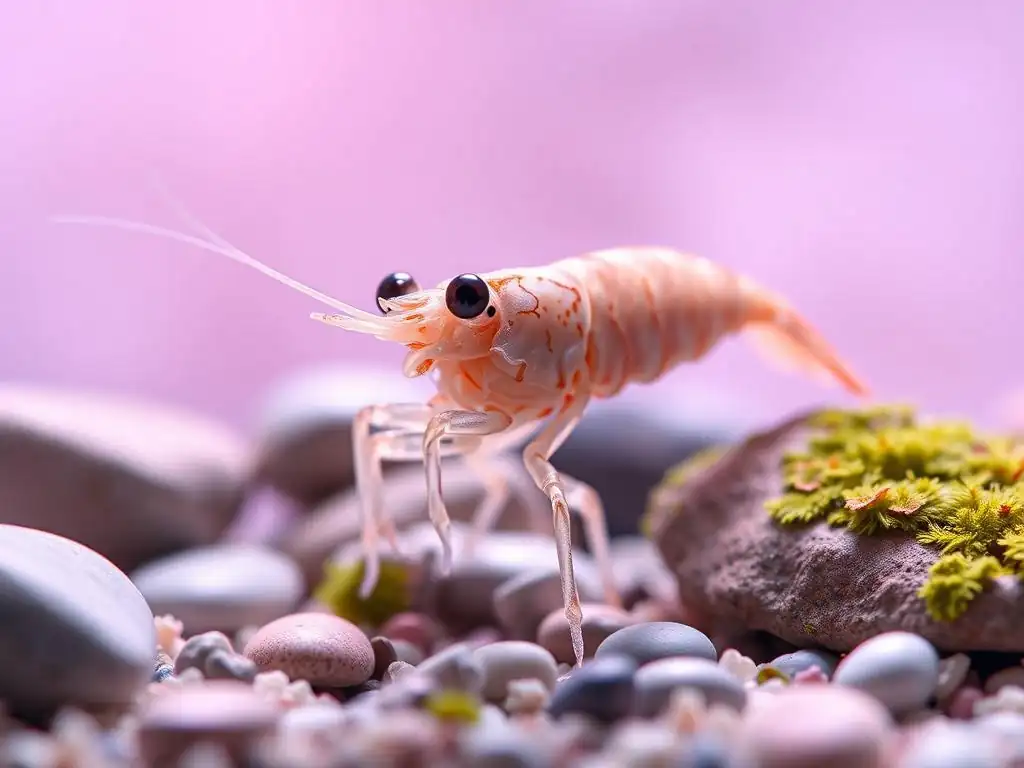
Selective breeding is the cornerstone of developing and refining specific Neocaridina shrimp color morphs. The core technique involves identifying and isolating shrimp that exhibit the most desirable traits – intense, opaque, and uniform coloration – and breeding them together. Simultaneously, any shrimp that display undesirable characteristics, such as clear patches, faded colors, or patterns resembling the wild type, are removed from the breeding pool (culled).
This continuous process of selection, performed over multiple generations, gradually concentrates the genes responsible for the desired color traits. For instance, starting with a colony of "Sakura Red" Neocaridina shrimp color morphs and consistently breeding only the individuals with the deepest, most opaque red can progressively lead to the development of "Fire Red" and ultimately "Painted Fire Red" grades within just a few generations, demonstrating the power of focused breeding.
Understanding Color Inheritance Patterns
Understanding basic color inheritance patterns is crucial for successful selective breeding of Neocaridina shrimp color morphs. While the full genetic map is complex, general observations show that certain colors, like red, are often dominant or co-dominant over the wild-type brown/clear. This means that breeding two high-grade Red Cherry shrimp will predominantly yield Red Cherry offspring, with a high percentage inheriting the desired red coloration.
However, crossing different Neocaridina shrimp color morphs often results in a significant number of "wild-type" or low-grade, translucent offspring. For example, breeding a vibrant Blue Dream shrimp with a Red Cherry shrimp will likely produce a high percentage of brown, clear, or very low-grade translucent shrimp in the first generation. This phenomenon occurs because the specific genetic pathways for each distinct color morph are different, and mixing them can lead to a reversion to ancestral, less colorful traits.
Avoiding Color Regression in Your Shrimp Colony
Without diligent management, Neocaridina shrimp color morphs will naturally tend to revert towards their wild-type brown or clear coloration over successive generations. This phenomenon, known as color regression, occurs because genes for the less colorful wild type are often still present in the genetic makeup and can re-express themselves if not actively bred out. It is a common challenge for hobbyists aiming to maintain vibrant, pure lines.
To prevent this regression and maintain the genetic purity and color intensity of your Neocaridina shrimp color morphs, regular culling is absolutely essential. Culling involves systematically removing any shrimp that exhibit undesirable traits, ensuring that only the most vibrantly colored and healthiest individuals contribute to the next generation. This continuous selection pressure is the only way to safeguard the hard-won color grades and prevent the dilution of desirable color genes within your colony.
Common Issues Affecting Neocaridina Shrimp Color
Stress and its Impact on Shrimp Color
Stress is a leading cause of faded or dull Neocaridina shrimp color morphs. These sensitive invertebrates react strongly to adverse conditions in their environment. Common stressors include sudden or drastic changes in water parameters (e.g., pH, temperature, GH/KH), poor water quality (such as elevated levels of ammonia, nitrite, or nitrate), the presence of aggressive tank mates, overcrowding, or frequent disturbances to their habitat.
When under stress, shrimp often display a defensive response by "paling out" or becoming translucent, causing their normally vibrant Neocaridina shrimp color morphs to appear significantly duller or almost clear. This color change serves as a crucial visual indicator that something in their environment is amiss and needs immediate attention, such as performing a small, slow water change or addressing sources of aggression.
Diseases and Color Loss
Certain diseases and infections can also contribute to a loss of vibrant Neocaridina shrimp color morphs. While relatively rare in well-maintained tanks, bacterial, fungal, or parasitic infections can lead to a general decline in the shrimp's overall health and vitality. This health decline often manifests visually as a noticeable fading of their characteristic colors, accompanied by other symptoms like lethargy, reduced appetite, or unusual behavior.
For instance, bacterial infections might cause a general dullness and loss of opacity in Neocaridina shrimp color morphs, alongside visible lesions or cottony growths. Fungal infections, like the common "cotton wool disease," can directly impact the exoskeleton and compromise the shrimp's ability to maintain its vibrant pigmentation. A consistently healthy and brightly colored shrimp colony is generally a strong indicator of a disease-free environment.
Molting Problems and Color Changes
Molting is a critical process for shrimp growth, but it can also be a vulnerable period that affects their coloration. Problems during molting, often stemming from insufficient minerals (low GH) or rapid changes in water parameters, can lead to incomplete molts, shell deformities, or even death. Immediately after a successful molt, a shrimp's color might temporarily appear slightly lighter or more intense as the new exoskeleton hardens and pigments are redeposited.
This post-molt color change is typically transient and resolves within 24 to 48 hours as the shrimp fully recovers and its new shell hardens. However, persistent dullness, translucency, or a lack of vibrancy after molting can be a sign of ongoing stress, nutritional deficiencies, or inadequate mineral levels in the water, all of which directly impact the long-term health and intensity of Neocaridina shrimp color morphs.
Advanced Neocaridina Shrimp Color Morph Breeding Techniques
Line Breeding Strategies for Specific Traits
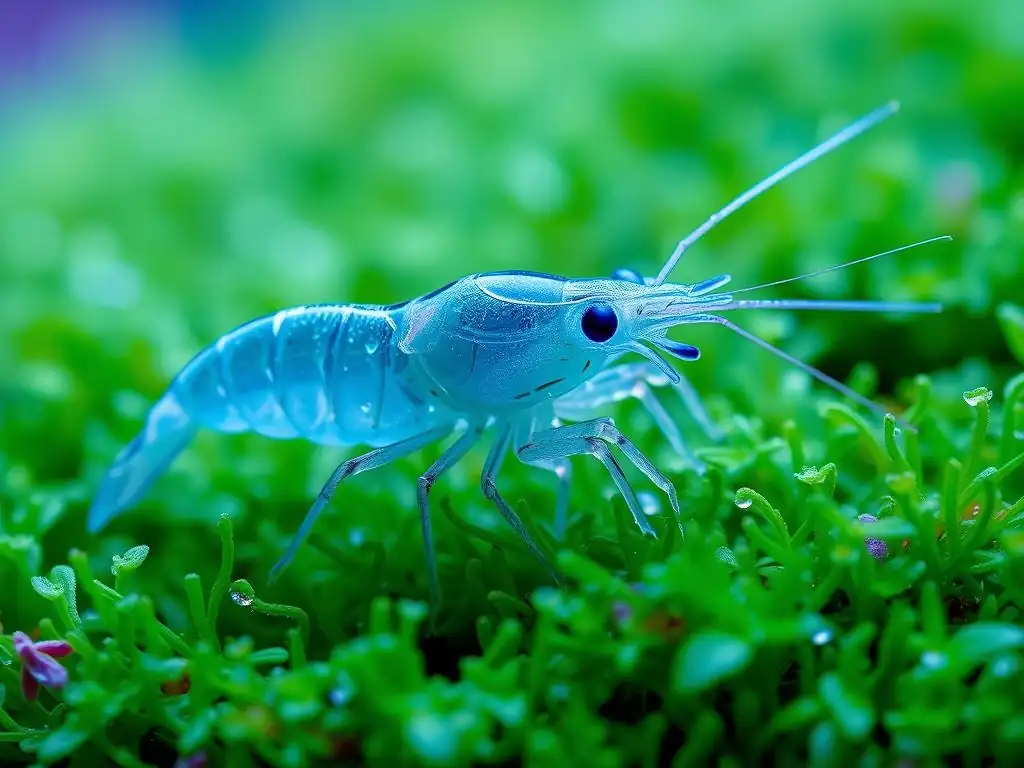
Line breeding is an advanced technique employed by experienced breeders to intensely concentrate desirable genes for specific Neocaridina shrimp color morphs and traits within a colony. This strategy involves carefully breeding related individuals, such as father to daughter, mother to son, or half-siblings, over successive generations. The goal is to "fix" certain characteristics, like a particular shade of blue, an exceptionally dense red, or specific patterns, ensuring they are consistently passed down.
While highly effective for improving color consistency, intensity, and uniformity, line breeding carries the inherent risk of inbreeding depression. Prolonged inbreeding can lead to reduced fertility, smaller adult sizes, weaker immune systems, and overall decreased vigor in the colony over many generations. To mitigate these risks while maintaining color quality, breeders often introduce new, unrelated "outcross" individuals from a similar pure line every few generations, refreshing the genetic pool.
Culling Techniques to Maintain Color Quality
Culling is an indispensable practice for any serious breeder aiming to maintain and improve the quality of Neocaridina shrimp color morphs. It involves the systematic removal of shrimp that do not meet the desired color standards or display undesirable genetic traits. This includes shrimp that are too pale, show clear spots, exhibit inconsistent coloration, or revert to a wild-type appearance within a specific color line.
The culled shrimp are typically moved to a separate "cull tank" or rehomed, preventing them from reproducing and diluting the genetic purity of the main breeding colony. The frequency of culling depends on the specific breeding goals and the rate of color regression observed in the colony. It is a continuous and proactive process in dedicated breeding programs, ensuring that only the highest quality Neocaridina shrimp color morphs contribute to the next generation, thereby preserving the integrity of the line.
Understanding Genetic Mutations and Variations
New Neocaridina shrimp color morphs often originate from spontaneous genetic mutations that occur naturally within existing populations. For instance, the original Red Cherry shrimp is believed to have emerged from a wild-type brown Neocaridina davidi through a beneficial mutation that was then identified and selectively bred by hobbyists. Similarly, the unique, intense red of the Bloody Mary shrimp is thought to be a mutation that arose from a chocolate or black Neocaridina line, rather than a direct progression from red.
Beyond entirely new morphs, variations within existing Neocaridina shrimp color morphs also frequently appear. Some Blue Dream shrimp might develop a distinct "racing stripe" down their back, or a Red Rili might exhibit a slightly altered pattern of clear and colored areas. Experienced breeders can identify these subtle yet desirable variations, isolate the individuals displaying them, and then selectively breed them to establish new, distinct Neocaridina shrimp color morphs or enhance existing patterns, driving the evolution of the hobby.
Maintaining a Healthy and Colorful Neocaridina Shrimp Colony
Regular Water Changes and Tank Maintenance
Regular and consistent water changes are paramount for maintaining the health and vibrant Neocaridina shrimp color morphs within your colony. Small, frequent water changes, typically 10-20% weekly or bi-weekly, are more beneficial than large, infrequent ones. This practice helps to remove accumulated nitrates and other waste products while replenishing essential minerals that are consumed by the shrimp, directly impacting their shell health and color vibrancy. Always use properly dechlorinated water that closely matches the tank's parameters to avoid shocking the shrimp.
Beyond water changes, routine tank maintenance is equally important. This includes gently cleaning filter media (preferably in old tank water to preserve beneficial bacteria), removing any uneaten food that could foul the water, and trimming overgrown plants. A clean, stable, and well-maintained environment significantly reduces stress on the shrimp, allowing them to display their most intense and consistent Neocaridina shrimp color morphs without environmental impediments.
Preventing Algae Growth that Can Dull Colors
While Neocaridina shrimp are excellent algae eaters, excessive or unsightly algae growth can detract from the visual appeal of your Neocaridina shrimp color morphs and even indicate underlying tank imbalances. Certain types of algae, such as hair algae or black beard algae, can physically cover the shrimp, making them appear duller or obscuring their true coloration. Heavy algae blooms also often signify an overabundance of nutrients, like nitrates and phosphates, which can stress shrimp if left unchecked.
To prevent excessive algae growth, manage your aquarium lighting duration (typically 6-8 hours daily), avoid overfeeding, and ensure proper nutrient balance. Introducing additional algae-eating invertebrates, such as Nerite snails, can also help keep surfaces clean. A tank free from excessive algae allows the true beauty of your Neocaridina shrimp color morphs to shine through, making them the undisputed stars of the aquarium.
Monitoring Your Shrimp for Signs of Stress or Illness
Daily observation of your Neocaridina shrimp color morphs is the most effective way to detect potential problems early. Pay close attention to their behavior: look for signs of lethargy, unusual swimming patterns, lack of appetite, or, most importantly, any noticeable fading or dullness in their coloration. Pale color is often one of the first visual cues that a shrimp is experiencing stress or developing an underlying health issue.
Promptly addressing these early warning signs can prevent more severe issues and help restore your shrimp's vibrant Neocaridina shrimp color morphs. This might involve testing water parameters and correcting any imbalances, identifying and removing sources of stress (e.g., aggressive fish or excessive light), or, in rare cases, isolating a sick shrimp. A proactive and attentive approach to monitoring ensures a thriving, healthy, and colorful Neocaridina shrimp colony.
Troubleshooting Faded or Unsatisfactory Neocaridina Shrimp Colors
Identifying the Root Cause of Color Loss
When your Neocaridina shrimp color morphs begin to fade or appear dull, the first critical step is to systematically identify the root cause. Start by thoroughly testing all essential water parameters: pH, General Hardness (GH), Carbonate Hardness (KH), ammonia, nitrite, and nitrate. Instability or poor water quality, particularly elevated nitrates (above 20 ppm), is the most common culprit behind stress-induced color loss.
Next, review their diet; are they consistently receiving high-quality foods rich in carotenoids and essential nutrients? Observe their tank mates for any signs of aggression or bullying that might be stressing them. Even seemingly minor factors like prolonged exposure to very bright lighting or the use of a light-colored substrate can visually diminish the vibrancy of Neocaridina shrimp color morphs. Overstocking can also lead to increased competition for resources and higher waste levels, contributing to stress.
Implementing Corrective Measures for Color Improvement
Once the root cause of color loss in your Neocaridina shrimp color morphs has been identified, implementing targeted corrective measures is crucial. If water parameters are off, perform small, slow, and consistent water changes using properly conditioned water that matches the tank's parameters. Adjust GH and KH levels gradually if they are outside the optimal range, using appropriate mineral supplements. If diet is insufficient, switch to higher-quality, color-enhancing shrimp foods and ensure a varied feeding regimen.
To reduce stressors, address any aggressive tank mates by separating them or rehoming. Ensure the tank is not overstocked, as this contributes to poor water quality and competition. If a light substrate is making colors appear dull, consider adding darker decor or, in a major overhaul, switching to a darker substrate. Consistent application of these corrective measures will gradually help restore the vibrancy and intensity of your Neocaridina shrimp color morphs.
Re-Starting Your Colony: When and Why
In severe and persistent cases where Neocaridina shrimp color morphs have significantly regressed, often due to prolonged neglect, severe genetic dilution from uncontrolled breeding, or a complete breakdown in health, restarting the colony might be the most effective, albeit drastic, solution. This involves rehoming the existing shrimp and acquiring new, high-quality breeding stock from a reputable source.
This decision is typically considered when multiple generations consistently show extreme fading, diminished size, poor health, or a complete loss of desired traits despite diligent corrective measures. Re-starting provides an opportunity to begin with a fresh, pure genetic pool and implement strict selective breeding practices from the outset. This allows for a renewed focus on achieving and maintaining superior Neocaridina shrimp color morphs and overall colony health.
Frequently Asked Questions
What are Neocaridina shrimp color morphs and why are they popular?
Neocaridina shrimp color morphs are selectively bred variations of the Neocaridina davidi species, resulting in diverse colors and patterns. They are popular due to their vibrant appearance and relative ease of care, making them accessible to both beginner and experienced aquarists.
How do different Neocaridina shrimp colors breed and what offspring can I expect?
Breeding different colors can result in unpredictable outcomes. Generally, breeding similar colors together increases the chances of maintaining that color lineage. Breeding drastically different colors can result in wild-type offspring (clear/brown) or a mix of colors, depending on genetic dominance.
What water parameters are ideal for maintaining vibrant colors in Neocaridina shrimp?
Maintaining stable water parameters is crucial. A pH of 6.5-8.0, a temperature of 68-78°F (20-26°C), and low levels of ammonia, nitrite, and nitrate are essential. Proper water quality and a balanced diet contribute to optimal color expression.
Are some Neocaridina shrimp color morphs more difficult to keep than others?
While all Neocaridina shrimp share similar basic care requirements, some color morphs may be more sensitive to water parameter fluctuations due to selective breeding. It's generally recommended that beginners start with more hardy colors like Red Cherry or Yellow Golden Back.
Where can I reliably purchase healthy Neocaridina shrimp color morphs?
It's best to purchase from reputable breeders or aquarium stores that prioritize shrimp health and genetics. Look for sellers who provide information about their breeding practices and guarantee live arrival. Online forums and local aquarium clubs are also good resources for finding reliable sellers.
Final Reflection: Embracing the Spectrum of Life
The vibrant world of Neocaridina shrimp, as we've explored, is more than just a hobby; it's a testament to the boundless beauty and adaptability of life itself. From the fiery reds to the serene blues, each color morph represents a unique expression of genetic potential, a living canvas painted by evolution and human fascination. Understanding and appreciating this diversity allows us to connect with the natural world on a deeper, more meaningful level.
This journey through the Neocaridina rainbow has undoubtedly broadened our understanding of these captivating creatures. The sheer variety and the dedication of enthusiasts to cultivating these color morphs highlights our innate desire to nurture beauty and explore the limits of possibility. The best and most beautiful things in the world cannot be seen or even touched - they must be felt with the heart.
- Helen Keller. This quote resonates deeply when considering the passion and care invested in these tiny aquatic gems, a testament to the beauty we create and cherish.
Now, as you embark on your own Neocaridina adventure, remember that each shrimp, regardless of its hue, is a valuable part of this intricate ecosystem. Let the vibrant colors inspire you to cultivate not only beautiful aquariums, but also a deeper appreciation for the delicate balance of nature and the endless possibilities that lie within. Embrace the spectrum, and let the joy of discovery guide your path.
Unlock the Vibrant Potential of Your Shrimp!
Thanks for diving into the colorful world of Neocaridina shrimp! We hope you've found inspiration and knowledge to enhance your shrimp-keeping journey. Now, let's bring that inspiration to life!
- Start Your Selective Breeding Project: Begin by isolating shrimp with the most vibrant or unique colors and patterns. This is your first step to creating your dream shrimp colony!
- Share your colorful transformations: Post photos of your shrimp on aquarium forums, showcasing your breeding efforts and inspiring others.
- Document Your Journey: Create a journal to track your shrimp's lineage and color changes. You might unlock new morphs no one has seen before!
Ready to breed a new shrimp color morph? What's the first color combination you're going to try?