
Using Bacter AE & Other Powdered Foods for Optimal Shrimplet Growth

Welcome to Aquarium Mastery!
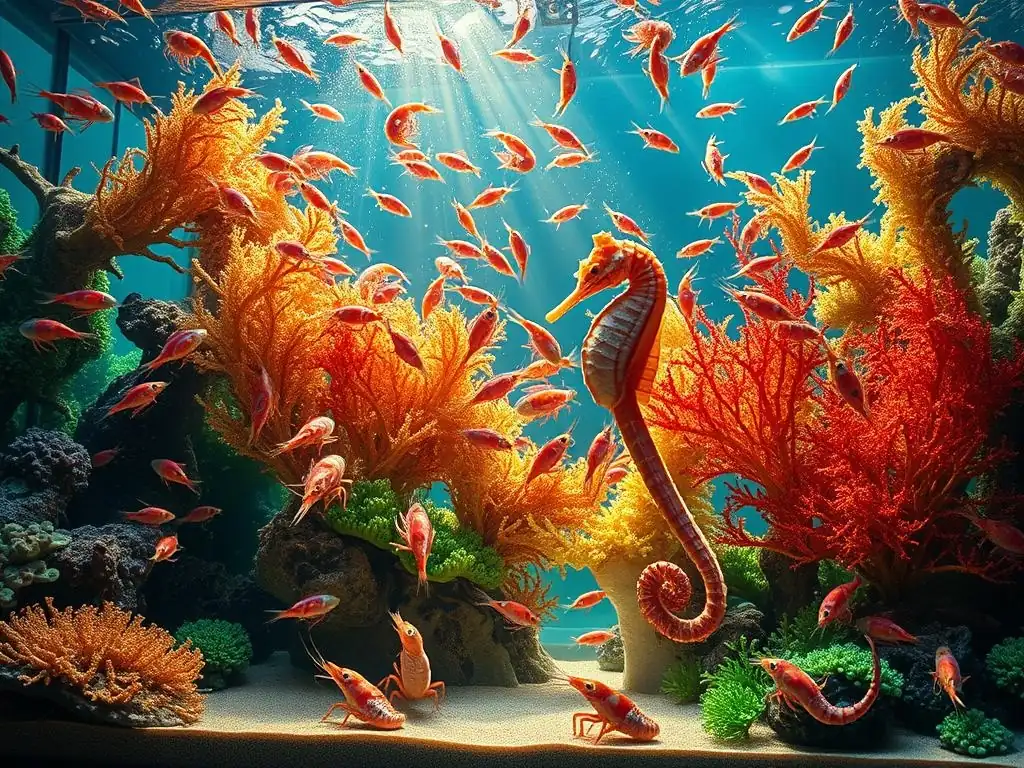
Ever wondered how to unlock the secret to explosive shrimplet growth? Unleash the potential of your tiny crustaceans with our comprehensive guide to Shrimp Growth Powdered Food, including the wildly popular Bacter AE. Dive in to discover the perfect feeding strategies and unlock vibrant, thriving shrimp colonies! What are you waiting for? Let's get started!
- Optimizing Shrimplet Growth with Powdered Foods
- Understanding Shrimplet Nutritional Needs
- Exploring Powdered Foods for Shrimplets
- Comparing Powdered Food Options
- Optimizing Shrimplet Feeding Strategies
- Water Parameters and Shrimplet Food Consumption
- Supplementing Powdered Food for Enhanced Development
- Troubleshooting Shrimplet Growth and Feeding Issues
- Selecting the Right Powdered Food for Shrimplets
-
Frequently Asked Questions
- How does Bacter AE help shrimplet growth?
- What are the benefits of using powdered foods over other food types for shrimplets?
- How often should I feed my shrimplets powdered food like Bacter AE?
- Can I use other powdered foods in addition to Bacter AE for shrimplet growth?
- What are some signs that I am overfeeding my shrimplets with powdered food?
- Final Reflection: Cultivating the Future of Shrimp Farming
- Ignite Your Shrimplets' Growth Potential!
Optimizing Shrimplet Growth with Powdered Foods
Understanding Shrimplet Nutritional Needs
Nutritional Differences Between Shrimplets and Adult Shrimp
Shrimplets, particularly within the first few weeks of hatching, possess a significantly different metabolic rate and nutritional requirement compared to their adult counterparts. Their tiny bodies are undergoing rapid development, necessitating a constant and easily accessible supply of highly digestible nutrients. While adult shrimp can efficiently process a wider range of food sizes and types, shrimplets require microscopic particles that can be readily ingested and assimilated into their fast-growing systems. This distinction underscores why a general adult shrimp diet is often insufficient for optimal shrimplet development.
Furthermore, the mouthparts and digestive systems of newly hatched shrimplets are not fully developed to handle larger food particles or tougher plant matter. They rely heavily on consuming biofilm and micro-organisms present in the aquarium, alongside very fine particulate matter. This makes specialized shrimp growth powdered food an indispensable part of their diet, as it ensures they receive the necessary nutrition without expending excessive energy on foraging or digestion, thereby maximizing their growth potential.
Essential Nutrients for Shrimplet Growth and Development
For robust shrimplet growth, a balanced array of macronutrients and micronutrients is critical. Proteins are paramount, serving as the building blocks for rapid cell division, muscle development, and the formation of a strong exoskeleton. High-quality powdered foods often contain crude protein levels ranging from 30% to 45%, providing the necessary amino acids. Alongside proteins, lipids offer concentrated energy for their high metabolic rate and are crucial for cell membrane integrity, while carbohydrates provide immediate energy for daily activities and growth processes.
Beyond macronutrients, a comprehensive profile of vitamins and minerals is essential. Calcium, for instance, is vital for successful molting and the hardening of the new exoskeleton, preventing common issues like molting complications. Trace elements such as iodine and selenium support various metabolic functions and immune system strength. B-complex vitamins aid in energy metabolism and overall vitality. A well-formulated shrimp growth powdered food is designed to deliver these critical micronutrients in bioavailable forms, ensuring that even the smallest shrimplets receive everything they need for healthy development and vibrant coloration.
Exploring Powdered Foods for Shrimplets
Powdered Food Composition and Benefits
Powdered foods specifically formulated for shrimplets are meticulously designed to meet their unique dietary needs, offering a blend of highly digestible ingredients in a microscopic particle size. These foods typically consist of a rich mix of proteins from sources like spirulina, chlorella, and various algae, along with essential amino acids, lipids, and carbohydrates. Many formulations also incorporate beneficial bacteria, yeasts, and prebiotics to support a healthy digestive system and enhance nutrient absorption, which is crucial for rapid shrimp growth.
The primary benefit of using these specialized shrimp growth powdered food products lies in their ability to disperse widely throughout the aquarium, making nutrients accessible to every shrimplet, regardless of their size or mobility. This ensures that even the weakest or most timid shrimplets receive adequate nutrition, preventing stunted growth and promoting uniform development across the entire clutch. Furthermore, the finely ground nature of these foods reduces waste and helps maintain water quality, provided they are dosed correctly.
Promoting Biofilm Growth for Shrimplet Grazing
Beyond direct consumption, many powdered foods, particularly those containing beneficial microorganisms, play a significant role in promoting and enriching the natural biofilm within the aquarium. Biofilm is a complex matrix of bacteria, algae, fungi, and other microorganisms that naturally adheres to surfaces like substrate, plants, and decor. For shrimplets, biofilm is a primary and essential food source, providing a continuous supply of easily digestible nutrients.
When powdered food settles on surfaces, it acts as a substrate and nutrient source for the proliferation of beneficial bacteria and micro-algae, thereby enhancing the existing biofilm. This enriched biofilm becomes a constant grazing ground for shrimplets, allowing them to feed continuously throughout the day in a natural manner. This steady intake of nutrition from an optimized biofilm environment is critical for consistent shrimp growth and overall vitality, making powdered foods a dual-purpose solution for shrimplet sustenance.
Powdered Food Dosage Guide for Freshwater Aquariums
Proper dosage of shrimp growth powdered food is crucial to prevent overfeeding, which can lead to detrimental water quality issues. A common guideline for a standard 10-gallon freshwater shrimp aquarium with a moderate number of shrimplets (e.g., 50-100) is to start with a very small amount, typically a tiny pinch or a scoop equivalent to a grain of rice, once a day. For example, some brands recommend 0.5 grams per 50 liters (approximately 13 gallons) daily for a densely populated tank. It's often better to underfeed slightly than to overfeed, especially in the initial stages.
Observe your shrimplets' feeding behavior closely. If the food is consumed within 2-3 hours and the water remains clear, you can gradually increase the amount by a minuscule increment, such as another half-pinch, over subsequent days until you find the optimal quantity. For larger tanks or higher shrimplet densities, scale up proportionally. For instance, a 20-gallon tank with a thriving shrimplet population might require double the amount. The goal is to provide enough food for all shrimplets to feed without leaving significant uneaten particles that could foul the water, thus supporting continuous shrimp growth.
Comparing Powdered Food Options
Analyzing Different Powdered Food Brands
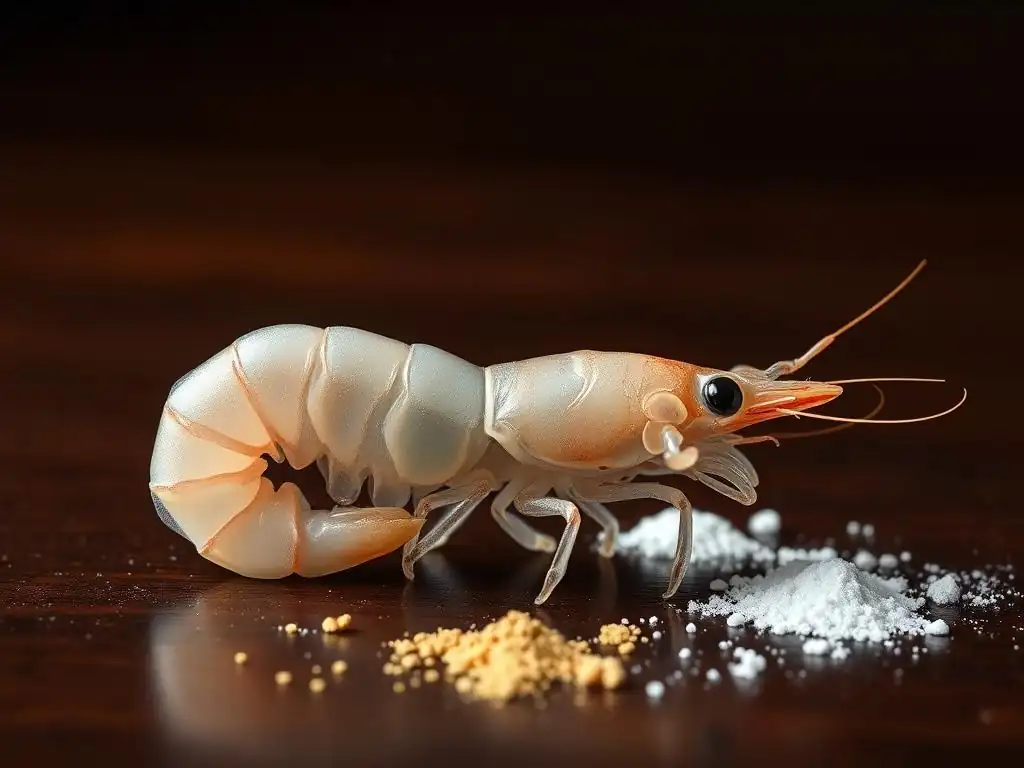
The market offers a variety of powdered food brands, each with its unique formulation and intended benefits for shrimp growth. When analyzing options, it's important to consider the ingredient list, focusing on the quality and source of proteins, the presence of beneficial bacteria or prebiotics, and the overall balance of nutrients. Some brands emphasize specific mineral complexes for molting, while others focus on enhancing coloration through natural pigments. Customer reviews and long-term success stories from other aquarists can also provide valuable insights into a product's efficacy.
For instance, while one brand might boast a higher protein content, another might offer a more diverse range of algae and plant-based nutrients, which can be beneficial for a comprehensive shrimplet diet. The fine particle size is a consistent feature across all reputable shrimp growth powdered food products, ensuring accessibility for the smallest shrimplets. Ultimately, the best brand often depends on the specific needs of your shrimp species, your water parameters, and the overall goals for your shrimplet population, whether it's rapid growth, vibrant color, or enhanced breeding success.
GlasGarten Bacter AE: Ingredients and Benefits
GlasGarten Bacter AE is a highly popular and widely recognized powdered food for shrimplets, renowned for its unique composition and benefits. Its primary ingredients include beneficial bacteria, amino acids, enzymes, and yeasts. It does not contain traditional "food" particles in the sense of a complete meal but rather works by promoting the growth of a robust biofilm and micro-organisms in the aquarium, which shrimplets then graze upon. This approach simulates a more natural feeding environment, providing a continuous, sustainable food source.
The benefits of Bacter AE for shrimp growth are numerous. The beneficial bacteria it introduces help break down organic waste, improving water quality and creating a healthier environment. The enzymes and amino acids contribute to the development of a nutritious biofilm, making it easier for shrimplets to access vital nutrients. Users often report increased shrimplet survival rates and more uniform growth when incorporating Bacter AE into their feeding regimen, as it ensures a constant supply of microscopic food that is readily available to even the most delicate newborns.
Shrimp King Baby Food: Ingredients and Benefits
Shrimp King Baby Food, manufactured by Dennerle, is another prominent shrimp growth powdered food specifically formulated for the intensive rearing of shrimplets. Its ingredient list is comprehensive, featuring a balanced blend of proteins from aquatic insects, crustaceans, and algae, alongside essential vitamins, minerals, and trace elements. Unlike Bacter AE, Shrimp King Baby Food is a direct nutritional supplement, providing a complete and balanced diet in a finely ground powder form that shrimplets can directly consume.
The benefits of Shrimp King Baby Food include its high palatability and nutrient density, which supports rapid and healthy shrimplet development. The diverse protein sources ensure a complete amino acid profile necessary for strong exoskeleton formation and muscle growth. Furthermore, the inclusion of essential vitamins and minerals helps to boost the shrimplets' immune systems and overall vitality. Many aquarists observe a noticeable increase in growth rate and a reduction in mortality when using this powdered food, making it a reliable choice for dedicated shrimplet care.
Creating a Balanced Shrimplet Diet with Various Powdered Foods
While individual powdered foods offer distinct advantages, combining different types can create a more balanced and comprehensive diet for optimal shrimp growth. For instance, using a biofilm-promoting product like GlasGarten Bacter AE alongside a direct nutritional powdered food like Shrimp King Baby Food can provide the best of both worlds. Bacter AE ensures a continuous natural food source through enhanced biofilm, while Shrimp King Baby Food offers concentrated, readily available nutrients for rapid development.
This mixed approach ensures that shrimplets receive a wide spectrum of nutrients, mimicking the varied diet they might encounter in a natural habitat. One might feed Bacter AE daily in a very small amount to maintain a healthy biofilm, and then supplement with Shrimp King Baby Food every other day or a few times a week, ensuring direct nutritional intake. Experimentation and observation are key to finding the ideal balance for your specific tank and shrimplet population, always prioritizing water quality and avoiding overfeeding to support consistent shrimp growth.
Optimizing Shrimplet Feeding Strategies
Starting Powdered Food Introduction for Shrimplets
Introducing powdered food to shrimplets should begin shortly after they hatch, typically within the first 24-48 hours. Unlike fish fry, shrimplets are miniature versions of adults and are capable of grazing immediately. The key is to start with an extremely small amount, as their initial biomass is minimal. For a small breeding tank (e.g., 5-10 gallons) with a new batch of shrimplets, a mere "dusting" of the water surface or a tiny pinch equivalent to a few grains of sand is often sufficient for the first few days.
It is crucial to observe how quickly the powdered food disappears and how the shrimplets respond. If the food is consumed within an hour or two and there's no visible residue, the amount is likely appropriate. If it lingers, reduce the quantity significantly. The goal is to provide constant, low-level nutrition without overwhelming the tank's biofilter or polluting the water, laying the foundation for healthy shrimp growth from day one.
Distributing Powdered Food Evenly in the Shrimp Tank
Even distribution of shrimp growth powdered food is vital to ensure that all shrimplets, including the weaker or more timid ones, have equal access to nutrition. Simply dropping a pinch of powder into one spot can lead to competitive feeding and some shrimplets being deprived. A highly effective method is to pre-mix the tiny amount of powder with a small volume of tank water (e.g., 5-10 ml) in a separate container or syringe.
Once mixed into a fine suspension, the liquid can be slowly dispensed across the water surface or gently squirted into different areas of the tank using a pipette or syringe. This method helps the fine particles disperse more widely, settling evenly on plants, substrate, and decor, making the food accessible throughout the entire tank. This widespread availability of shrimp growth powdered food minimizes competition and promotes more uniform development among the shrimplet population.
Avoiding Overfeeding in Shrimplet Tanks
Overfeeding is one of the most common and detrimental mistakes in shrimplet care, significantly hindering shrimp growth and overall tank health. Excess powdered food quickly decomposes, leading to a rapid spike in ammonia and nitrites, which are highly toxic to delicate shrimplets. Even if not immediately lethal, poor water quality stresses shrimplets, suppresses their appetite, and can lead to stunted growth or increased susceptibility to disease.
To avoid overfeeding, always start with the smallest recommended amount and adjust incrementally based on observation. It's generally safer to feed multiple tiny amounts throughout the day (e.g., 2-3 times) rather than one large amount, as this provides a more consistent nutrient supply without overwhelming the water column. If you notice any uneaten food after a few hours, or if the water starts to appear cloudy, immediately reduce the feeding amount. Regular water parameter testing, particularly for ammonia and nitrites, is an excellent indicator of whether your feeding regimen for shrimp growth is appropriate.
Water Parameters and Shrimplet Food Consumption
Water Quality's Impact on Shrimplet Health
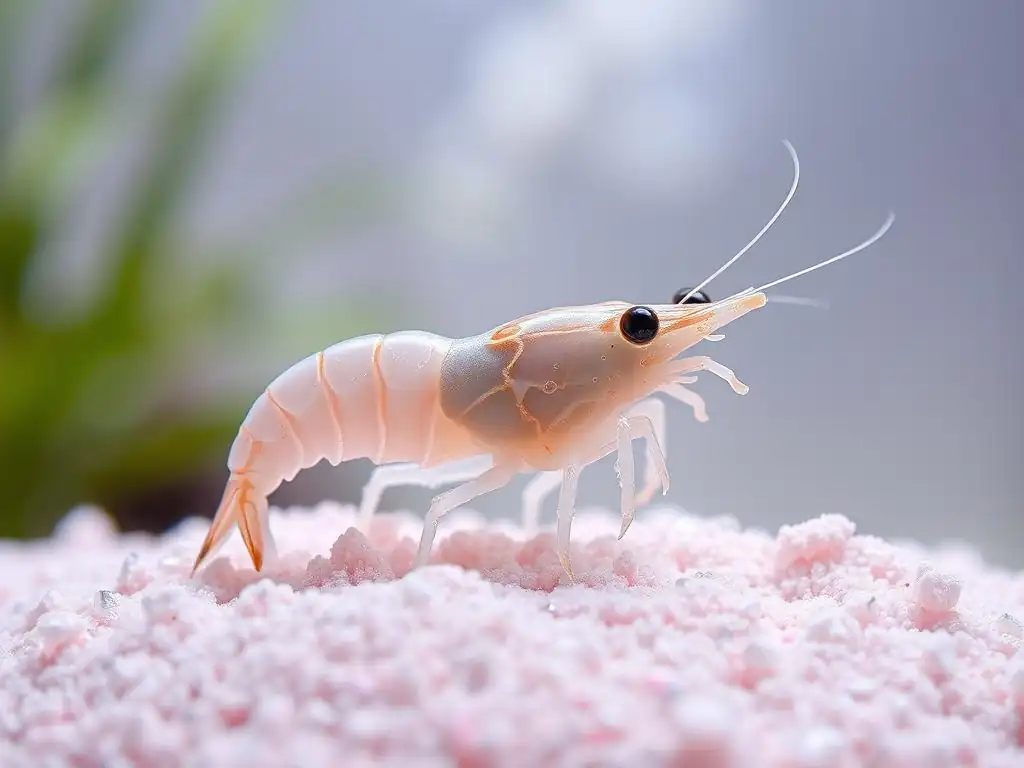
Water quality is arguably the most critical factor influencing shrimplet health, growth, and their ability to consume powdered food effectively. Pristine, stable water parameters are essential for their delicate systems. Any significant fluctuations in temperature, pH, or hardness (GH/KH) can induce stress, which directly impacts their metabolic functions, appetite, and immune response. Stressed shrimplets are less likely to actively forage and consume the shrimp growth powdered food provided, leading to nutritional deficiencies and stunted development.
Optimal water quality also ensures that the beneficial bacteria responsible for nutrient cycling (converting ammonia to nitrite, then to nitrate) are thriving. A robust nitrogen cycle prevents the buildup of toxic compounds, creating a safe environment where shrimplets can grow without physiological impediments. Regular water changes with aged, temperature-matched water, along with consistent monitoring of parameters, are fundamental to providing the stable conditions necessary for shrimplets to thrive and utilize their food efficiently.
Ammonia, Nitrite, and Nitrate Levels and Their Effect on Shrimplet Feeding
The presence of ammonia and nitrite, even in trace amounts, is highly toxic to shrimplets and severely impairs their feeding behavior and overall shrimp growth. Ammonia (NH3/NH4+) directly damages their gills and internal organs, making it difficult for them to absorb oxygen and process nutrients. Nitrite (NO2-) interferes with oxygen transport in their blood, leading to a condition similar to suffocation. Both compounds will cause shrimplets to become lethargic, lose their appetite, and cease feeding on powdered food, rapidly leading to mortality.
While nitrates (NO3-) are less toxic than ammonia and nitrite, consistently high levels (e.g., above 20 ppm for sensitive species like Caridina) can also stress shrimplets, reduce their activity, and potentially suppress their feeding response. Therefore, maintaining ammonia and nitrite at 0 ppm and nitrates at low, stable levels is paramount. Regular testing with a reliable liquid test kit is indispensable for monitoring these parameters and taking prompt corrective action, ensuring shrimplets remain healthy enough to actively consume their shrimp growth powdered food.
Maintaining Optimal Water Parameters for Shrimplet Growth
To ensure optimal water parameters for shrimplet growth and efficient powdered food consumption, a multi-faceted approach is necessary. Firstly, conduct regular, small water changes (e.g., 10-20% weekly) using dechlorinated and appropriately conditioned water that matches the tank's existing parameters (temperature, pH, GH, KH). This helps dilute accumulated nitrates and replenish essential minerals. For Neocaridina shrimplets, typical parameters might be a pH of 6.8-7.8, GH 6-10 dGH, and KH 2-6 dKH. For Caridina, a lower pH (5.5-6.5), GH 4-6 dGH, and KH 0-1 dKH are often preferred.
Secondly, ensure adequate filtration, but avoid strong currents that can stress shrimplets. Sponge filters are excellent for shrimplet tanks as they provide gentle filtration and offer additional surface area for biofilm growth. Overstocking should be avoided, as it increases the bioload and makes maintaining stable parameters challenging. Finally, consistent monitoring of water parameters using accurate test kits allows for immediate adjustments, preventing adverse conditions that could inhibit shrimplet feeding and overall shrimp growth.
Supplementing Powdered Food for Enhanced Development
Vitamins and Minerals and Their Role in Shrimplet Growth
Vitamins and minerals play an indispensable role in complementing shrimp growth powdered food, ensuring comprehensive development for shrimplets. Vitamins, such as the B-complex group, are crucial cofactors in countless metabolic processes, aiding in energy conversion and nutrient utilization. Vitamin E acts as an antioxidant, protecting cells from damage, while Vitamin C supports immune function. These micronutrients, often present in high-quality powdered foods, are vital for robust internal systems.
Minerals are equally critical, particularly for the shrimplet's rapid molting cycle and exoskeleton development. Calcium is the most prominent, forming the primary component of their shell. Magnesium is essential for various enzymatic reactions and nerve function, while trace elements like iodine and selenium contribute to hormonal balance and overall vitality. While a good shrimp growth powdered food contains these, supplemental mineral products can ensure optimal levels, especially in soft water or during periods of rapid growth, directly impacting shrimplet health and their ability to grow to full size.
Natural Supplements to Boost Shrimplet Health
Beyond commercial powdered foods, several natural supplements can significantly boost shrimplet health and enhance their development. Indian Almond Leaves (IAL) are a popular choice, releasing beneficial humic acids and tannins into the water. These compounds have mild antibacterial and antifungal properties, helping to prevent diseases and create a more natural, stress-reducing environment for shrimplets. The leaves also provide additional surface area for biofilm growth, offering continuous grazing opportunities.
Another excellent natural supplement is Alder cones, which, similar to IAL, release tannins and humic substances, providing similar health benefits and a natural food source for microorganisms. Cholla wood and various botanical items also serve as long-lasting grazing surfaces and hideouts, contributing to a stable environment. These natural additions, when combined with a quality shrimp growth powdered food regimen, promote a holistic approach to shrimplet care, fostering stronger immune systems and more vigorous growth.
Calcium Montmorillonite Clay: Benefits and Dosage for Shrimplets
Calcium Montmorillonite Clay is a highly beneficial supplement for shrimplets, offering a unique combination of essential minerals and detoxification properties. This natural clay is rich in calcium, magnesium, and a wide array of trace elements crucial for healthy molting and robust exoskeleton formation. Unlike calcium added directly to the water, the clay releases minerals slowly and in an easily absorbable form, reducing the risk of sudden parameter shifts.
The benefits extend beyond mineral supplementation; the clay also acts as a natural water clarifier by absorbing impurities, heavy metals, and toxins, thereby improving overall water quality. For shrimplets, this means a cleaner, safer environment for growth. A typical dosage for a 10-gallon tank might be a small pinch (e.g., 0.1-0.2 grams) once or twice a week, or as indicated by the product.
It can be mixed with water and added directly, or placed in a small dish. When used alongside a comprehensive shrimp growth powdered food, Calcium Montmorillonite Clay significantly enhances shrimplet vitality and contributes to stronger, healthier individuals.
Troubleshooting Shrimplet Growth and Feeding Issues
Identifying and Resolving Stunted Shrimplet Growth
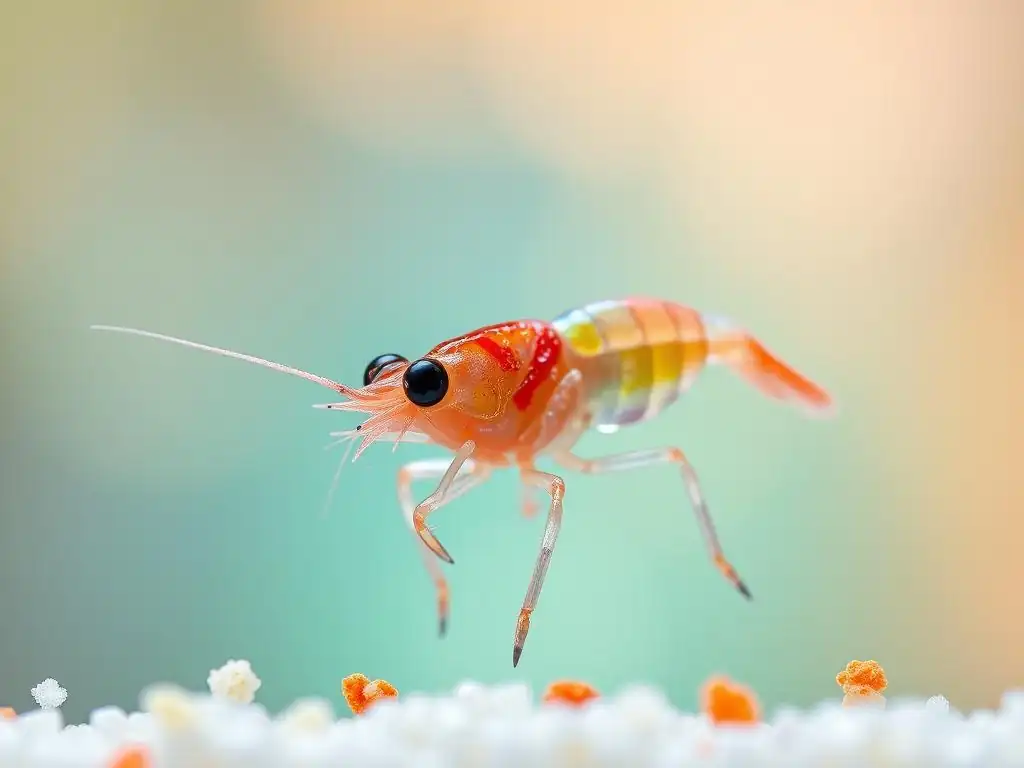
Stunted shrimplet growth is a common and concerning issue, often indicating underlying problems with their environment or diet. Signs include shrimplets remaining noticeably smaller than their peers after several weeks, or a lack of consistent size progression. The primary culprits are typically poor water quality (especially high ammonia/nitrite or unstable parameters), inadequate nutrition, or insufficient calcium for molting. Resolving this requires a systematic approach.
First, rigorously test water parameters to ensure ammonia and nitrite are 0 ppm, and nitrates are low. Perform small, frequent water changes if necessary. Second, re-evaluate your feeding strategy. Are you providing enough high-quality shrimp growth powdered food? Is it being distributed evenly? Consider diversifying their diet with another brand or supplementing with mineral-rich products like Calcium Montmorillonite Clay. Lastly, ensure the tank isn't overcrowded, which can lead to competition for food and space, hindering individual shrimp growth. Addressing these factors promptly is crucial for getting shrimplets back on track.
Addressing Uneaten Powdered Food
Discovering uneaten powdered food after a few hours of feeding is a clear sign of overfeeding, which can quickly lead to water quality degradation. If you notice a significant amount of food remaining, the immediate action is to reduce the feeding quantity drastically for the next few days. It's better to underfeed slightly than to pollute the tank. Use a fine-mesh net or a pipette to carefully remove any visible uneaten food from the substrate or decorations.
To prevent future occurrences, refine your feeding schedule. Instead of one large feeding, consider dividing the daily amount into two or three smaller portions spread throughout the day. This allows shrimplets to consume the food before it breaks down, minimizing waste. Also, reassess your powdered food distribution technique; ensure it's spread evenly to maximize accessibility for all shrimplets. Consistent observation after feeding is key to fine-tuning the amount of shrimp growth powdered food to their actual consumption rate.
Preventing and Managing Cloudy Water After Feeding
Cloudy water after feeding powdered food is a strong indicator of overfeeding and bacterial bloom, signifying an excess of organic matter in the water column. This not only obscures visibility but also depletes oxygen and contributes to dangerous ammonia spikes. The first step in managing cloudy water is to immediately cease feeding for at least 24-48 hours and perform a significant water change (e.g., 25-30%). Use a gravel vacuum to remove any settled uneaten food.
To prevent cloudy water, the most effective strategy is precise portion control. Always start with the absolute minimum amount of shrimp growth powdered food and increase only if completely consumed within a few hours. Ensure proper filtration, especially a well-established sponge filter, which can help process excess nutrients. Adequate aeration is also important to maintain oxygen levels. If the cloudiness persists, it might indicate an imbalance in the tank's biological filtration, requiring patience and continued small water changes until the system stabilizes.
Selecting the Right Powdered Food for Shrimplets
Key Considerations for Choosing Shrimplet Powdered Food
When selecting the right shrimp growth powdered food for your shrimplets, several key considerations should guide your decision. Firstly, examine the ingredient list for high-quality protein sources (e.g., spirulina, chlorella, insect proteins) and a balanced profile of vitamins and minerals. Avoid products with excessive fillers or artificial ingredients. Secondly, particle size is paramount; the powder must be incredibly fine to be easily ingested by microscopic shrimplets.
Thirdly, consider the product's primary function: Is it a direct nutritional meal, or does it primarily promote biofilm growth? Many aquarists find a combination of both types most effective. Read reviews from other shrimp keepers, especially those with similar shrimp species, to gauge real-world effectiveness. Lastly, assess your budget and the quantity needed for your tank size and shrimplet population. Investing in a reputable brand, even if slightly more expensive, often yields better results in terms of shrimplet health and vibrant shrimp growth.
Achieving Optimal Shrimplet Growth Through Proper Nutrition
Achieving optimal shrimplet growth is a multifaceted endeavor, with proper nutrition from shrimp growth powdered food being a cornerstone. It's not merely about providing food, but about delivering the right nutrients, in the right form, at the right time. This means consistently offering high-quality powdered foods that are rich in proteins, essential fats, carbohydrates, and vital micronutrients like calcium and trace elements. The finely ground nature of these foods ensures that even the tiniest shrimplets can access and efficiently absorb the necessary building blocks for rapid development.
Beyond the food itself, the strategy of feeding plays a crucial role. Evenly distributing the powdered food, avoiding overfeeding, and maintaining pristine water parameters are all critical components that directly impact how effectively shrimplets can consume and utilize their diet. By combining a carefully chosen shrimp growth powdered food with diligent tank maintenance and observant feeding practices, aquarists can significantly increase shrimplet survival rates, foster robust growth, and cultivate a thriving, vibrant shrimp colony.
Frequently Asked Questions
How does Bacter AE help shrimplet growth?
Bacter AE contains essential nutrients and beneficial bacteria that create a biofilm. This biofilm serves as a vital first food source for newly hatched shrimplets.
What are the benefits of using powdered foods over other food types for shrimplets?
Powdered foods, like Bacter AE, are finely dispersed, ensuring that even the smallest shrimplets can easily access and consume the food. This promotes uniform growth and reduces competition.
How often should I feed my shrimplets powdered food like Bacter AE?
Feeding frequency depends on tank size and shrimplet population. Generally, feeding small amounts 1-2 times daily is recommended, being careful not to overfeed the tank.
Can I use other powdered foods in addition to Bacter AE for shrimplet growth?
Yes, you can supplement Bacter AE with other high-quality powdered foods designed for invertebrates. Ensure the food contains essential vitamins and minerals for optimal shrimplet development.
What are some signs that I am overfeeding my shrimplets with powdered food?
Signs of overfeeding include cloudy water, a build-up of uneaten food on the substrate, and a potential increase in ammonia and nitrite levels. Monitor your water parameters regularly.
Final Reflection: Cultivating the Future of Shrimp Farming
The journey from microscopic shrimplet to thriving adult is a delicate dance of nutrition and environment, and as we've explored the potential of shrimp growth powdered food, particularly Bacter AE, it's clear that targeted feeding strategies are no longer a luxury, but a necessity for sustainable aquaculture. The insights shared here, from understanding biofilm development to optimizing feeding schedules, represent a significant step towards maximizing yields and minimizing waste in shrimp farming practices.
This exploration has underscored the profound impact of seemingly small interventions on the larger ecosystem of shrimp aquaculture. Witnessing the tangible benefits of optimized nutrition, not just in growth rates but also in overall shrimplet health, reinforces the importance of continuous learning and adaptation in this field. The future belongs to those who learn more skills and combine them in creative ways.
- Robert Greene. This quote perfectly encapsulates the spirit of innovation required to navigate the complexities of shrimp farming and unlock its full potential.
Now, we invite you to consider how these principles might apply to your own aquacultural endeavors. Whether you're a seasoned professional or just beginning your journey, remember that the key to unlocking optimal shrimp growth lies in a commitment to understanding the intricate interplay between nutrition, environment, and the delicate life cycle of these fascinating creatures. Embrace the power of knowledge, experiment with informed strategies, and contribute to a future where sustainable shrimp farming thrives.
Ignite Your Shrimplets' Growth Potential!
Thank you for exploring the world of shrimplet nutrition with us! Now that you're equipped with insights on Bacter AE and other powdered foods, it's time to put that knowledge into action and watch your shrimp colony thrive.
Here’s how you can immediately boost your shrimplets' growth and vitality:
- Implement a consistent feeding schedule: Start with small, measured doses of Bacter AE, observing your shrimplets' feeding response and adjusting accordingly to avoid overfeeding. This is the most crucial step!
- Experiment with food combinations: Try mixing Bacter AE with other powdered foods like spirulina or baby shrimp food to create a nutritionally diverse diet. Note the preferences of your shrimplets.
- Share your experiences: Post a picture of your thriving shrimplets on social media with the hashtag #AquariumMasteryShrimp, inspiring others to optimize their shrimp keeping too!
What unique powdered food combination are you most excited to try with your shrimplets?