
WildType Neocaridina davidi: The Hardy Ancestor of Colorful Shrimp

Welcome to Aquarium Mastery!
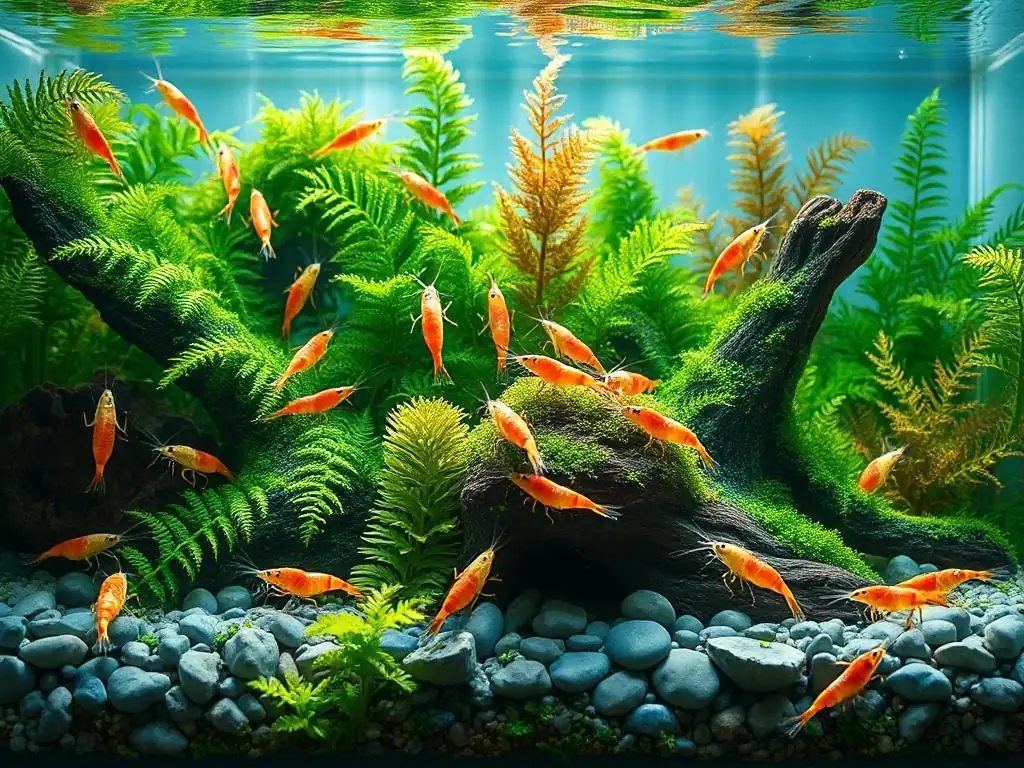
Ever wondered about the secrets behind the vibrant colors of your favorite aquarium shrimp? Dive into the fascinating world of Wild type Neocaridina davidi, the resilient ancestor of all those dazzling hues! Uncover the surprisingly simple secrets to Wild type shrimp care and discover why this hardy species is a fantastic addition to any freshwater aquarium. Let's explore their history, needs, and the joy of keeping these fascinating invertebrates! Prepare to be amazed!
- Understanding Wild Type Neocaridina davidi Shrimp
- Wild Type Shrimp Care: Essential Guidelines for a Thriving Tank
- Breeding Wild Type Neocaridina davidi: A Beginner's Guide
- Wild Type Neocaridina vs. Colored Neocaridina: Key Differences
- Troubleshooting Common Issues with Wild Type Neocaridina Shrimp
- The Role of Wild Type Neocaridina in the Aquarium Ecosystem
- Advanced Wild Type Neocaridina Care: Maintaining a Healthy Colony
-
Frequently Asked Questions
- What are Wild Type Neocaridina davidi shrimp?
- How does Wild Type shrimp care differ from caring for colorful Neocaridina?
- What are the ideal water parameters for keeping Wild Type Neocaridina davidi?
- What should I feed my Wild Type Neocaridina davidi shrimp?
- Are Wild Type Neocaridina davidi shrimp compatible with other aquarium inhabitants?
- Final Reflection: Embracing the Resilience of Wild Ancestry
- Ignite Your Shrimp Keeping Journey!
Understanding Wild Type Neocaridina davidi Shrimp
What are Wild Type Neocaridina Shrimp? A Comprehensive Overview
Wild Type Neocaridina davidi shrimp represent the original, naturally occurring form of the popular freshwater dwarf shrimp species. Unlike their brightly colored, selectively bred descendants such as Cherry, Blue Dream, or Yellow shrimp, wild types typically exhibit a more subdued, translucent brownish, green, or grey coloration. This natural pigmentation serves as effective camouflage in their native habitats, allowing them to blend seamlessly with substrate and detritus. These small invertebrates, usually reaching an adult size of 1 to 1.5 inches (2.5-3.8 cm), are often referred to as "common feeder shrimp" or simply "wild cherry shrimp" in the hobby.
Their hardiness is a defining characteristic, making them an excellent choice for beginner aquarists interested in wild type shrimp care. They are notably more tolerant of a wider range of water parameters and minor fluctuations compared to many other shrimp species or even their highly specialized color morphs. With proper care, a healthy Wild Type Neocaridina davidi can live for approximately 1 to 2 years, actively contributing to the tank's ecosystem by grazing on algae and detritus.
The Origins of Wild Type Neocaridina davidi: From the Wild to the Aquarium
The natural habitat of Wild Type Neocaridina davidi spans various freshwater bodies across East Asia, primarily originating from streams, rivers, and ponds in regions like China and Taiwan. In these environments, they thrive amidst abundant aquatic vegetation, submerged leaf litter, and detritus, where they primarily feed on biofilm, algae, and decaying organic matter. The water conditions in their native streams can vary, but they are generally clean, well-oxygenated, and exhibit moderate flow, with temperatures often ranging from 68°F to 78°F (20°C to 25.5°C).
Their introduction to the aquarium hobby was largely accidental or as feeder stock. Their robust nature, adaptability, and prolific breeding capabilities quickly drew the attention of aquarists. Over decades, enthusiasts began selectively breeding these wild types to enhance desirable genetic mutations, leading to the stunning array of vibrant color morphs we see today. Despite the rise of these fancy varieties, the original wild type remains a fundamental part of the hobby, valued for its genetic resilience and as a testament to the species' natural form, providing a strong foundation for understanding comprehensive wild type shrimp care.
Wild Type Shrimp Care: Essential Guidelines for a Thriving Tank
Optimal Water Parameters for Wild Type Neocaridina Shrimp
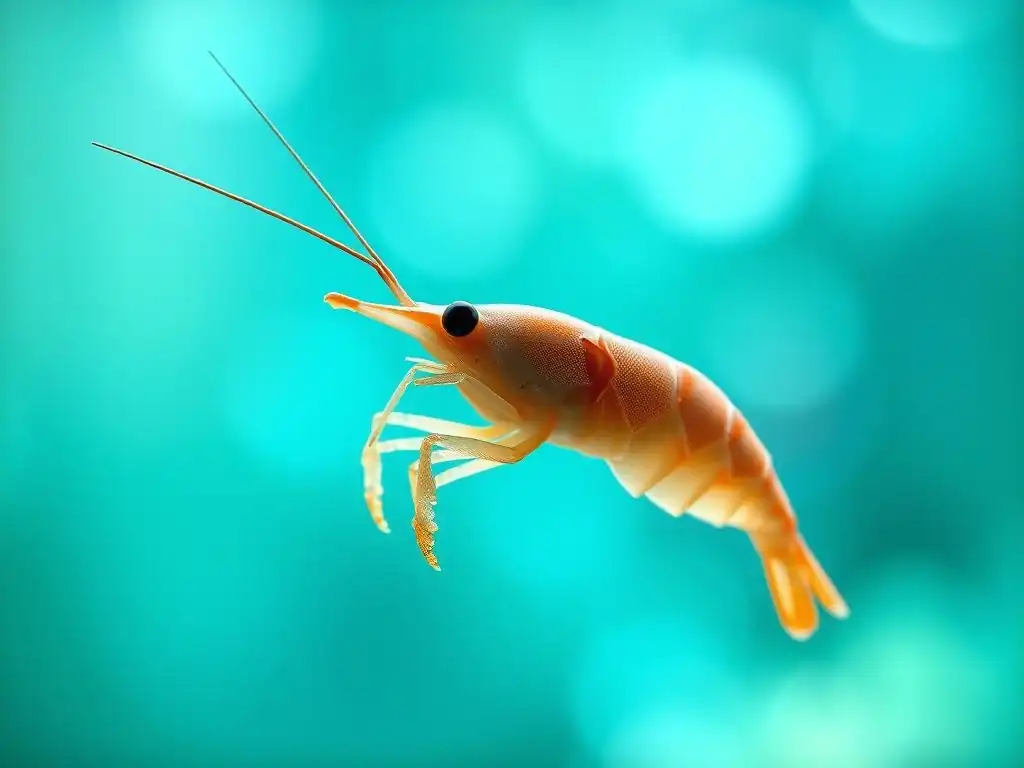
Maintaining stable and appropriate water parameters is crucial for successful wild type shrimp care, though these shrimp are remarkably forgiving. The ideal temperature range for Wild Type Neocaridina davidi is between 68°F and 78°F (20°C and 25.5°C), with a stable temperature around 72-74°F (22-23°C) often encouraging consistent activity and breeding. They tolerate a pH range of 6.5 to 8.0, with a neutral to slightly alkaline pH of 7.0-7.5 being generally optimal.
More critically, general hardness (GH) and carbonate hardness (KH) are vital for molting and overall health. An ideal GH range is 4-8 dGH, providing essential minerals like calcium and magnesium for their exoskeleton. A KH of 3-6 dKH helps buffer the pH and ensures stability. It is imperative to maintain ammonia and nitrite levels at 0 ppm, and nitrates should be kept below 20 ppm to prevent stress and health issues. Regular testing with a liquid test kit is recommended to monitor these parameters and ensure effective wild type shrimp care.
Feeding Wild Type Neocaridina davidi: A Balanced Diet for Health and Color
Wild Type Neocaridina davidi are primarily detritivores and biofilm grazers, meaning they naturally consume decaying organic matter and microscopic life forms that grow on surfaces. In the aquarium, a balanced diet is key for their health and activity. High-quality specialized shrimp pellets, often containing spirulina, kelp, and other plant-based ingredients, should form the staple of their diet. Supplement this with blanched vegetables such as zucchini, spinach, or kale, offered in small amounts every few days.
Occasional protein sources like a tiny piece of bloodworm or brine shrimp can be provided, but sparingly, as excessive protein can lead to molting issues. Overfeeding is a common mistake in wild type shrimp care and can quickly foul the water, leading to parameter spikes and potential health problems. For a small colony of 20-30 shrimp, a single small pellet every 2-3 days, supplemented by the natural biofilm in the tank, is often sufficient. They are excellent at cleaning up leftover fish food, but this should not be their sole food source.
Tank Setup for Wild Neocaridina: Creating the Ideal Environment
Creating the right environment is fundamental to successful wild type shrimp care. While a 5-gallon (approximately 19 liters) tank can house a small starter colony, a 10-gallon (around 38 liters) or larger aquarium is highly recommended. Larger tanks offer greater water volume, which inherently provides more stability in water parameters, making them more forgiving for beginners. The tank should be well-established and cycled, ideally running for several weeks to months, to allow beneficial biofilm and microfauna to develop on surfaces, which are crucial food sources for the shrimp.
The layout should prioritize providing ample surface area for grazing and numerous hiding spots. Live plants, driftwood, and rocks are not just aesthetic additions; they are functional elements that contribute significantly to the shrimp's well-being. These elements provide shelter during molting, offer grazing surfaces, and contribute to overall water quality by absorbing nitrates.
Substrate Considerations for Wild Type Shrimp Tanks
For Wild Type Neocaridina davidi, inert substrates are generally the best choice. Fine gravel or sand, with grain sizes typically ranging from 1-3 mm, are ideal as they do not significantly alter water parameters. Avoid active substrates like aquasoils designed for planted tanks that buffer pH downwards, unless you specifically aim for lower pH levels, which are less common for Neocaridina. Darker substrates can also be beneficial, as they often encourage the shrimp to display their natural, albeit subtle, coloration more vividly by making them feel more secure and less exposed.
A substrate layer of 1 to 2 inches (2.5-5 cm) is typically sufficient. A mature substrate is particularly valuable as it harbors a rich community of beneficial bacteria, microfauna, and biofilm, all of which the shrimp will actively graze upon. Popular inert options include simple play sand, pool filter sand, or specialized aquarium gravels like CaribSea Eco-Complete or Seachem Flourite, which are porous and provide excellent surface area for beneficial bacteria.
Plants and Decorations for Wild Type Neocaridina davidi
Live plants are indispensable for effective wild type shrimp care. They provide crucial hiding spots for adults and especially for delicate fry, offer extensive surface area for biofilm to grow, and help maintain water quality by consuming nitrates. Excellent choices include various mosses like Java Moss, Christmas Moss, and Fissidens, which can be attached to driftwood or rocks. Other robust, low-maintenance plants such as Anubias species, Bucephalandra, and Java Fern are also highly recommended. Hornwort and Guppy Grass are fast-growing options that provide quick cover.
In addition to plants, natural decorations like driftwood, cholla wood, and various types of aquarium-safe rocks enhance the tank environment. Driftwood and cholla wood release beneficial tannins that create a naturalistic look and offer additional grazing surfaces for biofilm. Rocks, particularly those with crevices or porous textures, provide further hiding spots and surface area. Always ensure any decorations are thoroughly cleaned and aquarium-safe before introduction.
Filtration and Water Changes for Wild Type Shrimp Health
Appropriate filtration is essential for maintaining water quality in a wild type shrimp tank. Sponge filters are highly recommended due to their gentle flow and the fact that they prevent tiny shrimp fry from being sucked in. They also provide additional surface area for beneficial bacteria and grazing. Hang-on-back (HOB) filters can also be used, but it's crucial to equip them with a pre-filter sponge over the intake to protect the shrimp. Avoid strong currents, as shrimp prefer calmer water.
Regular, small water changes are key to maintaining stable water parameters and preventing the buildup of harmful nitrates. A routine of 10-20% water change weekly or bi-weekly is generally effective. It is vital to use dechlorinated water that is temperature-matched to the tank water to prevent shock. For example, replacing 2 gallons (7.5 liters) in a 10-gallon tank bi-weekly helps keep parameters consistent and contributes significantly to long-term wild type shrimp care.
Breeding Wild Type Neocaridina davidi: A Beginner's Guide
Creating Breeding Conditions for Wild Type Neocaridina
Wild Type Neocaridina davidi are renowned for their prolific breeding capabilities, often reproducing readily when their basic needs are met and water parameters are stable. Unlike some more sensitive shrimp species, they do not typically require specific triggers beyond a healthy, well-fed colony in a comfortable environment. Maintaining the tank temperature within the optimal range of 72-76°F (22-24.5°C) can encourage more frequent breeding cycles. A varied diet, including protein-rich foods offered occasionally, can also stimulate breeding activity.
A healthy population with a good mix of males and females will ensure continuous reproduction. Females, once mature, will carry eggs externally under their pleopods (swimmerets) after mating. They are known as "berried" females during this period. Providing ample hiding spots and a stable environment minimizes stress, which is crucial for successful egg development and hatching.
Identifying and Protecting Wild Type Neocaridina Shrimp Fry
Identifying berried females is straightforward: you will observe small, usually green or yellow, oval-shaped eggs clustered under their tails. As the eggs mature, their color may darken, and tiny eyes might become visible within the eggs. The gestation period typically lasts around 28-35 days, depending on water temperature. Once hatched, the fry are miniature versions of the adult shrimp, fully formed and immediately capable of grazing on biofilm and micro-organisms. They are incredibly small, often just over 1 mm in length.
Protecting the fry is largely about providing a safe environment. Dense plant cover, particularly fine-leaved mosses like Java Moss or Christmas Moss, is invaluable. These plants offer numerous hiding spots where the delicate fry can seek refuge from potential predators and also provide extensive surface area for the growth of biofilm, their primary food source. In a dedicated shrimp-only tank, survival rates for wild type shrimp fry are exceptionally high without any special intervention, given proper wild type shrimp care.
Wild Type Neocaridina Shrimp Breeding Success: Tips and Tricks
The primary "trick" to successful Wild Type Neocaridina breeding is consistency and stability. Avoid sudden or drastic changes in water parameters, temperature, or feeding routines. A consistent environment minimizes stress on the shrimp, encouraging them to breed more frequently. While not strictly necessary, a slightly elevated temperature within their optimal range (e.g., 74-76°F / 23-24.5°C) can sometimes accelerate the egg development and hatching process, leading to a quicker turnaround between broods.
For maximum fry survival rates, a shrimp-only tank is highly recommended. Even small, seemingly peaceful fish can predate on newly hatched shrimp fry. In a community tank, some fry will inevitably be lost to predation. Supplementing the diet with powdered shrimp food or finely crushed spirulina powder can significantly boost fry survival by ensuring a readily available food source for the tiny, newly hatched shrimp. Regular, small water changes and consistent wild type shrimp care will ensure a thriving, self-sustaining colony.
Wild Type Neocaridina vs. Colored Neocaridina: Key Differences
Genetic Variations and Color Morphology in Neocaridina Shrimp
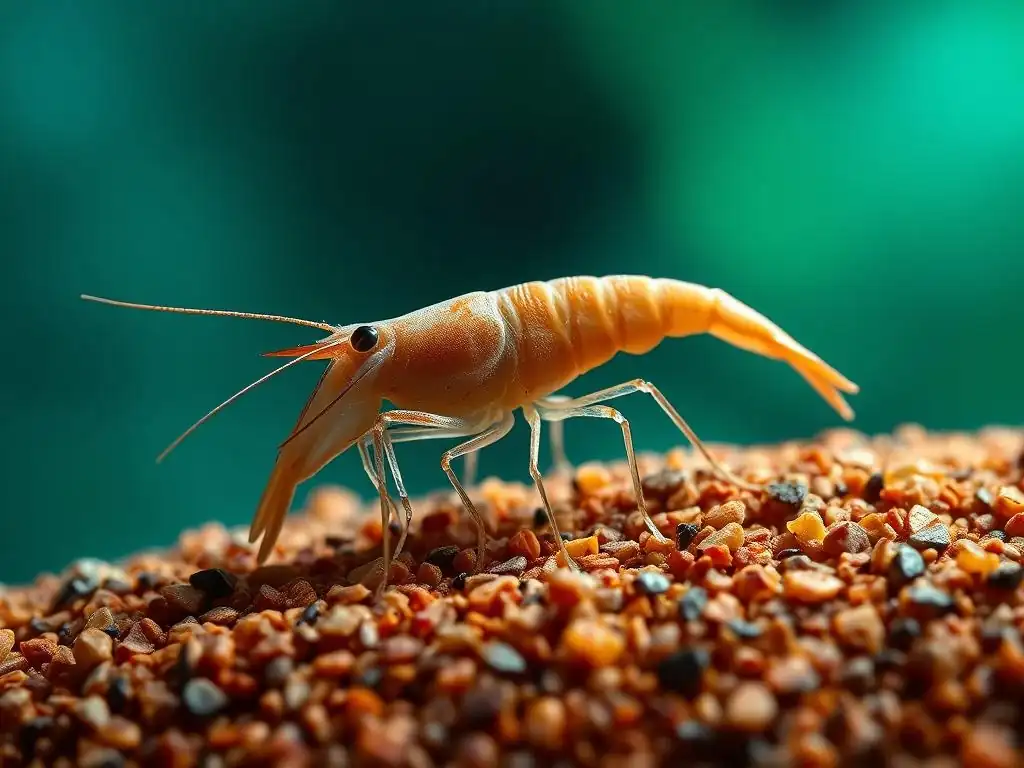
Wild Type Neocaridina davidi shrimp display their natural genetic heritage through a range of subdued, cryptic colorations, typically translucent brown, green, grey, or even slightly reddish hues. These colors are polygenic, meaning they are influenced by multiple genes, and serve primarily as camouflage in their natural aquatic environments. The intensity of their coloration can also vary based on diet, substrate color (darker substrates often encourage darker coloration), and stress levels.
In contrast, the myriad of brightly colored Neocaridina morphs (e.g., Cherry, Blue Dream, Yellow, Black Rose) are the result of many generations of intensive selective breeding. Breeders specifically identify and isolate shrimp with desirable color mutations, then breed them together to intensify and stabilize these traits. This process focuses on enhancing specific gene expressions for vivid pigmentation. While stunning, this selective breeding often reduces the overall genetic diversity within a specific color line compared to the broad gene pool of the wild type, which can sometimes impact their hardiness.
Hardiness and Adaptability: Wild Type vs. Colored Neocaridina
One of the most significant distinctions between wild type and selectively bred Neocaridina shrimp lies in their hardiness and adaptability. Wild Type Neocaridina davidi are generally more robust and tolerant of a wider range of water parameters, making them exceptionally forgiving for beginners. Their inherent genetic diversity provides a stronger resilience to minor fluctuations in temperature, pH, or hardness, and they are typically less prone to stress-induced health issues.
Conversely, while many colored Neocaridina strains are still considered hardy, intensive selective breeding for specific aesthetic traits can sometimes inadvertently lead to a reduction in overall genetic fitness. This means that some highly colored strains might be more sensitive to rapid changes in water parameters, or more susceptible to diseases if water quality is not pristine. Therefore, while wild type shrimp care is relatively straightforward, some colored morphs may demand a slightly stricter adherence to ideal parameters to thrive.
Maintaining Genetic Diversity: The Importance of Wild Type Shrimp
The role of Wild Type Neocaridina davidi extends beyond being a beginner-friendly aquarium inhabitant; they are crucial for maintaining the genetic health and diversity of the entire Neocaridina species in captivity. As breeders continue to select for specific color traits, the gene pool within those color lines can narrow, potentially leading to issues like reduced fertility, smaller size, or increased susceptibility to disease over many generations due to inbreeding depression.
Wild type shrimp, with their broader and more varied genetic makeup, act as a living genetic reservoir. Introducing new, unrelated wild type shrimp into breeding programs for colored morphs, or simply maintaining separate wild type colonies, can help refresh the gene pool. This practice can reintroduce beneficial genes, improve vitality, and reduce the negative impacts of prolonged inbreeding, ensuring the long-term health and sustainability of all Neocaridina strains within the aquarium hobby.
Troubleshooting Common Issues with Wild Type Neocaridina Shrimp
Identifying and Treating Diseases in Wild Neocaridina davidi
While Wild Type Neocaridina davidi are remarkably hardy, they are not entirely immune to disease. Most health issues arise from prolonged exposure to poor water quality, sudden parameter shifts, or severe stress. Common problems include bacterial infections (which might manifest as lethargy, loss of appetite, or cloudy/white patches on the body) and fungal infections (appearing as cottony growths). Parasitic issues are less common but can occur, indicated by external worms or abnormal behavior.
The best "treatment" for diseases in wild type shrimp is prevention through diligent wild type shrimp care. This includes maintaining stable, pristine water parameters (0 ppm ammonia/nitrite, low nitrates), providing a consistent, varied diet, and ensuring a stress-free environment. If disease is suspected, immediately test water parameters and perform a small, slow water change if necessary. Isolate affected shrimp if possible. Crucially, never use copper-based medications, as copper is highly toxic to all invertebrates, including shrimp. Some broad-spectrum antibiotics or antifungal treatments formulated for invertebrates may be considered, but always with extreme caution and after thorough research.
Addressing Molting Problems in Wild Type Shrimp
Molting, or ecdysis, is a critical process for shrimp growth, where they shed their old exoskeleton to grow a new, larger one. Molting problems, often indicated by a shrimp struggling to shed its shell, getting stuck, or exhibiting the "white ring of death" (a white band around the body where the old shell is separating but not fully shedding), are a common concern in wild type shrimp care. These issues are typically linked to insufficient minerals in the water, particularly calcium and magnesium (reflected in GH), or rapid fluctuations in water parameters.
To prevent molting issues, ensure your tank's general hardness (GH) is within the optimal range of 4-8 dGH. This provides the necessary minerals for a healthy exoskeleton. Carbonate hardness (KH) of 3-6 dKH is also important for buffering and stability. Avoid large, sudden water changes that can drastically alter parameters. If mineral deficiencies are suspected, adding specialized shrimp mineral supplements or mineral stones can help, but consistency is far more important than sudden additions. A stable environment and a diet rich in minerals are paramount for successful molts.
Dealing with Algae Issues in Wild Type Neocaridina Tanks
While Wild Type Neocaridina davidi are excellent algae eaters, their presence does not guarantee an algae-free tank. Excessive algae growth, such as green spot algae, hair algae, or diatoms, indicates an underlying imbalance in the aquarium ecosystem, typically too much light, overfeeding, or high nutrient levels (nitrates and phosphates). The shrimp will graze on existing algae, but they are not a solution for severe or persistent imbalances.
Effective management of algae in a wild type shrimp tank involves addressing the root cause. This includes reducing light duration to 6-8 hours daily, performing more frequent or larger water changes to lower nutrient levels (aim for nitrates below 20 ppm), and strictly avoiding overfeeding. Ensure all uneaten food is removed within a few hours. Introducing live plants can also help compete with algae for nutrients. The shrimp will then become an effective part of your tank's clean-up crew, helping to maintain a balanced and aesthetically pleasing environment as part of comprehensive wild type shrimp care.
The Role of Wild Type Neocaridina in the Aquarium Ecosystem
Wild Type Neocaridina Shrimp as Algae Eaters and Detritivores
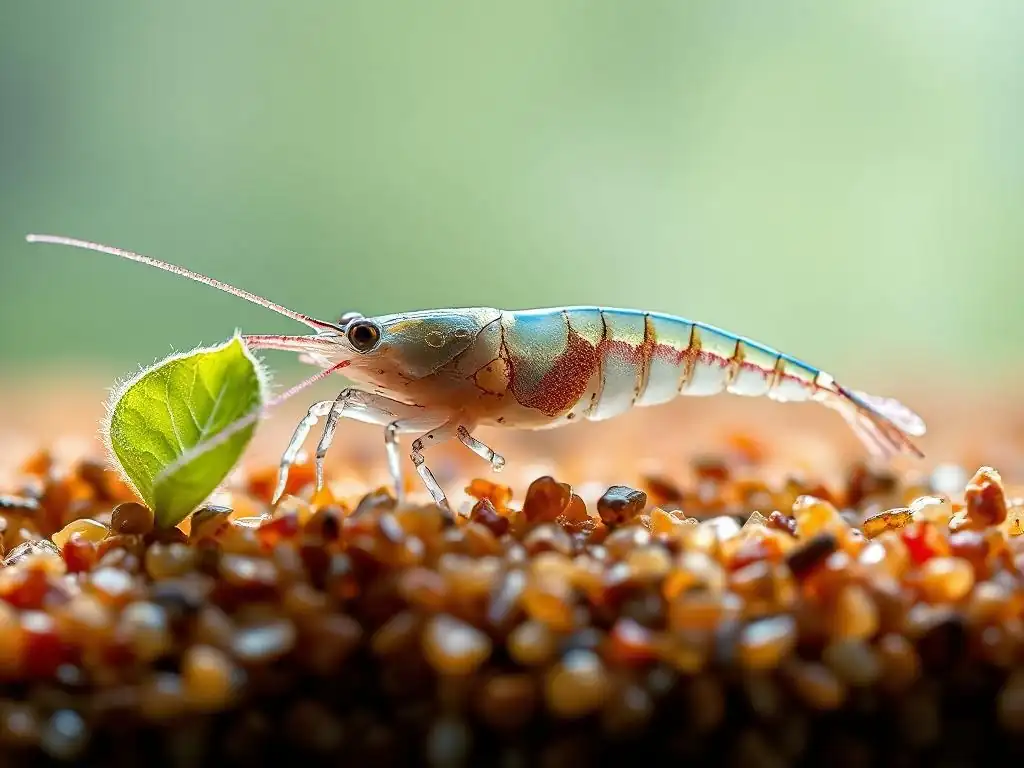
Wild Type Neocaridina davidi play a vital ecological role in the aquarium, serving as highly efficient clean-up crews. Their natural diet primarily consists of biofilm, various types of algae, and decaying organic matter, making them invaluable detritivores. They constantly graze on tank surfaces, including substrate, plants, decorations, and even the glass, consuming nuisance algae like green dust algae, brown diatoms, and some forms of hair algae.
Beyond algae, they diligently scavenge for uneaten fish food, decaying plant matter, and other detritus, preventing the accumulation of waste that could otherwise lead to spikes in ammonia and nitrite. By breaking down these organic materials, they contribute significantly to the overall cleanliness and stability of the aquarium's nitrogen cycle. This continuous activity is a major benefit of incorporating them into a planted tank or community setup, making diligent wild type shrimp care a positive contribution to the entire aquatic ecosystem.
Compatibility of Wild Type Neocaridina with Other Tank Inhabitants
Wild Type Neocaridina davidi are exceptionally peaceful and non-aggressive invertebrates, making them ideal inhabitants for many community aquariums. They are excellent tank mates for small, peaceful fish species that will not view them as food. Suitable companions include small rasboras (e.g., Chili Rasboras, Harlequin Rasboras), Otocinclus catfish, pygmy corydoras, and small, non-aggressive tetras like Neon Tetras. It is crucial to avoid housing them with larger, predatory, or fin-nipping fish species such as angelfish, cichlids, Gouramis, or even larger characins, as these fish will almost certainly predate on adult shrimp and particularly on the vulnerable fry.
They are also highly compatible with other peaceful invertebrates like various snail species (e.g., Nerite snails, Mystery snails, Ramshorn snails). If the primary goal is to breed and maintain a thriving colony of wild type shrimp with maximum fry survival, a shrimp-only tank is the most effective approach. Even seemingly harmless small fish can consume newly hatched shrimp fry, impacting population growth, which is a key consideration for focused wild type shrimp care.
Advanced Wild Type Neocaridina Care: Maintaining a Healthy Colony
Preventing Genetic Bottlenecks in Wild Type Neocaridina
While Wild Type Neocaridina davidi are celebrated for their genetic diversity compared to their selectively bred counterparts, a small, closed colony kept for many generations can still experience a genetic bottleneck. Continuous inbreeding within a limited gene pool can eventually lead to reduced vitality, lower breeding rates, smaller adult size, increased susceptibility to disease, and overall decreased hardiness over time. This is a subtle yet important aspect of advanced wild type shrimp care.
To prevent genetic bottlenecks and maintain the vigor of your wild type colony, consider occasionally introducing new, unrelated wild type shrimp from a different, reputable source. For instance, adding 5-10 new shrimp every 1-2 years can effectively refresh the gene pool, reintroducing genetic variation and boosting the overall health, fertility, and resilience of your colony. This practice helps ensure that your wild type shrimp remain robust and continue to thrive for many years.
Recognizing Signs of Stress in Wild Type Neocaridina Shrimp
Recognizing the subtle signs of stress in Wild Type Neocaridina davidi is crucial for proactive wild type shrimp care. A healthy shrimp colony will be active, constantly grazing, and exhibiting consistent coloration. Signs of stress often include lethargy (shrimp remaining motionless for extended periods), erratic or frantic swimming, loss of color (becoming translucent or pale), hiding excessively, or a sudden increase in deaths. These symptoms typically point to underlying issues such as poor water quality (ammonia, nitrite, or high nitrate spikes), rapid fluctuations in temperature or pH, or harassment from unsuitable tank mates.
Upon noticing these signs, immediate action is warranted. The first step should always be to thoroughly test all water parameters (ammonia, nitrite, nitrate, pH, GH, KH). If parameters are off, perform a small, slow water change using temperature-matched, dechlorinated water to gradually correct the issues. Ensure the tank environment is stable, provide ample hiding spots, and verify that tank mates are not causing undue stress. A quick response to these indicators can prevent more serious health problems and maintain a thriving wild type shrimp colony.
Frequently Asked Questions
What are Wild Type Neocaridina davidi shrimp?
They are the original, non-selectively bred form of the Neocaridina davidi species. Unlike their colorful counterparts, they typically exhibit a clear or brownish coloration and are known for their hardiness.
How does Wild Type shrimp care differ from caring for colorful Neocaridina?
In general, Wild Type shrimp are more tolerant of varying water parameters compared to selectively bred colors. However, the basic care principles remain the same, including providing a cycled tank and appropriate food.
What are the ideal water parameters for keeping Wild Type Neocaridina davidi?
They thrive in a temperature range of 65-80°F (18-27°C), a pH between 6.5-8.0, and moderate water hardness. Regular water changes are crucial for maintaining optimal water quality.
What should I feed my Wild Type Neocaridina davidi shrimp?
They are omnivores and scavengers, readily consuming algae, biofilm, and decaying plant matter. Supplement their diet with specialized shrimp food or blanched vegetables.
Are Wild Type Neocaridina davidi shrimp compatible with other aquarium inhabitants?
They are generally peaceful and can coexist with small, non-aggressive fish and invertebrates. Avoid keeping them with larger, predatory fish that may view them as food.
Final Reflection: Embracing the Resilience of Wild Ancestry
The journey through understanding Wild Type Neocaridina davidi reveals more than just the basics of wild type shrimp care; it highlights the enduring power of adaptability and resilience found in the origins of even the most vibrant and diverse lineages. These unassuming ancestors, often overlooked in favor of their colorful descendants, hold the key to understanding the fundamental needs and strengths of all Neocaridina davidi shrimp. Their existence reminds us that beauty and complexity often spring from humble, robust beginnings.
This exploration has profoundly influenced my perspective on the aquarium hobby, shifting the focus from purely aesthetic pursuits to a deeper appreciation for the underlying ecological principles at play. Understanding the wild type's needs allows us to create more sustainable and thriving environments for all our shrimp, regardless of color. In wildness is the preservation of the world.
- Henry David Thoreau. This quote resonates deeply, reminding us that by honoring the natural origins of these creatures, we contribute to their long-term well-being and the overall health of our aquatic ecosystems.
Now, I invite you to reflect on the lessons learned from the Wild Type Neocaridina davidi. Consider how understanding the fundamental needs of any organism, be it a shrimp or something else entirely, can lead to greater success and appreciation. Let the hardiness and adaptability of these wild ancestors inspire you to cultivate resilience and sustainability in your own endeavors, both within the aquarium and beyond. Embrace the simple, the strong, and the foundational, and you will find a richness and depth that surpasses mere surface appearances.
Ignite Your Shrimp Keeping Journey!
Thank you for diving into the fascinating world of Neocaridina davidi! We hope this article has given you a newfound appreciation for these resilient ancestors of your favorite colorful shrimp. Now, let's translate that knowledge into action!
Here are some ways to continue your exploration:
- Start your own WildType Neocaridina davidi colony: Embrace the challenge and witness the pure, robust lineage of these amazing creatures!
- Share this article with a fellow shrimp enthusiast and compare your experiences with different Neocaridina varieties.
- Research the native habitats of Neocaridina davidi and consider recreating a biotope aquarium for a unique and educational display.
What's one small step you'll take this week to celebrate and preserve the legacy of Neocaridina davidi?