
Faded Colors in Angelfish: Restoring Their Vibrancy and Health

Welcome to Aquarium Mastery!
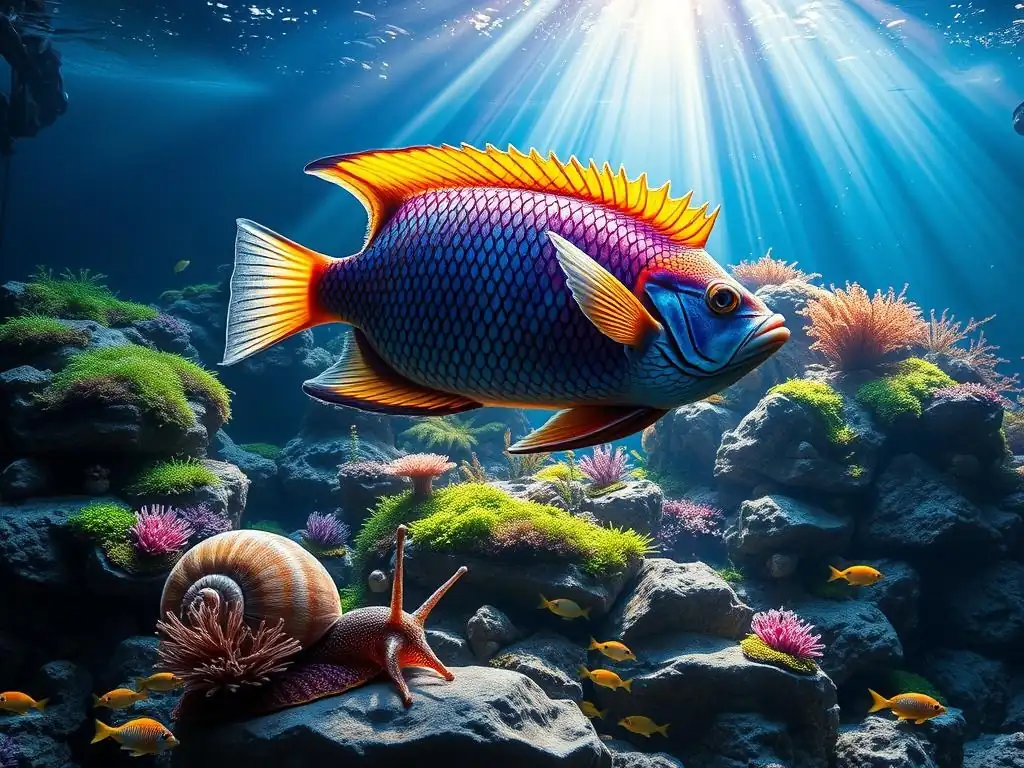
Ever wondered why your majestic saltwater angelfish isn't quite as vibrant as the day you brought it home? Dive in! This article explores essential Angelfish color restoration tips to help you unlock the secrets to bringing back their dazzling hues and ensuring their long-term health. Curious to know how simple changes in diet, water parameters, and tank environment can make a world of difference? Let's uncover the keys to a thriving, colorful aquarium!
- Understanding Angelfish Color Loss: An Aquarium Mastery Guide
- Why is My Angelfish Losing Color? Identifying the Root Causes
-
Angelfish Color Restoration Tips: A Step-by-Step Approach
- Step 1: Optimizing Water Parameters for Angelfish Health and Color
- Step 2: Providing a Balanced Diet for Vibrant Angelfish Colors
- Step 3: Reducing Stress in Your Angelfish Environment
- Step 4: Addressing Diseases and Parasites Affecting Angelfish Color
- Step 5: Optimizing Lighting for Angelfish Color Display
- Long-Term Angelfish Color Maintenance: Best Practices
- Conclusion: Achieving Vibrant Angelfish Colors Through Proper Care
-
Frequently Asked Questions
- How can I tell if my angelfish's color is fading due to a health issue?
- What water parameters are most crucial for maintaining vibrant angelfish colors?
- What type of food is best for enhancing angelfish coloration?
- How does tank lighting affect angelfish coloration?
- Can environmental stress cause angelfish to lose their color, and how can I minimize it?
- Final Reflection: Embracing the Spectrum of Angelfish Health
- Revitalize Your Angelfish's Dazzling Colors!
Understanding Angelfish Color Loss: An Aquarium Mastery Guide
Faded colors in angelfish are often one of the first and most noticeable indicators that something is amiss in their environment or with their health. While an angelfish's natural vibrancy is a key part of its appeal, a dull or washed-out appearance signals underlying stress or illness, demanding prompt attention from the aquarist. Recognizing this symptom early is crucial for effective Angelfish color restoration tips and ensuring the long-term well-being of these magnificent marine inhabitants.
This comprehensive guide from Aquarium Mastery will delve into the various reasons why your angelfish might be losing its brilliant hues, from subtle environmental stressors to more serious health concerns. We will then provide actionable, step-by-step Angelfish color restoration tips, designed to help you diagnose the problem, implement effective solutions, and ultimately restore your angelfish to its full, vibrant glory.
Why is My Angelfish Losing Color? Identifying the Root Causes
Poor Water Quality and Angelfish Color Fading
Poor water quality is arguably the most common culprit behind faded angelfish colors. When ammonia, nitrite, or nitrate levels rise above safe thresholds, or when pH fluctuates wildly, it puts immense physiological stress on the fish. For instance, even a slight ammonia presence above 0.05 ppm can cause gill irritation and internal damage, diverting the fish's energy away from maintaining vibrant coloration.
Chronic exposure to suboptimal water parameters leads to weakened immune systems and general malaise, which directly manifests as dullness. If nitrate levels consistently exceed 20 ppm, or even spike suddenly from 10 ppm to 50 ppm, the angelfish's metabolism is burdened, impacting its ability to produce and maintain pigments. This environmental stressor directly inhibits the chromatophores responsible for their stunning hues, making water quality a primary focus for any Angelfish color restoration tips.
Stress and Its Impact on Angelfish Coloration
Stress, whether acute or chronic, significantly impacts angelfish coloration by triggering physiological responses that prioritize survival over aesthetic display. When an angelfish is stressed, its body releases hormones like adrenaline and cortisol, which can constrict blood vessels and redirect energy away from non-essential functions, including pigment production in chromatophores. This often results in a rapid dulling or darkening of colors, sometimes appearing as horizontal stress stripes or overall pallor.
Common sources of stress include overcrowding (e.g., housing multiple large angelfish in a tank under 180 gallons), aggressive tank mates (like certain triggers or large dottybacks), insufficient hiding places, or sudden changes in their environment such as temperature swings exceeding 2 degrees Fahrenheit in a day. A constant state of anxiety depletes the fish's energy reserves, making it difficult for them to maintain their vibrant pigments, and can even suppress their immune system, leading to further health issues.
Nutritional Deficiencies: A Key Factor in Angelfish Color Degradation
A diet lacking essential nutrients is a significant, yet often overlooked, cause of faded angelfish colors. Like all fish, angelfish cannot synthesize certain pigments, such as carotenoids (responsible for reds, oranges, and yellows), and must obtain them directly from their food. If their diet consists solely of a single type of dry flake or pellet, even if it's high quality, it may not provide the full spectrum of vitamins, minerals, and carotenoids necessary for peak coloration.
For example, a Flame Angelfish (Centropyge loricula) relies heavily on dietary astaxanthin to maintain its brilliant red-orange body. If its diet lacks astaxanthin-rich foods like mysis shrimp or spirulina-enriched formulas, its vibrant reds will inevitably fade to a dull orange or even yellowish hue over time. Furthermore, deficiencies in essential fatty acids (EFAs) and vitamins (especially A, C, and E) can impair overall health, metabolism, and the ability to synthesize and deposit pigments, making a balanced diet a critical Angelfish color restoration tip.
Angelfish Diseases and Parasites Affecting Color
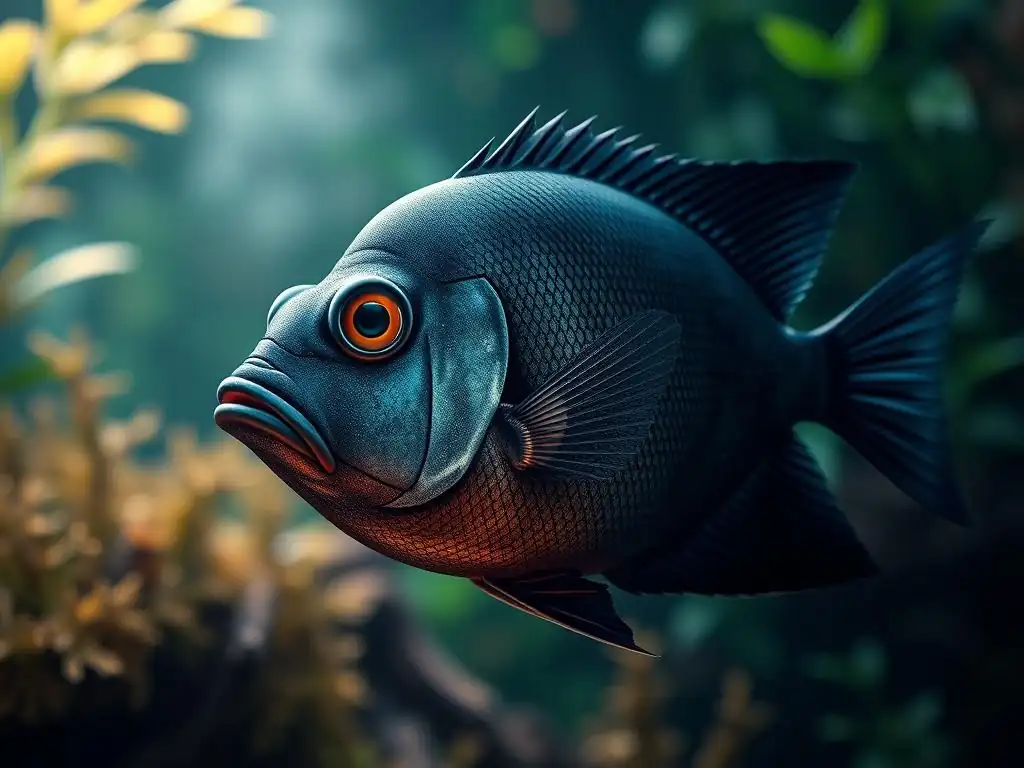
Many diseases and parasitic infections can manifest as a loss of color in angelfish, signaling a systemic health issue. When an angelfish is battling an infection, its immune system diverts significant energy to fight off pathogens, leaving less energy for normal bodily functions, including maintaining vibrant pigmentation. Common culprits include marine Ich (Cryptocaryon irritans), marine velvet (Amyloodinium ocellatum), internal parasites, and various bacterial infections.
For instance, a fish suffering from marine Ich might initially show overall dullness and clamped fins before the characteristic white spots become visible. Similarly, internal flagellates can lead to emaciation and a washed-out appearance, often accompanied by stringy, white feces. The stress and energy depletion caused by these ailments directly impact the fish's ability to display its natural colors, making diagnosis and treatment of underlying diseases a crucial step in Angelfish color restoration tips.
Inadequate Lighting and Its Effect on Angelfish Vibrancy
While lighting doesn't "create" the pigments in angelfish, it plays a crucial role in how those colors are displayed and perceived, and can indirectly affect their vibrancy. Angelfish, like many marine fish, often display their most brilliant colors under specific lighting conditions, particularly those that mimic natural reef environments. If the tank lighting is too dim, or if it lacks the appropriate spectrum, the angelfish's colors may appear muted, dull, or simply not "pop" as they should.
Conversely, excessively bright or incorrect spectrum lighting can also be a source of stress, causing the angelfish to intentionally dull their colors as a form of camouflage or to reduce light absorption. A tank equipped with a full-spectrum LED light with a color temperature around 14,000K to 20,000K, which emphasizes blue and actinic wavelengths, will often make the blues, purples, and greens in angelfish coloration appear more vibrant. Therefore, optimizing lighting is an important consideration among Angelfish color restoration tips.
Angelfish Color Restoration Tips: A Step-by-Step Approach
Step 1: Optimizing Water Parameters for Angelfish Health and Color
Regular Water Changes: The Foundation of Angelfish Color Enhancement
Consistent and appropriately sized water changes are perhaps the most fundamental Angelfish color restoration tip. They are vital for diluting accumulated nitrates, phosphates, and other dissolved organic compounds that degrade water quality and stress fish. A common recommendation for a well-maintained saltwater angelfish tank is a 20-25% water change weekly or bi-weekly, depending on bioload and filtration efficiency. Reducing nitrates from a high of 40 ppm down to below 10-15 ppm through regular changes can often lead to noticeable improvements in color vibrancy within a few weeks, as the fish's overall stress load is significantly reduced.
Fresh, clean saltwater provides essential trace elements and minerals that are depleted over time through biological processes and protein skimming. These elements are crucial for various metabolic functions, including the health of skin and pigment cells. By consistently replenishing clean water, you create a more stable and pristine environment, allowing your angelfish to redirect energy from stress management towards maintaining its natural, brilliant coloration.
Maintaining Proper pH, Ammonia, Nitrite, and Nitrate Levels
For saltwater angelfish, maintaining stable and ideal water parameters is paramount for their health and color. The target ranges are typically: pH between 8.1 and 8.4, ammonia at 0 ppm, nitrite at 0 ppm, and nitrates ideally below 20 ppm (and preferably under 10 ppm for sensitive species or reef-safe angelfish). Even slight deviations, such as ammonia reaching 0.25 ppm, can cause severe stress and visible color fading within hours.
Regular testing with reliable test kits (e.g., a good quality marine master test kit) is non-negotiable. Aim to test ammonia, nitrite, and nitrate weekly, and pH bi-weekly, adjusting as necessary. Stability is as important as the target numbers; rapid pH swings of more than 0.2 units in a day, for example, are far more detrimental than a consistently stable pH of 8.0. Consistent monitoring and adjustment are key Angelfish color restoration tips.
Utilizing High-Quality Filtration Systems for Angelfish Tanks
An efficient and robust filtration system is crucial for maintaining pristine water quality, directly contributing to angelfish health and color. For saltwater angelfish, a combination of mechanical, biological, and chemical filtration is ideal. Mechanical filtration (filter socks, sponges) removes particulate matter, preventing it from breaking down into harmful compounds. Biological filtration (live rock, bio-balls, ceramic media) houses beneficial bacteria that convert toxic ammonia and nitrite into less harmful nitrate.
Chemical filtration, particularly activated carbon and GFO (granular ferric oxide), removes dissolved organic compounds, phosphates, and other pollutants that can tint the water and contribute to overall water degradation. A properly sized protein skimmer is also indispensable for saltwater angelfish tanks, as it physically removes organic waste before it decomposes. A skimmer that pulls out a full collection cup of dark skimmate daily is effectively removing a significant portion of potential pollutants, helping to keep the water clear and parameters stable, which are essential for vibrant angelfish colors.
Step 2: Providing a Balanced Diet for Vibrant Angelfish Colors
The Importance of a Varied Diet for Angelfish Color
A varied and nutrient-rich diet is absolutely critical for angelfish to maintain their vibrant colors. Relying on a single type of food, even a high-quality one, will eventually lead to nutritional deficiencies that manifest as dullness. Angelfish in the wild consume a diverse range of foods, from sponges and tunicates to algae and small invertebrates. Replicating this diversity in the home aquarium is essential for providing all the necessary vitamins, minerals, and pigments.
A comprehensive diet should include a mix of high-quality marine flakes or pellets as a staple, supplemented with a variety of frozen foods such as mysis shrimp, brine shrimp (preferably enriched), spirulina-enriched formulas, and finely chopped seafood like krill or clams. Many aquarists rotate between 3-5 different food types throughout the week, ensuring a broad spectrum of nutrients. This diverse feeding regimen is a cornerstone of effective Angelfish color restoration tips.
Supplementing with Color-Enhancing Foods for Angelfish
To specifically boost and restore angelfish coloration, incorporating foods rich in natural pigments like carotenoids is highly effective. Astaxanthin, spirulina, and beta-carotene are potent antioxidants and pigments that are readily absorbed by fish and deposited into their skin cells (chromatophores), intensifying reds, oranges, and yellows. Many commercial fish foods are formulated with these ingredients; look for products that list spirulina (often 5% or higher), krill, or astaxanthin in their primary ingredients.
Feed these color-enhancing foods 2-3 times per week in rotation with your regular staple diet. It's important to note that color enhancement is not an overnight process; consistent feeding of these specialized foods for several weeks, often 4-6 weeks, is typically required before significant improvements in color vibrancy become noticeable. This consistent dietary approach is a key Angelfish color restoration tip.
Natural Food Sources for Angelfish Color Improvement
Beyond commercial color-enhancing foods, certain natural food sources are exceptionally rich in pigments vital for angelfish vibrancy. Mysis shrimp and krill are excellent sources of astaxanthin, a powerful carotenoid that significantly enhances red and orange hues. Feeding frozen mysis shrimp, which are naturally high in this pigment, 3-4 times a week can dramatically improve the coloration of species like the Flame Angelfish or Bi-color Angelfish.
Spirulina algae, available in flake, pellet, or frozen forms, is another superb natural source of beta-carotene and other carotenoids, beneficial for greens, blues, and overall luster. Some angelfish species, particularly those that graze on algae in the wild, also benefit from marine algae sheets (Nori) clipped to the side of the tank. These natural foods often have higher bioavailability of pigments compared to synthetic additives, making them powerful tools in your Angelfish color restoration tips arsenal.
Step 3: Reducing Stress in Your Angelfish Environment
Ensuring Adequate Tank Size and Hiding Places for Angelfish
An appropriately sized aquarium is fundamental to reducing stress in angelfish. Insufficient space leads to territorial disputes, constant harassment, and overall anxiety, all of which contribute to faded colors. For dwarf angelfish species like the Flame Angelfish or Coral Beauty, a minimum of 30-50 gallons is generally recommended, while larger species such as the Emperor Angelfish or Queen Angelfish require tanks of 120-180 gallons or more to thrive.
Beyond sheer volume, the aquascape must provide ample rockwork, caves, and overhangs. These structures serve as crucial hiding spots, allowing the angelfish to retreat when feeling threatened or simply to rest undisturbed. Aim for at least 30-40% of the tank volume to be dedicated to well-arranged live rock structures, creating numerous crevices and territories. Secure hiding places significantly reduce stress, enabling angelfish to display their natural, vibrant colors more confidently.
Choosing Compatible Tank Mates to Minimize Angelfish Stress
Careful selection of tank mates is paramount for preventing stress-induced color loss in angelfish. Many angelfish species are semi-aggressive or territorial, especially as they mature. Housing them with overly aggressive fish (e.g., certain triggerfish, large groupers) can lead to constant harassment, fin nipping, and severe stress. Conversely, pairing them with very timid species that cannot compete for food or space can also cause issues.
Research the specific temperament and adult size of any fish you plan to introduce. Good tank mates for many angelfish include certain gobies, cardinalfish, some wrasses, and non-aggressive tangs. Avoid housing multiple large angelfish together unless the tank is exceptionally large (300+ gallons) and introduced simultaneously. Even "compatible" fish should be monitored closely after introduction for any signs of aggression. A peaceful community environment is a vital Angelfish color restoration tip.
Minimizing Disturbances and Maintaining a Stable Environment
Angelfish are sensitive to sudden changes and frequent disturbances, which can lead to chronic stress and faded colors. Establish and adhere to a consistent daily routine for your aquarium, including precise lighting schedules (e.g., 10 hours on, 14 hours off), regular feeding times, and avoiding sudden loud noises or vibrations near the tank. Frequent "hands-in-the-tank" for cleaning or rearranging can also be stressful; aim to complete necessary tasks efficiently.
Beyond routine, maintaining stable water parameters is crucial. While we've discussed optimal levels, avoiding rapid fluctuations in temperature (more than 1-2 degrees Fahrenheit in 24 hours) or salinity (more than 0.001 specific gravity in a day) is equally important. Consistency across all environmental factors provides a predictable and secure habitat, allowing your angelfish to relax, thrive, and display their full, natural brilliance.
Step 4: Addressing Diseases and Parasites Affecting Angelfish Color
Identifying Common Angelfish Diseases That Cause Color Loss
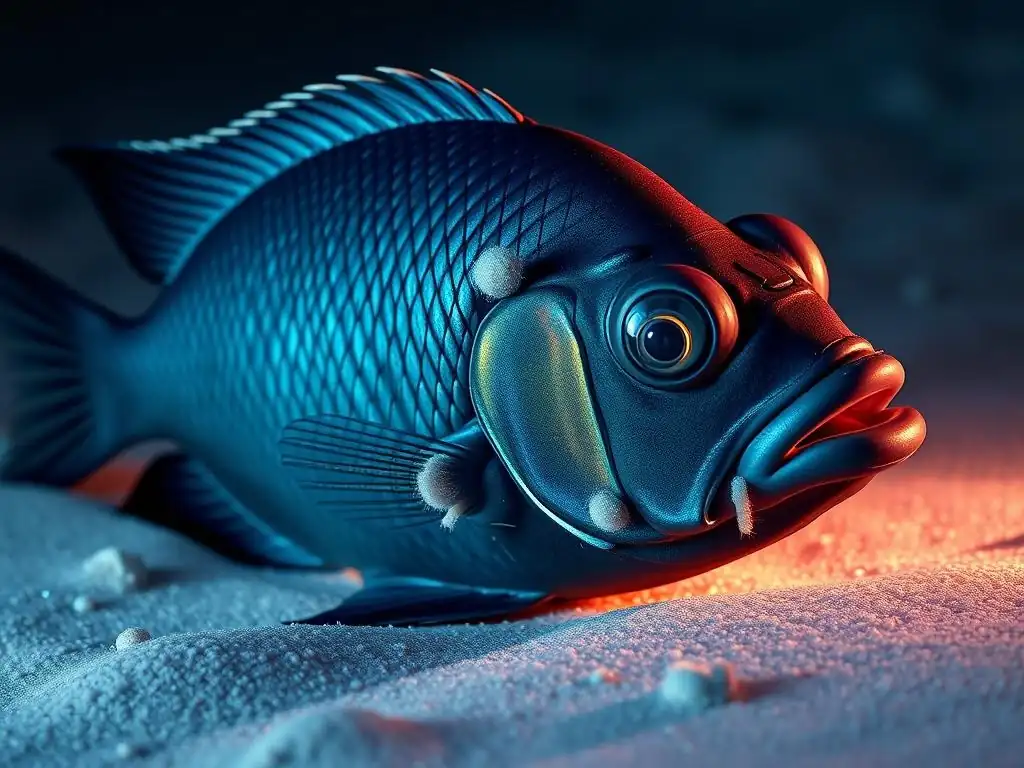
When an angelfish's colors fade, it's often a key symptom of an underlying disease or parasitic infection. Common marine ailments that cause color loss include marine Ich (Cryptocaryon irritans), characterized by small white spots resembling salt grains; marine velvet (Amyloodinium ocellatum), which presents as a dusty, yellowish-brown coating; and various bacterial infections that can cause fin rot, cloudy eyes, or general lethargy. Internal parasites, though harder to diagnose, can lead to emaciation and a dull appearance, often accompanied by stringy white feces.
Early identification is crucial for effective treatment and Angelfish color restoration tips. Observe your fish daily for other symptoms accompanying the color loss, such as clamped fins, rapid breathing, scratching against decor, reluctance to eat, or abnormal swimming patterns. For example, a fish with Marine Ich might first appear dull and stressed for a day or two before the white spots become visible to the naked eye.
Quarantine and Treatment Protocols for Sick Angelfish
A dedicated quarantine tank (QT) is an indispensable tool for both preventing and treating diseases in angelfish. Any new fish should spend at least 4-6 weeks in a QT before being introduced to the main display tank. This allows for observation, deworming, and proactive treatment for common parasites like Ich, preventing their introduction into your established system. If an angelfish in your main tank shows signs of disease, immediately transfer it to a QT for isolation and targeted treatment.
Treatment protocols vary by disease. For external parasites like Ich and Velvet, copper-based medications or hyposalinity (lowering salinity to 1.008-1.009 for 2-4 weeks for Ich) are common. Bacterial infections often require broad-spectrum antibiotics. Always accurately diagnose the ailment, follow medication instructions precisely, and ensure the QT environment is stable. Treating in a separate tank prevents harm to corals and invertebrates in your main display and provides a controlled environment for recovery.
Proactive Measures to Prevent Angelfish Diseases
Prevention is always better than cure when it comes to fish diseases and maintaining vibrant angelfish colors. The most effective proactive measures begin with strict quarantine protocols for all new livestock – fish, corals, and invertebrates alike – for a minimum of 4 weeks. During this period, observe for any signs of illness and administer preventative treatments if necessary. This significantly reduces the risk of introducing pathogens into your main display tank.
Beyond quarantine, maintaining consistently excellent water quality, providing a balanced and nutritious diet, and minimizing stress factors (as discussed in previous sections) are fundamental. A healthy, well-fed, and low-stress angelfish possesses a robust immune system, making it far more resilient to potential pathogens. These holistic preventative measures are among the most effective long-term Angelfish color restoration tips.
Step 5: Optimizing Lighting for Angelfish Color Display
Selecting the Right Lighting Spectrum for Angelfish Coloration
While angelfish do not have the same demanding lighting requirements as photosynthetic corals, the right lighting spectrum significantly enhances their color display and overall well-being. A full-spectrum LED light with a color temperature ranging from 10,000K (daylight) to 20,000K (actinic blue) is generally ideal for marine angelfish. The higher Kelvin ratings, particularly those with a strong blue component, will make the blues, purples, and iridescent qualities of many angelfish species "pop."
For example, the deep blues and yellows of a Queen Angelfish (Holacanthus ciliaris) will appear more saturated and vibrant under a spectrum that emphasizes royal blue wavelengths, typically around 450-470 nm. Conversely, a light fixture that is too warm (lower Kelvin) or lacks sufficient blue will make these colors appear muted. Choosing a light with adjustable color channels allows you to fine-tune the aesthetics to best showcase your angelfish's natural beauty.
Adjusting Light Intensity to Enhance Angelfish Vibrancy
The intensity of your aquarium lighting also plays a role in angelfish color display. Too dim, and their colors may appear washed out or simply not as brilliant. Too bright, and it can cause stress, leading the fish to dull its colors as a natural response or to seek constant refuge in shaded areas. Modern LED fixtures often offer dimming capabilities, allowing for precise control over intensity.
Observe your angelfish's behavior. If they appear stressed, constantly hide, or seem to shy away from the light, the intensity might be too high. Conversely, if their colors seem perpetually muted despite other parameters being optimal, a slight increase in intensity (coupled with the right spectrum) might be beneficial. Gradually adjust intensity over several days and monitor their response. A comfortable angelfish is a colorful angelfish.
The Role of Lighting in Algae Growth and Angelfish Health
It's important to balance lighting for angelfish color display with the potential for nuisance algae growth. Excessive light intensity or an extended photoperiod (e.g., more than 10-12 hours per day) can fuel rapid algae blooms, especially if there are elevated nutrient levels (nitrates, phosphates) in the water. While algae itself doesn't directly cause color fading, a tank overwhelmed by algae indicates an imbalance that can indirectly stress fish and degrade water quality, impacting their health and vibrancy.
Maintaining a sensible photoperiod (typically 8-10 hours for a fish-only or fish-only with live rock tank) helps keep algae in check. Regular tank cleaning, including wiping down glass and siphoning detritus, also contributes to a cleaner environment. A clean, balanced tank where lighting is optimized for both aesthetics and health is crucial for long-term angelfish color maintenance.
Long-Term Angelfish Color Maintenance: Best Practices
Regular Monitoring of Water Quality and Angelfish Behavior
Consistent monitoring is the cornerstone of long-term angelfish color maintenance. This involves not only weekly testing of key water parameters (ammonia, nitrite, nitrate, pH, salinity) but also daily visual inspections of your angelfish. Look for subtle changes in their behavior, appetite, breathing rate, and, critically, their coloration. Any slight dullness, unusual markings, or changes in activity can be an early warning sign of impending issues.
Keeping a detailed log of your water parameters, feeding schedule, and any observations can help you identify trends and proactively address problems before they escalate. For example, a gradual increase in nitrates over several weeks might correlate with a subtle fading of color, prompting an increase in water change frequency. Proactive monitoring allows for timely intervention, ensuring your angelfish remain vibrant and healthy.
Consistent Feeding Practices for Optimal Angelfish Color and Health
Consistency in feeding practices is as important as the quality and variety of food offered. Establish a regular feeding schedule, typically 2-3 small meals per day, rather than one large meal. This mimics their natural grazing behavior and reduces the amount of uneaten food that can decompose and degrade water quality. Ensure each feeding consists of a varied diet, regularly incorporating color-enhancing foods rich in astaxanthin and spirulina.
Skipping meals, providing an inconsistent diet, or offering only one type of food, even occasionally, can gradually diminish your angelfish's vibrant colors over time. A steady and balanced nutritional intake ensures that their bodies have a continuous supply of the necessary building blocks and pigments to maintain their stunning hues and overall robust health.
Preventing Stress and Maintaining a Stable Aquarium Environment
Long-term color maintenance in angelfish is intrinsically linked to a low-stress, stable environment. This means continuously upholding the practices discussed previously: providing ample tank space and hiding spots, choosing compatible tank mates, and minimizing external disturbances. Avoid sudden changes in lighting, temperature, or salinity, as these can trigger stress responses that divert energy away from color production.
A predictable and secure environment allows angelfish to exhibit their natural behaviors, including foraging and interacting peacefully with tank mates, without the constant physiological burden of stress. By creating a calm and consistent habitat, you empower your angelfish to thrive, fully display their inherent beauty, and sustain their vibrant coloration for years to come.
Specific Angelfish Species Color Enhancement Tips: Veil Angelfish
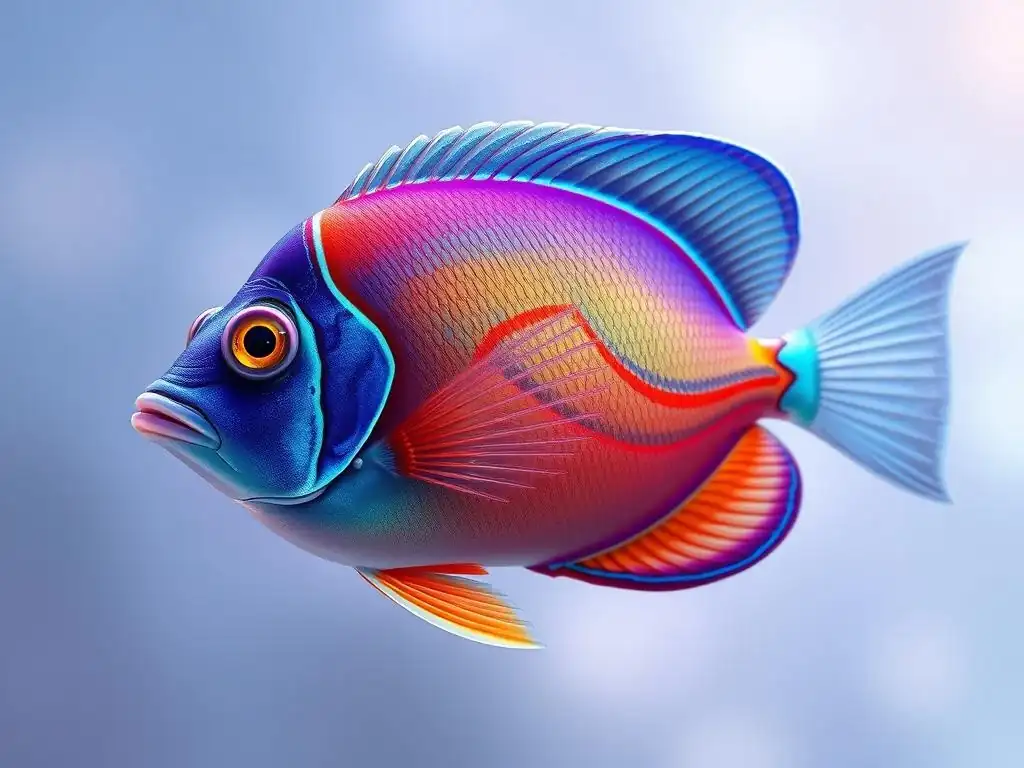
While "Veil Angelfish" commonly refers to a freshwater species, if we consider a marine angelfish with unusually long, flowing finnage (similar to a veil), specific care points are crucial for maintaining their delicate beauty and color. Such finnage is particularly susceptible to nipping by aggressive tank mates or damage from sharp decor, leading to stress, fin rot, and subsequent color loss. Therefore, pristine water quality is paramount to prevent bacterial infections in damaged fins, which can quickly dull overall coloration.
For these angelfish, ensuring very gentle water flow within the tank is also important, as strong currents can stress and tear their elongated fins. Providing ample, smooth rockwork and open swimming areas without sharp edges helps prevent physical damage. A diet rich in high-quality proteins and essential fatty acids will support fin regeneration and overall health, directly contributing to the vibrant appearance of their entire body, including their flowing fins.
Assuming "Koi Angelfish" refers to a marine angelfish species that exhibits a distinct, patchy coloration (similar to the freshwater Koi Angelfish), specific considerations apply to enhancing their unique patterns. These angelfish typically feature contrasting blocks of color, such as black, white, orange, or yellow. Maintaining the sharpness and vibrancy of these distinct patterns requires exceptional water clarity and a diet specifically tailored to pigment enhancement.
For these blotchy patterns, consistent feeding of foods high in astaxanthin (for oranges/reds) and spirulina (for blacks/whites/yellows) is crucial. Products containing natural sources like krill, mysis shrimp, and various algae will help maintain crisp lines and saturated hues. Furthermore, meticulous water quality management, especially keeping nitrates and dissolved organics very low, prevents any haziness in the water that could visually diminish the contrast and brilliance of their striking "koi" patterns.
Conclusion: Achieving Vibrant Angelfish Colors Through Proper Care
The vibrancy of your angelfish's colors is a direct reflection of its health and happiness within its aquatic environment. Faded colors are not merely an aesthetic concern but a critical signal that warrants immediate attention and a comprehensive review of your aquarium's conditions. By understanding the root causes—be it poor water quality, stress, nutritional deficiencies, disease, or inadequate lighting—you empower yourself to implement targeted and effective Angelfish color restoration tips.
Restoring and maintaining the brilliant hues of your angelfish requires a holistic approach: consistent pristine water parameters, a varied and pigment-rich diet, a stable and stress-free environment, proactive disease prevention, and optimized lighting. By committing to these best practices, you will not only witness the stunning return of your angelfish's natural vibrancy but also ensure their long-term well-being, transforming your aquarium into a truly captivating display of marine life.
Frequently Asked Questions
How can I tell if my angelfish's color is fading due to a health issue?
Fading color can be a sign of stress or illness. Look for other symptoms like lethargy, fin clamping, or loss of appetite which often accompany color loss. If these are present, a health issue is likely.
What water parameters are most crucial for maintaining vibrant angelfish colors?
Stable water parameters are key. Maintain a pH between 6.0 and 7.0, ammonia and nitrite levels at 0 ppm, and nitrate levels below 20 ppm. Regular water changes are also crucial.
What type of food is best for enhancing angelfish coloration?
Offer a varied diet rich in color-enhancing ingredients. Include foods with spirulina, krill, and astaxanthin to promote vibrant colors.
How does tank lighting affect angelfish coloration?
Appropriate lighting can enhance natural colors. Use a full-spectrum light that mimics natural sunlight. Avoid excessively bright or dim lighting, as both can stress the fish.
Can environmental stress cause angelfish to lose their color, and how can I minimize it?
Yes, stress is a major factor. Provide plenty of hiding places, maintain stable water parameters, and avoid overcrowding to create a stress-free environment.
Final Reflection: Embracing the Spectrum of Angelfish Health
The journey to understanding and implementing Angelfish color restoration tips is more than just a pursuit of aesthetic beauty; it's a testament to our commitment to responsible aquarium keeping and the well-being of these magnificent creatures. The vibrant hues of a healthy Angelfish are a direct reflection of its environment and care, and the techniques we've explored offer a pathway to not only revive faded colors but also to ensure a thriving aquatic ecosystem.
This exploration has underscored how deeply interconnected the health and appearance of our Angelfish are with our own dedication to their care. Witnessing the resurgence of color in a previously faded Angelfish is a profoundly rewarding experience, a visual confirmation of our positive impact on their lives. The greatness of a nation and its moral progress can be judged by the way its animals are treated.
- Mahatma Gandhi. This quote resonates deeply when we consider the responsibility we undertake when bringing these creatures into our care.
As you embark on your own Angelfish color restoration journey, remember that patience, observation, and a holistic approach are key. Let the knowledge shared here inspire you to create an environment where your Angelfish can truly flourish, radiating health and vibrant color. By embracing these principles, you not only enhance the beauty of your aquarium but also contribute to the well-being of these captivating fish, ensuring their continued vibrancy for years to come.
Revitalize Your Angelfish's Dazzling Colors!
Thank you for diving into the world of angelfish vibrancy with us! We hope you've gained valuable insights into restoring their stunning colors and ensuring their optimal health. Now, it's time to put that knowledge into action and witness the transformation firsthand!
Here are a few steps you can take right now:
- Implement a targeted dietary plan: Focus on incorporating high-quality foods rich in carotenoids, such as spirulina or color-enhancing flakes, to directly boost your angelfish's pigment production.
- Share this article with fellow aquarists to spread awareness about maintaining vibrant angelfish colors and health.
- Monitor your water parameters closely and consider slightly reducing the lighting intensity to see if it alleviates stress and color fading.
What specific dietary change will you implement this week to bring out the best in your angelfish's colors?