
Aquarium Mastery Presents: The Definitive Guide to Butterflyfish Husbandry

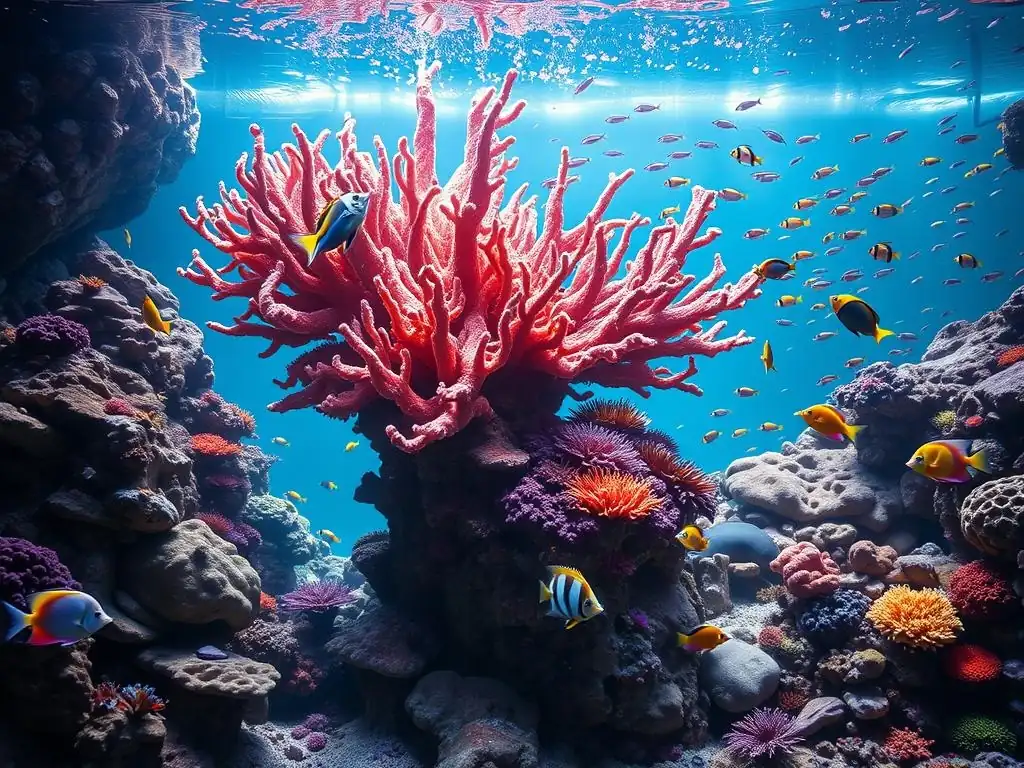
Welcome to Aquarium Mastery!
Ever been captivated by the vibrant colors and graceful movements of Butterflyfish? Dive in and uncover the secrets to successfully keeping these stunning creatures in your saltwater aquarium. This comprehensive guide, " Butterflyfish care for beginners," will equip you with the essential knowledge to create a thriving environment for these aquatic gems. What are the key considerations for their delicate needs? Let's explore the fascinating world of Butterflyfish husbandry together and unlock the secrets to their well-being.
- Introduction to Butterflyfish Care for Beginners
- Selecting the Right Butterflyfish Species for Your Aquarium
- Setting Up the Ideal Butterflyfish Tank Environment
- Butterflyfish Diet and Feeding Habits
- Maintaining a Healthy Butterflyfish Aquarium
- Butterflyfish Compatibility and Tank Mates
- Breeding Butterflyfish in Captivity (Advanced)
- Troubleshooting Common Butterflyfish Care Problems
- Advanced Butterflyfish Care Techniques
- Conclusion: Mastering Butterflyfish Care
-
Frequently Asked Questions
- How difficult is Butterflyfish care for beginners?
- What are the ideal water parameters for a Butterflyfish aquarium?
- What do Butterflyfish eat, and how often should they be fed?
- Are Butterflyfish compatible with other fish in a community aquarium?
- What are some common diseases that affect Butterflyfish, and how can they be prevented?
- Final Reflection: The Delicate Dance of Butterflyfish Care
- Transform Your Tank: Begin Your Butterflyfish Journey Now!
Introduction to Butterflyfish Care for Beginners
Why Choose Butterflyfish for Your Saltwater Aquarium?
Butterflyfish are renowned for their striking beauty and graceful swimming patterns, making them a captivating focal point in any saltwater aquarium. Their vibrant colors, intricate markings, and distinctive disc-shaped bodies add a unique aesthetic appeal that few other marine fish can match. For many aquarists, the allure of a healthy, thriving butterflyfish specimen is a primary driver for entering the more specialized realm of marine fish keeping.
Beyond their visual appeal, successfully keeping butterflyfish can be an incredibly rewarding experience, deepening an aquarist's understanding of marine ecosystems and delicate husbandry. While some species present challenges, overcoming these hurdles to provide an optimal environment for these sensitive creatures fosters a profound sense of accomplishment. This journey into butterflyfish care for beginners offers a chance to engage with a truly magnificent group of marine inhabitants.
Understanding the Challenges of Keeping Butterflyfish
Despite their undeniable beauty, butterflyfish are often considered delicate and pose significant challenges for the novice marine aquarist. Common difficulties include their specialized dietary needs, with many species being picky eaters or obligate corallivores, making adaptation to captive foods difficult. They are also highly sensitive to fluctuating water parameters, prone to stress, and susceptible to various marine diseases such as marine ich and velvet.
The delicate nature of many butterflyfish species is reflected in their higher mortality rates in the initial months if not properly acclimated and cared for. For instance, some wild-caught specimens can experience over 50% mortality within the first few months if their specific needs for stable salinity (e.g., 1.023-1.025 specific gravity) and consistent temperature (e.g., 75-80°F or 24-27°C) are not met. Understanding these challenges upfront is crucial for anyone embarking on butterflyfish care for beginners.
Selecting the Right Butterflyfish Species for Your Aquarium
Beginner-Friendly Butterflyfish: Hardy Species for New Aquarists
For those new to butterflyfish care, selecting a relatively hardy and adaptable species is paramount. Species such as the Copperband Butterflyfish ( Chelmon rostratus), Raccoon Butterflyfish ( Chaetodon lunula), and Pearly-scaled Butterflyfish ( Chaetodon xanthurus) are often recommended due to their greater propensity to adapt to prepared foods and tolerate minor fluctuations in water quality compared to their more specialized relatives. These species offer a more forgiving introduction to butterflyfish husbandry.
These beginner-friendly species also tend to have better long-term survival rates in well-maintained home aquariums. For example, a Copperband Butterflyfish can grow up to 8 inches and often readily accepts frozen Mysis shrimp or finely chopped seafood, provided it's offered consistently in a tank of at least 70 gallons. Raccoon Butterflyfish, reaching up to 9 inches, are more omnivorous and suitable for 75+ gallon tanks, often showing survival rates exceeding 70-80% after successful initial acclimation, making them excellent choices for beginner butterflyfish care.
Butterflyfish Species to Avoid: Advanced Care Requirements
Conversely, several butterflyfish species are highly specialized and should be avoided by beginners due to their stringent care requirements and low survival rates in typical home aquariums. These include obligate corallivores like the Ornate Butterflyfish ( Chaetodon ornatissimus) and the Pyramid Butterflyfish ( Hemitaurichthys polylepis), which primarily feed on live coral polyps or specific zooplankton in the wild and rarely adapt to captive diets.
The difficulty in providing adequate nutrition for these species often leads to a slow decline and starvation. For instance, Ornate Butterflyfish are notoriously difficult to transition to prepared foods, with long-term survival rates often below 30% past six months in non-specialized setups. Similarly, many Roa species require a constant supply of specific microfauna, making their long-term care beyond the scope of general butterflyfish care for beginners. These species are best left to highly experienced aquarists or public aquariums.
Considerations for Tank Size and Compatibility When Choosing Butterflyfish
Tank size is a critical factor for the long-term health and well-being of butterflyfish. A spacious environment not only provides ample swimming room but also contributes significantly to water parameter stability, which is vital for these sensitive fish. A general rule for saltwater fish suggests a minimum of 30 gallons for the first small fish, with an additional 10-20 gallons per subsequent fish, adjusted for the adult size of the species.
Compatibility with other tank mates is equally important. Many butterflyfish can be territorial, especially towards conspecifics or other fish with similar body shapes. For example, while a single Copperband Butterflyfish can thrive in a 70-gallon tank, introducing a second one might necessitate a tank of 100 gallons or more to mitigate aggression and provide sufficient personal space. Researching the adult size (which can range from 6 to 9 inches for common species) and temperament of both the chosen butterflyfish and potential tank mates is essential for successful butterflyfish care for beginners.
Setting Up the Ideal Butterflyfish Tank Environment
Aquarium Size and Dimensions for Butterflyfish
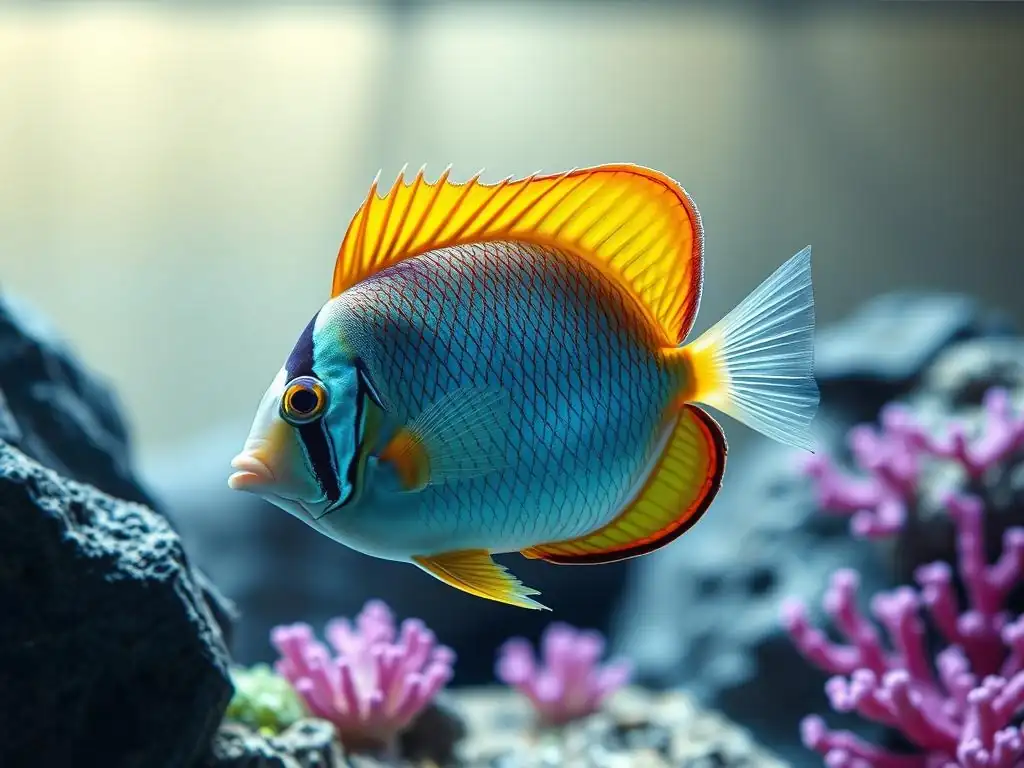
The physical dimensions and overall volume of the aquarium are paramount for housing butterflyfish successfully. A larger tank volume provides greater stability in water parameters, dilutes waste products more effectively, and offers the necessary swimming space for these active fish. For a single medium-sized butterflyfish, such as a Raccoon or Copperband, a minimum tank size of 70-75 gallons is strongly recommended.
Beyond just volume, the footprint of the tank is crucial. A 75-gallon tank measuring approximately 48 inches long by 18 inches wide by 21 inches high provides significantly more lateral swimming space than a taller, narrower tank of the same volume. This horizontal dimension allows butterflyfish to exhibit natural swimming patterns. For larger species or to house multiple compatible butterflyfish, tanks of 120 gallons (e.g., 60" L x 24" W x 24" H) or more are often necessary to ensure long-term health, reduce stress, and promote thriving, which is fundamental to butterflyfish care for beginners.
Essential Equipment: Filtration, Lighting, and Heating
A robust and comprehensive filtration system is non-negotiable for butterflyfish. This includes strong biological filtration, typically provided by ample live rock and a high-quality protein skimmer, which is essential for removing organic waste before it breaks down into harmful nitrates. A protein skimmer rated for 2-3 times the tank volume (e.g., a skimmer rated for 150-200 gallons for a 75-gallon tank) is highly recommended for optimal water quality. Mechanical filtration (filter socks, sponges) and chemical filtration (activated carbon, GFO) should also be regularly employed.
Lighting requirements for a fish-only butterflyfish tank are generally moderate, serving primarily for viewing purposes and to support any non-photosynthetic corals or live rock. LED lights providing approximately 0.5-1 watt per gallon are typically sufficient. Heating is critical for maintaining a stable water temperature between 75-80°F (24-27°C). It is advisable to use two smaller heaters rather than one large one (e.g., two 150W heaters for a 75-gallon tank) to provide redundancy and ensure temperature stability, a key aspect of successful butterflyfish care for beginners.
Water Parameters: Maintaining Optimal Water Quality for Butterflyfish
Maintaining precise and stable water parameters is perhaps the most critical aspect of butterflyfish care for beginners. The ideal salinity should be between 1.023-1.025 specific gravity (or 32-35 ppt). Temperature must be kept consistently between 75-80°F (24-27°C), with minimal fluctuations. The pH level should remain stable within the range of 8.1-8.4. Ammonia and nitrite levels must always be at 0 ppm, while nitrate should ideally be below 10 ppm, and certainly no higher than 20 ppm.
Beyond these primary parameters, maintaining stable levels of alkalinity (8-12 dKH), calcium (400-450 ppm), and magnesium (1250-1350 ppm) is also important, even in a fish-only setup, to support the biological filter and overall water chemistry. Sudden swings in any of these parameters, even a pH change of 0.2 units within 24 hours, can induce significant stress in butterflyfish. Regular testing with reliable test kits (at least weekly for ammonia, nitrite, nitrate, and salinity) is essential for proactive adjustments and long-term success in butterflyfish care.
Creating a Butterflyfish-Friendly Aquascape: Live Rock and Decorations
The aquascape within a butterflyfish tank should be designed to provide both open swimming areas and ample hiding places. Live rock is highly beneficial as it serves as a natural biological filter, contributes to water stability, and provides numerous crevices and caves for the fish to retreat to when feeling stressed or needing to rest. Aim for at least 1-1.5 pounds of live rock per gallon (e.g., 75-110 lbs for a 75-gallon tank) to create a complex and secure environment.
When arranging the live rock, ensure there are plenty of stable structures with swim-throughs and overhangs, particularly towards the back and sides of the tank. Leave a generous open swimming area in the front and middle to allow the butterflyfish to display their natural swimming patterns. Avoid any decorations with sharp edges that could potentially injure their delicate fins. A well-designed aquascape significantly reduces stress, which is vital for the long-term health and vibrancy of butterflyfish, directly contributing to successful butterflyfish care for beginners.
Butterflyfish Diet and Feeding Habits
Understanding Butterflyfish Nutritional Needs
Butterflyfish nutritional needs are highly varied and species-specific, posing a significant challenge for aquarists. In their natural habitats, some species are omnivores, grazing on algae and small invertebrates, while others are strict carnivores, preying on specific worms or crustaceans. A considerable number are obligate corallivores, relying almost exclusively on coral polyps for sustenance. A common cause of decline in captive butterflyfish is insufficient or inappropriate nutrition, leading to a condition often termed "wasting disease."
For example, a Copperband Butterflyfish naturally targets tube worms and Aiptasia anemones, whereas a Raccoon Butterflyfish is a more generalist feeder, consuming a broader range of benthic invertebrates and some algae. Understanding these natural dietary preferences is crucial for providing a balanced and enticing diet in captivity. Success in butterflyfish care for beginners hinges on diligent research into the specific feeding habits of their chosen species to ensure proper nutritional intake.
Recommended Foods: A Balanced Diet for Healthy Butterflyfish
For generalist or omnivorous butterflyfish, a varied diet is key to ensuring complete nutrition. This should include high-quality frozen foods such as Mysis shrimp, enriched brine shrimp, finely chopped seafood (e.g., shrimp, clam, squid), and high-quality marine flakes or pellets. Always ensure that the food items are appropriately sized for the butterflyfish's relatively small mouth.
For species with more specialized diets, incorporating live foods or specific frozen preparations can be essential. A Copperband Butterflyfish, for instance, often responds well to live blackworms or small pieces of clam on the half shell. Aim to feed small portions 2-3 times a day rather than one large meal, mimicking their natural grazing behavior. This frequent, small-portioned feeding strategy is vital for maintaining energy levels and preventing digestive issues, particularly for effective butterflyfish care for beginners.
Feeding Techniques: Ensuring Your Butterflyfish Get Enough to Eat
Butterflyfish can be shy or slow eaters, especially when newly introduced or housed with more aggressive tank mates. Target feeding is an effective technique, utilizing a pipette or turkey baster to deliver food directly to the butterflyfish, ensuring it gets its share without competition. This method is particularly useful for encouraging timid individuals to eat.
Another effective strategy involves soaking dry or frozen foods in a vitamin supplement, such as Selcon, or a garlic-based appetite stimulant. This not only boosts the nutritional value but also enhances palatability, encouraging reluctant eaters. Observe your butterflyfish closely during feeding times; a fish that consistently refuses food for more than 24-48 hours is a cause for concern and requires immediate attention. Ensuring adequate food intake is a fundamental aspect of successful butterflyfish care for beginners.
Supplementing Your Butterflyfish Diet: Vitamins and Minerals
Even with a varied diet of prepared foods, butterflyfish may benefit from vitamin and mineral supplementation, especially when transitioning from a wild diet. Essential nutrients like Vitamin C, various B vitamins, and Omega-3 fatty acids play a crucial role in immune function, stress resistance, and overall long-term health. These micronutrients are often less abundant in captive diets compared to their natural food sources.
Liquid vitamin supplements designed for marine fish can be easily incorporated by soaking frozen or dry foods for a few minutes before feeding. A typical regimen might involve adding 1-2 drops of supplement per feeding session, 2-3 times per week. This simple practice can significantly enhance the butterflyfish's coloration, vitality, and resilience against disease, contributing substantially to comprehensive butterflyfish care for beginners.
Maintaining a Healthy Butterflyfish Aquarium
Regular Water Changes: The Key to Stability
Regular water changes are arguably the most crucial practice for maintaining pristine water quality and stability, which are paramount for the health of sensitive butterflyfish. Water changes serve multiple purposes: they replenish essential trace elements that are consumed over time, remove accumulated nitrates and other dissolved organic compounds, and help maintain consistent salinity and pH levels. For a typical butterflyfish aquarium, a 10-20% water change weekly or bi-weekly is generally recommended.
For example, in a 75-gallon tank, a 15-gallon (20%) weekly water change will effectively remove a significant portion of accumulated nitrates and introduce fresh, balanced saltwater. It is imperative to use properly mixed saltwater made with RO/DI (Reverse Osmosis/Deionized) water and a high-quality marine salt mix, ensuring that the new water precisely matches the temperature and specific gravity of the aquarium to prevent shocking the fish. Consistency in this practice is a cornerstone of effective butterflyfish care for beginners.
Monitoring Water Parameters: Testing and Adjusting
Consistent monitoring of key water parameters is non-negotiable for butterflyfish husbandry. Ammonia and nitrite levels must always be undetectable (0 ppm), as even trace amounts are highly toxic. Nitrate levels should be kept as low as possible, ideally below 10 ppm and certainly no higher than 20 ppm. Salinity should be stable at 1.023-1.025 specific gravity, and pH should consistently range between 8.1 and 8.4.
Regular testing with reliable test kits (e.g., Salifert, Red Sea) provides early warning signs of potential issues, allowing for proactive adjustments before problems escalate. If nitrates begin to rise, increasing the frequency or volume of water changes, or enhancing biological and chemical filtration, might be necessary. If pH drops, checking alkalinity and considering a buffer or kalkwasser supplementation could be appropriate. Proactive monitoring and adjustment are fundamental skills in successful butterflyfish care for beginners.
Recognizing and Treating Common Butterflyfish Diseases
Butterflyfish are susceptible to common marine ailments, with marine ich (Cryptocaryon irritans) and marine velvet (Amyloodinium ocellatum) being particularly prevalent due to stress from shipping, poor water quality, or aggression. Signs include white spots resembling salt grains (ich), a dusting of gold or brown powder (velvet), rapid breathing, scratching against rocks, and clamped fins. Bacterial infections, manifested as fin rot or cloudy eyes, can also occur.
Upon recognizing signs of disease, immediate action is crucial. If possible, transfer the affected fish to a dedicated quarantine or hospital tank. For ich and velvet, common treatments include copper-based medications (e.g., Copper Power, Cupramine) or hyposalinity (gradually reducing salinity to 1.008-1.009 for 2-4 weeks), though copper is toxic to invertebrates. For bacterial issues, broad-spectrum antibiotics may be required. Early detection and prompt, appropriate treatment significantly improve the prognosis for butterflyfish, making disease management a critical part of butterflyfish care for beginners.
Quarantine Procedures: Preventing Disease Outbreaks
Implementing a strict quarantine procedure for all new arrivals is the single most effective way to prevent the introduction of diseases into your main display tank, especially when dealing with sensitive species like butterflyfish. A separate quarantine tank (QT) of 10-20 gallons, equipped with basic filtration (sponge filter), a heater, and PVC pipes for hiding, is sufficient for this purpose.
All new fish, including butterflyfish, should undergo a 4-6 week quarantine period. During this time, observe them closely for any signs of illness, ensure they are eating well, and proactively treat if necessary (e.g., a prophylactic freshwater dip or a full copper treatment if your main tank has a history of ich). This preventative measure protects your established inhabitants from pathogens and significantly reduces the risk of widespread disease outbreaks, thereby enhancing the overall success of butterflyfish care for beginners.
Butterflyfish Compatibility and Tank Mates
Choosing Compatible Fish for Your Butterflyfish Tank
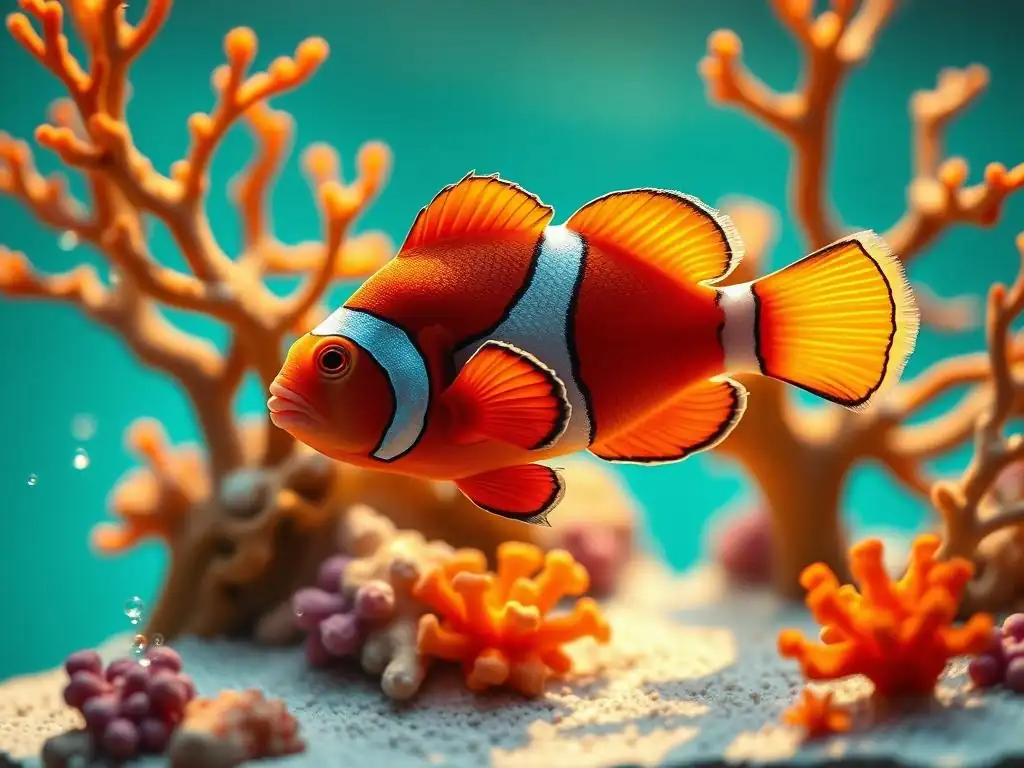
Selecting appropriate tank mates is crucial for the peaceful coexistence and long-term health of your butterflyfish. The ideal companions are peaceful, non-aggressive species that will not outcompete the butterflyfish for food or territory. Good choices typically include docile gobies, blennies, cardinalfish, and certain peaceful tangs, provided the tank size is adequate for their adult dimensions.
For instance, a Yellow Watchman Goby ( Cryptocentrus cinctus) or a Royal Gramma ( Gramma loreto) are excellent additions to a 75-gallon tank housing a butterflyfish, as they generally occupy different areas of the tank and exhibit non-aggressive behavior. It is vital to ensure that potential tank mates are not known fin-nippers, as damaged fins can stress butterflyfish and make them more susceptible to disease. Careful selection of tank mates is a key component of successful butterflyfish care for beginners.
Avoiding Aggressive or Predatory Tank Mates
To ensure the well-being of your delicate butterflyfish, it is imperative to avoid housing them with highly aggressive, predatory, or overly boisterous tank mates. Species such as most triggerfish, large angelfish, lionfish, and groupers can intimidate, harass, or even prey upon butterflyfish, leading to severe stress, injury, or death. Even moderately aggressive species can cause enough stress to compromise a butterflyfish's immune system, making it vulnerable to disease.
Specific examples of fish to avoid include the Picasso Triggerfish ( Rhinecanthus aculeatus), which is notoriously aggressive, and many larger dottybacks or damselfish, which despite their smaller size, can be surprisingly territorial and belligerent. Even certain wrasses might be too active or competitive. Thorough research into the adult temperament and size of all potential tank mates is crucial before introduction, as this directly impacts the success of butterflyfish care for beginners.
Considerations for Invertebrate Compatibility
A significant consideration when planning a butterflyfish aquarium is their compatibility with invertebrates, particularly corals. Many butterflyfish species are known to nip at or consume soft and stony corals, anemones, and other sessile invertebrates. This tendency is why most butterflyfish are typically housed in "fish-only with live rock" (FOWLR) setups rather than mixed-reef aquariums.
While some species, like the Copperband Butterflyfish, are often considered "reef-safe with caution" because they may consume nuisance Aiptasia anemones, they can also nip at desirable tube worms or certain soft corals. The Pyramid Butterflyfish, being a planktivore, is generally considered reef-safe. However, for general butterflyfish care for beginners, it is safest to assume that most butterflyfish are not entirely reef-safe unless specifically confirmed for a particular species and individual. Constant observation is necessary if attempting a mixed setup.
Breeding Butterflyfish in Captivity (Advanced)
Understanding Butterflyfish Reproductive Behavior
The captive breeding of butterflyfish is an extremely rare and challenging endeavor, typically limited to highly specialized aquaculture facilities rather than home aquariums. In their natural habitat, most butterflyfish are pelagic spawners, meaning they release their eggs and sperm into the open water column, where fertilization occurs, and the buoyant eggs drift with the currents. They often form monogamous pairs or harems in the wild, though precise pair-bonding behaviors can vary by species.
Inducing spawning in captivity requires an intricate understanding of their specific environmental cues, precise water parameters, and specialized dietary conditions that mimic their natural breeding triggers. Furthermore, the sheer volume of water typically required for pelagic spawners to exhibit natural breeding behaviors makes it impractical for most home setups. Spawning events, when they do occur, are usually brief and happen at night, making observation difficult. This advanced topic is not relevant for general butterflyfish care for beginners.
Creating a Breeding Environment
For the few butterflyfish species that have been successfully bred in captivity, a highly specialized and dedicated breeding environment is essential. This typically involves a very large, species-specific breeding tank, often hundreds of gallons, designed to maintain pristine and exceptionally stable water quality. Specific water flow patterns, dim or controlled lighting cycles, and a highly nutritious, varied diet are crucial factors that might induce spawning.
Despite these efforts, successful captive breeding remains an exceptional achievement. For example, while the breeding of the Yellow Longnose Butterflyfish ( Forcipiger flavissimus) has been documented in controlled aquaculture settings, it is far from a routine occurrence. The complex interplay of environmental, nutritional, and behavioral factors makes creating a consistently productive breeding environment an undertaking for dedicated research or commercial facilities, well beyond the scope of typical butterflyfish care for beginners.
Raising Butterflyfish Fry: A Challenging Endeavor
Even if spawning is successfully induced, raising butterflyfish fry presents an even greater set of challenges. Butterflyfish larvae are typically microscopic and highly delicate, requiring an immediate and continuous supply of live, appropriately sized food, such as rotifers, followed by progressively larger live foods like Artemia nauplii. Their tiny mouths and rapid growth stages demand specific feeding protocols and constant availability of suitable prey.
Survival rates for butterflyfish fry are notoriously low, often less than 1% even in controlled environments. They are highly susceptible to minute changes in water quality, bacterial infections, and fungal issues. The specific nutritional requirements of the various larval stages are often unknown or incredibly difficult to replicate in a home setting. This arduous process underscores why captive breeding and raising of butterflyfish fry are endeavors reserved for advanced aquarists or specialized institutions, not part of general butterflyfish care for beginners.
Troubleshooting Common Butterflyfish Care Problems
Butterflyfish Refusing to Eat: Identifying and Addressing the Issue
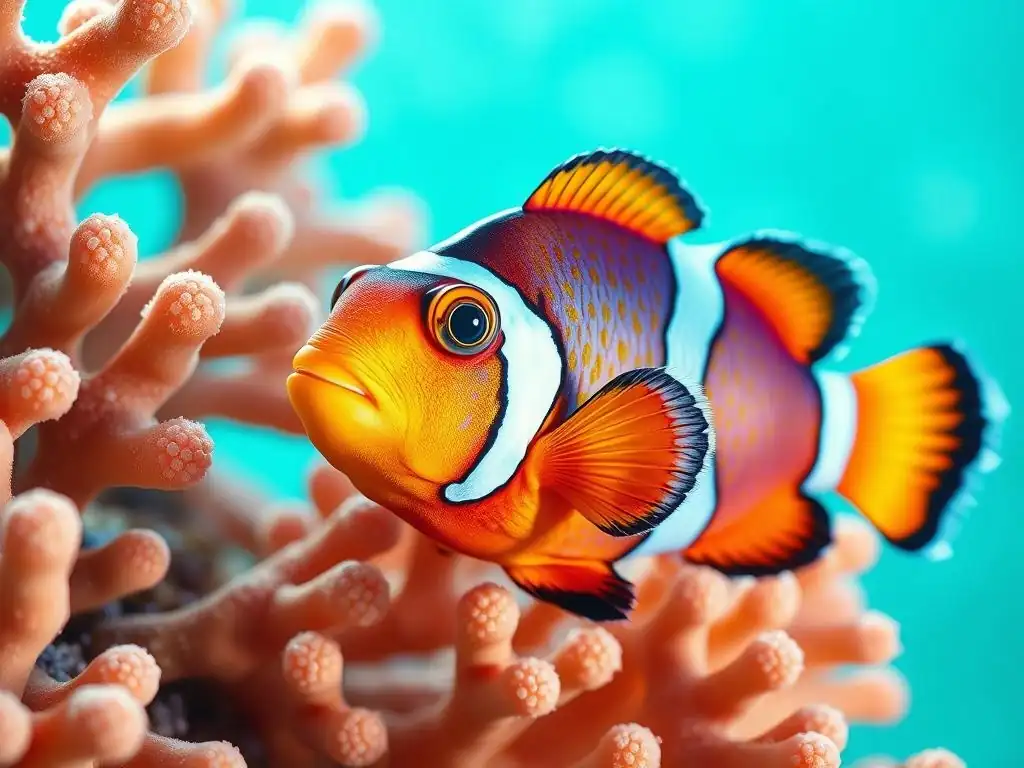
A butterflyfish refusing to eat is a serious concern and often the first sign of underlying problems. Common reasons include stress from a new environment, aggression from tank mates, poor water quality, internal or external parasites, or simply an unsuitable diet. A butterflyfish that has not eaten for 2-3 days is at significant risk and requires immediate attention.
To address this, first, check all water parameters meticulously for any deviations. Observe the fish for any visible signs of disease or physical injury. Offer a variety of highly palatable foods, such as live brine shrimp, frozen Mysis shrimp soaked in garlic extract, or finely chopped clam. For new or shy fish, offering food at dusk or using target feeding techniques can encourage consumption. If the issue persists, a freshwater dip or transfer to a hospital tank for observation and potential treatment might be necessary. Prompt action is crucial for successful butterflyfish care for beginners.
Signs of Disease: Recognizing and Treating Ailments Early
Early recognition of disease symptoms is vital for effective treatment and improving the prognosis for your butterflyfish. Common visual cues include white spots resembling salt (marine ich), a dusty gold or brown appearance (marine velvet), cloudy eyes, fin rot, lesions on the body, rapid breathing, clamped fins, and constant scratching against tank decorations. Behavioral changes such as lethargy, hiding excessively, or refusing to interact are also significant red flags.
Upon observing any of these signs, it is imperative to act promptly. Isolating the affected fish in a quarantine tank can prevent the spread of disease to other inhabitants. For parasitic infections like ich, treating with appropriate medications (e.g., copper-based) or implementing hyposalinity can be effective. For bacterial issues, specific antibiotics may be required. Maintaining a well-stocked marine first-aid kit, including test kits and treatment medications, is highly recommended for beginner butterflyfish care, enabling swift intervention.
Algae Control in Butterflyfish Tanks
Algae growth is a common issue in any marine aquarium, and while some butterflyfish species might occasionally graze on certain types of algae, they are not primary algae eaters or dedicated clean-up crew members. Common algae types include green hair algae, diatoms, and cyanobacteria (red slime algae), often caused by excess nutrients (nitrates, phosphates) and/or imbalanced lighting.
Effective algae control relies on addressing the root causes. This involves consistent manual removal (siphoning, scraping), reducing the amount of food fed, performing more frequent and larger water changes, and ensuring robust filtration, particularly the use of phosphate-removing media like GFO (Granular Ferric Oxide). Introducing a compatible clean-up crew (e.g., turbo snails, hermit crabs) can also help. Maintaining low nutrient levels, ideally nitrates below 10 ppm and phosphates below 0.03 ppm, is crucial for long-term algae management and overall tank health in butterflyfish care for beginners.
Advanced Butterflyfish Care Techniques
Reef-Safe Butterflyfish: Options for Reef Aquariums
While the majority of butterflyfish species are not considered reef-safe due to their propensity to nip at or consume corals, certain species are known to be more compatible with mixed-reef aquariums, primarily planktivorous types. For advanced aquarists interested in integrating butterflyfish into a reef setting, options like the Pyramid Butterflyfish ( Hemitaurichthys polylepis) or the Schooling Bannerfish ( Heniochus acuminatus) are often considered.
Pyramid Butterflyfish are generally regarded as reef-safe because their primary diet consists of zooplankton, reducing their inclination to bother corals. Similarly, Schooling Bannerfish are often well-behaved in reef tanks, though larger specimens might occasionally nip at soft corals. However, even with these "safer" options, close monitoring is always essential, as individual fish temperaments can vary, and what works for one aquarist might not for another. This nuanced aspect of butterflyfish care is typically for advanced hobbyists, not general butterflyfish care for beginners.
Target Feeding Techniques for Picky Eaters
Target feeding is an invaluable technique for ensuring that shy, new, or particularly picky butterflyfish receive adequate nutrition, especially when they might be outcompeted by more aggressive tank mates. This method involves directly delivering food to the specific fish using a specialized tool, such as a long-handled pipette or a turkey baster.
To execute target feeding effectively, prepare small, highly palatable portions of food, such as frozen Mysis shrimp, finely chopped clam, or enriched brine shrimp. Gently squirt the food directly in front of the butterflyfish's mouth, or into its favored hiding spot, allowing it to consume the food without competition or stress. This technique is highly effective in acclimating finicky eaters to prepared foods and ensuring their long-term health, a sophisticated but rewarding aspect of advanced butterflyfish care.
Acclimation Strategies for Sensitive Butterflyfish
Butterflyfish are exceptionally sensitive to sudden changes in water parameters, making slow and careful acclimation crucial for their survival upon introduction to a new aquarium. The drip acclimation method is highly recommended over simply floating and netting, as it allows for a gradual equalization of temperature, salinity, and pH over an extended period, significantly reducing stress and shock.
To perform drip acclimation, turn off the aquarium lights to minimize stress. Float the sealed bag containing the fish in the tank for 15-20 minutes to equalize temperature. Then, open the bag, secure it, and begin slowly dripping tank water into the bag using airline tubing and a knot or valve to control the flow rate to 1-2 drops per second.
Continue this process until the volume of water in the bag has quadrupled (typically 1-2 hours). Finally, gently net the butterflyfish and place it into the display tank, discarding the bag water to prevent introducing potentially harmful pathogens. This meticulous approach greatly improves survival rates for these delicate fish.
Conclusion: Mastering Butterflyfish Care
The Rewards of Successful Butterflyfish Husbandry
Mastering butterflyfish care is undoubtedly a challenging endeavor, demanding diligence, patience, and a deep understanding of marine aquarium husbandry. However, the rewards for successfully keeping these exquisite creatures are immense. A thriving butterflyfish, with its vibrant colors and graceful movements, becomes a breathtaking centerpiece, transforming any saltwater aquarium into a living work of art.
The journey of successfully maintaining a butterflyfish is a testament to an aquarist's skill and dedication. Witnessing their captivating behaviors and enjoying their unique beauty for years provides a profound sense of accomplishment. A healthy, long-lived butterflyfish is not just a pet; it's a living jewel that brings continuous joy and a deeper connection to the marine world, making the effort worthwhile for any dedicated aquarist.
Resources for Further Learning About Butterflyfish
The world of butterflyfish care is complex and ever-evolving, requiring continuous learning and adaptation. Aquarists are strongly encouraged to consult reputable marine biology texts, scientific journals, and specialized online forums dedicated to marine fish husbandry. Engaging with experienced aquarists and joining local or online aquarium communities can provide invaluable insights, practical advice, and support.
Aquarium Mastery is committed to providing comprehensive, detailed guidance on all aspects of marine aquarium keeping, including specialized care guides for delicate species like butterflyfish. We encourage you to explore our extensive resources for further learning and troubleshooting. Continuous education is an integral part of being a responsible and successful aquarist, ensuring that you can provide the best possible environment for your butterflyfish and continue to refine your expertise in butterflyfish care for beginners and beyond.
Frequently Asked Questions
How difficult is Butterflyfish care for beginners?
Butterflyfish can be challenging for beginners due to their specific dietary needs and sensitivity to water parameters. Research and a well-established aquarium are crucial for success.
What are the ideal water parameters for a Butterflyfish aquarium?
Ideal parameters include a specific gravity of 1.020-1.025, a pH of 8.1-8.4, and a temperature of 72-78°F. Stable water quality is essential to prevent stress and disease.
What do Butterflyfish eat, and how often should they be fed?
Butterflyfish are primarily carnivores and require a varied diet of meaty foods like frozen mysis shrimp, brine shrimp, and high-quality flake food. Feed them multiple small meals throughout the day.
Are Butterflyfish compatible with other fish in a community aquarium?
Compatibility varies depending on the species. Some Butterflyfish can be aggressive towards other fish, especially those with similar body shapes or colors. Research specific species before introducing them to an existing tank.
What are some common diseases that affect Butterflyfish, and how can they be prevented?
Common diseases include ich (white spot disease) and marine velvet. Prevention involves maintaining pristine water quality, quarantine new arrivals, and observing fish for signs of illness.
Final Reflection: The Delicate Dance of Butterflyfish Care
The journey into butterflyfish husbandry, as we've explored, is one of dedication and understanding. The information presented here underscores the critical importance of informed and responsible aquarium keeping, especially when dealing with such sensitive and captivating creatures. The health and well-being of these fish depend entirely on our commitment to providing them with the proper environment and care.
This guide, hopefully, has illuminated the path for beginners, but the learning never truly stops. The ongoing evolution of aquarium technology and our understanding of marine ecosystems demands continuous learning and adaptation. It's not just about keeping a fish alive; it's about fostering a thriving ecosystem within the confines of our glass boxes. In the end, we will conserve only what we love; we will love only what we understand; and we will understand only what we are taught.
- Baba Dioum. This quote perfectly encapsulates the responsibility we bear as aquarists.
Now, as you embark on, or continue, your journey with butterflyfish, I urge you to reflect on the delicate balance you are striving to create. Consider the impact your choices have on these magnificent creatures and the broader marine environment. Let this guide be a starting point, a foundation upon which you build a deeper understanding and a more profound appreciation for the beauty and fragility of the underwater world. Embrace the challenge, learn from your experiences, and become a true steward of the aquarium ecosystem.
Transform Your Tank: Begin Your Butterflyfish Journey Now!
Thank you for diving into the world of butterflyfish with us! We hope this guide has empowered you with the knowledge to successfully care for these aquatic gems. Now, let's put that knowledge into action.
- Commit to further research! Identify one species of butterflyfish suited to your current or planned aquarium setup.
- Share your newfound expertise! Start a thread on an aquarium forum detailing what you learned and your plans for a butterflyfish tank.
- Visit your local fish store with a refined list of suitable tankmates, then ask them specifically about their experience keeping butterflyfish.
What's the first step you'll take this week to bring the beauty of butterflyfish into your aquarium?