
Aquarium Mastery: Understanding Skeletal Development & Preventing Deformities in Larvae

Welcome to Aquarium Mastery!
Ever wondered why some larval fish struggle to develop properly, leading to skeletal deformities? Dive in and explore our comprehensive guide, " Understanding Skeletal Development & Preventing Deformities in Larvae." We'll unlock the secrets to ensuring healthy growth in your saltwater aquarium, covering everything from crucial water parameters to essential nutritional needs. Curious to learn how to give your tiny swimmers the best start in life? Read on!
- Introduction to Larval Fish Skeletal Development
- Factors Influencing Larval Fish Skeletal Formation
- Identifying Skeletal Deformities in Fish Larvae
- Preventing Skeletal Deformities in Larval Fish: Best Practices
- Identifying Skeletal Deformities in Fish Larvae
- Preventing Skeletal Deformities in Larval Fish: Best Practices
- Treating Skeletal Problems in Fish Larvae
- Case Studies: Successful Skeletal Development in Larval Fish
- Advanced Techniques for Promoting Healthy Skeletal Development
- Conclusion: Ensuring Healthy Skeletal Development for Thriving Aquarium Fish
-
Frequently Asked Questions
- What are the most common causes of skeletal deformities in larval fish?
- How can I ensure proper nutrition for my larval fish to prevent skeletal issues?
- What role does water chemistry play in larval fish skeletal development?
- What are some early signs of skeletal deformities in larval fish that I should look for?
- How can I prevent water quality issues that lead to skeletal problems in larval fish?
- Final Reflection: Nurturing Futures, One Skeleton at a Time
- Unleash Your Larval Rearing Potential!
Introduction to Larval Fish Skeletal Development
Why Skeletal Development is Crucial for Larval Fish Survival
The proper formation of the skeletal system is paramount for the survival and long-term health of larval fish. During their early life stages, fish larvae undergo rapid growth and transformation, with their bones and cartilage developing at an accelerated pace. A well-formed skeleton is fundamental for essential functions such as efficient swimming, successful feeding, and evading predators.
Even minor skeletal abnormalities can severely impair these abilities, leading to significantly higher mortality rates. Studies in aquaculture settings, for instance, have shown that batches of fish with a low incidence of deformities can have survival rates 2-3 times higher than those with a prevalence of skeletal issues.
This critical developmental window, often spanning the first few weeks or months post-hatch depending on the species, is highly sensitive to environmental and nutritional factors. Skeletal development is a dynamic, complex process involving ossification (bone formation) and chondrogenesis (cartilage formation). Any disruption during this period can result in irreversible deformities, making prevention the cornerstone of successful larval rearing. Understanding these intricate processes is vital for aquarists aiming to master advanced fish breeding techniques and minimize larval fish skeletal development issues.
Common Skeletal Problems in Larval Fish: An Overview
Skeletal deformities represent a significant challenge in both commercial aquaculture and advanced home breeding, often leading to substantial economic losses and reduced yield. These abnormalities can manifest in various forms, including spinal curvatures (scoliosis, lordosis, kyphosis), cranial and jaw malformations, opercular defects, and issues with fin rays. In some marine fish hatcheries, the incidence of skeletal deformities can range from 10% to as high as 40% in a given batch if conditions are not optimally managed, showcasing the widespread nature of larval fish skeletal development issues.
These problems are not merely cosmetic; they fundamentally compromise the fish's physiological functions and overall well-being. For example, a deformed jaw can prevent a larva from effectively capturing and ingesting food, leading to starvation. Similarly, spinal curvatures, such as severe lordosis, drastically reduce swimming efficiency, increasing energy expenditure and making the fish vulnerable to stress and disease. Addressing these pervasive skeletal problems requires a comprehensive understanding of their underlying causes, from genetic predispositions to environmental stressors and nutritional deficiencies.
Factors Influencing Larval Fish Skeletal Formation
Genetic Predisposition and Skeletal Anomalies
Genetics play a critical role in determining the susceptibility of larval fish to skeletal anomalies. Certain species or even specific family lines within a species may exhibit a higher genetic predisposition to developing deformities. Inbreeding, for instance, can significantly increase the incidence of congenital skeletal defects by concentrating deleterious recessive genes within a population. Research on farmed species like the Japanese flounder ( Paralichthys olivaceus) has identified specific genetic markers linked to a higher prevalence of vertebral deformities.
Therefore, careful selection of broodstock is paramount for minimizing larval fish skeletal development issues. Aquarists should prioritize healthy, robust adult fish with no history of skeletal problems in their lineage. Utilizing genetically diverse broodstock, avoiding repeated sibling crosses, and introducing new genetic material from healthy, unrelated sources can help maintain genetic vigor and reduce the likelihood of passing on predispositions for skeletal anomalies to subsequent generations. This proactive approach ensures a stronger genetic foundation for developing larvae.
Environmental Factors Affecting Skeletal Development
The environment in which fish larvae are reared exerts immense influence over their skeletal formation, often serving as a primary driver for larval fish skeletal development issues. Subtle deviations from optimal conditions can trigger significant developmental abnormalities.
Temperature's Impact on Bone Formation in Larvae
Temperature is one of the most critical environmental parameters affecting skeletal development in fish larvae. It directly influences metabolic rates, enzymatic activities, and the speed of cellular differentiation and ossification. Rearing temperatures outside the optimal range for a specific species—whether too high or too low—can lead to asynchronous development of different tissues, resulting in deformities. For example, studies on European sea bass ( Dicentrarchus labrax) larvae have shown that temperatures just 2-3°C above their optimal range can increase the incidence of spinal deformities by 15% to 20%.
Furthermore, sudden or frequent fluctuations in temperature are highly stressful for delicate larvae, disrupting their physiological processes and energy allocation. Maintaining a stable temperature, ideally with daily fluctuations of less than 0.5°C, is crucial for consistent and harmonious bone growth. Extreme temperatures can also impact the activity of osteoblasts (bone-forming cells) and osteoclasts (bone-resorbing cells), leading to imbalances in bone remodeling and subsequent structural defects.
The Role of Water Chemistry in Skeletal Integrity
Water chemistry parameters, including pH, salinity, and the presence of dissolved gases and pollutants, profoundly impact larval skeletal integrity. Optimal pH levels (typically 7.8-8.2 for marine larvae) are essential for maintaining proper ionic balance and the solubility of calcium and phosphorus, the primary building blocks of bone. Deviations can hinder nutrient uptake and mineralization. Similarly, stable salinity (e.g., 30-35 ppt for most marine species) is crucial for osmoregulation, preventing osmotic stress that can divert energy from development.
High levels of ammonia, nitrite, or nitrate, even if not immediately lethal, act as chronic stressors. These compounds can reduce oxygen uptake, impair nutrient absorption, and trigger a generalized stress response, all of which indirectly contribute to larval fish skeletal development issues. Additionally, the availability of specific trace elements like magnesium, strontium, and zinc, though in minute quantities, is vital for enzyme function and bone matrix formation. Imbalances or deficiencies in these elements, even if calcium and phosphorus are abundant, can compromise skeletal development.
Nutritional Requirements for Healthy Skeletal Growth in Fish Larvae
Adequate and balanced nutrition is arguably the most critical factor in preventing larval fish skeletal development issues. Larvae have extremely high metabolic rates and specific dietary needs during their rapid growth phase.
Essential Nutrients: Calcium, Phosphorus, and Vitamin D
Calcium and phosphorus are the primary mineral components of bone, forming the hydroxyapatite matrix. For optimal bone mineralization, a balanced calcium-to-phosphorus ratio is crucial, typically ranging from 1.5:1 to 2:1 in the diet, allowing for efficient absorption and utilization. Deficiencies in either element can lead to poor ossification, weak bones, and conditions resembling rickets. For instance, insufficient phosphorus can result in reduced growth and significant skeletal abnormalities, even if calcium levels are adequate.
Vitamin D plays a pivotal role in regulating calcium and phosphorus metabolism, facilitating their absorption from the gut and deposition into bone. Without sufficient Vitamin D, even a diet rich in calcium and phosphorus may not prevent skeletal issues. Other essential micronutrients include Vitamin C (ascorbic acid), vital for collagen synthesis (the organic matrix of bone), and various trace minerals like zinc, manganese, and copper, which act as cofactors for enzymes involved in bone formation. A deficiency in Vitamin C, for example, is a well-documented cause of spinal deformities in many fish species.
Live Food vs. Artificial Diets for Larval Skeletal Health
For most marine fish larvae, live foods such as rotifers ( Brachionus plicatilis) and Artemia nauplii are indispensable during the early feeding stages. Their high digestibility, appropriate size, and natural enzyme content make them superior to artificial diets. Crucially, live feeds can be bio-enriched with specific nutrients, including essential fatty acids (DHA, EPA), vitamins, and minerals, to optimize their nutritional profile for larval development. For example, enriching Artemia with lipid emulsions high in DHA can significantly improve skeletal integrity and reduce deformities.
While convenient, artificial dry diets often present challenges for very young larvae due to issues with palatability, digestibility, and nutrient leaching. If used, these diets must be specifically formulated for larval stages, micro-encapsulated to prevent nutrient loss, and highly digestible. Gradual weaning from live to artificial diets is often employed to minimize nutritional stress. However, relying solely on un-enriched or low-quality live feeds, or introducing artificial diets too early, can lead to deficiencies that manifest as severe larval fish skeletal development issues.
Identifying Skeletal Deformities in Fish Larvae
Early Detection Methods for Skeletal Issues
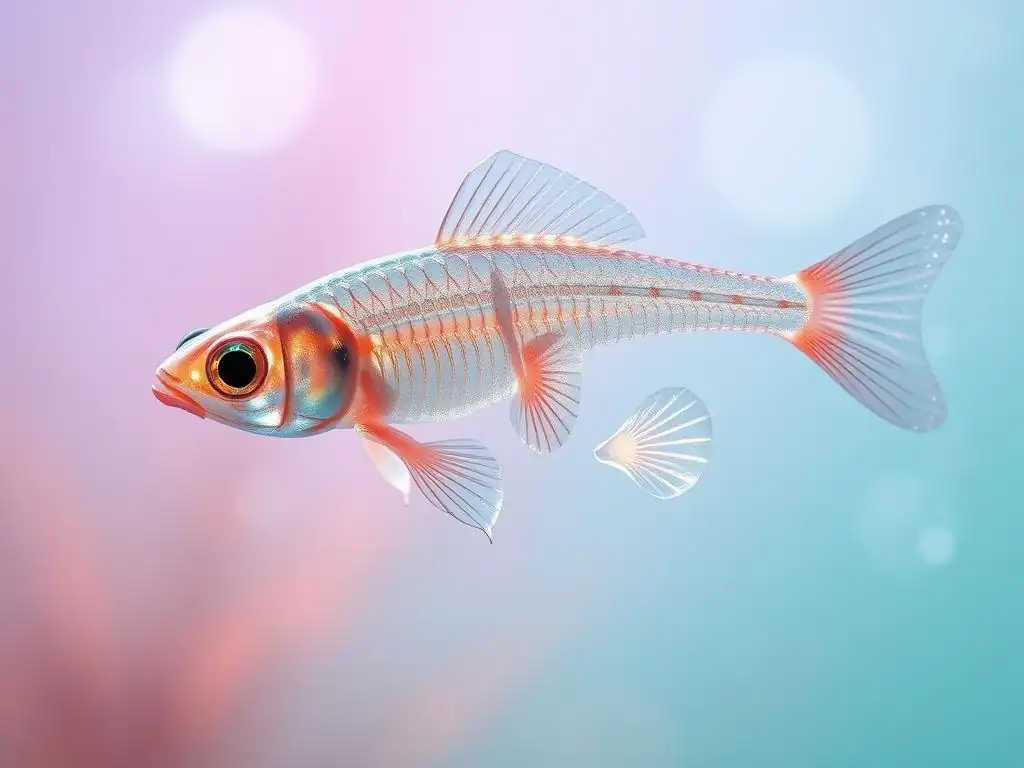
Early detection of skeletal issues is critical for intervention, even if that intervention is ultimately culling. The primary method for early detection involves careful visual inspection of larvae, often under a stereomicroscope. Aquarists should observe swimming behavior: healthy larvae exhibit strong, coordinated movements, while those with skeletal deformities may show abnormal swimming patterns, reduced buoyancy control, or struggle to maintain position. Visible signs such as subtle kinks in the spine, disproportionate head or body size, or abnormal fin development can often be spotted within the first week or two post-hatch.
For a more definitive diagnosis and quantification of deformities, especially in research or larger-scale breeding operations, clearing and staining techniques are employed. Methods like Alizarin Red S staining for calcified bone and Alcian Blue for cartilage allow for detailed visualization of the developing skeleton. While these methods are destructive to the larvae, they provide invaluable data on the type, severity, and incidence of larval fish skeletal development issues within a batch, helping to identify underlying causes and refine rearing protocols.
Common Types of Skeletal Deformities in Larval Fish
Skeletal deformities in larval fish encompass a range of specific abnormalities, each with distinct impacts on the fish's survival and quality of life.
Spinal Deformities: Scoliosis and Lordosis
Spinal deformities are among the most frequently observed skeletal issues in larval fish. Scoliosis refers to a lateral (side-to-side) curvature of the spine, often appearing as an "S" or "C" shape when viewed from above. Lordosis is a ventral (downward) curvature of the spine, causing the fish to appear hunched. Both conditions severely impair swimming efficiency, making it difficult for the fish to pursue food, escape predators, or maintain proper orientation in the water column. They also affect the normal development and positioning of internal organs.
These deformities can arise from a variety of factors, including nutritional deficiencies (e.g., Vitamin C deficiency, which impairs collagen synthesis), exposure to suboptimal temperatures, or even genetic predispositions. For instance, in farmed Atlantic salmon ( Salmo salar), high rearing temperatures during specific developmental windows have been linked to increased incidences of lordosis. Such larval fish skeletal development issues often lead to stunted growth and reduced market value in aquaculture.
Cranial and Facial Deformities
Cranial and facial deformities involve malformations of the skull, jaws, or opercula (gill covers). Common examples include brachygnathia (shortened lower jaw), prognathia (protruding lower jaw), and various opercular defects. These abnormalities directly impact the most critical function of a young fish: feeding. A malformed jaw can prevent the larva from effectively opening and closing its mouth, making it unable to capture food particles, leading to starvation and eventual death. Opercular defects can impair respiration.
These deformities are often linked to nutritional deficiencies, particularly Vitamin A (retinol), which is crucial for craniofacial development. Genetic factors and exposure to environmental toxins during early embryonic or larval stages can also contribute. For example, studies on gilthead sea bream ( Sparus aurata) have shown that deficiencies in specific essential fatty acids can lead to jaw malformations, highlighting the complex interplay of factors causing larval fish skeletal development issues.
Fin Deformities and their Impact on Swimming
Fin deformities can include missing fin rays, fused fin rays, abnormally short or malformed fins, or complete absence of certain fins. While perhaps less immediately life-threatening than severe spinal or jaw deformities, these issues significantly impair the fish's ability to swim, maneuver, and maintain balance. Affected larvae may exhibit erratic swimming, difficulty in maintaining a stable position, or reduced speed, making them less competitive for food and more vulnerable to environmental stressors.
These deformities are often symptomatic of broader larval fish skeletal development issues, frequently stemming from nutritional imbalances (e.g., deficiencies in Vitamin C, B vitamins like pantothenic acid) or adverse environmental conditions during the specific developmental stages when fins are forming. For example, high stocking densities or poor water quality can induce stress that impacts fin development. While a fish with a fin deformity might survive, its quality of life and long-term health are significantly compromised.
Preventing Skeletal Deformities in Larval Fish: Best Practices
Preventing larval fish skeletal development issues is far more effective and practical than attempting to treat them. A multi-faceted approach focusing on optimal conditions is key.
Optimizing Water Quality for Larval Development
Maintaining impeccable water quality is paramount for the healthy development of fish larvae. Even slight deviations from optimal parameters can induce stress and lead to developmental anomalies.
Maintaining Proper pH, Salinity, and Ammonia Levels
For marine fish larvae, consistently maintaining a stable pH between 8.0 and 8.2 is crucial. This range supports optimal enzyme activity and the solubility of essential minerals required for bone formation. Salinity should be kept stable within the species-specific optimal range, typically 30-34 parts per thousand (ppt) for most marine species, to minimize osmotic stress.
Most importantly, ammonia and nitrite levels must be kept at virtually zero, as these nitrogenous compounds are highly toxic to delicate larvae, even at low concentrations. Their presence can severely stress larvae, diverting energy from growth and development and indirectly contributing to larval fish skeletal development issues.
Regular and precise monitoring of these parameters using reliable test kits or digital meters is essential. A well-cycled and robust biological filtration system, appropriate for the larval rearing volume and biomass, is indispensable for converting toxic ammonia and nitrite into less harmful nitrate. Overfeeding should be avoided to prevent rapid deterioration of water quality.
Water Changes and Filtration Strategies
Regular water changes are a cornerstone of maintaining pristine larval rearing environments. Small, frequent water changes (e.g., 10-20% daily or every other day, depending on stocking density and feeding rates) help to dilute accumulated waste products, replenish essential trace elements, and maintain water clarity. It is crucial to use aged, properly conditioned saltwater that matches the temperature and parameters of the rearing tank to minimize shock.
In addition to biological filtration, mechanical filtration (e.g., fine sponge filters or specialized larval filters) can remove particulate matter, while protein skimmers (in larger systems) can remove dissolved organic compounds before they break down into toxic substances. However, care must be taken to ensure that filtration systems do not create strong currents that could stress or injure delicate larvae. Gentle aeration is usually sufficient to ensure adequate dissolved oxygen levels without causing turbulence.
Ensuring Proper Nutrition for Larval Bone Development
Beyond water quality, providing a diet that is nutritionally complete and balanced is the single most impactful factor in preventing larval fish skeletal development issues.
Selecting High-Quality Live Food Cultures
For the initial feeding stages of many marine larvae, high-quality live food cultures are indispensable. Rotifers and Artemia nauplii must not only be cultured cleanly but also meticulously enriched to provide the necessary nutritional profile. This involves feeding them with specialized enrichment products (e.g., microalgae, lipid emulsions high in DHA and EPA, and vitamin/mineral complexes) before they are fed to the larvae. This bio-encapsulation ensures that the larvae receive a concentrated dose of essential fatty acids, vitamins (especially C and D), and minerals crucial for bone formation.
The timing and quantity of feeding are equally important. Larvae require a continuous supply of appropriately sized food particles throughout the day. Underfeeding leads to starvation and nutrient deficiencies, while overfeeding can rapidly foul the water, creating a vicious cycle of poor water quality and nutritional stress. Implementing a precise feeding schedule based on larval density and developmental stage is key to ensuring consistent access to high-quality nutrition.
Supplementation Strategies for Enhanced Skeletal Health
While live feeds provide a good foundation, strategic supplementation can further enhance larval skeletal health. This often involves enriching live feeds with specific vitamins and minerals that are critical for bone development. Vitamin C (ascorbic acid), for instance, is a well-known requirement for collagen synthesis, and its deficiency is a common cause of spinal deformities. Many commercial enrichment products are specifically formulated to boost Vitamin C levels in live feeds.
Beyond vitamins, ensuring adequate delivery of bioavailable minerals like calcium, phosphorus, zinc, and manganese is vital. Some breeders also explore the use of specialized larval diets or enrichment products that contain chelated forms of minerals, which are more readily absorbed by the larvae. These targeted supplementation strategies aim to cover any potential nutritional gaps and provide an optimal environment for robust skeletal development, directly combating larval fish skeletal development issues.
Controlling Environmental Factors to Minimize Risk
Beyond water quality and nutrition, other environmental aspects play a crucial role in preventing skeletal deformities.
Maintaining Stable Water Temperatures
As previously discussed, temperature is a critical environmental factor. Maintaining a precise and stable water temperature within the optimal range for the specific species being reared is paramount. This often requires reliable aquarium heaters, and in some cases, chillers, to prevent overheating. Daily temperature fluctuations should be minimized, ideally kept to less than 0.5°C, to avoid stressing the larvae and disrupting their metabolic processes.
Sudden temperature shifts or prolonged exposure to temperatures outside the ideal range can lead to asynchronous development of different tissues, affecting the coordinated growth of bone and cartilage. This stress can divert energy away from developmental processes, making the larvae more susceptible to forming skeletal anomalies. Consistent temperature control is a non-negotiable best practice for reducing larval fish skeletal development issues.
Providing Adequate Lighting for Vitamin D Synthesis
While the exact mechanisms can vary by species, light plays a role in the health and development of fish, including potentially influencing Vitamin D synthesis and overall physiological well-being. Providing appropriate lighting, often full-spectrum aquarium lights, can contribute to a healthy environment. A consistent photoperiod (e.g., 14 hours light, 10 hours dark) is also important for establishing natural circadian rhythms, which influence a range of physiological processes, including feeding behavior, growth, and potentially calcium metabolism.
Excessively bright or dim lighting can be stressful for larvae. Too much light can cause photo-stress, while too little might hinder normal visual development and feeding. A balanced lighting regime supports overall larval health, indirectly contributing to robust skeletal development by reducing stress and supporting metabolic functions that rely on photoperiod cues.
Identifying Skeletal Deformities in Fish Larvae
Early Detection Methods for Skeletal Issues
Early detection is paramount, as the window for intervention in larval fish skeletal development issues is extremely narrow. The most accessible method involves frequent, meticulous visual inspection of larvae, ideally using a stereomicroscope. Aquarists should look for deviations from normal swimming patterns, such as erratic movements, difficulty maintaining buoyancy, or an inability to swim against gentle currents. Visible signs like a subtle curvature in the spine, disproportionate head-to-body size, or abnormal fin development can often be observed within the first few days to weeks post-hatch.
For more precise analysis, particularly in research or large-scale breeding, clearing and staining techniques are employed. Methods like Alizarin Red S (which stains calcified bone red) and Alcian Blue (which stains cartilage blue) allow for detailed visualization of the developing skeletal system. While destructive, these techniques provide definitive confirmation and quantification of deformities, offering invaluable data to assess the success of rearing protocols and to identify the specific nature of larval fish skeletal development issues within a batch.
Common Types of Skeletal Deformities in Larval Fish
Skeletal deformities in larval fish are diverse, with specific types frequently linked to particular deficiencies or environmental stressors.
Spinal Deformities: Scoliosis and Lordosis
Spinal deformities are among the most prevalent and impactful skeletal issues. Scoliosis is characterized by a lateral (side-to-side) curvature of the vertebral column, often giving the fish an "S" or "C" shape. Lordosis is a ventral (downward) curvature, causing the fish's back to appear hunched. Both conditions severely impair the fish's ability to swim efficiently, making it difficult to pursue prey, escape predators, or maintain proper orientation in the water column. They also often lead to compression of internal organs, impacting overall health and growth.
These deformities are frequently associated with nutritional deficiencies, especially Vitamin C, which is crucial for collagen synthesis in the vertebral column. Environmental factors like high temperatures during critical developmental periods or chronic exposure to low dissolved oxygen levels can also contribute. For instance, in farmed Japanese flounder ( Paralichthys olivaceus), lordosis has been linked to elevated rearing temperatures and specific dietary imbalances, highlighting the multifactorial nature of larval fish skeletal development issues.
Cranial and Facial Deformities
Cranial and facial deformities involve malformations of the head, jaws, and opercula (gill covers). Common examples include brachygnathia (shortened lower jaw), prognathia (protruding lower jaw), and various defects in the opercular bones. These abnormalities directly compromise the larva's most fundamental function: feeding. A malformed jaw can prevent the fish from effectively opening and closing its mouth, leading to an inability to capture food particles, ultimately resulting in starvation and poor growth. Opercular defects can impede proper respiration.
These deformities are often linked to deficiencies in Vitamin A (retinol), which is essential for proper craniofacial development. Genetic factors and exposure to environmental stressors or contaminants during early embryonic or larval stages can also play a role. In European sea bass ( Dicentrarchus labrax), specific dietary deficiencies during early larval stages have been shown to lead to a high incidence of jaw deformities, underscoring the critical importance of a complete nutritional profile to avoid these severe larval fish skeletal development issues.
Fin Deformities and their Impact on Swimming
Fin deformities encompass a range of issues, including missing fin rays, fused fin rays, abnormally short or malformed fins, or the complete absence of certain fins. While these may not be as immediately life-threatening as severe spinal or jaw deformities, they significantly impair the fish's swimming ability, balance, and maneuverability. Affected larvae may exhibit erratic or inefficient swimming, difficulty in maintaining a stable position, or reduced speed, making them less competitive for food and more vulnerable to environmental stressors.
These deformities are often indicative of broader larval fish skeletal development issues, frequently stemming from nutritional imbalances (e.g., deficiencies in Vitamin C, B vitamins like pantothenic acid) or adverse environmental conditions during the specific developmental stages when fins are forming. For example, high stocking densities or suboptimal water quality can induce chronic stress that negatively impacts fin development. While a fish with a fin deformity might survive, its quality of life, growth rate, and long-term health are significantly compromised, making it unsuitable for continued rearing in many cases.
Preventing Skeletal Deformities in Larval Fish: Best Practices
Preventing larval fish skeletal development issues is by far the most effective and humane strategy, as severe deformities are largely irreversible. A holistic approach encompassing water quality, nutrition, and environmental control is essential.
Optimizing Water Quality for Larval Development
Pristine water quality is the foundation for successful larval rearing and vital for preventing skeletal deformities.
Maintaining Proper pH, Salinity, and Ammonia Levels
For marine fish larvae, maintaining consistently stable water parameters is non-negotiable. The pH should be kept within a narrow range, typically 8.0-8.2, which supports the necessary ionic balance and solubility of minerals like calcium and phosphorus crucial for bone formation. Salinity must also be stable within the species-specific optimal range, generally 30-34 ppt for most marine species, to prevent osmotic stress that drains larval energy reserves.
Critically, ammonia and nitrite levels must be maintained at virtually zero. These compounds are highly toxic to delicate larvae, even at low concentrations, and their presence causes severe stress, diverting energy from growth and development and directly contributing to larval fish skeletal development issues.
Regular and precise monitoring of these parameters using reliable test kits or digital meters is essential. A well-established and robust biological filtration system, appropriately sized for the larval rearing volume and biomass, is indispensable for efficiently converting toxic nitrogenous compounds. Overfeeding, which can rapidly degrade water quality, should be strictly avoided.
Water Changes and Filtration Strategies
Frequent, small water changes are a cornerstone of maintaining optimal water quality in larval rearing tanks. Daily or every-other-day water changes of 10-20% (depending on stocking density and feeding rates) help to dilute accumulating waste products, replenish essential trace elements, and maintain water clarity. It is crucial to use aged, properly conditioned saltwater that precisely matches the temperature, pH, and salinity of the rearing tank to minimize any shock to the larvae.
Beyond biological filtration, mechanical filtration (e.g., fine sponge filters, or specialized larval drum filters in larger systems) is vital for removing particulate matter before it decomposes. Protein skimmers, particularly in larger or recirculating systems, effectively remove dissolved organic compounds that can otherwise contribute to poor water quality. However, all filtration must be designed to avoid creating strong currents or turbulence that could stress or physically harm delicate larvae. Gentle aeration is usually sufficient to ensure adequate dissolved oxygen without causing undue disturbance.
Ensuring Proper Nutrition for Larval Bone Development
A complete and balanced diet is arguably the single most critical factor in preventing larval fish skeletal development issues.
Selecting High-Quality Live Food Cultures
For the initial feeding stages of most marine fish larvae, high-quality live food cultures are indispensable. Rotifers ( Brachionus plicatilis) and Artemia nauplii must not only be cultured cleanly but also meticulously enriched to provide the precise nutritional profile required for bone formation. This involves feeding them with specialized enrichment products (e.g., lipid emulsions high in DHA and EPA, and vitamin/mineral complexes, particularly Vitamin C and D) before they are fed to the larvae. This bio-encapsulation ensures that the larvae receive a concentrated, highly bioavailable dose of essential fatty acids, vitamins, and minerals.
The timing and quantity of feeding are equally important. Larvae require a continuous supply of appropriately sized food particles throughout the day. Underfeeding leads to starvation and nutrient deficiencies, while overfeeding rapidly fouls the water, creating a vicious cycle of poor water quality and nutritional stress. Implementing a precise feeding schedule based on larval density and developmental stage is key to ensuring consistent access to high-quality, nutrient-dense live food.
Supplementation Strategies for Enhanced Skeletal Health
While enriched live feeds provide an excellent nutritional foundation, strategic supplementation can further bolster larval skeletal health. This often involves fortifying live feeds with specific vitamins and minerals known to be critical for bone development. Vitamin C (ascorbic acid), for instance, is absolutely crucial for collagen synthesis, the organic matrix of bone, and its deficiency is a well-documented cause of spinal deformities. Many commercial enrichment products are specifically formulated to boost Vitamin C levels in live feeds.
Beyond vitamins, ensuring adequate delivery of bioavailable minerals like calcium, phosphorus, zinc, and manganese is vital. Some breeders also explore the use of specialized larval diets or enrichment products that contain chelated forms of minerals, which are more readily absorbed by the delicate larval digestive system. These targeted supplementation strategies aim to cover any potential nutritional gaps and provide an optimal environment for robust skeletal development, directly combating larval fish skeletal development issues.
Controlling Environmental Factors to Minimize Risk
Beyond water quality and nutrition, other environmental aspects play a crucial role in preventing skeletal deformities.
Maintaining Stable Water Temperatures
As previously highlighted, temperature is a paramount environmental factor influencing larval development. Maintaining a precise and stable water temperature within the optimal range for the specific species being reared is critical. This typically necessitates reliable aquarium heaters, and in some climates or setups, chillers, to prevent overheating. Daily temperature fluctuations should be minimized, ideally kept to less than 0.5°C, to avoid stressing the larvae and disrupting their metabolic processes.
Sudden temperature shifts or prolonged exposure to temperatures outside the ideal range can lead to asynchronous development of different tissues, affecting the coordinated growth of bone and cartilage. This stress can divert energy away from vital developmental processes, making the larvae more susceptible to forming skeletal anomalies. Consistent temperature control is a non-negotiable best practice for reducing larval fish skeletal development issues.
Providing Adequate Lighting for Vitamin D Synthesis
While the exact mechanisms can vary by species, light plays a significant role in the overall health and development of fish, including potentially influencing Vitamin D synthesis and overall physiological well-being. Providing appropriate lighting, often full-spectrum aquarium lights, can contribute to a healthy environment. A consistent photoperiod (e.g., 14 hours light, 10 hours dark) is also important for establishing natural circadian rhythms, which influence a range of physiological processes, including feeding behavior, growth, and potentially calcium metabolism.
Excessively bright or dim lighting can be stressful for larvae. Too much light can cause photo-stress, potentially affecting eye development and overall activity, while too little might hinder normal visual development and feeding. A balanced lighting regime supports overall larval health, indirectly contributing to robust skeletal development by reducing stress and supporting metabolic functions that rely on consistent photoperiod cues.
Treating Skeletal Problems in Fish Larvae
Early Intervention Strategies for Minor Deformities
In the context of larval fish, "treatment" for significant skeletal deformities is often not feasible or humane due to their minute size and delicate physiology. However, for very minor, early-stage issues that might stem from temporary stress or a fleeting nutritional gap, immediate and dramatic improvement of water quality and nutritional provision might prevent the deformity from worsening. For example, a slight, barely perceptible spinal kink observed early on due to a brief temperature spike might self-correct if conditions are rapidly and perfectly optimized.
This approach is more accurately described as supportive care aimed at preventing further deterioration rather than an outright "cure." It involves ensuring continuous access to high-quality, nutrient-rich food, meticulously maintaining pristine water parameters, and eliminating any sources of stress. For the vast majority of visible or severe larval fish skeletal development issues, however, true corrective intervention is not possible.
Corrective Measures for Specific Skeletal Issues
Direct corrective measures, such as surgical interventions or physical therapy, are entirely impractical and impossible for larval fish due to their microscopic size and extreme fragility. Once a significant structural skeletal deformity is established, it is largely irreversible. The delicate nature of their developing bones and cartilage means that any attempt at manipulation would cause fatal trauma.
Therefore, the focus of advanced aquarists must remain overwhelmingly on prevention. Resources, time, and effort are best invested in optimizing all rearing parameters—water quality, nutrition, and environmental stability—to prevent the occurrence of larval fish skeletal development issues in the first place. There are no known "cures" or "treatments" for established skeletal deformities in fish larvae.
When to Cull: Assessing the Severity of Deformities
The decision to cull larvae with skeletal deformities is a difficult but often necessary ethical and practical consideration in advanced fish breeding. Larvae exhibiting severe deformities, such as pronounced "S" or "C" shaped spines, severe jaw malformations that prevent feeding, or significant cranial defects, will invariably struggle to survive, experience prolonged suffering, or grow into unhealthy, non-viable adults. Culling prevents this suffering and ensures that valuable resources (food, tank space, attention) are allocated to healthy, thriving individuals.
Criteria for culling should be established based on the severity of the deformity and its impact on the larva's ability to function. Larvae that cannot swim normally, effectively capture food, or maintain proper buoyancy are prime candidates for culling. While it is a somber task, it is a responsible practice that improves the overall health and genetic quality of subsequent generations, ensuring that only robust and viable fish are reared, thereby managing the impact of larval fish skeletal development issues on a breeding program.
Case Studies: Successful Skeletal Development in Larval Fish
Examining successful breeding programs highlights the effectiveness of best practices in preventing larval fish skeletal development issues.
Amphiprion ocellaris Larval Rearing Success
The breeding of Amphiprion ocellaris (Ocellaris Clownfish) is a well-documented success story in marine aquaculture, largely due to overcoming early challenges with larval deformities. In the initial phases of clownfish breeding, high rates of skeletal deformities, particularly spinal curvatures and jaw malformations, were common, often affecting over 20% of a batch. These issues were primarily attributed to inadequate nutrition of live feeds and inconsistent water parameters.
Significant breakthroughs occurred with the refinement of rotifer and Artemia enrichment protocols. Breeders began meticulously enriching live feeds with high concentrations of DHA (docosahexaenoic acid) and EPA (eicosapentaenoic acid) using specialized commercial products like Selco, alongside boosted Vitamin C levels. Coupled with rigorous water quality management—including daily 20-30% water changes with precisely mixed saltwater, maintaining stable temperatures between 26-27°C, and near-zero ammonia/nitrite levels—the incidence of larval fish skeletal development issues in Amphiprion ocellaris larvae has dramatically decreased, with deformity rates now routinely below 5% in well-managed facilities.
Overcoming Skeletal Problems in Hippocampus barbouri
Rearing seahorse larvae, such as Hippocampus barbouri (Barbour's Seahorse), presents unique challenges, and they are particularly prone to skeletal malformations, especially jaw and opercular defects, as well as spinal issues. These problems were historically linked to their fastidious feeding habits, sensitivity to water flow, and specific nutritional requirements, leading to deformity rates sometimes exceeding 50% in early attempts at captive breeding.
Solutions have focused on providing an ideal feeding environment and a highly specific diet. The use of enriched Artemia nauplii and copepods (e.g., Tisbe or Apocyclops species) as primary food sources, rich in essential fatty acids and specific micronutrients, has been critical.
Additionally, providing enrichment diets specifically high in Vitamin C and other bone-building micronutrients for the live feeds, along with maintaining very stable, low-flow water conditions to reduce larval stress, has been instrumental. These targeted nutritional and environmental adjustments have helped reduce deformity rates in some captive breeding programs to below 10%, showcasing how tailored approaches can effectively address larval fish skeletal development issues in challenging species.
Advanced Techniques for Promoting Healthy Skeletal Development
Beyond fundamental best practices, advanced techniques can further enhance skeletal health in larval fish.
Probiotics and their Role in Larval Gut Health and Nutrient Absorption
The use of probiotics in larval rearing is an emerging advanced technique. Beneficial bacteria, when introduced into the larval rearing water or incorporated into live feeds, can colonize the larval gut. A healthy gut microbiome enhances digestion and nutrient absorption, making larvae more efficient at extracting essential minerals and vitamins from their diet. This improved nutrient uptake directly supports robust skeletal development and can boost overall larval resilience.
For instance, studies in aquaculture have shown that adding specific Bacillus species to larval rearing water can improve growth rates, feed conversion ratios, and reduce the incidence of deformities in some marine fish larvae. This is attributed not only to enhanced nutrient absorption but also to improved immune response, which indirectly reduces stress and allows more energy to be directed towards skeletal formation, thereby mitigating larval fish skeletal development issues.
The Use of Bone-Promoting Supplements
Beyond standard vitamins and minerals, advanced bone-promoting supplements are being explored. This includes the use of organic trace minerals (e.g., chelated zinc, manganese, copper), which are more bioavailable and thus more readily absorbed by delicate larvae compared to inorganic forms. These minerals are vital cofactors for numerous enzymes involved in bone matrix formation and mineralization.
Furthermore, novel dietary compounds such as nucleotides or specific amino acid profiles crucial for collagen formation are being incorporated into specialized larval feeds or live feed enrichment products. Immunostimulants, while not directly bone-forming, can enhance the larval immune system, reducing susceptibility to disease and stress, which in turn allows more energy to be allocated to healthy growth and skeletal development, thus indirectly addressing larval fish skeletal development issues.
Genetic Screening and Selective Breeding to Reduce Deformities
Advanced genetic techniques offer a powerful long-term strategy for reducing the incidence of skeletal deformities. Genetic screening tools, such as molecular markers or genomic selection, can be used to identify broodstock that carry genes predisposing their offspring to skeletal anomalies. By screening potential parents, aquarists can select individuals with a lower genetic risk, effectively reducing the likelihood of inheriting deformities.
Coupled with genetic screening, selective breeding programs are crucial. By consistently identifying and choosing individuals with excellent skeletal health and growth rates for breeding over multiple generations, breeders can gradually reduce the prevalence of inherited larval fish skeletal development issues within a population. This systematic approach leads to the development of more robust, resilient strains of fish that are naturally less susceptible to skeletal defects, benefiting both commercial aquaculture and advanced hobbyist breeding.
Conclusion: Ensuring Healthy Skeletal Development for Thriving Aquarium Fish
Key Takeaways for Preventing Skeletal Issues in Larval Rearing
Ensuring healthy skeletal development in larval fish is a complex yet achievable goal for advanced aquarists. The cornerstone of prevention lies in a meticulous, multi-faceted approach. Key takeaways include: maintaining impeccable water quality through precise parameter control and diligent water changes; providing superior nutrition via meticulously enriched live feeds and, where appropriate, high-quality, digestible artificial diets; controlling environmental factors like temperature and lighting to minimize stress; and careful broodstock selection to avoid genetic predispositions. Prevention is the only effective strategy, as severe larval fish skeletal development issues are largely irreversible.
Success in larval rearing hinges on continuous monitoring and proactive adjustment of conditions. Understanding the specific needs of each fish species during its most vulnerable developmental stages allows aquarists to anticipate and mitigate potential challenges. By mastering these principles, breeders can significantly increase survival rates and produce robust, healthy aquarium fish, ensuring thriving populations for years to come.
Future Research and Advancements in Larval Fish Skeletal Health.
The field of larval fish skeletal health is continuously evolving, with ongoing research promising further advancements. Future directions include the development of personalized nutrition strategies based on species-specific genomic data, allowing for ultra-tailored diets that precisely meet the unique requirements of different larval stages. Advances in microencapsulation technology will likely lead to even more stable and digestible artificial diets, reducing reliance on live feeds for some species.
Furthermore, the integration of advanced sensing technologies for real-time monitoring of larval health indicators and water parameters will enable even more precise environmental control. Research into the complex interplay of genetics, epigenetics, and the environment will deepen our understanding of how skeletal deformities arise. These ongoing efforts aim to further reduce the incidence of larval fish skeletal development issues, leading to higher survival rates, improved growth, and ultimately, more robust and healthy aquarium fish, benefiting both the dedicated hobbyist and the commercial aquaculture industry.
Frequently Asked Questions
What are the most common causes of skeletal deformities in larval fish?
The most frequent causes include poor water quality, specifically imbalances in calcium and phosphorus levels, and inadequate nutrition during critical developmental stages. Genetics can also play a role.
How can I ensure proper nutrition for my larval fish to prevent skeletal issues?
Providing a varied diet rich in essential nutrients like DHA and EPA is crucial. Live foods like rotifers and artemia, enriched with supplements, are often recommended.
What role does water chemistry play in larval fish skeletal development?
Maintaining stable and appropriate water parameters, particularly pH, alkalinity, and mineral content, is essential. Calcium and magnesium levels are particularly vital for bone formation.
What are some early signs of skeletal deformities in larval fish that I should look for?
Early indicators include abnormal swimming patterns, such as spinning or difficulty maintaining balance, and visible curvature of the spine or head.
How can I prevent water quality issues that lead to skeletal problems in larval fish?
Regular water changes, proper filtration, and diligent monitoring of ammonia, nitrite, and nitrate levels are key. Avoiding overcrowding and ensuring adequate oxygenation are also important.
Final Reflection: Nurturing Futures, One Skeleton at a Time
The intricate dance of larval fish skeletal development, as we've explored, is not merely an academic exercise; it's a crucial foundation for sustainable aquaculture and healthy aquatic ecosystems. Understanding and mitigating skeletal deformities in these early stages directly impacts the viability of fish populations, both in controlled environments and the wild, making this knowledge more relevant than ever in a world facing increasing environmental pressures.
This journey into the microscopic world of larval bone formation underscores the profound interconnectedness of science, conservation, and responsible stewardship. Witnessing the fragility and resilience of these tiny creatures has deepened my appreciation for the delicate balance of nature and the responsibility we bear to protect it. The fate of the larvae is the fate of the future.
This simple truth reminds us that investing in the health of larval fish is an investment in the health of our planet.
Now, armed with this knowledge of larval fish skeletal development issues, I invite you to reflect on your own role in promoting responsible practices. Whether you're an aquarist, a researcher, or simply someone who cares about the health of our oceans and waterways, consider how you can contribute to a future where these vulnerable creatures thrive. Let's work together to ensure that every larval fish has the opportunity to reach its full potential, contributing to a vibrant and sustainable aquatic world for generations to come.
Unleash Your Larval Rearing Potential!
Thanks for diving deep into the world of larval fish development! We hope you've gained valuable insights into understanding skeletal formation and preventing deformities. Now, it's time to put that knowledge into action.
Here are some steps you can take right now:
- Meticulously re-evaluate your larval feeding regime based on the dietary recommendations discussed to ensure optimal skeletal development.
- Share this article with fellow aquarists who are passionate about breeding and rearing fish. Let's spread the knowledge!
- Start a detailed log of your next larval rearing attempt, documenting everything from water parameters to feeding schedules, and compare your results with the insights from this article.
What specific microalgae or live food cultures are you experimenting with to ensure healthy skeletal development in your larvae? Share your experiences in the comments below!