
Court Jester Goby: A Colorful Enigma for the Discerning Nano Aquarist

Welcome to Aquarium Mastery!
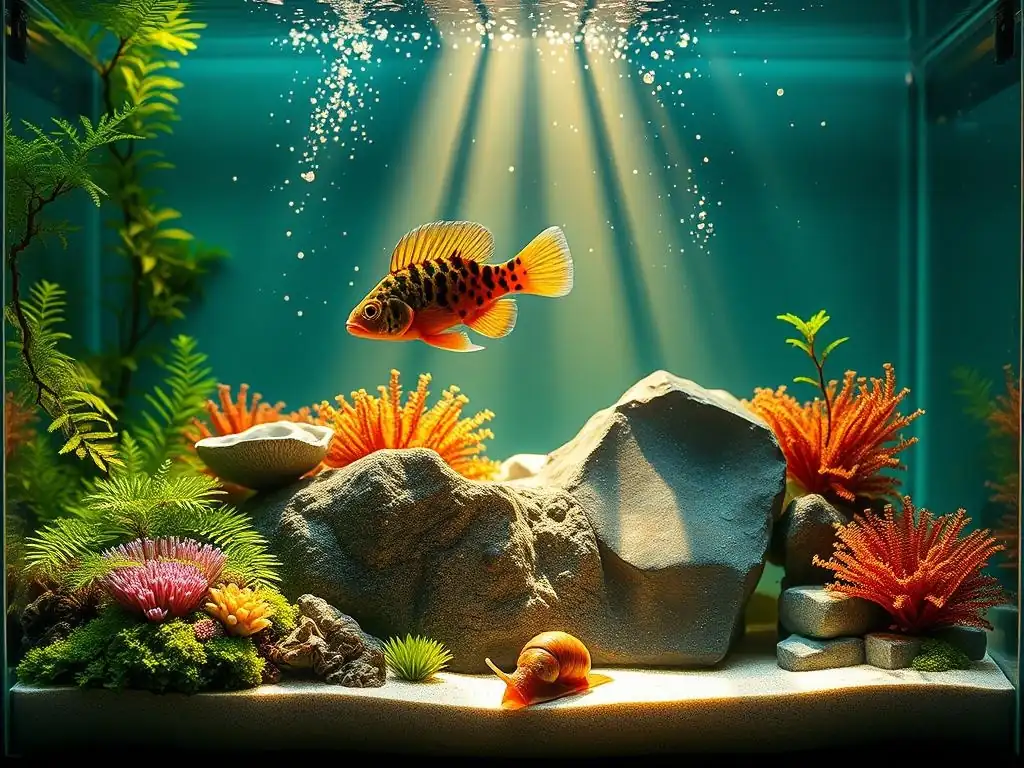
Intrigued by the vibrant personality of the Court Jester Goby? Dive in and discover everything you need to know about successful Court Jester Goby care. From their unique needs to their quirky behaviors, we'll unravel the secrets to keeping these colorful characters thriving in your nano aquarium. Ready to unlock the mysteries of this captivating little fish? Let's get started!
- Introduction to the Court Jester Goby ( Koumansetta rainfordi)
- Court Jester Goby Care: Essential Guidelines for a Thriving Fish
- Diet and Feeding of the Court Jester Goby: A Crucial Aspect of Care
- Court Jester Goby Tank Mates: Compatibility and Considerations
- Identifying and Treating Common Court Jester Goby Diseases
- Setting Up the Ideal Nano Reef Tank for a Court Jester Goby
- Court Jester Goby Breeding: Challenges and Possibilities
- The Court Jester Goby: A Summary of Key Care Requirements
- Troubleshooting Common Court Jester Goby Problems
- Advanced Court Jester Goby Care Techniques
-
Frequently Asked Questions
- What exactly is a Court Jester Goby and why is it considered an enigma?
- What size aquarium is best suited for a Court Jester Goby?
- What specific diet requirements does a Court Jester Goby have?
- Are Court Jester Gobies compatible with other fish in a reef aquarium?
- What are some common problems aquarists face when keeping Court Jester Gobies, and how can they be avoided?
- Final Reflection: Embracing the Miniature Majesty
- Unleash the Jester in Your Nano Tank!
Introduction to the Court Jester Goby ( Koumansetta rainfordi)
Why the Rainford's Goby is a Nano Reef Favorite
The Rainford's Goby, commonly known as the Court Jester Goby, is a highly sought-after species for nano reef aquariums due to its striking coloration and peaceful demeanor. Typically reaching a size of 2 to 3 inches (5 to 7.5 cm), its slender body is adorned with vibrant orange, blue, and yellow longitudinal stripes, making it a captivating focal point in any small marine setup. Its unique, almost hovering swimming style and constant foraging activity add dynamic visual interest.
Beyond its aesthetic appeal, the Court Jester Goby is prized for its reef-safe nature. It does not nip at corals, anemones, or other invertebrates, fitting seamlessly into diverse reef ecosystems. Its non-aggressive temperament towards most other small, peaceful fish makes it an ideal inhabitant for tanks under 30 gallons (approximately 113 liters), contributing to both the beauty and biodiversity of a well-maintained nano reef.
Understanding the Appeal for Experienced Aquarists
Experienced aquarists are drawn to the Court Jester Goby not just for its beauty but also for the specific challenges and rewards associated with its Court jester goby care. These gobies have specialized dietary needs, primarily relying on micro-algae, detritus, and small benthic invertebrates like copepods and amphipods found naturally on live rock and sand. Successfully providing this diet requires a mature, well-established tank and often supplemental feeding strategies.
Their continuous foraging behavior, sifting through sand and meticulously inspecting rockwork for food, offers a fascinating glimpse into natural reef ecology within the home aquarium. For the dedicated hobbyist, mastering the nuances of their environment and diet to ensure their long-term health and vibrant coloration becomes a rewarding endeavor, signifying a deeper level of aquarist skill and commitment beyond more common marine species.
Court Jester Goby Care: Essential Guidelines for a Thriving Fish
Optimal Tank Size for Court Jester Gobies: Small Fish, Specific Needs
While the Court Jester Goby is small, a single specimen thrives in a minimum tank size of 10 to 20 gallons (approximately 38 to 75 liters). This seemingly generous volume for a small fish is crucial because it provides ample surface area for the accumulation of microalgae and detritus, which are vital components of their natural diet. For a pair of Court Jester Gobies, a 20-gallon (75 liters) tank or larger is highly recommended to ensure sufficient territory and reduce potential stress.
The tank's footprint, or length and width, is often more important than its height for these bottom-dwelling gobies. They spend the majority of their time sifting through the substrate and exploring rockwork. A larger horizontal area ensures a more stable micro-ecosystem, allowing for a healthy population of microfauna to develop, which is absolutely critical for successful long-term Court jester goby care.
Water Parameters for Koumansetta rainfordi: Replicating Their Natural Habitat
Court Jester Gobies originate from the stable, pristine waters of Indo-Pacific coral reefs, and replicating these conditions is fundamental to their survival and well-being in captivity. Ideal water parameters include a temperature range of 74-82°F (23-28°C), a specific gravity of 1.023-1.026, a pH level between 8.1-8.4, and an alkalinity (dKH) of 8-12. Consistency in these parameters is far more important than hitting exact numbers.
Maintaining undetectable levels of ammonia and nitrites, along with very low nitrates (preferably below 10 ppm), is paramount. These fish are sensitive to fluctuating or poor water quality. Regular testing, ideally on a weekly basis, is essential to monitor these levels and ensure the stability required for this delicate species. Any deviation can quickly lead to stress, disease, and a decline in overall health, highlighting the importance of diligent Court jester goby care.
Maintaining Pristine Water Quality in a Nano Reef Environment
Given the relatively small water volume of nano tanks, maintaining pristine water quality is a continuous and vital aspect of Court jester goby care. This involves performing weekly or bi-weekly water changes of 10-20% using high-quality RO/DI (Reverse Osmosis/Deionized) water mixed with a reputable marine salt mix. This practice not only removes accumulated nitrates and phosphates but also replenishes essential trace elements that are consumed by tank inhabitants and filtration processes.
Effective mechanical filtration, such as filter socks or sponges, should be employed and cleaned or replaced regularly to remove particulate matter before it breaks down into undesirable nutrients. Robust biological filtration, provided by mature live rock and a healthy sand bed, is crucial for processing ammonia and nitrites. Furthermore, chemical filtration media like activated carbon or granular ferric oxide (GFO) can be used to remove dissolved organic compounds and phosphates, respectively, ensuring crystal-clear and healthy water.
Diet and Feeding of the Court Jester Goby: A Crucial Aspect of Care
What Do Court Jester Gobies Eat? Natural Diet in the Wild
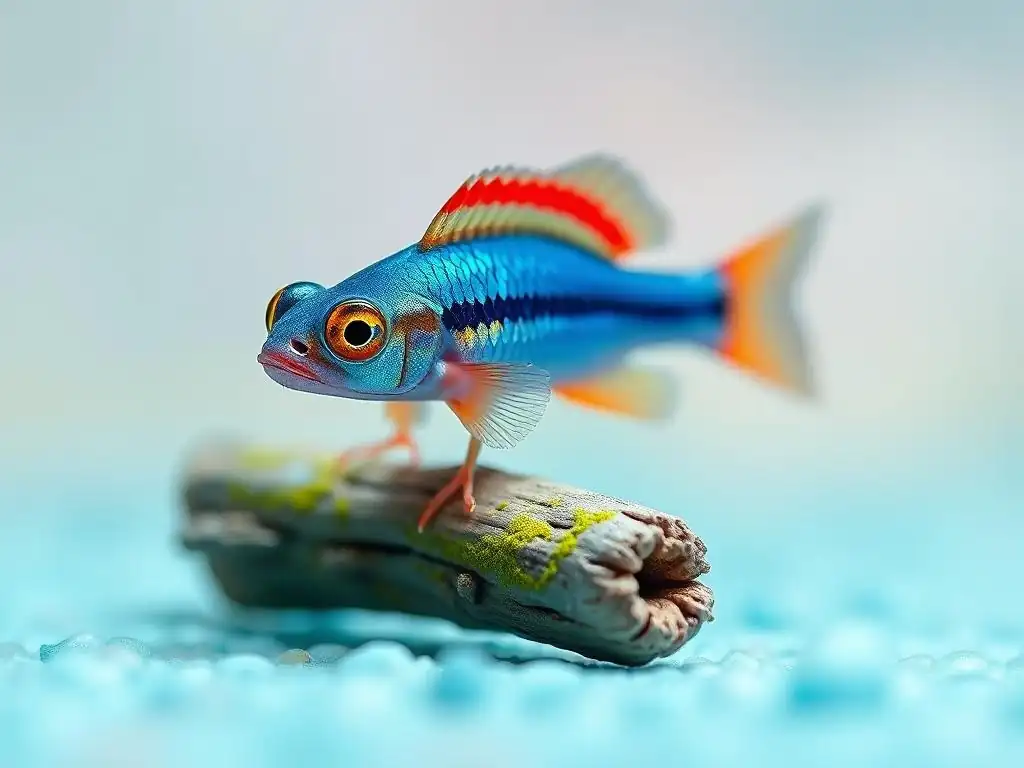
In their natural Indo-Pacific coral reef habitats, Rainford's Gobies are highly specialized feeders. They are primarily micro-predators and detritivores, constantly grazing on the microscopic organisms and organic material found within the sand and on live rock surfaces. Their diet consists predominantly of copepods, amphipods, and various forms of microalgae and detritus. Their small, downturned mouths are perfectly adapted for sifting through substrate and picking off these tiny food items.
This natural feeding behavior underscores the challenge of their captive diet. Unlike many marine fish that readily accept flake or pellet foods, Court Jester Gobies require a continuous supply of live, small, benthic invertebrates. Tanks lacking a robust population of these natural food sources often lead to starvation, even if other foods are offered. Understanding this specialized diet is a foundational element of successful Court jester goby care.
Providing a Varied Diet in Captivity: Live Foods, Frozen Foods, and Supplements
To ensure proper nutrition for your Court Jester Goby, a varied diet is essential, with an emphasis on live foods. Live copepods and amphipods, ideally cultured in a connected refugium, should be a staple. Supplement this with high-quality frozen foods, such as finely chopped mysis shrimp, enriched brine shrimp, and cyclop-eeze, offered several times throughout the day in very small quantities. Some gobies might eventually pick at high-quality spirulina flakes or pellets, but this is less common and should not be relied upon as a primary food source.
Vitamin supplements, either soaked into frozen foods or added to the tank water according to instructions, can boost their immune system and enhance their vibrant coloration. Target feeding, using a pipette to deliver food directly to their foraging areas, can be incredibly effective, especially for shy individuals or in tanks with faster, more aggressive feeders. This meticulous approach to feeding is a cornerstone of long-term Court jester goby care.
Addressing Potential Feeding Challenges: Ensuring Your Goby Gets Enough
One of the most significant challenges in Court jester goby care is ensuring they receive adequate nutrition, particularly in tanks that are not yet mature or that house competitive tank mates. Their slow, deliberate feeding style means they are easily outcompeted by faster, more boisterous fish for prepared foods. Signs of underfeeding include a sunken belly, lethargy, or a noticeable loss of vibrancy in their coloration.
To combat this, the implementation of a refugium that continuously seeds the display tank with live copepods and amphipods is highly recommended. Additionally, feeding multiple small meals throughout the day, possibly during periods when other tank inhabitants are less active (e.g., early morning or late evening), can help ensure the goby gets its share. Closely observing your goby's feeding response and overall body condition is crucial for prompt intervention if underfeeding is suspected.
Court Jester Goby Tank Mates: Compatibility and Considerations
Suitable Tank Mates for a Peaceful Nano Reef
Selecting appropriate tank mates is a critical component of successful Court jester goby care. Ideal companions are peaceful, small, and non-aggressive fish that will not compete directly for food or territory. Excellent choices include Ocellaris or Percula Clownfish (a single specimen or a pair in a sufficiently sized tank), Royal Grammas, Firefish Gobies (though monitor for inter-goby aggression in very small tanks), and small, docile blennies like the Tailspot Blenny. These species generally occupy different ecological niches within the aquarium, minimizing conflict.
The primary consideration is to choose species that will not overwhelm or harass the timid Court Jester Goby. Slow-moving, non-boisterous fish are preferred, allowing the goby to forage and behave naturally without constant stress. A harmonious environment is essential for the goby's long-term health and confidence, making careful tank mate selection paramount.
Fish to Avoid: Aggressive Species and Competition for Food
For optimal Court jester goby care, it is crucial to avoid any aggressive, semi-aggressive, or overly active fish. This includes most damselfish, many dottybacks (with few exceptions for very peaceful species), and larger angelfish, as they will undoubtedly bully or outcompete the shy goby for food and hiding spots. Fast-swimming or large fish, such as tangs or many wrasses, should also be excluded from the tank due to their potential to monopolize food resources and create an overly stressful environment.
Any species that is highly territorial or grows large enough to potentially view the goby as prey should also be strictly avoided. Even seemingly benign but highly active fish can stress the goby by constantly darting around and dominating the tank space. A peaceful, stable, and low-stress environment is fundamental for the Court Jester Goby to thrive.
Invertebrates and the Court Jester Goby: A Reef-Safe Combination?
Court Jester Gobies are widely regarded as completely reef-safe, making them an excellent addition to any coral reef aquarium. They exhibit no known tendencies to nip at corals, anemones, or other sessile invertebrates. Their diet is focused on microfauna and detritus, not coral polyps or soft tissues, allowing them to coexist peacefully with even the most delicate soft corals, LPS (Large Polyp Stony) corals, and SPS (Small Polyp Stony) corals.
They are also compatible with a wide range of mobile invertebrates commonly found in clean-up crews, such as various species of snails (e.g., Nassarius, Trochus), hermit crabs, and shrimp (e.g., Peppermint Shrimp, Skunk Cleaner Shrimp). In fact, a healthy population of these invertebrates can indirectly benefit the goby by contributing to the overall cleanliness and stability of the tank, and in some cases, providing additional microfauna for foraging.
Identifying and Treating Common Court Jester Goby Diseases
Recognizing Signs of Illness: Behavior, Appearance, and Appetite
Early detection of illness is crucial in effective Court jester goby care. Vigilant observation for changes in behavior, physical appearance, and appetite can often lead to successful intervention. A healthy Court Jester Goby is typically active, constantly foraging, and exhibits vibrant, clear coloration. Signs of illness include listlessness, erratic or labored swimming, rapid breathing, or unusual hiding behavior beyond their normal shyness.
Physically, look for faded coloration, white spots resembling salt grains (Ich), a dusty or velvet-like film (Velvet), fin rot, cloudy eyes, or any lesions on the body. A sunken belly is a clear indicator of chronic undernourishment, which can severely weaken their immune system and predispose them to other diseases. Any refusal to eat or spitting out food should also be a cause for concern and prompt further investigation.
Common Diseases Affecting Court Jester Gobies and Their Treatments
Like many marine fish, Court Jester Gobies are susceptible to common parasitic infections such as marine ich ( Cryptocaryon irritans) and velvet ( Amyloodinium ocellatum). Ich manifests as distinct white spots, while velvet appears as a fine, golden or brownish dust. Both require immediate and appropriate treatment, often involving copper-based medications or hyposalinity, typically administered in a separate quarantine or hospital tank to avoid harming sensitive invertebrates in the main display.
Bacterial infections can lead to symptoms such as fin rot, ulcers, or cloudy eyes. These are generally treated with broad-spectrum antibiotics, again, ideally in a dedicated hospital tank. The best preventative measure against most diseases is maintaining stable, pristine water quality and a stress-free environment. Always follow medication instructions carefully and ensure proper diagnosis before treatment.
Quarantine Procedures: Preventing Disease Introduction to Your Reef Tank
Implementing a strict quarantine procedure for all new fish is arguably the most critical aspect of preventative Court jester goby care. A separate quarantine tank (QT) should be set up and run for at least 4 to 6 weeks before introducing any new fish, including Court Jester Gobies, to the main display tank. This allows for observation, acclimation to captive conditions, and proactive treatment for common parasites like Ich and Velvet without risking the established ecosystem of your reef.
During the quarantine period, monitor the new goby closely for any signs of disease. The QT should be simple, with minimal rockwork for hiding and easy cleaning, and it should not share water or equipment with the main display. This practice significantly reduces the risk of introducing pathogens into your sensitive reef environment, protecting not only your new Court Jester Goby but also your existing fish and corals from potential outbreaks.
Setting Up the Ideal Nano Reef Tank for a Court Jester Goby
Substrate Selection: Providing a Natural Foraging Environment
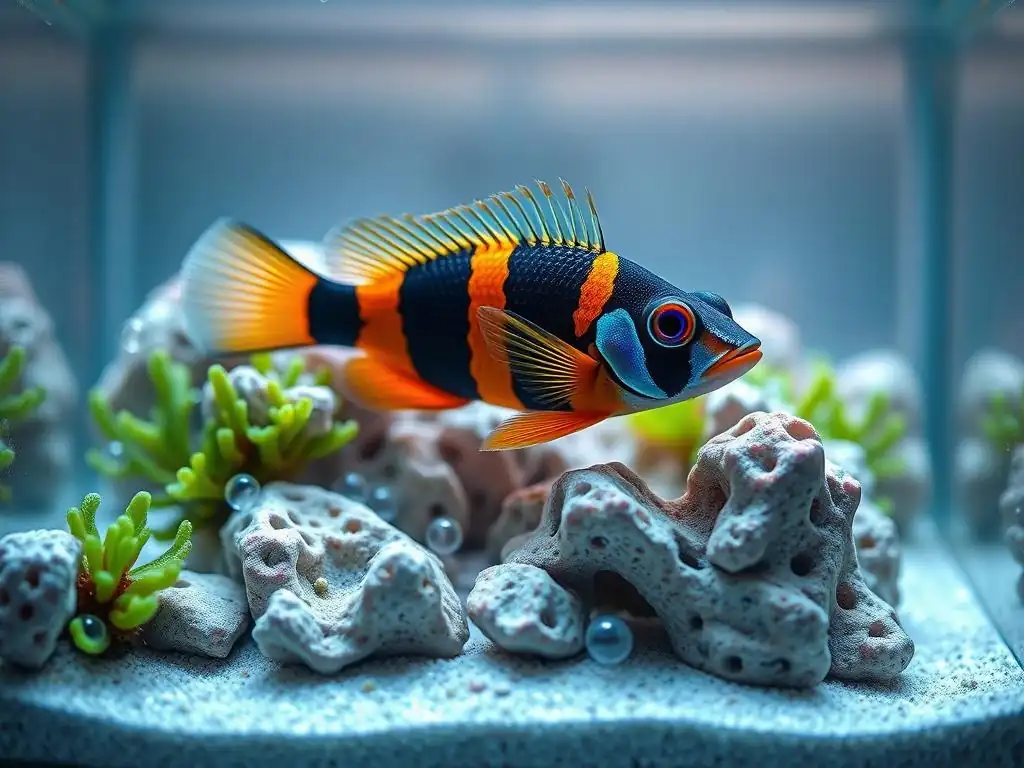
The choice of substrate is paramount for the well-being of a Court Jester Goby. A fine sand substrate, such as aragonite sand with a grain size of 1-3 mm, is highly recommended. These gobies are natural sand-sifters, constantly sifting through the substrate in search of the microscopic organisms and detritus that form a significant part of their diet. A sand bed of at least 2-3 inches (5-7.5 cm) deep provides ample foraging ground and opportunities for natural burrowing behavior, crucial for their sense of security.
Beyond providing a foraging ground, a healthy sand bed contributes significantly to the biological filtration of the aquarium, fostering beneficial bacteria. More importantly, it serves as a crucial habitat for a thriving population of copepods and amphipods, which are a vital, continuous food source for the goby. A deeper sand bed (deep sand bed, DSB) can even aid in denitrification, further enhancing water quality and stability for optimal Court jester goby care.
Rockwork and Hiding Places: Creating a Secure Habitat
Ample live rock with numerous crevices, caves, and overhangs is absolutely essential for a Court Jester Goby. These structures provide crucial hiding spots where the goby can retreat when feeling stressed, sleep, or simply seek refuge. A sense of security is vital for these shy fish, and insufficient hiding places can lead to chronic stress and poor health. The live rock also serves as a surface for microalgae growth and a habitat for beneficial microfauna, contributing to their natural diet.
When aquascaping, arrange the rockwork to create distinct territories and visual breaks, especially if you plan to house multiple gobies or other bottom-dwelling fish. Ensure all rockwork is securely stacked to prevent collapses, which could injure your fish or damage the tank. A well-scaped tank with plenty of cover not only enhances the aesthetic appeal but also significantly contributes to the goby's confidence and overall well-being, which is a key aspect of comprehensive Court jester goby care.
Lighting and Flow Requirements: Essential for a Healthy Reef Ecosystem
While Court Jester Gobies themselves do not have highly specific lighting requirements, the lighting system in their tank should be sufficient to support the growth of the microalgae and diatoms that form part of their natural diet, as well as the health of any corals you choose to keep. Moderate lighting, typical for a mixed reef or LPS (Large Polyp Stony) / soft coral dominant tank, is generally appropriate and will not cause stress to the goby.
Water flow should be moderate and gentle. Strong, turbulent currents can be detrimental to these relatively weak swimmers, making it difficult for them to forage effectively, maintain their position, or even swim comfortably. Aim for broad, laminar flow patterns that mimic the natural, gentle currents found in their native reef environments. This ensures that food particles settle appropriately and that the beneficial microfauna can thrive without being constantly swept away, optimizing their Court jester goby care environment.
Court Jester Goby Breeding: Challenges and Possibilities
Understanding Court Jester Goby Reproductive Behavior
Information regarding the successful captive breeding of Court Jester Gobies is sparse, highlighting the significant challenges involved. In the wild, they are believed to form monogamous pairs. They are substrate spawners, meaning they lay their eggs in protected crevices, under rocks, or within small caves. The male typically takes on the role of guarding and fanning the eggs until they hatch. However, the specific environmental triggers for spawning and the detailed larval development in a home aquarium remain largely undocumented.
Observing courtship behaviors, such as increased interaction between a bonded pair, subtle color changes, or territorial displays around a potential spawning site, could indicate readiness to breed. Despite these observations, replicating the precise conditions, including water chemistry, dietary cues, and privacy, to consistently induce spawning and ensure larval survival is a formidable task for even advanced aquarists.
Creating Breeding Conditions in a Home Aquarium
To even attempt breeding Court Jester Gobies, a dedicated breeding tank with extremely stable and pristine water parameters is advisable. This tank should include ample hiding spots and potential spawning sites, such as small clay pots, PVC pipes, or flat rocks that create sheltered crevices. A mature sand bed, rich in microfauna, and a consistent supply of live foods are crucial to properly condition the breeding pair, enhancing their vitality and reproductive readiness.
While largely theoretical, gradual changes in temperature or salinity, mimicking seasonal shifts in their natural habitat, might act as spawning triggers. Maintaining an exceptionally peaceful environment, free from any stress or competition from other tank inhabitants, is paramount. Even with meticulous attention to detail and ideal conditions, successful Court Jester Goby breeding remains an infrequent occurrence, primarily due to the difficulty in securing true, compatible pairs and understanding their precise needs.
Raising Court Jester Goby Fry: A Demanding but Rewarding Endeavor
Should spawning occur and eggs successfully hatch, raising Court Jester Goby fry presents an even greater challenge. The larvae are typically planktonic and microscopic, requiring incredibly small live foods immediately after hatching, such as rotifers, followed by newly hatched artemia nauplii as they grow. Maintaining precise water quality in the larval rearing tank is also critical, necessitating frequent, small water changes to prevent the accumulation of waste products.
The high mortality rate of marine fish larvae in captivity is a significant hurdle, as they are extremely delicate and susceptible to minor fluctuations in water parameters or food availability. Specialized equipment, including green water cultures to sustain rotifers and dedicated larval rearing systems with gentle flow, is often necessary. This advanced aspect of Court jester goby care is typically reserved for highly experienced hobbyists or public aquariums with extensive marine breeding programs.
The Court Jester Goby: A Summary of Key Care Requirements
Quick Reference Guide to Koumansetta rainfordi Care
For optimal Court jester goby care, prioritize a well-established nano reef aquarium, with a minimum size of 10-20 gallons (38-75 liters) for a single specimen. Maintain stable water parameters: temperature between 74-82°F (23-28°C), specific gravity of 1.023-1.026, pH 8.1-8.4, and alkalinity (dKH) 8-12. Crucially, nitrates should be very low (below 10 ppm), and ammonia/nitrites undetectable. A fine sand bed, at least 2-3 inches (5-7.5 cm) deep, and abundant live rock with numerous hiding spots are essential for their foraging and security.
Diet is paramount: provide a continuous supply of live copepods and amphipods, supplemented with small, high-quality frozen foods like mysis shrimp and enriched brine shrimp, fed multiple times daily. Select only peaceful, non-competitive tank mates. Always quarantine new arrivals for 4-6 weeks to prevent disease introduction. Consistent water quality management through regular small water changes is vital for their long-term health.
Ensuring Long-Term Health and Happiness for Your Court Jester Goby
Ensuring the long-term health and happiness of your Court Jester Goby hinges on consistency and meticulous attention to detail in all aspects of their Court jester goby care. Regular water parameter testing and performing small, frequent water changes (e.g., 10-15% weekly) are generally more effective and less stressful than infrequent large changes. Cultivating and maintaining a thriving microfauna population, ideally through a connected refugium, provides a continuous, natural food source, significantly reducing their reliance on prepared foods and mimicking their wild diet more closely.
Daily observation of your goby's behavior, coloration, and appetite is crucial for early detection of any issues. Addressing potential problems promptly, whether they relate to water quality, diet, or tank mate compatibility, is key. Providing a stress-free environment with ample hiding spots and appropriate companions will significantly extend their lifespan, which can be 3-5 years or even longer with truly excellent care, making them a rewarding and enduring presence in your nano reef.
Troubleshooting Common Court Jester Goby Problems
My Court Jester Goby Isn't Eating: What to Do
If your Court Jester Goby stops eating, it's a serious concern that requires immediate attention as part of effective Court jester goby care. First, meticulously check all water parameters for any sudden fluctuations, especially spikes in ammonia or nitrite, which are highly toxic. Stress caused by new tank mates, an unstable environment, or insufficient hiding places can also lead to appetite loss. Ensure your tank is mature enough to support a natural, robust microfauna population, as this is their primary food source.
Try offering a variety of small, high-quality live foods such as copepods or freshly hatched brine shrimp. Target feeding, using a pipette or turkey baster to deliver food directly to the goby's preferred foraging area, can be particularly effective if it's shy or new to the tank. If competition from other fish is an issue, consider isolating the goby in a small, clear container within the tank during feeding times. If the issue persists, consider moving the goby to a quiet quarantine tank for closer observation and potential treatment for underlying parasitic or bacterial infections.
Court Jester Goby Hiding Constantly: Is This Normal?
While Court Jester Gobies are naturally somewhat shy and will utilize hiding spots, constant, excessive hiding that deviates from their normal behavior is often a significant sign of stress. This can be attributed to several factors, including overly aggressive or boisterous tank mates, an insufficient number of secure hiding places, or poor water quality. It's important to carefully observe interactions between your goby and other tank inhabitants; even seemingly peaceful fish can subtly harass a timid species.
To address constant hiding, first ensure there are plenty of secure caves, crevices, and overhangs where the goby can retreat and feel safe. If the goby is new to the tank, dim the lights for a few days to help it acclimate. If a new tank mate was recently introduced and seems problematic, consider removing it. Thoroughly check all water parameters, as even slight deviations from optimal conditions can cause significant stress in sensitive species like the Court Jester Goby, impacting their overall Court jester goby care.
Signs of Stress in Your Court Jester Goby and How to Address Them
Beyond constant hiding, other key signs of stress in a Court Jester Goby include faded or dull coloration, rapid and labored breathing, clamped fins held close to the body, erratic or darting swimming movements, or rubbing against objects in the tank. These symptoms can indicate a range of underlying issues, such as poor water quality, the onset of disease, or bullying from tank mates. Prompt recognition and action are crucial for effective Court jester goby care.
To address stress, begin by performing a small water change (10-15%) and re-testing all essential water parameters to ensure they are stable and within optimal ranges. Verify that the tank temperature is consistent and not fluctuating. Re-evaluate tank mate compatibility and, if necessary, remove any problematic or overly aggressive fish. Provide additional hiding spots if the existing ones seem inadequate. If stress persists or worsens, moving the goby to a quiet, established quarantine tank for recovery and closer monitoring can be beneficial.
Advanced Court Jester Goby Care Techniques
Optimizing Water Chemistry for Enhanced Coloration
While maintaining stable basic water parameters is fundamental, advanced Court jester goby care can further optimize water chemistry to enhance the vibrant coloration of your fish. Beyond standard parameters, ensuring optimal levels of essential trace elements, which are often consumed by corals and other invertebrates, can play a role. Elements like iodine, potassium, and various trace minerals, present in high-quality marine salt mixes, contribute to overall fish health and pigment development. Regular, small water changes are the primary method for replenishment, but some advanced aquarists might meticulously dose specific elements based on professional testing.
Furthermore, a diet rich in natural pigments, particularly astaxanthin, is vital for the Court Jester Goby's brilliant orange and blue hues. This pigment is abundant in high-quality frozen mysis shrimp and spirulina-enriched foods. Ensuring the goby is consistently well-fed, stress-free, and housed in a pristine environment will naturally allow its colors to flourish to their fullest potential, reflecting excellent husbandry.
Target Feeding Strategies for Finicky Eaters
For Court Jester Gobies that are particularly finicky or in tanks with highly competitive feeders, advanced Court jester goby care often involves employing precise target feeding strategies. This technique uses a long pipette or turkey baster to deliver small amounts of preferred foods directly to the goby's favored foraging areas or hiding spots. This direct delivery minimizes competition from faster tank mates, ensuring the shy goby receives adequate nutrition.
Perform target feeding at times when other tank inhabitants are less active or distracted, such as shortly after the main tank lights come on or just before they go off. Consistency is key; multiple small target feedings throughout the day can be significantly more effective than one large feeding, as gobies are continuous grazers. Patience and observation are vital to determine the goby's preferred food items and feeding locations.
Utilizing Refugiums to Support Natural Food Sources
One of the most effective advanced Court jester goby care strategies is the integration of a refugium plumbed into the main display tank. A refugium is a separate, often dimly lit chamber, typically housed in the sump, dedicated to cultivating macroalgae (like Chaetomorpha) and, crucially, a thriving population of copepods and amphipods. These micro-crustaceans reproduce prolifically within the refugium, protected from predation by the main tank inhabitants.
The copepods and amphipods from the refugium are then passively or actively introduced into the main display tank, providing a continuous, natural food source for the Court Jester Goby. This mimics their wild feeding environment more closely, significantly reduces their reliance on prepared foods, and dramatically improves their long-term health, vitality, and natural foraging behaviors. A refugium is an invaluable tool for ensuring a consistent supply of live, nutritious food for this specialized feeder.
Frequently Asked Questions
What exactly is a Court Jester Goby and why is it considered an enigma?
The Court Jester Goby ( Koumansetta rainfordi ) is a small, colorful fish popular in nano reef aquariums. It's considered an enigma due to its specific dietary needs and sometimes unpredictable behavior.
What size aquarium is best suited for a Court Jester Goby?
Given their small size, Court Jester Gobies can thrive in nano reef tanks, typically 10 gallons or larger. However, a larger tank generally provides a more stable environment and better grazing opportunities.
What specific diet requirements does a Court Jester Goby have?
These gobies primarily feed on microalgae and diatoms found on live rock. Supplementation with small, high-quality frozen foods like copepods is crucial for their long-term health.
Are Court Jester Gobies compatible with other fish in a reef aquarium?
They are generally peaceful but can be territorial with other gobies, especially those of the same species. Choose tankmates carefully, avoiding aggressive or overly competitive fish.
What are some common problems aquarists face when keeping Court Jester Gobies, and how can they be avoided?
Common issues include starvation due to insufficient food and aggression from tankmates. Ensuring ample live rock for grazing and providing supplemental feedings can prevent these problems.
Final Reflection: Embracing the Miniature Majesty
The journey into understanding the Court Jester Goby's unique needs underscores a broader commitment to responsible reef keeping. As nano aquariums gain popularity, the onus is on us to move beyond mere aesthetics and delve into the intricate requirements of these miniature ecosystems. This isn't just about keeping a fish alive; it's about fostering a thriving environment where these vibrant creatures can truly flourish.
The allure of the Court Jester Goby, with its captivating personality and diminutive size, is undeniable. However, its delicate nature serves as a constant reminder of the interconnectedness within a reef tank. In the end, we will conserve only what we love; we will love only what we understand; and we will understand only what we are taught.
- Baba Dioum. This quote resonates deeply, highlighting the critical role of education and informed decision-making in ensuring the well-being of these fascinating fish.
Now, consider the lessons learned about Court Jester Goby care and apply them to your own aquariums, or even beyond. Let's strive to be more than just hobbyists; let's become stewards of these miniature underwater worlds, fostering a deeper appreciation for the delicate balance of life they hold. By embracing responsible practices and sharing our knowledge, we can ensure that the Court Jester Goby, and countless other reef inhabitants, continue to bring joy and wonder for generations to come.
Unleash the Jester in Your Nano Tank!
Thanks for diving into the delightful world of the Court Jester Goby! We hope you've found inspiration for adding a splash of personality to your nano aquarium. Now, let's turn that inspiration into action.
- Begin your quest! Start by researching reputable online vendors or local fish stores that specialize in healthy Court Jester Gobies to ensure a thriving addition to your aquatic family.
- Dive deeper: Delve into the aquarium forums or social media groups and share your experiences, or ask questions from expert fish keepers.
- Surprise everyone! Create a time-lapse video of your Court Jester Goby's antics and share it on your social media using #AquariumMastery and #CourtJesterGoby.
What unique piece of decor will you add to your nano tank to make your Court Jester Goby feel like royalty?