
Breeding Lionfish in Captivity: Challenges and Possibilities Explained

Welcome to Aquarium Mastery!
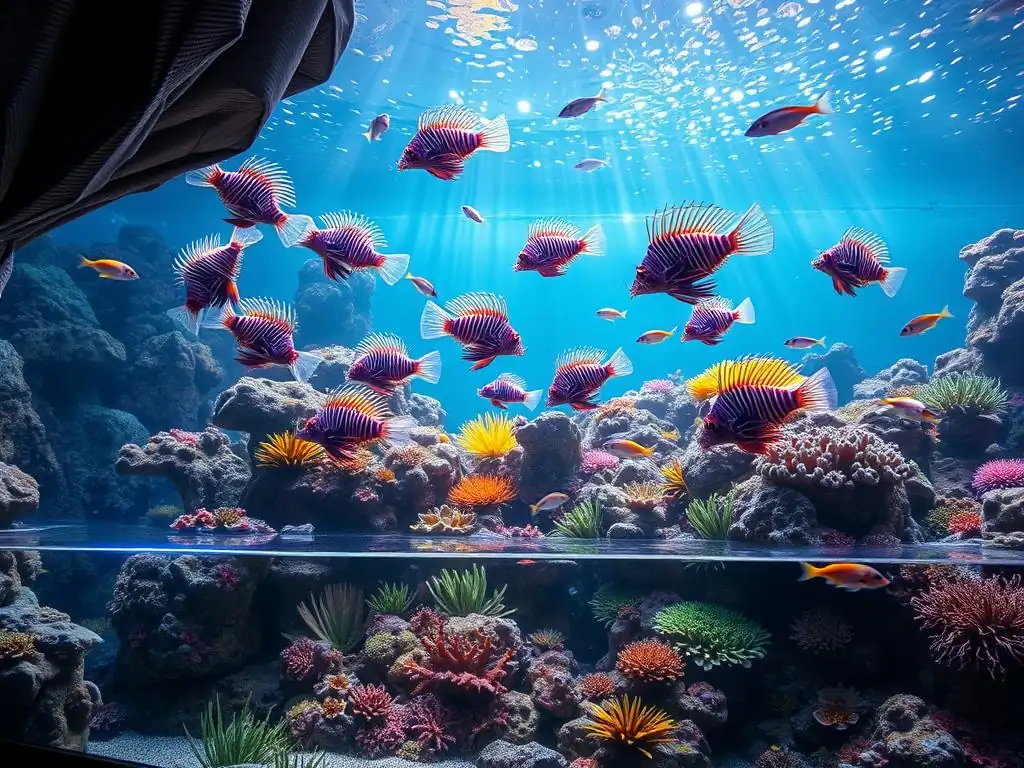
Ever wondered if it's possible to breed the majestic, yet notorious, Lionfish in your own aquarium? Dive deep with us as we explore the fascinating – and often frustrating – world of Lionfish breeding captivity challenges. We'll uncover the complexities and potential breakthroughs, leaving you with a newfound appreciation for these incredible creatures and a burning desire to learn more about their intricate lives.
- Introduction to Lionfish Breeding in Aquariums
- Understanding Lionfish Biology for Successful Breeding
-
Key Challenges in Lionfish Breeding Captivity
- Water Quality Parameters for Lionfish Breeding [Temperature: 78-82°F, Salinity: 1.024-1.026 SG, pH: 8.1-8.4]
- Nutritional Requirements of Breeding Lionfish [Varied Diet of Small Fish and Crustaceans, Vitamin Supplements]
- Setting Up a Dedicated Lionfish Breeding Tank [Tank Size: 100+ Gallons, Adequate Filtration]
- Simulating Natural Spawning Conditions [Dim Lighting, Gentle Water Flow, Rock Structures]
- Lionfish Larval Rearing: A Critical Stage
- Overcoming the Challenges: Solutions for Lionfish Reproduction
- Advanced Techniques in Lionfish Breeding
- Potential Benefits of Captive-Bred Lionfish
- Conclusion: The Future of Lionfish Breeding in Captivity
-
Frequently Asked Questions
- How difficult is it to breed lionfish in captivity?
- What are the primary obstacles to overcome when attempting to breed lionfish in aquariums?
- What specific environmental factors are crucial for lionfish breeding success?
- What kind of food do lionfish larvae require, and where can it be sourced?
- What are the potential benefits of successfully breeding lionfish in captivity?
- Final Reflection: A Future for Reefs Through Captive Breeding
- Unleash Your Inner Lionfish Champion!
Introduction to Lionfish Breeding in Aquariums
The Growing Interest in Captive Lionfish Reproduction
The aquarium hobby has seen a significant surge in interest regarding the captive breeding of marine species, driven by a desire for sustainability and a deeper understanding of aquatic life cycles. Lionfish, with their striking appearance and predatory nature, have always been a captivating addition to advanced saltwater aquariums. Historically, successful lionfish breeding in captivity, particularly the rearing of their delicate larvae, was considered one of the most formidable Lionfish breeding captivity challenges in marine aquaculture. However, recent advancements and dedicated research efforts have sparked renewed optimism and a growing community of aquarists and scientists committed to unlocking the secrets of their reproduction.
This heightened interest extends beyond mere hobbyist ambition; it is fueled by a broader ecological concern and the scientific pursuit of knowledge. While the general public is more familiar with the invasive nature of lionfish in the Atlantic, the desire to breed them in controlled environments offers unique opportunities. It allows for the study of their complete life cycle, from larval development to adult spawning, which is crucial for both managing their invasive populations and ensuring the sustainability of the native species within the aquarium trade.
Why Breed Lionfish in Captivity? [Ecological Control and Scientific Study]
One primary motivation for pursuing lionfish breeding in captivity is its potential contribution to ecological control. In the Western Atlantic, Caribbean Sea, and Gulf of Mexico, Pterois volitans and Pterois miles have become highly destructive invasive species, decimating native reef fish populations. While captive breeding does not directly remove wild invasive lionfish, it can reduce the demand for wild-caught specimens in the aquarium trade, thereby lessening the pressure on their native Indo-Pacific populations and potentially diverting collection efforts away from vulnerable reef ecosystems. This indirect approach supports broader conservation goals by promoting responsible sourcing.
Furthermore, captive breeding programs offer invaluable opportunities for scientific study. By observing lionfish throughout their entire life cycle in a controlled environment, researchers can gain critical insights into their reproductive biology, larval development, nutritional requirements, and environmental tolerances. Such knowledge is vital for understanding the factors that contribute to their reproductive success in invasive ranges, informing more effective management strategies, and developing novel control methods. For instance, understanding the precise conditions for larval survival could lead to methods for disrupting their life cycle in the wild, addressing a key aspect of Lionfish breeding captivity challenges.
Understanding Lionfish Biology for Successful Breeding
Lionfish Species Suitable for Captive Breeding Programs [Pterois volitans, Pterois miles]
Among the various lionfish species, Pterois volitans (Red Lionfish) and Pterois miles (Devil Lionfish) are the most commonly encountered in the aquarium trade and are the primary targets for captive breeding efforts. These two species are remarkably similar in appearance and behavior, often difficult to distinguish without genetic analysis, and are responsible for the invasive populations in the Atlantic. Their adaptability to a wide range of marine environments, coupled with their relatively larger size, makes them more robust candidates for captive breeding programs compared to their smaller, more delicate dwarf lionfish cousins.
Both Pterois volitans and Pterois miles exhibit similar reproductive strategies, involving external fertilization of buoyant egg masses. Their prevalence in the hobby and their ecological impact in invasive territories make understanding their captive breeding potential paramount. Research institutions and dedicated aquarists typically focus on these species due to their availability and the significant conservation implications tied to their reproductive success, both in native and introduced habitats.
Natural Lionfish Breeding Behaviors: Mimicking the Wild
In their natural habitat, lionfish exhibit distinct courtship and spawning behaviors, typically occurring at dusk or during specific lunar phases. The male will often initiate courtship by chasing the female, sometimes nudging her belly. This culminates in a synchronized ascent towards the water surface, where the pair will release their gametes. The female releases a buoyant, gelatinous egg mass, which is then fertilized by the male's sperm. Replicating these specific environmental cues and behavioral opportunities is a significant Lionfish breeding captivity challenge.
To encourage spawning in captivity, aquarists must strive to mimic these natural conditions as closely as possible. This includes providing stable water parameters, a varied and nutritious diet to condition the broodstock, and an appropriate tank environment that offers both open swimming space for courtship and secure areas for the fish to feel comfortable. Observing these intricate behaviors allows breeders to fine-tune their tank setups and husbandry practices, increasing the likelihood of successful reproduction.
Lionfish Reproduction: Egg Development and Larval Stages
Lionfish egg masses are typically spherical or oblong, gelatinous sacs that float near the surface, containing thousands of tiny eggs. A single spawn can yield anywhere from 2,000 to 15,000 eggs, sometimes even more, depending on the size and health of the female. These eggs are remarkably small, often less than 1 mm in diameter, and hatch relatively quickly, usually within 24 to 36 hours at optimal temperatures. The rapid development means that critical care must be ready almost immediately after spawning is observed.
Upon hatching, lionfish larvae are incredibly minute, typically measuring only 1.5 to 2.0 mm in length. They are planktonic, drifting with the currents, and are characterized by their undeveloped mouths and digestive systems for the first few hours, relying on their yolk sac. This larval stage presents the most substantial Lionfish breeding captivity challenge due to their extremely specialized feeding requirements, sensitivity to water quality, and high susceptibility to predation and environmental stress. Successfully navigating this period, which can last for several weeks, is the ultimate hurdle in achieving a viable captive-bred population.
Key Challenges in Lionfish Breeding Captivity
Water Quality Parameters for Lionfish Breeding [Temperature: 78-82°F, Salinity: 1.024-1.026 SG, pH: 8.1-8.4]
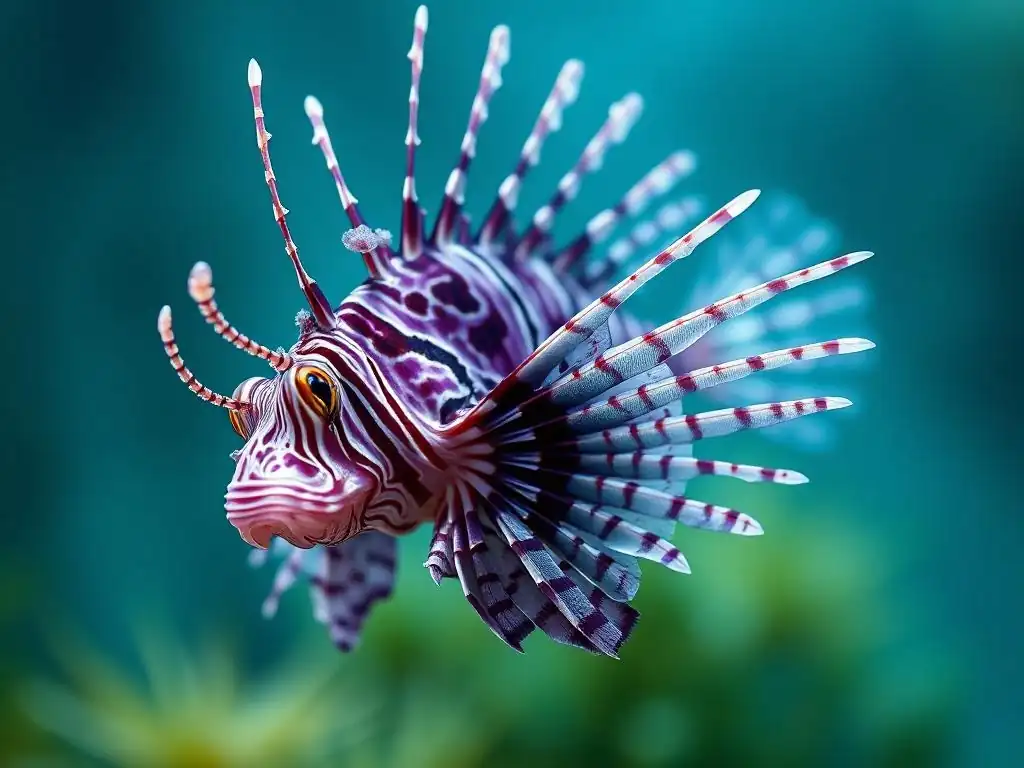
Maintaining pristine and stable water quality is paramount for encouraging lionfish to spawn and for the successful development of their eggs and larvae. For adult broodstock, specific parameters must be rigorously upheld: temperature should ideally be maintained between 78-82°F (25.5-27.8°C), salinity at 1.024-1.026 specific gravity (SG), and pH within the range of 8.1-8.4. Fluctuations outside these narrow windows can induce stress, suppress spawning, or negatively impact egg viability. High levels of nitrates, nitrites, or ammonia are particularly detrimental, and constant monitoring with accurate test kits is essential.
Beyond maintaining these parameters for the adults, the water quality in larval rearing tanks requires even more stringent control. The delicate eggs and newly hatched larvae are extraordinarily sensitive to even minute concentrations of pollutants. This necessitates robust filtration systems, often including protein skimmers, refugiums, and regular small water changes, to ensure the water remains free of toxins and suspended particulate matter that could harm the developing organisms. Achieving and sustaining this level of environmental stability is a core Lionfish breeding captivity challenge.
Nutritional Requirements of Breeding Lionfish [Varied Diet of Small Fish and Crustaceans, Vitamin Supplements]
Conditioning broodstock for spawning requires a highly nutritious and varied diet that mimics their natural predatory feeding habits. Lionfish are piscivores and carcinivores, meaning they primarily consume small fish and crustaceans. For captive breeding, this translates to feeding a diverse array of high-quality feeder fish such as guppies, mollies, and silversides, alongside various shrimp species like ghost shrimp, krill, and mysis shrimp. It is crucial to gut-load feeder organisms with nutrient-rich foods to ensure the lionfish receive a comprehensive nutritional profile.
Supplementation with essential vitamins, particularly Vitamin C and B-complex vitamins, is also vital for reproductive health and egg quality. A diet lacking in variety or key nutrients can lead to poor egg production, reduced fertility, or weak larvae. Over-reliance on a single food source, such as only feeder goldfish, can lead to nutritional deficiencies over time, making a varied diet a significant aspect of overcoming Lionfish breeding captivity challenges related to broodstock health.
Setting Up a Dedicated Lionfish Breeding Tank [Tank Size: 100+ Gallons, Adequate Filtration]
A successful lionfish breeding program necessitates a dedicated tank setup that caters specifically to their spawning needs. For a single pair, a minimum tank size of 100 gallons is recommended, though larger tanks (e.g., 150-200 gallons) are preferable to provide ample swimming space, stability, and reduce aggression between potential mates. The generous volume helps in maintaining stable water parameters, which is critical for successful spawning and larval survival. The tank should be designed with minimal decor that could impede water flow or trap eggs.
Adequate filtration is non-negotiable. A robust filtration system, typically involving a large sump with mechanical filtration (filter socks, sponges), biological filtration (bio-balls, ceramic media), and chemical filtration (activated carbon, GFO), is essential. A high-quality protein skimmer is also paramount for removing organic waste and maintaining oxygen levels. The goal is to create an environment as pristine and stable as possible, reducing any potential stressors on the breeding pair and ensuring the water quality necessary for delicate egg and larval development.
Simulating Natural Spawning Conditions [Dim Lighting, Gentle Water Flow, Rock Structures]
To encourage lionfish to spawn in captivity, aquarists must attempt to simulate the environmental cues that trigger reproduction in their natural habitat. This includes maintaining a consistent photoperiod, typically 12 hours of light and 12 hours of darkness, often with a dimming phase to mimic dusk and dawn. Some breeders also experiment with lunar phase simulation, though this is less commonly reported as a necessity for initial spawning than for specific timed research.
Gentle, consistent water flow is important as lionfish release buoyant egg masses that float to the surface. The tank should be designed to allow for this natural dispersal without eggs being immediately sucked into powerful filtration intakes. While lionfish appreciate some rock structures for security and resting, the primary spawning area should be open water at the surface. Minimizing disturbances, providing a sense of security, and ensuring no aggressive tank mates are present are all crucial factors in creating a conducive environment for breeding.
Lionfish Larval Rearing: A Critical Stage
The rearing of lionfish larvae represents by far the most formidable Lionfish breeding captivity challenge. Upon hatching, the larvae are incredibly small, fragile, and possess underdeveloped digestive systems, making their initial survival highly precarious. Their planktonic nature means they are entirely dependent on consuming appropriately sized live prey within a very short window of time after their yolk sac is absorbed, typically within 24-48 hours post-hatch. The specific type and density of initial food organisms are critical and often difficult to provide consistently.
Historically, the extremely high mortality rates of lionfish larvae in captivity have been the primary barrier to widespread captive breeding success. They are highly susceptible to changes in water quality, bacterial infections, and the absence of suitable food. Even slight changes in temperature, pH, or the presence of ammonia can wipe out an entire batch. Overcoming this stage requires specialized equipment, meticulous husbandry, and a deep understanding of marine larval aquaculture.
Overcoming the Challenges: Solutions for Lionfish Reproduction
Optimizing Water Chemistry for Lionfish Egg Hatching
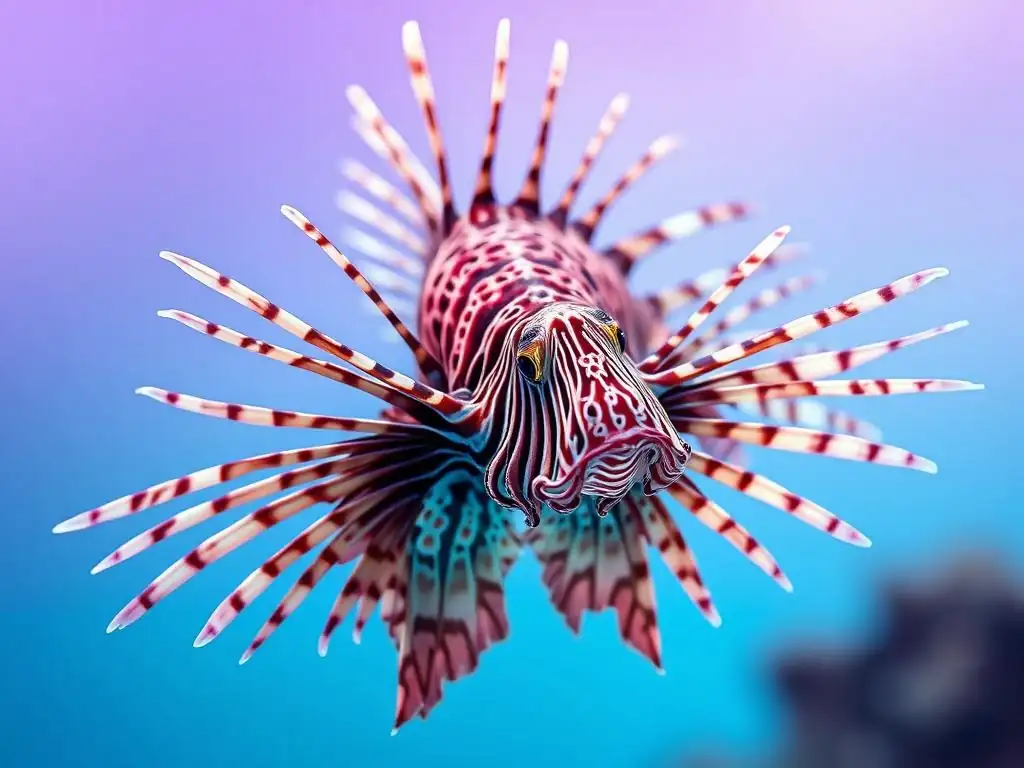
Successful lionfish egg hatching hinges on maintaining exceptionally stable and pristine water chemistry in the larval rearing tank, which is often separate from the broodstock tank. While the broodstock parameters are crucial, the environment for the eggs and newly hatched larvae must be even more precisely controlled. Temperature should remain constant within the 78-82°F range, and salinity must be unwavering at 1.024-1.026 SG. Even minor fluctuations can stress the developing embryos or cause deformities, severely impacting hatch rates.
To achieve this, dedicated larval rearing tanks are typically small, bare-bottomed systems that allow for easy cleaning and precise parameter adjustments. Daily testing using high-precision kits is essential, and automated dosing systems for alkalinity, calcium, and magnesium can help maintain stability. Frequent, small water changes (e.g., 10-20% daily) are often implemented using pre-conditioned, aged saltwater to minimize shock and remove metabolic waste from the rapidly developing eggs, directly addressing a core Lionfish breeding captivity challenge.
Specialized Lionfish Larval Food and Feeding Techniques [Rotifers, Copepods]
The most significant hurdle in lionfish larval rearing is providing the correct size and type of live food immediately after the yolk sac is absorbed. Newly hatched lionfish larvae are too small to consume common aquaculture feeds like Artemia nauplii. The initial food source must be microscopic, highly nutritious, and present in sufficient density for the larvae to encounter and consume. Rotifers, specifically Brachionus plicatilis (S-type or L-type, depending on larval mouth gape), are typically the first food offered due to their small size (around 50-200 microns).
As the larvae grow, usually within a week or two, they transition to larger live prey such as various species of copepods (e.g., Tisbe or Apocyclops) which offer a higher nutritional profile, particularly essential fatty acids. These live feeds must be cultured separately and enriched with specific diets to boost their nutritional value before being introduced to the larval tank. Feeding is often done continuously or multiple times a day to maintain a consistent prey density, ensuring the tiny larvae have constant access to food to overcome the Lionfish breeding captivity challenge of starvation.
Preventing Predation and Maintaining Larval Health
In the highly vulnerable larval stage, preventing any form of predation is paramount. Lionfish larvae are incredibly delicate and can be easily consumed by even the smallest invertebrates, copepods not intended as food, or other microscopic organisms that might inadvertently enter the rearing tank. Therefore, larval rearing tanks must be completely sterile and free of any potential predators or competitors. This often means using dedicated tanks that have been thoroughly cleaned and disinfected before introducing larvae, and filtering all incoming water (e.g., through UV sterilization or fine mesh) to remove unwanted organisms.
Maintaining optimal larval health also involves strict hygiene protocols. Regular removal of detritus and uneaten food from the tank bottom is crucial to prevent bacterial blooms and maintain water quality. Prophylactic treatments for common larval diseases are generally avoided due to the larvae's sensitivity. Instead, the focus is on maintaining pristine conditions, consistent feeding, and careful observation to detect any signs of stress or disease early, addressing critical aspects of Lionfish breeding captivity challenges.
Managing Water Quality in Larval Rearing Tanks [Frequent Water Changes, Sponge Filters]
Managing water quality in larval rearing tanks is an ongoing, labor-intensive process due to the high density of larvae, the constant introduction of live food, and their rapid metabolism. Unlike adult tanks, traditional power filters or hang-on-back filters with strong flow are unsuitable as they can easily damage or suck in the tiny larvae. Instead, air-driven sponge filters are commonly employed, providing gentle biological filtration and aeration without creating strong currents.
The most effective method for maintaining pristine water quality in larval tanks is frequent, small water changes. Daily water changes of 10-20% are common, sometimes even more if food density is high, using perfectly matched, aged saltwater to minimize stress. This constant refreshment removes metabolic waste, uneaten food particles, and helps stabilize parameters. This rigorous regimen of water management is one of the most demanding Lionfish breeding captivity challenges but is absolutely essential for larval survival and growth.
Advanced Techniques in Lionfish Breeding
Hormone Injections to Induce Spawning [Limited Use and Careful Monitoring]
In some advanced research settings or commercial aquaculture facilities, hormone injections may be employed to induce or synchronize spawning in lionfish. Hormones such as LHRH-a (Luteinizing Hormone-Releasing Hormone analogue) or GnRH-a (Gonadotropin-Releasing Hormone analogue) can stimulate gonad maturation and trigger the release of eggs and sperm. This technique is particularly useful for controlling breeding cycles, obtaining gametes for cryopreservation, or inducing spawning in pairs that are reluctant to reproduce naturally.
However, the use of hormone injections is a highly specialized technique that requires expert knowledge of fish physiology, precise dosage calculations, and careful monitoring of the fish's response. Incorrect application can cause stress, harm, or even kill the broodstock. It is not a method recommended for the average home aquarist and is primarily reserved for scientific research or large-scale aquaculture operations where the benefits outweigh the significant risks and complexities, addressing an advanced Lionfish breeding captivity challenge.
Genetic Diversity and Selective Breeding Programs
Maintaining genetic diversity within a captive breeding program is crucial to ensure the long-term health and viability of the population. Inbreeding can lead to reduced fertility, increased susceptibility to disease, and overall decreased robustness in offspring. Therefore, breeders often aim to acquire broodstock from diverse genetic lineages to establish a healthy founder population. This might involve sourcing fish from different geographic regions within their native range, if wild collection is done responsibly and legally.
While the primary focus for lionfish breeding remains on simply achieving survival through the challenging larval stages, selective breeding programs could, in theory, be implemented to enhance desirable traits such as faster growth rates, disease resistance, or even specific color morphs for the aquarium trade. However, given the significant Lionfish breeding captivity challenges associated with basic reproduction, these advanced selective breeding goals are typically secondary to simply establishing a self-sustaining captive population.
Cryopreservation of Lionfish Gametes [Potential for Long-Term Conservation]
Cryopreservation involves the freezing and long-term storage of genetic material, such as sperm and eggs, at extremely low temperatures (typically in liquid nitrogen). This technique has been successfully applied to various fish species and holds significant potential for lionfish conservation and breeding programs. By cryopreserving lionfish gametes, researchers can create genetic banks, preserving genetic diversity for future use without needing to maintain large numbers of live broodstock.
This technology could be particularly valuable for managing the invasive lionfish problem by preserving genetic material from native Indo-Pacific populations, or for research aimed at understanding their reproductive capacity. While still largely in the experimental stages for lionfish, cryopreservation offers a promising tool for long-term genetic resource management and could mitigate some Lionfish breeding captivity challenges by allowing for the reintroduction of genetic material or the creation of hybrid crosses in the future.
Potential Benefits of Captive-Bred Lionfish
Reducing the Impact on Wild Lionfish Populations
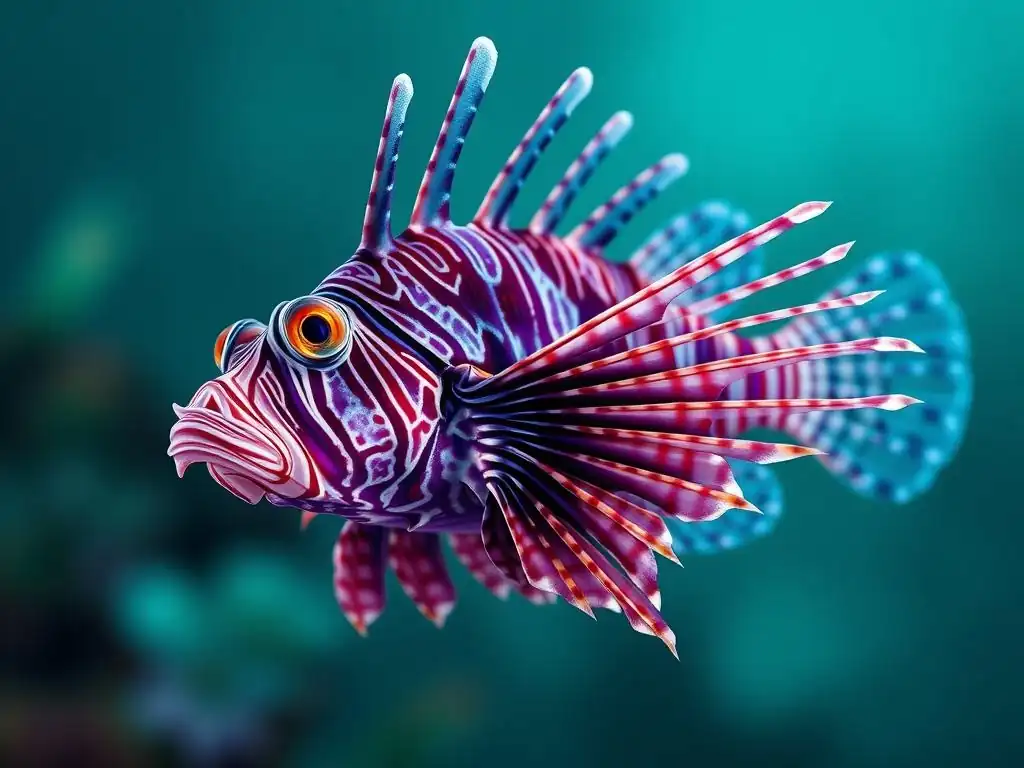
One of the most compelling arguments for investing in lionfish breeding captivity efforts is its potential to reduce the impact on wild lionfish populations. The aquarium trade traditionally relies on collecting fish from their natural habitats. By providing a sustainable source of captive-bred lionfish, the demand for wild-caught specimens can be significantly decreased. This lessens the pressure on native Indo-Pacific reef ecosystems, where lionfish are a natural part of the food web and their populations need to be maintained.
While the invasive populations in the Atlantic are the subject of eradication efforts, the native populations still contribute to the global biodiversity of marine life. A thriving captive breeding industry can ensure that aquarists can enjoy these magnificent fish without contributing to potentially unsustainable or environmentally damaging collection practices, thereby addressing a critical aspect of responsible aquarium keeping.
Providing Sustainable Lionfish for the Aquarium Trade
Captive-bred lionfish offer a more sustainable and ethical alternative to their wild-caught counterparts for the aquarium trade. Fish raised in controlled environments are often hardier, more accustomed to aquarium life, and typically free from the parasites and diseases that wild-caught specimens can carry. This translates to healthier fish for hobbyists and reduced risks of introducing pathogens into home aquariums.
Furthermore, sourcing captive-bred lionfish supports the development of aquaculture techniques and research, moving the aquarium industry towards more environmentally friendly practices. It reduces the carbon footprint associated with long-distance transportation of wild-caught fish and eliminates the potential for destructive collection methods like cyanide fishing, which is sometimes used in the marine ornamental trade. This ensures a responsible and long-term supply of lionfish for enthusiasts.
Lionfish Research and Conservation Efforts
Successful lionfish breeding in captivity provides an unparalleled platform for scientific research. By observing the entire life cycle in a controlled environment, scientists can gain critical insights into lionfish biology, behavior, genetics, and disease susceptibility that would be difficult or impossible to obtain in the wild. This includes understanding their intricate reproductive cycles, the specific nutritional needs of their larvae, and their physiological responses to various environmental conditions.
The knowledge gleaned from these captive breeding programs directly informs broader conservation efforts, both for their native populations and for managing their invasive spread. For instance, understanding the precise conditions required for larval survival can help predict their invasive potential in new areas or identify vulnerabilities that can be exploited for control measures. Thus, the pursuit of overcoming Lionfish breeding captivity challenges contributes significantly to a deeper scientific understanding and more effective conservation strategies for this fascinating species.
Conclusion: The Future of Lionfish Breeding in Captivity
The Path Forward: Advancements and Continued Research
While significant progress has been made, the path forward for widespread lionfish breeding in captivity still involves overcoming numerous Lionfish breeding captivity challenges, particularly related to the highly sensitive larval stage. The historical difficulty in rearing lionfish larvae highlights the need for continued research into their precise nutritional requirements, optimal water quality parameters, and environmental triggers for metamorphosis. Advancements in live feed culturing, water purification technologies, and closed-system aquaculture designs will be crucial for improving survival rates and making lionfish breeding more commercially viable and accessible.
Ongoing research efforts by institutions like the Florida Fish and Wildlife Conservation Commission (FWC) and various universities are continuously refining techniques and sharing knowledge. Future breakthroughs may include the development of inert, artificial larval diets, more robust larval strains through selective breeding, or novel methods for disease prevention in high-density rearing systems. The dedication of scientists and advanced aquarists will undoubtedly continue to push the boundaries of what is possible in marine aquaculture.
Contributing to Sustainable Aquarium Practices
The ultimate goal of fostering lionfish breeding in captivity is to contribute to more sustainable and ethical aquarium practices. As the public becomes increasingly aware of environmental concerns, the demand for responsibly sourced marine animals will grow. Captive-bred lionfish represent a significant step towards meeting this demand without depleting wild populations or damaging delicate marine ecosystems.
By supporting captive-bred fish, aquarists play a direct role in promoting aquaculture as a viable alternative to wild collection. This not only ensures a healthier, more robust supply of fish for the hobby but also frees up scientific and conservation resources to focus on managing wild populations and restoring natural habitats. The ongoing efforts to conquer Lionfish breeding captivity challenges underscore a commitment to a future where marine aquariums can thrive in harmony with the natural world.
Frequently Asked Questions
How difficult is it to breed lionfish in captivity?
Breeding lionfish in captivity is extremely challenging due to their complex lifecycle, specific environmental needs, and specialized dietary requirements. Successful breeding remains rare.
What are the primary obstacles to overcome when attempting to breed lionfish in aquariums?
The main hurdles involve replicating their natural spawning conditions, providing appropriate food for larvae (which are incredibly small), and maintaining pristine water quality essential for their delicate development.
What specific environmental factors are crucial for lionfish breeding success?
Maintaining stable water parameters (temperature, salinity, pH), providing adequate space, and simulating natural light cycles are vital for triggering spawning behavior. These conditions must be carefully monitored and controlled.
What kind of food do lionfish larvae require, and where can it be sourced?
Lionfish larvae need microscopic live foods like rotifers and copepods. Culturing these live feeds is necessary, making it a significant time and resource commitment.
What are the potential benefits of successfully breeding lionfish in captivity?
Successful captive breeding could reduce pressure on wild populations, provide a sustainable source for the aquarium trade, and offer valuable insights into their life cycle and conservation.
Final Reflection: A Future for Reefs Through Captive Breeding
The exploration of lionfish breeding in captivity, as detailed in this article, is not merely an academic exercise; it's a critical endeavor with immediate implications for the health of our coral reefs. The challenges are significant, from replicating the complex environmental cues that trigger spawning to ensuring the survival of delicate larvae. However, the potential rewards – a sustainable source of lionfish for research, aquariums, and even potentially culinary purposes, while simultaneously reducing pressure on wild populations – are too substantial to ignore.
The journey to successfully breed lionfish in captivity is a testament to human ingenuity and our growing understanding of marine ecosystems. It underscores the interconnectedness of our actions and the responsibility we bear to mitigate the damage caused by invasive species. In the end, we will conserve only what we love; we will love only what we understand; and we will understand only what we are taught.
- Baba Dioum. This quote resonates deeply, reminding us that education and research are the cornerstones of effective conservation.
As you reflect on the information presented, consider the role you can play in supporting sustainable practices and responsible stewardship of our oceans. Whether it's through supporting research initiatives, making informed consumer choices, or simply spreading awareness about the plight of coral reefs, your actions can contribute to a brighter future. Let us embrace the challenge of lionfish breeding, not just as a scientific puzzle, but as an opportunity to heal and protect the vibrant ecosystems that sustain us all.
Unleash Your Inner Lionfish Champion!
Thanks for diving deep into the world of captive lionfish breeding! We hope you've gained a clearer understanding of the challenges and potential rewards. Now, let's turn that knowledge into action!
Here’s how you can contribute:
- Advocate for Sustainable Practices: Share your knowledge with fellow aquarists and encourage responsible purchasing habits that favor captive-bred specimens when they become available.
- Become a Citizen Scientist: Document your observations of lionfish behavior in captivity. Even small details could provide valuable insights for future breeding efforts.
- Explore Alternative Solutions: Research and share information about innovative approaches to managing lionfish populations, such as culinary uses or other sustainable harvesting methods.
Ready to champion the cause of responsible lionfish keeping?