
Hogfish (Bodianus spp.): The Charismatic, Larger Cousins in the Wrasse Family

Welcome to Aquarium Mastery!
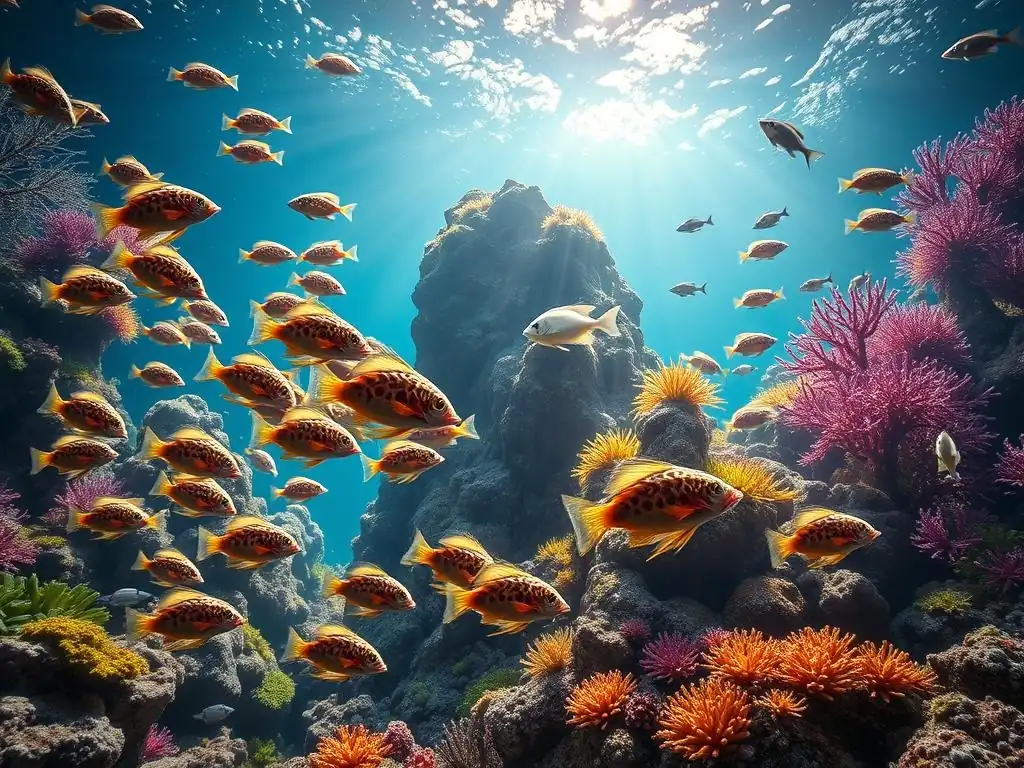
Ever been captivated by the sheer personality of a fish? Prepare to be amazed! In this article, we dive deep into the vibrant world of Hogfish care saltwater aquarium, unraveling the secrets to successfully keeping these charismatic, larger members of the wrasse family happy and healthy in your home aquarium. Intrigued? Let's explore!
- Introduction to Hogfish: A Striking Addition to Your Saltwater Aquarium
- Hogfish Species Profiles: Choosing the Right Hogfish for Your Reef Tank
- Hogfish Care: Essential Guidelines for a Healthy Saltwater Environment
- Hogfish Behavior and Compatibility in a Reef Aquarium
- Hogfish Health and Disease Prevention in the Saltwater Aquarium
- Breeding Hogfish in Captivity: Challenges and Possibilities
- Troubleshooting Common Hogfish Care Problems in the Saltwater Aquarium
- Conclusion: Mastering Hogfish Care for a Thriving Saltwater Aquarium
-
Frequently Asked Questions
- How difficult is it to care for a Hogfish in a saltwater aquarium?
- What size aquarium is recommended for keeping a Hogfish?
- What type of diet does a Hogfish need in a saltwater aquarium?
- Are Hogfish compatible with other fish in a saltwater aquarium community?
- What are some common health issues to watch out for when keeping Hogfish?
- Final Reflection: Appreciating Hogfish in Our Aquariums and Beyond
- Dive Deeper: Transform Your Tank into a Hogfish Haven!
Introduction to Hogfish: A Striking Addition to Your Saltwater Aquarium
Understanding the Hogfish Family: Bodianus and Their Unique Characteristics
The Bodianus genus, commonly known as Hogfish, belongs to the extensive wrasse family (Labridae), encompassing over 40 distinct species found across the Atlantic, Pacific, and Indian Oceans. These fascinating marine fish are characterized by their elongated, often robust bodies, prominent lips, and distinctive, often large, canine-like teeth adapted for crushing the shells of their invertebrate prey. Unlike many smaller wrasses, Hogfish typically attain a considerable size, with some species reaching lengths of up to 24 inches in the wild, though most commonly observed around 10-18 inches in home aquariums.
A unique biological trait of Hogfish is their protogynous hermaphroditism, meaning all individuals are born female and can later transition to male under specific social or environmental cues. This family is known for its active foraging behavior, constantly exploring live rock for hidden crustaceans and mollusks. Their natural role in reef ecosystems involves controlling invertebrate populations, making them engaging, albeit sometimes challenging, inhabitants for a carefully planned saltwater aquarium.
Why Hogfish Are Captivating for Saltwater Aquarium Enthusiasts
Hogfish are highly sought after by saltwater aquarium enthusiasts due to their stunning coloration, intelligent demeanor, and dynamic presence within a tank. Many species display a dazzling array of hues, from the vibrant reds and yellows of the Spanish Hogfish to the intricate patterns of the Diana's Hogfish, adding unparalleled visual appeal. Their active swimming patterns and curious nature ensure they are not merely static decorations but engaging inhabitants that interact with their environment and even their caretakers.
Beyond their aesthetic appeal, Hogfish offer a rewarding challenge for dedicated aquarists seeking to provide optimal Hogfish care saltwater aquarium conditions. Their unique feeding behaviors, intelligence, and potential for longevity—some species living over 10 years in captivity with proper care—make them a captivating choice for those ready to commit to their specific requirements. Successfully keeping these fish can be a true testament to an aquarist's skill and dedication.
Hogfish Species Profiles: Choosing the Right Hogfish for Your Reef Tank
Spanish Hogfish (Bodianus rufus): Vibrant Colors and Active Behavior
The Spanish Hogfish, Bodianus rufus, is arguably one of the most recognizable and visually striking members of the genus. Native to the Western Atlantic, including the Caribbean Sea, this species boasts a distinctive coloration: a deep reddish-brown or purple anterior body transitioning sharply to a vibrant yellow on the posterior half, often accented with bright blue fin margins. In the wild, adults can reach up to 24 inches in length, but in the confines of a home saltwater aquarium, they typically mature to about 12 to 16 inches, making them a substantial fish.
This species is known for its active and robust behavior, constantly patrolling the tank and investigating rockwork for food. Due to their potential adult size and energetic nature, Spanish Hogfish require a spacious aquarium, ideally a minimum of 125 to 180 gallons, to thrive and express their natural behaviors. They are opportunistic predators that will readily consume small crustaceans, worms, and mollusks, necessitating a well-planned diet and careful consideration of tank mates in any Hogfish care saltwater aquarium setup.
Cuban Hogfish (Bodianus cubanensis): A More Docile and Reef-Friendly Option
The Cuban Hogfish, Bodianus cubanensis, also hails from the Western Atlantic, primarily found in the Gulf of Mexico and Caribbean. While less flamboyantly colored than its Spanish cousin, typically displaying more muted shades of brown, red, and orange with a lighter belly, it still possesses a subtle beauty. This species generally remains smaller in captivity, usually reaching a maximum of 10 to 12 inches, making it a more manageable option for some hobbyists.
Compared to the Spanish Hogfish, the Cuban Hogfish is often considered to exhibit a slightly more docile temperament, though it remains an invertivore. This characteristic, combined with its smaller adult size, can make it a more suitable candidate for larger reef systems where careful selection of invertebrate inhabitants is paramount. A minimum tank size of 75 to 100 gallons is recommended to provide adequate space and stability for this species.
Candy Hogfish (Bodianus pulchellus): A Rare and Demanding Beauty
The Candy Hogfish, Bodianus pulchellus, is a truly exquisite and highly prized species, known for its dazzling appearance. Found in the Indo-Pacific, often at greater depths, this hogfish displays a vibrant red body adorned with striking horizontal white or pink stripes, complemented by a brilliant yellow dorsal fin and tail. Despite its captivating beauty, it remains one of the smaller Bodianus species, typically reaching only 6 to 8 inches in length, which contributes to its appeal for more moderately sized aquariums.
However, the Candy Hogfish is also considered one of the more delicate and demanding members of the genus. Its deepwater origins mean it often requires very stable water parameters and a pristine environment to thrive, making it suitable for experienced aquarists. Due to its rarity and specific collection methods, it can also be a more expensive acquisition. Providing dedicated Hogfish care saltwater aquarium conditions, including a mature tank of at least 50 to 75 gallons, is crucial for its long-term success.
Diana's Hogfish (Bodianus Diana): A Shy and Peaceful Reef Dweller
Diana's Hogfish, Bodianus Diana, is a widespread species across the Indo-Pacific, appreciated for its relatively peaceful demeanor and attractive, if understated, coloration. It typically exhibits a reddish-brown body adorned with numerous small white spots and intricate white lines, often featuring a prominent black spot near the rear of the dorsal fin. This species grows to a moderate size, generally between 8 and 10 inches in captivity, making it a good choice for various tank setups.
What sets Diana's Hogfish apart is its shyer and more retiring nature compared to other Bodianus species. While still an invertivore, it is often considered one of the more "reef-safe" hogfish, particularly with larger, established coral colonies and robust invertebrates. It thrives in tanks with ample live rockwork providing numerous hiding spots and requires a minimum tank size of 75 gallons to accommodate its active foraging and potential growth.
Hogfish Care: Essential Guidelines for a Healthy Saltwater Environment
Setting Up the Ideal Hogfish Tank: Size, Substrate, and Aquascaping
Providing an adequately sized aquarium is paramount for successful Hogfish care saltwater aquarium setups. For smaller species like the Candy Hogfish or Diana's Hogfish, a minimum tank volume of 75 gallons is generally recommended, allowing for sufficient swimming space and territory. Larger and more active species such as the Spanish or Cuban Hogfish require significantly more room, thriving in tanks of 125 gallons or more, with 180 gallons being ideal for adult specimens to ensure long-term health and reduce stress.
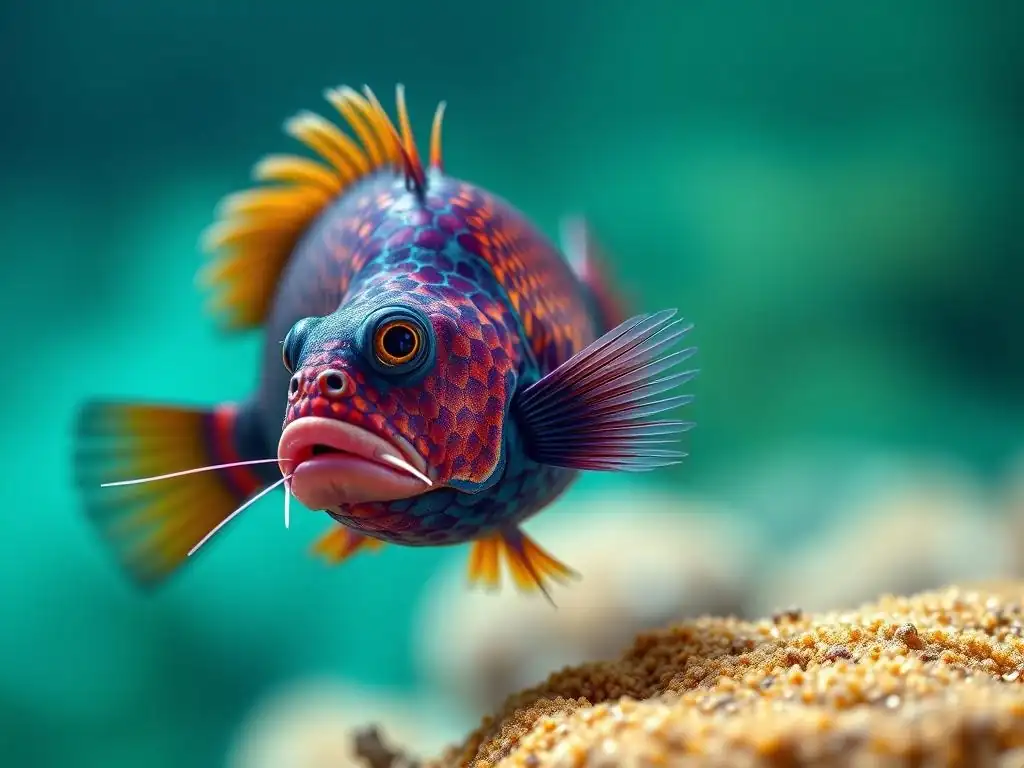
Beyond volume, the tank's footprint is important, offering ample horizontal swimming space. The substrate should consist of at least 3 to 4 inches of fine sand, as many Hogfish species enjoy burying themselves at night or when startled. Aquascaping should include plenty of stable live rock structures with caves, crevices, and overhangs, providing essential hiding spots and territories. It is also crucial to ensure a tightly fitting lid, as Hogfish are known jumpers, especially when acclimating or feeling threatened.
Maintaining Optimal Water Parameters for Hogfish Health
Temperature, Salinity, and pH Levels for Hogfish
Maintaining stable and appropriate water parameters is fundamental to Hogfish care saltwater aquarium success. Hogfish thrive in a temperature range of 74-79°F (23-26°C), which should be kept consistent with minimal fluctuations. Salinity levels should be maintained between 1.023 and 1.026 specific gravity, mimicking natural ocean conditions. The pH level is also critical, ideally remaining stable between 8.1 and 8.4.
Regular monitoring of these parameters using reliable test kits is essential. Sudden swings in temperature, salinity, or pH can cause significant stress to Hogfish, weakening their immune systems and making them susceptible to disease. Beyond these primary parameters, for reef systems, it's also important to ensure stable alkalinity (8-12 dKH) and calcium (400-450 ppm) levels, as these contribute to overall water quality and the health of the entire ecosystem.
The Importance of Water Changes and Filtration in Hogfish Care
Consistent water changes are a cornerstone of maintaining pristine water quality for Hogfish. A weekly or bi-weekly water change of 10-20% of the tank's total volume is highly recommended. This practice not only replenishes essential trace elements but also effectively dilutes accumulated nitrates, phosphates, and other undesirable compounds that can build up from fish waste and uneaten food, which are detrimental to fish health.
Robust filtration is equally vital. A high-quality protein skimmer is indispensable for removing organic waste before it breaks down into harmful nitrates. Ample live rock provides excellent biological filtration, housing beneficial bacteria that convert ammonia and nitrite. Mechanical filtration, such as filter socks or sponges, should be used and regularly cleaned to remove particulate matter, while chemical filtration like activated carbon can help maintain water clarity and remove dissolved organics. Ensuring strong water flow throughout the tank, mimicking their natural turbulent environments, also contributes significantly to their well-being.
Hogfish Diet and Feeding: Ensuring Proper Nutrition in Captivity
What to Feed Your Hogfish: A Varied Diet for Optimal Health
Hogfish are carnivorous by nature, primarily feeding on a diverse range of invertebrates in their natural habitat. To replicate this in captivity and ensure optimal health, a varied and high-quality diet is crucial for effective Hogfish care saltwater aquarium maintenance. Their diet should consist predominantly of meaty frozen foods such as mysis shrimp, brine shrimp (preferably enriched), krill, and finely chopped seafood like silversides, clams, squid, and scallops.
Supplementing these staples with high-quality, marine-based pellets or flakes specifically formulated for carnivorous marine fish can provide additional vitamins and minerals. It is also beneficial to soak frozen foods in a liquid vitamin supplement, such as a Vitamin C complex, a few times a week to boost their nutritional intake and help prevent common deficiencies like Head and Lateral Line Erosion (HLLE). Offering live brine shrimp or ghost shrimp occasionally can also stimulate their natural hunting instincts.
Feeding Frequency and Avoiding Overfeeding in the Saltwater Aquarium
The frequency of feeding for Hogfish depends on their size and activity level. Smaller, younger Hogfish can be fed two to three times per day, while larger, more established adults typically thrive on one to two feedings daily. The key is to offer small portions that your Hogfish can consume entirely within a few minutes. This approach ensures that all food is eaten and does not decompose, which can quickly degrade water quality.
Overfeeding is a common pitfall in saltwater aquariums and can lead to several problems. Excess food not only contributes to elevated nitrate and phosphate levels, fostering nuisance algae growth, but can also cause digestive issues and obesity in the fish. Observing your Hogfish's appetite and body condition will help you adjust feeding amounts to prevent both underfeeding and overfeeding, ensuring they receive adequate nutrition without compromising water quality in their saltwater aquarium.
Hogfish Behavior and Compatibility in a Reef Aquarium
Hogfish are generally active, curious, and intelligent fish that quickly learn to recognize their owner and feeding routines. Their personality can range from relatively shy, especially when first introduced, to quite bold and assertive once established. As they mature, many Hogfish species develop a more territorial nature, particularly towards conspecifics or fish of similar body shape. Due to their protogynous hermaphroditism, keeping multiple Hogfish in a single home aquarium can be challenging, as dominant individuals may suppress sex changes or exhibit aggression towards subordinates.
For most hobbyists, it is advisable to keep only one Hogfish per saltwater aquarium unless the tank is exceptionally large (several hundred gallons) and offers ample space for multiple territories. Even then, careful observation is required, as aggression can manifest unexpectedly. Their active foraging behavior means they are constantly exploring the tank, often rearranging smaller pieces of rock or stirring up the substrate in search of hidden food items.
Suitable Tank Mates for Hogfish: Creating a Harmonious Community
When selecting tank mates for Hogfish, it is crucial to choose species that are robust, similarly sized, and can hold their own. Good candidates include larger tangs, angelfish, puffers, and certain triggerfish (with caution, as triggers can be aggressive). Other large, active wrasses can sometimes coexist, but careful monitoring for aggression is necessary. Fast-swimming fish that can compete for food are generally suitable, as Hogfish are quick eaters.
Conversely, very small, timid, or slow-moving fish should be avoided, as Hogfish may outcompete them for food or even view them as potential prey, especially if the Hogfish is a larger species. Any fish that can fit into a Hogfish's mouth, such as small gobies or dartfish, is at risk. Ensuring that all tank mates are compatible in terms of temperament and size is a critical aspect of successful Hogfish care saltwater aquarium environments, preventing undue stress and potential conflict.
Hogfish and Reef Compatibility: Protecting Your Corals and Invertebrates
Hogfish Predatory Behavior: What to Watch Out For
Hogfish are natural predators of a wide array of invertebrates, a behavior that is deeply ingrained in their biology and feeding habits. In a reef aquarium, this means they will actively hunt and consume many desirable invertebrates. Common targets include small ornamental shrimp (such as cleaner shrimp or peppermint shrimp), crabs (including hermit crabs and emerald crabs), snails, brittle stars, sea urchins, and various types of worms. Even larger Hogfish species may attempt to consume small bivalves like clams.
While some Hogfish species are marketed as "more reef-safe" than others, it is essential to understand that no Hogfish is entirely invertebrate-safe. Their strong teeth and persistent foraging instincts mean that any small, slow-moving, or soft-bodied invertebrate is potentially at risk. Aquarists must weigh the desire to keep a Hogfish against the presence of valuable or vulnerable invertebrate populations in their reef tank.
Choosing Reef-Safe Hogfish Species
When considering Hogfish care saltwater aquarium setups with corals and invertebrates, the term "reef-safe" for Hogfish is relative. Species like Diana's Hogfish ( Bodianus Diana) and the Cuban Hogfish ( Bodianus cubanensis) are generally considered to be among the "more reef-safe" options within the genus. They are less likely to bother large, established coral colonies (both LPS and SPS) and can coexist with robust, larger invertebrates. However, even these species are opportunistic and may still prey on smaller, more delicate invertebrates if given the opportunity.
For a dedicated invertebrate-heavy reef tank, a Hogfish might not be the ideal choice. They are best suited for fish-only with live rock (FOWLR) setups or mixed reef tanks where the coral inhabitants are large and well-established, and any invertebrates are either too large to be consumed or are considered expendable. Careful observation during the initial introduction and ongoing monitoring are crucial to ensure harmony and protect your reef inhabitants.
Hogfish Health and Disease Prevention in the Saltwater Aquarium
Common Hogfish Diseases and Ailments
Identifying and Treating Parasitic Infections in Hogfish
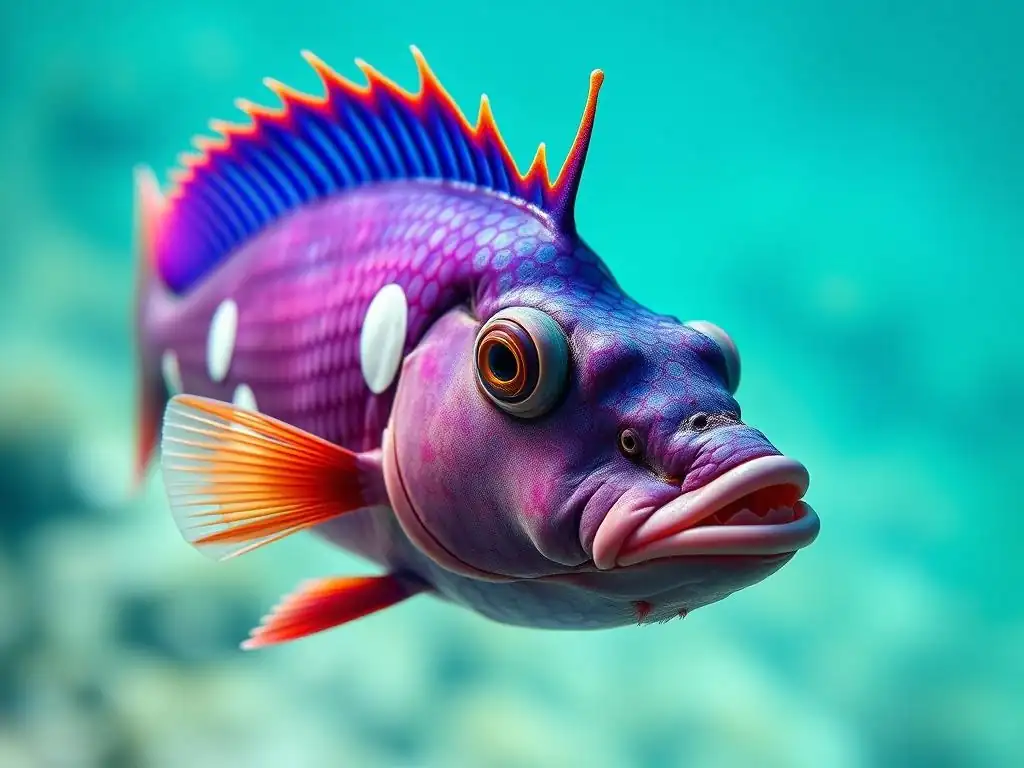
Hogfish, like many marine fish, are susceptible to common parasitic infections, particularly marine ich ( Cryptocaryon irritans) and marine velvet ( Amyloodinium ocellatum). Symptoms of ich include visible white spots resembling grains of salt on the body and fins, rapid breathing, and flashing against rockwork. Marine velvet often presents as a dusty, yellowish-brown coating, along with labored breathing and lethargy. Both diseases are highly contagious and can be fatal if not addressed promptly.
Treatment typically involves transferring the affected Hogfish to a separate quarantine or hospital tank. Methods such as hyposalinity (gradually lowering salinity to 1.008-1.010 specific gravity for ich) or the use of copper-based medications are effective, but must be administered carefully and monitored precisely. Prevention is key: always quarantine new fish for at least 4-6 weeks before introducing them to the main display tank to prevent the introduction of pathogens.
Recognizing and Addressing Bacterial Infections in Hogfish
Bacterial infections in Hogfish can manifest in various ways, often as a secondary infection following stress or injury. Common symptoms include fin rot (frayed or decaying fins), cloudy eyes, clamped fins, body sores, red streaks on the body, or general lethargy and loss of appetite. These infections are frequently linked to poor water quality, overcrowding, or pre-existing injuries that allow bacteria to enter.
Addressing bacterial infections usually involves improving water quality through immediate water changes and ensuring robust filtration. In a hospital tank, broad-spectrum antibiotics specifically designed for marine fish can be administered as per product instructions. Beyond treatment, focusing on the underlying causes—such as maintaining pristine water parameters, providing adequate space, and ensuring a nutritious diet—is crucial for preventing recurrence and strengthening the fish's natural immune response in a Hogfish care saltwater aquarium.
Maintaining a Healthy Hogfish Environment to Prevent Disease
The best defense against disease in Hogfish is a proactive approach focused on prevention. Maintaining consistently pristine water quality is paramount; this includes stable temperature, salinity, and pH, along with undetectable levels of ammonia and nitrite, and low nitrates. Regular partial water changes and efficient protein skimming are non-negotiable practices that contribute significantly to a healthy environment.
Furthermore, providing a species-appropriate diet rich in vitamins and essential nutrients strengthens the Hogfish's immune system, making it more resilient to pathogens. Ensuring adequate tank size and appropriate tank mates minimizes stress, which is a major contributor to disease susceptibility. Lastly, vigilant observation of your Hogfish's behavior and appearance allows for early detection of any health issues, enabling prompt intervention before conditions escalate. This holistic approach to Hogfish care saltwater aquarium maintenance is the most effective strategy for long-term health.
Breeding Hogfish in Captivity: Challenges and Possibilities
The Difficulties of Hogfish Breeding in the Home Aquarium
Breeding Hogfish in a typical home saltwater aquarium setting presents significant challenges and is generally considered unfeasible for the average hobbyist. Hogfish are pelagic spawners, meaning they release their eggs and sperm directly into the open water column, where the fertilized eggs drift as plankton. This makes collecting the eggs and rearing the delicate larval stages extremely difficult in a confined aquarium environment, as the larvae require very specific and consistent conditions, including microscopic live foods.
Furthermore, their protogynous hermaphroditism adds another layer of complexity. Successfully inducing sex change and creating a stable breeding pair or group requires precise environmental cues and social structures that are nearly impossible to replicate in a home tank. Most successful Hogfish breeding efforts occur in large, specialized aquaculture facilities or public aquariums with extensive resources and expertise.
Current Research and Potential Breakthroughs in Hogfish Breeding
Despite the challenges for home aquarists, there is ongoing research into the captive breeding of various Hogfish species, particularly in aquaculture. These efforts are often driven by the potential for commercial production, either for the ornamental fish trade or as a food source. Researchers are investigating optimal water parameters, specific dietary requirements for broodstock, and methods for inducing spawning and successfully rearing larvae.
While significant breakthroughs are occurring in controlled, large-scale environments, these advancements are unlikely to translate into viable home breeding programs in the near future. The specialized equipment, precise environmental controls, and intensive labor required for larval rearing remain beyond the scope of most hobbyists. However, continued research may eventually lead to greater availability of captive-bred Hogfish, reducing reliance on wild collection and improving the overall sustainability of the ornamental fish trade.
Troubleshooting Common Hogfish Care Problems in the Saltwater Aquarium
Hogfish Not Eating: Identifying and Addressing Appetite Loss
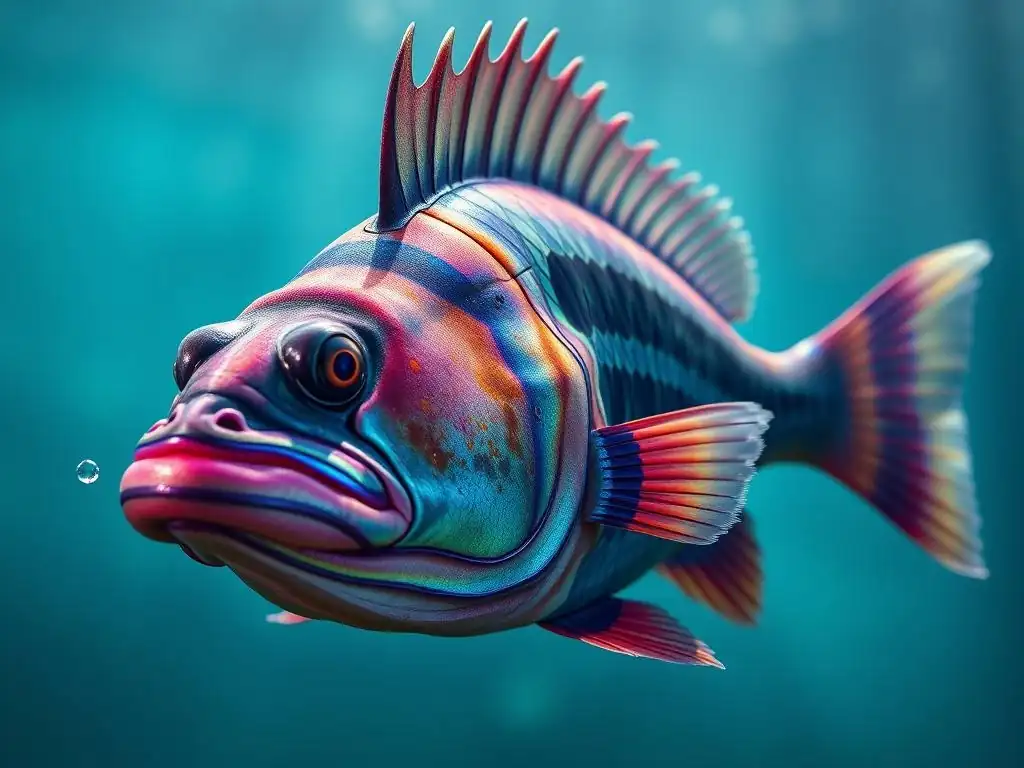
A Hogfish refusing to eat is a significant concern and often the first indicator of underlying stress or illness. Possible causes include poor water quality (elevated ammonia, nitrite, or nitrate), new tank syndrome, aggressive tank mates, internal parasites, or other diseases. It is crucial to observe the fish for any other symptoms like labored breathing, faded coloration, or physical abnormalities.
To address appetite loss, immediately test all water parameters and perform a partial water change if needed. Offer a variety of highly palatable foods, such as live brine shrimp or vitamin-enriched frozen mysis, to tempt them. If aggression from tank mates is suspected, consider isolating the Hogfish or re-evaluating your stocking list. If no other obvious causes are present and the fish remains emaciated, a broad-spectrum dewormer in a hospital tank might be considered, though this should be a last resort after ruling out environmental stressors.
Hogfish Showing Signs of Stress: Identifying and Resolving Issues
Stress in Hogfish can manifest through various symptoms, including excessive hiding, rapid or labored breathing, faded or patchy coloration, clamped fins, erratic swimming, and a general reluctance to engage with their environment or eat. Stress often precedes illness, making early identification critical for effective Hogfish care saltwater aquarium management.
Common stressors include inadequate tank size, incompatible tank mates (bullying or overcrowding), poor water quality, sudden changes in parameters, or insufficient hiding spots. To resolve stress, first, re-evaluate your tank setup: ensure the tank is large enough for the species, water parameters are stable and optimal, and there are plenty of secure hiding places within the aquascape. If tank mate aggression is observed, consider rehoming the aggressor or the stressed Hogfish. Reducing light intensity temporarily or adding a refugium can also help create a more stable and less stressful environment.
Hogfish Developing Head and Lateral Line Erosion (HLLE)
Head and Lateral Line Erosion (HLLE) is a common, though often complex, ailment seen in many marine fish, including Hogfish. It manifests as pitting, lesions, and erosion around the head, face, and along the lateral line. While the exact causes are still debated, HLLE is strongly linked to several environmental and nutritional factors. These include prolonged exposure to poor water quality (high nitrates, dissolved organics), nutritional deficiencies (particularly Vitamin C and iodine), continuous use of activated carbon in certain setups, and stray voltage within the aquarium.
Addressing HLLE requires a multi-faceted approach to Hogfish care saltwater aquarium conditions. Begin by rigorously improving water quality through frequent large water changes and ensuring robust filtration, including protein skimming. Enhance the Hogfish's diet with vitamin-enriched foods, specifically supplementing with Vitamin C and iodine. If using activated carbon, ensure it's high-quality and replaced regularly, or consider intermittent use. Lastly, check for any stray electrical voltage in the tank using a ground probe, as this can contribute to the condition. Consistent and long-term improvements are necessary for recovery.
Conclusion: Mastering Hogfish Care for a Thriving Saltwater Aquarium
The Rewards of Successfully Keeping Hogfish in Your Reef Tank
Successfully providing optimal Hogfish care saltwater aquarium conditions is an incredibly rewarding endeavor for any dedicated aquarist. These charismatic and intelligent fish, with their vibrant colors and active personalities, bring a unique dynamism and captivating presence to any marine display. Watching a healthy Hogfish actively forage, interact with its environment, and even recognize its owner offers a deep sense of satisfaction and connection.
With careful planning regarding tank size, diligent maintenance of water parameters, a varied and nutritious diet, and thoughtful selection of tank mates, Hogfish can thrive and live for many years in captivity. Their longevity and engaging behavior make the effort invested in their care truly worthwhile, transforming your saltwater aquarium into a vibrant, living ecosystem that highlights the beauty and complexity of marine life.
Further Resources for Advanced Hogfish Care and Information
For aquarists seeking to deepen their understanding and master advanced Hogfish care saltwater aquarium techniques, a wealth of resources is available. Consulting reputable online marine aquarium forums provides opportunities to connect with experienced hobbyists and share troubleshooting tips. Academic papers and scientific publications on the Bodianus genus can offer detailed insights into their natural behaviors, dietary needs, and reproductive biology.
Furthermore, comprehensive books by marine biology experts and seasoned aquarists often contain invaluable information on species-specific care, disease identification, and advanced filtration techniques. Continuous learning and active participation within the aquarium community are key to refining your Hogfish care skills, ensuring the long-term health and vibrancy of these magnificent marine inhabitants.
Frequently Asked Questions
How difficult is it to care for a Hogfish in a saltwater aquarium?
Hogfish care can be considered moderate. They require a well-established tank and specific water parameters, making them better suited for experienced aquarists.
What size aquarium is recommended for keeping a Hogfish?
Due to their active nature and potential size, a larger tank is essential. A minimum of 125 gallons is generally recommended, but bigger is always better for these fish.
What type of diet does a Hogfish need in a saltwater aquarium?
Hogfish are carnivorous and require a diet rich in meaty foods. Offer a variety of frozen, live, and high-quality prepared foods to ensure optimal health and coloration.
Are Hogfish compatible with other fish in a saltwater aquarium community?
Hogfish can be semi-aggressive, especially as they mature. Careful consideration should be given to tankmates, avoiding smaller, docile fish that may be bullied.
What are some common health issues to watch out for when keeping Hogfish?
While generally hardy, Hogfish can be susceptible to common saltwater aquarium diseases like ich and velvet. Maintaining optimal water quality is crucial for preventing illness.
Final Reflection: Appreciating Hogfish in Our Aquariums and Beyond
The journey through the world of Hogfish, from their vibrant colors to their unique behaviors, underscores the importance of responsible aquarium keeping and conservation. Understanding the specific needs of Bodianus species in a saltwater aquarium is not just about maintaining a beautiful display; it's about ensuring the well-being of these fascinating creatures and contributing to the sustainability of their wild populations.
This exploration of Hogfish care highlights the delicate balance between our desire to connect with nature and our responsibility to protect it. The commitment to providing proper care, understanding their ecological roles, and supporting sustainable practices is crucial for the future of these magnificent fish. We are tied to the ocean. And when we go back to the sea, whether it is to sail or to watch it, we are going back from whence we came.
- John F. Kennedy. This quote reminds us of our inherent connection to the marine world and the importance of preserving its beauty for generations to come.
As you consider adding a Hogfish to your saltwater aquarium, remember that you are becoming a steward of a small piece of the ocean. Let the knowledge gained here inspire you to research thoroughly, provide the best possible environment, and advocate for the conservation of these charismatic wrasses in their natural habitats. By embracing responsible practices, we can ensure that future generations will also have the opportunity to marvel at the beauty and wonder of the Hogfish.
Dive Deeper: Transform Your Tank into a Hogfish Haven!
Thanks for exploring the captivating world of Hogfish with us! Now that you understand their unique needs and fascinating behaviors, it's time to consider bringing that knowledge to life.
Here are a few actionable steps you can take right now:
- Start planning your tank setup: Research the specific tank size and environmental requirements needed for a Hogfish to thrive. Consider temperature, water parameters, and potential tank mates.
- Explore local aquarium societies or online forums to connect with experienced Hogfish keepers and learn from their successes and challenges.
- Share this article with fellow aquarium enthusiasts to spread awareness about these amazing fish and promote responsible keeping.
What aspect of Hogfish care are you most eager to implement in your aquarium setup?