
Butterflyfish 101: Your Essential Blueprint for Success with These Marine Jewels

Welcome to Aquarium Mastery!
Ever been captivated by the vibrant beauty of Butterflyfish but felt unsure about their care? Dive into our essential guide, " Butterflyfish 101: Your Essential Blueprint for Success with These Marine Jewels," where we unravel the secrets to keeping these marine jewels thriving in your saltwater aquarium. Discover crucial butterflyfish care tips for beginners and unlock the knowledge you need to create a happy and healthy environment. Intrigued? Let's get started!
- Understanding Butterflyfish: A Beginner's Guide to Care
- Essential Butterflyfish Care Tips for Beginners
- Selecting the Right Butterflyfish Species for Your Aquarium
- Common Butterflyfish Health Issues and Prevention
- Advanced Butterflyfish Care: Beyond the Basics
- Troubleshooting Common Butterflyfish Care Problems
- Butterflyfish: A Rewarding but Demanding Addition to Your Aquarium
-
Frequently Asked Questions
- What are the most important factors to consider before purchasing a butterflyfish for my aquarium?
- What are some crucial water parameters for maintaining a healthy butterflyfish aquarium?
- What is the best diet for butterflyfish, and how often should I feed them?
- What are some signs that a butterflyfish is stressed or sick, and what should I do?
- Are butterflyfish reef safe, and what are some potential issues with keeping them in a reef aquarium?
- Final Reflection: Embracing the Delicate Dance of Butterflyfish Care
- Unleash Your Inner Reef Keeper!
Understanding Butterflyfish: A Beginner's Guide to Care
What Makes Butterflyfish Unique? Identifying Key Characteristics
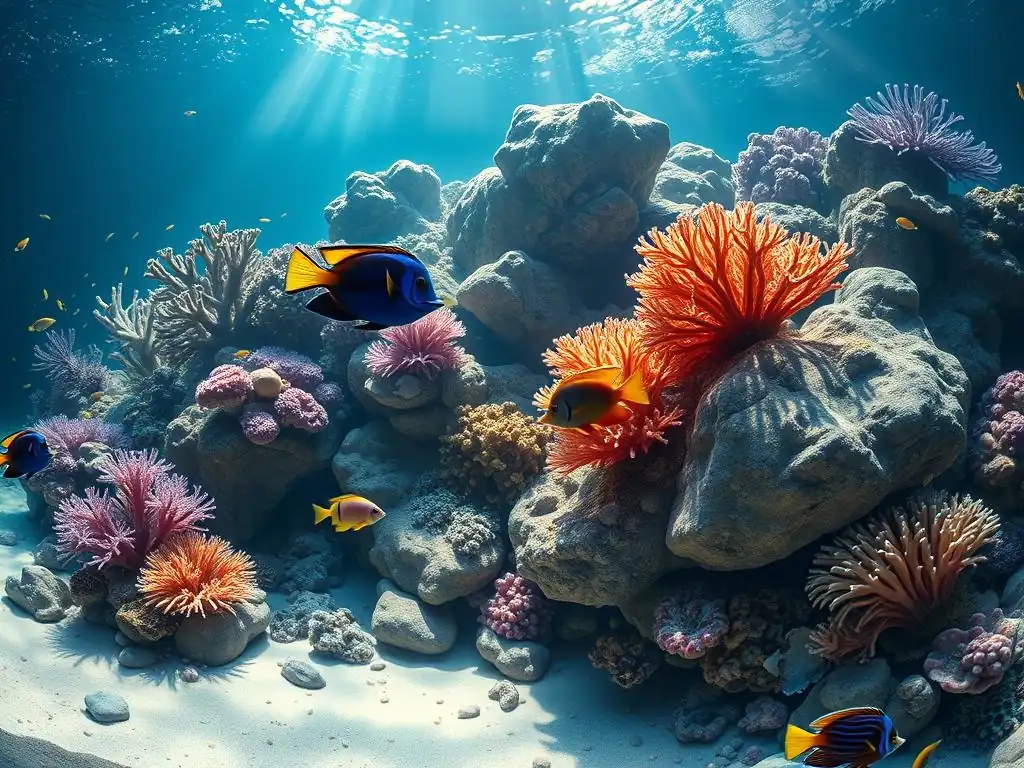
Butterflyfish are renowned for their striking beauty, characterized by their laterally compressed, disc-shaped bodies, small, protrusible mouths, and vibrant, intricate patterns. Many species display an "eye spot" near their tail, a deceptive marking designed to confuse predators. Originating primarily from the coral-rich waters of the Indo-Pacific, though some species inhabit the Atlantic, these marine jewels are an iconic part of reef ecosystems, often seen gracefully navigating through coral branches. Their delicate appearance belies a certain fragility in captivity, making specific care crucial.
Their unique feeding habits are a defining characteristic, varying significantly across species. While some Butterflyfish are obligate corallivores, feeding exclusively on coral polyps, others are omnivores, consuming small invertebrates, algae, and plankton. This dietary specialization is a primary factor influencing their suitability for home aquariums and dictates the complexity of their care. Generally, they exhibit a shy demeanor, often darting into rockwork for cover, but can also display territorial behavior, particularly towards conspecifics or similar-looking fish. Their inherent sensitivity to water quality fluctuations is also a key trait to acknowledge for successful Butterflyfish care tips beginners.
Butterflyfish in the Reef Aquarium: Is it Right for You?
Introducing Butterflyfish into a traditional reef aquarium, teeming with live corals, presents a significant challenge due to their natural feeding tendencies. Many species, particularly those from the Chaetodon genus like the Ornate or Ovalspot Butterflyfish, are known corallivores and will actively nip at and consume coral polyps, making them incompatible with a thriving reef environment. While some exceptions exist, such as the Klein's Butterflyfish ( Chaetodon kleinii), which is generally considered "reef-safe with caution," thorough research into specific species compatibility is paramount before any introduction.
Beyond their dietary preferences, Butterflyfish demand a high level of commitment and a stable, mature aquarium environment. They are not typically recommended for novice aquarists due to their sensitivity to water parameter fluctuations, susceptibility to stress, and specific feeding requirements. A well-established tank, running for at least six months to a year, provides the necessary biological stability and microfauna to support these delicate creatures. Understanding these prerequisites is a foundational element of effective Butterflyfish care tips beginners should internalize.
Essential Butterflyfish Care Tips for Beginners
Setting Up Your Butterflyfish Aquarium: Tank Size and Requirements
Choosing the Right Tank Size for Happy Butterflyfish
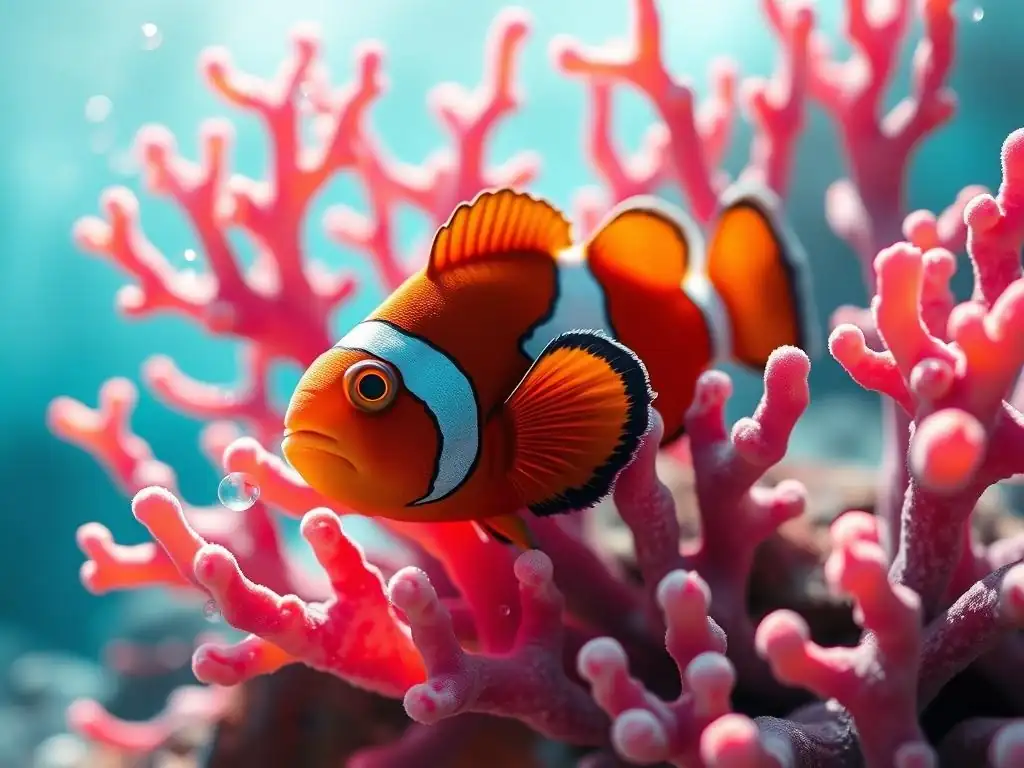
The appropriate tank size is a critical component of successful Butterflyfish care. For smaller, more forgiving species like the Klein's Butterflyfish, a minimum tank size of 75 gallons (approximately 280 liters) is often recommended to provide adequate swimming space and maintain stable water parameters. However, for most Butterflyfish species or if you plan to keep more than one, a 125-gallon (approximately 470 liters) aquarium or larger is significantly more beneficial, offering greater stability and reducing territorial disputes.
It is crucial to consider the adult size of the Butterflyfish species you intend to keep. Species such as the Raccoon Butterflyfish ( Chaetodon lunula) can reach 8-9 inches (20-23 cm) in length, necessitating tanks of 180 gallons (approximately 680 liters) or even larger. Larger volumes of water dilute waste products more effectively and provide more stable environmental conditions, which are paramount for these sensitive fish. Providing ample space also reduces stress, contributing significantly to their long-term health and well-being.
Essential Equipment for a Butterflyfish Aquarium Setup
A robust filtration system is non-negotiable for Butterflyfish. A sump system, combined with a high-quality protein skimmer, is highly recommended to efficiently remove organic waste and maintain pristine water conditions. Live rock is also indispensable, not only serving as the primary source of biological filtration but also providing crucial hiding spots and a sense of security for these often shy fish. Approximately 1 to 1.5 pounds of live rock per gallon of tank capacity is a good starting point.
Beyond primary filtration, essential equipment includes reliable powerheads to provide varied water flow, mimicking their natural reef environment and aiding in oxygenation. A quality heater capable of maintaining a stable temperature between 75-82°F (24-28°C) is vital, as temperature fluctuations can severely stress Butterflyfish. While intense lighting is not strictly necessary for a fish-only setup, standard reef lighting can be used if you anticipate adding any coral later. A sand bed, typically 1-2 inches deep, can complete the setup, providing a natural substrate.
Water Quality Parameters: Maintaining a Healthy Environment for Butterflyfish
The Importance of Stable Water Chemistry for Butterflyfish
Maintaining stable water chemistry is perhaps the single most important aspect of Butterflyfish care, as these fish are exceptionally sensitive to fluctuations. Unlike some hardier marine species, Butterflyfish do not tolerate even minor swings in parameters, which can quickly lead to stress and disease. It is highly advisable to introduce Butterflyfish only to well-established, mature aquariums that have been running stably for at least six months, allowing beneficial bacterial colonies to fully develop and stabilize the nitrogen cycle.
Key parameters to consistently monitor include salinity, which should be maintained between 1.023 and 1.026 specific gravity. The pH level must remain stable within the range of 8.1 to 8.4. Crucially, ammonia and nitrite levels must always be at 0 parts per million (ppm). While some nitrate is tolerable, it should be kept as low as possible, ideally under 10-20 ppm. Even slight elevations in these toxic compounds can prove fatal to Butterflyfish.
Regular Water Testing for Optimal Butterflyfish Health
Consistent and accurate water testing is fundamental to proactive Butterflyfish care. During the initial cycling phase of a new aquarium, ammonia and nitrite should be tested daily. Once the tank is established, weekly testing for ammonia, nitrite, nitrate, pH, and salinity is recommended. While calcium, alkalinity, and magnesium are more critical for coral-keeping, monitoring them monthly can still provide insight into overall water stability, even in fish-only setups.
Investing in reliable, high-quality test kits is essential for accurate readings. Beyond testing, regular partial water changes are crucial for replenishing essential trace elements and diluting accumulated nitrates and other undesirable compounds. A typical schedule involves changing 10-20% of the tank water bi-weekly or monthly, depending on the bioload and specific nitrate levels. This routine is a cornerstone of effective Butterflyfish care tips beginners must adopt.
Diet and Feeding: Providing Proper Nutrition for Your Butterflyfish
What Do Butterflyfish Eat? Natural Diet and Aquarium Feeding
The natural diet of Butterflyfish varies significantly by species and is a primary determinant of their suitability for the home aquarium. Some species, such as the Chaetodon trifascialis (Chevron Butterflyfish), are obligate corallivores, feeding exclusively on specific coral polyps, making them exceptionally challenging or impossible to keep in most home settings. Other species are omnivores, grazing on small invertebrates, worms, algae, and zooplankton found within the reef environment.
In the aquarium, providing a varied and appropriate diet is critical for their long-term health and vibrant coloration. It is often recommended to offer small, frequent meals, two to three times daily, to mimic their natural grazing behavior. This approach helps maintain stable water quality by preventing large amounts of uneaten food from decaying and also ensures that the fish receive consistent nutrition. Overfeeding, however, must be avoided as it can rapidly degrade water quality, leading to stress and disease.
Best Foods for Butterflyfish: A Beginner's Feeding Guide
For omnivorous Butterflyfish, a diverse diet of high-quality frozen foods is paramount. Excellent choices include mysis shrimp, enriched brine shrimp (though nutritionally limited, it can stimulate appetite), and finely chopped seafood such as clams, scallops, or squid. Ensuring these foods are soaked in a vitamin supplement (e.g., Selcon) can significantly boost their nutritional value and improve the fish's overall health and immune response.
While frozen foods should form the bulk of their diet, some Butterflyfish will also accept high-quality marine-specific flakes and pellets. These should ideally be soaked in tank water or a vitamin supplement before feeding to soften them and make them more palatable. Certain species may also graze on marine algae sheets or spirulina, providing essential vegetable matter. For the more challenging corallivorous species, specialized frozen foods designed to mimic coral polyps are sometimes available, but success rates remain low for beginner aquarists, highlighting the difficulty of this Butterflyfish care tip.
Acclimation Process: Introducing Your Butterflyfish to its New Home
Step-by-Step Guide to Acclimating Butterflyfish
The acclimation process is a critical, often overlooked step in ensuring the long-term success of Butterflyfish. Due to their delicate nature and sensitivity to changes in water parameters, the drip acclimation method is highly recommended. Begin by floating the bag containing the fish in the aquarium for 15-20 minutes to equalize temperature. Then, carefully open the bag, securing it to the side of a bucket. Using airline tubing and a knot or valve, slowly drip water from the display tank into the bucket, aiming for a rate of 2-3 drips per second.
Continue this process for 45-60 minutes, or until the water volume in the bucket has quadrupled. At this point, gently net the Butterflyfish and transfer it to its new home, ensuring that none of the water from the transport bag enters the aquarium. This slow and gradual introduction minimizes shock and allows the fish to adjust to the new water chemistry without undue stress.
Minimizing Stress During Acclimation
Minimizing stress is paramount during the acclimation of Butterflyfish. Before introducing the fish, dim the aquarium lights or turn them off entirely during the acclimation process and for several hours afterward. This provides a less intimidating environment, allowing the fish to explore its new surroundings without being startled or overstimulated by bright lights or rapid movements outside the tank.
Furthermore, the importance of a dedicated quarantine tank cannot be overstated for Butterflyfish. Ideally, all new arrivals should spend 3-4 weeks in a separate quarantine setup before being introduced to the main display tank. This allows them to recover from the stress of shipping, provides an opportunity to observe for signs of disease, and facilitates prophylactic treatment if necessary, preventing the introduction of pathogens into your established system. Ensuring stable water parameters in the quarantine tank, matching those of the main display, is also crucial for a smooth transition. This is a vital Butterflyfish care tip beginners should prioritize.
Selecting the Right Butterflyfish Species for Your Aquarium
Beginner-Friendly Butterflyfish Species: Recommendations for New Aquarists
The Copperband Butterflyfish: A Popular Choice (With Caveats)
The Copperband Butterflyfish ( Chelmon rostratus) is widely admired for its distinctive copper bands and long snout, often sought after for its perceived ability to consume Aiptasia anemones, a common pest in reef tanks. However, despite its popularity, it is not truly a beginner-friendly species. Copperbands are notoriously difficult to acclimate and encourage to eat prepared foods, often refusing anything but live foods like blackworms or small feeder shrimp initially.
Furthermore, they are highly prone to stress and parasitic infections, requiring a very mature, stable aquarium of at least 75 gallons (280 liters) with ample live rock for foraging and hiding. Their success rate in captivity is significantly lower than many other marine fish, making them a challenging endeavor even for intermediate aquarists. While beautiful, their specific needs and delicate nature mean they come with considerable caveats for those seeking simple Butterflyfish care tips beginners can easily implement.
The Klein's Butterflyfish: A Hardy and Peaceful Option
Among the numerous Butterflyfish species, the Klein's Butterflyfish ( Chaetodon kleinii) stands out as one of the most robust and adaptable choices for the marine aquarium. Reaching a modest adult size of about 5-6 inches (13-15 cm), it is generally peaceful towards most tank mates and exhibits a lower propensity to nip at corals compared to many of its congeners, making it a "reef-safe with caution" species that can sometimes coexist in mixed reef environments.
A significant advantage of the Klein's Butterflyfish is its adaptability to a varied diet. They typically accept a wide range of prepared foods, including high-quality marine flakes, pellets, and various frozen foods such as mysis shrimp and brine shrimp. This willingness to eat readily available aquarium foods, combined with its relatively hardy nature once acclimated, makes the Klein's Butterflyfish a far more forgiving and suitable option for beginners venturing into Butterflyfish care.
The Raccoon Butterflyfish: A Bold and Forgiving Species
The Raccoon Butterflyfish ( Chaetodon lunula) is another relatively hardy and engaging species that can be considered by beginners who can provide the necessary tank size. Distinguished by its prominent "raccoon mask" around its eyes, this species grows larger, often reaching 8-9 inches (20-23 cm) in adulthood, necessitating a tank of 125 gallons (470 liters) or more. While generally peaceful towards most other fish, they can be assertive and are known to nip at corals, making them best suited for fish-only with live rock (FOWLR) setups.
What makes the Raccoon Butterflyfish more forgiving is its robust appetite and adaptability to aquarium life once settled. They readily accept a wide variety of frozen and prepared foods, including mysis shrimp, chopped seafood, and quality pellets. Their resilience and eagerness to feed, coupled with their striking appearance, make them a viable option for those looking for Butterflyfish care tips beginners can handle, provided the appropriate large habitat is available.
Butterflyfish Compatibility: Choosing Suitable Tank Mates
Understanding Butterflyfish Temperament
The temperament of Butterflyfish can vary significantly depending on the species, which directly impacts their compatibility with tank mates. Some species, like the Copperband Butterflyfish, are inherently shy and can be easily stressed or outcompeted for food by more boisterous tank mates. In contrast, other species within the Chaetodon genus, while generally peaceful towards dissimilar fish, can exhibit territorial behavior or aggression towards conspecifics (fish of the same species) or those with similar body shapes.
It is crucial to research the specific temperament of your chosen Butterflyfish species. While many are considered community fish, they may become stressed or aggressive if housed in tanks that are too small or lack sufficient hiding spots. Introducing multiple Butterflyfish, especially of the same species, requires an exceptionally large aquarium (e.g., 200+ gallons) and often simultaneous introduction to minimize conflict and allow for the establishment of territories.
Ideal Tank Mates for Peaceful Coexistence
Choosing the right tank mates is vital for the long-term well-being of your Butterflyfish. Ideal companions are peaceful, non-aggressive species that will not bully them or outcompete them for food. Good examples include many species of tangs (such as the Yellow Tang or Kole Tang), clownfish, gobies, blennies, and certain types of peaceful wrasses. These fish typically occupy different niches within the aquarium, reducing direct competition and stress.
When selecting tank mates, ensure they do not have significantly different environmental requirements, such as vastly different temperature or salinity preferences. Providing ample live rock with numerous crevices and caves throughout the aquarium is also key, as it allows all inhabitants to establish their own territories and retreat when feeling stressed or threatened, promoting overall peaceful coexistence within the community.
Fish to Avoid Keeping with Butterflyfish
To ensure the safety and reduce stress for your Butterflyfish, certain types of fish should be avoided as tank mates. Highly aggressive predators like large groupers, lionfish, or aggressive moray eels pose an obvious threat. Similarly, extremely territorial fish, such as some larger damselfish or certain aggressive angelfish (especially in smaller tanks), can harass and stress Butterflyfish, leading to health decline.
Additionally, avoid very fast or overly boisterous feeders that will outcompete the often more deliberate Butterflyfish for food, potentially leading to malnutrition. Introducing multiple Butterflyfish of the same species or very similar appearance into a tank that is not exceptionally large (e.g., less than 200 gallons) is also ill-advised, as it frequently leads to severe aggression and stress. This is a critical Butterflyfish care tip beginners must heed to prevent conflict and ensure the well-being of their delicate marine jewels.
Common Butterflyfish Health Issues and Prevention
Identifying Signs of Illness in Butterflyfish
Recognizing Early Symptoms of Butterflyfish Diseases
Early detection of illness is crucial for successful treatment and recovery in Butterflyfish. Vigilant observation of their behavior is often the first indicator of a problem. Look for changes such as excessive hiding, loss of appetite or refusal to eat, rapid breathing (indicated by fast gill movements), scratching against rocks or substrate (known as "flashing"), general listlessness, or clamped fins where the fins are held close to the body rather than spread out. Any deviation from their normal swimming patterns or social interactions should raise a red flag.
Physical signs of disease will often follow behavioral changes. Common external symptoms include the appearance of small white spots resembling salt grains (Marine Ich or White Spot Disease), a dusty or velvety coating on the body (Marine Velvet), cloudy eyes, ragged or deteriorating fins (fin rot), open sores or lesions, abnormal swelling, or unusual color changes. Excessive mucus production or a dull appearance can also indicate a compromised immune system. Prompt identification of these symptoms is paramount for effective intervention.
Treating Common Butterflyfish Diseases
Marine Ich (White Spot Disease) and Treatment Options
Marine Ich ( Cryptocaryon irritans) is one of the most prevalent and devastating parasitic diseases in saltwater aquariums, often affecting Butterflyfish due to their sensitivity to stress. Symptoms manifest as tiny white spots, similar to grains of salt, scattered across the fish's body and fins. If left untreated, it can rapidly spread, leading to severe gill damage, secondary infections, and ultimately death.
Treatment typically requires moving the infected fish to a separate hospital tank to avoid harming invertebrates or live rock in the main display. Effective treatments include hyposalinity, a gradual reduction of the specific gravity to 1.008-1.009 over several days, which disrupts the parasite's life cycle. Copper-based medications are also highly effective against Ich, but must be carefully dosed and monitored with a copper test kit. Other options include Chloroquine Phosphate or Formalin, also administered in a hospital tank. The main display tank must remain fallow (fishless) for at least 6-8 weeks to ensure the parasite dies off.
Preventing Health Problems in Your Butterflyfish
Quarantine Procedures for New Arrivals
The single most effective preventative measure against disease outbreaks in your main display tank is the implementation of a strict quarantine procedure for all new fish, especially delicate Butterflyfish. Every new arrival should spend a minimum of 3-4 weeks, and ideally longer, in a dedicated quarantine tank (QT). This period allows the fish to recover from the stress of shipping, provides ample time to observe for any signs of illness, and allows for proactive treatment of common parasites like Ich or Brooklynella before they can infect your established inhabitants.
During quarantine, the QT should be maintained with stable water parameters matching the main display tank. Provide plenty of hiding spots to reduce stress and offer a varied, nutritious diet to help the fish regain strength. Many experienced aquarists also opt for prophylactic treatment during quarantine, such as a copper regimen or Chloroquine Phosphate, to eradicate common external parasites even if no symptoms are visible, significantly reducing the risk of disease introduction. This is a non-negotiable Butterflyfish care tip beginners should master.
Maintaining Excellent Water Quality to Prevent Disease
Beyond quarantine, consistently maintaining excellent water quality is the cornerstone of preventing health problems in Butterflyfish. Stable water parameters, consistently low nitrate levels (ideally below 10-20 ppm), and precise salinity reduce physiological stress on the fish, thereby strengthening their immune systems and making them far more resilient to potential pathogens. Frequent fluctuations in parameters, even minor ones, can weaken a Butterflyfish, making it susceptible to opportunistic infections.
Regular partial water changes (10-20% bi-weekly to monthly) are essential for replenishing trace elements and exporting accumulated nitrates and other waste products. A robust filtration system, including a powerful protein skimmer, is crucial for removing organic pollutants before they can degrade water quality. Avoiding overfeeding and ensuring proper tank maintenance, such as cleaning glass and siphoning detritus, further contributes to a clean and stable environment. A pristine and stable habitat is the best defense against disease for your Butterflyfish.
Advanced Butterflyfish Care: Beyond the Basics
Encouraging Natural Behaviors in Your Butterflyfish
Creating a Naturalistic Aquarium Environment
To truly thrive, Butterflyfish benefit immensely from an aquarium environment that closely mimics their natural reef habitat. This involves providing abundant live rock with numerous crevices, caves, and overhangs. These structures serve not only as crucial biological filtration but also as essential hiding spots where the fish can retreat when feeling stressed or threatened, promoting a sense of security. The intricate network of live rock also encourages natural exploration and foraging behaviors.
Consider incorporating varied water flow patterns using multiple powerheads, simulating the dynamic currents of a natural reef. This encourages natural swimming patterns and helps prevent stagnant areas. A substrate of live sand, typically 1-2 inches deep, can also contribute to a naturalistic feel, although its depth should be chosen carefully based on other tank inhabitants. A well-designed aquascape with diverse structures and open swimming areas allows Butterflyfish to exhibit their full range of natural behaviors, enhancing their well-being.
Providing Enrichment for Butterflyfish
Enrichment plays a vital role in preventing boredom and encouraging natural behaviors in your Butterflyfish. Beyond providing a naturalistic habitat, varying their feeding routine can be highly beneficial. Instead of simply dumping food, consider target feeding specific items with a turkey baster or using feeding clips for marine algae sheets. This engages their natural foraging instincts and can make mealtime a more stimulating experience.
Periodically, and without disturbing the established biological filtration, you might consider slightly rearranging some of the live rock structures. This provides new territories to explore and new hiding spots to discover, preventing monotony and stimulating their curiosity. Introducing new, compatible tank mates (after proper quarantine) can also add a dynamic element to their environment. These advanced Butterflyfish care tips can significantly improve the quality of life for your marine jewels.
Breeding Butterflyfish: A Challenging Endeavor
Overview of Butterflyfish Breeding Challenges
Breeding Butterflyfish in a home aquarium setting is an exceptionally rare and challenging endeavor, primarily due to their complex reproductive strategies and the incredibly demanding requirements of raising their larvae. Most Butterflyfish species are pelagic spawners, meaning they release their eggs and sperm directly into the open water column, where fertilization occurs. The eggs are then left to drift with the currents, and the resulting larvae are microscopic.
The larval stage presents the most significant hurdle. Butterflyfish larvae are minute, extremely sensitive, and require specific, microscopic live foods such as rotifers and various stages of copepods, which are notoriously difficult to culture in sufficient quantities. They also demand pristine water quality, precise salinity, and stable environmental conditions, with even slight fluctuations proving fatal. The sheer difficulty means that successful breeding in captivity is almost exclusively limited to highly specialized public aquariums or advanced research facilities, making it an aspiration rather than a practical goal for most home aquarists.
Troubleshooting Common Butterflyfish Care Problems
Butterflyfish Not Eating: Identifying the Cause and Finding Solutions
One of the most common and concerning problems encountered with Butterflyfish is a refusal to eat, especially with newly acquired wild-caught specimens or after shipping stress. Several factors can contribute to this issue, including stress from poor water quality, bullying by more aggressive tank mates, the presence of disease (such as internal parasites or Ich), or simply not recognizing prepared foods as a viable food source. Some species are naturally pickier, especially obligate corallivores.
To address this, first, isolate the affected fish in a quarantine tank to reduce stress and allow for closer observation. Offer a wide variety of highly palatable live or frozen foods, such as blackworms, enriched mysis shrimp, or live brine shrimp (though nutritionally limited, they can stimulate appetite). Soaking foods in garlic extracts or vitamin supplements can sometimes entice picky eaters. Concurrently, thoroughly check all water parameters to ensure they are pristine and stable, and identify and address any bullying issues in the main tank. Patience and persistence are key.
Butterflyfish Hiding: Understanding the Behavior and Addressing the Issue
While it is normal for a new Butterflyfish to hide for the first few days as it acclimates to its surroundings, excessive or prolonged hiding can be a strong indicator of stress, fear, or illness. Causes might include overly aggressive tank mates, insufficient hiding spots within the aquarium, rapid changes in lighting or activity outside the tank, or the onset of a disease. If a fish is constantly hidden and shows no interest in food or its surroundings, it warrants immediate attention.
To address this, first, ensure your aquarium provides ample live rock with numerous crevices and caves, offering secure retreats. Observe tank mates closely for any signs of aggression towards the Butterflyfish. If bullying is occurring, consider separating the aggressor or the bullied fish. Check all water parameters to rule out poor water quality as a stressor. If physical symptoms of disease are present, initiate appropriate treatment in a hospital tank. Allowing the fish time to acclimate in a peaceful, secure environment is also crucial.
Butterflyfish Aggression: Managing Conflict in the Aquarium
While many Butterflyfish are generally peaceful, aggression can occasionally arise, usually directed towards conspecifics (other Butterflyfish of the same species) or fish with similar body shapes. This aggression is often territorial, especially in tanks that are too small or lack sufficient hiding spots and visual barriers. It can also occur if fish are introduced haphazardly rather than simultaneously or in a specific order.
To manage aggression, the primary solution is to ensure your tank is adequately sized for all its inhabitants, providing enough space for each fish to establish a territory without constant conflict. Increasing the amount of live rock and rearranging the existing aquascape can help by breaking up sightlines and creating new hiding spots, effectively reducing direct confrontations. If aggression persists and causes harm, it may be necessary to remove either the aggressor or the bullied fish to a separate tank to ensure the well-being of all inhabitants.
Butterflyfish: A Rewarding but Demanding Addition to Your Aquarium
The Commitment of Caring for Butterflyfish
Caring for Butterflyfish is undeniably rewarding, offering the unique beauty and captivating behaviors of these marine jewels in your home. However, it is equally important to acknowledge that they are a demanding addition to any aquarium and are generally not recommended for absolute beginners. Their delicate nature means they are far less forgiving of mistakes in water quality, diet, or tank mate selection compared to many other marine species.
Success with Butterflyfish hinges on a significant commitment to maintaining pristine and stable water parameters, providing a highly varied and appropriate diet, and diligently implementing disease prevention strategies, particularly thorough quarantine. The initial investment in a large, mature aquarium and robust filtration is also substantial. For the dedicated aquarist, the effort invested in their specialized care is truly repaid by the vibrant presence and unique charm these fish bring to the marine display.
Resources for Further Learning About Butterflyfish Care
The journey of caring for Butterflyfish is one of continuous learning and adaptation. To deepen your understanding and ensure the best possible care for these exquisite creatures, it is highly recommended to seek out and utilize reputable resources. Detailed species profiles, such as those found on AquariumMastery.com, offer invaluable insights into specific dietary needs, temperament, and compatibility considerations for individual Butterflyfish species.
Beyond species-specific guides, exploring comprehensive marine aquarium keeping books and joining active online forums or local aquarium clubs can provide a wealth of knowledge. Engaging with experienced aquarists who have successfully kept Butterflyfish can offer practical advice, troubleshooting tips, and shared experiences that are often invaluable for navigating the nuances of their care. Continuous research and community engagement are key to mastering the art of keeping these delicate beauties.
Frequently Asked Questions
What are the most important factors to consider before purchasing a butterflyfish for my aquarium?
Before acquiring a butterflyfish, research is key. Ensure your tank is fully cycled and large enough, typically at least 75 gallons, to accommodate their swimming needs. Also, confirm they're compatible with your existing tank inhabitants, as some butterflyfish can be aggressive or fin-nippers.
What are some crucial water parameters for maintaining a healthy butterflyfish aquarium?
Stable water parameters are paramount. Maintain a specific gravity between 1.020 and 1.025, a pH of 8.1-8.4, and a temperature between 72-78°F. Regular water changes are essential to keep nitrate levels low.
What is the best diet for butterflyfish, and how often should I feed them?
Butterflyfish require a varied diet. Offer a mix of frozen foods, such as mysis shrimp and brine shrimp, along with high-quality flake food formulated for marine fish. Feed them multiple small meals throughout the day rather than one large feeding.
What are some signs that a butterflyfish is stressed or sick, and what should I do?
Signs of stress or illness include loss of appetite, clamped fins, rapid breathing, and unusual swimming behavior. If you observe these signs, immediately check your water parameters and consider a quarantine tank for treatment.
Are butterflyfish reef safe, and what are some potential issues with keeping them in a reef aquarium?
Many butterflyfish are not reef safe. They often nip at corals and other invertebrates. Certain species, like the Copperband Butterflyfish, are known to eat Aiptasia anemones, but they may also target desirable corals.
Final Reflection: Embracing the Delicate Dance of Butterflyfish Care
The journey into the world of butterflyfish, as we've explored, is one that demands dedication and understanding. The principles of responsible aquarium keeping, especially when applied to these delicate marine jewels, resonate deeply in a time where conservation and ethical practices are paramount. The success of a butterflyfish aquarium hinges not only on technical expertise but also on a genuine commitment to replicating their natural environment and fulfilling their specific needs.
This exploration into butterflyfish care has underscored the importance of mindful interaction with the natural world. The responsibility we undertake when bringing these creatures into our homes extends far beyond simply providing food and water; it's about fostering an environment where they can thrive and exhibit their natural behaviors. In the end, we will conserve only what we love; we will love only what we understand; and we will understand only what we are taught.
- Baba Dioum's words remind us that education and empathy are the cornerstones of conservation.
As you embark on your own journey with butterflyfish, or perhaps simply reflect on the beauty and complexity of these creatures, remember that every action, no matter how small, contributes to the larger narrative of marine conservation. Let the knowledge gained here inspire you to become a more informed and responsible aquarist, and to advocate for the well-being of these magnificent fish and the delicate ecosystems they inhabit.
Unleash Your Inner Reef Keeper!
Thanks for diving deep into the world of Butterflyfish! We hope you've gained valuable insights and are feeling inspired to create a thriving aquarium for these captivating creatures. Ready to take the next step?
Here’s how to turn your knowledge into action:
- Most Importantly: Start meticulous planning now! Research specific Butterflyfish species compatible with your existing tank and water parameters before considering adding one. A carefully chosen species is the key to success!
- Dive deeper by connecting with other reef keepers! Share your insights on the Aquarium Mastery forum and learn from experienced hobbyists.
- Challenge the status quo! Document your Butterflyfish journey – unique feeding habits, symbiotic relationships – and contribute to the collective knowledge.
What specific questions are bubbling to the surface as you plan your future reef sanctuary? Share them below and let's learn together!