
Latticed Butterflyfish (Chaetodon rafflesi): Exquisite Patterns, Exasperating Care?

Welcome to Aquarium Mastery!
Intrigued by the dazzling patterns of the Latticed Butterflyfish? Dive in to discover the truth about the Latticed Butterflyfish care difficulty. Is this stunning creature a good fit for your saltwater aquarium, or are its needs more… demanding than you might think? Let's explore everything you need to know to make an informed decision and potentially unlock the secrets to successfully keeping this exquisite species.
- Understanding the Latticed Butterflyfish: A Detailed Overview
- Latticed Butterflyfish Care: Addressing the Difficulty
- Latticed Butterflyfish Compatibility: Choosing the Right Tank Mates
- Is the Latticed Butterflyfish Right for You? Assessing the Care Difficulty
- Latticed Butterflyfish: Expert Tips for Success
- Frequently Asked Questions
- Final Reflection: Unveiling Beauty, Embracing Responsibility
- Dive Deeper: Transform Your Aquarium Journey!
Understanding the Latticed Butterflyfish: A Detailed Overview
Identifying the Chaetodon rafflesi: Unique Markings and Characteristics
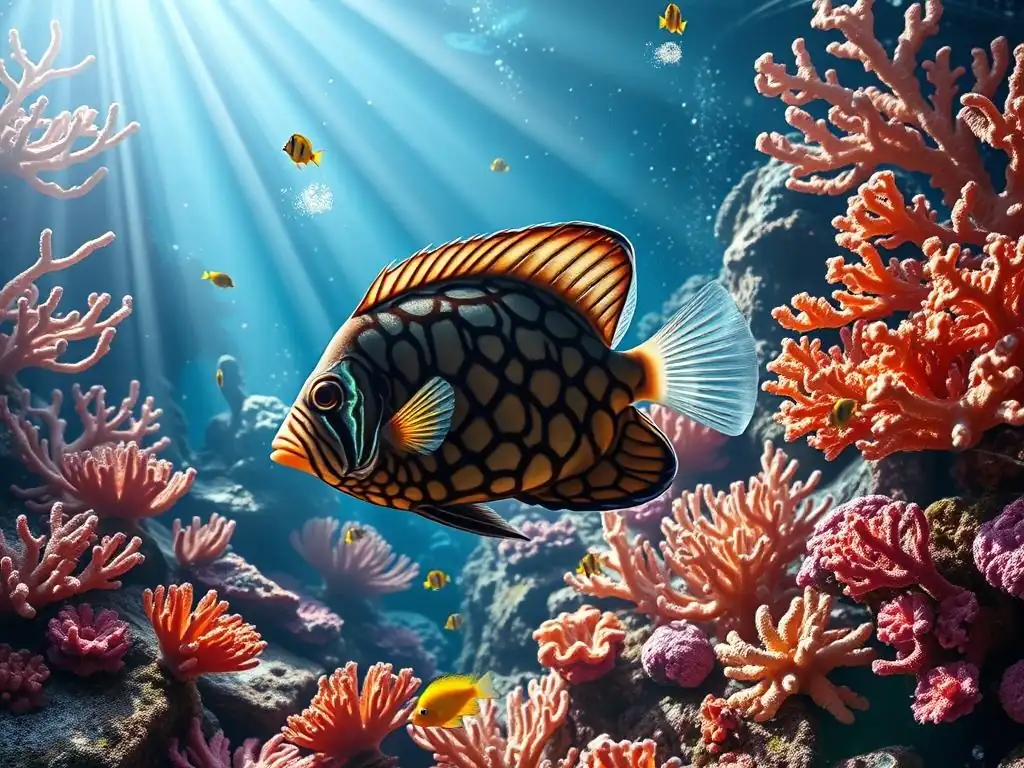
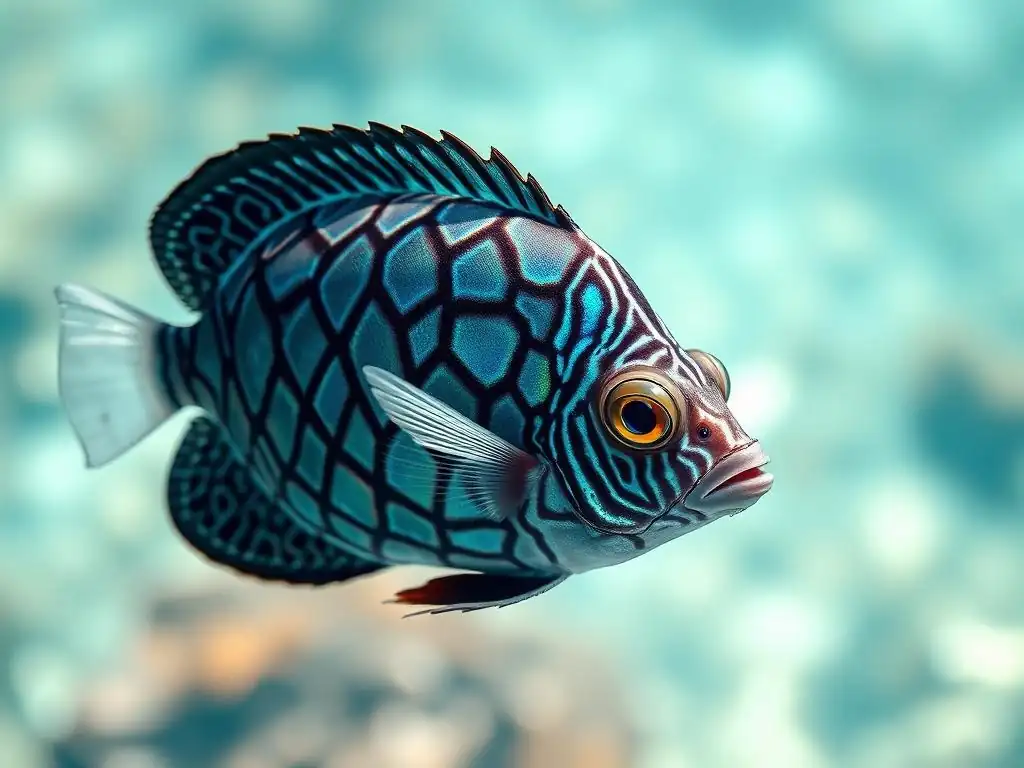
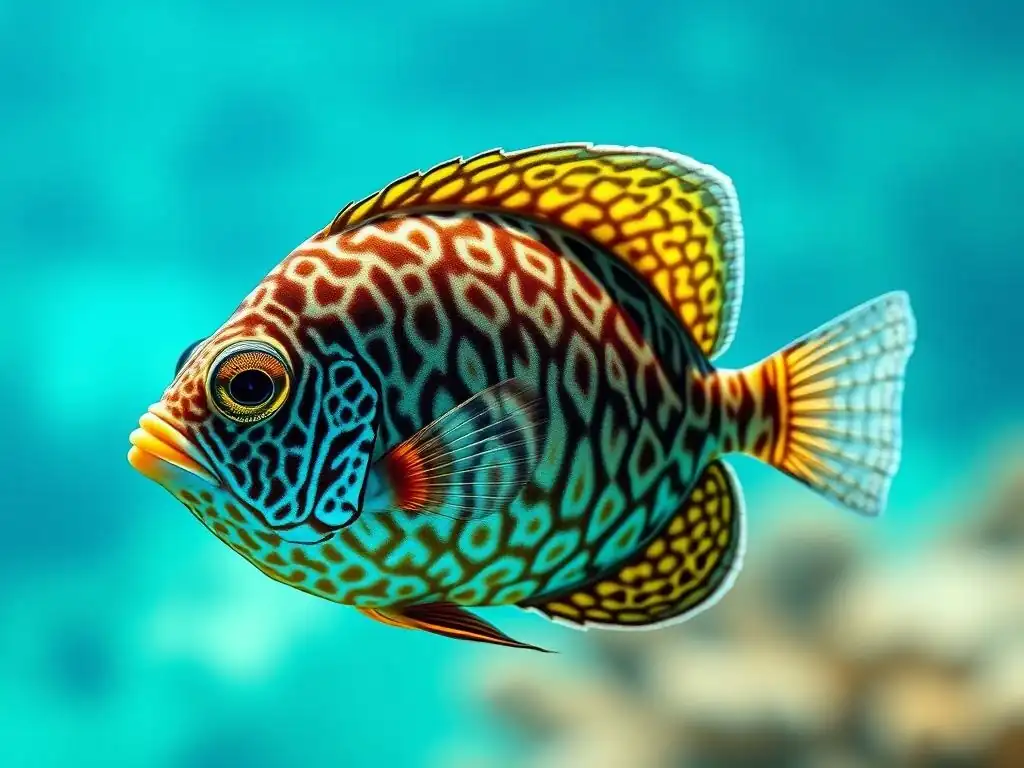
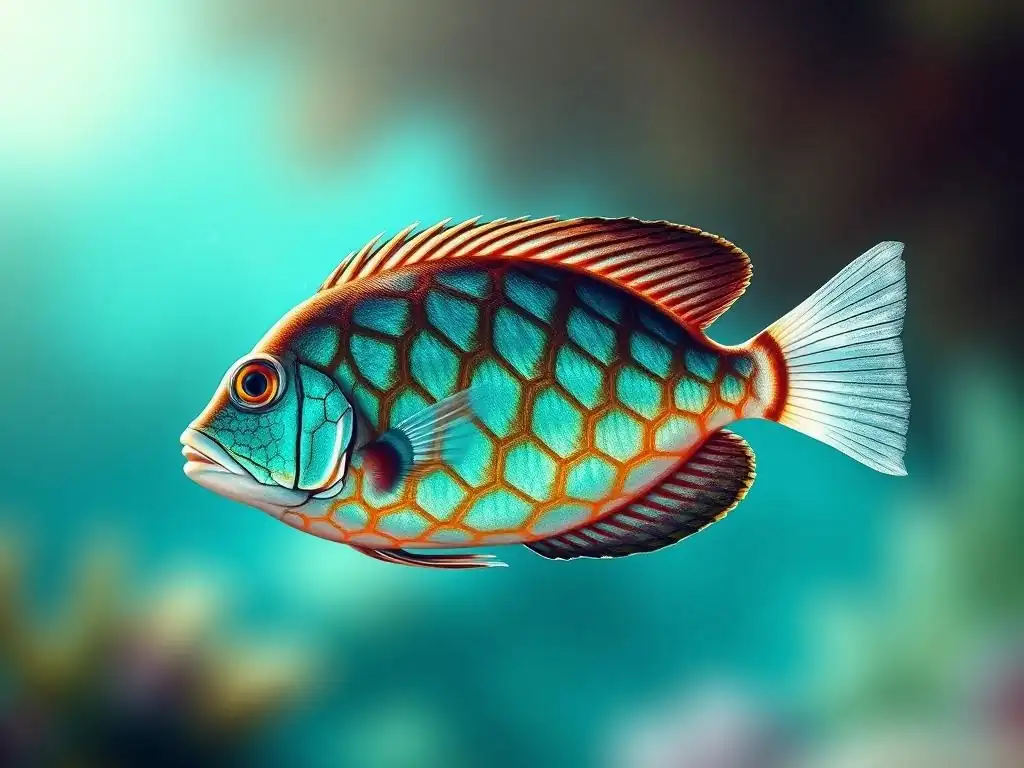
The Latticed Butterflyfish, scientifically known as Chaetodon rafflesi, is a striking marine fish renowned for its intricate and distinctive patterns. Adult specimens typically reach a size of about 6 to 7 inches (approximately 15 to 18 centimeters) in length, making them a moderately sized addition to a large marine aquarium. Their most defining feature is the captivating "latticed" pattern that covers their body: a series of dark brown to black lines intersecting to form a net-like or checkerboard design over a vibrant yellow-orange base coloration.
Beyond the prominent lattice, Chaetodon rafflesi possesses other identifiable markings. A prominent black vertical bar typically runs through the eye, a common characteristic among many butterflyfish species, serving as camouflage. Additionally, a distinct black spot is often present on the caudal peduncle (the narrow part of the fish's body where the tail fin attaches). The fins themselves, particularly the dorsal, anal, and caudal fins, are often edged in yellow or orange, complementing the body's primary coloration and contributing to its overall visual appeal.
Natural Habitat and Behavior of Latticed Butterflyfish
The Latticed Butterflyfish is native to the vast Indo-Pacific region, with its natural distribution spanning from the Maldives and Sri Lanka eastward through Indonesia, the Philippines, and across to the Great Barrier Reef in Australia. These beautiful fish primarily inhabit coral-rich environments, including shallow lagoons, protected inner reefs, and the outer slopes of more exposed reefs. They are typically observed at depths ranging from 10 to 65 feet (approximately 3 to 20 meters), though they have been recorded in deeper waters up to 100 feet (30 meters).
In their natural environment, Latticed Butterflyfish are often found individually or in pairs, diligently foraging among the coral formations. Their diet in the wild consists primarily of coral polyps, particularly from stony corals such as Acropora, Pocillopora, and Stylophora species, along with various small invertebrates. This highly specialized diet is a critical factor contributing to the Latticed Butterflyfish care difficulty in a captive setting. They are generally shy and prefer to have ample hiding spots within the intricate coral structures, retreating quickly if threatened.
Why Latticed Butterflyfish Pose a Challenge for Aquarists?
The Latticed Butterflyfish is widely considered a species with significant Latticed Butterflyfish care difficulty, making it unsuitable for novice aquarists. The primary challenge stems from their highly specialized dietary requirements. As obligate corallivores in the wild, convincing them to accept readily available aquarium foods is often a formidable task, with many specimens succumbing to starvation due to refusal to eat. This particular aspect significantly elevates the Latticed Butterflyfish care difficulty compared to many other marine species.
Beyond their finicky eating habits, Chaetodon rafflesi are also highly sensitive to water quality fluctuations and stress. They require pristine and stable water parameters to thrive, making robust filtration and consistent maintenance routines absolutely essential. Their susceptibility to common marine diseases, often exacerbated by stress from inadequate environmental conditions or diet, further contributes to the overall Latticed Butterflyfish care difficulty. Successful long-term keeping of this species demands an experienced aquarist capable of providing a dedicated, meticulously managed environment.
Latticed Butterflyfish Care: Addressing the Difficulty
Tank Setup for Latticed Butterflyfish: Replicating Their Natural Environment
Tank Size and Dimensions for Chaetodon rafflesi
Providing an appropriately sized aquarium is fundamental to mitigating the Latticed Butterflyfish care difficulty. For a single Latticed Butterflyfish, a minimum tank size of 125 gallons (approximately 470 liters) is strongly recommended. This substantial volume is crucial for several reasons: it provides ample swimming space for an active fish that can reach up to 7 inches, helps dilute metabolic wastes more effectively, and contributes significantly to the stability of water parameters. Larger tanks, such as 180 gallons or more, are even better, especially if considering a pair or a community setup.
The dimensions of the tank are as important as its volume. A longer tank with a greater footprint is preferable to a taller, narrower one, as it offers more horizontal swimming space, which mimics their natural foraging patterns. For example, a 6-foot long, 2-foot wide, and 2-foot tall tank (approx. 180 gallons) provides excellent conditions, allowing them to establish territories and reduce stress. Adequate space is a critical factor in reducing Latticed Butterflyfish care difficulty, as it directly impacts their overall health and longevity.
Essential Water Parameters for Optimal Latticed Butterflyfish Health
Maintaining stable and pristine water parameters is paramount when addressing Latticed Butterflyfish care difficulty, as these fish are highly intolerant of fluctuations. The ideal water temperature range for Chaetodon rafflesi is between 74-82°F (23-28°C), with a specific gravity of 1.020-1.025. The pH should be consistently maintained between 8.1 and 8.4. Ammonia and nitrite levels must always be undetectable (0 ppm), and nitrate concentrations should be kept below 10-20 ppm, ideally even lower.
Regular testing of these parameters using reliable test kits is non-negotiable. Beyond the primary nitrogen cycle parameters, it's also advisable to monitor alkalinity (8-12 dKH), calcium (400-450 ppm), and magnesium (1200-1350 ppm) to ensure overall water chemistry stability, particularly in tanks with live rock. Sudden shifts in any of these parameters can induce significant stress, compromising the fish's immune system and making them susceptible to disease, thereby escalating the Latticed Butterflyfish care difficulty.
Substrate and Aquascaping Considerations for Butterflyfish
When designing the aquascape for Latticed Butterflyfish, the goal is to replicate their natural coral reef environment while accommodating their specific needs. A sand bed, fine to medium grain, is suitable for the substrate, providing a home for beneficial bacteria and allowing for natural foraging behaviors. However, the most crucial element is the live rock.
A generous amount of high-quality live rock, at least 1 to 1.5 pounds per gallon of tank volume, is essential. This rockwork serves multiple purposes: it provides abundant hiding spots and crevices for the fish to retreat into when stressed or resting, and it contributes significantly to the biological filtration of the aquarium.
The live rock should be arranged to create numerous caves, overhangs, and swim-through areas, mimicking the complex structures of a natural reef. While Latticed Butterflyfish are known to nip at corals, particularly stony varieties, they can be housed in a fish-only with live rock (FOWLR) system or a very carefully selected reef tank where the corals are hardy and less appealing to their palate, or where the fish is known to be "reef-safe with caution." However, due to their natural diet, a dedicated FOWLR setup typically reduces potential Latticed Butterflyfish care difficulty related to coral compatibility.
Latticed Butterflyfish Diet: Overcoming Feeding Challenges
The Picky Eating Habits of Chaetodon rafflesi
The most significant aspect contributing to Latticed Butterflyfish care difficulty is their notoriously picky eating habits. In their natural habitat, Chaetodon rafflesi are specialized feeders, primarily consuming the polyps of stony corals. This highly specific diet makes transitioning them to captive foods a major hurdle. Many newly acquired Latticed Butterflyfish will refuse to eat anything offered in an aquarium, leading to a gradual decline in health and, often, starvation. This reluctance to accept prepared foods is the leading cause of mortality for this species in home aquariums.
Even if they eventually begin to accept some prepared foods, their nutritional requirements may not be fully met, leading to long-term health issues and a shortened lifespan. It is not uncommon for Latticed Butterflyfish to go for days or even weeks without eating, testing the patience and expertise of the aquarist. Overcoming this feeding challenge requires persistence, a varied offering of foods, and often, the use of appetite stimulants, highlighting the advanced Latticed Butterflyfish care difficulty associated with this species.
Recommended Foods and Feeding Strategies for Butterflyfish
To successfully feed Latticed Butterflyfish, a diverse diet is absolutely critical, presented with patience and persistence. Start by offering high-quality frozen foods, particularly enriched mysis shrimp and brine shrimp, as these are often among the first items accepted. Finely chopped fresh or frozen seafood, such as clam, scallop, squid, and shrimp, can also be offered. Some aquarists have success with live foods like blackworms or enriched feeder shrimp in the initial stages to stimulate a feeding response.
Feeding should be frequent and in small amounts, typically 3 to 5 times a day, to mimic their natural grazing behavior. This also helps ensure that the fish gets enough food, as they are often slow and deliberate eaters. If the fish shows no interest in a particular food, try another type immediately. Persistence is key; it may take several days or even weeks for a newly introduced fish to begin feeding consistently. Sometimes, placing food directly in their path or near their hiding spot can entice them.
Supplementing the Diet of Latticed Butterflyfish
Given their specialized dietary needs and the potential for nutritional deficiencies, supplementing the diet of Latticed Butterflyfish is highly recommended. Soaking frozen foods in vitamin supplements, such as Selcon or Vita-Chem, can significantly enhance their nutritional value and often improve palatability. These supplements provide essential fatty acids and vitamins that might be lacking in a captive diet, helping to boost the fish's immune system and overall vitality.
Another common strategy is to use garlic extract, either as a soak for foods or added directly to the tank water. Garlic is known to act as an appetite stimulant for many marine fish, and it can sometimes encourage a reluctant Latticed Butterflyfish to begin feeding. While these supplements are beneficial, they are not a substitute for offering a wide variety of high-quality foods. Consistent, varied feeding combined with supplementation is the best approach to ensure the long-term health and reduce the Latticed Butterflyfish care difficulty related to nutrition.
Maintaining Water Quality for Latticed Butterflyfish: Crucial for Survival
Regular Water Changes and Filtration for Chaetodon rafflesi
Maintaining pristine water quality is non-negotiable for the health and longevity of Latticed Butterflyfish, directly impacting the Latticed Butterflyfish care difficulty. Regular water changes are essential to replenish trace elements, remove accumulated nitrates, and maintain overall water stability. A weekly or bi-weekly water change of 10-20% of the tank volume is a good baseline, though more frequent smaller changes (e.g., 5% daily) can be even more beneficial if practical. Always use high-quality salt mix and RO/DI water for mixing.
A robust and efficient filtration system is equally critical. This should include an oversized protein skimmer, which is highly effective at removing organic waste before it breaks down into nitrates. A sump with a refugium can further aid in nutrient export and provide a stable environment for beneficial microfauna. Ample live rock within the display tank and sump provides natural biological filtration. Mechanical filtration, such as filter socks or sponges, should be used and cleaned or replaced frequently (daily to every few days) to prevent them from becoming nitrate factories.
Monitoring and Adjusting Water Chemistry
Consistent and accurate monitoring of water chemistry parameters is vital for mitigating Latticed Butterflyfish care difficulty. Regular testing for ammonia, nitrite, and nitrate is paramount, ensuring that these harmful compounds remain at undetectable levels. pH should be checked daily or every few days to confirm it stays within the ideal range of 8.1-8.4. Salinity should also be monitored regularly with a refractometer, aiming for 1.020-1.025.
Beyond these basic parameters, it's beneficial to periodically test for alkalinity, calcium, and magnesium, especially in systems with live rock or if considering adding corals later. While Latticed Butterflyfish do not directly consume these elements, stable levels contribute to overall system stability, which directly benefits the fish. Any deviations from the ideal ranges should be addressed promptly and gradually, as sudden adjustments can be more stressful than the parameter imbalance itself. Proactive monitoring helps prevent issues before they become critical, which is key to overcoming Latticed Butterflyfish care difficulty.
Preventing and Treating Common Diseases in Latticed Butterflyfish
Latticed Butterflyfish, like many delicate marine species, are susceptible to common aquarium diseases, with stress from poor water quality, inadequate diet, or improper tank mates being primary triggers. Marine Ich ( Cryptocaryon irritans) and Marine Velvet ( Amyloodinium ocellatum) are two of the most prevalent parasitic infections. Other issues can include bacterial infections, fin rot, and Lateral Line Erosion (HLLE), often linked to poor nutrition or water quality.
Prevention is the best strategy to reduce Latticed Butterflyfish care difficulty related to disease. Always quarantine new fish for a minimum of 4-6 weeks in a separate tank before introducing them to the main display. During quarantine, observe for signs of illness and treat if necessary.
Maintain pristine water quality, offer a nutritious diet, and provide a low-stress environment to bolster their immune system. If disease does occur, prompt diagnosis and appropriate treatment (e.g., copper-based medications for Ich, though butterflyfish can be sensitive) are crucial, often requiring transfer to a hospital tank to avoid harming the main display's biological filter or invertebrates.
Latticed Butterflyfish Compatibility: Choosing the Right Tank Mates
Potential Aggression and Territoriality of Chaetodon rafflesi
While Latticed Butterflyfish are generally considered peaceful towards most dissimilar fish species, they can exhibit aggression and territoriality, particularly towards other butterflyfish. This aggression is more pronounced when housed with species that have similar body shapes, patterns, or are closely related, as they may perceive them as direct competitors for resources or territory. Therefore, mixing different butterflyfish species in the same tank, especially in tanks under 200 gallons, is generally not recommended due to the increased Latticed Butterflyfish care difficulty it introduces.
Furthermore, their natural diet of coral polyps means they are not considered truly "reef-safe." They will readily nip at and consume the polyps of stony corals, and sometimes even soft corals, making them unsuitable for most dedicated reef aquariums. This behavior, while natural, is a significant consideration for aquarists planning a mixed-reef setup. Careful research into their specific dietary habits and potential for coral predation is essential before introducing them to a tank with valuable corals.
Suitable Tank Mates for Latticed Butterflyfish
Choosing appropriate tank mates is crucial to minimizing Latticed Butterflyfish care difficulty and ensuring a harmonious aquarium. Suitable companions should be peaceful to semi-aggressive, not overly boisterous, and should not compete aggressively for food, as Latticed Butterflyfish are slow and deliberate eaters. Ideal tank mates often include a variety of species that are hardy and compatible with the Latticed Butterflyfish's environmental needs.
Good choices for tank mates include:
- Tangs: Many species, such as Yellow Tangs ( Zebrasoma flavescens) or Kole Tangs ( Ctenochaetus strigosus), are excellent additions, providing activity and algae control without directly competing for food.
- Angelfish: Smaller, more peaceful angelfish like the Flame Angelfish ( Centropyge loriculus) or Coral Beauty Angelfish ( Centropyge bispinosa) can coexist well.
- Clownfish: Most species of clownfish are generally peaceful and compatible.
- Gobies and Blennies: Many of these bottom-dwelling or perching fish are non-aggressive and occupy different niches.
- Certain Damselfish: While some damselfish can be aggressive, many of the smaller, less territorial species can be suitable.
It is always recommended to introduce the Latticed Butterflyfish first or simultaneously with peaceful tank mates to allow it to establish itself without immediate competition or intimidation.
Fish to Avoid: Incompatible Species with Chaetodon rafflesi
To avoid unnecessary stress and conflict, which can exacerbate Latticed Butterflyfish care difficulty, certain fish species should be strictly avoided as tank mates. The most important category to avoid are other butterflyfish, especially those with similar body shapes or patterns. Housing multiple butterflyfish species together can lead to significant aggression, territorial disputes, and ultimately, stress-related health issues for all involved.
Other incompatible species include:
- Aggressive Predators: Large predatory fish such as Lionfish, large Groupers, or aggressive Moray Eels will view the Latticed Butterflyfish as potential prey.
- Highly Competitive Feeders: Fast-eating or overly boisterous species that will quickly consume all offered food before the Latticed Butterflyfish has a chance to eat. This can lead to starvation for the slower-feeding butterflyfish. Examples include some larger wrasse species or certain triggerfish.
- Large, Boisterous Triggerfish or Puffers: While some might seem appealing, many triggerfish and puffers are known for their aggressive and nipping tendencies, which can harass and injure the more delicate Latticed Butterflyfish.
Careful consideration of temperament and dietary needs of potential tank mates is essential for a successful Latticed Butterflyfish setup.
Is the Latticed Butterflyfish Right for You? Assessing the Care Difficulty
Evaluating Your Experience Level for Latticed Butterflyfish Care
The Latticed Butterflyfish is unequivocally not a species recommended for beginner or even intermediate marine aquarists. Its specific needs and challenges place it firmly in the realm of advanced aquarium keeping. Successfully maintaining Chaetodon rafflesi requires a profound understanding of marine aquarium husbandry, including intricate knowledge of water chemistry, advanced filtration techniques, and, crucially, expertise in dealing with challenging feeders. This high level of Latticed Butterflyfish care difficulty stems from their sensitive nature and specialized diet.
An aquarist considering this species should have a proven track record of successfully keeping other delicate or difficult-to-feed marine fish. Experience in diagnosing and treating common marine diseases, as well as managing a robust quarantine protocol, is also essential. Without sufficient prior experience, the likelihood of long-term success with a Latticed Butterflyfish is significantly diminished, leading to unnecessary stress for both the fish and the keeper.
The Commitment Required for Successful Chaetodon rafflesi Keeping
Keeping a Latticed Butterflyfish successfully demands a substantial commitment of time, effort, and financial resources. The time commitment involves not only daily feeding (often multiple times a day) but also vigilant observation for any signs of stress or illness, regular water testing, and meticulous maintenance routines. Weekly or bi-weekly water changes, along with consistent cleaning of filtration components, are non-negotiable. This level of consistent attention directly impacts the Latticed Butterflyfish care difficulty.
Financially, the commitment is significant. It starts with the initial investment in a large aquarium (125 gallons or more) and robust filtration equipment, including an oversized protein skimmer and quality live rock. Ongoing costs include high-quality, varied frozen foods, vitamin supplements, and potentially live foods to entice feeding. Furthermore, the patience required is immense; acclimating a Latticed Butterflyfish and encouraging it to feed can take weeks or even months, requiring perseverance and a willingness to adapt strategies until success is achieved.
Alternatives to Latticed Butterflyfish: Easier Butterflyfish Species
If the Latticed Butterflyfish care difficulty seems too daunting, but the appeal of a butterflyfish remains, there are several alternative species that are considerably easier to keep and more adaptable to captive environments. These species generally accept a wider variety of prepared foods and are more tolerant of typical aquarium conditions, making them better choices for aquarists with less extensive experience.
Some popular and more accessible butterflyfish alternatives include:
- Copperband Butterflyfish (Chelmon rostratus): While still requiring good water quality, Copperbands are often sought after for their ability to consume Aiptasia anemones. They are generally easier to transition to prepared foods like mysis shrimp and chopped seafood.
- Raccoon Butterflyfish (Chaetodon lunula): This species is known for its hardiness and willingness to eat a more varied diet, including flakes, pellets, and frozen foods. They are often recommended as one of the easier butterflyfish to keep.
- Longnose Butterflyfish (Forcipiger flavissimus): While they have a distinctive long snout, many Longnose Butterflyfish adapt well to captive diets, readily accepting frozen foods.
These alternatives offer the elegance and charm of butterflyfish without the extreme Latticed Butterflyfish care difficulty associated with Chaetodon rafflesi, providing a more rewarding experience for many aquarists.
Latticed Butterflyfish: Expert Tips for Success
Acclimation Strategies for New Chaetodon rafflesi
Proper acclimation is a critical first step in reducing Latticed Butterflyfish care difficulty for newly acquired specimens. Due to their sensitivity, a slow drip acclimation method is highly recommended over standard floating and netting. This process should ideally last for 1 to 2 hours, allowing the fish to gradually adjust to the new tank's specific gravity, pH, and temperature. Using an airline tubing with a knot to control the drip rate is an effective way to achieve this.
During acclimation and for the first few hours or even days after introduction to the display tank, it is beneficial to dim the aquarium lights. This helps reduce stress on the new arrival, allowing it to explore its new surroundings and find hiding spots without feeling exposed or threatened. Ensure that ample hiding spots, such as caves and crevices within the live rock, are immediately available to the fish upon its release into the tank. A calm, low-stress introduction significantly improves the chances of successful adaptation and reduces initial Latticed Butterflyfish care difficulty.
Observing and Addressing Early Signs of Stress or Illness
Vigilant daily observation is paramount for the long-term success of Latticed Butterflyfish, allowing for early detection and intervention of stress or illness. Aquarists should routinely inspect their fish for any changes in appearance, behavior, or appetite. Key indicators of stress or declining health include:
- Changes in coloration: Fading or darkening of colors.
- Clamped fins: Fins held close to the body, indicating discomfort.
- Rapid or labored breathing: Gilling heavily.
- Refusal to eat: A primary sign of stress or internal issues for this species.
- Abnormal swimming patterns: Erratic movements, lethargy, or staying at the surface/bottom.
- Physical signs: White spots (Ich), fuzzy patches (fungus), lesions, or eroding fins.
Any deviation from normal behavior should prompt immediate investigation of water parameters and a thorough visual inspection of the fish. Prompt action, whether it's adjusting water chemistry, initiating a freshwater dip, or transferring to a hospital tank for medication, significantly increases the chances of recovery and mitigates the severe Latticed Butterflyfish care difficulty associated with disease.
Long-Term Care and Maintenance for a Healthy Butterflyfish
Successful long-term care of a Latticed Butterflyfish hinges on unwavering consistency and meticulous attention to detail. Establishing a regular routine for feeding, water changes, and filter maintenance is crucial. Daily, small feedings (3-5 times) with a varied, high-quality diet are essential to meet their nutritional demands. Regular water changes (10-20% weekly or bi-weekly) and continuous monitoring of water parameters (ammonia, nitrite, nitrate, pH, salinity, alkalinity) are non-negotiable to ensure a stable and pristine environment.
Beyond routine maintenance, providing a low-stress environment is key. This includes ensuring appropriate tank mates that do not harass or outcompete the Latticed Butterflyfish, along with an abundance of hiding spots within the aquascape. Regularly inspecting the fish for subtle signs of nutritional deficiencies or recurring stress, such as a loss of vibrancy or slight lethargy, allows for proactive adjustments to diet or environment. This diligent, consistent approach to husbandry is the foundation for overcoming the inherent Latticed Butterflyfish care difficulty and ensuring a healthy, thriving Chaetodon rafflesi for many years.
Frequently Asked Questions
What makes Latticed Butterflyfish care so difficult?
The Latticed Butterflyfish is considered a difficult fish to keep due to its specialized diet and sensitivity to water quality fluctuations. They are prone to diseases and require very stable tank parameters.
What type of aquarium setup is best for a Latticed Butterflyfish?
A large, mature reef aquarium (minimum 125 gallons) with plenty of live rock and excellent water circulation is essential. The tank needs to be well-established before introducing this species.
What do Latticed Butterflyfish eat, and how often should they be fed?
They are notoriously finicky eaters. A varied diet of small, meaty foods like frozen mysis shrimp, brine shrimp, and finely chopped seafood is crucial. Feed them multiple times a day.
Are Latticed Butterflyfish reef safe?
No, Latticed Butterflyfish are generally not considered reef safe. They often nip at corals and invertebrates, making them unsuitable for most reef tanks.
What are some common health issues that affect Latticed Butterflyfish?
They are susceptible to ich (marine white spot disease) and other parasitic infections. Maintaining pristine water quality and quarantining new arrivals is vital for their health and survival.
Final Reflection: Unveiling Beauty, Embracing Responsibility
The intricate patterns of the Latticed Butterflyfish, as we've explored, are undeniably captivating, mirroring the complexity of the marine ecosystem itself. But as we've also seen, that beauty comes with a significant responsibility. The challenge of providing adequate care for this species underscores a larger truth about our relationship with the natural world: admiration must be coupled with informed action. The delicate balance of their survival hinges on our understanding and commitment.
The allure of the Latticed Butterflyfish, and indeed all exotic creatures, often overshadows the realities of their needs. This article serves as a reminder that responsible aquarism isn't just about possessing a beautiful fish; it's about understanding its origins, its requirements, and its impact on the wild. In the end, we will conserve only what we love; we will love only what we understand; and we will understand only what we are taught.
- Baba Dioum. This quote perfectly encapsulates the journey of learning and responsibility we must undertake to truly appreciate and protect these magnificent creatures.
Now, armed with this knowledge of the Latticed Butterflyfish's care difficulty, I invite you to reflect on your own role. Whether you're a seasoned aquarist or simply an admirer of marine life, consider how you can contribute to responsible practices. Research before you acquire, support sustainable initiatives, and share your knowledge with others. Let's transform our fascination into a force for conservation, ensuring that the exquisite patterns of the Latticed Butterflyfish continue to grace our oceans for generations to come.
Dive Deeper: Transform Your Aquarium Journey!
Thank you for exploring the captivating world of the Latticed Butterflyfish with us! We hope this glimpse into their intricate beauty and demanding care has been enlightening. Now, let's turn that knowledge into action and enrich your aquarium experience.
Here's how you can continue the journey:
- Commit to Expert Research: Dive into specialized forums and connect with experienced aquarists to truly understand the nuances of caring for these magnificent fish. This is essential for their well-being.
- Share your newfound passion! Spread this article on your favorite social media platform and inspire others to learn about the responsible keeping of aquatic life.
- Challenge yourself: Visit your local aquarium store and observe the health of the Latticed Butterflyfish. Do they appear active and vibrant? Use your knowledge to assess their environment!
What specific aspect of Latticed Butterflyfish care most intrigues you, and what steps will you take to learn more about it?