
Rare & Radiant: A Collector's Guide to Exotic (and Demanding) Butterflyfish

Welcome to Aquarium Mastery!
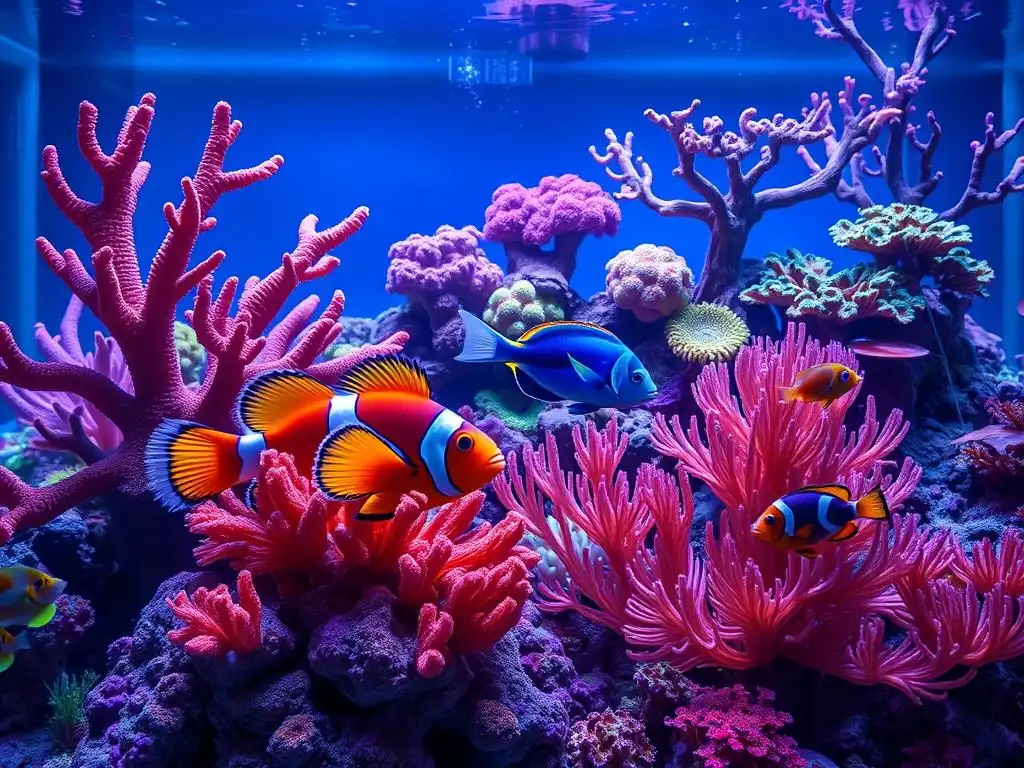
Ever dreamt of a reef aquarium bursting with vibrant, otherworldly life? Then you've likely been captivated by the dazzling allure of butterflyfish. But before you dive in, understand that these exotic and demanding beauties require specialized care. This Exotic Butterflyfish Care Guide unveils the secrets to successfully keeping these reef inhabitants thriving, from understanding their specific dietary needs to creating the perfect environment. Are you ready to take on the challenge and unlock the secrets to a truly stunning reef tank? Let's explore!
- Understanding the Allure of Exotic Butterflyfish
-
Identifying Rare and Demanding Butterflyfish Species
- Distinguishing Characteristics of Exotic Butterflyfish
- Spotlight on Specific Rare Butterflyfish: Tinker's Butterflyfish (Chaetodon tinkeri)
- Spotlight on Specific Rare Butterflyfish: Bennett's Butterflyfish (Chaetodon bennetti)
- Spotlight on Specific Rare Butterflyfish: Declivis Butterflyfish (Chaetodon declivis)
-
Essential Tank Setup for Exotic Butterflyfish
- Recreating Natural Habitats: Mimicking Reef Environments
- Optimal Tank Size and Dimensions for Butterflyfish
- Water Parameter Requirements: Maintaining Stability for Sensitive Species
- Filtration Needs: Ensuring Pristine Water Quality for Butterflyfish
- Lighting and Substrate Considerations for Exotic Butterflyfish
- Specialized Feeding Strategies for Exotic Butterflyfish
- Butterflyfish Health Management and Disease Prevention
- Tank Mates: Choosing Compatible Species for Butterflyfish
- The Ethical Considerations of Collecting Rare Butterflyfish
- Advanced Exotic Butterflyfish Care: Breeding and Propagation
- Troubleshooting Common Problems with Exotic Butterflyfish Care
- The Future of Exotic Butterflyfish Keeping
-
Frequently Asked Questions
- What makes butterflyfish considered "exotic" and thus more challenging to care for?
- Where can I find reliable information regarding the specific dietary needs of different butterflyfish species?
- What are the most critical water parameters to monitor when keeping exotic butterflyfish?
- Are there any common diseases that frequently affect butterflyfish, and how can I prevent them?
- How important is tank size and aquascaping when considering keeping exotic butterflyfish?
- Final Reflection: Embracing the Delicate Dance of Exotic Beauty
- Unleash Your Inner Reef Keeper!
Understanding the Allure of Exotic Butterflyfish
Why Collectors are Drawn to Rare Butterflyfish Species
The world of marine aquaria offers a kaleidoscope of life, yet few fish capture the imagination quite like the butterflyfish. For dedicated collectors, the allure intensifies when encountering rare and exotic butterflyfish species. These exceptional fish often boast intricate patterns, vibrant colorations, and graceful swimming motions that elevate them beyond common aquarium inhabitants. Their scarcity in the trade, often due to deep-water origins or specific collection challenges, adds an undeniable element of prestige and desirability, making them a true centerpiece for any advanced aquarist.
Beyond their breathtaking aesthetics, the pursuit of these exquisite fish represents a significant intellectual challenge and a testament to an aquarist's expertise. Successfully maintaining a demanding species, such as an exotic butterflyfish, requires meticulous attention to detail, deep understanding of marine biology, and unwavering dedication. The satisfaction derived from seeing a rare specimen thrive under one's care is immense, solidifying its status as a prized possession and a symbol of mastery in the hobby.
The Unique Challenges of Keeping Exotic Butterflyfish
While undeniably beautiful, the very characteristics that make exotic butterflyfish so desirable also contribute to their reputation as challenging inhabitants. Unlike their hardier cousins, many rare butterflyfish are exceptionally sensitive to fluctuations in water parameters, prone to stress, and highly susceptible to various marine diseases. Their delicate nature means they are not suitable for novice aquarists and often require a level of commitment that surpasses standard marine fish keeping.
Furthermore, these specialized fish often come with a unique set of husbandry requirements that present significant hurdles. Many exotic butterflyfish species originate from deep-water environments, necessitating precise temperature and lighting conditions. Their diets can be highly specific and finicky, often requiring live or specialized frozen foods to trigger a feeding response. Overcoming these dietary and environmental challenges is a critical component of any successful exotic butterflyfish care guide, demanding patience and advanced aquarist skills.
Identifying Rare and Demanding Butterflyfish Species
Distinguishing Characteristics of Exotic Butterflyfish
Exotic butterflyfish often exhibit specific characteristics that set them apart from more common species. Visually, they tend to display more intricate and subtle patterns, often incorporating unique color combinations like deep yellows, vibrant oranges, or stark black-and-white contrasts. Their body shapes are typically highly compressed laterally, allowing them to navigate tight reef crevices, and they possess small, protrusible mouths adapted for picking at specific food sources, such as coral polyps or tiny invertebrates.
Behaviorally, these rare beauties often demonstrate a more reserved and shy demeanor. They may spend considerable time hiding among live rock formations, emerging cautiously for food. Their feeding habits can be highly specialized, with some species being obligate corallivores in the wild, posing a significant challenge for captive diets. Moreover, their sensitivity to environmental stress and aggression from tank mates means careful observation of their behavior is paramount for their long-term health.
Spotlight on Specific Rare Butterflyfish: Tinker's Butterflyfish (Chaetodon tinkeri)
The Tinker's Butterflyfish (Chaetodon tinkeri) is a highly sought-after exotic butterflyfish, primarily due to its striking coloration and its origins in the deeper waters of Hawaii and the Cook Islands, typically found between 150 to 500 feet. Growing up to 5.5 inches, it features a distinctive white anterior body, a stark black dorsal and posterior section, and a bright yellow caudal fin, creating a visually arresting contrast. Despite its deep-water origins, it is considered relatively hardier than some other deep-sea butterflyfish, making it a "gateway" species for collectors venturing into more exotic butterflyfish care.
Caring for a Tinker's Butterflyfish requires a well-established marine aquarium of at least 100 gallons, providing ample swimming space and plenty of live rock for hiding and foraging. Stable water parameters are crucial, with a specific gravity of 1.023-1.026 and temperatures between 75-78°F. Their diet should consist primarily of meaty foods such as frozen mysis shrimp, brine shrimp, and finely chopped seafood, offered multiple times a day to ensure adequate nutrition. They are generally peaceful but can be shy, requiring peaceful tank mates and a stress-free environment.
Spotlight on Specific Rare Butterflyfish: Bennett's Butterflyfish (Chaetodon bennetti)
The Bennett's Butterflyfish (Chaetodon bennetti) is another visually stunning but notoriously challenging exotic butterflyfish, found across the Indo-Pacific in shallow reef environments. Reaching up to 7 inches in length, this species is easily identifiable by its bright yellow body adorned with a prominent black spot on its flank, often encircled by a blue ring, and delicate blue lines radiating from its eye. It has a well-deserved reputation as a difficult species for reef tanks due to its natural diet, which primarily consists of coral polyps, making it unsuitable for most coral-laden setups.
Successfully keeping a Bennett's Butterflyfish demands an exceptionally large and mature aquarium, ideally 150 gallons or more, to accommodate its size and provide stable conditions. Pristine water quality and highly consistent parameters are non-negotiable. This species is best housed in a fish-only or FOWLR (Fish Only With Live Rock) system, where its dietary needs can be addressed without risking valuable corals. Its sensitivity to stress makes acclimation and long-term care particularly challenging, requiring a diverse diet of meaty foods, including frozen preparations and potentially live offerings, to encourage consistent feeding.
Spotlight on Specific Rare Butterflyfish: Declivis Butterflyfish (Chaetodon declivis)
The Declivis Butterflyfish (Chaetodon declivis), often referred to as the "Declivis Bicolor Butterflyfish," is a rare and captivating species originating from the deeper reefs around Christmas Island and the Cocos-Keeling Islands, typically found between 50 to 200 feet. Growing to approximately 6 inches, its striking appearance features a distinct bi-coloration: the anterior portion of its body is a pearly white or pale yellow, sharply transitioning to a dark brown or black towards the posterior and caudal fin. This dramatic contrast makes it a highly prized specimen among collectors of exotic butterflyfish.
Similar to the Tinker's Butterflyfish, the Declivis requires a stable, mature aquarium of at least 100 gallons to thrive. Its deep-water origins suggest a preference for subdued lighting and plenty of live rock for security and grazing. Maintaining impeccable water quality, with consistent parameters, is paramount, as this species is highly susceptible to stress and disease. Its diet should be varied and meaty, including frozen mysis shrimp, brine shrimp, and finely chopped seafood, offered several times a day. While often found in pairs in the wild, introducing two Declivis into a captive environment requires careful consideration and sufficient space.
Essential Tank Setup for Exotic Butterflyfish
Recreating Natural Habitats: Mimicking Reef Environments
To ensure the well-being of exotic butterflyfish, recreating aspects of their natural reef habitats is crucial. A significant amount of high-quality live rock is essential, not only for biological filtration but also to provide the numerous crevices, caves, and overhangs that these fish utilize for hiding, resting, and establishing territories. While providing ample hiding spots, it's equally important to ensure there is sufficient open swimming space, particularly for more active species. The psychological comfort derived from a naturalistic setup significantly reduces stress and encourages natural behaviors.
Furthermore, a truly successful environment for an exotic butterflyfish relies on a fully mature nitrogen cycle. This means the aquarium should be established and cycled for several months, ideally 6 to 12 months, before introducing these delicate inhabitants. A well-established tank ensures a robust population of beneficial bacteria capable of processing ammonia and nitrites, and maintaining stable nitrate levels, which are critical for the sensitive physiology of these rare species. This long-term stability is a cornerstone of any comprehensive exotic butterflyfish care guide.
Optimal Tank Size and Dimensions for Butterflyfish
The appropriate tank size is a foundational element for the successful keeping of exotic butterflyfish. Generally, a minimum of 75 to 100 gallons is recommended for smaller, more sedentary species, while larger or more active butterflyfish, such as the Bennett's or similar species, often require tanks of 125 gallons, 180 gallons, or even more. When considering dimensions, length and width are often more important than height, as they provide more horizontal swimming space, which better mimics their natural range on a reef.
Larger tanks offer several distinct advantages for these sensitive fish. Firstly, a greater water volume provides enhanced stability for critical water parameters, buffering against rapid fluctuations in temperature, salinity, or pH. Secondly, ample swimming room reduces stress and aggression, especially if multiple fish are housed together. Finally, a larger system effectively dilutes waste products, making it easier to maintain pristine water quality, a non-negotiable aspect of exotic butterflyfish care.
Water Parameter Requirements: Maintaining Stability for Sensitive Species
Maintaining precise and, more importantly, stable water parameters is paramount for the health and longevity of sensitive exotic butterflyfish. Ideal parameters include a specific gravity (salinity) of 1.023-1.026, a temperature range of 75-80°F (24-27°C), and a pH level between 8.1-8.4. Additionally, alkalinity should be maintained between 8-12 dKH, calcium between 400-450 ppm, and magnesium between 1200-1350 ppm. While these target ranges are important, the key emphasis is on avoiding sudden shifts, as even minor fluctuations can induce significant stress in these delicate species.
To ensure consistent stability, regular and accurate water testing is indispensable. Daily or weekly testing of key parameters, such as salinity, temperature, and pH, coupled with weekly or bi-weekly testing for alkalinity, calcium, and magnesium, allows aquarists to detect and correct deviations promptly. Implementing small, regular water changes, typically 10-15% weekly or bi-weekly using high-quality salt mix and RODI (Reverse Osmosis Deionized) water, is the most effective method for maintaining these critical parameters and replenishing trace elements.
Filtration Needs: Ensuring Pristine Water Quality for Butterflyfish
Pristine water quality is non-negotiable for the demanding nature of exotic butterflyfish, making robust filtration an absolute necessity. A comprehensive filtration system should integrate mechanical, biological, and chemical components. Mechanical filtration, often achieved through filter socks or sponges, removes particulate matter, preventing organic buildup. Biological filtration, primarily facilitated by ample live rock and specialized bio-media, processes ammonia and nitrites into less harmful nitrates. Chemical filtration, such as activated carbon and GFO (Granular Ferric Oxide), removes dissolved organic compounds and phosphates, which can contribute to algae growth and degrade water quality.
An oversized protein skimmer is perhaps the most critical piece of equipment for these systems, efficiently removing organic waste before it breaks down into nitrates. Moderate water flow, sufficient to prevent dead spots but not so turbulent as to stress the fish, is also important.
Utilizing a sump system can greatly enhance filtration capacity, allowing for the placement of skimmers, reactors, and refugiums, which further contribute to nutrient export and system stability. Regular maintenance of all filtration components, including cleaning filter socks and replacing chemical media, is vital to prevent nitrate accumulation and maintain the high water quality essential for an exotic butterflyfish care guide.
Lighting and Substrate Considerations for Exotic Butterflyfish
The lighting requirements for exotic butterflyfish should be carefully considered, particularly for species originating from deeper waters. Unlike reef tanks brimming with light-hungry corals, many exotic butterflyfish prefer moderate intensity lighting. Overly bright or intense illumination can cause stress and encourage them to hide excessively. A natural day-night cycle, typically 10-12 hours of light followed by darkness, is beneficial for their circadian rhythms. If the tank houses some corals, ensure the lighting is appropriate for the corals but also provides shaded areas for the butterflyfish.
For substrate, a fine sand bed or crushed coral is generally suitable, with a depth of no more than 2-3 inches to prevent the formation of anaerobic pockets, which can release harmful gases. Providing ample open sandy areas allows certain species to forage naturally, while the strategic placement of live rock creates the necessary hiding spots and territories. The combination of appropriate lighting and substrate contributes to a comfortable and naturalistic environment, reducing stress and encouraging the butterflyfish to exhibit their full range of natural behaviors.
Specialized Feeding Strategies for Exotic Butterflyfish
The Picky Eaters: Addressing Feeding Challenges
One of the most significant challenges in keeping exotic butterflyfish is their often finicky and specialized feeding habits. Many species are obligate corallivores in the wild, meaning their natural diet consists primarily of coral polyps, or they may specialize in tiny invertebrates found within the reef structure. Transitioning these highly specialized feeders to a captive diet can be a major hurdle, and stress from transport or inadequate tank conditions can further exacerbate their pickiness, leading to starvation if not addressed promptly.
To overcome these feeding challenges, aquarists must employ strategic and patient approaches. Offering food multiple times a day in small quantities can encourage a feeding response and prevent water fouling. Target feeding, using a long pipette or turkey baster to deliver food directly to the fish, can be highly effective for shy or slow eaters. Careful observation of their feeding responses to different food types is crucial, as what works for one exotic butterflyfish may not work for another. Patience and persistence are key virtues in this aspect of exotic butterflyfish care.
Live Food Options for Triggering Feeding Responses
For newly acquired or particularly finicky exotic butterflyfish, live food options can be instrumental in triggering a feeding response. Live brine shrimp, although not highly nutritious on their own, can stimulate interest due to their movement. Live mysis shrimp or blackworms are more nutritious alternatives that can entice reluctant eaters. In some rare cases, very small, healthy feeder fish might be considered, though this carries the risk of introducing disease and is generally not recommended as a long-term solution.
Sourcing live foods from reputable suppliers or culturing them at home ensures a clean and consistent supply. To maximize their nutritional value, live foods should be "gut-loaded" with a high-quality algal diet or vitamin supplements before being offered to the butterflyfish. The natural predatory instinct stimulated by live prey can often break a hunger strike and help acclimate the fish to feeding in a captive environment, paving the way for the introduction of prepared foods.
Supplementing Diets with Frozen and Prepared Foods
Once an exotic butterflyfish begins to feed, the goal is to transition them to a varied diet of high-quality frozen and prepared foods to ensure complete nutrition. Frozen mysis shrimp, brine shrimp, and finely chopped seafood such as shrimp, clam, and squid are excellent staples. Many butterflyfish also benefit from spirulina-enriched flakes or pellets, providing essential vegetable matter. Variety is paramount; avoid feeding the same food type repeatedly to prevent nutritional deficiencies.
To further enhance the nutritional profile and palatability of frozen foods, soaking them in liquid vitamin supplements, such as Selcon or other marine-specific vitamin blends, before feeding is highly recommended. This practice boosts the intake of essential vitamins, fatty acids, and amino acids, which are often lacking in captive diets. Offering a mix of different frozen foods throughout the week ensures a balanced intake of all necessary nutrients for the long-term health of these delicate exotic butterflyfish.
Gradual Acclimation to Captive Diets
The process of acclimating exotic butterflyfish to captive diets must be gradual and patient. Begin by offering the most appealing live food options. Once the fish is consistently eating, gradually introduce frozen options, perhaps by mixing small amounts of frozen food with the live food. Over time, slowly reduce the live food component while increasing the frozen portion. Consistency in feeding times and presentation, such as offering food from the same spot, can also help establish a routine.
It is crucial to avoid overfeeding during this process, as uneaten food can quickly foul the water, leading to poor water quality and increased stress for the already delicate fish. Monitor the fish's response closely; if it stops eating, revert to the previously accepted food type and try again later. Successful acclimation to a diverse captive diet is a critical milestone in the long-term health and well-being of any exotic butterflyfish.
Preventing Nutritional Deficiencies in Exotic Butterflyfish
Preventing nutritional deficiencies is a cornerstone of effective exotic butterflyfish care. The diverse and often specialized diets these fish consume in the wild are difficult to replicate perfectly in captivity. Therefore, a varied feeding regimen is essential. Rotate different types of frozen foods, including various meaty options and those enriched with spirulina or other plant matter, throughout the week. Supplementing with high-quality flakes or pellets designed for marine fish can further round out their diet.
Regular use of vitamin supplements, either by soaking foods or adding them directly to the water (though food soaking is generally more effective), ensures that the fish receive all necessary micronutrients. Vigilance for signs of deficiency, such as faded colors, fin erosion, or general lethargy, is important. Addressing these signs promptly by adjusting the diet and supplementation can prevent more serious health issues and contribute significantly to the longevity of these beautiful and demanding exotic butterflyfish.
Butterflyfish Health Management and Disease Prevention
Recognizing Early Signs of Illness in Butterflyfish
Early detection of illness is critical for the survival of delicate exotic butterflyfish. Aquarists must be vigilant and observe their fish daily for any changes in behavior or physical appearance. Signs of illness can include listlessness, erratic or unusual swimming patterns, excessive hiding, or a general lack of activity. Physical indicators might involve fin erosion, the appearance of spots (white or black), cloudy eyes, faded or dull coloration, or rapid and labored breathing.
Other subtle but important signs to watch for include a loss of appetite, which is often one of the first indicators of an underlying issue, and persistent scratching or rubbing against rocks or substrate. Clamped fins, where the fins are held tightly against the body, also suggest discomfort or illness. Prompt identification of these early warning signs is paramount, as quick intervention dramatically increases the chances of successful treatment and recovery for these sensitive species.
Common Diseases Affecting Exotic Butterflyfish
Exotic butterflyfish are particularly susceptible to a range of common marine diseases, often exacerbated by stress from capture, transport, or inadequate tank conditions. The most prevalent parasitic infections include Marine Ich (Cryptocaryon irritans), characterized by small white spots resembling salt grains; Marine Velvet (Amyloodinium ocellatum), which appears as a dusty, golden or brownish film; and Brooklynella hostilis, often called "Clownfish Disease" but affecting many species, causing excess mucus and rapid tissue decay.
Bacterial infections, such as fin rot or body ulcers, can also arise, often as secondary infections following parasitic infestations or physical injury. Given their delicate nature, these diseases can spread rapidly and be highly fatal if not treated immediately. Understanding these common ailments and having a plan for their treatment is a vital part of any comprehensive exotic butterflyfish care guide.
Quarantine Procedures for New Arrivals
Implementing a strict quarantine procedure for all new exotic butterflyfish is absolutely essential to prevent the introduction of pathogens into the main display tank. A dedicated quarantine tank, equipped with its own filtration and heating, should be set up with established biological filtration. New arrivals should spend a minimum of 4-6 weeks in this separate system. During this period, they can be observed for any signs of disease, treated preventatively for common parasites (e.g., with copper-based medications for Ich/Velvet, ensuring the medication is safe for the specific butterflyfish species), and acclimated to captive foods.
Quarantine also serves to reduce stress on the new fish by allowing them to recover from the rigors of transport in a controlled environment free from aggressive tank mates. Once the fish is eating well, shows no signs of disease, and has successfully undergone any necessary treatments, it can then be gradually acclimated to the parameters of the main display tank before introduction. This proactive measure significantly reduces the risk of devastating outbreaks in your established system.
Proactive Measures for Maintaining Butterflyfish Health
Maintaining excellent health in exotic butterflyfish relies heavily on proactive measures and a stable environment. The cornerstone of prevention includes consistently stable water parameters, as any sudden shifts can weaken their immune system. Providing a high-quality, varied diet, as previously discussed, ensures they receive all necessary nutrients to build a robust immune response. Minimizing stress through appropriate tank mates, ample hiding spots, and a peaceful environment is also crucial.
Regular tank maintenance, including consistent water changes and cleaning of filtration components, prevents the buildup of nitrates and other harmful compounds. The use of a UV sterilizer, while not a cure-all, can help reduce the number of free-floating pathogens in the water column, further decreasing the risk of infection. Above all, daily observation of your exotic butterflyfish allows for the earliest possible detection of any issues, enabling swift intervention and greatly improving the chances of a positive outcome.
Tank Mates: Choosing Compatible Species for Butterflyfish
Understanding Butterflyfish Temperament and Compatibility
Understanding the temperament of exotic butterflyfish is crucial for selecting appropriate tank mates. Many rare butterflyfish species are inherently shy and easily stressed by aggressive or overly boisterous tank inhabitants. While some species can be territorial, especially towards conspecifics or fish with similar body shapes and patterns, others are generally peaceful. It is vital to research the specific temperament of the butterflyfish species you intend to keep, as their compatibility can vary significantly between species.
Furthermore, competition for food can be a major issue. Slow-feeding or shy butterflyfish can easily be outcompeted by faster, more aggressive eaters, leading to starvation. Therefore, selecting tank mates that are not overly competitive for food resources is as important as choosing those with a compatible temperament. A successful exotic butterflyfish care guide always emphasizes peaceful cohabitation.
Safe Tank Mates: Fish and Invertebrates That Coexist Well
When selecting tank mates for exotic butterflyfish, prioritize peaceful, non-aggressive species that will not outcompete them for food or territory. Good choices often include smaller, less assertive fish such as certain gobies (e.g., Watchman Goby, Diamond Watchman Goby), blennies (e.g., Lawnmower Blenny, Starry Blenny), cardinalfish (e.g., Banggai Cardinalfish), and certain peaceful tangs (e.g., Yellow Tang, provided the tank is very large, 180+ gallons). These fish generally occupy different niches and do not pose a threat.
Most invertebrates, including various cleaner shrimp (e.g., Skunk Cleaner Shrimp, Peppermint Shrimp), snails, and hermit crabs, are generally compatible and can be beneficial for tank maintenance. However, caution is advised with corals if the butterflyfish species is known to nip at polyps, as many exotic butterflyfish are not considered reef-safe. Always confirm the specific dietary habits of your butterflyfish before adding expensive corals.
Fish to Avoid: Aggressive or Incompatible Species
To ensure the well-being of delicate exotic butterflyfish, several types of fish should be strictly avoided as tank mates. Large, aggressive angelfish, particularly those known for territoriality, can easily intimidate and stress butterflyfish. Similarly, triggers, puffers, and large predatory groupers or moray eels are highly incompatible due to their aggressive nature and potential to injure or consume smaller, more delicate fish. Their strong feeding responses can also lead to butterflyfish being outcompeted for food.
Furthermore, exercise extreme caution when considering other butterflyfish species, especially if they are similar in appearance or from the same genus. While some butterflyfish can be kept in pairs (e.g., Tinker's), many are territorial towards conspecifics unless the tank is exceptionally large (300+ gallons) and provides ample space for each to establish territory. Avoid any fish that are known to be fin-nippers or overly boisterous, as constant harassment can lead to chronic stress and disease in sensitive exotic butterflyfish.
Creating a Peaceful Reef Environment
Creating a peaceful and harmonious reef environment is paramount for the long-term success of keeping exotic butterflyfish. This involves more than just selecting compatible tank mates; it requires thoughtful aquascaping and strategic stocking. Provide ample hiding spots and visual barriers using live rock to break up sightlines and reduce potential aggression. Ensure sufficient open swimming space, preventing overcrowding, which is a common trigger for stress and conflict.
When introducing new fish, consider adding less aggressive species first, allowing them to establish territories before introducing any potentially more dominant, but still compatible, inhabitants. Observe interactions closely, particularly during feeding times, for any signs of bullying or competition. If any fish consistently exhibits aggressive behavior towards the butterflyfish, it should be removed promptly to prevent chronic stress and ensure the delicate balance of your exotic butterflyfish care setup.
The Ethical Considerations of Collecting Rare Butterflyfish
Sustainable Sourcing and Conservation Efforts
The allure of rare and exotic butterflyfish comes with significant ethical considerations regarding their collection from wild reef ecosystems. Overcollection or destructive fishing practices can severely impact local fish populations and damage fragile coral reefs. Responsible aquarists have a role in supporting sustainable sourcing. This often involves choosing fish from suppliers who adhere to ethical collection methods, such as hand-netting, and who can verify the origin of their specimens. Some regions or organizations may offer certifications for sustainable practices, though these are not widespread for all species.
Supporting conservation efforts is another vital aspect. While most butterflyfish are not listed on CITES (Convention on International Trade in Endangered Species of Wild Fauna and Flora) appendices, certain rare or geographically restricted species may face localized population pressures. Contributing to marine conservation organizations that work on reef protection, habitat restoration, and sustainable fisheries management helps ensure the long-term health of these ecosystems and the continued existence of these magnificent fish in the wild.
Supporting Responsible Aquaculture Practices
One of the most promising avenues for ethical exotic butterflyfish keeping is the support of responsible aquaculture practices. Aquacultured (tank-bred) fish offer numerous advantages: they reduce the pressure on wild populations, are often hardier due to being raised in captive conditions, and are generally more accustomed to eating prepared foods, making their transition to a home aquarium smoother. While the captive breeding of many exotic butterflyfish remains incredibly challenging, advancements are continually being made.
By actively seeking out and purchasing aquacultured exotic butterflyfish, even if they are currently rare or command a higher price, aquarists can directly support and incentivize further investment in breeding programs. This demand encourages research and development, ultimately leading to more readily available and robust tank-bred specimens, which can significantly lessen the environmental impact of the marine aquarium trade on wild reefs.
The Impact of the Aquarium Trade on Wild Populations
While the marine aquarium trade represents a relatively small percentage of global fisheries, its impact on specific, rare, and geographically limited species can be significant. Historically, some collection practices, such as the use of cyanide, caused widespread damage to reefs and high mortality rates for collected fish. Although such practices are less common now due to increased awareness and regulation, the cumulative effect of demand for wild-caught ornamental fish still contributes to localized population declines and habitat degradation in vulnerable reef areas.
An informed consumer is a responsible consumer. Understanding the journey of an exotic butterflyfish from the ocean to the aquarium, and recognizing the potential environmental costs, is crucial. Aquarists who educate themselves on sustainable sourcing, support aquaculture, and choose reputable suppliers contribute positively to the industry. The ongoing quest to improve exotic butterflyfish care extends beyond the tank to encompass the broader health of the marine environment from which these beautiful creatures originate.
Advanced Exotic Butterflyfish Care: Breeding and Propagation
Understanding Butterflyfish Reproduction
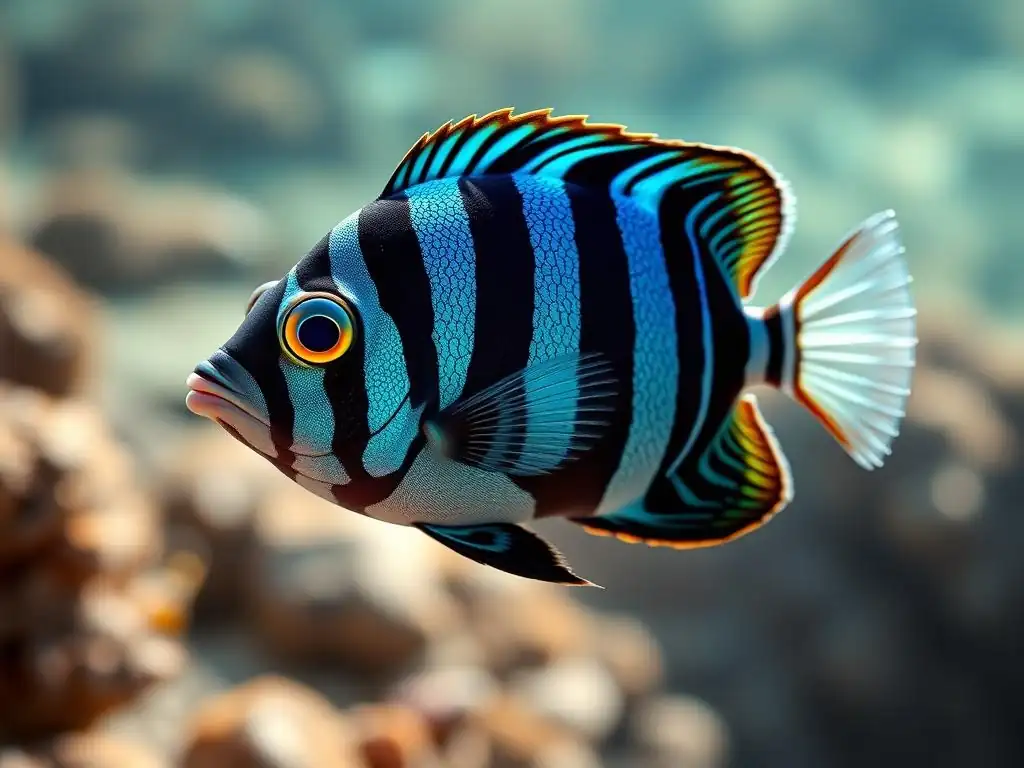
The captive breeding of most exotic butterflyfish species remains an extremely rare and challenging feat, primarily due to their reproductive strategies. The majority of butterflyfish are pelagic spawners, meaning they release buoyant eggs into the open water column, where they drift with currents before hatching. Unlike some fish that lay demersal (bottom-dwelling) eggs or care for their young, butterflyfish typically offer no parental care after spawning. Sexual dimorphism (visible differences between males and females) is often minimal or non-existent, making it difficult to identify breeding pairs without observing spawning behavior.
In their natural habitats, many butterflyfish species form monogamous pairs or small groups, which can be an indicator of their reproductive behavior. However, replicating the precise environmental cues necessary to trigger spawning in captivity, along with the immense challenge of rearing their microscopic, planktonic larvae, has proven to be a significant barrier to widespread captive breeding.
Creating Breeding Conditions
Creating conditions conducive to breeding exotic butterflyfish typically requires very large, species-specific breeding tanks that mimic their natural environment as closely as possible. This includes pristine water quality, precise temperature control, and often specific lighting cycles or flow patterns that might simulate seasonal changes or natural currents. A highly diverse and abundant diet, potentially including live foods, is also essential to condition the fish for spawning.
Even with ideal conditions, success is extremely rare. The difficulty lies not only in inducing spawning but also in managing the delicate eggs and larvae. Specialized equipment, such as kreisel tanks (designed to keep fragile larvae suspended without damage) and the availability of appropriate microscopic live foods for the fry, are typically required. This level of advanced exotic butterflyfish care is primarily undertaken by dedicated research facilities or highly experienced public aquariums.
Raising Butterflyfish Fry
Raising butterflyfish fry is arguably the most challenging aspect of their captive propagation. Once the pelagic eggs hatch, they release tiny, transparent larvae that are planktonic and incredibly fragile. These larvae require a continuous supply of specific, microscopic live foods, such as rotifers (e.g., L-type and S-type) and various copepod nauplii, at precise densities and sizes, often in a "green water" environment (water tinted by phytoplankton).
The mortality rates for butterflyfish larvae are exceptionally high, with only a tiny fraction surviving to metamorphosis. This stage demands constant monitoring of water quality, temperature, and food availability, often requiring specialized equipment and dedicated personnel. While some success has been achieved with a few hardier butterflyfish species, the complete life cycle closure for most exotic butterflyfish remains a frontier in marine aquaculture, highlighting the complexity of advanced exotic butterflyfish care.
Troubleshooting Common Problems with Exotic Butterflyfish Care
Addressing Algae Issues in the Butterflyfish Tank
Algae issues are a common headache in marine aquariums and can be particularly detrimental in an exotic butterflyfish tank, indicating underlying water quality problems that can stress delicate species. Common causes include excess nutrients (primarily nitrates and phosphates from overfeeding or insufficient water changes), too much light intensity or duration, or old light bulbs that shift in spectrum. While not directly harmful in small amounts, rampant algae growth can signal poor water parameters and reduce the aesthetic appeal of the tank.
Solutions involve addressing the root cause: implement stricter nutrient export methods, such as more frequent or larger water changes (e.g., 20% weekly), improve protein skimming efficiency, and consider using chemical media like GFO. Reduce feeding amounts to prevent excess nutrients. Adjust the lighting schedule to 8-10 hours per day, and replace bulbs if they are old (typically every 9-12 months for fluorescents, 2-3 years for LEDs). Introducing compatible algae-eating snails (e.g., Turbo snails, Trochus snails) or hermit crabs can also help manage minor outbreaks, but they are not a substitute for proper nutrient control.
Managing Aggression Among Butterflyfish
Aggression among butterflyfish, or between butterflyfish and other tank mates, can be a significant problem, leading to stress, injury, and even death for the targeted fish. This behavior can manifest as nipping, chasing, fin damage, or preventing access to food or hiding spots. It often arises from insufficient tank size, overcrowding, or incompatible species pairings, particularly when similar-looking fish compete for territory or resources.
To manage aggression, ensure the tank is adequately sized for all inhabitants, providing ample swimming room and multiple hiding spots or visual barriers within the aquascape. If introducing new fish, consider adding all new inhabitants at once to prevent established fish from becoming overly territorial. For persistent aggression, temporary separation of the aggressor, or even rearranging the rockwork to break up established territories, can sometimes alleviate the issue. In severe cases, the aggressive individual may need to be permanently removed to maintain a peaceful environment crucial for an exotic butterflyfish care guide.
Dealing with Parasites and Infections
Despite best efforts, exotic butterflyfish can still contract parasites and infections, especially if quarantine procedures were bypassed or new pathogens were introduced. Common issues include Ich (white spots), Velvet (dusty film), flukes, and various bacterial infections (e.g., fin rot, body ulcers). Rapid and accurate diagnosis is key, as these conditions can quickly overwhelm delicate species.
Treatment options vary depending on the specific ailment. For parasitic infections like Ich and Velvet, copper-based medications are often effective, but must be used with extreme caution, as copper is toxic to invertebrates and some fish are sensitive. Hyposalinity (gradually lowering specific gravity to 1.008-1.010) is another option for Ich, but requires careful monitoring. Freshwater dips can offer temporary relief for external parasites. For bacterial infections, broad-spectrum antibiotics may be necessary, often administered in a hospital tank. Always follow medication instructions precisely and ensure the treatment is safe for the specific butterflyfish species.
The Future of Exotic Butterflyfish Keeping
Advancements in Butterflyfish Aquaculture
The future of exotic butterflyfish keeping is increasingly tied to advancements in aquaculture. While captive breeding of many species remains elusive, ongoing research and development are slowly yielding breakthroughs. For instance, species like the Pyramid Butterflyfish (Hemitaurichthys polylepis) have seen increasing success in captive breeding, demonstrating that the complex life cycles of butterflyfish can, in certain cases, be closed. These successes provide valuable insights and techniques that can potentially be applied to other, more challenging exotic butterflyfish species.
Continued investment in aquaculture facilities and research into larval rearing techniques promises a future where more exotic butterflyfish are readily available as tank-bred specimens. This will not only reduce pressure on wild populations but also provide aquarists with hardier, more disease-resistant fish that are already accustomed to captive diets and environments, significantly improving their chances of long-term survival in home aquariums.
New Discoveries and Research on Butterflyfish Behavior
As marine biology research continues to advance, new discoveries about butterflyfish behavior, ecology, and natural habitats are continually being made. Submersible observations allow scientists to study these fish in their deep-water environments, revealing insights into their social structures, feeding behaviors, and environmental preferences that were previously unknown. Genetic research also helps clarify species relationships and population dynamics.
This expanding body of knowledge directly benefits the aquarium hobby. A deeper understanding of their natural behaviors and specific environmental needs allows aquarists to create more accurate and successful captive environments, further refining the best practices for exotic butterflyfish care. This ongoing scientific exploration is crucial for enhancing both conservation efforts and the welfare of these magnificent creatures in captivity.
The Ongoing Quest to Improve Butterflyfish Care
The journey of exotic butterflyfish keeping is a continuous quest for improvement. Aquarists, researchers, and industry professionals are constantly refining husbandry techniques, experimenting with new dietary strategies, and developing more effective disease treatments. The collective experience shared within the hobby, combined with scientific advancements, contributes to a growing body of knowledge that makes it possible to keep these formerly "impossible" species.
This collaborative effort aims to ensure the long-term well-being of exotic butterflyfish in home aquariums, transforming what was once an exclusive and often short-lived endeavor into a more sustainable and successful pursuit. The goal is to make sophisticated exotic butterflyfish care guides accessible and effective for dedicated aquarists, allowing these radiant beauties to thrive for years to come.
Frequently Asked Questions
What makes butterflyfish considered "exotic" and thus more challenging to care for?
Exotic butterflyfish often require very specific water parameters and a specialized diet, making them less forgiving than other aquarium fish. Their delicate nature and susceptibility to disease also contribute to their challenging care.
Where can I find reliable information regarding the specific dietary needs of different butterflyfish species?
AquariumMastery.com provides species profiles detailing the dietary requirements for various butterflyfish. Researching specific needs is crucial, as many require a varied diet including live foods.
What are the most critical water parameters to monitor when keeping exotic butterflyfish?
Maintaining stable and pristine water quality is paramount. Pay close attention to salinity, pH, temperature, and ammonia/nitrite/nitrate levels. Regular testing and water changes are essential.
Are there any common diseases that frequently affect butterflyfish, and how can I prevent them?
Butterflyfish are susceptible to parasites like marine ich and bacterial infections. Quarantine new arrivals, maintain excellent water quality, and provide a stress-free environment to minimize disease risk.
How important is tank size and aquascaping when considering keeping exotic butterflyfish?
Tank size is extremely important, as butterflyfish need ample space to swim and forage. Appropriate aquascaping with plenty of live rock provides shelter and grazing opportunities, contributing to their overall well-being.
Final Reflection: Embracing the Delicate Dance of Exotic Beauty
The allure of the exotic butterflyfish, as we've explored, lies not only in their breathtaking beauty but also in the profound responsibility that comes with their care. This delicate balance between aesthetic appreciation and ethical stewardship is increasingly relevant in today's world, where the demand for unique and captivating creatures often overshadows the complexities of their survival. Understanding the intricacies of their needs is paramount to ensuring their continued existence, both in our aquariums and in their natural habitats.
The journey of caring for an exotic butterflyfish is a testament to our capacity for empathy and dedication. It's a reminder that true appreciation comes from understanding and nurturing, not merely possessing. The challenges they present force us to become better aquarists, better observers, and ultimately, better stewards of the natural world. In the end, we will conserve only what we love; we will love only what we understand; and we will understand only what we are taught.
- Baba Dioum's words resonate deeply, highlighting the crucial role of education and informed action in preserving these magnificent creatures.
Now, as you close this guide, consider the profound impact you can have. Let the knowledge you've gained inspire you to not only provide exceptional care for these radiant fish, but also to advocate for responsible sourcing and sustainable practices within the aquarium hobby. Embrace the challenge, share your knowledge, and contribute to a future where the beauty of exotic butterflyfish continues to grace our world, both in captivity and in the wild.
Unleash Your Inner Reef Keeper!
Thank you for diving into the world of exotic butterflyfish! We hope you found this guide valuable in understanding these radiant but demanding creatures. Now, it's time to take your passion to the next level.
Here are a few things you can do now:
- Dive deeper: Carefully research the specific needs of your chosen butterflyfish before even considering adding it to your reef.
- Share your knowledge! Inspire other aquarists by posting pictures of your own butterflyfish tanks or sharing tips on successful keeping in our forum.
- Contribute to conservation: Support organizations dedicated to protecting coral reefs, the natural habitat of these beautiful fish.
Ready to build the perfect reef paradise for your butterflyfish?