
Checkerboard Wrasse (Halichoeres hortulanus): Big Personality, Big Tank Requirements

Welcome to Aquarium Mastery!
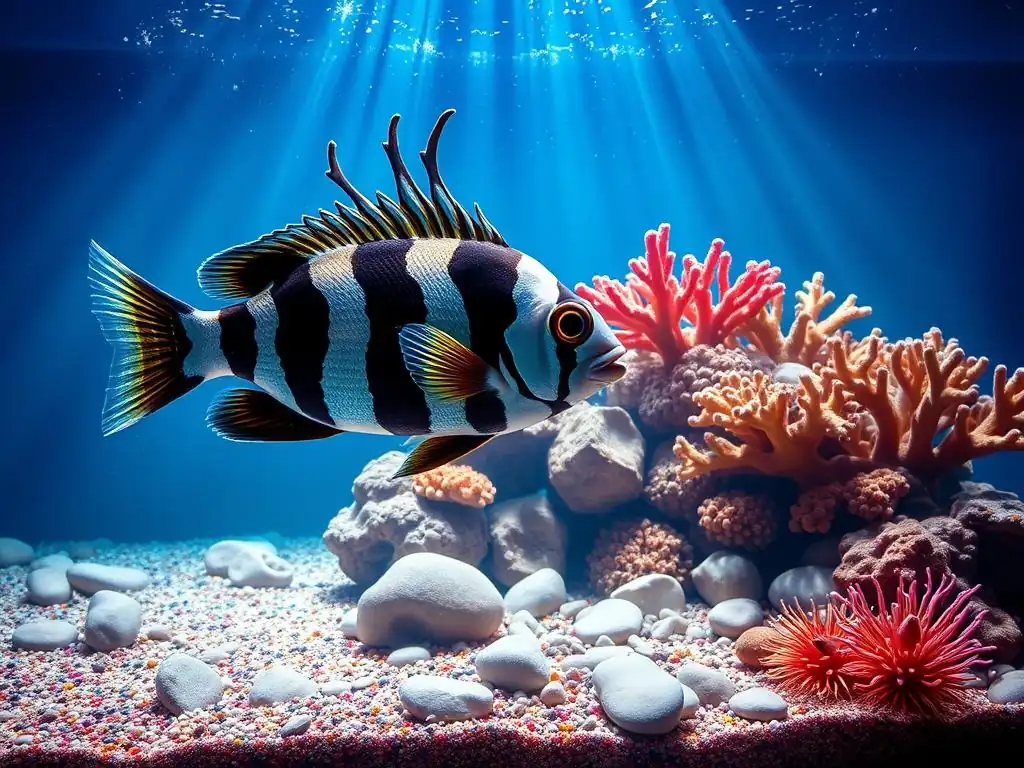
Ever been captivated by a fish with personality as vibrant as its scales? Our latest guide dives deep into the captivating world of the Checkerboard Wrasse (Halichoeres hortulanus). These stunning saltwater fish demand a specific environment to truly thrive. Intrigued? Discover the essential elements of the perfect Checkerboard Wrasse tank setup and unlock the secrets to keeping this magnificent creature happy and healthy. Let's explore together!
- Checkerboard Wrasse (Halichoeres hortulanus): Striking Beauty, Demanding Care
- Introduction to the Checkerboard Wrasse
- Checkerboard Wrasse Natural Habitat and Behavior
- Checkerboard Wrasse Tank Setup Guide: Recreating a Suitable Reef Habitat
- Checkerboard Wrasse Diet and Feeding
- Checkerboard Wrasse Compatibility and Tank Mates
- Checkerboard Wrasse Health and Disease
- Maintaining a Healthy Checkerboard Wrasse Aquarium: A Routine
- The Checkerboard Wrasse: Is it the Right Choice for Your Aquarium?
- Advanced Checkerboard Wrasse Care: Managing Parasites and Nutrition
- Conclusion: Ensuring a Long and Healthy Life for Your Checkerboard Wrasse
- Frequently Asked Questions
- Final Reflection: Embracing the Wrasse's Wild Spirit
- Unleash the Vibrant Reef Keeper Within!
Checkerboard Wrasse (Halichoeres hortulanus): Striking Beauty, Demanding Care
Introduction to the Checkerboard Wrasse
Appreciating the Unique Appeal of the Halichoeres hortulanus
The Checkerboard Wrasse, scientifically known as Halichoeres hortulanus, is a truly captivating marine fish, highly sought after by experienced aquarists for its vibrant coloration and engaging behaviors. Its distinctive pattern, a mosaic of dark spots and lines on a lighter body, resembles a checkerboard, giving it its common name. Beyond its striking aesthetics, this species exhibits an active and inquisitive nature, constantly exploring its environment and interacting with its surroundings, making it a dynamic addition to a well-planned reef aquarium.
This species typically reaches an adult size of 8 to 10 inches (20-25 cm) in captivity, though some individuals may grow larger. Its active swimming style and constant foraging make it a fascinating subject for observation, but also underscore the significant space requirements needed for its well-being. Understanding its inherent characteristics is the first step in providing a suitable home, which is a core component of any effective Checkerboard Wrasse tank setup guide.
Emphasizing the Commitment Required for Successful Checkerboard Wrasse Keeping
Keeping a Checkerboard Wrasse is not a task for the novice aquarist; it demands a significant commitment to providing a large, stable, and well-maintained marine environment. Their active lifestyle and eventual adult size necessitate a substantial aquarium volume, far exceeding that of many other popular reef inhabitants. Furthermore, their specific dietary needs and burrowing behaviors require meticulous attention to substrate choice and feeding routines.
A successful Checkerboard Wrasse tank setup guide hinges on a proactive approach to tank maintenance, including diligent water quality monitoring and consistent feeding. Ignoring these requirements can lead to stress, disease, and a shortened lifespan for this magnificent fish. Prospective owners must be prepared to invest time, resources, and effort to ensure the long-term health and vitality of a Halichoeres hortulanus.
Checkerboard Wrasse Natural Habitat and Behavior
Origin and Geographical Distribution in the Indo-Pacific
The Checkerboard Wrasse is widely distributed throughout the tropical waters of the Indo-Pacific region, spanning a vast area from the Red Sea and East Africa across to the central Pacific islands, including Fiji and Samoa. Its range extends north to southern Japan and south to Australia's Great Barrier Reef. Within this expansive territory, Halichoeres hortulanus typically inhabits shallow to moderately deep reef environments, often found at depths ranging from 3 to 100 feet (1 to 30 meters).
They prefer areas with a mix of rubble, sand patches, and rocky outcrops, where they can forage for food and quickly burrow into the substrate for safety. This preference for diverse bottom structures is crucial for understanding their needs in a captive environment and forms a foundational element of any comprehensive Checkerboard Wrasse tank setup guide. Their widespread distribution indicates their adaptability to various reef conditions within tropical zones.
Natural Predatory Behaviors and Reef Ecology
In their natural habitat, Checkerboard Wrasses are primarily carnivorous, acting as active benthic predators. They meticulously forage through sandy substrates and among live rock for a variety of small invertebrates. Their diet typically includes small crustaceans such as copepods, amphipods, and isopods, as well as marine worms, snails, and other small benthic organisms. They employ a characteristic "sifting" technique, taking mouthfuls of sand and expelling it through their gills, filtering out edible morsels.
This foraging behavior plays a significant ecological role in nutrient cycling within the reef ecosystem. Their constant sifting helps to aerate the sand bed and expose detritus. Understanding these natural predatory instincts is vital for replicating a successful Checkerboard Wrasse tank setup guide, as it directly informs their dietary requirements and the necessity of appropriate substrate in a home aquarium.
Adapting Wild Behaviors to a Captive Environment
Successfully keeping a Checkerboard Wrasse means thoughtfully adapting their wild behaviors to the confines of an aquarium. Their innate need to forage and burrow, for instance, necessitates a deep sand bed of at least 3 to 4 inches (7-10 cm) of fine, soft sand, which allows them to bury themselves completely for sleep or when startled. Without adequate substrate, the fish can become stressed and prone to injury, directly impacting the success of your Checkerboard Wrasse tank setup guide.
Furthermore, their active swimming and exploratory nature require ample open swimming space combined with numerous crevices and hiding spots among live rock. This dual requirement ensures they feel secure while still having room to exercise and explore, mimicking the diverse structure of their natural reef home. Providing these environmental cues helps to reduce stress and encourages natural behaviors, leading to a healthier and more vibrant fish.
Checkerboard Wrasse Tank Setup Guide: Recreating a Suitable Reef Habitat
Minimum Tank Size: Accommodating Activity and Growth
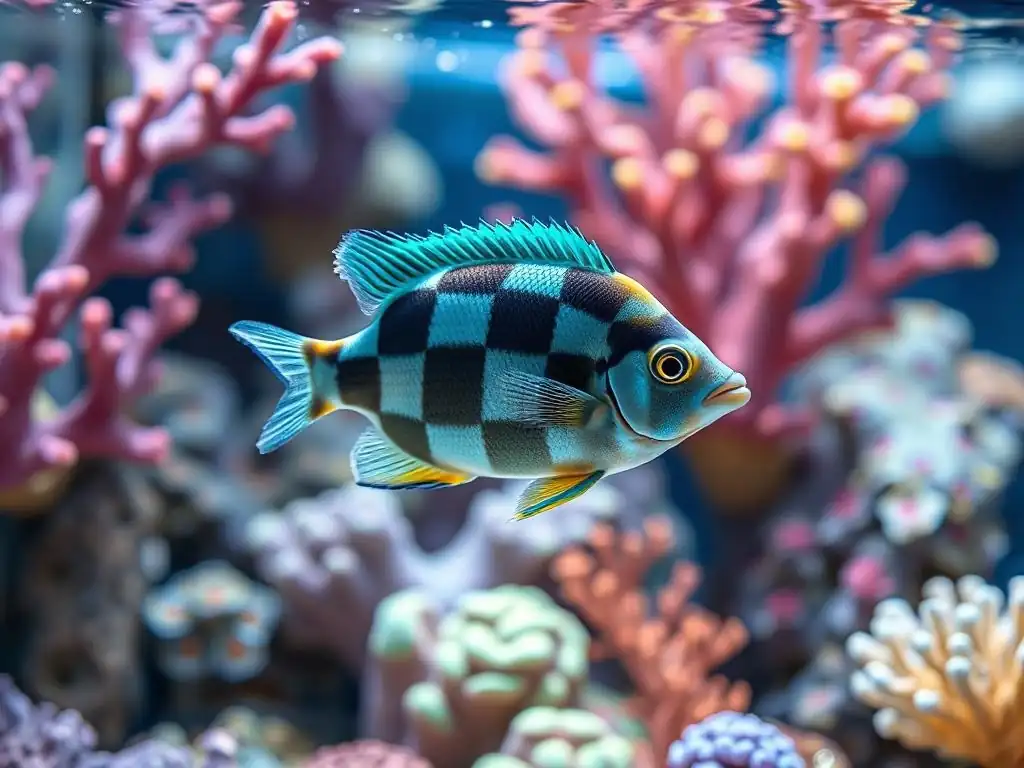
One of the most critical considerations in any Checkerboard Wrasse tank setup guide is providing adequate space. Due to their active nature, eventual adult size of 8-10 inches (20-25 cm), and constant foraging habits, a minimum tank size of 90 gallons (approximately 340 liters) is strongly recommended for a single adult specimen. However, a 120-gallon (approximately 450 liters) or larger aquarium is ideal to truly accommodate their energetic swimming patterns and allow for more stable water parameters.
Attempting to house a Checkerboard Wrasse in a smaller tank will inevitably lead to stress, stunted growth, and increased aggression towards tank mates, as they will lack sufficient territory. The horizontal swimming space is as important as the vertical depth, allowing the fish ample room to cruise along the substrate and through the water column. Proper sizing is the cornerstone of a thriving Checkerboard Wrasse tank setup guide.
Essential Equipment for a Thriving Checkerboard Wrasse Aquarium
High-Quality Filtration: Maintaining Water Clarity and Stability
Maintaining pristine water quality is paramount for the health of a Checkerboard Wrasse. A robust filtration system is an indispensable component of any Checkerboard Wrasse tank setup guide. This typically includes a large sump with a high-quality protein skimmer, which efficiently removes organic waste before it breaks down into harmful nitrates. For a 90-gallon tank, a skimmer rated for 150-200 gallons would provide excellent performance, ensuring low nutrient levels.
Additionally, a substantial amount of live rock (approximately 1-1.5 pounds per gallon, or 0.45-0.68 kg per 3.78 liters) provides biological filtration and numerous surfaces for beneficial bacteria to colonize, further aiding in nitrate reduction. Regular mechanical filtration, such as filter socks or sponges, should also be employed and cleaned frequently to remove particulate matter and prevent detritus buildup.
Appropriate Lighting: Supporting Overall Health
While Checkerboard Wrasses themselves do not have specific high-intensity lighting requirements like some photosynthetic corals, providing appropriate lighting is still an important aspect of a comprehensive Checkerboard Wrasse tank setup guide. Moderate lighting, typically in the range of 10,000K to 20,000K, is generally suitable. This range supports the health of any corals or invertebrates you might house alongside the wrasse, and also allows for natural day/night cycles.
LED lighting systems are an excellent choice as they offer adjustability in intensity and spectrum, allowing you to fine-tune the environment. Excessive or insufficient lighting can impact the fish's natural circadian rhythm and overall well-being. A natural light cycle, typically 10-12 hours of light followed by a dark period, should be maintained to promote natural behaviors and reduce stress.
Maintaining Stable and Optimal Water Parameters
Stability is key when it comes to water parameters for the Checkerboard Wrasse. A successful Checkerboard Wrasse tank setup guide must emphasize consistent monitoring and maintenance of these critical factors. The ideal parameters are:
- Temperature: 72-78°F (22-26°C)
- Salinity: 1.023-1.026 specific gravity
- pH: 8.1-8.4
- Alkalinity (dKH): 8-12 dKH
- Calcium (Ca): 400-450 ppm
- Magnesium (Mg): 1250-1350 ppm
- Nitrates (NO3): Less than 10 ppm (ideally close to 0 ppm)
- Phosphates (PO4): Less than 0.03 ppm (ideally close to 0 ppm)
Consistent testing with reliable test kits is crucial, typically performed weekly or bi-weekly. Sudden fluctuations in any of these parameters can cause significant stress to the fish, making them susceptible to disease. Utilizing an auto top-off (ATO) system is highly recommended to maintain stable salinity by replacing evaporated freshwater.
Substrate and Aquascaping: Providing Security and Enrichment
Selecting a Fine Sand Substrate for Burrowing
The choice of substrate is perhaps the most critical element in a Checkerboard Wrasse tank setup guide, directly linked to their natural behavior. These wrasses are obligate sand-burrowers, relying on fine sand to bury themselves at night for sleep or when startled. A substrate depth of at least 3 to 4 inches (7-10 cm) of fine, soft sand (e.g., aragonite sugar-fine sand or live sand) is absolutely essential.
Coarse gravel or crushed coral is entirely unsuitable, as it can damage their delicate skin and fins when they attempt to burrow, leading to infections and stress. The sand bed should be free of sharp edges and kept clean through proper flow and regular siphoning to prevent anaerobic pockets, though the wrasse's natural sifting helps with this.
Creating a Dynamic Aquascape with Rockwork and Open Swimming Space
Beyond the sand bed, a well-designed aquascape is vital for a thriving Checkerboard Wrasse. The Checkerboard Wrasse tank setup guide should include a balance of open swimming areas and ample rockwork. Live rock formations should provide numerous crevices, caves, and overhangs for the wrasse to explore and hide in during the day. These structures mimic their natural reef habitat, offering security and enrichment.
Arrange the rockwork securely, ensuring no structures are unstable and could fall and injure the wrasse or damage the tank. Leave plenty of open sand patches for the wrasse to forage and burrow, but also create pathways and territories within the rockwork. This thoughtful aquascaping encourages natural behaviors and reduces stress, contributing significantly to the fish's overall well-being.
Checkerboard Wrasse Diet and Feeding
Understanding Their Natural Carnivorous Diet
As previously mentioned, Checkerboard Wrasses are active carnivores in their natural habitat, primarily consuming small benthic invertebrates. Their diet consists of various crustaceans like copepods, amphipods, and isopods, as well as marine worms, snails, and other small organisms found in the sand and on live rock. They are opportunistic feeders, constantly sifting through the substrate or picking at surfaces for food.
This natural diet provides them with a wide array of nutrients, including proteins, fats, and essential minerals. Replicating this diversity in captivity is crucial for their long-term health and vibrant coloration, forming a key part of the dietary recommendations in any comprehensive Checkerboard Wrasse tank setup guide. Their active metabolism means they require frequent feeding.
Recommended Foods: A Varied and Nutritious Diet
To ensure optimal health and coloration, a varied and nutritious diet is essential for the Checkerboard Wrasse. The best Checkerboard Wrasse tank setup guide will recommend a combination of high-quality frozen and live foods. Excellent choices include:
- Frozen Foods: Mysis shrimp, brine shrimp (enriched), finely chopped krill, bloodworms, and various marine preparations formulated for carnivores. Ensure the food is appropriately sized for their mouth.
- Live Foods: While not always practical for daily feeding, live copepods, amphipods, or small feeder shrimp can stimulate natural hunting behaviors and provide excellent nutritional value. Live blackworms or even small ghost shrimp can also be offered periodically.
- High-Quality Pellets/Flakes: As a supplementary food, high-quality marine pellets or flakes formulated for carnivorous fish can be offered, but should not form the bulk of their diet.
Offering a rotation of these foods ensures they receive a balanced intake of essential nutrients.
Feeding Frequency and Techniques: Mimicking Natural Foraging
Given their active metabolism and continuous foraging behavior in the wild, Checkerboard Wrasses benefit from multiple small feedings throughout the day rather than one large meal. For adult specimens, feeding 2-3 times per day is ideal. This mimics their natural foraging patterns and prevents large nutrient spikes in the water column.
When feeding, disperse the food over the sand bed and rockwork to encourage their natural sifting and picking behaviors. This also ensures that less assertive tank mates have a chance to eat. Observe their feeding response; they should be eager and active eaters. Uneaten food should be removed promptly to prevent water quality degradation, a critical step in maintaining the parameters outlined in the Checkerboard Wrasse tank setup guide.
Supplementation: Enhancing Coloration and Vitality
To further enhance the health, vitality, and vibrant coloration of your Checkerboard Wrasse, supplementation can be beneficial. Foods enriched with essential fatty acids (EFAs) and vitamins, particularly Vitamin C, are highly recommended. Many commercially available frozen foods are already enriched, but you can also soak foods in liquid vitamin supplements (e.g., Selcon) prior to feeding.
For example, soaking mysis shrimp in a vitamin supplement for 15-20 minutes before feeding can significantly boost the nutritional content. Additionally, foods rich in carotenoids, such as spirulina-enhanced flakes or krill, can help maintain and intensify their striking checkerboard pattern. A well-rounded diet, including appropriate supplementation, is a cornerstone of a successful Checkerboard Wrasse tank setup guide, contributing to a robust immune system and overall longevity.
Checkerboard Wrasse Compatibility and Tank Mates
Selecting Compatible Tank Mates: Peaceful and Robust Species
Choosing appropriate tank mates is a crucial aspect of a successful Checkerboard Wrasse tank setup guide, as their active nature and potential for territoriality can impact other inhabitants. Compatible tank mates should be peaceful but robust enough to hold their own. Good choices include:
- Other Wrasse Species: Certain other peaceful wrasses like Flasher Wrasses ( Paracheilinus spp.) or Fairy Wrasses ( Cirrhilabrus spp.) can coexist, provided the tank is large enough to offer ample territory for all.
- Tang Species: Many tangs (e.g., Yellow Tang, Kole Tang) are active swimmers and generally ignore wrasses.
- Large Clownfish: Established pairs of larger clownfish can often coexist peacefully.
- Damsels (Non-aggressive): Some less aggressive damsel species may be suitable.
- Hawkfish: Certain hawkfish species can make good companions.
- Certain Angelfish: Smaller, more peaceful angelfish species can sometimes work.
Always introduce the Checkerboard Wrasse last to an established community, or at least after the most docile species, to minimize territorial disputes.
Fish to Avoid: Aggressive or Easily Harassed Species
Careful consideration must be given to species that are incompatible with the Checkerboard Wrasse. The Checkerboard Wrasse tank setup guide explicitly advises against housing them with:
- Aggressive Wrasses: Avoid other large, highly aggressive wrasse species that might compete for territory or food.
- Small, Timid Fish: Extremely shy or small, delicate fish (e.g., some gobies, dartfish) can be easily intimidated or outcompeted for food by the active Checkerboard Wrasse.
- Nipping Species: Fin-nipping species like some triggerfish or large puffers should be avoided, as they can harass the wrasse.
- Slow Eaters: Fish that are very slow to feed will struggle to get enough food when competing with the fast-moving wrasse.
- Invertebrates (Small/Delicate): While generally reef-safe with most corals, their natural predatory instincts mean small, ornamental shrimp, snails, and crabs are often seen as food. For example, a cleaner shrimp might be safe, but small hermit crabs or Nassarius snails could become targets.
Researching specific compatibility for each potential tank mate is essential to prevent conflict and stress within the aquarium.
Understanding Potential Aggression and Territoriality
While generally considered semi-aggressive, Checkerboard Wrasses can exhibit territorial behavior, especially as they mature or if housed in tanks that are too small. They may chase or nip at new additions, particularly if the new fish resembles them in shape or color. This aggression is often directed towards other wrasses or fish that occupy similar niches in the aquarium.
Providing ample space and a well-structured aquascape with plenty of hiding spots can help mitigate territorial disputes. Introducing new fish carefully, perhaps during a lights-out period or by rearranging some rockwork, can also help distribute established territories. Observing their behavior closely during the initial days and weeks after introduction is crucial to ensure harmony among tank mates.
Checkerboard Wrasse Health and Disease
Common Diseases: Marine Ich (White Spot Disease) and Parasitic Infections
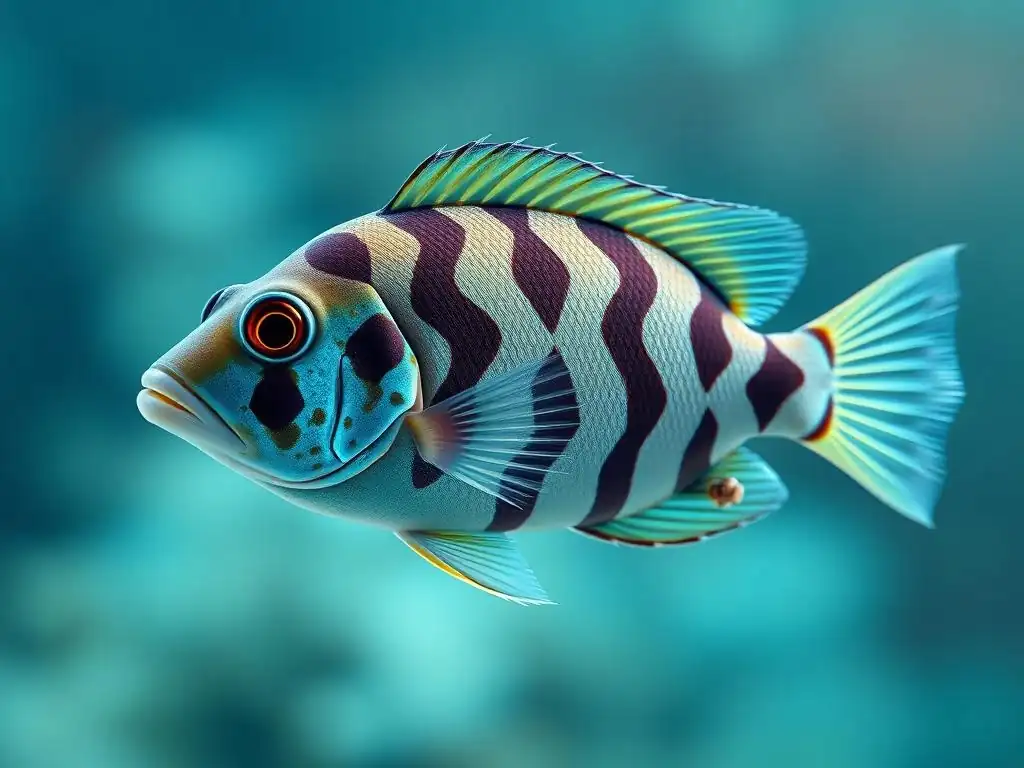
Like many marine fish, Checkerboard Wrasses are susceptible to common saltwater diseases, primarily Marine Ich ( Cryptocaryon irritans, also known as White Spot Disease) and other parasitic infections. Marine Ich manifests as small, white spots resembling salt grains on the fish's body and fins, often accompanied by rapid breathing, scratching against decor, and lethargy. Other common parasites include Brooklynella hostilis (Clownfish Disease) and various flukes, which can cause skin cloudiness, excessive mucus, and loss of appetite.
Stress, often induced by poor water quality, inadequate diet, or incompatible tank mates, significantly weakens their immune system, making them more vulnerable to these pathogens. A well-executed Checkerboard Wrasse tank setup guide emphasizing stable conditions and proper nutrition is the first line of defense against these ailments.
Recognizing Early Signs of Illness: Behavior and Physical Symptoms
Early detection of illness is crucial for successful treatment. Aquarists should regularly observe their Checkerboard Wrasse for any changes in behavior or physical appearance. Key signs to look for include:
- Behavioral Changes: Loss of appetite, hiding excessively, unusual swimming patterns (e.g., darting, gasping at surface, rubbing against rocks), lethargy, or increased aggression.
- Physical Symptoms: White spots (Ich), cloudy eyes, fin rot (frayed fins), excessive mucus production, redness or sores on the body, rapid gill movement, sunken belly, or faded coloration.
Any deviation from their normal active and inquisitive behavior warrants immediate investigation. A healthy Checkerboard Wrasse should be vibrant, active, and eager to eat.
Quarantine Procedures and Effective Treatment Options
A strict quarantine protocol is the most effective method to prevent the introduction of diseases into your main display tank. All new fish, including Checkerboard Wrasses, should be quarantined in a separate tank for at least 3-4 weeks. This allows for observation and prophylactic treatment if necessary. During quarantine, monitor for any signs of disease and treat accordingly.
For Marine Ich, common treatment options include copper-based medications (e.g., Copper Power, Cupramine) or hyposalinity (gradually reducing salinity to 1.008-1.010). For other parasitic infections, specific medications targeting flukes or other protozoans may be required. Always follow manufacturer instructions carefully and monitor water parameters during treatment. A well-prepared Checkerboard Wrasse tank setup guide should always include a plan for a quarantine tank.
Maintaining a Healthy Checkerboard Wrasse Aquarium: A Routine
Regular Water Changes and Comprehensive Water Testing
Consistent water quality is the backbone of a healthy Checkerboard Wrasse aquarium. Regular water changes are paramount, typically 10-20% of the tank volume every 1-2 weeks. This practice replenishes essential trace elements and removes accumulated nitrates and other undesirable compounds. For instance, a 10% weekly water change on a 120-gallon tank means replacing 12 gallons of water, ensuring freshness.
Equally important is comprehensive water testing. Parameters such as temperature, salinity, pH, alkalinity, calcium, magnesium, nitrates, and phosphates should be tested at least weekly. Keeping a log of these readings allows aquarists to identify trends and address any deviations promptly, preventing significant fluctuations that can stress the wrasse.
Monitoring Behavior and Physical Condition for Early Detection
Daily observation of your Checkerboard Wrasse is a simple yet effective tool for maintaining its health. Spend a few minutes each day watching its swimming patterns, interactions with tank mates, and feeding response. A healthy wrasse should be active, alert, and show interest in food. Note any changes in color, fin condition, or the appearance of any spots or lesions.
For example, if your wrasse suddenly starts hiding more than usual or refuses food, it could be an early indicator of stress or illness. Prompt recognition of these subtle signs allows for early intervention, significantly increasing the chances of successful treatment and preventing minor issues from escalating into major health crises.
Ensuring Consistent and Proper Nutrition
A consistent and proper feeding regimen is fundamental to the long-term health of your Checkerboard Wrasse. As outlined in the Checkerboard Wrasse tank setup guide, they require multiple small feedings of a varied, carnivorous diet throughout the day. This prevents malnourishment and keeps their metabolism running efficiently.
Ensure that the food offered is of high quality, appropriately sized, and varied to provide a full spectrum of nutrients. Avoid overfeeding, which can lead to water quality issues, but ensure that the wrasse is getting enough to maintain its active lifestyle and robust physique. A well-fed wrasse is more resilient to disease and exhibits more vibrant coloration.
The Checkerboard Wrasse: Is it the Right Choice for Your Aquarium?
Assessing Your Experience Level with Marine Fishkeeping
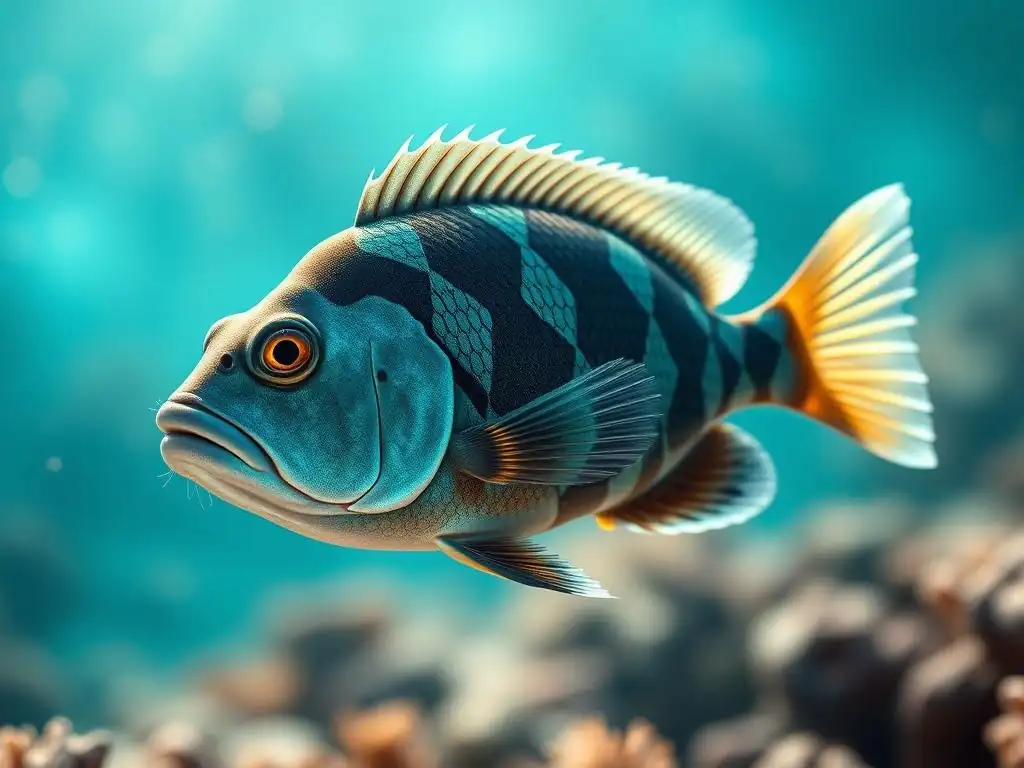
Before committing to a Checkerboard Wrasse, it is crucial to honestly assess your experience level in marine fishkeeping. This species is not recommended for beginners. Their specific needs regarding tank size, water parameters, diet, and potential for territoriality require a solid understanding of saltwater aquarium husbandry. An experienced aquarist, one who has successfully maintained stable reef environments and dealt with common marine fish challenges, is far better equipped to provide the demanding care this species requires.
If you are new to the hobby or have only kept smaller, hardier species, gaining more experience with less challenging fish and tanks is advisable before considering a Halichoeres hortulanus. This self-assessment is a critical step in any responsible Checkerboard Wrasse tank setup guide.
Evaluating the Suitability of Your Existing Tank Setup
Prospective Checkerboard Wrasse owners must objectively evaluate their existing tank setup against the stringent requirements of this species. Does your aquarium meet the minimum 90-gallon volume, with 120 gallons being ideal? Is your filtration system robust enough to handle the bioload and maintain pristine water quality? Do you have at least 3-4 inches of fine sand substrate for burrowing?
If your current setup falls short in any of these areas, significant upgrades or a completely new tank might be necessary. Attempting to house a Checkerboard Wrasse in an unsuitable environment will inevitably lead to stress, health issues, and a significantly shortened lifespan for the fish. A thorough review against the Checkerboard Wrasse tank setup guide's specifications is non-negotiable.
Understanding the Long-Term Responsibilities
Owning a Checkerboard Wrasse is a long-term commitment, potentially spanning 5-7 years or even more with optimal care. This involves not only the initial investment in a large tank and quality equipment but also ongoing costs for high-quality food, salt mix, test kits, and potential medications. Beyond financial considerations, it requires consistent daily observation, regular maintenance, and the ability to troubleshoot issues promptly.
Understanding these long-term responsibilities is vital. Are you prepared to dedicate the time and resources needed for years to come? A responsible aquarist ensures that every aspect of the Checkerboard Wrasse tank setup guide is adhered to consistently throughout the fish's life, providing a stable, enriching, and healthy environment for this magnificent marine creature.
Advanced Checkerboard Wrasse Care: Managing Parasites and Nutrition
Discussing Strategies for Long-Term Parasite Management
Beyond basic quarantine, advanced care for Checkerboard Wrasses includes proactive strategies for long-term parasite management. One such strategy involves the use of a UV sterilizer, sized appropriately for your tank volume (e.g., a 25-watt UV for a 100-gallon tank). A UV sterilizer passes water through a chamber exposed to UV-C light, which can kill free-floating parasites and bacteria, reducing the overall pathogen load in the water column and minimizing the risk of outbreaks.
Another advanced approach is the establishment of a robust refugium within your sump, fostering a thriving population of copepods and amphipods. These micro-crustaceans not only serve as a natural food source for the wrasse, mimicking its wild diet, but also help to outcompete or consume the larval stages of some parasites, further contributing to a naturally healthier system. Regular monitoring of water parameters and avoiding stress are always the best preventative measures.
Addressing Nutritional Deficiencies and Specialized Feeding Techniques
While a varied diet is crucial, advanced Checkerboard Wrasse care also involves recognizing and addressing potential nutritional deficiencies. For instance, a wrasse that appears dull in coloration despite good water quality might benefit from increased carotenoid-rich foods like krill or specialized color-enhancing pellets. If the fish appears thin despite eating, it could indicate internal parasites or a lack of highly digestible protein in its diet, necessitating a shift towards more nutrient-dense options like blackworms or enriched mysis shrimp.
Specialized feeding techniques can also be employed. For very active or shy wrasses, target feeding with a long pipette can ensure they receive adequate nutrition without competition from more aggressive tank mates. Introducing live feeder shrimp (aquacultured, disease-free) periodically can also stimulate their natural hunting instincts and provide a highly nutritious meal, contributing to both physical health and behavioral enrichment, as outlined in the most comprehensive Checkerboard Wrasse tank setup guide.
Conclusion: Ensuring a Long and Healthy Life for Your Checkerboard Wrasse
Recap of Essential Care Requirements for Success
Successfully keeping a Checkerboard Wrasse hinges on a few core principles, meticulously detailed throughout this Checkerboard Wrasse tank setup guide. Foremost among these is the provision of a spacious aquarium, ideally 120 gallons or larger, equipped with robust filtration and a deep, fine sand bed of at least 3-4 inches. Maintaining stable and optimal water parameters, including temperature between 72-78°F and salinity of 1.023-1.026, is non-negotiable for their long-term health.
Equally vital is a diverse and carnivorous diet, offered in multiple small feedings throughout the day, complemented by a carefully selected array of peaceful yet robust tank mates. Adherence to strict quarantine procedures for all new inhabitants and diligent daily observation for signs of stress or illness are also critical. Mastering these elements ensures a thriving environment for this captivating species.
Promoting Responsible and Ethical Fishkeeping Practices
Ultimately, providing a long and healthy life for your Checkerboard Wrasse is a testament to responsible and ethical fishkeeping practices. This means understanding and committing to the specific, demanding requirements of Halichoeres hortulanus before bringing one home. It involves continuous learning, proactive maintenance, and a willingness to adapt your aquarium setup to meet their evolving needs.
By following this comprehensive Checkerboard Wrasse tank setup guide and prioritizing the well-being of your fish, you contribute not only to the success of your own aquarium but also to the broader hobby's commitment to animal welfare. The beauty and engaging personality of the Checkerboard Wrasse are a rewarding experience for the dedicated aquarist who provides them with the exceptional care they deserve.
Frequently Asked Questions
How large of a tank is required for a Checkerboard Wrasse?
Checkerboard Wrasses need a very large tank due to their size and active nature. A minimum of 125 gallons is generally recommended, but larger tanks are preferable.
What type of substrate is best for a Checkerboard Wrasse?
A deep sand bed is essential. This allows them to bury themselves at night or when feeling threatened, which is a natural behavior.
Are Checkerboard Wrasses reef safe?
No, Checkerboard Wrasses are not considered reef safe. They may prey on invertebrates like small crustaceans, shrimp, and snails.
What should I feed my Checkerboard Wrasse?
They need a varied diet including meaty foods. Offer things like mysis shrimp, brine shrimp, and high-quality marine flakes or pellets several times a day.
What are some common health issues to watch out for with Checkerboard Wrasses?
They are generally hardy, but can be susceptible to ich and other parasites, especially during acclimation. Proper quarantine procedures and stable water parameters are crucial for their health.
Okay, here's a final reflection you can use for your article, "Checkerboard Wrasse (Halichoeres hortulanus): Big Personality, Big Tank Requirements," optimized for the keyword "Checkerboard Wrasse tank setup guide" and following the structure you provided:
Final Reflection: Embracing the Wrasse's Wild Spirit
The journey of understanding the Checkerboard Wrasse, as we've explored, is more than just mastering a Checkerboard Wrasse tank setup guide. It's about appreciating the vibrant personality and respecting the significant commitment required to provide a thriving environment for this magnificent fish. The information presented underscores the importance of responsible aquarium keeping, moving beyond mere aesthetics to prioritize the well-being of these captivating creatures.
The Checkerboard Wrasse, with its bold patterns and dynamic behavior, serves as a constant reminder of the beauty and complexity of marine ecosystems. My hope is that this guide inspires a deeper appreciation for the delicate balance within our oceans and encourages aquarists to approach their hobby with a sense of stewardship. As the renowned marine biologist Sylvia Earle once said: No water, no life. No blue, no green.
This quote encapsulates the profound connection between the health of our oceans and the well-being of all life on Earth, including the Checkerboard Wrasse and its captive environment.
Now, as you embark on, or continue, your journey with the Checkerboard Wrasse, I invite you to reflect on the principles we've discussed. Consider not just the technical aspects of tank setup, but the ethical responsibility you hold to provide a stimulating and enriching life for this remarkable fish. Let this guide be a starting point, a foundation upon which you build a thriving ecosystem that honors the wild spirit of the Checkerboard Wrasse and contributes to a more sustainable future for our oceans.
Unleash the Vibrant Reef Keeper Within!
Thank you for diving into the world of the Checkerboard Wrasse with us! We hope you’ve gained valuable insights into the care and captivating personality of this fish. Now it's time to take the next step.
Here’s how you can further your journey:
- Plan your ideal Checkerboard Wrasse habitat: Carefully consider the tank size and aquascape needed to create a thriving environment.
- Share this article with a fellow reef enthusiast who's captivated by these vibrant fish, sparking a discussion about their compatibility and care!
- Explore our other articles on reef-safe fish to build the perfect community tank – discover which species thrive alongside the Checkerboard Wrasse.
What's the first element you will incorporate into your dream Checkerboard Wrasse tank aquascape?