
Top 5 ReefSafe Tangs for Algae Control Without Damaging Corals

Welcome to Aquarium Mastery!
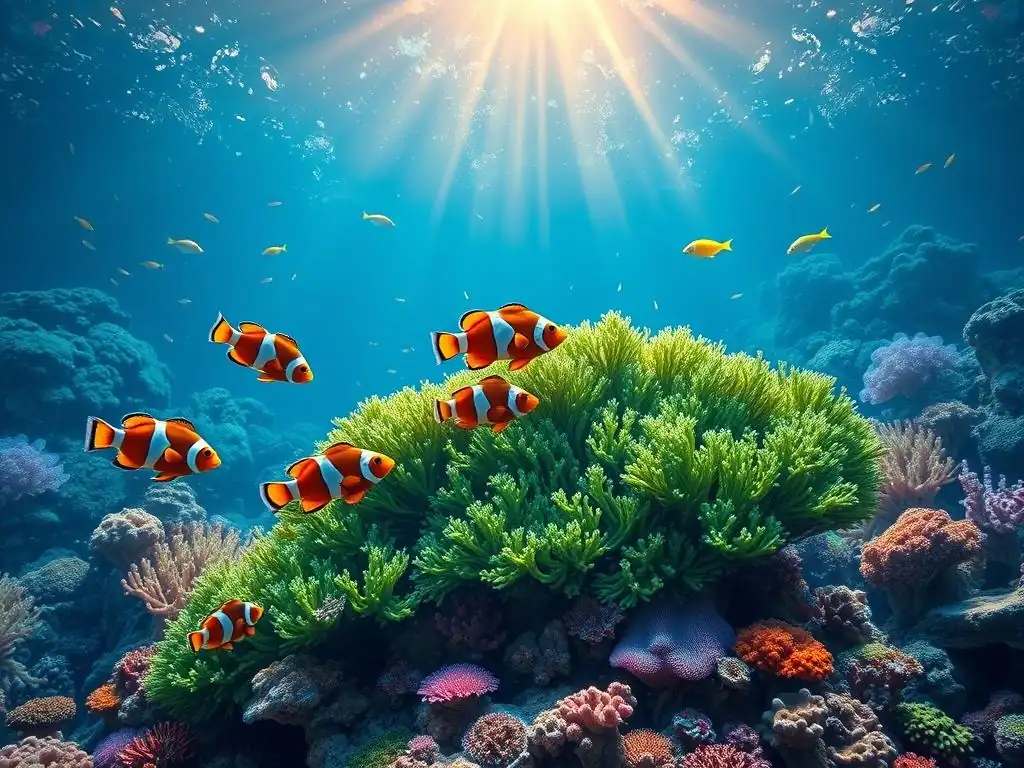
Ever wondered if there's a natural, reef-safe way to keep algae at bay in your saltwater aquarium? You're in the right place! Dive in to discover our top 5 ReefSafe tangs that can help you achieve pristine algae control without harming your precious corals. Curious to know which tangs made the list and how they can benefit your reef environment? Let's explore!
- Introduction: Achieving Algae Control in Reef Aquariums with Reef-Safe Tangs
- Selecting the Right Tang: Key Considerations for Reef Tank Compatibility
-
Top 5 Reef-Safe Tang Species for Algae Control
- 1. The Yellow Tang (Zebrasoma flavescens): A Reef Aquarium Staple
- 2. The Kole Tang (Ctenochaetus strigosus): The Ultimate Detritus and Algae Vacuum
- 3. The Tomini Tang (Ctenochaetus tominiensis): A Peaceful and Effective Algae Grazer
- 4. The Bristletooth Tang (Ctenochaetus spp. ): A Versatile Algae Eating Option
- 5. The Scopas Tang (Zebrasoma scopas): A Hardy and Reliable Algae Controller
- Maintaining a Healthy Reef Aquarium with Tangs for Algae Control
- Avoiding Common Mistakes When Keeping Tangs in Reef Aquariums
- Conclusion: Mastering Algae Control with Reef-Safe Tangs for a Thriving Reef Aquarium
-
Frequently Asked Questions
- What are ReefSafe tangs, and why are they important for a reef aquarium?
- How do ReefSafe tangs contribute to algae control in a reef aquarium?
- Are all tangs suitable for a reef aquarium focused on coral health and algae control?
- What factors should I consider when selecting a ReefSafe tang for algae control in my specific reef tank?
- Besides ReefSafe tangs, what other methods can I use to control algae in my reef aquarium?
- Final Reflection: Sustaining Harmony in Our Reefs
- Ignite Your Reef Tank's Health!
Introduction: Achieving Algae Control in Reef Aquariums with Reef-Safe Tangs
Understanding the Role of Tangs in Reef Ecosystems
Tangs, also known as surgeonfish, play a crucial ecological role in natural coral reef ecosystems. As primary herbivores, their main function is to graze on various forms of algae, preventing overgrowth that could otherwise smother corals and compete for light and space. In the wild, a single tang can spend hours each day meticulously browsing rocky substrates, consuming significant amounts of macroalgae and microalgae, thereby contributing directly to the health and biodiversity of the reef.
In a closed aquarium system, this natural grazing behavior translates into a highly effective method of algae control. By introducing appropriate tang species, aquarists can harness these fish to keep nuisance algae in check, reducing the need for manual cleaning and chemical interventions. Their continuous grazing helps maintain a balanced ecosystem, mimicking the natural processes found on vibrant coral reefs and ensuring a cleaner, more aesthetically pleasing environment for corals and other inhabitants.
The Importance of Reef-Safe Algae Eaters
The term "reef-safe" is paramount when selecting any inhabitant for a coral reef aquarium, especially for algae eaters. While many fish consume algae, some species may also develop a taste for expensive and delicate corals, nipping at polyps or even consuming entire colonies, particularly if their primary food source is scarce or their diet is not adequately supplemented. This can lead to significant financial loss and disrupt the delicate balance of a thriving reef tank.
Therefore, focusing on ReefSafe tangs algae control is essential. These specific tang species are known for their strict herbivorous diets and their tendency to graze on undesirable nuisance algae (such as diatoms, green hair algae, and cyanobacteria) without harming the stony or soft corals that define a reef aquarium. Selecting truly reef-safe tangs ensures that the aquarium remains a pristine and healthy environment where corals can flourish undisturbed, making them invaluable assets for long-term reef success.
Selecting the Right Tang: Key Considerations for Reef Tank Compatibility
Evaluating Tang Temperament and Tank Size Requirements
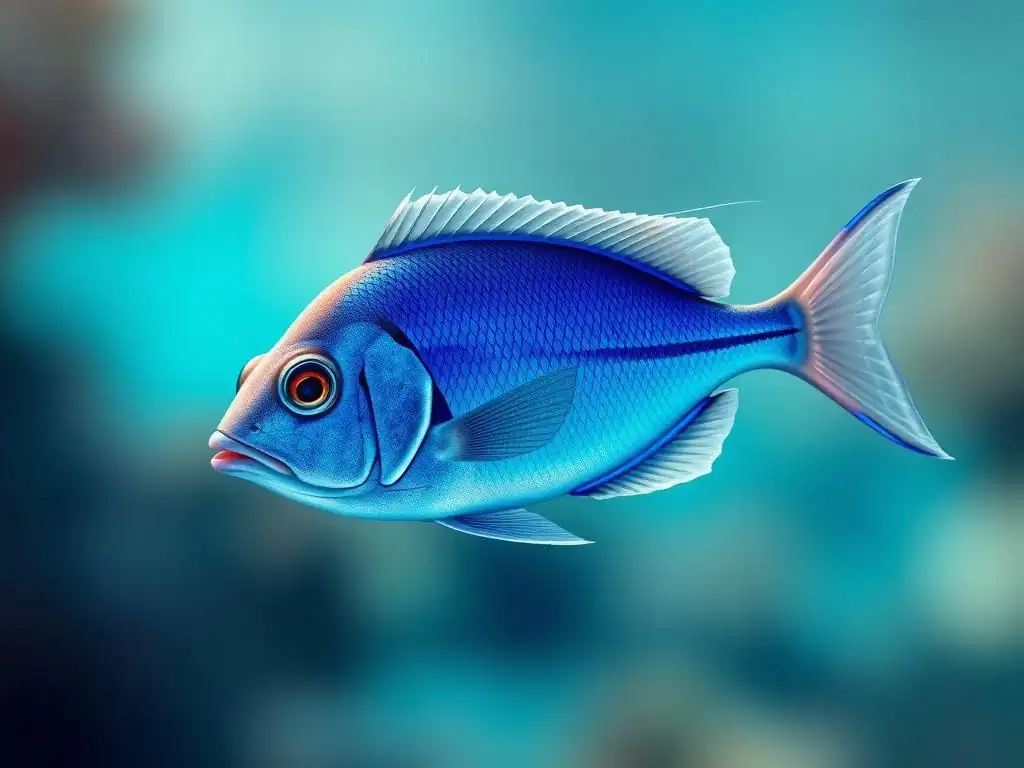
Tangs are active, open-water swimmers that require substantial space to thrive. While some smaller species might temporarily tolerate tanks as small as 70-75 gallons, a minimum of 100-120 gallons is generally recommended for most common tang species to ensure adequate swimming room and reduce stress. Larger species, such as the Achilles Tang or Sohal Tang, require tanks of 180 gallons or more. Inadequate space can lead to stunted growth, increased aggression, and a higher susceptibility to diseases like marine ich.
Temperament also varies significantly among tang species. Some, like the Kole Tang, are relatively peaceful, while others, such as the Yellow Tang or Scopas Tang, can be territorial, especially towards conspecifics or fish with similar body shapes. It is crucial to research the specific temperament of your chosen tang and plan tank mates carefully to avoid conflict. Introducing tangs as the last fish or simultaneously with other tangs in a large system can help mitigate aggression.
Identifying Coral-Friendly Algae Grazers
Not all tangs exhibit the same level of reef-safety, and some species are known to occasionally nip at corals, especially if underfed or if natural algae sources in the tank are depleted. The most reliable coral-friendly tangs are typically those with specialized brush-like teeth (e.g., Ctenochaetus species like the Kole Tang or Tomini Tang) which are adapted for scraping microalgae and detritus from surfaces, rather than tearing at macroalgae.
When considering ReefSafe tangs algae control, prioritize species with a well-documented history of peaceful coexistence with corals. While Zebrasoma species (like the Yellow Tang or Scopas Tang) are generally considered reef-safe, ensuring they receive a consistent and varied diet of plant-based foods is crucial to prevent any opportunistic nipping. Avoiding species known for occasional coral nipping, such as certain Acanthurus species, is a wise precaution for a dedicated reef system.
Top 5 Reef-Safe Tang Species for Algae Control
1. The Yellow Tang (Zebrasoma flavescens): A Reef Aquarium Staple
Yellow Tang Care Requirements and Diet
The Yellow Tang ( Zebrasoma flavescens), native to the clear waters around Hawaii and other Pacific islands, is perhaps the most iconic and popular tang in the aquarium hobby. These vibrant yellow fish require a minimum tank size of 75 gallons, though 100 gallons or more is ideal for their long-term health, as they can reach up to 8 inches in length. Their diet is predominantly herbivorous, consisting of filamentous algae, diatoms, and some forms of cyanobacteria found on live rock and tank surfaces.
To ensure optimal health and prevent any potential coral nipping, their diet must be supplemented regularly with high-quality dried seaweed (nori) fed 3-4 times a week, along with spirulina flakes or pellets. Water parameters should be typical for a reef tank: temperature 74-82°F, salinity 1.023-1.026 specific gravity, and a stable pH of 8.1-8.4. Yellow Tangs are generally peaceful with most other fish species but can be territorial towards other tangs, especially those of similar shape or color. They can live over 10 years in a well-maintained system.
Yellow Tang Algae Consumption and Reef Impact
Yellow Tangs are highly effective at ReefSafe tangs algae control, making them invaluable for maintaining a clean and healthy reef aquarium. Their constant grazing activity helps keep green hair algae, film algae, and diatoms in check on live rock, sand beds, and aquarium glass. By continuously browsing, they prevent these nuisance algae from establishing a firm foothold and potentially outcompeting or smothering delicate corals.
Beyond their direct consumption of algae, their impact extends to maintaining overall nutrient balance within the tank. As they consume algae, they convert excess nutrients (like nitrates and phosphates) into biomass, which is then processed by the filtration system or removed during water changes. This contributes significantly to a more stable and pristine reef environment, reducing the likelihood of widespread algal blooms and promoting optimal coral growth.
2. The Kole Tang (Ctenochaetus strigosus): The Ultimate Detritus and Algae Vacuum
Kole Tang Specific Care and Feeding Habits
The Kole Tang ( Ctenochaetus strigosus), also known as the Yellow Eye Kole Tang, is a smaller, more peaceful tang originating from the Indo-Pacific. They typically reach a maximum size of about 6 inches and require a minimum tank size of 70 gallons. What sets the Kole Tang apart is its unique feeding strategy: armed with specialized brush-like teeth, they are primarily detritivores and microalgae grazers, meticulously scraping diatoms, cyanobacteria, and fine detritus from rocks and sand.
Their diet should be supplemented with high-quality prepared foods, including spirulina flakes, marine pellets, and occasional sheets of nori. Unlike many other tangs, they are less inclined to consume larger strands of macroalgae. Kole Tangs are renowned for their peaceful temperament, making them an excellent choice for community reef tanks. They rarely show aggression towards other fish, even other tangs of different genera, and can live for 5-7 years or more with proper care.
Kole Tang's Role in Biofilm and Algae Management
The Kole Tang is an exceptional choice for ReefSafe tangs algae control due to its specialized feeding on biofilm and fine film algae. While other tangs might focus on more visible hair algae, the Kole Tang diligently polishes live rock and sand surfaces, preventing the accumulation of unsightly brown or green film that often plagues new or unbalanced tanks. Their continuous grazing action effectively manages the invisible layers of microalgae and bacteria that form on every surface.
Their unique feeding habits make them invaluable for maintaining water clarity and reducing the overall organic load in the aquarium. By consuming these microscopic layers, they help prevent the proliferation of nuisance algae at its earliest stages. This proactive approach to algae management contributes significantly to a cleaner, clearer, and healthier reef environment, making the Kole Tang a highly sought-after natural cleaning crew member.
3. The Tomini Tang (Ctenochaetus tominiensis): A Peaceful and Effective Algae Grazer
Tomini Tang Temperament and Tank Mates
The Tomini Tang ( Ctenochaetus tominiensis), hailing from the reefs of Indonesia, is another excellent choice for smaller reef systems, typically growing to about 5-6 inches. A minimum tank size of 70 gallons is suitable, with 90+ gallons being ideal for long-term health and activity. The Tomini Tang is well-regarded for its generally peaceful temperament, making it one of the less aggressive tang species available to hobbyists.
They are compatible with a wide array of reef inhabitants, including most corals, invertebrates, and peaceful to semi-aggressive fish. Unlike many Zebrasoma tangs, Tomini Tangs are less prone to aggression towards other tangs, especially if they are of different genera. This makes them a viable option for multi-tang setups in larger aquariums (e.g., 120 gallons or more), provided they are introduced carefully and simultaneously with other tangs.
Tomini Tang Algae Control Capabilities
The Tomini Tang is a highly effective grazer for ReefSafe tangs algae control, specializing in consuming filamentous algae, diatoms, and cyanobacteria. Their constant browsing helps keep live rock and substrate clean, preventing the establishment and spread of many common nuisance algal blooms. They spend their days meticulously picking at surfaces, ensuring a continuous effort against unwanted algae.
Their consistent and thorough grazing action significantly reduces the need for manual scrubbing of rocks and glass. By consuming microalgae and detritus throughout the day, the Tomini Tang contributes to a more stable and pristine reef environment, making it an excellent natural solution for maintaining a clean and vibrant display. Their diligent work helps to showcase the true beauty of corals and other reef inhabitants.
4. The Bristletooth Tang (Ctenochaetus spp. ): A Versatile Algae Eating Option
Bristletooth Tang Varieties and their Algae-Grazing Preferences
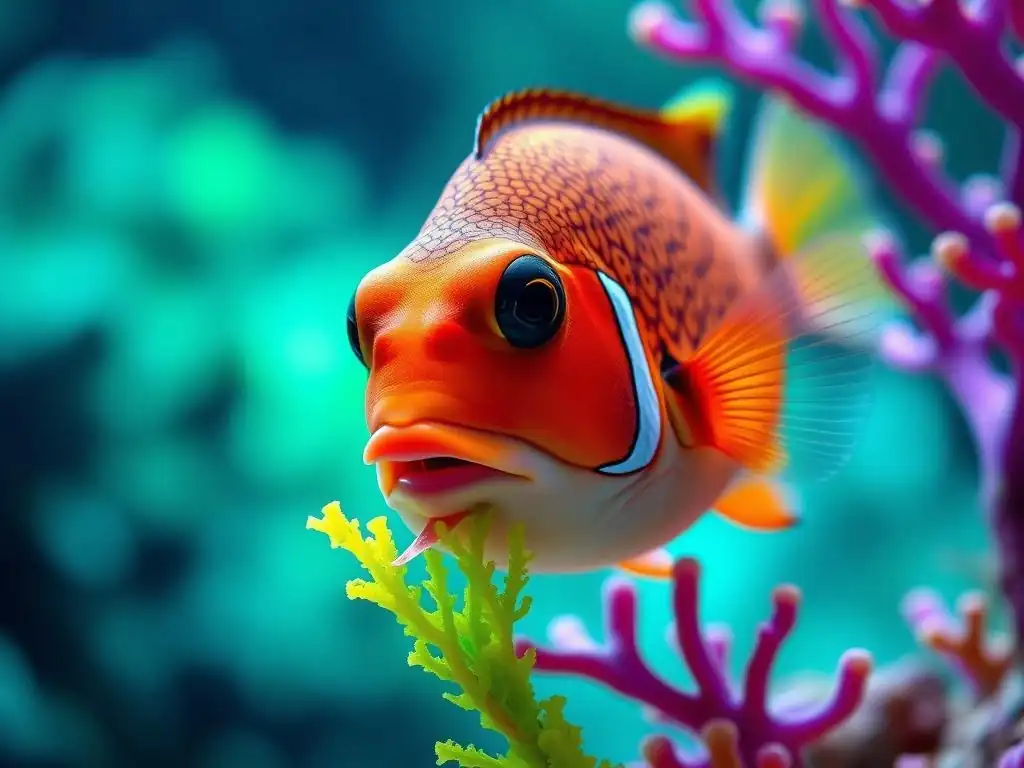
The term "Bristletooth Tang" refers to several species within the Ctenochaetus genus, including the Kole Tang ( C. strigosus), Tomini Tang ( C. tominiensis), Chevron Tang ( C. hawaiiensis), Twospot Tang ( C. binotatus), and others. All members of this group share the characteristic "bristletooth" mouth structure, which consists of numerous fine, movable teeth adapted for scraping microalgae, diatoms, and detritus from surfaces. While they vary in color and adult size, their primary diet and feeding behavior are similar.
For instance, the Chevron Tang ( C. hawaiiensis) is highly prized for its intense grazing on film algae and diatoms, though it requires a larger tank (minimum 120 gallons) due to its potential size of 10 inches and active nature. These tangs are exceptional for ReefSafe tangs algae control because their feeding mechanism specifically targets the unsightly brown and green films that can quickly cover live rock and sand, making them ideal for maintaining pristine reef conditions.
Considerations for Keeping Bristletooth Tangs in Reef Tanks
When keeping Bristletooth Tangs, providing ample live rock with plenty of surfaces for grazing and hiding is crucial. While generally peaceful, they can be shy initially and benefit from a well-established tank with stable conditions. Tank size is a primary consideration; although some species like the Kole and Tomini are relatively small, others like the Chevron Tang grow much larger and need significantly more space to thrive, typically 6-foot tanks or larger.
Their continuous grazing habits make them invaluable for long-term algae management in reef aquariums. Ensuring a consistent supply of supplemental foods, such as high-quality spirulina flakes, pellets, and occasional nori, is vital to their health and effectiveness. Bristletooth Tangs are among the most reliable choices for natural ReefSafe tangs algae control, contributing to a healthy and visually appealing reef without posing a threat to corals.
5. The Scopas Tang (Zebrasoma scopas): A Hardy and Reliable Algae Controller
Scopas Tang Care and Tank Environment
The Scopas Tang ( Zebrasoma scopas), also known as the Brown Tang, is a hardy and adaptable species found throughout the Indo-Pacific. They can grow up to 8 inches in length and require a minimum tank size of 75 gallons, with 100 gallons or more being preferable to accommodate their active swimming habits. Scopas Tangs are known for their resilience and ability to thrive in a range of reef conditions, making them a good choice for both novice and experienced aquarists.
Like other Zebrasoma tangs, their diet is predominantly herbivorous, consisting of filamentous algae, diatoms, and some macroalgae. Daily supplementation with high-quality dried seaweed (nori) and vegetable-based pellets or flakes is essential to meet their nutritional needs and maintain their health. They are generally peaceful with other fish species but can exhibit territorial behavior towards other tangs, particularly those of similar shape.
Scopas Tang Algae Removal Efficiency
The Scopas Tang is an excellent choice for ReefSafe tangs algae control due to its consistent and vigorous grazing. They are particularly effective at keeping green hair algae and film algae on live rock and aquarium glass in check. Their active browsing throughout the day significantly reduces the need for manual algae removal, helping to maintain a clean and aesthetically pleasing reef environment.
While generally considered reef-safe, like all Zebrasoma tangs, it is important to ensure they are well-fed to minimize any potential for opportunistic coral nipping, which is rare but can occur if the fish is starved. Their hardiness, active nature, and relentless grazing make them a valuable addition to any reef aquarium looking for a natural and reliable solution to algae management.
Maintaining a Healthy Reef Aquarium with Tangs for Algae Control
Proper Acclimation and Quarantine Procedures for New Tangs
The successful introduction of new tangs into a reef aquarium hinges on proper acclimation and quarantine procedures. Drip acclimation, slowly introducing tank water into the bag over 1-2 hours, minimizes stress from sudden changes in water parameters like temperature, salinity, and pH. This gradual transition is crucial for the fish's immediate well-being and long-term health.
Even more vital is a dedicated quarantine tank (QT) for new fish. A QT setup allows new tangs to be observed for at least 3-4 weeks for signs of disease (e.g., marine ich, velvet, bacterial infections) and treated if necessary, preventing the introduction of pathogens into the main display tank where they could devastate existing fish and coral populations. During quarantine, ensure the tang is eating prepared foods, building strength and resilience before entering the display tank.
Supplementing Tang Diets to Prevent Coral Grazing
While the tangs listed are generally considered reef-safe, a hungry tang may occasionally nip at corals out of desperation or curiosity, especially if natural algae sources in the tank are scarce. To prevent this, a consistent and varied diet is paramount. Supplement their grazing with high-quality dried seaweed (nori or spirulina sheets) offered daily or every other day, along with quality marine pellets and frozen herbivore foods (e.g., spirulina brine shrimp, mysis shrimp).
Feeding your tangs 2-3 times daily ensures they receive ample nutrition and reduces their inclination to sample corals. This consistent feeding not only keeps them away from your prized corals but also provides essential vitamins and minerals that might not be fully met by tank algae alone, promoting vibrant coloration, strong immune systems, and overall longevity. A well-fed tang is a happy and non-destructive tang, making ReefSafe tangs algae control truly effective.
Monitoring Water Quality and Algae Growth
Tangs are excellent allies in algae control, but they are not a substitute for proper water quality management. Persistent algae growth, even with the presence of tangs, often indicates an underlying nutrient imbalance. Regular testing of key water parameters such as nitrates and phosphates is crucial; levels consistently above 5 ppm for nitrates and 0.03 ppm for phosphates can fuel excessive algae growth, overwhelming even the most diligent grazers.
Observe the type and amount of algae growth. If nuisance algae continues to proliferate, it suggests that the nutrient export methods (e.g., protein skimming, water changes, refugiums, GFO) are insufficient. Addressing the root cause of the algae issue through improved filtration, reduced feeding, or increased water changes, in conjunction with the tangs' grazing efforts, provides the most effective and sustainable ReefSafe tangs algae control.
Avoiding Common Mistakes When Keeping Tangs in Reef Aquariums
Overcrowding and Territorial Aggression
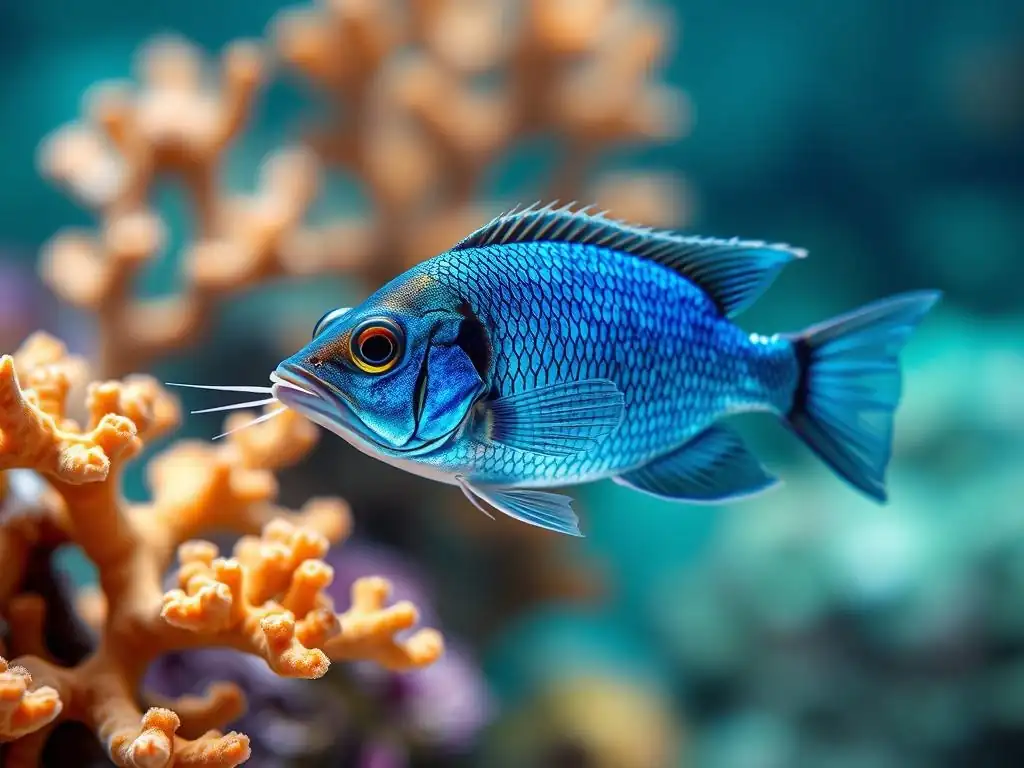
One of the most common pitfalls in keeping tangs is overcrowding. Tangs are territorial fish, especially towards conspecifics or fish with similar body shapes. Placing too many tangs in a tank that is too small can lead to severe stress, constant fin nipping, and even fatalities due to aggression. A general guideline is to allow at least 75-100 gallons per tang, depending on the species, with larger tanks needed for multiple tangs.
If multiple tangs are desired, it's best to introduce them simultaneously or add smaller, more peaceful species first, followed by larger or more aggressive ones. Providing ample hiding spots and visual breaks in the rockwork can also help mitigate aggression. Constant stress from overcrowding not only affects the tangs' well-being but also weakens their immune systems, making them highly susceptible to common marine diseases like marine ich.
Inadequate Tank Size and Swimming Space
Tangs are highly active swimmers, accustomed to covering vast distances in the wild. Restricting them to a tank that is too small for their natural activity level can lead to stress, stunted growth, and a noticeable dulling of their vibrant colors. A 4-foot long tank (e.g., 75 gallons) is generally considered the absolute minimum for smaller tang species, but a 6-foot long tank (120+ gallons) is significantly better and often recommended for most species to ensure adequate swimming space.
Lack of sufficient swimming space can also exacerbate territorial issues and reduce the tangs' effectiveness as algae grazers, as they become lethargic or stressed. Providing open swimming areas along with plenty of live rock for grazing and hiding is crucial for their physical and psychological health, allowing them to perform their role in ReefSafe tangs algae control effectively and thrive for many years.
Choosing Incompatible Tank Mates
While tangs are generally peaceful towards most non-tang species, careful consideration of tank mates is essential. Avoid pairing tangs with overly aggressive fish that might bully them, leading to chronic stress and disease. Similarly, extremely timid fish might be stressed by the constant, active movement of tangs. Researching the compatibility of all intended inhabitants is a critical step in planning a harmonious reef aquarium.
Furthermore, ensure that other herbivorous tank mates do not directly compete with the tangs for food, which could lead to starvation for one or both species, or increased aggression over limited resources. For example, too many large blennies or rabbitfish in a smaller tank with a tang could lead to food scarcity. A balanced community, where each species has adequate space and food resources, is key to a thriving and stable reef ecosystem.
Conclusion: Mastering Algae Control with Reef-Safe Tangs for a Thriving Reef Aquarium
The Benefits of Natural Algae Control with Tangs
Incorporating ReefSafe tangs algae control into a reef aquarium offers numerous benefits, providing a natural, continuous, and highly effective method for managing nuisance algae. These diligent grazers significantly reduce the need for manual scrubbing and reliance on chemical algae removers, which can sometimes have unintended side effects on a delicate reef ecosystem. By mimicking the ecological roles of tangs in wild reefs, aquarists can achieve a more stable and aesthetically pleasing environment.
Their constant grazing activity helps prevent algal overgrowth, which can suffocate corals, block light, and detract from the beauty of the tank. The presence of these specialized herbivores contributes to a healthier overall ecosystem by maintaining nutrient balance and ensuring that corals can flourish without competition from undesirable algae. This natural approach not only simplifies maintenance but also leads to a more vibrant and thriving reef aquarium.
Further Resources for Reef Aquarium Keeping
Mastering algae control with reef-safe tangs is a significant step towards a successful reef aquarium, but it is part of a broader commitment to responsible husbandry. For those looking to deepen their understanding, further resources on advanced reef aquarium keeping are invaluable. Exploring comprehensive guides on coral specific care, detailed fish profiles, and in-depth articles on water chemistry optimization (e.g., alkalinity, calcium, magnesium stability) can significantly enhance long-term success.
Continuous learning is key to maintaining a thriving marine ecosystem. Resources covering topics such as nutrient export strategies (like refugiums and biopellets), disease prevention and treatment protocols, and proper filtration techniques provide the foundational knowledge for a truly successful reef tank. A well-informed approach ensures the well-being of all marine inhabitants and the sustained beauty of your underwater world.
Frequently Asked Questions
What are ReefSafe tangs, and why are they important for a reef aquarium?
ReefSafe tangs are species of tangs that are known to consume algae without typically nipping at or damaging corals. They are important because they can help control algae growth in a reef tank, keeping it healthy and visually appealing.
How do ReefSafe tangs contribute to algae control in a reef aquarium?
These tangs are natural grazers that constantly pick at algae growing on rocks, substrate, and even glass. This behavior significantly reduces algae blooms and helps maintain a balanced ecosystem within the aquarium.
Are all tangs suitable for a reef aquarium focused on coral health and algae control?
No, not all tangs are reef safe. Some species are known to nip at corals, especially soft corals and LPS corals. It's crucial to choose ReefSafe varieties to avoid damaging your coral colonies.
What factors should I consider when selecting a ReefSafe tang for algae control in my specific reef tank?
Consider the tank size, as tangs need ample swimming space. Also, research the specific temperament of the tang and its compatibility with your existing fish and coral species, and its algae eating habits.
Besides ReefSafe tangs, what other methods can I use to control algae in my reef aquarium?
Other methods include maintaining proper water parameters, using a protein skimmer, performing regular water changes, introducing other algae-eating invertebrates (like snails and crabs), and ensuring adequate lighting duration and intensity.
Final Reflection: Sustaining Harmony in Our Reefs
The delicate balance within a reef aquarium is a constant dance, and as we've explored the vital role of reef-safe tangs in algae control, it's clear that responsible reef keeping is more crucial than ever. The increasing popularity of reef aquariums demands a deeper understanding of how our choices impact these miniature ecosystems, ensuring their health and longevity for years to come.
This journey into the world of tangs has highlighted the importance of informed decisions and ethical practices. My own fascination with reef aquariums stems from a deep respect for the intricate web of life they contain, and I believe that understanding the needs of each inhabitant is paramount. In the end, we will conserve only what we love; we will love only what we understand; and we will understand only what we are taught.
- Baba Dioum. This quote perfectly encapsulates the responsibility we bear as custodians of these fragile environments.
As you consider adding a tang to your reef aquarium, remember the lessons we've learned together. Choose wisely, research thoroughly, and prioritize the well-being of your aquatic companions. Let's strive to create thriving, balanced ecosystems where both corals and tangs can flourish, ensuring the beauty and wonder of reef aquariums endure for generations to come.
Ignite Your Reef Tank's Health!
Thanks for diving deep into the world of reef-safe tangs! You've now got the knowledge to choose the perfect algae-eating companion for a thriving coral ecosystem. Ready to take action?
Here's how to get started:
- Identify your reef tank's specific algae issue and select a tang species known to target that type. This is your primary action for lasting success.
- Explore the local fish stores or reputable online vendors to check for the availability of your chosen tang, ensuring they practice responsible sourcing.
- Share this article with fellow reefing enthusiasts and start a conversation about your plans or experiences with tangs in algae control.
What unique feeding strategies will you implement to ensure your tang is happy and healthy in your reef tank?