
Choosing the Right Tank Size for Your Specific Moray Eel Species

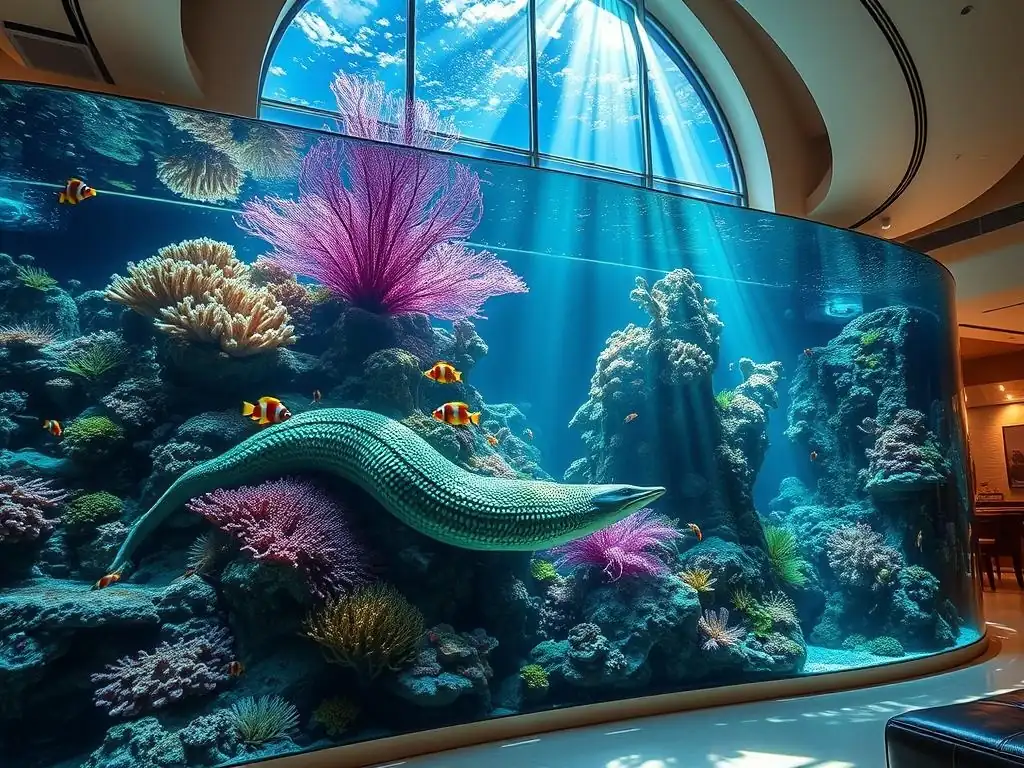
Welcome to Aquarium Mastery, where we transform aquarium dreams into vibrant realities!
Ever wondered if your dream of owning a moray eel could actually fit in your living room? Dive into our expert guide on " Moray Eel Tank Size" and unlock the secrets to providing the perfect aquatic haven for these fascinating creatures. Discover the crucial factors that determine the ideal dimensions for different species, ensuring a healthy and thriving environment. Are you ready to make an informed choice and set up the ultimate moray eel paradise? Let's explore!
- Understanding the Importance of Adequate Moray Eel Tank Size
- Determining the Ideal Moray Eel Tank Size: Key Factors
- Recommended Moray Eel Tank Sizes by Species
- Calculating Moray Eel Tank Volume: A Practical Guide
- Beyond Minimums: Creating an Optimal Moray Eel Habitat
- Upgrading Your Moray Eel Tank: When and Why
- The Long-Term Benefits of Providing Appropriate Moray Eel Tank Size
-
Frequently Asked Questions
- How crucial is the tank size when considering keeping a Moray Eel?
- What's the minimum tank size requirement for a smaller Moray Eel species, like the Snowflake Moray?
- How does the adult size of a Moray Eel affect the necessary tank size?
- Besides the eel's size, what other factors influence the ideal tank size?
- What happens if a Moray Eel is kept in a tank that is too small?
- Final Reflection: Embracing the Responsibility of Moray Eel Keeping
- Dive Deeper: Unleash Your Moray Expertise!
Understanding the Importance of Adequate Moray Eel Tank Size
Why Moray Eel Tank Dimensions Matter for Their Well-being
The dimensions of a moray eel's tank are paramount to its long-term health and psychological well-being. Unlike many other aquarium inhabitants, moray eels are elongated, powerful, and often territorial predators that require specific spatial arrangements to thrive. An appropriately sized moray eel tank accommodates their full adult length, allowing them to stretch, navigate complex rockwork, and engage in natural behaviors such as hunting and exploring without feeling confined. This crucial space prevents physical deformities like spinal curvature or fin damage that can arise from constantly being cramped.
Furthermore, a generous moray eel tank size provides crucial dilution for metabolic waste products, contributing to more stable water parameters. Eels, especially larger species, produce a significant bio-load, and a larger volume of water acts as a buffer against rapid fluctuations in ammonia, nitrite, and nitrate levels. This stability reduces stress on the animal's immune system, making it less susceptible to disease and ensuring a healthier, more robust life within the aquarium environment.
The Impact of Inadequate Space on Moray Eel Health and Behavior
Housing a moray eel in an undersized environment can lead to a cascade of detrimental health and behavioral issues. Physically, inadequate moray eel tank size often results in stunted growth, where the eel fails to reach its species' natural adult length, and can cause chronic stress leading to fin erosion, skin lesions, and a weakened immune system, making them highly vulnerable to bacterial infections and parasitic infestations. The constant physical constraint can also lead to chronic stress, which suppresses appetite and can result in severe weight loss or even organ damage over time.
Behaviorally, a confined moray eel may exhibit heightened aggression, either towards tank mates or even its own reflection, leading to injury. Lethargy, constant attempts to escape the tank, or repetitive pacing behaviors are clear indicators of severe stress due to insufficient space. Such behaviors not only detract from the enjoyment of keeping these magnificent creatures but also significantly reduce their lifespan and overall quality of life. Providing the correct moray eel tank size is not merely about survival but about allowing these fascinating fish to flourish.
Determining the Ideal Moray Eel Tank Size: Key Factors
Moray Eel Species and Their Specific Space Requirements
The vast diversity within the Muraenidae family means that a "one size fits all" approach to moray eel tank size is entirely inappropriate. Moray eels range dramatically in adult length, from the smaller, more docile species like the Snowflake Eel (Echidna nebulosa) that might reach 24-30 inches, to the colossal Green Moray (Gymnothorax funebris) which can exceed 6 feet and require institutional-sized aquariums. Each species has unique space requirements dictated by its maximum adult size, its general activity level, and its natural hunting and dwelling behaviors.
Understanding these species-specific needs is the cornerstone of providing an ideal habitat. For instance, a species that primarily ambushes prey from crevices will still need sufficient length within its hiding spots and room to maneuver, whereas a more active, free-swimming species will demand greater open swimming space. Therefore, selecting the appropriate moray eel tank size must begin with thoroughly researching the specific species you intend to keep and its full adult potential, rather than its current juvenile size.
Common Moray Eel Species and Their Adult Sizes
When considering a moray eel for a home aquarium, aquarists typically encounter a few common species, each with distinct size profiles. The Snowflake Moray Eel ( Echidna nebulosa) is perhaps the most popular, generally reaching an adult length of 24 to 30 inches (approximately 60-75 cm). The Zebra Moray Eel ( Gymnomuraena zebra) is another favorite, known for its distinctive banding and reaching lengths of 36 to 48 inches (90-120 cm).
Larger species sometimes seen in the trade include the Fimbriated Moray Eel ( Gymnothorax fimbriatus), which can grow to 36-48 inches (90-120 cm), and the majestic Green Moray Eel ( Gymnothorax funebris), which is one of the largest species, regularly exceeding 60 inches (150 cm) and sometimes reaching over 8 feet (240 cm) in the wild. The Tesselata Moray Eel ( Gymnothorax favagineus) can also grow exceptionally large, often surpassing 72 inches (180 cm). These adult sizes directly dictate the minimum moray eel tank size necessary for their long-term welfare.
Table: Moray Eel Species, Adult Size, and Minimum Tank Size Recommendations
| Moray Eel Species | Approximate Adult Size (Length) | Minimum Tank Size (Gallons) |
|---|---|---|
| Snowflake Moray Eel | 24 - 30 inches (60-75 cm) | 50 - 75 gallons |
| Jewel/Leopard Moray Eel | 24 - 36 inches (60-90 cm) | 75 - 100 gallons |
| Fimbriated Moray Eel | 36 - 48 inches (90-120 cm) | 100 - 150 gallons |
| Zebra Moray Eel | 36 - 48 inches (90-120 cm) | 100 - 150 gallons |
| Green Moray Eel | 60 - 96+ inches (150-240+ cm) | 250 - 500+ gallons* |
| Tesselata Moray Eel | 72 - 100+ inches (180-250+ cm) | 500+ gallons* |
*Note: For very large species like the Green or Tesselata Moray, home aquariums are often insufficient. These are primarily suited for public aquariums or extremely large, custom-built systems.
Accounting for Moray Eel Activity Levels and Swimming Habits
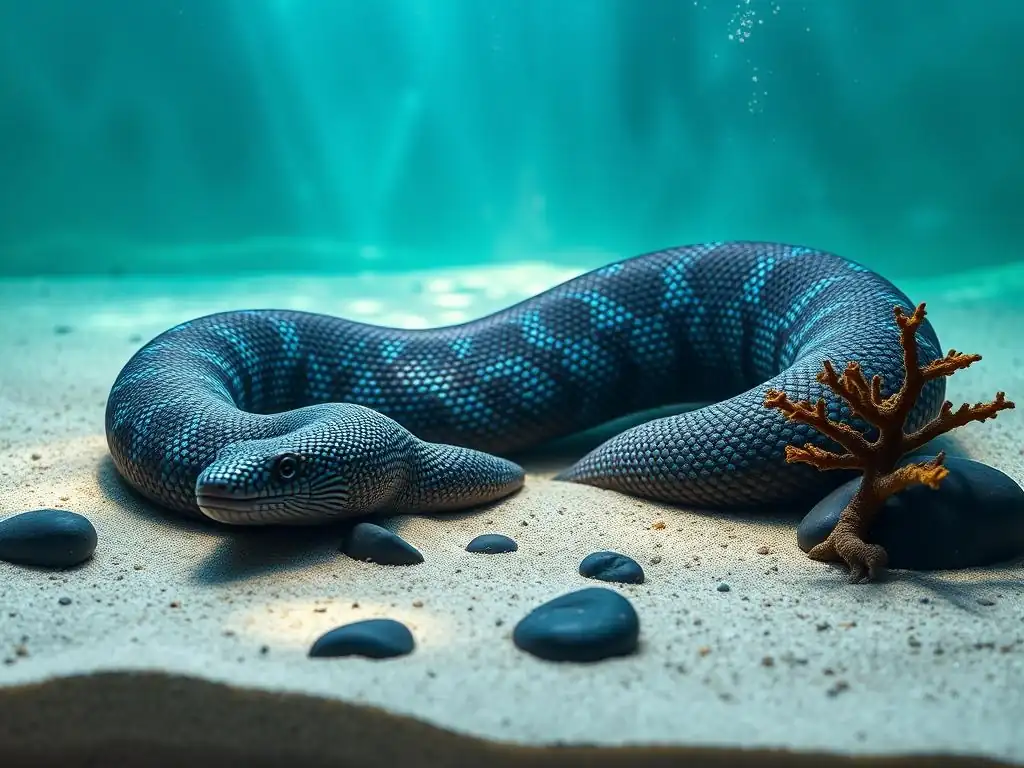
Beyond just their maximum length, the activity levels and swimming habits of a particular moray eel species significantly influence the ideal moray eel tank size. Some species, such as the Snowflake and Zebra morays, are primarily crepuscular or nocturnal hunters that spend much of their day ensconced in rockwork, emerging mostly at night to forage within a relatively confined area. While they still need space to stretch and maneuver, their primary requirement is for ample, secure hiding places.
Conversely, species like the Green Moray or some ribbon eels are known to be more active, cruising their environment more frequently and requiring substantial open swimming space. For these more active species, the length and width of the moray eel tank size become even more critical than its overall height, allowing them to move freely and express their natural hunting behaviors without constantly bumping into glass or decor. A tank that is long and wide provides a much more suitable habitat for these active swimmers than a tall, narrow one of the same gallonage.
Considering Rockwork and Decor in Tank Size Calculations
When planning the moray eel tank size, it's crucial to remember that the listed tank volume (e.g., 75 gallons) refers to the total water capacity before adding any substrate, rockwork, or equipment. Moray eels are highly dependent on intricate rock structures for their security, providing essential hiding spots, caves, and crevices where they can retreat and feel safe. This extensive rockwork, however, displaces a significant amount of water, effectively reducing the usable swimming volume for the eel.
Therefore, when calculating the appropriate moray eel tank size, one must factor in the volume displaced by decor. A tank that seems adequately sized on paper might become cramped once the necessary amount of secure, stable rockwork has been introduced. It's often advisable to opt for a slightly larger tank than the absolute minimum to ensure that even with substantial aquascaping, there remains ample open water for the eel to move, hunt, and explore comfortably.
Recommended Moray Eel Tank Sizes by Species
Minimum Tank Size for Snowflake Eels
The Snowflake Moray Eel ( Echidna nebulosa) is one of the most popular and manageable moray species for home aquariums, typically reaching an adult length of 24 to 30 inches (60-75 cm). For a single adult Snowflake Eel, a minimum moray eel tank size of 50 to 75 gallons (approximately 190-285 liters) is recommended. This tank volume provides sufficient space for them to stretch out, navigate their environment, and establish a territory.
While Snowflake Eels are generally docile and spend a good portion of their time hidden within rockwork, they still require enough linear space to comfortably move through their chosen crevices and to occasionally cruise the tank. A 75-gallon tank, often measuring around 48 inches in length, offers a good balance of length and volume for this species, allowing for adequate rock formations without overly restricting their movement or water volume.
Tank Requirements for Zebra Moray Eels
Zebra Moray Eels ( Gymnomuraena zebra) are highly sought after for their distinctive striped pattern and relatively peaceful disposition, growing to an impressive adult length of 36 to 48 inches (90-120 cm). Given their substantial size, a minimum moray eel tank size of 100 to 150 gallons (approximately 380-570 liters) is essential for a single adult. This larger footprint is necessary to accommodate their elongated bodies and provide ample room for their preferred reclusive lifestyle.
Zebra Morays are primarily crevice dwellers and appreciate a labyrinth of secure, stable rockwork where they can hide and feel protected. The increased volume in a 100-150 gallon tank allows for the creation of such an intricate aquascape without significantly compromising the overall water volume or the eel's ability to navigate its habitat. Their preference for deep, secure retreats means that the tank's depth and width are also important considerations, beyond just its total gallonage.
Creating a Suitable Environment for Green Moray Eels
The Green Moray Eel ( Gymnothorax funebris) is a truly magnificent and powerful species, but its immense size makes it largely unsuitable for the average home aquarium. These impressive eels can easily exceed 60 inches (150 cm) in length, with many individuals reaching 7 to 8 feet (210-240 cm) or more in the wild. For a juvenile or sub-adult Green Moray, a bare minimum moray eel tank size of 250 to 500+ gallons (approximately 950-1900+ liters) would be required, and even then, this is often considered temporary.
Adult Green Morays require tanks measured in thousands of gallons, typically found only in public aquariums or highly specialized private installations. Their active hunting behaviors, immense bio-load, and sheer physical power demand not only vast swimming spaces but also extremely robust filtration systems and heavy-duty, meticulously secured rockwork. Attempting to house a Green Moray in an undersized tank would lead to severe stress, stunted growth, and a drastically reduced lifespan, making responsible ownership virtually impossible outside of dedicated, large-scale facilities.
Calculating Moray Eel Tank Volume: A Practical Guide
Using Length, Width, and Height to Determine Tank Capacity
Understanding how to calculate tank volume is fundamental when determining the appropriate moray eel tank size. The most common method involves measuring the internal dimensions of the aquarium: length, width, and height. For tanks measured in inches, the formula to determine the capacity in U.S. gallons is straightforward:
Volume (Gallons) = (Length_inches * Width_inches * Height_inches) / 231
For example, a standard 75-gallon tank typically measures 48 inches long, 18 inches wide, and 21 inches high. Plugging these values into the formula: (48 * 18 * 21) / 231 = 18144 / 231 ≈ 78.5 gallons. This calculation provides the total volume before any substrate or rockwork is added, giving you the baseline moray eel tank size.
The Importance of Gallons vs. Dimensions for Moray Eel Comfort
While calculating the total gallonage provides a useful metric, for elongated species like moray eels, the dimensions of the tank are often more critical than the raw volume. A tall, narrow 100-gallon tank might technically hold the same amount of water as a long, wide 100-gallon tank, but their suitability for a moray eel differs significantly. A moray eel, especially one that can grow to several feet in length, requires ample linear space to stretch out, turn around, and navigate its environment without constantly coiling or bending unnaturally.
Therefore, when selecting a moray eel tank size, prioritize tanks with a longer and wider footprint over those that are primarily tall. A tank measuring 48 inches in length provides far more usable space for a 30-inch eel to move comfortably than a tank that is 30 inches tall but only 24 inches long. The horizontal swimming and exploration area is paramount for their comfort and natural behavior, making the specific length and width dimensions key factors in ensuring adequate moray eel tank size.
Beyond Minimums: Creating an Optimal Moray Eel Habitat
Providing Ample Swimming Space and Hiding Places
While adhering to minimum moray eel tank size recommendations is crucial for welfare, creating an optimal habitat goes beyond these baseline figures. An ideal setup provides not only sufficient overall volume but also a thoughtful balance of open swimming space and secure, intricate hiding places. Moray eels are ambush predators by nature, and they derive security from having multiple points of egress and ingress within complex rock structures.
These structures should be stable and provide tight, dark crevices or caves that the eel can fully retreat into, mimicking their natural reef environments. Simultaneously, ensure there are open areas in the tank for the eel to cruise, hunt, and explore, even if it's typically reclusive. This combination allows the moray eel to exhibit a full range of natural behaviors, reducing stress and promoting a healthier, more engaging display within its appropriately sized moray eel tank.
Ensuring Proper Water Circulation and Filtration in Larger Tanks
As the moray eel tank size increases, so does the complexity and importance of water circulation and filtration. Moray eels are messy eaters and produce a significant bio-load, necessitating robust filtration to maintain pristine water quality. A large sump with a powerful protein skimmer, live rock, and potentially a refugium is highly recommended for any moray eel tank size over 75 gallons. This comprehensive filtration system is vital for removing organic waste and ensuring stable water parameters.
Additionally, proper water circulation is paramount, especially in larger tanks with extensive rockwork. Strategic placement of powerheads or wavemakers can prevent "dead spots" where detritus can accumulate, helping to distribute oxygenated water throughout the entire environment. Good circulation also aids in the efficient transport of waste to the filtration system, contributing significantly to the overall health and stability of the moray eel's habitat.
Maintaining Water Quality in Moray Eel Tanks Based on Size
Maintaining impeccable water quality is non-negotiable for the health of any marine inhabitant, and moray eels are no exception. While a larger moray eel tank size offers greater stability by diluting waste more effectively and buffering against rapid parameter swings, it does not negate the need for diligent monitoring and maintenance. Regular testing of parameters such as salinity (specific gravity 1.023-1.025), temperature (74-78°F or 23-26°C), pH (8.1-8.4), ammonia (0 ppm), nitrite (0 ppm), and nitrate (below 20 ppm) is essential.
Even in a large moray eel tank, consistent partial water changes (typically 10-20% bi-weekly or monthly, depending on bio-load) are vital for replenishing trace elements and removing accumulated nitrates. Overfeeding should be avoided to minimize waste production, and any uneaten food should be promptly removed. The larger volume of water in an appropriate moray eel tank size provides a more forgiving environment, but it still requires consistent attention to ensure a healthy and stable home for your eel.
Upgrading Your Moray Eel Tank: When and Why
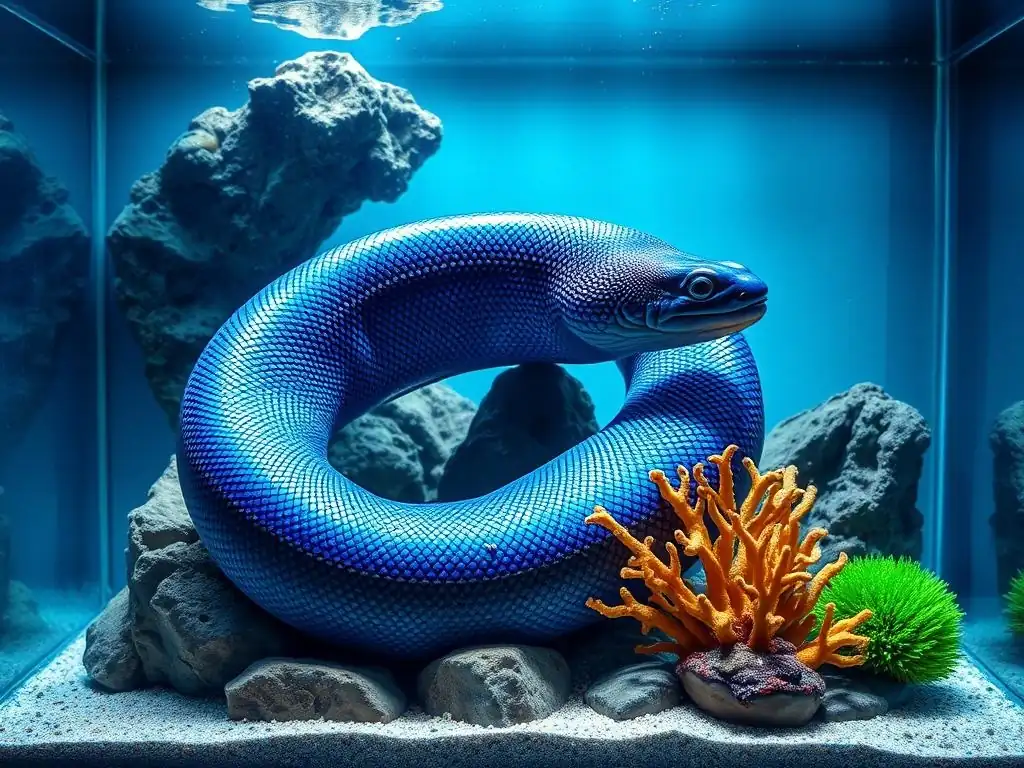
Recognizing Signs Your Moray Eel Needs a Larger Tank
Even with the best initial intentions, a moray eel may eventually outgrow its current habitat or show signs that its moray eel tank size is no longer adequate. Key indicators that your moray needs more space include chronic stress behaviors such as constant attempts to escape the tank, rubbing against the glass or decor leading to abrasions, or unusual lethargy and hiding. Physical signs might include fin erosion or a general failure to thrive despite excellent water quality.
Perhaps the most obvious sign is when the eel simply appears too large for its environment, constantly coiling unnaturally or having difficulty navigating its established rockwork. If your moray eel, which was once active and curious, now seems listless or aggressive towards tank mates (if any), it could be a direct result of feeling confined. Recognizing these subtle and overt cues is critical for proactive intervention, ensuring the eel's continued well-being by providing a larger moray eel tank size before health issues become severe.
The Process of Safely Transferring Your Moray Eel to a New Tank
Transferring a moray eel to a new, larger moray eel tank is a delicate operation that requires careful planning and execution due to their powerful, slippery bodies and potential for biting. The new tank must be fully cycled, with water parameters (temperature, salinity, pH) perfectly matched to the old tank to minimize shock. It's advisable to perform the transfer with the tank lights off or dimmed to reduce stress.
To capture the eel, slowly drain the old tank to lower water levels, making it easier to guide the eel into a large, sturdy, clear plastic container or bucket. Avoid using nets, as their teeth can easily get tangled, causing injury to both the eel and yourself. Once in the container, carefully move it to the new tank, gently submerging the container and allowing the eel to swim out on its own. Minimize handling the eel directly as much as possible. This careful approach ensures a smooth transition to its new, more spacious moray eel tank.
The Long-Term Benefits of Providing Appropriate Moray Eel Tank Size
Healthier and Happier Moray Eels
Providing an appropriate moray eel tank size is the single most significant factor in ensuring the long-term health and vitality of your eel. When an eel has ample room to grow, move, and behave naturally, its immune system remains robust, making it far less susceptible to common diseases and infections. Adequate space prevents physical deformities caused by confinement and reduces chronic stress, which is a major contributor to a shortened lifespan and overall poor health.
A moray eel housed in a spacious, well-designed environment will exhibit natural coloration, a healthy appetite, and an active, curious demeanor, showcasing its true potential. This commitment to an optimal moray eel tank size translates directly into a healthier, more resilient, and ultimately, a much happier aquatic companion that can thrive for many years.
Reduced Stress and Aggression
A common consequence of an undersized moray eel tank is elevated stress, which frequently manifests as increased aggression, either towards other tank inhabitants or even towards the tank itself (e.g., constant attempts to escape, rubbing against the glass). When an eel feels confined or unable to establish a secure territory, its natural predatory instincts can be misdirected or exacerbated, leading to a volatile environment.
Conversely, a generous moray eel tank size significantly mitigates these issues. Sufficient space allows the eel to establish its own territory, retreat to secure hiding spots when feeling threatened, and move freely without constantly encountering barriers. This reduction in perceived threat and confinement leads to a calmer, less aggressive demeanor, fostering a more peaceful and stable aquarium ecosystem, even if the moray is kept as a solitary specimen.
Enhanced Viewing Experience and Natural Behaviors
Beyond the direct benefits to the eel's health, providing an appropriate moray eel tank size profoundly enhances the viewing experience for the aquarist. In a spacious environment, morays are more likely to exhibit their fascinating natural behaviors, such as gracefully cruising through rockwork, emerging from crevices to investigate their surroundings, or even demonstrating their unique hunting techniques. An eel that is comfortable and unstressed will be more visible and engaging, rather than constantly hiding or attempting to escape.
A larger tank also allows for more elaborate and naturalistic aquascaping, creating a miniature reef ecosystem that truly showcases the eel's beauty and adaptations. The ability to observe a moray eel moving freely, exploring its habitat, and expressing its full range of natural behaviors is incredibly rewarding, transforming the aquarium from a mere enclosure into a vibrant, dynamic window into the marine world.
Frequently Asked Questions
How crucial is the tank size when considering keeping a Moray Eel?
Tank size is absolutely crucial. Moray eels need ample space to swim, hide, and exhibit natural behaviors. An undersized tank will lead to stress, illness, and a shortened lifespan.
What's the minimum tank size requirement for a smaller Moray Eel species, like the Snowflake Moray?
While individual needs vary, a minimum of 75 gallons is generally recommended for smaller species like the Snowflake Moray. However, larger is always better and consider the eel's adult size.
How does the adult size of a Moray Eel affect the necessary tank size?
The adult size is the primary factor. A larger species, like the Green Moray, needs a significantly larger tank, potentially hundreds of gallons. Always research the maximum size of your specific eel species.
Besides the eel's size, what other factors influence the ideal tank size?
Consider the aquarium's aquascaping, the number of other tank mates, and the complexity of the filtration system. More rockwork and more fish require a larger water volume to maintain stability.
What happens if a Moray Eel is kept in a tank that is too small?
An undersized tank can lead to severe stress, suppressed immune function, increased aggression, and ultimately, a significantly reduced lifespan. It's ethically wrong to keep an eel in inadequate conditions.
Final Reflection: Embracing the Responsibility of Moray Eel Keeping
The information presented throughout this article underscores the critical importance of responsible pet ownership when it comes to moray eels. Understanding the specific needs of each species, particularly regarding tank size, is not merely a suggestion, but a fundamental requirement for their well-being and longevity in captivity. Ignoring these guidelines can lead to stress, disease, and ultimately, a shortened lifespan for these magnificent creatures.
This commitment to providing adequate space extends beyond the physical dimensions of a tank; it reflects a deeper understanding of the ethical considerations involved in keeping wild animals. My own journey into understanding the complexities of moray eel care has instilled in me a profound respect for their natural environment and the responsibility we bear when bringing them into our homes. The greatness of a nation and its moral progress can be judged by the way its animals are treated.
- Mahatma Gandhi. This quote serves as a constant reminder that our actions have consequences, and the well-being of these animals is a direct reflection of our own compassion and understanding.
Now, armed with this knowledge, I encourage you to reflect on your own commitment to providing the best possible environment for your moray eel, or for any animal under your care. Consider the long-term implications of your choices and strive to create a habitat that allows them to thrive, not just survive. Let us all be advocates for responsible pet ownership, ensuring that these fascinating creatures receive the respect and care they deserve.
Dive Deeper: Unleash Your Moray Expertise!
Thanks for exploring the fascinating world of moray eel tank sizes! We hope you've gained valuable insights into creating the perfect environment for your future serpentine friend. Ready to put that knowledge into action?
Here's how you can further your moray mastery:
- Calculate your ideal tank size: Based on your chosen moray species' adult length, use a tank volume calculator to ensure a spacious and comfortable home.
- Share your newfound knowledge: Post a moray fact on social media, tagging Aquarium Mastery and spreading awareness about responsible eel keeping.
- Consider a mentor: Reach out to experienced moray eel keepers in your local aquarium society or online forums for personalized advice and support.
What specific moray eel species are you most excited to design a habitat for, and what challenges are you anticipating in meeting its unique needs?