
"Reef Safe" Butterflyfish Unmasked: Which Species Can You *Really* Trust?

Welcome to Aquarium Mastery!
Ever wondered if you can really trust a butterflyfish in your reef tank? Dive into our latest article, ""Reef Safe" Butterflyfish Unmasked: Which Species Can You Really Trust?" We're cracking the code on reef safe butterflyfish compatibility, revealing which species can thrive without turning your corals into a buffet. Prepare to unlock the secrets to a harmonious reef ecosystem! Intrigued? Let's explore together!
- Understanding Reef Safe Butterflyfish Compatibility for Your Saltwater Aquarium
- Debunking the Myth: Are Any Butterflyfish Truly 100% Reef Safe?
- Top Butterflyfish Species Considered "Relatively" Reef Safe
- Butterflyfish to Avoid in Reef Aquariums: Known Coral Eaters
- Factors Affecting Reef Safe Butterflyfish Compatibility
- Acclimation and Observation: Introducing Butterflyfish to Your Reef Tank
- Alternatives to Butterflyfish for Reef Aquariums
- Making an Informed Decision: Choosing the Right Fish for Your Reef Ecosystem
-
Frequently Asked Questions
- What exactly does "reef safe" mean when talking about butterflyfish?
- Which butterflyfish species are generally considered the most reef safe?
- Are there any butterflyfish that are definitely NOT reef safe?
- What factors, besides species, influence whether a butterflyfish will be reef safe?
- Where can I find more detailed information about specific butterflyfish and their reef compatibility?
- Final Reflection: Navigating the Butterflyfish Maze
- Embark on a Reef-Safe Butterflyfish Journey!
Understanding Reef Safe Butterflyfish Compatibility for Your Saltwater Aquarium
Defining "Reef Safe": What Does it Mean for Butterflyfish?
The term "reef safe" in the aquarium hobby generally implies that a particular fish species will not harm or consume corals, sessile invertebrates, or other beneficial organisms within a reef aquarium environment. For many fish, this definition is straightforward, but when applied to butterflyfish, it becomes significantly more nuanced. These elegant fish are often admired for their vibrant colors and graceful movements, yet their natural diets frequently include coral polyps, making their inclusion in a thriving reef tank a considerable gamble.
For butterflyfish, "reef safe" rarely means 100% guaranteed safety; instead, it often signifies a spectrum of risk. Some species are known corallivores, making them completely unsuitable for reef tanks, while others might only occasionally nip at specific corals, especially if underfed or stressed. Understanding this gradient is crucial for any aquarist considering reef safe butterflyfish compatibility, as even a minor amount of coral nipping can lead to significant damage or the loss of expensive coral colonies over time.
The Allure and Risks of Keeping Butterflyfish in Reef Tanks
The allure of butterflyfish in a home aquarium is undeniable. Their distinctive disc-shaped bodies, often adorned with intricate patterns and vibrant hues like yellow, orange, and black, bring a dynamic beauty to any display. Species such as the Copperband Butterflyfish are particularly sought after for their elegant appearance and their reputation for consuming nuisance Aiptasia anemones, adding a functional appeal beyond their aesthetic value. Their unique swimming patterns and active foraging behavior also make them captivating subjects for observation.
However, the risks associated with introducing butterflyfish into a delicate reef ecosystem are substantial. The primary concern revolves around their natural dietary inclinations; many species are obligate or facultative corallivores, meaning they feed on coral polyps in the wild. Even those not primarily corallivores may nip at corals or other invertebrates out of curiosity, hunger, or stress. This potential for damage can undermine years of coral growth and financial investment, making careful consideration of reef safe butterflyfish compatibility paramount before adding one to a mixed reef tank.
Debunking the Myth: Are Any Butterflyfish Truly 100% Reef Safe?
The Spectrum of Reef Compatibility in Butterflyfish Species
The notion of a "100% reef safe" butterflyfish is largely a myth within the advanced aquarium hobby. While certain species are indeed far less prone to coral predation than others, there is always an element of individual variation and environmental influence that can affect their behavior. It is more accurate to view butterflyfish reef compatibility as a spectrum, ranging from highly aggressive corallivores that will decimate a reef in days, to species that might coexist peacefully under specific conditions, and a very select few that are generally considered safe.
This spectrum is influenced by factors such as the fish's natural diet, its individual temperament, the availability of alternative food sources in the aquarium, and the specific types of corals present. For instance, a butterflyfish that ignores SPS (Small Polyp Stony) corals might readily nip at LPS (Large Polyp Stony) corals or soft corals like zoanthids. Therefore, while some species offer a higher probability of success, vigilance and a contingency plan are always necessary when assessing reef safe butterflyfish compatibility.
Why Some Butterflyfish Can't Resist Corals: A Look at Their Natural Diet
Many butterflyfish species are naturally adapted to consume coral polyps, sponges, or other sessile invertebrates as a significant part of their diet in the wild. Their specialized mouths, often elongated and pointed, are perfectly designed for picking individual polyps from coral colonies. For example, species like the Teardrop Butterflyfish ( Chaetodon unimaculatus) are known to feed extensively on Acropora and Pocillopora corals in their natural habitats, making them immediate threats in a captive reef environment.
Even when provided with a varied and abundant diet of prepared foods in an aquarium, the innate instinct to graze on corals can override learned behaviors. Hunger, stress, or simply the presence of tempting polyps can trigger this natural feeding response. This strong dietary preference is the fundamental reason why achieving true reef safe butterflyfish compatibility is so challenging for many species, as their biological programming often dictates a diet that directly conflicts with the goals of a coral dominant display.
Top Butterflyfish Species Considered "Relatively" Reef Safe
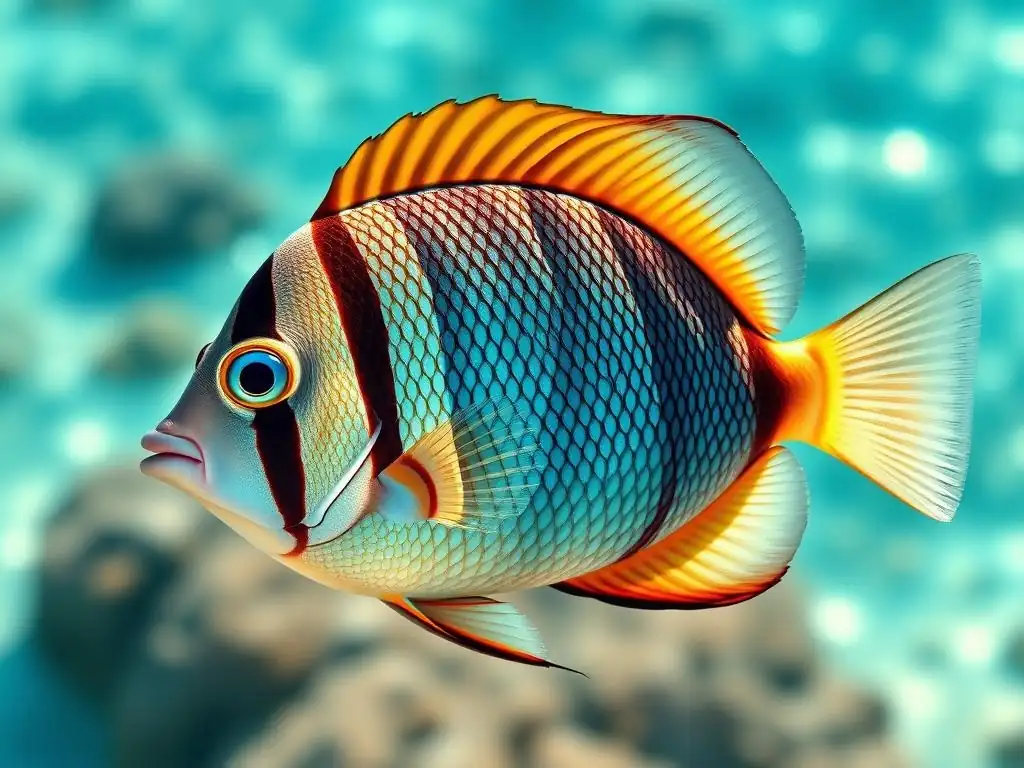
The Copperband Butterflyfish ( Chelmon rostratus): A Case Study in Specialized Feeding
The Copperband Butterflyfish, with its distinctive long snout and elegant vertical stripes, is one of the most visually striking butterflyfish and is frequently considered by aquarists for its potential to consume nuisance Aiptasia anemones. However, despite its popularity, the Copperband is notoriously difficult to feed in captivity and possesses highly specialized dietary needs. This makes its long-term survival in a home aquarium, let alone its reef safe butterflyfish compatibility, a significant challenge even for experienced aquarists.
While some individuals may indeed target Aiptasia, this behavior is not guaranteed, and many Copperbands will starve rather than accept prepared foods. Their delicate nature and susceptibility to stress mean that ensuring they thrive requires meticulous attention to water quality, tank stability, and a consistent supply of appropriate live or frozen foods. Success with a Copperband in a reef tank often hinges on its individual personality and the aquarist's dedication to meeting its precise feeding requirements.
Copperband Butterflyfish Diet and Reef Tank Considerations
In their natural habitat, Copperband Butterflyfish primarily feed on small invertebrates hidden within live rock, including tube worms, mollusk larvae, and occasionally Aiptasia. In a captive reef environment, replicating this diet is crucial for their survival and to minimize the risk of them nipping at corals or other desirable invertebrates out of hunger. Many Copperbands refuse standard flake or pellet foods, requiring a diet rich in live or finely chopped frozen foods such as blackworms, mysis shrimp, brine shrimp (preferably enriched), and clam or mussel meat.
Even with a robust feeding regimen, Copperbands can sometimes nip at large polyp stony (LPS) corals like Euphyllia, soft corals such as zoanthids, or the mantles of clams, particularly if they are not receiving enough food or are stressed. While they are generally considered safer than many other butterflyfish regarding stony corals, their reef safe butterflyfish compatibility is not absolute. Aquarists must be prepared for the possibility of minor damage to certain invertebrates and have a plan for intervention if destructive nipping occurs.
Successfully Integrating a Copperband into a Reef Environment
Successfully integrating a Copperband Butterflyfish into a reef tank demands patience and careful planning. It is highly recommended to introduce them to a well-established, mature tank (ideally 75 gallons or larger for a single specimen) that offers ample live rock for foraging and numerous hiding spots. The presence of a healthy copepod and amphipod population within the rockwork can provide a supplementary natural food source, aiding in their acclimation and overall health.
Consistent, multiple daily feedings are vital for a Copperband's success. Target feeding with a turkey baster can help ensure the fish receives enough food, especially if it's shy or competing with more aggressive tank mates. Close observation for several weeks post-introduction is essential to monitor their feeding habits and any interaction with corals. While their reef safe butterflyfish compatibility is often praised, ongoing vigilance is key to preventing issues and ensuring the well-being of both the fish and the coral inhabitants.
The Klein's Butterflyfish ( Chaetodon kleinii): A Peaceful Herbivore
The Klein's Butterflyfish is often cited as one of the most reliable choices for a reef aquarium among the butterflyfish family. This smaller species, typically reaching about 5-6 inches, boasts an attractive yellow-orange body with subtle vertical banding. Unlike many of its relatives, the Klein's Butterflyfish has a more herbivorous and omnivorous diet in the wild, primarily consuming algae, small crustaceans, and detritus, which significantly reduces its propensity to graze on coral polyps.
Its generally peaceful temperament and adaptable diet contribute to its higher success rate in mixed reef environments. While no butterflyfish is 100% guaranteed, the Klein's Butterflyfish presents a much lower risk profile compared to most other species, making it a popular choice for aquarists seeking to add a butterflyfish without jeopardizing their coral collection. Its reef safe butterflyfish compatibility is among the best in the genus Chaetodon.
Klein's Butterflyfish: Temperament and Tank Mate Compatibility
The Klein's Butterflyfish is known for its relatively peaceful demeanor, making it a good candidate for inclusion in a community reef tank. They generally coexist well with other non-aggressive fish species such as gobies, blennies, cardinalfish, and smaller tangs. However, like many fish, they can be shy upon initial introduction and may require time to settle into their new surroundings. Providing plenty of live rock with caves and crevices offers them security and reduces stress, encouraging them to become more active in the display.
While generally placid, it is advisable to avoid housing Klein's Butterflyfish with overly aggressive or boisterous tank mates that might outcompete them for food or intimidate them. They can be kept singly or, in very large aquariums (e.g., 120 gallons or more), in a mated pair. Their low aggression level further enhances their reef safe butterflyfish compatibility, allowing them to integrate smoothly into a diverse fish population without causing undue stress to other inhabitants or the coral ecosystem.
Ensuring Adequate Algae Grazing for Klein's Butterflyfish
To maintain the health and ensure the reef safe butterflyfish compatibility of a Klein's Butterflyfish, a diet rich in vegetable matter is essential. While they will accept various frozen foods like mysis shrimp and brine shrimp, their primary nutritional needs should be met through algae-based foods. This includes high-quality marine flakes and pellets that list spirulina or other algae as primary ingredients, as well as regular offerings of dried nori seaweed attached to a veggie clip.
Providing ample live rock in the aquarium also allows the Klein's Butterflyfish to graze on natural algal growth throughout the day, mimicking their natural foraging behavior. A well-fed Klein's is less likely to exhibit any exploratory nipping at corals. Consistent and varied feeding not only supports their immune system and vibrant coloration but also reinforces their preference for appropriate food sources, solidifying their status as one of the safer butterflyfish options for a reef aquarium.
The Yellow Longnose Butterflyfish ( Forcipiger flavissimus): Picking at Pests, Not Polyps?
The Yellow Longnose Butterflyfish, easily identifiable by its striking bright yellow body and incredibly elongated snout, is another species often considered for reef tanks, largely due to its reputation for consuming nuisance pests like Aiptasia anemones and bristle worms. Its unique mouthparts allow it to probe into tight crevices and small holes in the rockwork, making it an efficient hunter of tiny invertebrates that other fish cannot reach. This specialized feeding mechanism gives it a distinct advantage in pest control within a reef environment.
However, while its dietary focus on small invertebrates generally makes it less prone to consuming coral polyps than many Chaetodon species, the Yellow Longnose Butterflyfish is still an opportunistic feeder. This means that while it primarily targets pests, it may occasionally sample other sessile invertebrates or even corals if underfed, stressed, or if its preferred food sources are scarce. Therefore, its reef safe butterflyfish compatibility, while generally good, still requires careful monitoring.
Yellow Longnose Butterflyfish: Predatory Behavior on Aiptasia and Bristle Worms
The elongated snout of the Yellow Longnose Butterflyfish is perfectly adapted for extracting small, hidden prey from the intricate structures of live rock. This makes them particularly effective at preying on Aiptasia anemones, which are common pests in reef tanks and can quickly overrun a system. They will use their long nose to probe into the anemone's base, consuming it entirely. Similarly, they are known to pick at bristle worms, which, while often beneficial detritivores, can sometimes become overpopulated.
It is important to note that while the Yellow Longnose can be a valuable tool for pest control, their effectiveness against Aiptasia is not guaranteed. Some individuals may ignore the anemones entirely, while others will only pick at smaller ones. Their primary diet should still be supplemented with a variety of high-quality frozen foods such as mysis shrimp, enriched brine shrimp, and finely chopped seafood to ensure their nutritional needs are met and to reduce any potential for them to seek out corals as an alternative food source.
Monitoring Yellow Longnose Butterflyfish for Coral Nipping
Despite their generally good reputation for reef compatibility, Yellow Longnose Butterflyfish can occasionally nip at certain corals or clam mantles. This behavior is more likely to occur if the fish is not adequately fed, if it is stressed, or if it simply develops a taste for a particular coral. They may show interest in large polyp stony (LPS) corals like Euphyllia or Acanthastrea, as well as soft corals suchads zoanthids or palythoa, which have fleshy polyps that are easier to pick at.
Close observation is crucial when introducing a Yellow Longnose Butterflyfish to a reef tank. Aquarists should watch for any signs of damage to corals, especially new frag placements or established colonies. If coral nipping becomes a persistent issue, the fish may need to be removed to a fish-only or FOWLR (Fish Only With Live Rock) system to prevent further damage. While their reef safe butterflyfish compatibility is often high, individual variation means that caution and a willingness to intervene are always necessary.
Butterflyfish to Avoid in Reef Aquariums: Known Coral Eaters
The Teardrop Butterflyfish ( Chaetodon unimaculatus): A Definite No-Go for Reefs
The Teardrop Butterflyfish is a strikingly beautiful species, characterized by a prominent black teardrop-shaped spot on its flank and a bright yellow body. Despite its aesthetic appeal, this species is unequivocally one of the worst choices for a reef aquarium. In their natural habitat, Teardrop Butterflyfish are obligate corallivores, meaning that coral polyps constitute a significant and essential part of their diet. They are highly specialized feeders on stony corals, particularly Acropora and Pocillopora species.
Introducing a Teardrop Butterflyfish into a reef tank is almost a guaranteed recipe for disaster, regardless of tank size or feeding regimen. Their strong instinct to graze on corals means they will relentlessly pick at and consume polyps, quickly causing irreversible damage to even large, established colonies. Their natural dietary requirements make true reef safe butterflyfish compatibility impossible for this species, and they should only be housed in fish-only or FOWLR systems.
The Raccoon Butterflyfish ( Chaetodon lunula): A Large and Hungry Coral Predator
The Raccoon Butterflyfish is a robust and attractive species, easily identified by the black band across its eyes, resembling a raccoon's mask. While visually appealing, this is another butterflyfish that should be strictly avoided in reef aquariums. Raccoon Butterflyfish grow to a substantial size, often reaching 8 inches or more, and are highly active foragers in the wild, consuming a wide variety of invertebrates, including a significant amount of coral polyps.
Their large size and voracious appetite translate into a formidable threat to any coral collection. A Raccoon Butterflyfish will quickly decimate both stony and soft corals, making them entirely unsuitable for a mixed reef tank. Their natural feeding habits are too ingrained, and no amount of supplemental feeding will deter them from their instinctual drive to consume coral polyps. Their reef safe butterflyfish compatibility is virtually non-existent, and they belong exclusively in fish-only displays.
The Auriga Butterflyfish ( Chaetodon auriga): Unpredictable Reef Behavior
The Auriga Butterflyfish, recognized by its distinctive black spot on the dorsal fin and a diagonal band running from the eye to the dorsal fin, presents a more ambiguous case for reef compatibility, but one that largely leans towards caution. While some anecdotal reports suggest individual Auriga Butterflyfish might ignore corals for extended periods, their behavior is highly unpredictable. In their natural environment, they are known to feed on a mix of algae, small invertebrates, and also coral polyps.
This unpredictability makes them a significant gamble for any reef aquarist. One individual might coexist peacefully for months or even years, while another might begin nipping at expensive corals without warning. Given the high value and slow growth of many corals, the risk associated with the Auriga Butterflyfish typically outweighs any potential benefit. For reliable reef safe butterflyfish compatibility, it is generally prudent to avoid this species in a dedicated coral display.
Factors Affecting Reef Safe Butterflyfish Compatibility
Tank Size and Aquascaping: Providing Adequate Space and Hiding Spots
The size of the aquarium plays a critical role in the successful integration of any butterflyfish, particularly when considering reef safe butterflyfish compatibility. Larger tanks, generally 75 gallons or more for single specimens and significantly larger for pairs or multiple individuals (e.g., 120+ gallons), provide ample swimming space, reduce territorial aggression among tank mates, and dilute waste products. This reduced stress environment can make a butterflyfish less prone to erratic or destructive behaviors, including coral nipping out of anxiety or hunger.
Equally important is the aquascaping. A complex arrangement of live rock with numerous caves, overhangs, and crevices offers crucial hiding spots and a sense of security for butterflyfish, which can be shy or easily intimidated. This intricate rockwork also provides additional surface area for natural food sources like copepods and amphipods, which many butterflyfish will graze on throughout the day. A well-designed aquascape contributes significantly to the fish's overall well-being and, consequently, its likelihood of exhibiting desirable reef safe butterflyfish compatibility.
Water Quality: Maintaining Optimal Conditions for Butterflyfish and Corals
Pristine and stable water quality is paramount for the health of both butterflyfish and corals, directly influencing reef safe butterflyfish compatibility. Fluctuations in parameters or the presence of elevated nitrates and phosphates can stress fish, making them more susceptible to disease and potentially prompting them to nip at corals. Optimal water parameters for a mixed reef typically include a stable temperature between 75-78°F (24-26°C), salinity of 1.024-1.026, pH between 8.1-8.4, alkalinity of 8-12 dKH, calcium levels of 400-450 ppm, and magnesium between 1250-1350 ppm.
Regular water testing and consistent maintenance routines, including routine water changes, are essential to maintain these optimal conditions. A healthy, unstressed butterflyfish that is thriving in its environment is far less likely to exhibit undesirable behaviors like coral nipping. Conversely, a fish suffering from poor water quality may become lethargic, lose its appetite, or resort to picking at corals as a sign of stress or a search for alternative food sources, thus compromising its reef safe butterflyfish compatibility.
Feeding Strategies: Supplementing Diets to Minimize Coral Grazing
Effective feeding strategies are perhaps the most critical factor in mitigating coral nipping and ensuring reef safe butterflyfish compatibility. A well-fed butterflyfish is significantly less likely to seek out coral polyps as a food source. This means providing a consistent, varied, and abundant diet tailored to the specific needs of the chosen butterflyfish species. Rather than one large feeding per day, multiple smaller feedings spread throughout the day can keep the fish satiated and reduce its foraging instinct on corals.
For species that are known to be finicky eaters, such as the Copperband Butterflyfish, persistent efforts to introduce a wide range of foods are necessary. This might involve target feeding, using different types of frozen foods, or even offering live foods initially to stimulate a feeding response. By ensuring the butterflyfish is consistently receiving adequate nutrition, aquarists can significantly reduce the likelihood of it turning to corals out of hunger, thereby improving its overall reef safe butterflyfish compatibility.
Providing a Varied Diet to Reduce Coral Nipping in Butterflyfish
To truly minimize the risk of coral nipping, a varied and high-quality diet is indispensable for butterflyfish in a reef tank. This should include a combination of nutrient-rich frozen foods such as mysis shrimp, brine shrimp (enriched with vitamins), finely chopped seafood (like clam or scallop), and various marine pellets and flakes. For herbivorous or omnivorous species like the Klein's Butterflyfish, offering dried nori seaweed on a veggie clip several times a week is also highly beneficial.
Introducing a diverse diet from the moment the fish is acquired can help prevent it from becoming a picky eater later on. By consistently offering a wide array of palatable and nutritious options, aquarists can ensure the butterflyfish's dietary needs are fully met, reducing its inclination to forage for food on coral polyps. This proactive approach to feeding is a cornerstone of maintaining successful reef safe butterflyfish compatibility within a delicate coral ecosystem.
The Importance of Live Foods for Butterflyfish Health and Compatibility
For some butterflyfish species, particularly those known for being finicky eaters or having highly specialized diets, the initial introduction of live foods can be crucial for acclimation and long-term health. Live blackworms, copepods, amphipods, and even small mysis shrimp can entice reluctant feeders and stimulate a natural feeding response that prepared foods might not achieve. The movement of live prey often triggers their predatory instincts, encouraging them to eat when they might otherwise refuse.
While feeding live foods exclusively is often impractical for the long term, their strategic use during the acclimation phase or as an occasional supplement can significantly improve a butterflyfish's chances of thriving. A healthy, well-fed butterflyfish that readily accepts food is less likely to become stressed and more likely to exhibit the desired reef safe butterflyfish compatibility. For species like the Copperband, live foods can sometimes be the only way to get them to eat consistently, making them a vital tool in their care.
Acclimation and Observation: Introducing Butterflyfish to Your Reef Tank
Quarantine Procedures: Preventing Disease Introduction
The importance of a proper quarantine procedure cannot be overstated, especially when introducing delicate or potentially sensitive species like butterflyfish into a reef aquarium. All new fish should undergo a minimum 4-week quarantine period in a separate, dedicated quarantine tank (QT). This isolation period serves several critical purposes: it prevents the introduction of common marine diseases such as Ich ( Cryptocaryon irritans) and Marine Velvet ( Amyloodinium ocellatum) into the main display, which can decimate an entire tank's population.
During quarantine, the fish can be closely observed for any signs of illness, stress, or unusual behavior. It also provides an opportunity to ensure the butterflyfish is actively eating and accepting prepared foods before being introduced to the potentially competitive environment of the display tank. Any necessary treatments for parasites or bacterial infections can be administered safely in the QT without harming corals or beneficial invertebrates in the main system, thereby protecting the entire reef ecosystem and setting the stage for better reef safe butterflyfish compatibility.
Monitoring Butterflyfish Behavior After Introduction
Once a butterflyfish has successfully completed quarantine and is introduced into the main reef aquarium, continuous and diligent observation is absolutely essential. For the first several weeks, and ideally months, aquarists should closely monitor the fish's behavior, paying particular attention to its feeding habits, interactions with tank mates, and, most critically, any signs of nipping at corals or other sessile invertebrates. This vigilance is key to assessing actual reef safe butterflyfish compatibility in your specific setup.
Observe during different times of the day and night, as some nipping might occur when lights are dim or when the fish feels less observed. Pay attention to specific coral types; some butterflyfish might ignore SPS but target LPS or soft corals. Early detection of undesirable behavior allows for prompt intervention, such as increasing feeding frequency, target feeding, or, if necessary, removing the fish before significant and irreversible damage is inflicted upon your valuable coral collection.
Alternatives to Butterflyfish for Reef Aquariums
Reef Safe Fish That Mimic Butterflyfish Appearance or Behavior
For aquarists who admire the elegance and beauty of butterflyfish but are unwilling to risk their coral collection, several reef-safe alternatives can offer similar visual appeal or behavioral traits without the predatory concerns. Pyramid and Longfin Bannerfish ( Heniochus species), for instance, are often mistaken for butterflyfish due to their similar body shape and coloration, but they are generally much safer for mixed reef tanks, primarily feeding on zooplankton and small invertebrates. They also exhibit graceful swimming patterns reminiscent of true butterflyfish.
Other options include certain species of tangs, such as the Yellow Tang ( Zebrasoma flavescens), which provides vibrant color and active grazing behavior on algae, contributing to tank cleanliness. Some dwarf angelfish species, like the Flame Angelfish ( Centropyge loriculus), also offer striking colors and a generally good reef compatibility, though individual variation can still lead to occasional nipping. These alternatives allow aquarists to achieve a diverse and colorful fish population while ensuring the long-term health and stability of their coral display, offering superior reef safe butterflyfish compatibility compared to many true butterflyfish.
Focusing on Coral Health and Stability for a Thriving Reef
Ultimately, the primary goal of a thriving reef aquarium is the health and vibrant growth of its coral inhabitants. While fish add movement and personality, the corals form the foundation and often represent the largest investment of time and resources. Prioritizing coral health means maintaining stable water parameters, providing appropriate lighting and flow, and ensuring the absence of any threats, including potentially problematic fish species.
Sometimes, making an informed decision about reef safe butterflyfish compatibility means accepting that certain fish, however beautiful, are simply not suitable for a mixed reef environment. A tank dominated by lush, colorful, and actively growing corals can be far more rewarding than one where coral growth is stunted or damaged by a fish that, despite best efforts, cannot resist nipping. Focusing on the stability and well-being of the entire reef ecosystem ensures a truly spectacular and sustainable display for years to come.
Making an Informed Decision: Choosing the Right Fish for Your Reef Ecosystem
Researching Specific Butterflyfish Species Before Purchase
Before making any purchase, especially for a fish as potentially challenging as a butterflyfish for a reef tank, thorough and meticulous research is absolutely paramount. Do not rely solely on a general "reef safe" label. Instead, investigate the specific scientific name of the butterflyfish species you are considering. Consult multiple reputable sources, including scientific articles, detailed species profiles from experienced aquarists, and comprehensive aquarium husbandry guides.
Focus your research on the species' natural diet, adult size, temperament, and known compatibility with corals and other invertebrates. Understand that even within species generally considered "safer," individual fish can vary in behavior. This due diligence will provide you with the most accurate information regarding their specific needs and the true extent of their reef safe butterflyfish compatibility, allowing you to make a decision based on facts rather than assumptions.
Consulting with Experienced Aquarists and Local Fish Stores
Leveraging the knowledge and experience of others in the hobby can be invaluable when considering a butterflyfish for your reef tank. Engage with experienced aquarists through online forums, local aquarium clubs, or social media groups. These individuals often have first-hand experience with various butterflyfish species in reef settings and can offer practical advice, share success stories, or warn about potential pitfalls based on real-world observations.
Additionally, seek advice from reputable local fish stores (LFS) that specialize in marine aquariums. A good LFS will have knowledgeable staff who can provide insights into the specific fish they have in stock, including their feeding habits and any observed behaviors. They should be transparent about the potential risks associated with certain species and guide you towards choices that align with your reef tank's current inhabitants and your comfort level with potential challenges to reef safe butterflyfish compatibility.
Frequently Asked Questions
What exactly does "reef safe" mean when talking about butterflyfish?
"Reef safe" generally means a butterflyfish is unlikely to nip at corals or other invertebrates commonly kept in reef aquariums. However, it's never a guarantee, as individual behavior can vary.
Which butterflyfish species are generally considered the most reef safe?
Some of the most commonly recommended reef-safe butterflyfish include the copperband butterflyfish (Chelmon rostratus), Klein's butterflyfish (Chaetodon kleinii), and yellow longnose butterflyfish (Forcipiger flavissimus). These species tend to focus on small invertebrates and parasites.
Are there any butterflyfish that are definitely NOT reef safe?
Yes, many butterflyfish are known coral eaters. These include, but are not limited to, the raccoon butterflyfish (Chaetodon lunula) and the auriga butterflyfish (Chaetodon auriga). These species will actively consume coral polyps.
What factors, besides species, influence whether a butterflyfish will be reef safe?
Besides species, individual temperament and available food sources are crucial. If a butterflyfish isn't getting enough of its preferred food, it may turn to corals. Tank size and stocking levels also play a role.
Where can I find more detailed information about specific butterflyfish and their reef compatibility?
AquariumMastery.com offers detailed species profiles that cover the specific dietary needs and reef compatibility of various butterflyfish. You can also consult reputable aquarium forums and experienced reef keepers.
The information presented here underscores the critical importance of informed decision-making in reef aquarium keeping. The allure of the butterflyfish, with its vibrant colors and graceful movements, is undeniable. However, as we've explored, not all butterflyfish are created equal when it comes to compatibility with a thriving reef ecosystem. Ignoring this reality can lead to devastating consequences for both the fish and the delicate corals they share a tank with.
This journey through the world of butterflyfish compatibility highlights the profound responsibility we bear as aquarists. The success of a reef tank hinges not just on technical expertise, but also on ethical considerations and a deep understanding of the creatures we bring into our care. In the end, we will conserve only what we love; we will love only what we understand; and we will understand only what we are taught.
- Baba Dioum. This quote resonates deeply, reminding us that knowledge is the foundation of responsible stewardship.
Now, armed with this knowledge of "Reef safe butterflyfish compatibility," I urge you to reflect on your own practices. Are you truly prioritizing the well-being of your reef inhabitants? Are you willing to dedicate the time and effort required to research and understand the specific needs of each species? Let this article serve as a catalyst for more conscious and compassionate choices, ensuring that the beauty of the reef ecosystem can be enjoyed responsibly and sustainably for generations to come.
Embark on a Reef-Safe Butterflyfish Journey!
Thank you for diving deep into the world of butterflyfish and understanding how to protect your reef! Now that you're equipped with this knowledge, it's time to take action.
- Prioritize the health of your reef: Make a commitment to research and select only butterflyfish species proven to be reef-safe before introducing them to your aquarium.
- Share your newfound wisdom! Post about reef-safe butterflyfish on your favorite aquarium forum, helping other hobbyists make informed decisions.
- Explore the potential of captive breeding programs; Could you support or even participate in initiatives that promote sustainable butterflyfish populations?
What specific step will you take today to ensure a thriving reef aquarium, free from the potential harm of unsuitable butterflyfish?