
Common Wrasse Diseases: Early Identification, Effective Prevention, and Treatment Protocols

Welcome to Aquarium Mastery!
Dive into the fascinating world of saltwater aquariums! Are you concerned about the health of your Wrasse? Uncover the secrets to early identification, prevention, and effective treatment with our comprehensive guide to Wrasse disease treatment protocols. Explore now to ensure a vibrant and healthy aquarium for your finned friends!
- Understanding Wrasse Diseases: A Comprehensive Guide for Aquarium Keepers
-
Identifying Common Wrasse Diseases: Symptoms and Diagnosis
- Marine Ich (White Spot Disease) in Wrasses: Recognizing the Signs and Symptoms
- Velvet Disease (Amyloodinium) in Wrasses: Identifying the Deadly Parasite
- Brooklynella Hostilis: Recognizing Symptoms and Impact on Wrasses
- Lymphocystis in Wrasses: Understanding the Cause and Appearance
- Fin Rot and Ulcers in Wrasses: Identifying Bacterial Infections
- Internal Parasites in Wrasses: Spotting the Hidden Threat
-
Effective Prevention Strategies for Wrasse Diseases
- Maintaining Optimal Water Quality for Wrasse Health: Key Parameters
- Quarantine Protocols for New Wrasses: Preventing Disease Introduction
- Proper Acclimation Techniques for Wrasses: Reducing Stress and Boosting Immunity
- The Role of Nutrition in Wrasse Disease Prevention: A Balanced Diet
- Importance of Regular Observation and Monitoring of Wrasses
-
Wrasse Disease Treatment Protocols: Step-by-Step Guide
- Treating Marine Ich in Wrasses: Effective Medications and Methods
- Velvet Disease Treatment for Wrasses: Aggressive Protocols
- Brooklynella Treatment for Wrasses: Immediate Action Required
- Lymphocystis Treatment in Wrasses: Supportive Care and Management
- Treating Fin Rot and Ulcers in Wrasses: Antibiotics and Wound Care
- Addressing Internal Parasites in Wrasses: Deworming Strategies
- Post-Treatment Care and Recovery for Wrasses
- Conclusion: Ensuring Long-Term Wrasse Health in Your Aquarium.
-
Frequently Asked Questions
- What are some common diseases that affect wrasse fish in aquariums?
- How can I identify diseases in my wrasse fish early on?
- What are some effective prevention strategies for wrasse diseases?
- What are some common treatment protocols for diseases in wrasse fish?
- Where can I find more detailed information on specific wrasse diseases and their treatments?
- Final Reflection: Safeguarding the Vibrant Reef
- Ignite Your Wrasse's Health: Spot, Prevent, and Conquer Disease Now!
Understanding Wrasse Diseases: A Comprehensive Guide for Aquarium Keepers
Introduction to Wrasse Health and Disease Susceptibility
Wrasses, celebrated for their vibrant colors and engaging behaviors, are a cornerstone of many successful saltwater aquariums. However, like all marine fish, they are susceptible to a range of diseases if their environmental needs are not meticulously met. Factors such as chronic stress from improper tank mates, fluctuating water parameters, or inadequate nutrition can compromise their immune systems, making them vulnerable to pathogens that might otherwise be harmless. Common stressors include rapid changes in salinity or temperature, which can significantly weaken a wrasse's natural defenses and pave the way for various infections.
Their active nature and sometimes delicate skin, especially in species like flasher wrasses or fairy wrasses, can make them prone to physical injuries that become entry points for bacterial or parasitic invaders. Furthermore, many wrasses are wild-caught, and the journey from collection to a home aquarium is inherently stressful, often leading to a suppressed immune response upon arrival. This initial vulnerability underscores the importance of understanding common wrasse diseases and implementing robust preventative measures to ensure their long-term health and vitality in captivity.
The Importance of Early Disease Detection in Wrasses
Early detection is paramount in successfully managing and resolving wrasse diseases. Many parasitic and bacterial infections can progress rapidly in a confined aquarium environment, turning a minor issue into a life-threatening crisis within a matter of days. For instance, highly virulent parasites like Amyloodinium ocellatum (Velvet) can lead to nearly 100% mortality rates in an infected tank if not addressed within 24-48 hours of initial symptoms. Proactive observation allows aquarists to identify subtle changes in behavior or appearance, such as clamped fins, rapid breathing, or unusual hiding, before the disease takes hold.
Swift identification dramatically increases the efficacy of wrasse disease treatment protocols. When a disease is caught in its nascent stages, the fish's immune system is less compromised, and the pathogen load is lower, allowing medications to work more effectively.
For example, treating Marine Ich (White Spot Disease) within the first 24-48 hours of visible spots can result in a survival rate of over 90%, whereas delaying treatment for several days can see that rate plummet to less than 30% due to secondary infections and severe gill damage. This emphasizes that consistent daily observation is not merely a good practice but a critical component of responsible wrasse husbandry.
Identifying Common Wrasse Diseases: Symptoms and Diagnosis
Marine Ich (White Spot Disease) in Wrasses: Recognizing the Signs and Symptoms
Marine Ich, caused by the ciliate parasite Cryptocaryon irritans, is arguably the most common and feared disease among saltwater aquarists. In wrasses, initial signs often include small, pinpoint white spots resembling grains of salt scattered across their body, fins, and gills. These spots are the visible trophonts, the feeding stage of the parasite embedded in the fish's skin. While the spots are the most definitive visual cue, behavioral changes often precede or accompany their appearance.
Affected wrasses may exhibit "flashing," rubbing their bodies against rocks or substrate to dislodge the parasites, or show signs of irritation such as rapid breathing due to gill infestation. They might become lethargic, lose their vibrant coloration, or refuse food. Species like Cleaner Wrasses, often used for their symbiotic cleaning services, are highly susceptible and may display symptoms prominently. Identifying these signs early is crucial, as the parasite has a complex life cycle, and delaying wrasse disease treatment protocols can lead to widespread infestation and significant fish loss.
Velvet Disease (Amyloodinium) in Wrasses: Identifying the Deadly Parasite
Velvet Disease, caused by the highly virulent dinoflagellate Amyloodinium ocellatum, is far more aggressive and rapidly fatal than Marine Ich. Unlike the distinct white spots of Ich, Velvet typically presents as a fine, dusty, yellowish-gold coating on the wrasse's skin, often resembling a layer of pollen. This coating can be challenging to see under normal aquarium lighting and is often best observed with a flashlight held at an angle against the fish. The microscopic size and rapid reproductive cycle of the parasite contribute to its deadly nature.
Behavioral symptoms are usually severe and rapidly progressing. Wrasses infected with Velvet will typically exhibit extreme lethargy, clamped fins, and rapid, labored breathing as the parasites attack the gill tissue, impairing oxygen uptake. They may also show signs of extreme irritation, darting frantically or attempting to scratch themselves against tank decor. In advanced stages, the wrasse's skin may appear to slough off in patches. Given its swift progression, immediate and aggressive wrasse disease treatment protocols are essential upon recognition of any symptoms to prevent high mortality rates.
Brooklynella Hostilis: Recognizing Symptoms and Impact on Wrasses
Brooklynella hostilis is a highly contagious and often fatal ciliate parasite, frequently associated with newly imported or stressed marine fish, particularly clownfish, but capable of devastating wrasse populations. The primary symptom is an excessive production of slime coat, giving the wrasse a dull, opaque, or cloudy appearance. This thick slime layer is the fish's attempt to shed the invading parasites. As the disease progresses, the slime coat can slough off in patches, revealing raw, ulcerated skin beneath.
Other common symptoms include rapid and erratic breathing, indicating gill damage, as well as clamped fins and general lethargy. In severe cases, the wrasse may develop white, cottony patches on its skin and fins, which are often secondary bacterial or fungal infections taking advantage of the compromised skin barrier. The disease progresses extremely quickly, often leading to death within 24-72 hours if not treated immediately. Therefore, recognizing these signs and initiating targeted wrasse disease treatment protocols without delay is critical for survival.
Lymphocystis in Wrasses: Understanding the Cause and Appearance
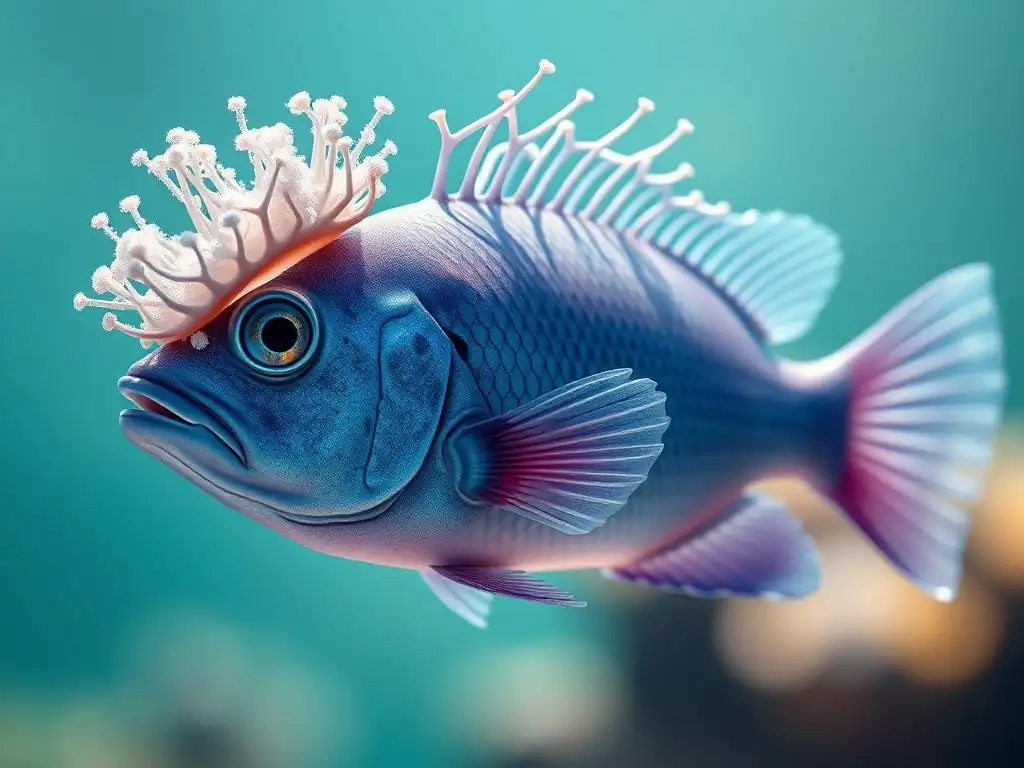
Lymphocystis is a viral infection that primarily affects the skin and fins of marine and freshwater fish, including various wrasse species. Unlike parasitic or bacterial infections, Lymphocystis is generally non-fatal but can be unsightly. It manifests as distinctive, cauliflower-like growths or nodules on the wrasse's fins, skin, and occasionally around the mouth or eyes. These growths are typically white or greyish and can vary in size from tiny specks to large, prominent clusters.
The virus itself is relatively slow-acting and does not directly kill the fish; however, large growths can impede swimming or feeding. Lymphocystis outbreaks are often linked to environmental stressors such as poor water quality, overcrowding, or nutritional deficiencies, which weaken the fish's immune system. While there are no specific antiviral wrasse disease treatment protocols, the condition usually resolves on its own over several weeks or months if the underlying stressors are alleviated and optimal water conditions are restored. Maintaining a healthy environment is key to managing this self-limiting condition.
Fin Rot and Ulcers in Wrasses: Identifying Bacterial Infections
Fin rot and ulcers are common bacterial infections in wrasses, often occurring as secondary issues due to poor water quality, physical injury, or underlying stress. Fin rot presents as frayed, ragged, or disintegrating fins, which may appear milky or opaque at the edges, sometimes with a reddish inflammation. The damage can progress rapidly, potentially leading to the complete erosion of fins and exposing the underlying tissue to further infection.
Ulcers are open sores or lesions on the wrasse's body, which can range from superficial abrasions to deep, crater-like wounds. They often begin as small red spots that enlarge and become infected, sometimes developing a white or greyish necrotic center. Both conditions are typically caused by opportunistic bacteria (e.g., Aeromonas, Pseudomonas) that thrive in suboptimal aquarium conditions. Identifying these signs early is crucial, as severe infections can lead to systemic disease and death if appropriate wrasse disease treatment protocols, often involving antibiotics, are not implemented promptly.
Internal parasites, such as nematodes (roundworms), cestodes (tapeworms), and trematodes (flukes), are a common and often challenging issue in wrasses, particularly those that are wild-caught. Unlike external parasites, internal parasites are difficult to diagnose without laboratory analysis, as their presence is not directly visible. However, several symptoms can indicate their presence. The most common sign is gradual emaciation or "wasting away," where the wrasse loses significant body mass despite eating regularly and appearing to have a good appetite.
Other symptoms may include a distended or bloated abdomen, lethargy, and abnormal feces, such as long, stringy, white, or clear fecal strands. In some cases, wrasses may exhibit signs of discomfort, such as flashing, even without visible external parasites. Because wrasses often consume small invertebrates that can serve as intermediate hosts for parasites, they are particularly susceptible. Prophylactic deworming during quarantine is often recommended as a wrasse disease treatment protocol for new arrivals, given the difficulty of definitive diagnosis once the fish is in the display tank.
Effective Prevention Strategies for Wrasse Diseases
Maintaining Optimal Water Quality for Wrasse Health: Key Parameters
Maintaining pristine and stable water quality is the single most critical factor in preventing wrasse diseases. Wrasses thrive in consistent parameters that mimic their natural reef environment. Key parameters to monitor include salinity, which should be maintained within a specific gravity range of 1.023 to 1.026, and temperature, ideally between 74-82°F (23-28°C), with minimal daily fluctuations. The pH should be stable between 8.1 and 8.4, and alkalinity (dKH) between 8-12 dKH to buffer against pH swings.
Crucially, ammonia and nitrite levels must always be undetectable (0 ppm), as even trace amounts are highly toxic to marine fish and severely compromise their immune systems. Nitrate levels should be kept below 20 ppm through regular water changes and efficient filtration. A minimum of 10-20% weekly or bi-weekly water changes, coupled with robust biological and mechanical filtration, helps dilute pollutants and replenish essential trace elements. Consistent adherence to these parameters significantly reduces environmental stress, thereby bolstering the wrasse's natural resistance to various wrasse disease protocols.
Quarantine Protocols for New Wrasses: Preventing Disease Introduction
Implementing a strict quarantine protocol for all new wrasse arrivals is non-negotiable for preventing the introduction and spread of diseases into your main display tank. A dedicated quarantine tank (QT) should be set up with basic equipment: a heater, an air stone, a small hang-on-back filter, and PVC pipes or other inert decor for hiding spots. The QT should be bare-bottom to facilitate cleaning and observation, making it easier to administer any necessary wrasse disease treatment protocols.
A typical quarantine period for wrasses should last a minimum of 4 to 6 weeks, even if the fish appears healthy. During this time, the wrasse can be observed for signs of disease, treated if necessary, and properly acclimated to aquarium life without risking the health of existing tank inhabitants. Prophylactic treatments for common parasites like Ich and Velvet, or internal deworming, are often administered during quarantine, as it is far easier and safer to treat fish in a controlled environment. This proactive measure drastically reduces the risk of devastating outbreaks in your established reef system.
Proper Acclimation Techniques for Wrasses: Reducing Stress and Boosting Immunity
Proper acclimation is a vital step in minimizing stress for new wrasses and bolstering their immune systems against potential diseases. The process aims to gradually equalize the water parameters (temperature, salinity, and pH) of the transport bag with those of the quarantine or display tank, preventing shock that can severely compromise the fish's health. A sudden change in parameters can lead to osmotic shock, weakening the wrasse and making it highly susceptible to pathogens.
The drip acclimation method is highly recommended for wrasses due to its gentle nature. This involves slowly dripping water from the destination tank into the wrasse's transport bag over a period of 30 to 60 minutes, or longer for very sensitive species, until the water volume in the bag has quadrupled. During this process, dimming the lights helps reduce stress. After acclimation, the wrasse should be gently netted and transferred to the tank, discarding the bag water to prevent introducing any potential pathogens. This careful approach significantly reduces the likelihood of stress-induced wrasse disease outbreaks.
The Role of Nutrition in Wrasse Disease Prevention: A Balanced Diet
A balanced and varied diet is fundamental to maintaining a wrasse's robust immune system and preventing disease. Wrasses are active, carnivorous fish with high metabolic rates, requiring frequent feedings of high-quality, nutrient-rich foods. A diet consisting solely of dry flakes or pellets, while convenient, often lacks the essential fatty acids, vitamins, and proteins necessary for optimal health. Nutritional deficiencies can severely weaken a wrasse's immune response, making it highly susceptible to bacterial, parasitic, and viral infections.
To ensure comprehensive nutrition, offer a variety of foods such as frozen mysis shrimp, brine shrimp (enriched), finely chopped seafood (e.g., krill, scallops, silversides), and high-quality marine pellets or flakes specifically formulated for carnivorous fish. Soaking frozen foods in vitamin supplements like Selcon or Vita-Chem a few times a week can further boost their nutritional value. Feeding small amounts multiple times throughout the day, rather than one large meal, is also beneficial for their digestive system and overall energy levels. A well-nourished wrasse is far more resilient against common wrasse disease threats.
Importance of Regular Observation and Monitoring of Wrasses
Regular, diligent observation and monitoring of your wrasses are indispensable for early disease detection and preventing widespread outbreaks. Daily inspection of each fish allows aquarists to notice subtle changes in behavior, appetite, coloration, or physical appearance that might indicate the onset of a health issue. For example, a wrasse that normally swims actively but suddenly becomes lethargic or hides excessively could be showing the first signs of illness.
Look for changes such as clamped fins, rapid breathing, unusual spots or lesions on the body, cloudy eyes, or a loss of vibrant coloration. Pay attention to their feeding response; a sudden refusal to eat is often a critical early warning sign. Keeping a logbook of observations can help track changes over time and identify patterns. This proactive monitoring allows for the immediate initiation of appropriate wrasse disease treatment protocols, significantly increasing the chances of successful recovery and preventing the illness from spreading to other inhabitants in the aquarium.
Wrasse Disease Treatment Protocols: Step-by-Step Guide
Treating Marine Ich in Wrasses: Effective Medications and Methods
Treating Marine Ich in wrasses requires a systematic approach, typically performed in a dedicated hospital tank (HT) to protect the main display tank's invertebrates and beneficial bacteria. The most common and effective wrasse disease treatment protocols for Ich involve either copper-based medications or hyposalinity. The choice often depends on the wrasse species' tolerance and the aquarist's preference. Regardless of the method, the goal is to break the parasite's life cycle by eliminating the free-swimming "tomites" and preventing new "trophonts" from encysting on the fish.
Before initiating treatment, ensure the HT is properly cycled or has ample biological filtration, and maintain stable water parameters. Remove any carbon filtration or protein skimmers that might remove the medication. The treatment duration is critical; it must be long enough to cover multiple life cycles of the parasite, typically 2-4 weeks, even if visible spots disappear earlier. This ensures all stages of the parasite are eradicated, preventing re-infection.
Copper-Based Treatments for Ich in Wrasses: Dosage and Precautions
Copper-based medications are highly effective against Marine Ich and are a cornerstone of many wrasse disease treatment protocols. Products like Cupramine (Seachem) or Copper Power (Blue Life) are widely used. For Cupramine, the therapeutic range is typically 0.25-0.5 mg/L, while Copper Power is often dosed to a slightly higher range of 0.4-0.8 mg/L. It is absolutely crucial to use a reliable copper test kit, such as a Hanna Checker, to accurately monitor copper levels daily. Undershooting the dose renders it ineffective, while overdosing can be fatal to the fish.
Wrasses can be sensitive to copper, so a slow, gradual increase to the therapeutic level over 24-48 hours is recommended. Maintain the therapeutic concentration for a minimum of 14 days, or up to 30 days to ensure eradication, as the Ich life cycle varies with temperature. During treatment, observe the wrasse for any signs of stress or adverse reactions. Copper is toxic to invertebrates, so never treat in a display tank containing corals, anemones, or crustaceans. After treatment, remove copper using activated carbon or copper-specific removers.
Hyposalinity Treatment for Ich in Wrasses: A Chemical-Free Approach
Hyposalinity is a chemical-free wrasse disease treatment protocol for Marine Ich that involves gradually lowering the salinity of the hospital tank to a specific gravity (SG) of 1.009-1.010. At this reduced salinity, the Ich parasite's tomites (free-swimming stage) cannot osmoregulate and will burst, effectively breaking the life cycle. This method is preferred by some aquarists as it avoids the use of harsh chemicals, which can be stressful to sensitive wrasse species.
To implement hyposalinity, slowly lower the salinity over 12-24 hours by performing small water changes with RODI water. Monitor the SG with a calibrated refractometer multiple times a day. Once the target SG of 1.009-1.010 is reached, maintain it for a minimum of 2-4 weeks. Ensure excellent aeration, as lower salinity reduces oxygen saturation. While generally safe, some wrasse species, particularly those from highly stable reef environments, may not tolerate hyposalinity well. Always research the specific wrasse's tolerance before initiating this wrasse disease treatment protocol.
Velvet Disease Treatment for Wrasses: Aggressive Protocols
Velvet Disease, caused by Amyloodinium ocellatum, requires immediate and aggressive wrasse disease treatment protocols due to its rapid and highly fatal nature. Delaying treatment by even a few hours can significantly reduce survival rates. Like Ich, Velvet should always be treated in a hospital tank (HT) to protect sensitive invertebrates in the main display. The primary goal is to eliminate the free-swimming dinospores and the trophonts on the fish.
Effective treatments typically involve strong antiparasitic medications such as copper or Chloroquine Phosphate. It is crucial to maintain stable water parameters in the HT and ensure adequate aeration, as infected wrasses often have compromised gills. The treatment duration must be long enough to cover multiple life cycles of the parasite, typically 3-4 weeks, to ensure complete eradication and prevent re-infection.
Copper-Based Treatments for Velvet Disease in Wrasses
Copper-based medications are highly effective against Velvet Disease and are a standard wrasse disease treatment protocol. The therapeutic range for Velvet is often at the higher end of the recommended copper concentration, such as 0.5 mg/L for Cupramine or 0.6-0.8 mg/L for Copper Power. Similar to Ich treatment, precise daily monitoring of copper levels with a reliable test kit (e.g., Hanna Checker) is essential to maintain efficacy and prevent toxicity.
Introduce the copper gradually over 24 hours to minimize stress on the wrasse. Maintain the therapeutic concentration for at least 21-30 days to ensure all stages of the Amyloodinium life cycle are eradicated. During this period, observe the wrasse closely for signs of stress or improvement. While effective, copper can be stressful for some delicate wrasse species, and its use requires careful management and consistent testing.
Chloroquine Phosphate Treatment for Velvet Disease in Wrasses
Chloroquine Phosphate (CP) is widely regarded as one of the most effective and stable wrasse disease treatment protocols for Velvet, as well as Ich and Brooklynella. It is a broad-spectrum antiparasitic that remains stable in water for extended periods and is often less stressful on fish than copper at therapeutic levels. The typical dosage for Chloroquine Phosphate is 10 mg per gallon of water.
To administer, dissolve the calculated amount of CP in a small amount of RODI water and then add it to the hospital tank. Ensure good water circulation to distribute the medication evenly. Maintain the concentration for a minimum of 14-21 days. CP is light-sensitive, so dimming the lights or covering the tank can help maintain its potency. While generally safer for fish than copper, CP can be absorbed by porous materials, so it's best used in a bare-bottom HT. It is highly effective and often the preferred choice for aggressive Velvet outbreaks.
Brooklynella Treatment for Wrasses: Immediate Action Required
Brooklynella hostilis is an aggressive and rapidly fatal ciliate parasite that demands immediate and decisive wrasse disease treatment protocols. Due to its swift progression, delaying treatment can result in high mortality rates within a day or two. The primary goal is to quickly eliminate the parasites on the fish and prevent their spread. Treatment should always be carried out in a hospital tank (HT) to contain the outbreak and protect the main display.
Initial treatment often involves rapid dips or baths, followed by sustained medication in the HT. While Brooklynella is a parasite, secondary bacterial infections are extremely common due to the damage it inflicts on the wrasse's skin and gills. Therefore, a multi-pronged approach combining antiparasitic measures with potential antibiotic support for secondary infections is often necessary.
Formalin Dips for Brooklynella in Wrasses: Procedure and Safety
Formalin dips are a highly effective and immediate wrasse disease treatment protocol for Brooklynella, providing rapid relief from the parasitic load. Prepare a separate container with tank water that is precisely matched in temperature and pH to the wrasse's current water. Add pharmaceutical-grade formalin at a concentration of 1 mL per gallon of water for a short, intense dip, typically 5-10 minutes. Alternatively, a prolonged bath at a lower concentration (e.g., 1 mL per 10 gallons) for 45-60 minutes can be used in the hospital tank.
During the dip, closely observe the wrasse for signs of extreme distress. If the fish shows severe signs of discomfort (e.g., rolling over, gasping excessively), remove it immediately. Formalin is highly toxic and should be handled with extreme caution in a well-ventilated area, wearing gloves and eye protection. Never use formalin in a display tank. Repeat dips may be necessary every 24-48 hours for several days, alongside ongoing treatment in the HT.
Antibiotic Treatments for Brooklynella in Wrasses
While Brooklynella is a parasite, the severe damage it causes to the wrasse's skin and gills often leads to secondary bacterial infections. Therefore, incorporating broad-spectrum antibiotics into the wrasse disease treatment protocols can be beneficial for managing these opportunistic infections. Medications such as Furan-2 (containing Nitrofurazone) or Kanamycin are commonly used. These antibiotics should be administered in the hospital tank, following the manufacturer's instructions for dosage and duration.
It is important to note that antibiotics will not directly kill the Brooklynella parasite; their role is to treat the bacterial complications that arise from the initial parasitic infestation. Always ensure that the primary antiparasitic treatment (e.g., formalin baths, Chloroquine Phosphate) is the main focus, with antibiotics serving as supportive therapy. Continuous observation for improvement in skin and fin condition will help determine the efficacy of the antibiotic component of the wrasse disease treatment protocols.
Lymphocystis Treatment in Wrasses: Supportive Care and Management
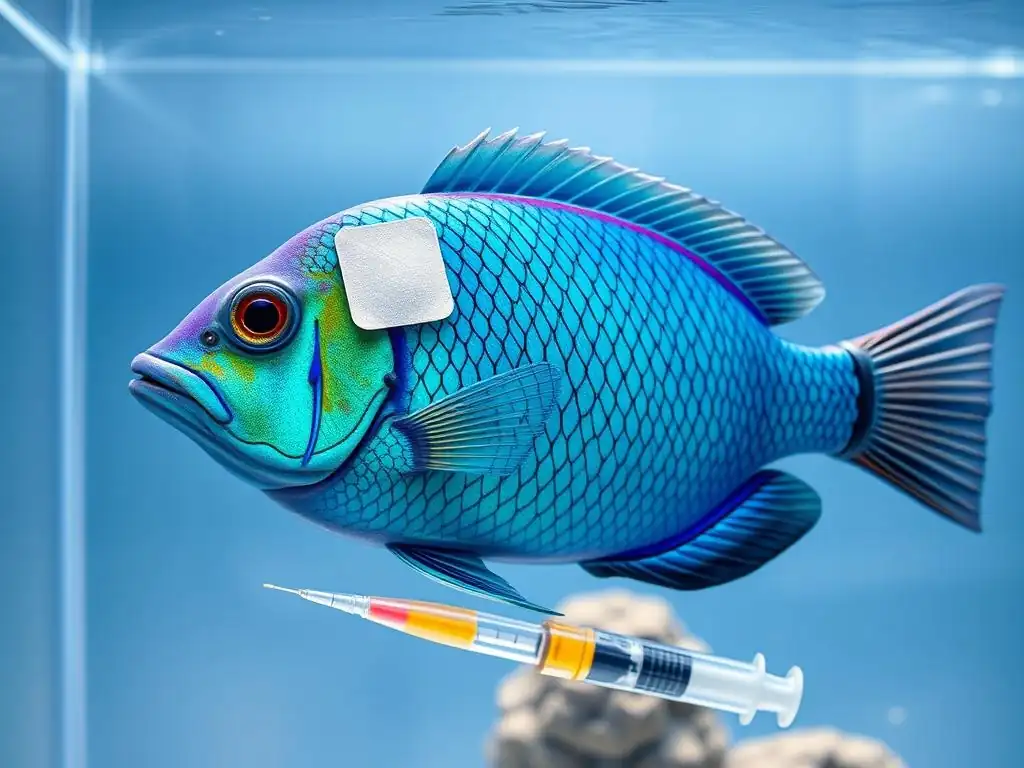
Lymphocystis, being a viral infection, currently has no specific antiviral wrasse disease treatment protocol or medication that directly eliminates the virus from the fish. Instead, management focuses entirely on supportive care designed to boost the wrasse's natural immune system and allow it to fight off the infection on its own. The growths typically recede over several weeks to months, provided the fish's environment is optimal and stress is minimized.
Key supportive measures include maintaining impeccable water quality with stable parameters (ammonia, nitrite at 0 ppm; low nitrates). A highly nutritious and varied diet, supplemented with vitamins (e.g., Selcon, Vita-Chem soaked into food), is crucial to strengthen the wrasse's immune response. Reducing environmental stressors such as overcrowding, aggressive tank mates, or fluctuating temperatures is also vital. In some cases, isolating the affected wrasse in a separate tank can reduce potential spread to other fish, though the virus is not highly contagious. Patience and consistent optimal husbandry are the primary "treatments" for Lymphocystis.
Treating Fin Rot and Ulcers in Wrasses: Antibiotics and Wound Care
Treating fin rot and ulcers in wrasses involves a two-pronged approach: identifying and addressing the underlying cause, and then administering appropriate medication and supportive care to promote healing. These conditions are typically bacterial in nature, often secondary to poor water quality, physical injury, or chronic stress. Implementing effective wrasse disease treatment protocols is essential to prevent systemic infection.
Initial steps should always focus on improving the wrasse's environment. This means performing significant water changes (e.g., 25-50%) to reduce pollutants and meticulously checking all water parameters to ensure they are optimal. Removing any sharp decor that might cause injury is also important. Once the environmental stressors are mitigated, targeted antibiotic treatments can be administered in a hospital tank to combat the bacterial infection directly.
Identifying the Cause of Fin Rot: Bacterial vs. Environmental
Before initiating specific wrasse disease treatment protocols for fin rot, it is crucial to differentiate between a primary bacterial infection and damage caused by environmental factors or physical injury. If water quality parameters (ammonia, nitrite, nitrate) are poor, or if the wrasse is constantly being nipped by tank mates or scraping against sharp rockwork, the fin damage might be primarily environmental. In such cases, correcting the underlying issue may allow the fins to heal naturally without medication.
However, if the fin rot progresses rapidly, shows fuzzy or bloody edges, or is accompanied by other signs of bacterial infection (e.g., lethargy, loss of appetite), it indicates an active bacterial component. Similarly, ulcers are almost always indicative of a bacterial infection, often following an initial injury. Addressing the root cause is paramount; otherwise, even successful antibiotic wrasse disease treatment protocols will only offer temporary relief.
Antibiotic Options for Fin Rot in Wrasses
For active bacterial fin rot and ulcers in wrasses, broad-spectrum antibiotics administered in a hospital tank are typically required. Common and effective options include Nitrofurazone (often found in products like Furan-2), Kanamycin (Kanaplex), or Erythromycin. Sometimes, a combination of antibiotics, such as Nitrofurazone and Kanamycin, is used for more severe or resistant infections.
Always follow the manufacturer's dosage instructions precisely. The duration of treatment is usually 5-7 days, but it's important to complete the full course even if symptoms improve earlier to prevent antibiotic resistance and ensure complete eradication of the bacteria. After the treatment course, perform water changes and use activated carbon to remove residual medication. These wrasse disease treatment protocols are effective but require careful adherence to dosage and duration.
Promoting Wound Healing in Wrasses: Water Quality and Supplements
Beyond antibiotic treatment, promoting optimal conditions for wound healing is a critical component of wrasse disease treatment protocols for fin rot and ulcers. Pristine water quality in the hospital tank is paramount, as clean water reduces the bacterial load and allows the wrasse to allocate its energy towards recovery rather than fighting off new infections. Regular small water changes (e.g., 10-20% daily) can be beneficial during the healing process.
Supplementing the wrasse's diet with vitamin-enriched foods can significantly boost its immune system and aid in tissue regeneration. Products like Selcon, Vita-Chem, or other liquid vitamin preparations can be soaked into frozen or pellet foods. These supplements provide essential fatty acids and vitamins (especially Vitamin C) that are crucial for tissue repair and overall fish health. Maintaining a low-stress environment with plenty of hiding spots also contributes positively to the wrasse's recovery.
Addressing Internal Parasites in Wrasses: Deworming Strategies
Addressing internal parasites in wrasses can be challenging due to the difficulty in definitive diagnosis without specialized fecal examinations. However, if symptoms such as chronic emaciation despite eating, stringy white feces, or unexplained bloating are observed, a deworming wrasse disease treatment protocol is often warranted, especially for wild-caught individuals. These treatments are most effective when the medication is ingested, targeting the parasites within the digestive tract.
Therefore, medicated foods are generally preferred over bath treatments for internal parasites. A hospital tank is still recommended for observation and to ensure the wrasse consumes the medicated food without competition. It is crucial to use the correct deworming agent for the suspected parasite type, although broad-spectrum options are available.
Identifying Internal Parasites: Fecal Examination and Symptoms
Identifying internal parasites in wrasses often relies on observing indirect symptoms, as the parasites themselves are not visible. The most common and telling symptom is progressive emaciation or "wasting disease," where the wrasse becomes increasingly thin despite maintaining a healthy appetite and consuming food regularly. This indicates that nutrients are being diverted to the parasites.
Other signs include stringy, white, or clear feces, which can suggest intestinal irritation or the shedding of parasite segments. A wrasse might also exhibit lethargy, unusual hiding, or a bloated appearance in some cases, particularly with severe worm infestations. While a microscopic fecal examination by a veterinary professional is the most accurate diagnostic tool, it is often impractical for hobbyists. Therefore, a presumptive diagnosis based on a combination of these symptoms often leads to initiating wrasse disease treatment protocols.
Deworming Medications for Wrasses
Several deworming medications are effective against common internal parasites in wrasses. Metronidazole is often used for flagellates and some anaerobic bacterial infections, while Praziquantel is highly effective against trematodes (flukes) and cestodes (tapeworms). Both are generally safe for wrasses when administered correctly. Fenbendazole is another option for nematodes (roundworms).
The most effective way to administer these medications for internal parasites is by soaking them into the wrasse's food. For example, mix the powdered medication with a small amount of tank water or a binding agent like focus (Seachem) and then thoroughly coat frozen or pellet foods. Allow the food to soak for 15-30 minutes before feeding. This ensures the medication is ingested directly. Treatment typically lasts for 5-7 days, and a second course may be recommended after a break to target any newly hatched parasites. These wrasse disease treatment protocols are vital for addressing hidden threats.
Post-Treatment Care and Recovery for Wrasses
Monitoring Wrasse Behavior After Treatment: Signs of Recovery
After completing any wrasse disease treatment protocols, continuous and careful monitoring of the wrasse's behavior is crucial to confirm full recovery and prevent relapses. Signs of recovery include a return to normal activity levels, such as active swimming and foraging. The wrasse should regain its vibrant coloration, which often dulls during illness, and exhibit a strong, healthy appetite, readily accepting food.
Physical symptoms, such as spots, lesions, or fin damage, should visibly improve or disappear. Respiration should return to a normal, unlabored rate. Observe for several weeks post-treatment, even if the wrasse appears fully recovered, as some diseases can have dormant stages or secondary complications may arise. Any recurrence of symptoms warrants immediate re-evaluation and potential re-initiation of wrasse disease treatment protocols.
Restoring the Aquarium Ecosystem After Medication
Once the wrasse disease treatment protocols are complete in a hospital tank, and the wrasse is ready to return to the display tank, or if the display tank itself was treated, it's essential to restore the aquarium ecosystem. The first step is to remove any residual medications from the water. This is typically achieved by performing large water changes (e.g., 25-50%) and adding fresh activated carbon to the filtration system, which will absorb most chemical residues within 24-48 hours.
If the main display tank was treated with copper or other harsh chemicals, beneficial nitrifying bacteria may have been adversely affected. In such cases, monitor ammonia and nitrite levels closely for several days or weeks, and consider using a bacterial supplement to re-establish the biological filter. For hospital tanks, a thorough cleaning and sterilization are necessary before the next use to prevent cross-contamination, ensuring future wrasse disease treatment protocols are effective.
Boosting Wrasse Immunity: Vitamins and Supplements
Boosting a wrasse's immunity during the recovery phase is critical for preventing re-infection and ensuring long-term health. Illness and medication can be taxing on a fish's system, leaving it temporarily weakened. A key strategy is to enhance the nutritional value of their diet through vitamin and supplement enrichment. Products like Selcon, Vita-Chem, or other high-quality liquid vitamin preparations can be soaked into frozen foods (e.g., mysis shrimp, brine shrimp) or pellets before feeding.
These supplements provide essential fatty acids, amino acids, and vitamins (particularly Vitamin C, which is crucial for immune function and wound healing) that may have been depleted during the illness. Probiotic supplements can also be beneficial for gut health, aiding digestion and nutrient absorption. Consistent use of such supplements for several weeks post-treatment helps rebuild the wrasse's immune reserves, making it more resilient against future wrasse disease challenges.
Preventing Re-Infection: Long-Term Aquarium Management
Preventing re-infection is the cornerstone of successful long-term wrasse health and involves a continuous commitment to best aquarium management practices. The most critical long-term strategy is maintaining impeccable water quality through regular testing, consistent water changes (e.g., 10-20% weekly), and robust filtration. Stable parameters prevent environmental stress, a primary trigger for disease.
Secondly, strict adherence to quarantine protocols for all new fish, corals, and invertebrates is non-negotiable. A dedicated quarantine period of 4-6 weeks allows for observation and treatment of any potential pathogens before they enter the main display tank. Providing a varied, nutrient-rich diet, as discussed earlier, ensures the wrasse's immune system remains strong. Lastly, regular, proactive observation of your wrasses for any subtle changes in behavior or appearance allows for early intervention, preventing minor issues from escalating into full-blown outbreaks that require intensive wrasse disease treatment protocols.
Conclusion: Ensuring Long-Term Wrasse Health in Your Aquarium.
Frequently Asked Questions
What are some common diseases that affect wrasse fish in aquariums?
Wrasse fish are susceptible to diseases like Ich (white spot disease), Marine Velvet, and Lymphocystis. These diseases are often triggered by stress and poor water quality.
How can I identify diseases in my wrasse fish early on?
Look for symptoms such as white spots on the body, rapid breathing, lethargy, or changes in appetite. Early detection is crucial for successful treatment.
What are some effective prevention strategies for wrasse diseases?
Maintaining pristine water quality, using a quarantine tank for new arrivals, and providing a stress-free environment are key to preventing disease outbreaks.
What are some common treatment protocols for diseases in wrasse fish?
Treatment protocols vary depending on the disease, but often involve copper-based medications, hyposalinity, or medicated food. Always follow dosage instructions carefully.
Where can I find more detailed information on specific wrasse diseases and their treatments?
AquariumMastery.com provides detailed articles on specific wrasse diseases, including treatment protocols and prevention strategies for freshwater and saltwater aquariums.
Final Reflection: Safeguarding the Vibrant Reef
The insights shared throughout this article, focusing on early identification and effective Wrasse disease treatment protocols, are more crucial now than ever. As our oceans face increasing pressures from climate change and habitat degradation, the health of every reef inhabitant, including the vibrant wrasse, becomes paramount. Understanding and implementing these protocols is not just about treating sick fish; it's about actively contributing to the resilience of entire ecosystems.
The impact of wrasse health extends far beyond the individual fish. The prevalence of disease in wrasse populations serves as a barometer for the overall health of our reefs, highlighting the interconnectedness of all marine life. In nature, nothing exists alone.
- Rachel Carson. This quote underscores the profound responsibility we have to protect these delicate ecosystems, and mastering wrasse disease treatment protocols is a vital step in that direction.
As you reflect on the information presented here, consider how you can contribute to the well-being of wrasse populations and the health of our reefs. Whether you're an aquarist, a marine biologist, or simply a passionate ocean advocate, your awareness and actions can make a difference. Let us all strive to be stewards of the sea, ensuring a vibrant and healthy future for these captivating creatures and the ecosystems they call home.
Ignite Your Wrasse's Health: Spot, Prevent, and Conquer Disease Now!
Thank you for diving deep into the world of wrasse health! We hope you've gained valuable insights into identifying, preventing, and treating common diseases affecting these vibrant reef inhabitants. Now, it's time to put that knowledge into action and ensure your wrasses thrive.
Here's what you can do next:
- Immediately implement a quarantine protocol for all new wrasses entering your aquarium to observe for any signs of disease before introducing them to your established reef.
- Research and consider adding cleaner shrimp or cleaner wrasse to your aquarium to naturally reduce parasite loads and promote overall fish health.
- Share this article with fellow reef enthusiasts to spread awareness and help build a community of informed and responsible wrasse keepers.
What proactive steps will you take this week to improve your wrasse's environment and bolster their disease resistance?