
Setting Up the Perfect Lionfish Aquarium: Key Environmental Needs

Welcome to Aquarium Mastery!
Dive into the fascinating world of saltwater aquariums with us! Ever wondered if you have what it takes to create a thriving habitat for a truly captivating creature? Our Lionfish Aquarium Setup Guide unlocks the secrets to building the perfect environment for these majestic predators. Discover the essential environmental needs and prepare to be amazed. Ready to embark on this aquatic adventure? Let's get started!
- Introduction to Lionfish Aquarium Keeping
- Essential Considerations Before Starting Your Lionfish Aquarium
-
Lionfish Aquarium Setup Guide: A Step-by-Step Approach
- Step 1: Selecting the Ideal Lionfish Tank
- Step 2: Establishing the Right Water Parameters for Lionfish
- Step 3: Setting Up the Filtration System for a Lionfish Aquarium
- Step 4: Selecting the Appropriate Substrate and Decorations
- Step 5: Lighting Considerations for Lionfish Aquariums
- Step 6: Selecting Compatible Tank Mates for Lionfish
- Maintaining a Healthy Lionfish Aquarium Environment
- Advanced Lionfish Aquarium Keeping Techniques
- Troubleshooting Common Lionfish Aquarium Problems
- Conclusion: Mastering the Art of Lionfish Aquarium Setup
- Frequently Asked Questions
- Final Reflection: Embracing the Responsibility of Exotic Care
- Ignite Your Lionfish Paradise!
Introduction to Lionfish Aquarium Keeping
Understanding the Allure of Lionfish in Home Aquariums
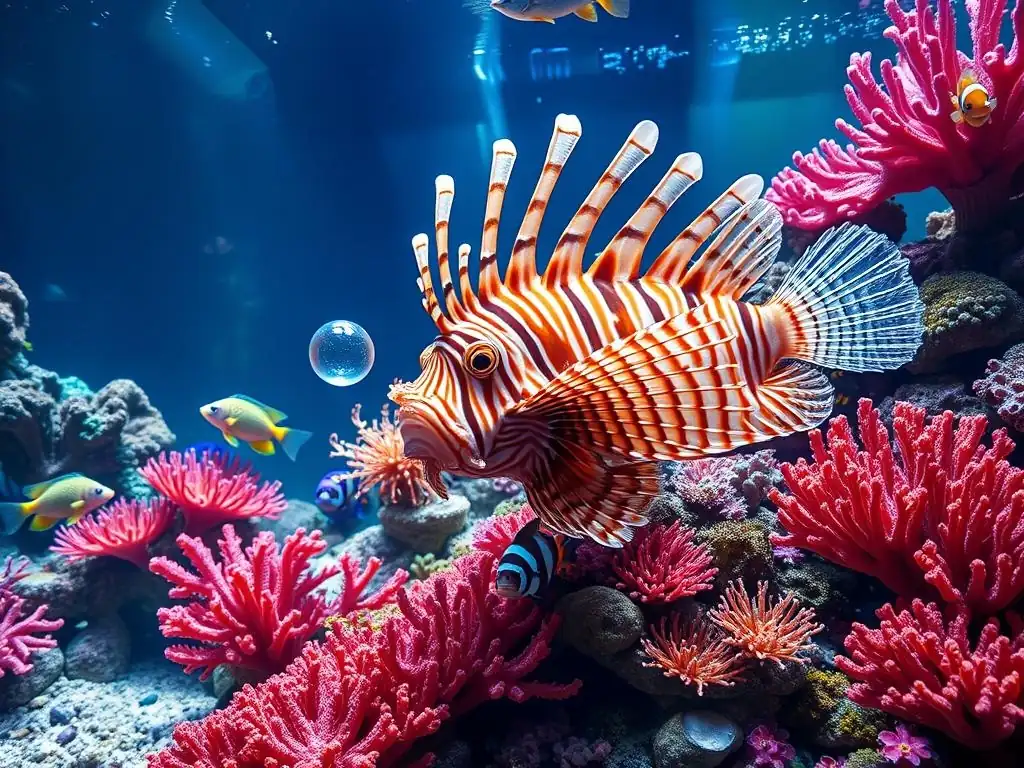
Lionfish, with their striking pectoral fins resembling a feathered fan and their dramatic, deliberate movements, captivate aquarists worldwide. Species like the Volitans Lionfish (Pterois volitans) are particularly popular due to their impressive size, reaching up to 15-18 inches in captivity, and their bold patterns of red, white, and black stripes. Beyond their aesthetic appeal, their predatory nature and unique hunting methods, such as cornering prey with their extended fins, add an engaging dynamic to a marine display. This combination of beauty and behavior makes them a highly sought-after, albeit specialized, inhabitant for a saltwater aquarium.
Their venomous spines, while a deterrent to predators in the wild, also add to their mystique in a home setting, demanding respect and careful handling from the aquarist. It's this blend of exotic beauty, fascinating behavior, and the challenge of specialized care that draws many enthusiasts to consider a lionfish aquarium. The distinct personality each fish can develop further enhances their appeal, transforming a mere tank into a captivating aquatic ecosystem centered around these magnificent creatures.
Why a Dedicated Lionfish Aquarium Setup Guide is Crucial
Establishing a thriving lionfish aquarium requires specific knowledge and meticulous planning, far beyond what might be needed for a typical community reef tank. Unlike many common marine fish, lionfish have unique environmental requirements regarding tank size, water parameters, filtration, and dietary needs. Ignoring these specific demands can lead to stress, disease, and a significantly shortened lifespan for these magnificent fish. For instance, an inadequate lionfish aquarium setup guide might overlook the necessity for robust filtration to handle their bioload or the critical importance of a stable, low-nitrate environment.
A comprehensive lionfish aquarium setup guide is therefore indispensable for success. It ensures that every aspect, from initial tank selection to long-term maintenance, is addressed with the lionfish's welfare in mind. This detailed approach helps prevent common pitfalls, such as housing them with incompatible tank mates or failing to provide sufficient hiding spaces, which can lead to stress and aggression. Following a dedicated guide ensures the aquarist creates an optimal habitat, promoting the health, vibrant coloration, and natural behaviors of their lionfish for many years.
Essential Considerations Before Starting Your Lionfish Aquarium
Space Requirements: Choosing the Right Size Tank for Lionfish
The size of your lionfish aquarium is paramount and depends heavily on the specific species you intend to keep. Dwarf lionfish species, such as the Fu Manchu (Dendrochirus biocellatus) or Zebra (Dendrochirus zebra) lionfish, typically reach lengths of 4-6 inches and can be comfortably housed in a minimum 30-gallon tank, though a 50-gallon tank offers more stability and swimming room.
For the larger and more common Volitans Lionfish (Pterois volitans), which can grow to 15-18 inches, a minimum tank size of 75-100 gallons is recommended for a single specimen. If you plan to house multiple Volitans lionfish, or wish for optimal long-term health and growth, a tank of 125 gallons or more is highly advisable.
Adequate space is crucial not only for swimming but also for maintaining stable water parameters, especially with a fish that produces a significant bioload. A larger volume of water dilutes waste products more effectively, making it easier to control nitrate levels and maintain overall water quality. Additionally, sufficient space allows for appropriate rockwork and hiding spots, reducing stress and promoting natural behaviors, which is a key aspect of a successful lionfish aquarium setup guide.
Legal Aspects: Checking Local Regulations on Lionfish Ownership
Before acquiring a lionfish, it is crucial to investigate and understand local regulations regarding their ownership. In some regions, particularly those bordering the Atlantic Ocean and Caribbean Sea where lionfish have become an invasive species, there may be restrictions, permits required, or even outright bans on keeping them. For example, states like Florida have specific guidelines or restrictions due to the environmental impact of escaped or released lionfish. These regulations are designed to prevent further ecological damage to native marine ecosystems.
It is advisable to contact your state's fish and wildlife department, local department of natural resources, or a reputable local fish store for precise information. Ignoring these regulations could lead to legal penalties or the confiscation of your fish. Ensuring compliance is an important step in responsible lionfish aquarium keeping and contributes to broader conservation efforts, making it a vital consideration in any comprehensive lionfish aquarium setup guide.
Long-Term Commitment: Are You Ready for Lionfish Care?
Keeping lionfish is a significant long-term commitment, as these fish can live for 10 to 15 years, or even longer, in a well-maintained captive environment. This longevity means you are committing to a decade or more of dedicated care, including consistent water quality maintenance, appropriate feeding, and disease prevention. Their diet consists primarily of meaty foods, such as frozen silversides, shrimp, and squid, which can be more expensive than flake or pellet foods for other fish. An adult Volitans lionfish, for example, might consume several large silversides every two to three days.
Beyond diet, the ongoing need for precise water parameter monitoring, regular water changes, and vigilant observation for signs of stress or illness requires consistent effort. Lionfish are also susceptible to common marine diseases like Ich (Cryptocaryon irritans) and Marine Velvet (Amyloodinium ocellatum), necessitating a readiness to implement quarantine procedures or treatment protocols. Understanding and embracing this long-term responsibility is fundamental to providing a thriving habitat as outlined in any effective lionfish aquarium setup guide.
Lionfish Aquarium Setup Guide: A Step-by-Step Approach
Step 1: Selecting the Ideal Lionfish Tank
Determining Tank Size Based on Species and Number of Lionfish
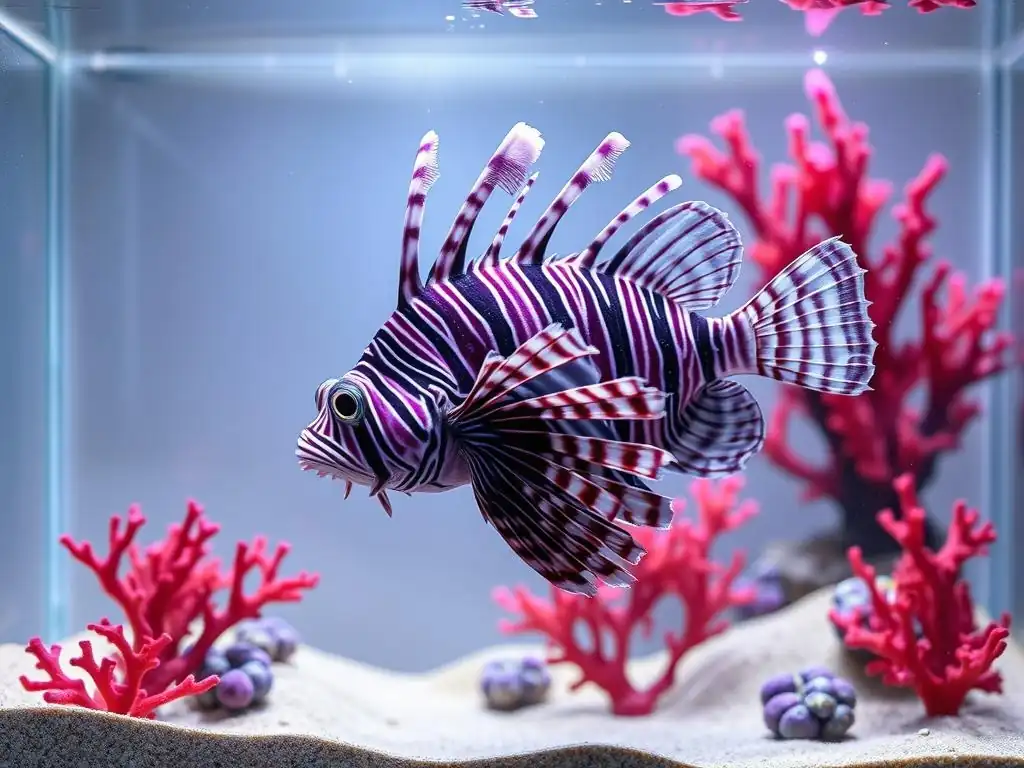
The foundation of any successful lionfish aquarium setup guide begins with selecting the appropriate tank size, a decision directly influenced by the specific lionfish species and the number of individuals you plan to house. For smaller dwarf species like the Zebra Lionfish (Dendrochirus zebra), which typically reach 4-5 inches, a 30-gallon tank can serve as a minimum, although a 50-gallon tank provides a more stable and forgiving environment.
If considering a larger species such as the Volitans Lionfish (Pterois volitans), which can grow up to 15-18 inches, a 75-gallon tank is the absolute minimum for a single adult, with 125 gallons or more being highly recommended for optimal long-term health and growth.
For aquarists aiming to keep multiple lionfish, the tank size must increase significantly. A pair of dwarf lionfish might thrive in a 75-gallon system, while two Volitans lionfish would require a tank of 200 gallons or larger to ensure ample swimming space and reduce potential territorial disputes. Overstocking not only limits space but also drastically increases the bioload, making it challenging to maintain pristine water quality, which is critical for these sensitive predators.
Choosing Between Acrylic and Glass Aquariums for Lionfish
When setting up your lionfish aquarium, you'll generally choose between acrylic and glass tanks, each offering distinct advantages and disadvantages. Glass aquariums are typically more scratch-resistant, maintaining their clarity over time, and are often more affordable for standard sizes. However, they are significantly heavier than acrylic tanks, making larger sizes more difficult to move, and they offer less insulation against temperature fluctuations. A 125-gallon glass tank, for example, can weigh over 1,500 pounds when filled with water and rockwork, requiring robust floor support.
Acrylic aquariums, conversely, are much lighter, offer superior clarity, and provide better insulation, which can help maintain stable water temperatures. They are also less prone to shattering under impact, though they are more susceptible to scratching. For larger custom lionfish aquarium setups, acrylic is often preferred due to its lighter weight and ability to be shaped into various designs. Both materials are perfectly suitable for lionfish, so the choice often comes down to budget, aesthetics, and practical considerations like weight and scratch resistance.
Step 2: Establishing the Right Water Parameters for Lionfish
Maintaining Optimal Salinity Levels for Lionfish Health
Maintaining the correct salinity is paramount for the health of your lionfish, as they are strictly marine fish. The optimal specific gravity (SG) range for a lionfish aquarium is generally between 1.020 and 1.025, with many experienced aquarists aiming for the higher end, around 1.023-1.025, to closely mimic natural ocean conditions. Fluctuations outside this range, even by a small margin, can cause significant stress, leading to osmotic shock, weakened immune systems, and increased susceptibility to diseases like Ich.
Regular testing with a reliable refractometer (calibrated frequently) or a hydrometer is essential to ensure stability. Evaporation will increase salinity over time, necessitating the addition of freshwater (RO/DI water) to top off the tank. Conversely, adding new saltwater during water changes, if not mixed to the correct SG, can cause drops or spikes. Consistency in salinity is far more critical than hitting a precise number, as sudden changes are more detrimental than stable values slightly outside the ideal range.
Controlling pH and Alkalinity in a Lionfish Aquarium
Stable pH and alkalinity levels are critical components of a healthy lionfish aquarium environment. The ideal pH range for lionfish is typically between 8.1 and 8.4, mirroring natural ocean conditions. Fluctuations outside this range, especially drops below 8.0, can stress fish and inhibit biological processes. Alkalinity, measured in dKH (degrees of carbonate hardness), should be maintained between 8 and 12 dKH. Alkalinity acts as a buffer, preventing rapid pH swings and contributing to the overall stability of the water.
To maintain these parameters, regular testing (at least weekly) using reliable test kits is necessary. If pH or alkalinity levels consistently fall, it may indicate insufficient buffering capacity in the water, often due to high bioload or lack of regular water changes. Dosing with commercially available alkalinity buffers can help stabilize these levels. Proper aeration and the use of live rock also contribute to pH stability by facilitating gas exchange and supporting beneficial bacteria.
The Importance of Nitrate Levels in Lionfish Tanks
Nitrate levels are a critical indicator of water quality in any marine aquarium, and particularly so for a lionfish aquarium. While less toxic than ammonia or nitrite, high nitrate concentrations (above 20 ppm, ideally below 10 ppm) can cause chronic stress, suppress the immune system, and lead to fin erosion or other health issues in lionfish over time. Lionfish, being predatory and producing a significant amount of waste, can quickly contribute to rising nitrate levels if filtration and maintenance are not adequate.
To keep nitrates in check, a robust filtration system, regular large water changes (e.g., 20% bi-weekly), and avoiding overfeeding are essential. Live rock and a deep sand bed (if properly maintained) can aid in denitrification, converting nitrates into harmless nitrogen gas. Monitoring nitrate levels weekly with a test kit allows aquarists to proactively adjust their maintenance routine, ensuring a clean and healthy environment for their lionfish.
Step 3: Setting Up the Filtration System for a Lionfish Aquarium
Choosing the Right Filter Type: Canister, Sump, or Hang-on-Back?
Selecting the appropriate filtration system is a cornerstone of a robust lionfish aquarium setup guide, as these fish produce a considerable bioload. Three primary filter types are commonly used: canister filters, sumps, and hang-on-back (HOB) filters. Canister filters are self-contained units that sit outside the tank, pulling water through various media (mechanical, chemical, biological). They are excellent for tanks up to 100 gallons, offering good mechanical and chemical filtration, but require periodic disassembly for cleaning.
Sumps, often found on larger tanks (75 gallons and above), are separate tanks located below the main display. They offer superior versatility, allowing for large volumes of biological media, integration of protein skimmers, refugiums, and heaters, and significantly increase the overall water volume of the system, enhancing stability.
HOB filters are generally suitable for smaller tanks (under 50 gallons) or as supplementary filtration, providing basic mechanical and chemical filtration, but lack the capacity for heavy bioloads. For a dedicated lionfish aquarium setup, a sump system is often the preferred choice due to its superior capacity for biological filtration and integration of essential equipment.
The Role of Protein Skimmers in Lionfish Tank Maintenance
A protein skimmer is an indispensable piece of equipment for any lionfish aquarium, playing a crucial role in maintaining pristine water quality. Its primary function is to remove organic waste compounds, such as proteins and amino acids, from the water column before they break down into harmful nitrates and phosphates. This is achieved by creating a column of fine bubbles that attract and bind to organic molecules, which are then carried to a collection cup for easy removal.
Given that lionfish are messy eaters and produce a substantial amount of waste, a highly efficient protein skimmer is vital to control dissolved organic carbon (DOC) and prevent nitrate buildup. For a lionfish aquarium setup, it's advisable to select a skimmer rated for at least 1.5 to 2 times the actual tank volume to ensure effective nutrient export. Regular cleaning of the skimmer's collection cup (daily or every few days) ensures optimal performance and contributes significantly to a healthy, stable environment.
Mechanical Filtration: Removing Debris from the Lionfish Aquarium
Mechanical filtration is a fundamental component of any effective lionfish aquarium setup, designed to remove particulate matter and physical debris from the water column. This includes uneaten food, fish waste, and detritus, which, if left to decompose, would contribute to elevated nitrate levels and cloudy water. Common forms of mechanical filtration include filter socks, filter sponges, and filter pads, often incorporated into sumps or canister filters.
Filter socks, typically used in sumps, are highly effective at trapping fine particles but require frequent cleaning or replacement (every 2-3 days) to prevent them from becoming a nitrate factory themselves. Sponges and pads also trap debris and provide some surface area for beneficial bacteria, but must be rinsed or replaced regularly. Neglecting mechanical filtration can lead to poor water clarity and a build-up of organic waste, directly impacting the health and visual appeal of your lionfish aquarium.
Step 4: Selecting the Appropriate Substrate and Decorations
Choosing a Safe and Suitable Substrate for Lionfish
The choice of substrate for a lionfish aquarium is an important consideration for both aesthetics and the well-being of your fish. Fine sand or crushed coral are generally the most suitable options. Fine sand, with a grain size of 0.5-1.5 mm, is gentle on the lionfish's delicate fins and body, reducing the risk of abrasions. It also provides a natural appearance and can support beneficial bacteria. A depth of 1-2 inches is usually sufficient for aesthetic purposes and ease of cleaning.
Crushed coral, while offering a larger surface area for biological filtration and helping to buffer pH, can sometimes have sharper edges that might irritate a lionfish if it rests on the bottom. However, it is a viable option, especially if a slightly coarser substrate is preferred. Regardless of the choice, avoid very coarse or sharp gravel that could potentially injure the lionfish or trap excessive detritus. Ensuring a clean and non-abrasive substrate is a key detail in any thorough lionfish aquarium setup guide.
Creating a Natural Environment with Rocks and Caves
Creating a natural and stimulating environment with appropriate rockwork and caves is crucial for a lionfish aquarium. Lionfish, while often seen cruising in the open, appreciate structures that offer hiding spots and a sense of security. Live rock is highly recommended for this purpose, not only for its aesthetic appeal but also for its significant contribution to biological filtration. Aim for 1-1.5 pounds of live rock per gallon of tank capacity to provide ample surface area for beneficial nitrifying bacteria.
Arrange the live rock to form stable, secure structures with plenty of overhangs, crevices, and cave-like formations. These provide crucial retreat areas where lionfish can rest, feel safe, and ambush prey (if live feeders are used, though not recommended). Ensure that all rockwork is securely stacked to prevent collapses, which could injure the fish or damage the tank. A well-designed aquascape enhances the visual appeal of your lionfish aquarium and contributes significantly to the fish's overall well-being.
Avoiding Harmful Decorations in a Lionfish Aquarium
When decorating a lionfish aquarium, it is essential to prioritize the safety of your fish by avoiding any potentially harmful decorations. This means steering clear of items with sharp edges, rough surfaces, or narrow openings that could snag a lionfish's delicate fins or lead to injuries. Artificial corals, plastic plants, or resin ornaments should be carefully inspected for any sharp points or abrasive textures that could cause scrapes or tears.
Additionally, ensure that any decorations are made from aquarium-safe, non-toxic materials that will not leach harmful chemicals into the water. Avoid using items found outside the aquarium trade unless specifically certified as safe for marine use. All decorations should be heavy enough or securely placed to prevent them from toppling over and potentially crushing or injuring the lionfish. A safe and well-chosen decorative scheme is an integral part of a responsible lionfish aquarium setup guide.
Step 5: Lighting Considerations for Lionfish Aquariums
Understanding Lionfish Lighting Needs: Low to Moderate Intensity
Lionfish are primarily nocturnal or crepuscular predators, meaning they are most active during dawn, dusk, or nighttime hours in their natural reef habitats. Consequently, they do not require intense lighting in a home aquarium setting. In fact, excessively bright lighting can stress lionfish, causing them to hide more frequently, appear faded in color, or become withdrawn. Low to moderate intensity lighting is ideal for a lionfish aquarium, mimicking the deeper or shaded areas of the reef where they naturally reside.
This lighting level is also generally sufficient for any live rock or non-photosynthetic corals you might include in the tank. If you are keeping photosynthetic corals or plants, you will need to balance their light requirements with the lionfish's comfort, often by providing shaded areas or using programmable lights that dim during peak lionfish activity hours. The goal is to create a comfortable, subdued environment that encourages natural behavior.
Choosing Energy-Efficient LED Lighting for Your Lionfish Tank
When selecting lighting for your lionfish aquarium, energy-efficient LED fixtures are an excellent choice. Modern LED lights offer precise control over intensity and spectrum, allowing aquarists to create the ideal low to moderate light environment that lionfish prefer. Many LED units come with dimming capabilities and programmable timers, enabling you to simulate dawn, dusk, and even moonlight cycles, which can further enhance the lionfish's comfort and natural behavior.
Beyond control, LEDs consume significantly less energy compared to traditional fluorescent or metal halide lighting, leading to lower electricity bills over the lifespan of the fixture. They also generate less heat, which helps maintain stable water temperatures in the aquarium, reducing the need for additional cooling equipment. The long lifespan of LED diodes (often tens of thousands of hours) also means less frequent bulb replacements, making them a cost-effective and practical choice for any lionfish aquarium setup guide.
Step 6: Selecting Compatible Tank Mates for Lionfish
Understanding Lionfish Temperament and Predatory Behavior
Understanding the temperament and predatory behavior of lionfish is paramount when considering tank mates for a lionfish aquarium. Lionfish are opportunistic ambush predators, and their primary instinct is to consume anything that can fit into their surprisingly large mouths. They are generally peaceful towards fish too large to be considered prey, but their hunting prowess should never be underestimated. A Volitans lionfish, for example, can engulf fish that are surprisingly wide, often up to 50% of its own body length.
Their venomous spines are primarily a defensive mechanism, but they can also be used to herd prey. While they are not typically aggressive towards non-prey tank mates, any fish smaller than a lionfish's mouth opening, or even those that might eventually fit, are at risk. This predatory nature dictates that tank mates must be chosen with extreme caution, focusing on size and speed as the primary criteria, which is a critical aspect of a responsible lionfish aquarium setup guide.
Safe Tank Mates for Lionfish
Selecting safe tank mates for a lionfish aquarium requires careful consideration of size, temperament, and speed. The most suitable companions are large, robust, and fast-moving marine fish that are too big for the lionfish to swallow and are not easily intimidated. Excellent choices often include large tangs (e.g., Yellow Tangs, Blue Tangs), robust angelfish (e.g., Emperor Angelfish, Queen Angelfish), and certain triggerfish species (e.g., Picasso Triggerfish, Undulated Triggerfish), provided they are similarly sized or larger than the lionfish.
Other compatible options can include large groupers, moray eels (though monitor carefully for aggression towards the lionfish), and some larger wrasses. It is crucial that any chosen tank mate is at least 1.5 to 2 times the size of the lionfish's mouth opening to ensure their safety. Introducing all fish simultaneously or the lionfish last can also help reduce territorial issues. A well-researched lionfish aquarium setup guide will always emphasize careful tank mate selection to prevent predation.
Incompatible Tank Mates: Fish to Avoid with Lionfish
When planning your lionfish aquarium setup, it is equally important to identify and strictly avoid incompatible tank mates to prevent predation and ensure the safety of all inhabitants. Any fish that is small enough to fit into a lionfish's mouth is an unsuitable tank mate, regardless of its speed or perceived intelligence. This includes virtually all small damsels, clownfish, gobies, blennies, and smaller wrasses. Even fish that seem too large initially can become prey as the lionfish grows.
Furthermore, most invertebrates are also incompatible with lionfish. Shrimp, crabs, and snails, even those marketed as "cleanup crew" members, will almost certainly be viewed as food by a lionfish. While some large hermit crabs or snails might survive temporarily, it's generally best to assume all invertebrates are fair game. Placing any of these incompatible species with a lionfish will inevitably lead to their demise, undermining the stability and ethical considerations of your lionfish aquarium setup.
Maintaining a Healthy Lionfish Aquarium Environment
Regular Water Changes: Maintaining Water Quality for Lionfish
Regular water changes are arguably the most crucial aspect of maintaining a healthy lionfish aquarium environment. Lionfish, being large predators, produce a significant bioload, contributing to the accumulation of nitrates and other dissolved organic compounds. While robust filtration helps, water changes are the most effective way to export these pollutants and replenish essential trace elements. For a typical lionfish aquarium, a 15-25% water change every two weeks is a good starting point, though some aquarists opt for 10% weekly, especially with higher bioloads.
The frequency and volume of water changes should be adjusted based on nitrate test results; if nitrates consistently rise above 10-20 ppm, increase the frequency or volume. Always use high-quality reverse osmosis/deionized (RO/DI) water mixed with a reputable marine salt mix to the correct salinity (1.023-1.025 SG) and temperature before adding it to the tank. Consistent, clean water is fundamental to preventing stress and disease, making this a cornerstone of any effective lionfish aquarium setup guide.
Monitoring Water Parameters: Testing and Adjusting as Needed
Consistent monitoring of water parameters is essential for the long-term health and stability of a lionfish aquarium. Regular testing allows aquarists to detect issues before they become critical and to make timely adjustments. Key parameters to monitor include:
- Salinity: Weekly, ideally 1.023-1.025 SG, using a calibrated refractometer.
- Temperature: Daily, 75-80°F (24-27°C).
- pH: Weekly, 8.1-8.4.
- Ammonia (NH3/NH4+): Daily during tank cycling, then weekly, should be 0 ppm.
- Nitrite (NO2-): Daily during tank cycling, then weekly, should be 0 ppm.
- Nitrate (NO3-): Weekly, ideally below 10 ppm, definitely below 20 ppm.
Other parameters like alkalinity (8-12 dKH) and phosphate (below 0.03 ppm) are also important. Investing in reliable test kits is crucial. If tests reveal deviations, immediate action is required—whether it's performing a water change, adjusting dosing, or checking equipment function. Proactive monitoring prevents stress and disease, ensuring the success of your lionfish aquarium setup.
Feeding Your Lionfish: Nutritional Requirements and Feeding Schedules
Proper nutrition is vital for the health and vibrancy of your lionfish. In captivity, lionfish thrive on a diet of frozen, meaty foods. Excellent choices include defrosted silversides, krill, shrimp, squid, and pieces of marine fish flesh. It is crucial to offer a varied diet to ensure they receive all necessary nutrients. Avoid feeding live feeder fish like goldfish or mollies, as they often carry diseases and lack essential marine nutrients, leading to nutritional deficiencies and health problems.
Adult lionfish typically need to be fed 2-3 times per week, while juveniles may require daily feedings. The amount should be enough to slightly distend their belly, but not so much that food goes uneaten and fouls the water. Target feeding with a long feeding stick or tongs is recommended to ensure the lionfish gets its share and to minimize waste. This controlled feeding approach is a key component of a responsible lionfish aquarium setup guide.
Preventing and Treating Common Lionfish Diseases
Identifying and Addressing Parasitic Infections in Lionfish
Lionfish, like all marine fish, are susceptible to parasitic infections, with Marine Ich (Cryptocaryon irritans) and Marine Velvet (Amyloodinium ocellatum) being among the most common. Ich manifests as small, white, salt-like spots primarily on the fins and body, while Marine Velvet presents as a fine, dusty, yellowish-brown coating, often causing rapid breathing and lethargy. Both are highly contagious and can be fatal if not addressed promptly.
Prevention is key, primarily through strict quarantine procedures for all new fish (a 4-6 week observation period in a separate tank). If an outbreak occurs in the display tank, treatment options include hyposalinity (gradually reducing specific gravity to 1.009-1.010 for several weeks) or copper-based medications. It is critical to remove any invertebrates from the display tank before administering copper. Always follow product instructions carefully and monitor water parameters closely during treatment to ensure a successful lionfish aquarium setup recovery.
Managing Bacterial Infections in a Lionfish Aquarium
Bacterial infections in lionfish often manifest as fin rot (frayed or decaying fins), cloudy eyes, open sores, or lethargy and loss of appetite. These infections are frequently secondary to poor water quality, stress, or a parasitic infestation that has weakened the fish's immune system. Maintaining pristine water parameters, including zero ammonia and nitrite, and low nitrates, is the first line of defense against bacterial issues.
If a bacterial infection is suspected, the affected lionfish should ideally be moved to a hospital tank to prevent the spread of disease and to facilitate treatment. Broad-spectrum antibiotics, available at reputable fish stores, may be necessary. Administering medication directly to the fish's food (if it is still eating) can be more effective than dosing the water. Always consult with a marine veterinarian or experienced aquarist if unsure about diagnosis or treatment, as prompt and accurate intervention is crucial for a successful lionfish aquarium setup.
Advanced Lionfish Aquarium Keeping Techniques
Quarantine Procedures for New Lionfish
Implementing a strict quarantine procedure for all new lionfish before introducing them to the main display tank is a non-negotiable advanced technique in lionfish aquarium keeping. This practice is crucial for preventing the introduction of parasites (like Ich or Marine Velvet), bacterial infections, or other diseases into your established system. A quarantine tank (QT) should be a separate, fully cycled aquarium, typically 10-20 gallons for a single small lionfish, equipped with a heater, simple filtration (sponge filter), and PVC pipes for hiding.
New lionfish should spend a minimum of 4-6 weeks in the QT. During this period, observe them closely for any signs of illness, such as spots, lethargy, or labored breathing. Many aquarists also perform prophylactic treatments for common parasites during this time, even if no symptoms are visible. This proactive approach significantly reduces the risk of devastating outbreaks in your main lionfish aquarium setup, protecting your investment and the health of your existing inhabitants.
Breeding Lionfish in Captivity: A Challenging Endeavor
Breeding lionfish in captivity is a highly challenging endeavor, rarely achieved by hobbyists and primarily confined to specialized aquaculture facilities and research institutions. Unlike many other marine fish, lionfish have a complex reproductive cycle that is difficult to replicate in a home aquarium environment. They are pelagic spawners, releasing eggs and sperm into the open water, where the fertilized eggs float to the surface and hatch into microscopic larvae. These larvae require very specific and abundant planktonic food sources that are extremely difficult to culture and maintain in a home setting.
Furthermore, successful breeding requires a large, dedicated breeding tank, perfectly stable water parameters, and a mature pair that is conditioned for spawning through precise feeding and environmental cues. While the thought of breeding these majestic fish might appeal to advanced aquarists, it typically requires resources and expertise far beyond the scope of a standard lionfish aquarium setup guide.
Advanced Filtration Methods for Lionfish Aquariums
For aquarists seeking to optimize water quality in their lionfish aquarium beyond standard filtration, several advanced methods can be employed. Refugiums, typically integrated into a sump, are separate compartments designed to grow macroalgae (like Chaetomorpha) and house beneficial microfauna. The macroalgae absorb nitrates and phosphates, effectively acting as natural nutrient export, while the microfauna can serve as a supplemental food source for some fish.
Biopellet reactors are another advanced option. These use biodegradable polymers that serve as a carbon source for beneficial bacteria, encouraging their growth and subsequent consumption of nitrates and phosphates. Ozone generators, used with a protein skimmer, can further enhance water clarity, reduce yellowing, and sterilize water by breaking down organic compounds and killing pathogens. While these methods require additional investment and maintenance, they can significantly improve water quality stability and reduce the need for frequent large water changes in a large lionfish aquarium setup.
Troubleshooting Common Lionfish Aquarium Problems
Cloudy Water in Your Lionfish Tank: Causes and Solutions
Cloudy water in a lionfish aquarium is a common issue that can indicate various underlying problems. A milky white cloudiness often points to a bacterial bloom, frequently occurring in newly set up tanks ("new tank syndrome") or in established tanks after a significant disturbance, like a large water change or overfeeding. This is usually due to an imbalance in beneficial bacteria. Green cloudy water, on the other hand, typically signifies a phytoplankton or green algae bloom, often caused by excessive nutrients (nitrates/phosphates) and light.
Solutions depend on the cause. For bacterial blooms, ensure proper cycling, reduce feeding, and maintain good flow; a partial water change (20-25%) can help. For algae blooms, address the root cause: reduce lighting periods (e.g., to 8 hours), increase nutrient export (more frequent water changes, better protein skimming, adding macroalgae to a refugium), and avoid overfeeding. Consistent maintenance, as detailed in a comprehensive lionfish aquarium setup guide, is key to preventing these issues.
Algae Blooms in Lionfish Aquariums: Prevention and Control
Algae blooms in a lionfish aquarium are often a symptom of an underlying imbalance, most commonly excess nutrients (nitrates and phosphates) combined with sufficient light. Brown diatom algae often appear in new tanks as silicates become available, while green hair algae or cyanobacteria (red slime algae) indicate high nitrates and phosphates, often from overfeeding, insufficient water changes, or inadequate filtration.
Prevention focuses on nutrient control:
- Regular Water Changes: Consistent 15-25% bi-weekly water changes to export dissolved nutrients.
- Avoid Overfeeding: Feed only what your lionfish can consume in a few minutes.
- Robust Filtration: Ensure your protein skimmer is working efficiently, and mechanical media (filter socks/pads) are cleaned frequently.
- RO/DI Water: Use only purified reverse osmosis/deionized water for top-offs and water changes to avoid introducing phosphates and silicates.
- Lighting Control: Limit the photoperiod to 8-10 hours daily.
For existing blooms, manual removal, increasing water changes, and addressing the nutrient source are the primary solutions. A well-executed lionfish aquarium setup guide emphasizes proactive nutrient management.
Lionfish Not Eating: Identifying and Resolving Feeding Issues
A lionfish refusing to eat is a significant concern and usually indicates stress, illness, or an unsuitable environment. Common reasons include:
- Stress: Newly introduced fish, incompatible tank mates, poor water quality, or insufficient hiding spots can cause stress.
- Illness: Parasitic (e.g., Ich) or bacterial infections can lead to appetite loss. Observe for other symptoms like spots, frayed fins, or labored breathing.
- Picky Eating: Some lionfish may initially only accept live foods.
- Water Parameters: Substandard water quality (high ammonia/nitrite, extreme pH/salinity) will severely impact appetite.
To resolve:
- Check Water Parameters: Immediately test ammonia, nitrite, nitrate, pH, and salinity. Correct any deviations with water changes.
- Offer Variety: Try different frozen foods (silversides, shrimp, krill, squid). Wiggle food in front of them with tongs to entice.
- Reduce Stress: Ensure plenty of hiding spots. Turn down lights if too bright.
- Observe for Disease: If other symptoms are present, consider quarantine and appropriate treatment.
Patience is key, as stressed lionfish may take several days to acclimate and resume feeding. Consistent observation, as detailed in any good lionfish aquarium setup guide, helps identify issues early.
Conclusion: Mastering the Art of Lionfish Aquarium Setup
The Rewards of Keeping Lionfish in a Thriving Environment
Mastering the art of lionfish aquarium setup and maintenance yields immense rewards for the dedicated aquarist. Witnessing these magnificent predators thrive in a meticulously crafted environment, exhibiting their natural behaviors—from their elegant, slow swims to their curious inspections of their surroundings—is incredibly satisfying. A healthy lionfish displays vibrant coloration, alertness, and a strong appetite, becoming the undisputed centerpiece of any marine display. The challenge of meeting their specific needs and successfully overcoming potential obstacles ultimately deepens an aquarist's understanding of marine ecosystems and the intricate balance required for aquatic life.
Beyond the visual spectacle, the unique interaction of keeping a lionfish fosters a deeper connection to the aquatic world. Their distinctive personalities and the specialized care they demand elevate the hobby from a simple display to a genuine commitment to animal welfare. The successful creation of a thriving lionfish aquarium setup is a testament to an aquarist's skill, patience, and dedication, providing years of fascination and pride.
Further Resources for Lionfish Aquarium Enthusiasts
For those embarking on the journey of setting up a lionfish aquarium or seeking to refine their existing care practices, a wealth of further resources is available. Engaging with online forums and communities dedicated to marine aquaria can provide invaluable real-world advice and troubleshooting tips from experienced lionfish keepers. Reputable books on saltwater fish care and predatory fish profiles offer in-depth scientific information on lionfish biology, behavior, and advanced husbandry techniques.
Additionally, connecting with local fish stores that specialize in marine livestock can provide access to knowledgeable staff who can offer personalized guidance on water chemistry, feeding, and disease prevention. Regularly consulting comprehensive online resources like this lionfish aquarium setup guide, alongside scientific articles and expert videos, will ensure aquarists remain informed about the latest best practices. Continuous learning and active participation in the aquarist community are key to long-term success and enjoyment of a lionfish aquarium.
Frequently Asked Questions
How big of an aquarium do I need for a lionfish?
A minimum of 75 gallons is recommended for a single lionfish. Larger species, or if you plan to keep multiple lionfish, will require a much larger tank volume. This provides adequate swimming space and helps maintain water quality.
What are the key water parameters for a lionfish aquarium?
Lionfish require stable saltwater conditions. Maintain a specific gravity of 1.020-1.025, a pH of 8.1-8.4, and a temperature between 72-78°F. Regular water testing is crucial for maintaining these parameters.
What kind of filtration is necessary for a lionfish tank?
A powerful filtration system is essential due to the lionfish's carnivorous diet. This should include a protein skimmer, a biological filter, and potentially a UV sterilizer to maintain water clarity and quality.
What type of substrate and decorations are suitable for a lionfish aquarium?
Use a sand or crushed coral substrate. Provide plenty of rockwork to create caves and hiding places for the lionfish, mimicking their natural reef environment.
What should I feed my lionfish, and how often?
Lionfish primarily eat live or frozen meaty foods like shrimp, krill, and small fish. Feed juveniles daily and adults every 2-3 days, ensuring they get a varied and nutritious diet.
Okay, here's a final reflection tailored for your "Setting Up the Perfect Lionfish Aquarium: Key Environmental Needs" article, designed to be inspiring, reflective, and leave a lasting impression on the reader:
Final Reflection: Embracing the Responsibility of Exotic Care
The journey of creating a thriving lionfish aquarium, as we've explored, is far more than just aesthetics; it's about understanding and replicating a complex ecosystem within the confines of glass. The principles outlined here, from water parameters to tank size, are not mere suggestions, but fundamental requirements for the well-being of these captivating, yet demanding, creatures. Ignoring these needs has direct and devastating consequences, highlighting the profound responsibility we undertake when choosing to keep exotic species.
This responsibility extends beyond the individual aquarium. The success of responsible lionfish keeping hinges on a deeper understanding of their natural environment and the impact of the aquarium trade. We must strive to educate ourselves and others, ensuring that these magnificent fish are not only admired but also cared for with the respect they deserve. In the end, we will conserve only what we love; we will love only what we understand; and we will understand only what we are taught.
- Baba Dioum. This quote underscores the crucial role of education in fostering responsible stewardship.
Now, as you embark on, or continue, your lionfish keeping journey, I urge you to reflect on the commitment you're making. Let this guide serve not just as a technical manual, but as a reminder of the delicate balance we must maintain. Strive to be a responsible aquarist, a champion for ethical practices, and a steward of these incredible creatures. Your dedication will not only ensure the health and happiness of your lionfish but also contribute to a more sustainable and compassionate future for all aquatic life.
Ignite Your Lionfish Paradise!
Thank you for diving deep into the world of lionfish aquariums! We hope you’ve gained valuable insights into creating the perfect environment for these captivating creatures. Now, let's turn that knowledge into action!
- Reimagine your current setup: Evaluate your existing tank and equipment based on what you've learned. Is it truly a suitable habitat for a lionfish?
- Explore sustainable sourcing: Research reputable breeders or suppliers committed to ethical and environmentally conscious lionfish acquisition.
- Share your newfound wisdom: Pass this article along to fellow aquarists to help spread awareness of responsible lionfish care.
What specific environmental adjustment will you make first to ensure your lionfish thrive?