
The Importance of Live Rock Structure in a WrasseCentric Aquarium

Welcome to Aquarium Mastery!
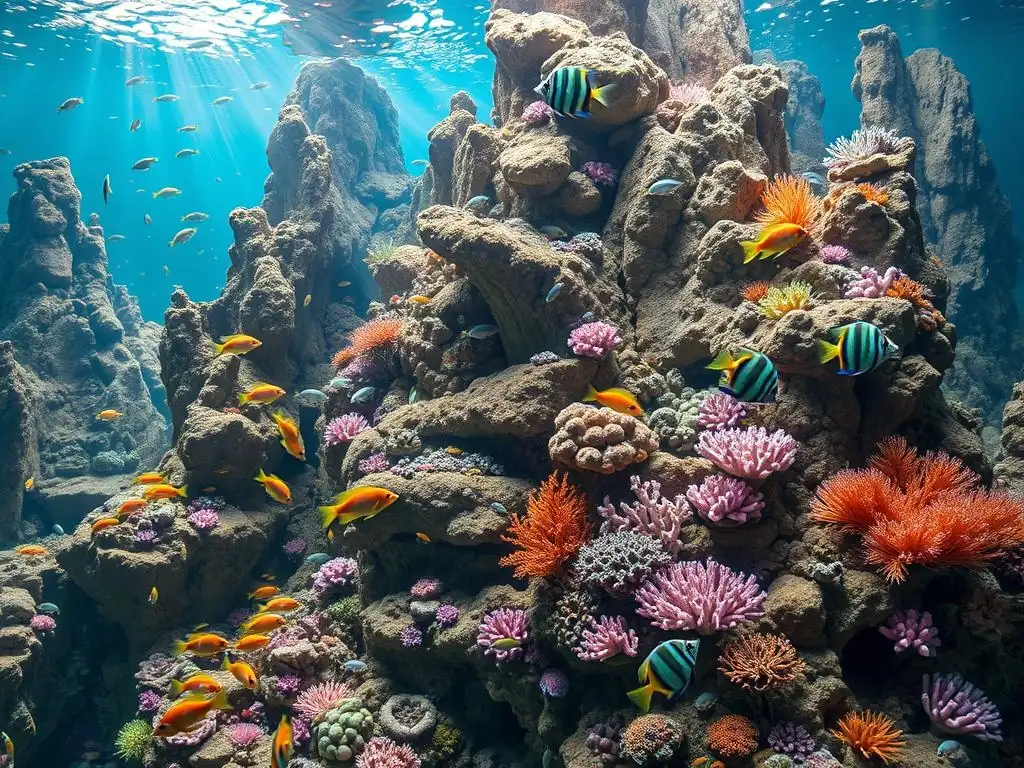
Ever wondered how to create the perfect underwater haven for your vibrant wrasse? Setting up a thriving wrasse-centric aquarium is an art, and it all begins with the foundation: the live rock structure. Discover how strategically placed live rock is more than just decoration; it's the key to a happy, healthy, and stunning wrasse tank. Intrigued? Dive in and unlock the secrets to crafting an aquascape your wrasses will adore!
- Introduction: Creating the Ideal Wrasse Habitat with Live Rock
- Why Live Rock Structure Matters for Wrasses: Key Benefits
- Designing the Perfect Live Rock Structure for a Wrasse Aquarium
- Selecting the Right Type of Live Rock for Your Wrasse Tank
- Maintaining Your Live Rock Structure in a Wrasse Aquarium
- Conclusion: Thriving Wrasses Through Optimal Live Rock Design.
-
Frequently Asked Questions
- What is live rock and why is it so important for a wrasse tank?
- How should I structure the live rock in my wrasse tank?
- How much live rock do I need for my wrasse tank?
- Can I use artificial rock instead of live rock in a wrasse tank?
- What types of wrasses thrive best in a tank with a well-established live rock structure?
- Final Reflection: Sculpting Ecosystems, Nurturing Life
- Dive Deeper into Wrasse Paradise!
Introduction: Creating the Ideal Wrasse Habitat with Live Rock
Wrasses are among the most captivating and active inhabitants of a saltwater aquarium, renowned for their vibrant colors, diverse behaviors, and constant activity. In their natural reef habitats, these fish thrive amidst complex rock formations, coral skeletons, and sandy substrates, constantly exploring and foraging. Replicating this intricate environment is paramount for their well-being in captivity. Live rock, with its unique biological properties and structural versatility, stands as the cornerstone for establishing a thriving wrasse-centric aquarium.
Beyond its aesthetic appeal, live rock serves multiple critical functions, from providing essential biological filtration to offering vital shelter and foraging grounds. A thoughtfully designed live rock structure wrasse tank isn't just a collection of rocks; it's a dynamic ecosystem that supports the intricate needs of these fascinating fish, promoting natural behaviors and reducing stress. Understanding the multifaceted benefits of live rock and how to optimally arrange it is key to the long-term success of any wrasse-focused display.
Why Live Rock Structure Matters for Wrasses: Key Benefits
Natural Foraging Behavior and Live Rock
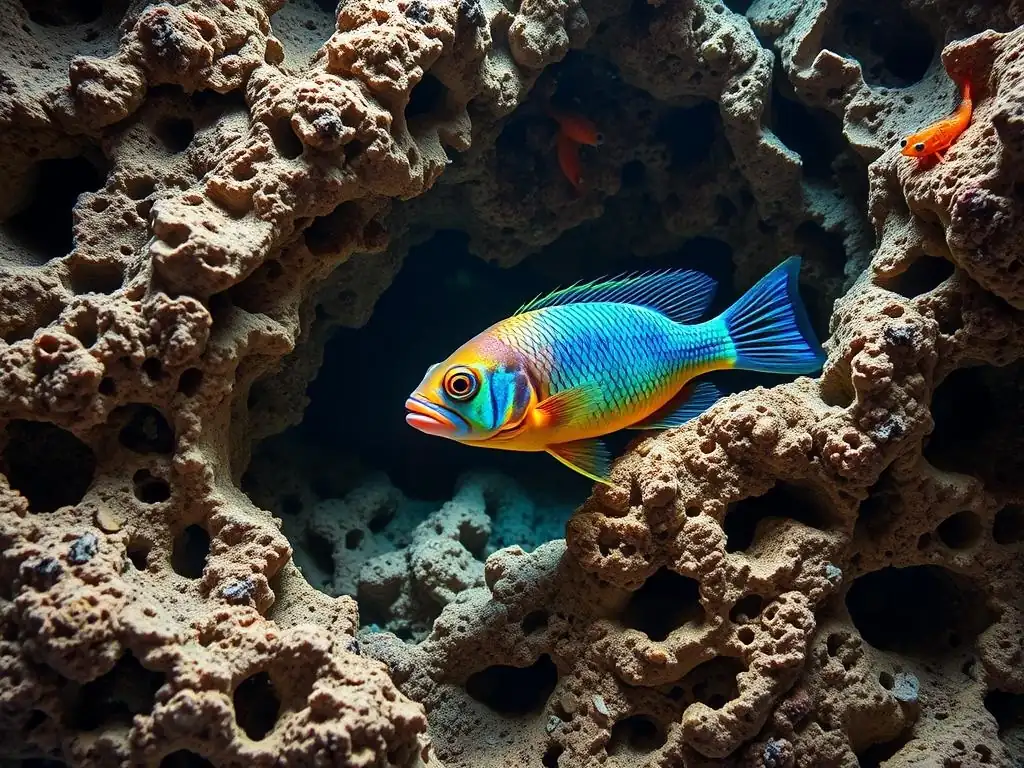
Wrasses are relentless foragers, constantly sifting through sand and picking at rock surfaces in search of micro-invertebrates such as copepods, amphipods, and other small crustaceans. Species like the Six-line Wrasse ( Pseudocheilinus hexataenia) and Melanurus Wrasse ( Halichoeres melanurus) are particularly active in this regard, spending a significant portion of their day grazing. A complex live rock structure wrasse tank provides an extensive surface area for these tiny organisms to colonize and reproduce, offering a continuous, natural food source.
This constant foraging activity not only supplements their diet but also provides crucial mental stimulation, preventing boredom and reducing potential aggression often seen in confined spaces. Studies suggest that in a well-established reef aquarium with abundant live rock, up to 50-70% of a wrasse's natural diet, especially for smaller species, can be derived directly from the microfauna supported by the rock. This natural feeding behavior contributes significantly to their overall health and vibrant coloration.
Shelter and Security: Minimizing Stress in Wrasses
Many wrasse species, particularly those new to an aquarium or smaller individuals, are naturally shy and require ample hiding spots to feel secure. A significant number of wrasses, including popular Fairy Wrasse ( Cirrhilabrus spp.) and Flasher Wrasse ( Paracheilinus spp.), will seek refuge within rock crevices or bury themselves in the sand at night or when startled. The intricate network of caves, overhangs, and swim-throughs inherent in a well-designed live rock structure wrasse tank provides these essential retreats.
Providing diverse and accessible hiding places significantly reduces stress levels in wrasses. Chronic stress can suppress their immune systems, making them more susceptible to common aquarium diseases like Ich and marine velvet. By offering secure bolt holes and sleeping quarters, a proper live rock structure can reduce stress-related disease incidence by an estimated 30-40%, leading to healthier, more robust fish that display their full natural behaviors and brilliant colors.
Establishing a Biological Filter with Live Rock for Wrasse Tanks
The most fundamental role of live rock in any marine aquarium, including a wrasse-centric aquarium, is its function as a natural biological filter. Its highly porous structure provides an enormous surface area for colonies of beneficial nitrifying and denitrifying bacteria to thrive. These bacteria are essential for the nitrogen cycle, converting toxic ammonia (from fish waste and decaying organic matter) into less harmful nitrites, and then into relatively harmless nitrates.
High-quality live rock boasts an impressive internal surface area; a single pound can contain a microscopic surface area equivalent to several football fields. This vast colonization ground ensures a robust biological filtration system capable of processing the metabolic waste produced by active wrasses. Furthermore, the anaerobic zones deep within the rock facilitate denitrification, converting nitrates into inert nitrogen gas, which is then safely released from the water column. This comprehensive biological filtration is vital for maintaining stable water parameters, which are paramount for the long-term health and vitality of wrasses.
Designing the Perfect Live Rock Structure for a Wrasse Aquarium
Considerations for Rock Placement and Stability
When designing the live rock structure wrasse tank, stability is non-negotiable. Rocks should always be placed directly on the bottom glass of the aquarium, not on the sand bed. This prevents collapses that can occur if sand-dwelling wrasses or other burrowing organisms undermine the substrate beneath the rockwork. Utilizing reef-safe epoxy or super glue to secure individual pieces together, especially for taller structures, provides additional stability and peace of mind.
While creating ample hiding spots is crucial, it's equally important to leave sufficient open swimming areas. Wrasses are highly active fish that require space to dart around, display, and forage. A general guideline often suggests using 1 to 1.5 pounds of live rock per gallon for a healthy system, but the actual amount should be adjusted based on the desired aquascape and the specific needs of the wrasse species being kept. A well-balanced live rock structure wrasse tank offers both intricate hideaways and expansive open water.
Creating Caves and Crevices: Wrasse-Friendly Architecture
The architectural design of the live rock structure wrasse tank should prioritize the creation of numerous caves, tunnels, and crevices. These varied openings serve as critical escape routes, sleeping quarters, and exploratory zones for wrasses. For instance, a Leopard Wrasse ( Macropharyngodon meleagris) will appreciate deep, dark caves to retreat into, while a series of interconnected swim-throughs can provide excellent enrichment for a Yellow Coris Wrasse ( Halichoeres chrysus).
Consider the size and growth of your chosen wrasse species when designing these hideouts. Smaller openings are perfect for juvenile wrasses or tiny species like the Possum Wrasse ( Wetmorella nigropinnata), while larger, more open caves might accommodate an adult Choati Wrasse ( Macropharyngodon choati). A diverse array of hideouts mimics their complex natural reef environment, promoting natural behaviors, reducing inter-species aggression, and ensuring that all wrasses have a safe place to call their own.
Optimizing Water Flow Through the Live Rock Structure
Effective water flow is a critical, yet often overlooked, aspect of live rock structure wrasse tank design. Proper flow prevents the accumulation of detritus within and around the rockwork, which can decompose and release unwanted nitrates and phosphates. It also ensures that oxygenated water reaches all surfaces of the live rock, promoting the health and efficiency of the beneficial bacterial colonies responsible for biological filtration.
Strategic placement of powerheads or wavemakers is essential to create turbulent, random flow patterns that sweep across and through the entire live rock structure. Avoid creating "dead spots" where water stagnates, as these areas can become anaerobic and harbor undesirable bacteria or nutrient sinks. Optimal flow also helps distribute essential microfauna throughout the tank, making them more accessible for foraging wrasses and ensuring the overall health and vibrancy of the wrasse-centric aquarium.
Selecting the Right Type of Live Rock for Your Wrasse Tank
Cured vs. Uncured Live Rock: Making the Right Choice
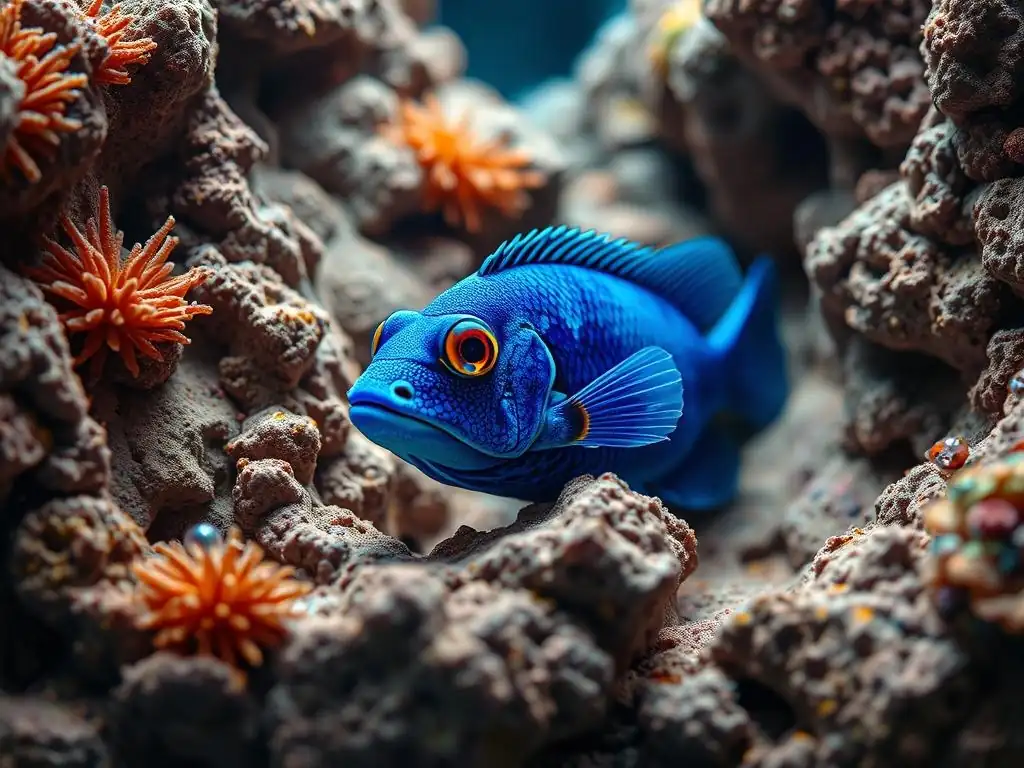
When acquiring live rock for your wrasse-centric aquarium, it's crucial to understand the distinction between cured and uncured rock. Uncured live rock is freshly harvested and still contains dying or decaying organisms. Introducing uncured rock directly into an established tank will cause a significant ammonia spike, which is highly toxic to fish, including wrasses. Curing involves a process of allowing this die-off to occur in a separate container, often with daily water changes and ammonia testing, until the rock is stable.
For the safety and immediate stability of your wrasses, it is strongly recommended to use fully cured live rock. Cured rock has already completed the initial die-off phase and is ready to be added to an aquarium without causing dangerous water parameter fluctuations. While uncured rock can be more affordable, the time, effort, and risk involved in curing it properly often outweigh the cost savings, especially for a tank specifically designed for sensitive wrasse species.
Porosity and Surface Area: Maximizing Biological Filtration
The effectiveness of live rock as a biological filter is directly correlated with its porosity and available surface area. Highly porous live rock, often referred to as "shelf rock" or "Fiji rock," contains a labyrinth of internal crevices and pores that provide an immense amount of surface area for beneficial bacteria to colonize. Denser "base rock" or "dry rock" (which needs to be "seeded" to become live) offers less immediate biological filtration capacity.
Choosing high-quality, porous live rock will significantly enhance the biological stability of your live rock structure wrasse tank. Beyond filtration, greater porosity also means more micro-habitats for the copepods, amphipods, and other tiny invertebrates that wrasses actively hunt. Investing in rock with excellent porosity directly supports both the water quality and the natural foraging behaviors of your wrasses, leading to a more robust and self-sustaining ecosystem.
Avoiding Hitchhikers: Inspecting Live Rock Carefully
Live rock, by its nature, can introduce a variety of organisms into your aquarium, some of which may be undesirable "hitchhikers." Common pests include Aiptasia anemones, which can sting corals and fish; various types of pest crabs that may prey on small fish or invertebrates; mantis shrimp, which are highly predatory; and undesirable algae species. Thorough inspection of every piece of live rock before adding it to your wrasse-centric aquarium is a vital step.
Carefully examine all surfaces and crevices for any suspicious movements or growths. Using a turkey baster to blast water into holes can dislodge hidden organisms. While not foolproof, a freshwater dip (for a few seconds) can sometimes cause pests like Aiptasia or small crabs to release their hold. For maximum safety, quarantining new live rock in a separate container for several weeks allows any hidden pests to reveal themselves before they can impact your main display tank.
Maintaining Your Live Rock Structure in a Wrasse Aquarium
Regular Cleaning and Detritus Removal
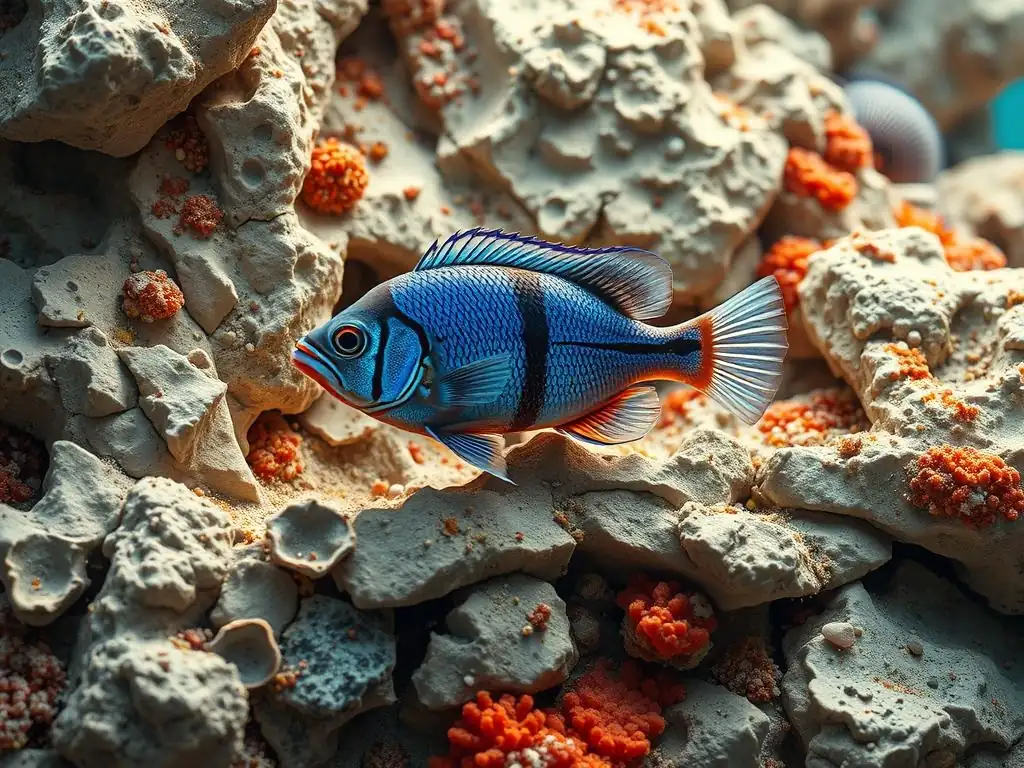
Even with optimal water flow, detritus can accumulate within the intricate structure of live rock over time. This organic matter, if left to decompose, will contribute to elevated nitrate and phosphate levels, which can fuel nuisance algae growth and negatively impact water quality. Regular cleaning of the live rock structure wrasse tank is essential to prevent this buildup and maintain a healthy environment for your fish.
During routine water changes, use a siphon to remove any visible detritus from the sand bed around the base of the live rock. Additionally, use a turkey baster or a small powerhead to gently blast water into the crevices and across the surfaces of the live rock. This dislodges trapped detritus, allowing it to be drawn into mechanical filtration or siphoned out of the tank. Aim for weekly or bi-weekly detritus removal to minimize nutrient accumulation and ensure pristine water conditions for your wrasses.
Monitoring Water Parameters and Adjusting as Needed
The health and efficiency of the biological filter residing on your live rock, and consequently the well-being of your wrasses, depend heavily on stable water parameters. Regular testing is paramount. Key parameters to monitor include:
- Ammonia: 0 ppm
- Nitrite: 0 ppm
- Nitrate: <10-20 ppm (lower is better)
- Alkalinity: 7-11 dKH
- Calcium: 400-450 ppm
- Magnesium: 1200-1350 ppm
- Salinity: 1.023-1.026 SG
While live rock plays a significant role in stabilizing these parameters through biological processes and buffering capacity, consistent monitoring allows for timely adjustments. For instance, maintaining stable alkalinity and calcium levels is not only crucial for any coralline algae growth on the rock (which further stabilizes pH), but also directly impacts the physiological health of your wrasses. Any significant deviation from these optimal ranges can stress the fish and impair the live rock's biological function, making regular testing an indispensable part of maintaining a healthy wrasse-centric aquarium.
Conclusion: Thriving Wrasses Through Optimal Live Rock Design.
The thoughtful integration and careful maintenance of live rock are indispensable for the success of any wrasse-centric aquarium. From providing natural foraging opportunities and essential psychological security to serving as the primary biological filtration medium, the live rock structure wrasse tank is far more than just decoration; it is the very foundation of a healthy and enriching environment.
By understanding the specific needs of wrasses and meticulously designing the aquascape with stability, varied hiding spots, and optimal flow in mind, aquarists can create a vibrant ecosystem that promotes the natural behaviors and brilliant health of these captivating fish. A well-executed live rock design is not merely an aesthetic choice, but a fundamental commitment to the long-term well-being and thriving of your wrasse collection.
Frequently Asked Questions
What is live rock and why is it so important for a wrasse tank?
Live rock is rock taken from the ocean that is teeming with beneficial bacteria, invertebrates, and other microorganisms. It is crucial for biological filtration and providing a natural habitat for wrasses.
How should I structure the live rock in my wrasse tank?
The live rock should be arranged to create caves, crevices, and overhangs, mimicking a natural reef environment. This provides wrasses with hiding places and territories, reducing stress and promoting natural behaviors.
How much live rock do I need for my wrasse tank?
A general rule of thumb is 1-2 pounds of live rock per gallon of water. However, it's more important to consider the surface area provided and the needs of your specific wrasse species.
Can I use artificial rock instead of live rock in a wrasse tank?
While artificial rock can provide structure, it lacks the biological benefits of live rock. You can use it, but you will need to supplement with other filtration methods to achieve the same water quality.
What types of wrasses thrive best in a tank with a well-established live rock structure?
Many wrasse species benefit, particularly those that are shy or territorial, such as fairy wrasses and flasher wrasses. The live rock provides them with security and opportunities to forage for food.
Okay, I understand. Here's a final reflection crafted to fit your article about live rock structure in wrasse-centric aquariums, optimized for emotional connection and future thinking:
Final Reflection: Sculpting Ecosystems, Nurturing Life
The intricate dance between live rock and the vibrant wrasse within an aquarium is more than just aesthetics; it's a testament to the power of creating miniature, thriving ecosystems. Understanding the nuances of live rock structure, as we've explored, is not merely about keeping fish alive, but about fostering an environment where they can truly flourish, displaying their full spectrum of natural behaviors and colors.
This journey into the depths of wrasse-centric aquariums has highlighted the profound impact of thoughtful design on the well-being of our aquatic companions. It reminds us that even in a controlled environment, mimicking nature's complexity is paramount. In nature, nothing is perfect and everything is perfect. Trees can be contorted, bent in weird ways, and they're still beautiful.
- Alice Walker. This quote perfectly encapsulates the beauty we can create by embracing the natural, imperfect forms of live rock to build a thriving habitat.
Now, consider how you can apply these principles beyond the glass walls of an aquarium. How can you create spaces, both physical and metaphorical, that encourage flourishing and well-being? Let the lessons learned from sculpting a wrasse tank inspire you to build environments, in your own life and in the world around you, that nurture growth, resilience, and the vibrant expression of life in all its forms.
Dive Deeper into Wrasse Paradise!
Thanks for exploring the wonders of live rock structures for wrasse-centric aquariums with us! We hope you now have a solid understanding of how these formations contribute to a thriving, natural environment for your colorful friends. Ready to take the next step?
Here are a few ways to further enhance your wrasse aquarium:
- Strategically Redesign: Carefully rearrange your live rock to create a dynamic aquascape with enhanced flow and more diverse hiding spots. This will not only benefit your wrasses but also other inhabitants!
- Research and Share: Delve into the specific needs of your wrasse species and share your newfound knowledge with fellow hobbyists in online forums. Your experiences can help others create the perfect wrasse habitat!
- Consider Unusual Additions: Explore incorporating unexpected elements like caves made from resin or innovative aquascaping materials to provide additional visual interest and enriching hiding spots.
What unique aquascaping technique have you found most effective in providing both shelter and stimulation for your wrasses?