
Copperband Butterflyfish (Chelmon rostratus): Aiptasia Savior or Finicky Feeder Riddle?

Welcome to Aquarium Mastery!
Ever dreamt of adding the elegant Copperband Butterflyfish to your saltwater aquarium? These captivating fish are known for their beauty and potential to control Aiptasia anemones, but their reputation as finicky eaters precedes them. Dive into our comprehensive guide to unravel the Copperband Butterflyfish feeding challenges and discover the secrets to successfully keeping this stunning species thriving in your tank. Let's unlock the mysteries together!
- Diet and Feeding
-
Frequently Asked Questions
- How difficult is it generally to feed Copperband Butterflyfish in a home aquarium?
- What types of food do Copperband Butterflyfish typically accept readily?
- Besides live food, are there any prepared foods that Copperband Butterflyfish might eat?
- What are some common signs that a Copperband Butterflyfish is not eating properly in an aquarium?
- What can be done to increase the chances of successfully feeding a Copperband Butterflyfish?
- Final Reflection: Navigating the Copperband Conundrum
- Unleash the Aiptasia Assassin Within!
Diet and Feeding
Natural Diet: Aiptasia and Small Invertebrates
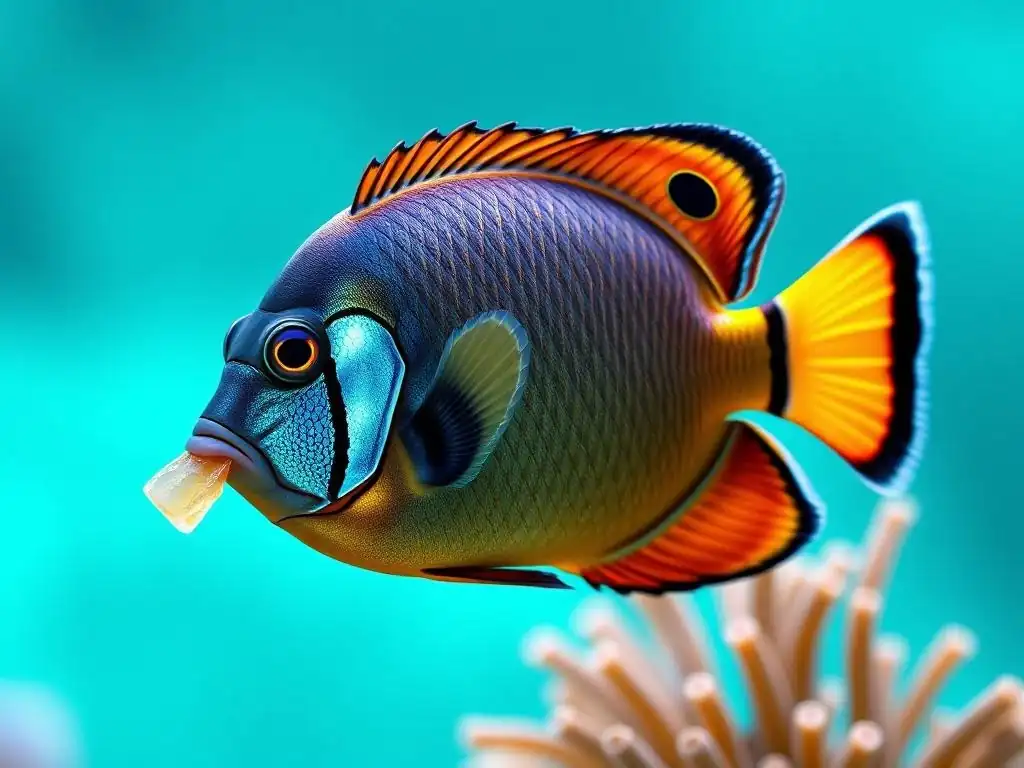
In their natural habitat, Copperband Butterflyfish (Chelmon rostratus) are micro-predators, primarily feeding on small invertebrates found among live rock and coral crevices. Their distinctive, elongated snout and forceps-like mouth are perfectly adapted for probing into tight spaces to extract small worms, copepods, amphipods, and other minute crustaceans. This highly specialized feeding strategy is a significant factor contributing to the Copperband Butterflyfish feeding challenges often encountered in home aquariums. They are renowned for their appetite for Aiptasia anemones, which are a common nuisance in reef tanks, making them a popular choice for biological pest control.
Beyond Aiptasia, their wild diet also includes polychaete worms, small snails, and even parasitic flatworms. This natural inclination towards picking at sessile invertebrates and small, hidden organisms means they are not accustomed to consuming free-floating foods or larger, readily available fare. Replicating this diverse, live, and often hidden food source in a captive environment is central to addressing the Copperband Butterflyfish feeding challenges, requiring aquarists to be both patient and strategic in their feeding approaches.
Overcoming Feeding Challenges
One of the most significant Copperband Butterflyfish feeding challenges is their reluctance to accept prepared foods, especially when newly introduced to an aquarium. Many specimens are wild-caught and have never encountered anything other than live, naturally occurring prey. Stress from capture, transport, and a new environment can further suppress their appetite, leading to a critical period where they may refuse food for days or even weeks. This can quickly lead to emaciation and compromised health if not addressed promptly and effectively.
To overcome these Copperband Butterflyfish feeding challenges, a multi-faceted approach is essential. Patience is paramount, as it can take considerable time for these fish to acclimate and begin feeding consistently. It often involves offering a variety of foods, observing their preferences, and employing specific feeding techniques to encourage them to eat. Success hinges on creating a low-stress environment and providing a consistent food source that gradually transitions from live to frozen and eventually, hopefully, to dry prepared foods.
Training to Accept Prepared Foods
Training Copperband Butterflyfish to accept prepared foods is a gradual process that requires persistence. The initial focus should be on providing a steady supply of foods that closely mimic their natural diet, gradually introducing more convenient options. A common strategy involves target feeding, where food is delivered directly to the fish using a turkey baster or pipettes, minimizing competition from faster tank mates and allowing the Copperband to investigate at its own pace. Consistency in feeding times and locations can also help establish a routine.
Maintaining excellent water quality and a stable environment is crucial during this training phase, as stress can severely impact their willingness to eat. A well-established tank with plenty of live rock for foraging opportunities can provide a sense of security and a natural food source while the fish acclimates. It's often recommended to introduce the Copperband Butterflyfish into a dedicated quarantine tank or a less competitive display tank initially to better manage their feeding without interference.
Live Foods
When first introduced, live foods are often the most effective way to encourage a Copperband Butterflyfish to start eating, directly addressing initial Copperband Butterflyfish feeding challenges. Live blackworms, small brine shrimp, copepods, and amphipods are excellent choices as they provide the natural movement and texture that stimulate the fish's feeding instincts.
For example, culturing live copepods or purchasing live blackworms can provide a continuous supply of highly palatable food. While live foods are vital for initial acclimation, it's important to remember that many, like brine shrimp, are not nutritionally complete and should only be used as a temporary bridge to more nutritious options.
Another highly effective live food is live Mysis shrimp, which are more nutritious than brine shrimp and often eagerly accepted. Some aquarists have success with small live ghost shrimp or even small feeder guppies (though less common for Copperbands) to kickstart their feeding response. The goal is to get the fish consistently eating something before slowly transitioning them to frozen or prepared alternatives. This initial success builds confidence in the fish and allows it to regain strength, making future transitions smoother.
Frozen Foods
Once the Copperband Butterflyfish is consistently eating live foods, the next step in overcoming Copperband Butterflyfish feeding challenges is to introduce frozen options. High-quality frozen Mysis shrimp are often the first choice, as they are highly palatable and nutritious. Other suitable frozen foods include enriched brine shrimp, bloodworms (in moderation), and specialized marine blends like Rod's Food or Hikari Marine S, which contain a mix of seafood and vitamins. Always thaw frozen foods thoroughly in a small amount of tank water before feeding and rinse them to remove excess phosphates.
Presenting frozen foods can be done via turkey baster, allowing the food to drift naturally near the fish. Some aquarists use feeding clips or even small, weighted containers to hold the food in place, allowing the Copperband to pick at it at its leisure. Offering a variety of frozen foods is key to providing a balanced diet and preventing boredom or nutritional deficiencies. It may take several attempts over days or weeks for the fish to recognize frozen foods as viable sustenance, so patience remains crucial.
Prepared Foods
The ultimate goal for long-term health and convenience is to train Copperband Butterflyfish to accept high-quality prepared foods, although this often presents the most significant Copperband Butterflyfish feeding challenges. This includes marine flakes, pellets, and freeze-dried options. Products like Spectrum Thera-A pellets or high-quality marine flakes designed for finicky eaters can be attempted. The transition from frozen to prepared foods should be gradual; try mixing a small amount of the prepared food with a favored frozen food.
Over time, gradually increase the proportion of prepared food while decreasing the frozen component. Some Copperbands may never fully accept dry foods, but many can be trained to eat a mix of frozen and dry. It's essential to ensure that any prepared food offered is small enough for their delicate mouths and that it has a strong scent to attract their attention. Consistency, combined with a clean, low-stress environment, significantly improves the chances of success in overcoming these persistent Copperband Butterflyfish feeding challenges.
Frequently Asked Questions
How difficult is it generally to feed Copperband Butterflyfish in a home aquarium?
Copperband Butterflyfish are notorious for being finicky eaters. Success hinges on providing a varied diet and establishing a feeding routine they accept. Many hobbyists struggle to get them to accept prepared foods.
What types of food do Copperband Butterflyfish typically accept readily?
They are natural predators of small invertebrates. Live foods like blackworms, brine shrimp, and copepods are often accepted readily. They also may consume Aiptasia anemones, which is a benefit for some aquarists.
Besides live food, are there any prepared foods that Copperband Butterflyfish might eat?
Some individuals can be trained to accept frozen foods like mysis shrimp or brine shrimp. Offering a variety of foods is key to success. Pre-soaking the food with garlic can also help.
What are some common signs that a Copperband Butterflyfish is not eating properly in an aquarium?
Look for signs of weight loss, a lack of interest in food offerings, and a sunken belly. A Copperband Butterflyfish that is not eating will become lethargic and inactive.
What can be done to increase the chances of successfully feeding a Copperband Butterflyfish?
Acquire a healthy specimen from a reputable source. Ensure a well-established tank with ample hiding places. Also, consider a tank-mate compatibility that is appropriate to avoid stressful situations.
The journey through the world of the Copperband Butterflyfish reveals a complex reality, where the promise of Aiptasia control clashes with the stark reality of feeding challenges. The allure of a natural solution to pest anemones often overshadows the dedication and specialized care required to sustain these delicate creatures, highlighting a crucial ethical consideration for reef aquarists.
The Copperband's story is not just about fishkeeping; it's a reflection of our responsibility towards the marine environment and the creatures we choose to bring into our homes. The ongoing struggle to understand and meet the specific needs of this species underscores the importance of informed decision-making and continuous learning in the hobby. In the end, we will conserve only what we love; we will love only what we understand; and we will understand only what we are taught.
- Baba Dioum. This quote resonates deeply, reminding us that true conservation begins with knowledge and empathy.
As you consider the Copperband Butterflyfish, remember that its well-being rests in your hands. Before succumbing to the allure of a "natural solution," ask yourself: are you truly prepared to meet its demanding needs? Let this article serve as a catalyst for responsible aquarism, urging you to prioritize the health and longevity of these magnificent fish above all else. Embrace the challenge, but only if you can commit to providing the environment and care they deserve.
Unleash the Aiptasia Assassin Within!
Thank you for exploring the captivating world of the Copperband Butterflyfish! Now that you're equipped with the knowledge to understand this fish's unique needs and potential, let's put that understanding into action.
Here are some ways you can dive deeper:
- Begin researching local ethical sources for Copperband Butterflyfish, focusing on those that prioritize fish health and sustainability. Remember, a well-sourced fish is already halfway to success!
- Share this article with fellow aquarists to spread awareness and encourage responsible Copperband ownership. Knowledge is power, and together, we can improve their chances of thriving.
- Consider starting a journal to document your journey, whether you're battling aiptasia or simply fascinated by this beautiful fish.
What specific aspect of Copperband Butterflyfish care are you most eager to explore further, and what's one small step you can take today to learn more?