
Creating a Cardinalfish Biotope: Replicating Their Natural IndoPacific Environment

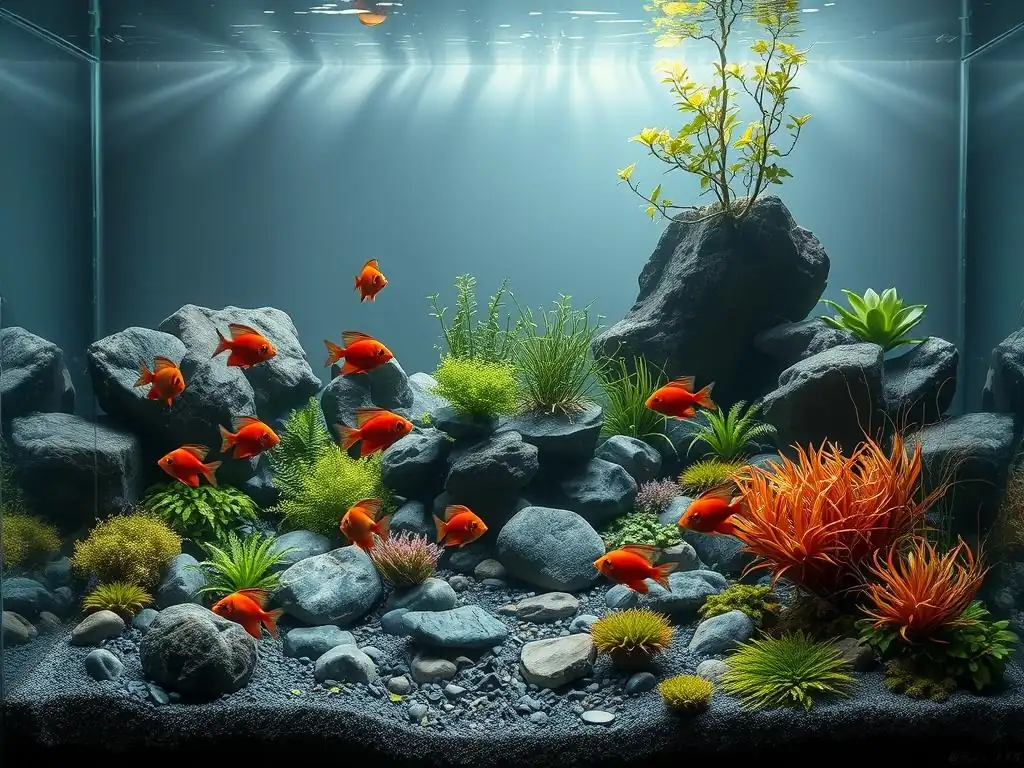
Welcome to Aquarium Mastery!
Ever wondered how to bring the vibrant beauty of the Indo-Pacific reef right into your living room? Dive in and discover our comprehensive Cardinalfish biotope setup guide – your key to creating a thriving and authentic environment for these captivating saltwater fish. Learn how to perfectly replicate their natural habitat and unlock the secrets to their health and happiness! Intrigued? Let's begin!
- Introduction to Cardinalfish Biotopes: Recreating the Indo-Pacific Reef
- Cardinalfish Species Suitable for a Biotope Aquarium
- Planning Your Cardinalfish Biotope Setup
- Replicating the Indo-Pacific Environment: Substrate, Rockwork, and Aquascaping
- Water Chemistry and Parameters for a Cardinalfish Biotope
- Selecting Tank Mates for a Cardinalfish Biotope
- Feeding Your Cardinalfish in a Biotope Aquarium
- Maintaining Your Cardinalfish Biotope: Long-Term Care
- Troubleshooting Common Issues in Cardinalfish Biotopes
- Advanced Cardinalfish Biotope Concepts: Propagation and Breeding
- Conclusion: The Beauty and Benefits of a Cardinalfish Biotope
-
Frequently Asked Questions
- How difficult is it to create a Cardinalfish biotope aquarium?
- What are the essential components of a Cardinalfish biotope setup?
- What types of fish are compatible with Cardinalfish in a biotope setup?
- What kind of lighting and water flow is best for a Cardinalfish biotope?
- How often should I perform water changes in a Cardinalfish biotope aquarium?
- Final Reflection: Embracing the Reef at Home
- Dive Deeper: Design Your Dream Cardinalfish Sanctuary!
Introduction to Cardinalfish Biotopes: Recreating the Indo-Pacific Reef
Understanding the Appeal of a Cardinalfish Biotope Aquarium
A biotope aquarium aims to replicate a specific natural habitat, including its flora, fauna, and environmental conditions. For cardinalfish, this means recreating a slice of their Indo-Pacific reef home. The appeal lies in the immersive experience it offers, allowing aquarists to observe fish behaving as they would in the wild, interacting with a meticulously designed environment that mirrors their true ecosystem. This naturalistic approach not only provides an aesthetically pleasing display but also fosters a deeper understanding of marine life.
The unique charm of cardinalfish, with their often nocturnal habits, striking patterns, and strong schooling instincts, makes them exceptional candidates for a biotope setup. Observing a group of Pajama Cardinalfish ( Sphaeramia nematoptera) schooling beneath an overhang or a Banggai Cardinalfish ( Pterapogon kauderni) guarding its brood among seagrass blades is far more captivating in a setting that mimics their natural environment. A well-executed Cardinalfish biotope setup guide emphasizes these behaviors, creating a dynamic and living display that transcends a mere collection of fish.
Why Replicate the Natural Habitat of Cardinalfish?
Replicating the natural habitat of cardinalfish offers significant benefits for the fish themselves. When provided with an environment that closely matches their native Indo-Pacific reefs, cardinalfish experience reduced stress, leading to enhanced health, vibrant coloration, and a longer lifespan. For instance, species like the Blue-eyed Cardinalfish ( Apogon leptacanthus) thrive when given ample rockwork with crevices and caves, which they use for shelter during the day, mimicking their natural nocturnal foraging patterns. This naturalistic approach encourages species-specific behaviors, such as schooling, hunting for small invertebrates, and, for some species, even breeding.
Beyond the well-being of the fish, replicating their natural habitat provides immense satisfaction for the aquarist. It transforms the aquarium from a simple display tank into a living, breathing ecosystem, a miniature ocean slice in one's home. This detailed Cardinalfish biotope setup guide becomes an educational tool, allowing for direct observation of ecological interactions and the intricate balance of a reef environment. The challenge of meticulously researching and recreating specific elements of the Indo-Pacific, from substrate type to water flow, culminates in a truly rewarding and visually stunning aquatic masterpiece.
Cardinalfish Species Suitable for a Biotope Aquarium
Selecting the Right Cardinalfish for Your Biotope
When embarking on a Cardinalfish biotope setup guide, selecting the right species is paramount to the success and authenticity of your aquatic display. Key factors to consider include the adult size of the fish, their typical schooling behavior, their availability in the aquarium trade, and their overall temperament. For instance, some cardinalfish, like Apogon leptacanthus, are true schooling fish and thrive in groups of six or more, requiring a larger tank to accommodate their numbers and provide ample swimming space. Others, such as the Banggai Cardinalfish, prefer smaller groups or pairs.
It is crucial to research the specific needs and natural habitat of each potential cardinalfish species to ensure they align with your biotope concept. Understanding their dietary requirements, preferred water parameters, and specific hiding behaviors will inform your aquascaping and equipment choices. For example, if you choose species that prefer seagrass beds, your substrate and plant choices will differ significantly from those that inhabit rocky reef crevices. A thoughtful selection process ensures the chosen cardinalfish will not only survive but truly flourish within their meticulously recreated environment, embodying the essence of a natural Cardinalfish biotope setup guide.
Common Cardinalfish Species Profiles: Apogon leptacanthus, Sphaeramia nematoptera, Pterapogon kauderni
The Blue-eyed Cardinalfish (Apogon leptacanthus) is a popular choice for a Cardinalfish biotope setup due to its striking appearance and strong schooling instinct. These slender fish typically grow to about 3 to 4 inches (7.5-10 cm) in length. In their natural Indo-Pacific habitat, they are often found in large schools, sometimes numbering in the hundreds, congregating over rubble areas, sandy flats, or seagrass beds near reefs.
They are nocturnal hunters, feeding on zooplankton. In an aquarium, a group of at least six individuals is recommended to promote natural schooling behavior, requiring a tank of at least 50 gallons to provide adequate space for their active swimming.
The Pajama Cardinalfish (Sphaeramia nematoptera) is perhaps one of the most recognizable and beloved cardinalfish, highly sought after for its distinctive pattern of a yellow face, a broad black band, and a spotted rear body. Growing to approximately 2 to 3 inches (5-7.5 cm), these fish are semi-schooling, often forming small groups of three to five individuals. Their natural habitat includes sheltered reefs, often found among branching corals or in seagrass beds.
They are relatively peaceful and can be kept in smaller groups in tanks starting from 30 gallons. Their preference for sheltered areas makes them an excellent fit for a biotope rich in live rock structures and crevices.
The Banggai Cardinalfish (Pterapogon kauderni) holds a special place in the hobby, not only for its unique appearance with elongated fins and striking black and white stripes but also for its fascinating mouthbrooding behavior. Originating from the Banggai Archipelago in Indonesia, they typically reach 2 to 3 inches (5-7.5 cm).
Unlike many other cardinalfish, they are not strong schoolers but rather form pairs or small, loose groups, often associating with specific habitats like sea urchins ( Diadema setosum) or branching corals for protection. Due to their specific needs and conservation status (often captive-bred), a pair or small group can be housed in a 20-30 gallon tank, emphasizing the need for specific hiding spots that mimic their natural associations.
Planning Your Cardinalfish Biotope Setup
Determining the Ideal Tank Size for Cardinalfish Biotope
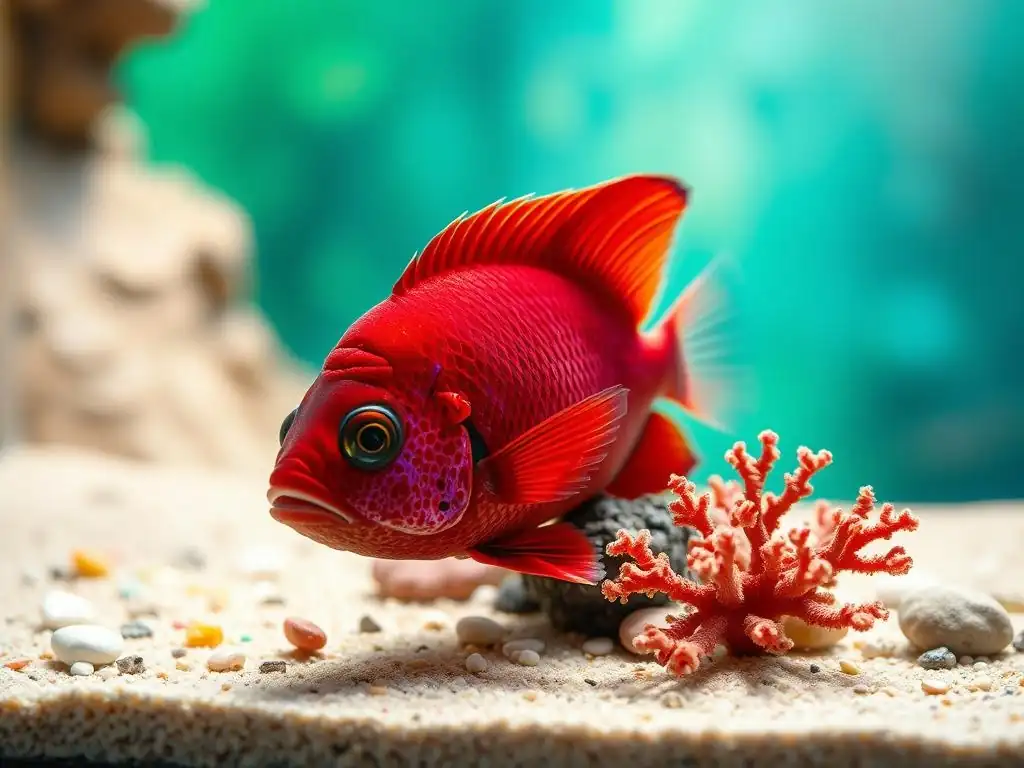
The ideal tank size for a Cardinalfish biotope setup guide depends significantly on the specific cardinalfish species chosen and the number of individuals you plan to house. For smaller, less active species like the Pajama Cardinalfish, a minimum tank size of 30 gallons (approximately 113 liters) can comfortably house a small group of 3-5 individuals.
This size allows for adequate aquascaping to provide hiding spots and ensures sufficient water volume for stability. However, if you intend to keep a larger school of a more active species, such as the Blue-eyed Cardinalfish, a tank of 50 to 75 gallons (190-280 liters) or more is highly recommended to accommodate their schooling behavior and provide ample swimming space.
Larger tanks inherently offer greater water volume, which contributes significantly to the stability of water parameters. This increased stability is crucial for the delicate balance of a biotope and the well-being of its inhabitants. Furthermore, a larger footprint provides more opportunities for intricate aquascaping, allowing for the creation of more realistic and diverse zones within the biotope, such as open sand flats, dense live rock structures, and even small seagrass patches, all essential elements for a comprehensive Cardinalfish biotope setup guide.
Essential Equipment for a Cardinalfish Biotope Aquarium
Setting up a thriving Cardinalfish biotope requires a suite of essential equipment to maintain optimal water quality and environmental conditions. At its core, a robust filtration system is non-negotiable, encompassing mechanical, biological, and chemical filtration. This is complemented by appropriate lighting, which should cater to the needs of the cardinalfish (often preferring dimmer conditions) and any corals or invertebrates included. Reliable heating and temperature control are vital to maintain the stable tropical temperatures cardinalfish require.
Beyond these primary components, a protein skimmer is highly recommended for saltwater biotopes to efficiently remove organic waste before it breaks down, thus preventing nitrate buildup. Powerheads or wavemakers are essential for creating beneficial water movement, simulating natural currents and ensuring proper gas exchange. Finally, accurate test kits for salinity, pH, alkalinity, ammonia, nitrite, and nitrate are indispensable for routine monitoring, ensuring the long-term health and stability outlined in any effective Cardinalfish biotope setup guide. Investing in quality equipment from reputable brands will provide reliability and ease of maintenance, crucial for the longevity of your biotope.
Filtration System for a Cardinalfish Biotope
A robust filtration system is the cornerstone of a successful Cardinalfish biotope setup, essential for maintaining the pristine water quality that these delicate fish require. A sump-based system with a refugium is highly recommended, as it provides excellent biological filtration, a stable environment for beneficial microfauna, and an ideal space for a protein skimmer. Canister filters can also be effective for smaller to medium-sized tanks, offering good mechanical and chemical filtration, but may require more frequent maintenance. Hang-on-back (HOB) filters can be used for very small setups, but their capacity is often limited for a true biotope.
Regardless of the chosen type, the filtration system must be capable of handling the bioload and ensuring efficient nutrient export. Aim for a total water turnover rate of at least 5-10 times the tank volume per hour through your filtration system to ensure adequate circulation and waste removal.
For instance, a 50-gallon tank would ideally have a filtration system processing 250-500 gallons per hour. Biological media, such as ceramic rings or bio-balls, provide ample surface area for beneficial bacteria to convert ammonia and nitrite into less toxic nitrate, which is a critical step in maintaining a healthy environment for your Cardinalfish biotope setup guide.
Lighting Requirements for a Cardinalfish Biotope
Cardinalfish, particularly many Apogon and Sphaeramia species, are often crepuscular or nocturnal in their natural Indo-Pacific habitats, preferring dimmer conditions during the day and becoming more active at dusk and dawn. Therefore, intense, high-output lighting typically associated with demanding SPS coral tanks is generally not necessary or even beneficial for a dedicated Cardinalfish biotope setup. Moderate lighting, suitable for LPS corals, soft corals, or even a fish-only with live rock (FOWLR) system, is usually sufficient.
A natural photoperiod of approximately 10-12 hours of light per day, mimicking daylight hours in their native environment, is appropriate. Many aquarists opt for LED lighting systems with programmable dawn/dusk cycles and moonlight features. Moonlight settings are particularly valuable for a Cardinalfish biotope setup guide, as they allow for observation of these fascinating fish during their naturally active nocturnal periods without disturbing them. If you plan to include light-demanding corals, the lighting choice will, of course, need to be adjusted accordingly, but the primary focus should remain on creating a comfortable and natural environment for the cardinalfish themselves.
Heating and Temperature Control for Cardinalfish
Maintaining a stable and appropriate temperature is critical for the health and well-being of cardinalfish in a biotope aquarium. The vast majority of cardinalfish species originate from the warm, tropical waters of the Indo-Pacific, where temperatures typically range from 75-80°F (24-27°C). Fluctuations outside this range can cause significant stress, weaken their immune systems, and make them susceptible to disease. Therefore, reliable heating and precise temperature control are essential components of any Cardinalfish biotope setup guide.
It is advisable to use high-quality submersible heaters, often two smaller heaters rather than one large one, to provide redundancy in case of failure. A general rule of thumb is to provide 3-5 watts of heating power per gallon of tank volume; thus, a 50-gallon tank would require approximately 150-250 watts of heating.
Always use a separate, accurate thermometer to monitor the water temperature, and consider a temperature controller that can automatically turn heaters on or off to maintain a precise setting. Preventing sudden temperature swings, even by a few degrees, is paramount for a thriving and stress-free Cardinalfish biotope.
Replicating the Indo-Pacific Environment: Substrate, Rockwork, and Aquascaping
Choosing the Right Substrate for Cardinalfish
The substrate choice is a fundamental element in accurately replicating the Indo-Pacific environment for a Cardinalfish biotope setup. Fine aragonite sand, with a grain size typically ranging from 0.5mm to 2mm, is often the preferred choice.
This type of sand not only provides a natural aesthetic, mimicking the sandy bottoms and rubble zones where many cardinalfish are found, but also contributes to the buffering capacity of the water, helping to maintain stable pH and alkalinity levels. Some cardinalfish species, like those that associate with seagrass beds, will benefit from a sand bed that can support the roots of such plants.
The depth of the substrate should generally be between 2 to 4 inches (5-10 cm). This depth allows for the establishment of beneficial anaerobic bacteria, which play a role in denitrification and nutrient reduction. A deeper sand bed can also accommodate burrowing invertebrates, further enhancing the biotope's authenticity. While a bare bottom tank can simplify maintenance, it detracts significantly from the natural look and feel of a true Cardinalfish biotope setup guide, which aims for a holistic replication of their native habitat.
Selecting and Arranging Live Rock for a Natural Look
Live rock is an indispensable component of a Cardinalfish biotope setup, serving multiple critical functions. Biologically, it acts as the primary source of natural biological filtration, providing vast surface area for nitrifying and denitrifying bacteria. Aesthetically, it forms the backbone of your aquascape, mimicking the complex reef structures, caves, and overhangs that cardinalfish inhabit in the Indo-Pacific. Aim for approximately 1 to 1.5 pounds of live rock per gallon of tank volume to ensure adequate filtration and ample structure. Options include Fiji, Tonga, or aquacultured live rock, each offering unique shapes and porosity.
When arranging the live rock, the goal is to create a stable, natural-looking environment that provides both open swimming areas and plenty of secure hiding places. Cardinalfish, being largely nocturnal or crepuscular, rely heavily on crevices, caves, and overhangs for shelter during daylight hours. Stack rocks securely to prevent collapses, using epoxy or reef-safe cement if necessary.
Ensure there are multiple entry and exit points to caves, allowing fish to escape potential threats and reducing territorial disputes. The thoughtful placement of live rock is crucial for both the health and natural behavior of your cardinalfish, defining the core of your Cardinalfish biotope setup guide.
Aquascaping Tips for a Cardinalfish Biotope: Creating Shelters and Hiding Places
Effective aquascaping is paramount for a successful Cardinalfish biotope, focusing on the creation of abundant shelters and hiding places that mimic their natural Indo-Pacific environment. Given that many cardinalfish species are nocturnal or crepuscular, they require secure, dark retreats during the day to feel safe and reduce stress. Utilize live rock to construct intricate cave systems, overhangs, and deep crevices. Consider incorporating ceramic or PVC pipes discreetly hidden within the rockwork to offer additional, perfectly circular bolt-holes.
Beyond hiding spots, the aquascape should also provide open swimming areas, especially if you plan to keep schooling cardinalfish species like Apogon leptacanthus. Create vertical structures with varying heights to break up the line of sight and offer different levels for fish to occupy. For species like the Banggai Cardinalfish, integrating elements such as artificial sea urchins or branching coral skeletons can provide specific, species-appropriate shelter. The ultimate goal of your Cardinalfish biotope setup guide's aquascaping is to create a dynamic, secure, and visually appealing underwater landscape that encourages natural behaviors and promotes the well-being of your cardinalfish.
Water Chemistry and Parameters for a Cardinalfish Biotope
Maintaining Optimal Water Quality for Cardinalfish
Maintaining optimal water quality is the single most critical factor for the long-term health and success of any Cardinalfish biotope setup. Cardinalfish, like most marine species, are highly sensitive to fluctuations in water parameters and the presence of harmful nitrogenous compounds. The nitrogen cycle must be fully established and efficiently managed, ensuring that ammonia (NH3/NH4+) and nitrite (NO2-) levels remain at undetectable zero. Nitrate (NO3-), while less toxic, should be kept as low as possible, ideally below 10-20 ppm, through effective filtration, nutrient export, and regular water changes.
Beyond the nitrogen cycle, consistent monitoring and maintenance of other key parameters are essential. This includes salinity, pH, alkalinity, calcium, and magnesium, all of which contribute to the overall stability and buffering capacity of the water. High-quality source water (RO/DI water) and a reputable marine salt mix are foundational. A proactive approach to water quality, involving routine testing and timely adjustments, will prevent stress and disease, ensuring your Cardinalfish biotope setup guide flourishes with vibrant and healthy inhabitants.
Salinity, pH, and Alkalinity Levels for a Cardinalfish Biotope
For a thriving Cardinalfish biotope, maintaining specific and stable water parameters is non-negotiable, mirroring the consistent conditions of their Indo-Pacific reef habitats. Salinity is crucial, with a target specific gravity of 1.023 to 1.026 (equivalent to 33-35 parts per thousand or ppt). This range is typical for natural reef waters and supports the osmotic balance of marine fish. Fluctuations can cause significant stress, so using a reliable refractometer or digital salinity tester is recommended for daily or weekly checks.
pH levels should be maintained within a narrow range of 8.1 to 8.4. A stable pH is vital for biological processes and prevents acidosis or alkalosis in fish. Regular testing with a quality test kit is necessary.
Alkalinity (carbonate hardness) is closely linked to pH stability and buffering capacity, with an ideal range of 8 to 12 dKH (degrees of carbonate hardness). Adequate alkalinity prevents pH crashes and supports the calcification processes of any corals or coralline algae you may include. Consistent monitoring and, if necessary, the use of marine buffer supplements or a calcium reactor are part of a comprehensive Cardinalfish biotope setup guide to ensure these parameters remain within optimal ranges.
Regular Water Testing and Water Changes for a Healthy Biotope
Consistent and accurate water testing is the primary tool for monitoring the health of your Cardinalfish biotope. Daily checks for temperature and salinity are advisable, while weekly tests for ammonia, nitrite, nitrate, pH, and alkalinity are crucial. For more advanced setups or tanks with corals, monthly checks for calcium and magnesium are also important. Investing in high-quality test kits from reputable brands such as Salifert, Hanna, or API will provide reliable results, informing your maintenance decisions. Maintaining a log of your test results allows you to identify trends and address potential issues before they become critical.
Regular partial water changes are the most effective method for nutrient export and replenishing essential trace elements in a Cardinalfish biotope. A common recommendation is to perform a 10-20% water change every two weeks, or 25% monthly, depending on the bioload and nitrate levels. When preparing new saltwater, always use RO/DI water and a high-quality marine salt mix, ensuring the salinity and temperature of the new water closely match that of the aquarium to minimize stress on the inhabitants. This routine maintenance is fundamental to the long-term stability and success of your Cardinalfish biotope setup guide.
Selecting Tank Mates for a Cardinalfish Biotope
Compatible Fish Species for a Cardinalfish Biotope
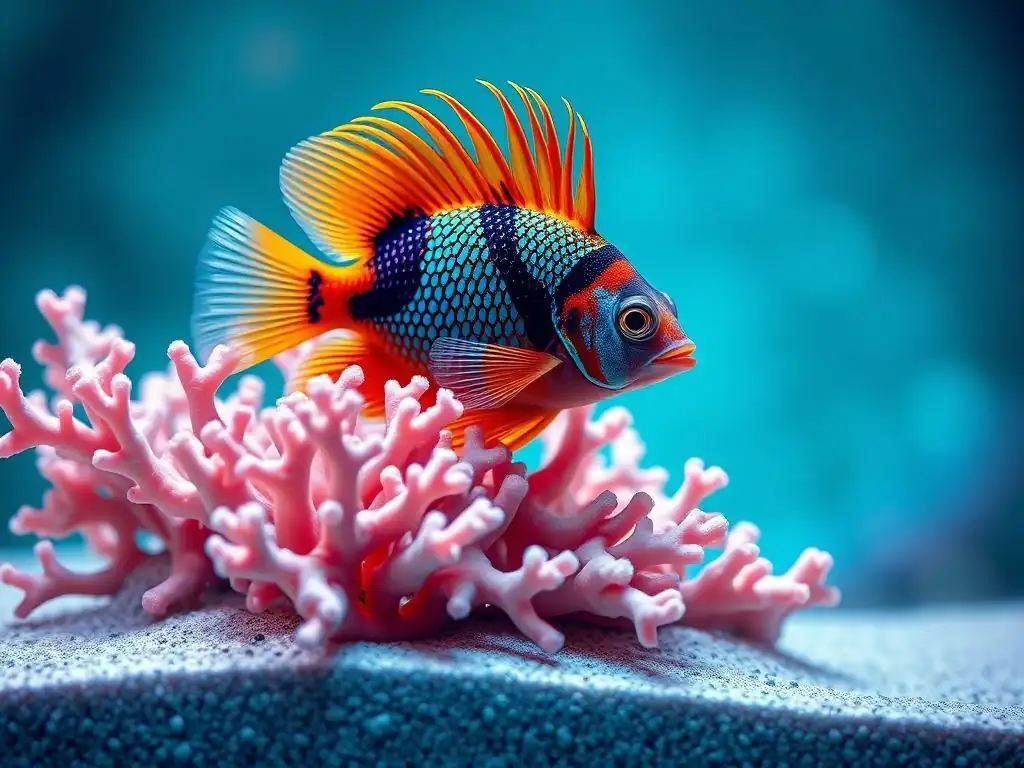
Choosing compatible tank mates is crucial for the harmony and success of a Cardinalfish biotope. The primary rule is to select peaceful, non-aggressive fish that will not outcompete or stress your cardinalfish, especially considering their often shy or nocturnal nature. Excellent choices include various species of Gobies, such as the Diamond Watchman Goby ( Valenciennea puellaris) or the Yellow Watchman Goby ( Cryptocentrus cinctus), which are peaceful bottom-dwellers that can also help keep the sand bed clean. Blennies, like the Tailspot Blenny ( Salarias fasciatus), are another good option, as they primarily graze on algae and occupy different niches.
Other suitable tank mates include smaller, peaceful Dartfish such as the Purple Dartfish ( Nemateleotris decora) or Firefish Goby ( Nemateleotris magnifica), which are mid-water swimmers that add movement without aggression. When selecting, always consider the adult size of the potential tank mate, their dietary requirements, and their typical temperament. Avoid fish that are known to be territorial, overly boisterous, or predatory towards smaller fish, ensuring a stress-free environment that allows your cardinalfish to exhibit their natural behaviors within your Cardinalfish biotope setup guide.
Invertebrates that Thrive in a Cardinalfish Biotope
Integrating appropriate invertebrates into a Cardinalfish biotope setup enhances its natural realism and contributes to the tank's overall health. Many invertebrates play vital roles as part of the clean-up crew (CUC), helping to manage algae and detritus. Snails, such as Trochus, Nassarius, and Cerith snails, are excellent grazers that help keep rockwork and substrate clean. Hermit crabs, particularly blue-legged or scarlet hermits, are also effective scavengers, though care should be taken to provide empty shells for them to move into to prevent them from preying on snails for their shells.
Shrimp species are particularly well-suited for a cardinalfish biotope. Cleaner Shrimp ( Lysmata amboinensis or Lysmata debelius) are not only fascinating to watch as they set up cleaning stations but also contribute to the health of your fish by removing parasites. Peppermint Shrimp ( Lysmata wurdemanni) can be beneficial for controlling nuisance aiptasia anemones. Ensure that any chosen invertebrates are reef-safe if you plan to include corals and are not known to prey on small fish or other desired tank inhabitants. Their addition enriches the biodiversity and functionality of your Cardinalfish biotope setup guide.
Avoiding Aggressive Tank Mates
A critical aspect of selecting tank mates for a Cardinalfish biotope is proactively avoiding any species known for aggression, territoriality, or predatory behavior. Cardinalfish are generally peaceful and can become easily stressed or injured by more assertive tank mates, which can lead to suppressed immune systems and susceptibility to disease. Therefore, fish commonly found in mixed reef tanks but unsuitable for a cardinalfish biotope include large angelfish (which can nip at fins or corals), triggers, puffers, and large wrasses, all of which may view cardinalfish as food or competition.
Similarly, many species of damselfish, particularly those from the Dascyllus or Chromis genera, can be highly territorial and aggressive, especially in smaller tanks, making them unsuitable for a peaceful Cardinalfish biotope setup. Even some seemingly benign species can become problematic as they mature. Always research the adult size and temperament of any potential tank mate thoroughly before introduction. The goal is to create a serene environment where cardinalfish can exhibit their natural schooling and foraging behaviors without fear, making careful tank mate selection a cornerstone of a successful Cardinalfish biotope setup guide.
Feeding Your Cardinalfish in a Biotope Aquarium
Providing a Varied Diet for Cardinalfish
Providing a varied and nutritious diet is fundamental to the long-term health, vibrant coloration, and active behavior of cardinalfish in a biotope aquarium. In their natural Indo-Pacific habitats, cardinalfish are primarily carnivorous planktivores, meaning they feed on small invertebrates and zooplankton drifting in the water column. Replicating this diverse diet in captivity is crucial. Relying on a single type of food can lead to nutritional deficiencies over time, impacting their immune system and overall vitality.
A varied diet should include a mix of frozen, live, and high-quality prepared foods. Frozen foods, such as mysis shrimp, brine shrimp, and finely chopped marine-based preparations, offer excellent nutritional value and mimic the natural prey size. Live foods, like copepods or enriched brine shrimp, can stimulate natural hunting instincts and provide essential fatty acids. High-quality marine flakes or pellets, specifically formulated for carnivorous marine fish, can serve as a supplementary staple, ensuring a comprehensive nutritional intake for your Cardinalfish biotope setup guide.
Recommended Foods for Cardinalfish: Mysis Shrimp, Brine Shrimp, High-Quality Flake Food
For a thriving Cardinalfish biotope, Mysis shrimp stand out as an excellent staple food. These small, nutrient-dense crustaceans are highly palatable to most cardinalfish species and provide a rich source of protein, essential fatty acids, and chitin, which aids in digestion. Their natural jerky movement in the water often triggers a strong feeding response, making them ideal for enticing even shy individuals. Frozen mysis shrimp are readily available and should be a cornerstone of their diet.
Brine shrimp, while less nutritious on their own, can be a useful addition, especially for encouraging picky eaters or newly introduced fish. Live, enriched brine shrimp are particularly beneficial as they retain their nutritional value longer and provide a natural hunting stimulus. However, they should be supplemented with more nutrient-dense foods.
Finally, high-quality marine flake or pellet food specifically designed for carnivorous marine fish can serve as a convenient supplementary food source. Look for brands that list marine proteins as primary ingredients and are fortified with vitamins and minerals. While convenient, dry foods should not be the sole diet but rather a component of a varied feeding regimen for your Cardinalfish biotope setup guide.
Feeding Schedule and Techniques for a Thriving Biotope
Establishing a consistent feeding schedule and employing appropriate techniques are crucial for the health of your cardinalfish and the stability of your biotope. Cardinalfish generally benefit from being fed small amounts multiple times a day, rather than one large meal. This mimics their natural behavior of continuous foraging for plankton in the water column. Feeding 2-3 times per day, with portions consumed within a few minutes, is a good starting point. Overfeeding should be avoided as it leads to excess nutrients, poor water quality, and potential algae blooms.
When feeding, observe your fish to ensure all individuals are getting enough food. For schooling species, broadcasting food evenly across the tank can help ensure everyone gets a share. For shyer or newly introduced cardinalfish, target feeding with a pipette can be effective, delivering food directly to their hiding spots. Turning off powerheads briefly during feeding can prevent food from being swept away too quickly. A well-managed feeding regimen is a vital part of a successful Cardinalfish biotope setup guide, promoting optimal health and reducing stress.
Maintaining Your Cardinalfish Biotope: Long-Term Care
Regular Maintenance Tasks for a Cardinalfish Biotope
Long-term success of a Cardinalfish biotope hinges on a diligent and consistent maintenance routine. Daily tasks should include checking the water temperature to ensure stability, observing the fish for any signs of stress or disease, and inspecting equipment for proper function. Weekly maintenance involves testing key water parameters (ammonia, nitrite, nitrate, pH, salinity, alkalinity) and emptying the protein skimmer collection cup. This regular monitoring allows for early detection of issues before they escalate.
Bi-weekly or monthly tasks are more intensive but equally vital. These include performing partial water changes (10-20% bi-weekly, or 25% monthly) to replenish trace elements and export accumulated nitrates. During water changes, it's also a good time to gently siphon detritus from the sand bed, clean algae from the glass, and rinse mechanical filter media (like filter socks or sponges) in old tank water to prevent the buildup of trapped organic matter. Adhering to this routine is fundamental to the stability and health outlined in any comprehensive Cardinalfish biotope setup guide.
Monitoring Water Parameters and Adjusting as Needed
Continuous monitoring of water parameters is a non-negotiable aspect of maintaining a healthy Cardinalfish biotope. While initial setup aims for ideal ranges, parameters can drift over time due to evaporation, fish waste, feeding, and chemical reactions within the tank. Regular testing, as outlined previously, provides the data needed to make informed adjustments. For instance, if alkalinity starts to drop, it may indicate a need for a buffer supplement or an increase in water change frequency. Elevated nitrates often point to overfeeding or insufficient nutrient export, requiring a review of filtration or feeding habits.
The goal is to maintain the specified ranges for salinity (1.023-1.026 SG), pH (8.1-8.4), and alkalinity (8-12 dKH), while keeping ammonia and nitrite at zero and nitrates below 10-20 ppm. Adjustments should be gradual to avoid shocking the system. For example, if salinity is low, add small amounts of pre-mixed saltwater over several hours or days rather than a large single dose. Proactive monitoring and precise, gradual adjustments are far more effective than reactive crisis management, ensuring the long-term stability and success of your Cardinalfish biotope setup guide.
Preventing and Treating Common Cardinalfish Diseases
Prevention is undeniably the best strategy for managing diseases in a Cardinalfish biotope. The cornerstone of disease prevention includes a strict quarantine protocol for all new fish (typically 4-6 weeks in a separate tank), maintaining stable and optimal water parameters, providing a varied and nutritious diet, and ensuring a low-stress environment with ample hiding spots. Common marine diseases like Ich ( Cryptocaryon irritans) and Marine Velvet ( Amyloodinium ocellatum) are often triggered by stress and poor water quality.
Despite best efforts, diseases can sometimes manifest. Early detection is key to successful treatment. Observe your cardinalfish daily for any unusual symptoms such as white spots, labored breathing, flashing against decor, clamped fins, or loss of appetite.
Treating diseases directly in the main biotope can be challenging, as many medications are harmful to invertebrates or beneficial bacteria. Often, moving affected fish to a separate hospital tank for treatment (e.g., copper-based medications for Ich, or freshwater dips) is the safest and most effective approach. Consulting a reputable marine veterinarian or experienced aquarist can provide valuable guidance for specific disease management within your Cardinalfish biotope setup guide.
Troubleshooting Common Issues in Cardinalfish Biotopes
Addressing Algae Blooms in Your Biotope
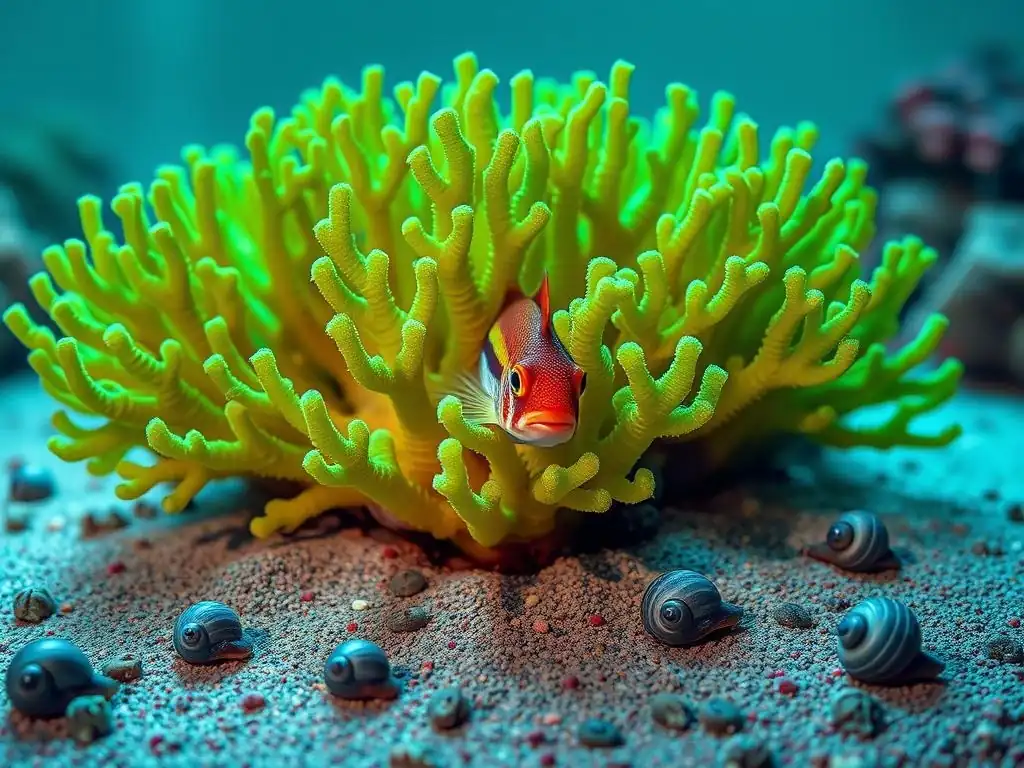
Algae blooms are a common frustration in any marine aquarium, including a Cardinalfish biotope, indicating an imbalance in the system, primarily excess nutrients. Diatoms, green hair algae, and cyanobacteria (red slime algae) are frequently encountered. The primary culprits are usually elevated nitrates and phosphates, often stemming from overfeeding, insufficient water changes, inadequate filtration, or excessive light. For instance, if nitrates consistently read above 20 ppm, it's a strong indicator of a nutrient issue.
Solutions involve a multi-pronged approach. First, reduce nutrient input by cutting back on feeding, ensuring all food is consumed, and siphoning out any uneaten food promptly. Second, enhance nutrient export: increase water change frequency or volume (e.g., 25% weekly), ensure your protein skimmer is running efficiently and emptying its cup daily, and consider adding a refugium with macroalgae like Chaetomorpha.
Third, review your lighting schedule and intensity; sometimes, simply reducing the photoperiod to 8-10 hours can help. Finally, a robust clean-up crew of snails and hermit crabs can assist in grazing, but they are a symptom management, not a cure for the underlying nutrient problem in your Cardinalfish biotope setup guide.
Dealing with Parasites and Diseases in Cardinalfish
Despite preventative measures, cardinalfish can occasionally contract parasites or diseases, requiring prompt and decisive action. Recognizing the symptoms early is crucial: white spots resembling salt grains (Ich), a dusty film (Velvet), labored breathing, clamped fins, rapid weight loss, or unusual swimming patterns. These often indicate parasitic infections. Bacterial infections might manifest as fin rot, cloudy eyes, or open sores.
The most effective treatment strategy often involves isolating the affected fish in a dedicated hospital tank. This allows for precise medication dosages without harming the main biotope's invertebrates or beneficial bacteria. Treatments for common parasites like Ich or Velvet typically involve copper-based medications or hyposalinity (reducing salinity to 1.008-1.010 for several weeks), though the latter must be done carefully to avoid osmotic shock.
For bacterial infections, broad-spectrum antibiotics may be necessary. Always follow medication instructions precisely and ensure the hospital tank provides stable conditions. A swift response and proper treatment protocol are essential for overcoming health challenges in your Cardinalfish biotope setup guide.
Maintaining a Stable and Healthy Biotope Environment
Maintaining a stable and healthy Cardinalfish biotope environment is an ongoing commitment that requires a holistic approach, integrating all aspects of care. It's not just about addressing issues as they arise, but about proactively preventing them. This involves a continuous cycle of proper equipment function, diligent maintenance, appropriate stocking levels, and vigilant observation. For example, consistently monitoring water parameters (e.g., pH, salinity, alkalinity, nitrates) and making small, gradual adjustments as needed prevents large, stressful fluctuations that can compromise fish health.
Furthermore, ensuring a balanced diet, providing ample hiding spots, and selecting compatible tank mates contribute significantly to reducing stress, which is a major factor in disease susceptibility. The success of a Cardinalfish biotope setup guide lies in understanding that every component – from the substrate to the filtration to the fish themselves – is interconnected. Patience, consistency, and a willingness to continuously learn and adapt are the hallmarks of a successful aquarist who achieves a truly stable and thriving biotope, allowing the cardinalfish to flourish in an environment that truly mimics their natural home.
Advanced Cardinalfish Biotope Concepts: Propagation and Breeding
Creating Conditions for Cardinalfish Breeding
Creating conditions conducive to cardinalfish breeding in a biotope setting represents an advanced and highly rewarding aspect of the hobby. Many cardinalfish species, particularly the Banggai Cardinalfish ( Pterapogon kauderni), are mouthbrooders, where the male carries the eggs in his mouth until they hatch. To encourage breeding, a highly stable and mature biotope environment is essential, minimizing stress and ensuring optimal water parameters. Providing a varied, high-quality diet rich in protein and essential fatty acids, such as enriched mysis shrimp and copepods, is crucial for conditioning breeding pairs.
Specific aquascaping elements can also play a vital role. For Banggai Cardinalfish, providing specific structures like long-spined sea urchins ( Diadema setosum) or branching corals (even artificial ones) can serve as preferred spawning sites and protective havens for the mouthbrooding male. Observing natural pairing behaviors and ensuring the pair has undisputed territory within the biotope are also key. While breeding can occur in a display biotope, the chances of fry survival are significantly higher if a dedicated breeding or grow-out tank is available, which is a common strategy in a comprehensive Cardinalfish biotope setup guide for propagation.
Raising Cardinalfish Fry in a Biotope Setting
Raising cardinalfish fry directly within a display biotope presents significant challenges due to predation and the difficulty of providing specialized care. Cardinalfish fry are typically very small upon hatching, often requiring microscopic live foods for their initial stages. In a biotope, adult fish and even many invertebrates will readily consume newly hatched fry. For mouthbrooding species like the Banggai Cardinalfish, the male will release the fry, making them immediately vulnerable.
To increase fry survival, many experienced aquarists will carefully remove the mouthbrooding male (or the entire spawning structure) to a separate, dedicated fry-rearing tank just before the fry are released. This allows for precise control over water quality, temperature, and, most importantly, feeding. Initial foods often include rotifers, followed by newly hatched brine shrimp nauplii as the fry grow. While the ideal Cardinalfish biotope setup guide focuses on the display, successful propagation often necessitates a temporary deviation into specialized rearing systems to ensure the survival and growth of the delicate fry.
The Challenges and Rewards of Cardinalfish Propagation
Propagating cardinalfish in a home aquarium, while immensely rewarding, comes with its own set of challenges. The primary hurdles include achieving successful spawning, which requires meticulous attention to water quality, diet, and environmental cues. For mouthbrooding species, managing the male's stress during brooding and ensuring the safe release or collection of fry is critical.
The most significant challenge, however, often lies in raising the fry. Their minute size necessitates very small live foods, such as rotifers or copepods, during their early stages, which can be difficult to culture or source consistently. High mortality rates are common due to starvation, poor water quality in small rearing tanks, or disease.
Despite these difficulties, the rewards of cardinalfish propagation are substantial. Successfully raising a batch of cardinalfish fry provides an unparalleled sense of accomplishment and a deeper understanding of their life cycle and reproductive behaviors. It contributes directly to reducing the demand for wild-caught specimens, supporting conservation efforts, particularly for species like the Banggai Cardinalfish, which are endangered in the wild. This advanced aspect of the Cardinalfish biotope setup guide allows aquarists to not only observe a natural ecosystem but to actively participate in its perpetuation, fostering a truly profound connection to the marine world.
Conclusion: The Beauty and Benefits of a Cardinalfish Biotope
The Satisfaction of Replicating a Natural Ecosystem
The journey of creating a Cardinalfish biotope is a testament to the aquarist's dedication to replicating a natural ecosystem, and the satisfaction derived from its success is profound. Witnessing cardinalfish exhibit their natural schooling, foraging, and sheltering behaviors within a meticulously crafted environment—one that mirrors their Indo-Pacific reef home—is truly captivating. The vibrant health and reduced stress levels of the fish in such a setting are clear indicators of a successful biotope, reflecting the careful planning and consistent care invested.
Beyond the visual appeal, a well-executed Cardinalfish biotope offers an unparalleled educational experience. It fosters a deeper appreciation for the intricate balance of marine ecosystems and the specific needs of its inhabitants. The challenges overcome, from maintaining precise water parameters to providing species-specific aquascaping, contribute to a sense of achievement. This ultimate Cardinalfish biotope setup guide culminates in a living, breathing piece of the ocean that brings immense joy and a continuous opportunity for discovery and learning.
Further Resources for Cardinalfish Biotope Enthusiasts.
For those passionate about their Cardinalfish biotope and eager to deepen their expertise, a wealth of further resources awaits. Engaging with online forums and dedicated aquarist communities, such as Reef2Reef or The Reef Central, provides invaluable opportunities to share experiences, troubleshoot issues, and learn from seasoned hobbyists. These platforms often host detailed discussions on specific cardinalfish species, advanced husbandry techniques, and biotope design principles.
Additionally, specialized books on marine fish care, reef aquariums, and specific species profiles offer in-depth scientific and practical knowledge. Publications from authors like Julian Sprung or Anthony Calfo provide comprehensive insights into water chemistry, filtration, and species compatibility. Scientific journals and academic papers, though more technical, can offer cutting-edge information on cardinalfish biology and ecology. Continuously seeking new knowledge and connecting with the broader aquarist community ensures that your Cardinalfish biotope setup guide remains a dynamic and evolving endeavor, bringing sustained success and enjoyment.
Frequently Asked Questions
How difficult is it to create a Cardinalfish biotope aquarium?
Creating a Cardinalfish biotope can range from beginner-friendly to more challenging depending on the complexity desired. The key is understanding the specific needs of your chosen Cardinalfish species and replicating their natural habitat as closely as possible, including water parameters and aquascaping.
What are the essential components of a Cardinalfish biotope setup?
Essential components include a suitable aquarium size, appropriate substrate (often sand or fine gravel), live rock for shelter and biological filtration, and equipment for maintaining stable water parameters such as temperature, salinity, and pH.
What types of fish are compatible with Cardinalfish in a biotope setup?
Cardinalfish are generally peaceful and can be kept with other small, non-aggressive fish that originate from the same Indo-Pacific region. Consider species like small gobies, blennies, or firefish, ensuring they won't compete aggressively for food or territory.
What kind of lighting and water flow is best for a Cardinalfish biotope?
Cardinalfish typically prefer moderate lighting mimicking the conditions of reefs and lagoons. Water flow should be gentle to moderate, replicating the natural currents of their habitat without creating excessive turbulence.
How often should I perform water changes in a Cardinalfish biotope aquarium?
Regular water changes are crucial for maintaining water quality. A recommended schedule is a 10-20% water change every one to two weeks, using saltwater prepared with a high-quality salt mix to ensure proper salinity and trace elements.
Final Reflection: Embracing the Reef at Home
The journey of crafting a Cardinalfish biotope, as we've explored, is more than just setting up an aquarium; it's about cultivating a miniature ecosystem that mirrors the vibrant and delicate balance of the Indo-Pacific reef. In a world increasingly disconnected from nature, the ability to bring a piece of that natural wonder into our homes offers a powerful reminder of the beauty and fragility of our planet's oceans.
This endeavor extends beyond mere aesthetics. It's about fostering a deeper understanding and appreciation for the intricate relationships within a coral reef environment. The careful selection of tank mates, the meticulous attention to water parameters, and the dedication to replicating natural feeding habits all contribute to a thriving biotope and, more importantly, to a heightened awareness of the challenges facing these ecosystems in the wild. In the end, we will conserve only what we love; we will love only what we understand; and we will understand only what we are taught.
- Baba Dioum. This quote perfectly encapsulates the power of biotope aquariums to educate and inspire conservation.
So, as you consider embarking on your own Cardinalfish biotope journey, remember that you are not simply building a tank, but creating a living testament to the beauty and resilience of the natural world. Let this guide serve as a foundation, but allow your curiosity and passion to drive your exploration. Dive deep into the research, observe your Cardinalfish closely, and let the experience transform you into a steward of the reef, one carefully curated ecosystem at a time.
Dive Deeper: Design Your Dream Cardinalfish Sanctuary!
Thanks for exploring the fascinating world of cardinalfish! Now that you're equipped with the knowledge to create an authentic biotope, it's time to translate that inspiration into a thriving underwater haven. Ready to give your future cardinalfish a slice of paradise?
Here's how to begin:
- Start planning: Begin by determining the size of your aquarium and researching the specific needs of your chosen cardinalfish species to accurately recreate their Indo-Pacific habitat.
- Explore: Delve into the specifics of lighting and water flow to closely mimic the natural conditions needed for a flourishing biotope.
- Share your vision: Create a mood board or sketch of your planned biotope and share it with other aquarium enthusiasts for valuable feedback and inspiration.
Ready to craft an environment where your cardinalfish will truly thrive? What specific rock formations or coral types will you use to best represent their natural habitat?