
DIY Lionfish Feeding Stick: Crafting a Safe and Effective Feeding Tool

Welcome to Aquarium Mastery, aquarist!
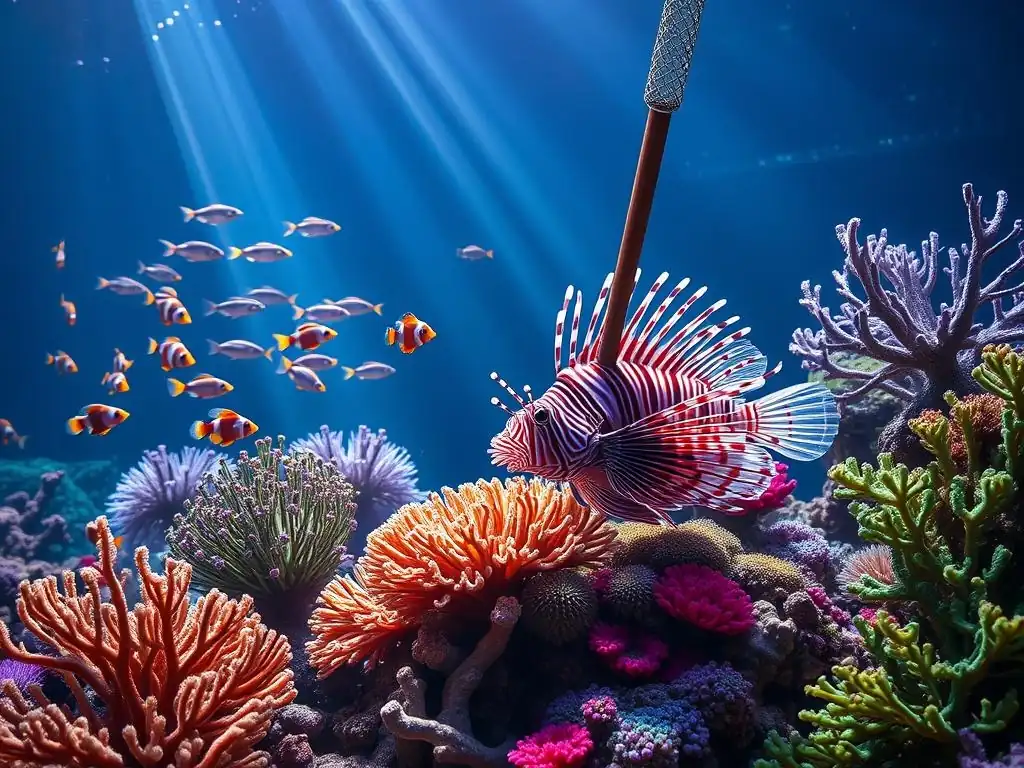
Ever wondered how to safely and effectively feed your magnificent, yet potentially dangerous, lionfish? Dive in! This article explores the fascinating world of lionfish feeding and guides you through crafting your very own DIY lionfish feeding stick. Discover how this simple tool can protect you and ensure your lionfish gets the nutrition it needs. Ready to master the art of feeding your spiky friend? Let's get started!
- Lionfish Feeding Stick: A DIY Guide for Safe and Effective Aquarium Feeding
- Importance of a Lionfish Feeding Stick for Aquarium Health
- Materials for Your DIY Lionfish Feeding Stick
- Building Your Lionfish Feeding Stick: Step-by-Step
- Customizing Your Lionfish Feeding Stick
- Feeding Tutorial: Using Your DIY Lionfish Feeding Stick
- Maintaining Your Lionfish Feeding Stick
- Troubleshooting Common Issues
- Alternatives: Commercial Lionfish Feeding Sticks
- Lionfish Health and Well-being Through Proper Feeding
-
Frequently Asked Questions
- What is a DIY lionfish feeding stick, and why would I need one?
- What materials are best for making a DIY lionfish feeding stick?
- How long should my DIY lionfish feeding stick be?
- How do I train my lionfish to accept food from the feeding stick?
- What safety precautions should I take when using a DIY lionfish feeding stick?
- Final Reflection: Empowering Conservation Through Craft
- Craft Your Own Aquarium Adventure!
Lionfish Feeding Stick: A DIY Guide for Safe and Effective Aquarium Feeding
Importance of a Lionfish Feeding Stick for Aquarium Health
Lionfish Feeding Habits in Captivity
Lionfish are natural ambush predators, known for their dramatic hunting technique in the wild, often herding small fish and crustaceans into a corner before a swift strike. In the captive environment of an aquarium, this predatory instinct remains strong, and their diet primarily consists of frozen or live foods such as krill, silversides, shrimp, and squid. It's crucial to offer a varied diet to prevent nutritional deficiencies like fin erosion or vitamin A deficiency, which can manifest as lethargy or faded coloration.
While lionfish are generally slow-moving, they possess an insatiable appetite and can easily become obese if overfed. Their natural behavior involves patiently waiting for prey, and in a tank, they may become accustomed to food appearing at specific times. This makes controlled feeding essential, allowing the aquarist to manage portion sizes and ensure a balanced intake, contributing to the fish's long-term health.
Benefits of Target Feeding with a Feeding Stick
Target feeding using a DIY lionfish feeding stick offers significant advantages over broadcast feeding. Firstly, it ensures that each lionfish in a community tank receives its fair share of food, preventing dominant individuals from monopolizing meals and ensuring that shyer or smaller fish are adequately nourished. This precision reduces food waste, which in turn helps maintain pristine water quality by minimizing the amount of uneaten food decaying in the substrate, thus lowering nitrate and phosphate levels.
Secondly, a DIY lionfish feeding stick provides crucial mental stimulation for your lionfish. By presenting food in a controlled manner, it mimics the natural hunting process, engaging their predatory instincts and preventing boredom. This direct interaction also allows aquarists to closely observe their lionfish's feeding behavior, appetite, and overall health, making it easier to detect early signs of illness or stress.
Safety: Preventing Stings and Bites
Lionfish are renowned for their venomous dorsal, pelvic, and anal spines, which can deliver a painful sting if handled improperly or if an aquarist's hand accidentally brushes against them. A lionfish sting typically causes intense, localized pain, swelling, and redness, and in some cases, can lead to nausea, dizziness, or even respiratory distress, particularly for individuals with sensitivities or allergies. Therefore, maintaining a safe distance during feeding and maintenance is paramount.
Using a DIY lionfish feeding stick creates an essential barrier between the aquarist and the fish, minimizing the risk of accidental contact with these venomous spines. Even without the threat of venom, a lionfish's bite, while not venomous, can be surprisingly strong and cause a painful nip. A feeding stick is an indispensable safety tool, providing peace of mind and allowing for a more controlled and secure feeding experience for both the aquarist and the lionfish.
Materials for Your DIY Lionfish Feeding Stick
Rod Material: Acrylic or PVC
For the main shaft of your DIY lionfish feeding stick, acrylic (often sold as Plexiglas) is an excellent choice due to its clarity, rigidity, and non-toxic properties. It's readily available in various diameters, such as 1/4 inch to 1/2 inch, providing a sturdy yet lightweight feel. Acrylic is durable, resistant to saltwater corrosion, and easy to clean, making it a long-lasting component for your feeding tool. A typical 18-inch acrylic rod might cost around $5-$10, offering a cost-effective base.
Alternatively, PVC (Polyvinyl Chloride) piping is a more budget-friendly and widely accessible option. Schedule 40 PVC, commonly found at hardware stores, is robust, chemically inert in water, and can withstand significant stress. While it is opaque, unlike acrylic, its strength and low cost (a 10-foot section might be under $10) make it a popular choice. Common diameters like 1/2 inch or 3/4 inch provide sufficient rigidity for a feeding stick up to 24 inches long.
Food Holder: Tongs or Clamps
The food holder is a critical component of your DIY lionfish feeding stick. Small, non-corrosive tongs, such as those made from food-grade plastic or marine-grade stainless steel surgical forceps, are ideal for securely gripping frozen food items like krill or silversides. Ensure any metal components are explicitly labeled as marine-grade to prevent rust and the leaching of harmful chemicals into your aquarium water. These can often be found for under $10.
For larger food items or live feeders, small spring-loaded clamps, such as plastic aquarium clamps or modified non-metal clothes pins, can be effective. The key is to select materials that are inert and will not degrade or release toxins in saltwater. If using a clamp, ensure it provides a firm but gentle grip on the food to prevent it from falling off prematurely during feeding, especially when dealing with active lionfish.
Construction Tools: Saw, Drill, Aquarium-Safe Adhesive
To construct your DIY lionfish feeding stick, you'll need a few basic tools. A small hand saw, such as a hacksaw, is suitable for cutting acrylic rods, while a PVC pipe cutter offers a cleaner and quicker cut for PVC. A drill with various bit sizes (e.g., 1/8 inch to 1/4 inch) will be necessary for creating pilot holes or attachment points for the food holder. These tools are commonly available and represent a minimal investment if you don't already own them.
Crucially, you will need an aquarium-safe adhesive to secure the food holder to the rod. Cyanoacrylate glue (super glue) is effective for small, immediate bonds, while silicone sealant specifically labeled for aquarium use (e.g., "100% silicone, aquarium safe") provides a stronger, more flexible, and long-lasting bond. Always allow ample curing time—often 24 to 48 hours for silicone—in a well-ventilated area to ensure the adhesive is fully cured and poses no risk to your aquarium inhabitants before introducing your DIY lionfish feeding stick to the tank.
Building Your Lionfish Feeding Stick: Step-by-Step
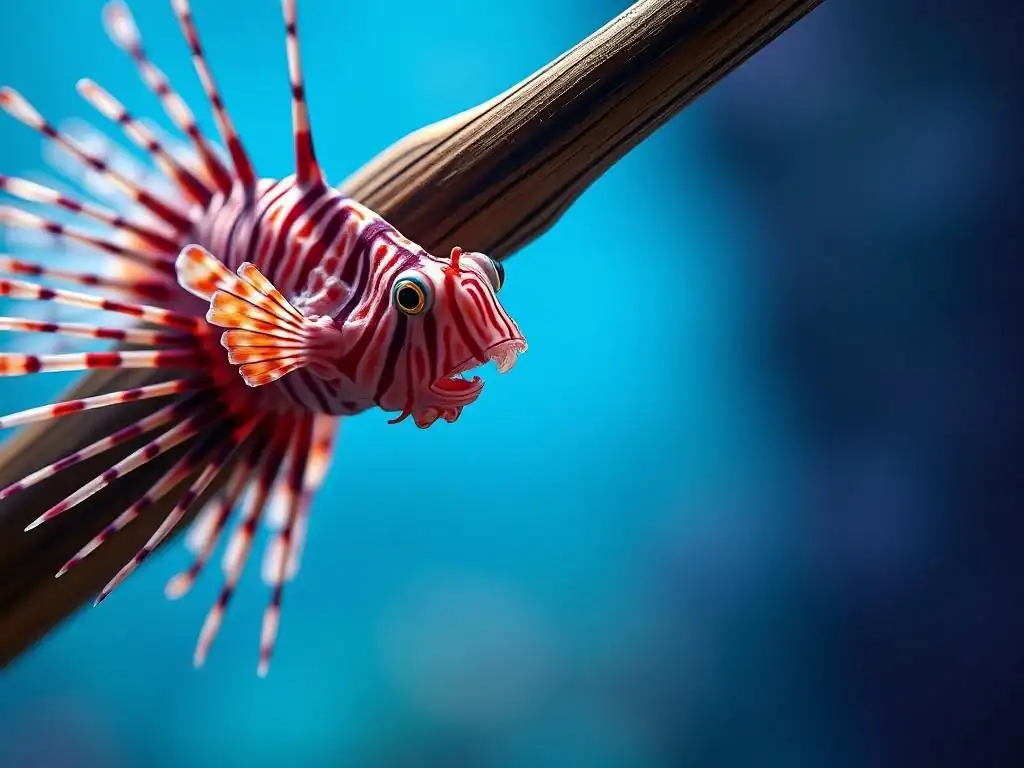
Step 1: Cutting the Rod to Length (12-18 inches)
The ideal length for your DIY lionfish feeding stick typically ranges from 12 to 18 inches, though some aquarists with very large tanks or particularly assertive lionfish may prefer up to 24 inches. This range provides a safe distance from your lionfish, considering that adult Pterois volitans can reach up to 15-18 inches in length. A good starting point is 18 inches, which offers ample reach without being unwieldy.
To cut the rod, first, mark your desired length clearly with a permanent marker. If using acrylic, a hacksaw with a fine-toothed blade will provide a relatively clean cut. For PVC, a dedicated PVC cutter will yield the best results. After cutting, it is imperative to deburr and smooth all cut edges with fine-grit sandpaper (e.g., 220-grit) to prevent any sharp points or rough surfaces that could scratch your aquarium glass or injure your fish or yourself.
Step 2: Attaching the Food Holder
Once your rod is cut and smoothed, the next step is to securely attach the food holder. If using small tongs, you might drill a small pilot hole (e.g., 1/8 inch) near one end of the rod and use a non-toxic zip tie or a small, marine-grade stainless steel screw to firmly fasten the tongs. Alternatively, for a more seamless look, many aquarists opt to directly bond the food holder using an aquarium-safe adhesive.
Apply a small, even amount of your chosen aquarium-safe adhesive to the attachment point on the rod and firmly press the food holder into place. For instance, if using silicone sealant, create a small bead around the joint where the holder meets the rod. Ensure the holder is aligned correctly and held steady until the initial bond forms. Allow the adhesive to fully cure for the recommended time (e.g., 24-48 hours) in a well-ventilated area, away from the aquarium, to prevent any fumes from entering your tank.
Step 3: Finishing for Safety
The final step in building your DIY lionfish feeding stick is to ensure it is completely safe for use in your aquarium. Thoroughly inspect the entire stick, from the handle to the food holder, for any remaining rough edges, burrs, or sharp points. Use fine-grit sandpaper to smooth out any imperfections, paying particular attention to the tip and any areas that might come into contact with your fish or the tank's interior.
Once satisfied with the smoothness, give your newly crafted DIY lionfish feeding stick a comprehensive rinse under fresh, dechlorinated water. This step removes any dust, debris, or residual adhesive particles that could contaminate your tank. Some aquarists even recommend a brief soak in a separate container of dechlorinated water for an hour or two to ensure any manufacturing residues are fully leached out before the stick is introduced into your main display tank.
Customizing Your Lionfish Feeding Stick
Adding Weight for Stability
Depending on the material chosen for your DIY lionfish feeding stick, you might find it floats, especially if using hollow PVC pipe. For enhanced control and stability during feeding, particularly when dealing with strong currents or active lionfish, adding a small amount of weight can be beneficial. A common method involves sealing a small, non-toxic weight, such as a lead-free fishing sinker or a few glass beads, into one end of the rod, typically near the food holder, using aquarium-safe epoxy or silicone.
Alternatively, if you prefer not to modify the rod internally, a small, aquarium-safe suction cup can be attached near the handle. This allows you to temporarily secure your DIY lionfish feeding stick to the tank wall when not in use, keeping it readily accessible and preventing it from floating away. The added weight helps the stick sink predictably and remain steady when presenting food, improving the overall feeding experience.
Interchangeable Food Holders
To increase the versatility of your DIY lionfish feeding stick, consider designing it with interchangeable food holders. Different food types, such as large chunks of fish, small krill, or even live ghost shrimp, may require different gripping mechanisms. By using a quick-release mechanism, such as a small, non-corrosive threaded connection or a secure, but easily detachable, clip system, you can swap out food holders as needed.
This customization allows you to adapt your DIY lionfish feeding stick to offer a wider variety of foods without the need for multiple feeding sticks. For example, you could have one holder with fine-tipped tongs for precise feeding of small frozen items, and another with a wider clamp for larger, more robust prey. This flexibility supports a more diverse and balanced diet for your lionfish, contributing to their long-term health and well-being.
Camouflaging the Feeding Stick
While not strictly necessary, camouflaging your DIY lionfish feeding stick can be beneficial for shy or newly introduced lionfish that might be wary of new objects in their environment. Applying aquarium-safe paint in dark, natural colors (like black or dark brown) to the rod can help it blend into the tank's background. Always ensure the paint is specifically labeled as non-toxic for aquarium use and allow it to fully cure before tank introduction.
Another method involves attaching small, inert pieces of artificial aquarium plant material or dark-colored plastic tubing along the rod. The goal is to make the DIY lionfish feeding stick appear less obtrusive, encouraging the lionfish to approach the food without hesitation or fear. This subtle customization can significantly improve feeding success rates, especially with more skittish specimens, by reducing visual stress.
Feeding Tutorial: Using Your DIY Lionfish Feeding Stick
Introducing the Feeding Stick
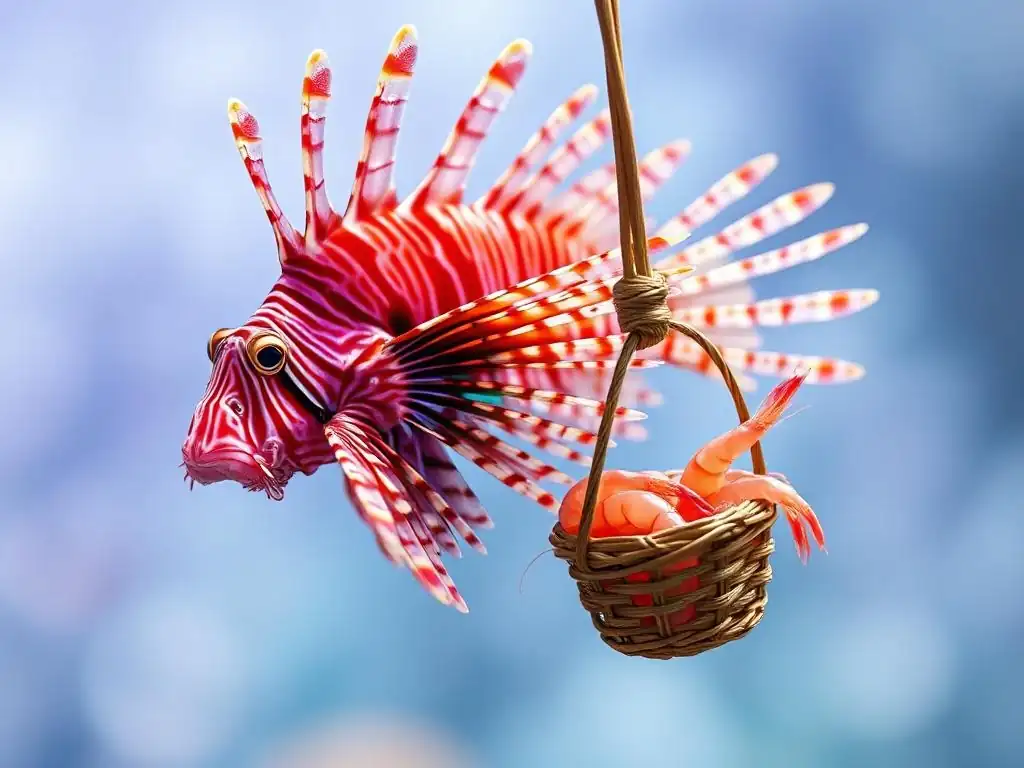
When first introducing your DIY lionfish feeding stick, it's important to do so gradually to allow your lionfish to become accustomed to its presence. Begin by slowly lowering the stick into the aquarium without any food attached, allowing the fish to observe it. Repeat this a few times over several days, perhaps once or twice a day, to build familiarity. Avoid sudden movements that could startle the fish, as lionfish can be quite sensitive to abrupt changes.
Patience is key during this introductory phase. Some lionfish may immediately recognize the stick as a food delivery tool, while others might take a few sessions or even a week to associate it with mealtime. Consistency in presentation and movement will help your lionfish learn to anticipate food when the DIY lionfish feeding stick appears, making future feeding sessions smoother and less stressful for both you and your fish.
Target Feeding Technique
Once your lionfish is comfortable with the presence of the DIY lionfish feeding stick, you can begin target feeding. Secure a piece of appropriate food, such as a silverside or a chunk of krill, firmly onto the food holder. Slowly lower the stick into the water, moving the food gently towards your lionfish, mimicking the natural movement of prey. Position the food a few inches in front of the lionfish's mouth, allowing it to easily spot and prepare for the strike.
Lionfish typically exhibit a characteristic "strike" response, rapidly expanding their mouths to engulf the food whole. Once the food is consumed, gently and slowly withdraw the DIY lionfish feeding stick from the tank. Avoid leaving the stick in the water for extended periods after feeding, as this can encourage algae growth or simply become an unnecessary obstruction in the tank. The precision of the stick ensures the lionfish gets its meal, and no food is lost to filters or other tank inhabitants.
Monitoring Food Intake
Regularly monitoring your lionfish's food intake is crucial for its health. A typical adult lionfish (e.g., a 10-inch Pterois volitans) might consume 2-3 silversides or a similar volume of other frozen foods every other day. However, feeding frequency and quantity should be adjusted based on the individual fish's size, activity level, and body condition. Overfeeding can lead to obesity and contribute to poor water quality due to excessive waste, while underfeeding can result in malnutrition.
After feeding, observe your lionfish's belly; it should appear slightly rounded, not distended or sunken. Keeping a simple log of feeding dates and quantities can be beneficial, especially in multi-fish tanks, to ensure each fish is eating adequately. A healthy lionfish will typically show a strong feeding response, eagerly approaching your DIY lionfish feeding stick when it's introduced, indicating good health and appetite.
Maintaining Your Lionfish Feeding Stick
Cleaning and Disinfecting
Proper maintenance of your DIY lionfish feeding stick is essential to prevent the introduction of harmful bacteria or pathogens into your aquarium. After each feeding session, the stick should be thoroughly rinsed under fresh, dechlorinated water to remove any food residue, fish slime, and tank water. This simple step helps prevent the buildup of organic matter that could decompose and foster bacterial growth.
For a deeper clean or if the stick has been used in a quarantine tank, periodically disinfect it. A common method involves soaking the stick in a dilute bleach solution (e.g., 1 part household bleach to 9 parts water) for about 15-20 minutes. Following this, rinse the stick extensively with fresh, dechlorinated water and allow it to air dry completely for several hours to ensure all traces of bleach have evaporated before its next use in your main display tank.
Inspecting for Damage
Regular inspection of your DIY lionfish feeding stick is crucial for both the safety of your fish and yourself. Before each use, carefully examine the entire rod for any cracks, splinters, or rough edges that may have developed over time. Check the food holder meticulously to ensure it is still securely attached and that its gripping mechanism is functioning correctly. Any signs of corrosion, degradation of materials, or weakening of the bond should be noted immediately.
Damaged components can pose significant risks: sharp edges could scratch your aquarium glass or injure your lionfish, while a loose food holder could drop food prematurely, startling the fish or polluting the tank. If any damage is found, repair or replace the compromised components promptly. A well-maintained DIY lionfish feeding stick ensures a safe and effective feeding experience every time.
Proper Storage
Storing your DIY lionfish feeding stick correctly between uses is vital for its longevity and cleanliness. Always store it in a clean, dry place, away from direct sunlight, which can degrade certain plastics over time. A designated hook near your aquarium, a clean drawer, or a dedicated container is ideal. Avoid storing it in areas where it might come into contact with household chemicals, dust, or other contaminants.
Proper storage not only extends the life of your DIY lionfish feeding stick but also ensures it remains hygienic and ready for immediate use. Keeping it away from potential sources of contamination means you won't inadvertently introduce harmful substances into your carefully maintained aquarium environment, contributing to the overall health and stability of your aquatic ecosystem.
Troubleshooting Common Issues
Lionfish Not Responding
If your lionfish is not responding to your DIY lionfish feeding stick, several factors could be at play. New fish may be stressed from recent transport and require time to acclimate. Ensure the food type is appealing; some lionfish are picky and may prefer live ghost shrimp initially over frozen foods. Overfeeding can also lead to a lack of appetite, so check your feeding schedule. Additionally, changes in water parameters, elevated ammonia or nitrite, or an underlying illness can cause a lionfish to refuse food.
Patience is paramount. Try offering different types of food. If the lionfish consistently refuses food for several days, despite ideal water parameters (e.g., salinity 1.023-1.025, temperature 76-80°F), it's advisable to observe for other symptoms of illness such as clamped fins, labored breathing, or abnormal spots. In such cases, further investigation or consultation with a marine fish veterinarian may be necessary.
Food Falling Off
A common frustration when using a DIY lionfish feeding stick is food falling off before the fish can consume it. This usually occurs if the food item is too large or too small for the specific grip of the food holder, or if the holder itself isn't providing sufficient retention. Begin by cutting food into appropriately sized pieces that fit snugly within your stick's holder. For instance, a silverside might need to be trimmed slightly to ensure a secure grip.
If the issue persists, consider adjusting the grip mechanism of your food holder. For tongs, ensure they are closing firmly. For clamps, verify the spring tension is adequate. For particularly slippery foods, a slight indentation or a small skewer-like point on the holder can help prevent slippage. Modifying the food holder or trying a different type of holder can significantly improve the success rate of food delivery.
Feeding Stick Damage
Damage to your DIY lionfish feeding stick can occur from various factors, including improper handling, accidental drops, or material fatigue over time. Common issues include cracks in acrylic rods, bending in thinner PVC, or the food holder detaching from the main shaft. These problems often stem from using excessive force, storing the stick improperly, or simply the natural wear and tear of materials.
For minor cracks in acrylic, specialized acrylic adhesive can sometimes provide a repair, though it may not restore full strength. For detached food holders, re-gluing with a fresh application of aquarium-safe silicone or epoxy, ensuring proper curing time, is often effective. If the rod itself is significantly bent or cracked beyond repair, it's best to replace that section or construct a new DIY lionfish feeding stick entirely. Always prioritize using robust materials and handling your stick gently to ensure its longevity and safety.
Alternatives: Commercial Lionfish Feeding Sticks
DIY vs. Pre-Made: Cost, Customization, and Quality
When considering a lionfish feeding stick, aquarists often weigh the benefits of a DIY lionfish feeding stick against a commercially manufactured one. Cost is a significant factor: a DIY stick can typically be crafted for $5-$15 using readily available materials, whereas commercial options can range from $20 to $50 or more, depending on length and features. The substantial cost savings with DIY allows more budget for other aquarium necessities.
Customization is a major advantage of the DIY lionfish feeding stick. You can tailor the length, rod material, and food holder type to perfectly suit your specific tank size, lionfish species, and feeding preferences. Commercial sticks, while offering consistent, professionally manufactured quality and often sleek designs, are limited to standard sizes and features. DIY quality, however, is directly dependent on the craftsmanship and materials chosen by the aquarist.
When to Buy Commercial
Despite the advantages of a DIY lionfish feeding stick, there are scenarios where purchasing a commercial option is more advisable. Aquarists who have limited time, lack the necessary tools, or are simply not confident in their DIY skills may find the convenience of a pre-made stick invaluable. Commercial feeding sticks are ready to use right out of the package (after a quick rinse), saving time and effort.
Furthermore, for very large aquariums (e.g., 200 gallons or more) that require exceptionally long feeding sticks (e.g., 30 inches or more), commercial manufacturers often offer more robust and specialized designs engineered for such demands. They may also incorporate advanced features like integrated suction cups, ergonomic handles, or specific food-gripping mechanisms that are difficult to replicate precisely with DIY methods, providing peace of mind through professional engineering.
Lionfish Health and Well-being Through Proper Feeding
The DIY lionfish feeding stick is far more than a simple accessory; it represents a critical tool in the responsible care and long-term well-being of your lionfish. By facilitating precise, target feeding, it ensures that your predatory beauty receives adequate nutrition, preventing common health issues associated with under or overfeeding, such as malnutrition or obesity. This controlled approach also minimizes food waste, contributing to a healthier, more stable aquatic environment by reducing organic load and maintaining pristine water quality.
Beyond nutritional benefits, the consistent use of a well-crafted and maintained DIY lionfish feeding stick significantly enhances the safety of the aquarist, creating a necessary barrier against the lionfish's venomous spines. This allows for a more confident and less stressful interaction during feeding times, fostering a positive relationship between keeper and fish. Ultimately, the commitment to proper, targeted feeding through this simple yet effective tool contributes significantly to the lionfish's vibrant coloration, natural behaviors, and overall vitality, making your aquarium a thriving showcase of marine life.
Frequently Asked Questions
What is a DIY lionfish feeding stick, and why would I need one?
A DIY lionfish feeding stick is a homemade tool used to safely feed lionfish in aquariums. Lionfish have venomous spines, so the stick allows you to offer food without risking a sting.
What materials are best for making a DIY lionfish feeding stick?
Ideal materials include aquarium-safe PVC pipe or acrylic rods for the shaft. The end can be fitted with a small clamp or spear made from plastic or stainless steel. Avoid using materials that could leach toxins into the water.
How long should my DIY lionfish feeding stick be?
The length depends on your tank size, but generally, a feeding stick should be long enough to reach all areas of the aquarium without requiring you to put your hands too close to the lionfish. A length of 18-24 inches is often a good starting point.
How do I train my lionfish to accept food from the feeding stick?
Start by slowly introducing the stick near the lionfish during feeding time. Gently offer food at the end of the stick, and be patient. Over time, the lionfish will associate the stick with food. Consistency is key to success.
What safety precautions should I take when using a DIY lionfish feeding stick?
Always handle the feeding stick with care, avoiding sudden movements that could startle the lionfish. Even with the stick, be mindful of the lionfish's spines and avoid direct contact. Inspect the stick regularly for damage.
Okay, here's a final reflection that fits your article "DIY Lionfish Feeding Stick: Crafting a Safe and Effective Feeding Tool," aiming to rank for the keyword "DIY lionfish feeding stick," and following the structure you outlined:
Final Reflection: Empowering Conservation Through Craft
The information shared throughout this article highlights the critical role of responsible aquarium keeping in mitigating the invasive lionfish problem. The ability to safely and effectively feed lionfish in captivity, using a DIY feeding stick, directly contributes to their well-being and reduces the demand for wild-caught specimens. This simple act of crafting becomes a powerful tool for conservation, shifting the focus from problem to solution.
The impact of informed DIY practices extends far beyond the individual aquarium. By embracing resourcefulness and sharing knowledge, we foster a community dedicated to ethical and sustainable aquarium practices. This collective effort is crucial in shaping the future of marine conservation. Never doubt that a small group of thoughtful, committed citizens can change the world; indeed, it's the only thing that ever has.
- Margaret Mead. This quote encapsulates the power of individual action, amplified through community, to address complex environmental challenges.
Now, armed with the knowledge and inspiration to create your own lionfish feeding stick, consider the broader implications of your actions. How can you further contribute to responsible aquarium keeping and lionfish conservation? Share your creations, educate others, and continue to explore innovative solutions. The future of our oceans depends on our collective commitment to informed and sustainable practices.
Craft Your Own Aquarium Adventure!
Thank you for exploring the art of lionfish feeding! We hope this guide has empowered you with the knowledge to create a safer and more engaging feeding experience for your finned friend. Now, let's dive into action!
Here are some things you can do next:
- Build your own DIY Lionfish Feeding Stick – gather your materials and follow our guide to create a personalized feeding tool for your aquarium. This is the best way to test the effectiveness of what you learned.
- Share your feeding stick design on social media using #AquariumMasteryDIY and inspire other aquarists!
- Explore other fascinating articles on Aquarium Mastery to master every aspect of your aquarium's ecosystem.
Ready to revolutionize your lionfish feeding routine? What creative modifications will you add to your feeding stick design?