
Dwarf Lionfish Species: Big Personalities for Smaller Predatory Tanks

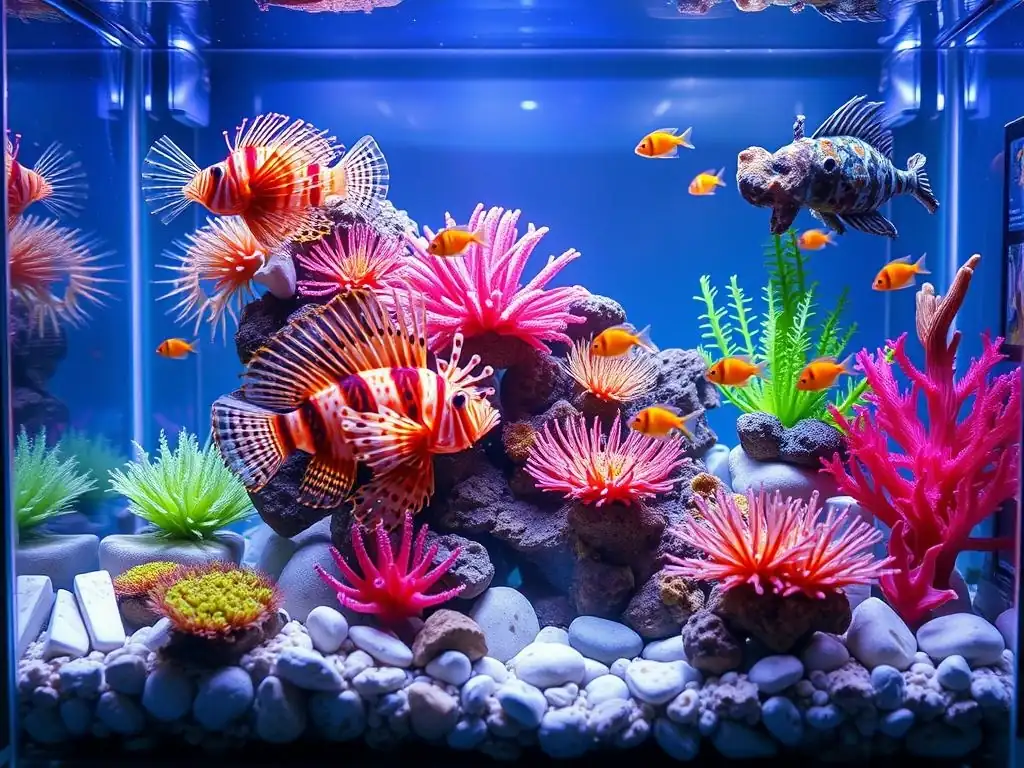
Welcome to Aquarium Mastery!
Ever wondered if you could house a miniature apex predator in your saltwater aquarium? Dive into our comprehensive guide and unlock the secrets to successfully keeping these captivating creatures thriving. We're exploring everything you need to know about Dwarf Lionfish care tips, from their unique dietary needs to creating the perfect environment. Ready to master the art of keeping these stunning fish? Let's get started!
- Understanding the Allure of Dwarf Lionfish for Saltwater Aquariums
- Exploring Different Dwarf Lionfish Species for Your Predatory Tank
- Dwarf Lionfish Care Tips: Creating the Ideal Habitat
- Feeding Your Dwarf Lionfish: A Predatory Diet
- Dwarf Lionfish Tank Mates: Compatibility Considerations
- Identifying and Addressing Common Dwarf Lionfish Health Issues
- The Appeal of Dwarf Lionfish: Why Choose Them for Your Saltwater Aquarium?
- Conclusion: Mastering Dwarf Lionfish Care for a Thriving Aquarium
-
Frequently Asked Questions
- What are some essential considerations when setting up a tank for a dwarf lionfish?
- What are some appropriate food options for dwarf lionfish in captivity?
- What water parameters are ideal for maintaining healthy dwarf lionfish?
- Are dwarf lionfish compatible with other fish species in a community aquarium?
- What are some common health issues to watch out for in dwarf lionfish?
- Final Reflection: Embracing the Miniature Majesty
- Ignite Your Aquarium Passion: Craft a Predatory Paradise!
Understanding the Allure of Dwarf Lionfish for Saltwater Aquariums
Dwarf lionfish species offer a captivating blend of unique aesthetics and predatory charm, making them a popular choice for saltwater aquarium enthusiasts. Unlike their larger cousins, such as the Volitans Lionfish, these smaller species are better suited for more modest tank sizes, typically ranging from 30 to 70 gallons, making them accessible to a broader range of aquarists. Their distinctive venomous spines, flowing fins, and deliberate hunting techniques provide a mesmerizing display without the spatial demands of truly massive predators.
Their appeal extends beyond their striking appearance; dwarf lionfish exhibit fascinating behaviors, often perching on rockwork, patiently waiting for unsuspecting prey, or slowly stalking their next meal. This combination of manageable size, captivating personality, and relatively straightforward care, provided specific needs are met, firmly establishes them as a sought-after addition for those looking to add a unique, predatory centerpiece to their marine setup. Mastering dwarf lionfish care tips is key to unlocking their full potential in a home aquarium.
Exploring Different Dwarf Lionfish Species for Your Predatory Tank
The Fuzzy Dwarf Lionfish (Dendrochirus brachypterus): A Popular Choice
The Fuzzy Dwarf Lionfish, also known as the Shortfin Lionfish, is arguably the most common and widely available dwarf lionfish in the aquarium trade. This species typically reaches a maximum size of 7 to 8 inches (about 18-20 cm) in captivity, making it a manageable size for many home aquariums. Its body is adorned with numerous fleshy appendages, or cirri, giving it a "fuzzy" appearance, which also aids in camouflage. Coloration can vary widely, from mottled browns and reds to more striking orange and black patterns, allowing it to blend seamlessly with rockwork and algae-covered surfaces.
This species is generally robust and adapts well to captive environments, making it an excellent starting point for aquarists interested in dwarf lionfish care tips. They are known for their relatively docile temperament towards non-prey tank mates and their willingness to accept a variety of frozen meaty foods once acclimated. Their adaptability and striking appearance contribute to their popularity, with specimens often available from $40 to $80 depending on size and coloration.
The Fu Manchu Lionfish (Dendrochirus biocellatus): An Exotic Option
The Fu Manchu Lionfish is a smaller, more reclusive, and highly sought-after species, typically growing to about 5 to 6 inches (13-15 cm). Its most distinguishing features are the prominent fleshy tentacles, or cirri, extending from its lower jaw, resembling a "Fu Manchu" mustache. These unique appendages, combined with its mottled brown and white camouflage, allow it to blend almost perfectly with rocky substrates and rubble, making it a master of ambush predation. It often prefers to perch upside down or in crevices, waiting for prey.
Due to its smaller size and more cryptic nature, the Fu Manchu Lionfish requires specific attention to its environment, including plenty of hiding spots and a less turbulent water flow. It can be more challenging to acclimate to frozen foods initially compared to the Fuzzy Dwarf, often requiring live ghost shrimp or small feeder fish (though live feeders should be avoided long-term) to entice feeding before transitioning. Its rarity and unique appearance often command a higher price, typically ranging from $80 to $150 per fish.
The Zebra Dwarf Lionfish (Dendrochirus zebra): A Striking Pattern
The Zebra Dwarf Lionfish is renowned for its distinctive and bold black and white banding, which gives it its common name. This species typically grows to a similar size as the Fuzzy Dwarf, reaching around 7 inches (18 cm) in length, though some individuals may slightly exceed this. Its striking patterns are more pronounced than those of other dwarf lionfish, making it a highly visible and attractive inhabitant in a well-lit reef or fish-only-with-live-rock (FOWLR) aquarium. Unlike the more sedentary Fu Manchu, the Zebra Dwarf Lionfish can be quite active, often observed patrolling the rockwork.
While visually striking, the Zebra Dwarf Lionfish shares similar care requirements with other dwarf species, emphasizing the importance of proper dwarf lionfish care tips. They are generally adaptable to frozen foods once established and are less prone to shyness than the Fu Manchu. Their active nature means they appreciate a tank with ample swimming space, despite their relatively small size. Prices for Zebra Dwarf Lionfish usually fall between $60 and $100, depending on their size and the vibrancy of their markings.
Dwarf Lionfish Care Tips: Creating the Ideal Habitat
Tank Size Requirements for Dwarf Lionfish
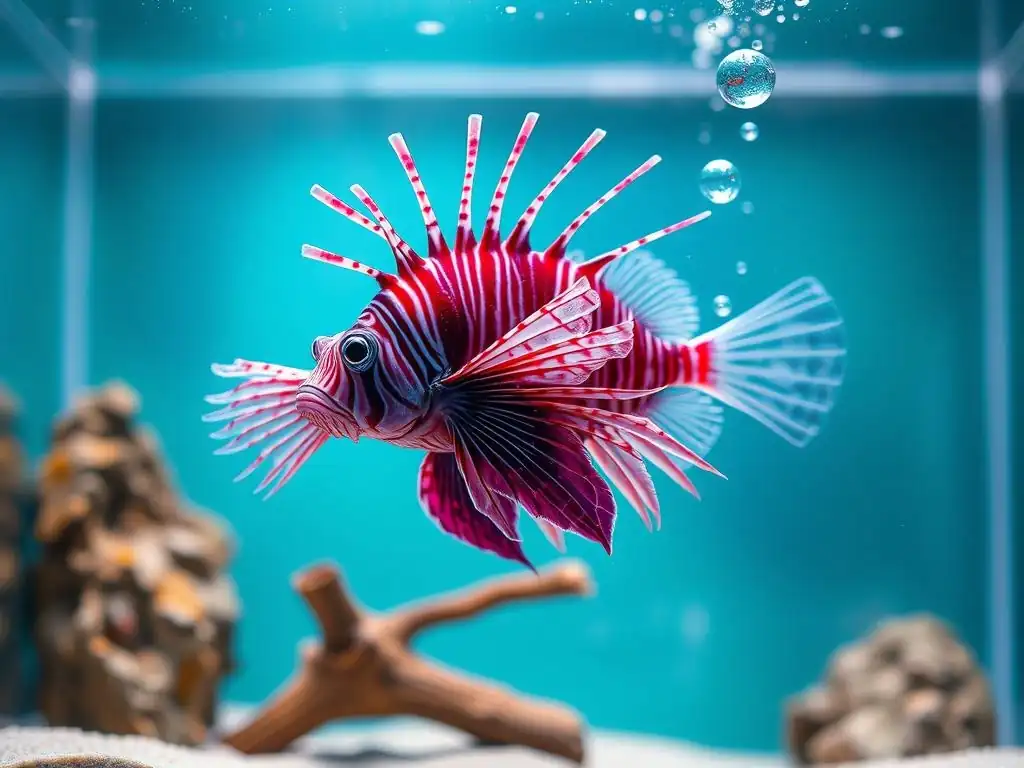
Despite their "dwarf" designation, these lionfish still require adequate space to thrive, a crucial aspect of successful dwarf lionfish care tips. For a single Fuzzy Dwarf Lionfish, a minimum tank size of 30 gallons (approximately 113 liters) is generally recommended. This provides sufficient room for swimming, perching, and establishing a territory. For the slightly more active Zebra Dwarf Lionfish or the more reclusive Fu Manchu, a 40 to 50-gallon tank (150-190 liters) is often preferred, offering more stable water parameters and diverse rockwork for exploration and hiding.
It is important to consider the tank's footprint rather than just its volume; a longer, wider tank provides more horizontal swimming and hunting space, which is more beneficial for these ambush predators than a tall, narrow one. An adult Fuzzy Dwarf Lionfish, at 7 inches, needs enough room to comfortably turn around and navigate complex rock structures without feeling confined, which can lead to stress and health issues. Providing ample space is a foundational element of effective dwarf lionfish care.
Water Parameters: Maintaining Optimal Conditions for Lionfish
Maintaining stable and pristine water parameters is paramount for the health and longevity of dwarf lionfish. The ideal specific gravity should be kept between 1.020 and 1.025, mimicking natural ocean conditions. Temperature should be consistently maintained within the range of 72-78°F (22-26°C), with minimal fluctuations. The pH level should remain stable between 8.1 and 8.4, and alkalinity should be within 8-12 dKH to support a healthy buffering capacity.
Crucially, ammonia and nitrite levels must always be undetectable (0 ppm), as even trace amounts are highly toxic to marine fish. Nitrate levels should be kept as low as possible, ideally below 20 ppm, and certainly no higher than 40 ppm for extended periods. Regular testing, at least once a week, is essential to monitor these parameters. For instance, a sudden drop in pH by 0.2 units or a spike in nitrates can significantly stress a lionfish, making them susceptible to disease and underscoring the importance of diligent dwarf lionfish care tips regarding water quality.
Essential Equipment for Dwarf Lionfish Tanks
Filtration Systems for Predatory Fish
Given their predatory nature and often messy feeding habits, dwarf lionfish produce a significant bioload, necessitating robust filtration systems. A high-quality protein skimmer is indispensable, capable of processing at least 2 to 3 times the tank's actual volume per hour. For example, a skimmer rated for a 75-gallon tank would be suitable for a 40-gallon dwarf lionfish setup. This effectively removes dissolved organic compounds before they can break down into nitrates and other undesirable substances.
In addition to protein skimming, a combination of mechanical and biological filtration is vital. Mechanical filtration, such as filter socks or sponges, should be cleaned or replaced every 3-7 days to prevent trapped detritus from decomposing and contributing to nitrate buildup. Biological filtration, provided by live rock and potentially bio-media, converts ammonia and nitrites into less harmful nitrates. A well-established live rock base, typically 1 to 1.5 pounds per gallon, provides ample surface area for beneficial bacteria, which is a cornerstone of dwarf lionfish care tips.
Lighting Considerations for Dwarf Lionfish
Dwarf lionfish do not have specific high-intensity lighting requirements, as they are often found in deeper waters or shaded areas in their natural habitats. Moderate lighting is generally sufficient for their well-being, and excessively bright lights can even cause them stress, leading them to hide more frequently. If the aquarium also houses photosynthetic corals, the lighting should be chosen to meet the corals' needs, but it is important to ensure that the lionfish has access to shaded areas created by rockwork or overhangs.
For a fish-only or FOWLR tank, a basic LED fixture providing a natural daylight spectrum is more than adequate. For instance, an LED light providing between 20-50 PAR (Photosynthetically Active Radiation) at the substrate level is usually sufficient for viewing the fish and supporting any non-photosynthetic invertebrates. The key is to provide a comfortable environment, and for dwarf lionfish, this means avoiding overwhelming brightness, which is a subtle but important aspect of their care.
Maintaining Water Quality: Regular Testing and Adjustments
Consistent monitoring and adjustment of water parameters are critical for preventing health issues and ensuring the long-term success of dwarf lionfish care. Regular water testing for ammonia, nitrite, nitrate, pH, salinity, and temperature should be performed at least weekly, if not more frequently, especially in newer setups or if issues arise. High-quality test kits, such as those from Salifert or Red Sea, provide accurate readings necessary for informed decision-making.
Routine partial water changes are the most effective method for maintaining water quality and replenishing essential trace elements. A typical schedule involves changing 10-20% of the tank water bi-weekly, or 25% monthly, using properly mixed and temperature-matched saltwater. For example, in a 40-gallon tank, changing 8 gallons every two weeks helps export accumulated nitrates and other pollutants. This consistent maintenance regime is a fundamental dwarf lionfish care tip that directly impacts their health and vitality.
Feeding Your Dwarf Lionfish: A Predatory Diet
What Do Dwarf Lionfish Eat? Natural Prey and Supplementation
In their natural habitat, dwarf lionfish are ambush predators that primarily feed on small fish and crustaceans. In a captive environment, replicating this diet with live feeder fish is generally discouraged due to the high risk of introducing diseases and the poor nutritional value of many commonly available feeder fish. Instead, a varied diet of high-quality frozen meaty foods is highly recommended. This includes items such as mysis shrimp, enriched brine shrimp, krill, and small silversides.
It is crucial to offer a diverse diet to ensure all nutritional needs are met. For example, rotating between Hikari Mysis Shrimp, San Francisco Bay Brand Krill, and Rod's Food ensures a broad spectrum of vitamins and minerals. Some aquarists also occasionally offer small pieces of fresh, defrosted shrimp or squid from the grocery store, ensuring they are marine-sourced and unsalted. Soaking frozen foods in a vitamin supplement like Selcon before feeding can further enhance their nutritional profile, which is a key component of effective dwarf lionfish care tips.
Feeding Frequency and Portion Sizes for Healthy Lionfish
The feeding frequency for dwarf lionfish depends largely on their age and size. Juvenile lionfish, still growing rapidly, may require daily feedings to support their development. Adult dwarf lionfish, however, generally thrive on a feeding schedule of 2-3 times per week. Overfeeding should be avoided, as it not only leads to excessive waste production, polluting the tank, but can also cause digestive issues and obesity in the fish.
Portion sizes should be carefully managed; offer only what the lionfish can consume within a few minutes. A good rule of thumb is to provide 3-5 pieces of appropriately sized food (e.g., mysis shrimp or krill) per feeding, adjusting based on the fish's overall body condition. After feeding, a healthy dwarf lionfish should show a slight bulge in its stomach, indicating it has eaten sufficiently without being overfed. Observing their feeding response and body condition is an important aspect of successful dwarf lionfish care tips.
Tips for Encouraging Feeding in Captive Dwarf Lionfish
Many newly acquired dwarf lionfish, especially the more reclusive species like the Fu Manchu, can be finicky eaters and may initially refuse frozen foods. Patience and persistence are key. One effective method is to use a feeding stick or tongs to present the food directly in front of the lionfish, wiggling it slightly to simulate live prey. This often triggers their predatory instinct.
If a lionfish is particularly stubborn, starting with live food like ghost shrimp or small, disease-free marine feeder fish (used only for initial training, not long-term) can entice a feeding response. Once they start eating, gradually transition them to frozen foods by offering them after the live prey, or by soaking the frozen food in the water where live prey has been. Ensuring minimal competition from tank mates during feeding times also helps reduce stress and encourages the lionfish to eat, reinforcing comprehensive dwarf lionfish care tips.
Dwarf Lionfish Tank Mates: Compatibility Considerations
Choosing Suitable Tank Mates for Dwarf Lionfish
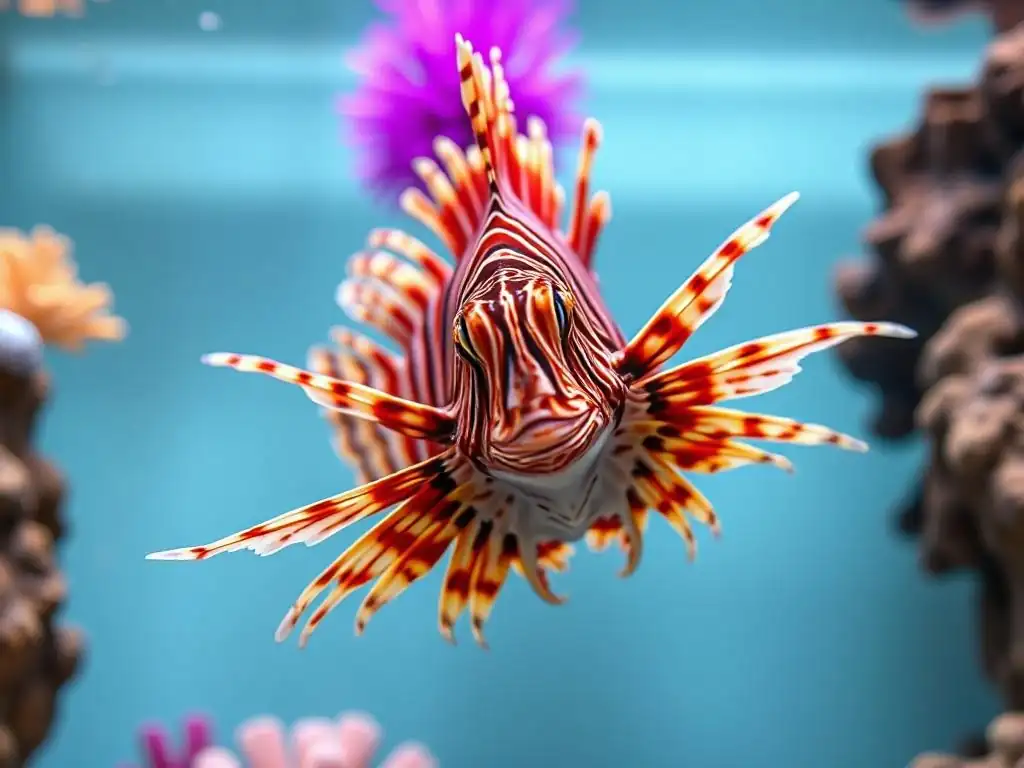
When selecting tank mates for dwarf lionfish, the primary consideration is that any potential companion must be too large to be considered prey. As a general rule, any fish small enough to fit into the lionfish's mouth, or even half its mouth, is at risk. Therefore, suitable tank mates typically include larger, robust fish that are not overly aggressive or prone to fin nipping. Good candidates often include certain tangs, angelfish (larger species), triggerfish (larger, less aggressive species), and some wrasses.
For instance, a Yellow Tang (reaching 6-8 inches) or a Flame Angelfish (growing to 3-4 inches) can often coexist peacefully with a dwarf lionfish, provided they are introduced into a sufficiently large aquarium. It's also important to choose tank mates that are not overly boisterous or fast-moving, as this can stress the more deliberate lionfish. Compatibility is a critical aspect of dwarf lionfish care tips, ensuring a harmonious environment for all inhabitants.
Fish to Avoid Keeping with Dwarf Lionfish
A strict rule for dwarf lionfish care tips is to avoid housing them with any fish that are significantly smaller than the lionfish's mouth. This includes most small gobies, blennies, small damsels, small clownfish, and any juvenile fish. Even fish that seem too large can be at risk if the lionfish is particularly ambitious or if the tank is too small, leading to opportunistic predation.
Specific examples of fish to avoid include Green Chromis (often 2-3 inches and easily consumed), any form of small cardinalfish, and most small wrasses. Additionally, highly aggressive or nippy fish, such as some types of triggerfish or certain damsels, should be avoided, as they can harass and stress the lionfish, potentially leading to injuries or disease. Even seemingly benign fish like Royal Grammas, at 3 inches, can be a tempting meal for an adult dwarf lionfish.
Invertebrates and Dwarf Lionfish: A Risky Combination?
When it comes to invertebrates, the situation is generally risky when housing them with dwarf lionfish. Most crustaceans, including ornamental shrimp like Peppermint Shrimp or Cleaner Shrimp, and small crabs, are viewed as natural prey by lionfish and will likely be consumed. Their predatory instincts are strong, and they will actively hunt and eat any invertebrate they can fit into their mouths.
However, certain larger invertebrates may be safe. Large snails, such as Turbo Snails or Trochus Snails over 1.5 inches in shell diameter, are often too big for a dwarf lionfish to consume whole. Similarly, larger hermit crabs, particularly those that are several inches across like Halloween Hermit Crabs, may also be safe. Corals, on the other hand, are generally not at risk from dwarf lionfish, as they are not part of their diet. While there's always a slight risk with any invertebrate, careful selection based on size can minimize losses, though it's a careful balance in dwarf lionfish care.
Identifying and Addressing Common Dwarf Lionfish Health Issues
Recognizing Signs of Illness in Your Dwarf Lionfish
Early detection of illness is crucial for successful dwarf lionfish care. Aquarists should regularly observe their lionfish for any changes in behavior or appearance. Signs of illness can include lethargy, unusual hiding, erratic swimming, or rubbing against tank decorations. Physical symptoms might manifest as cloudy eyes, faded coloration, white spots resembling salt grains (indicating Ich), velvet-like dust (Amyloodinium), frayed fins, lesions, or excessive mucus production.
A healthy dwarf lionfish will typically be alert, actively observing its surroundings, and display a good appetite. Any refusal to eat, or a significant decrease in appetite, is a strong indicator of stress or illness. For instance, if a lionfish that normally perches openly starts hiding constantly in the darkest corner or refuses its favorite food for more than 24 hours, it warrants immediate investigation into water parameters and potential disease. Daily observation is one of the most proactive dwarf lionfish care tips.
Common Diseases Affecting Dwarf Lionfish and Their Treatment
Dwarf lionfish, like all marine fish, can be susceptible to common saltwater diseases, particularly if stressed by poor water quality or improper acclimation. Marine Ich (Cryptocaryon irritans) and Marine Velvet (Amyloodinium ocellatum) are two of the most prevalent parasitic infections. Ich appears as small white spots, while Velvet often looks like a fine, dusty coating. Bacterial infections, often manifesting as fin rot or cloudy eyes, can also occur.
Treatment typically involves moving the affected fish to a dedicated quarantine tank to prevent the spread of disease and to administer medication without harming the main display tank's biological filter or invertebrates. Copper-based medications are effective for Ich and Velvet, but precise dosing is critical as copper can be toxic if misused. For example, a common treatment for Ich involves maintaining a copper level of 0.5-0.75 ppm for 14-21 days.
Bacterial infections may require broad-spectrum antibiotics. Always consult a knowledgeable aquarist or aquatic veterinarian for specific treatment protocols, as this is a vital part of advanced dwarf lionfish care tips.
Preventing Health Problems Through Proper Dwarf Lionfish Care
The most effective strategy for managing dwarf lionfish health is prevention. Maintaining stable, pristine water parameters is the cornerstone of disease prevention; consistent temperature, salinity, and undetectable levels of ammonia and nitrite significantly reduce stress, which is often a precursor to illness. Providing a balanced and varied diet, as discussed previously, ensures the lionfish has a strong immune system.
Furthermore, quarantining all new fish for at least 3-4 weeks before introducing them to the main display tank is an indispensable dwarf lionfish care tip. This allows for observation, deworming, and treatment of any latent diseases without risking the health of established tank inhabitants. Regular tank maintenance, including consistent water changes and cleaning of filtration media, also plays a crucial role in preventing the buildup of pollutants that could compromise the lionfish's health. A well-managed and stress-free environment is the best defense against disease.
The Appeal of Dwarf Lionfish: Why Choose Them for Your Saltwater Aquarium?
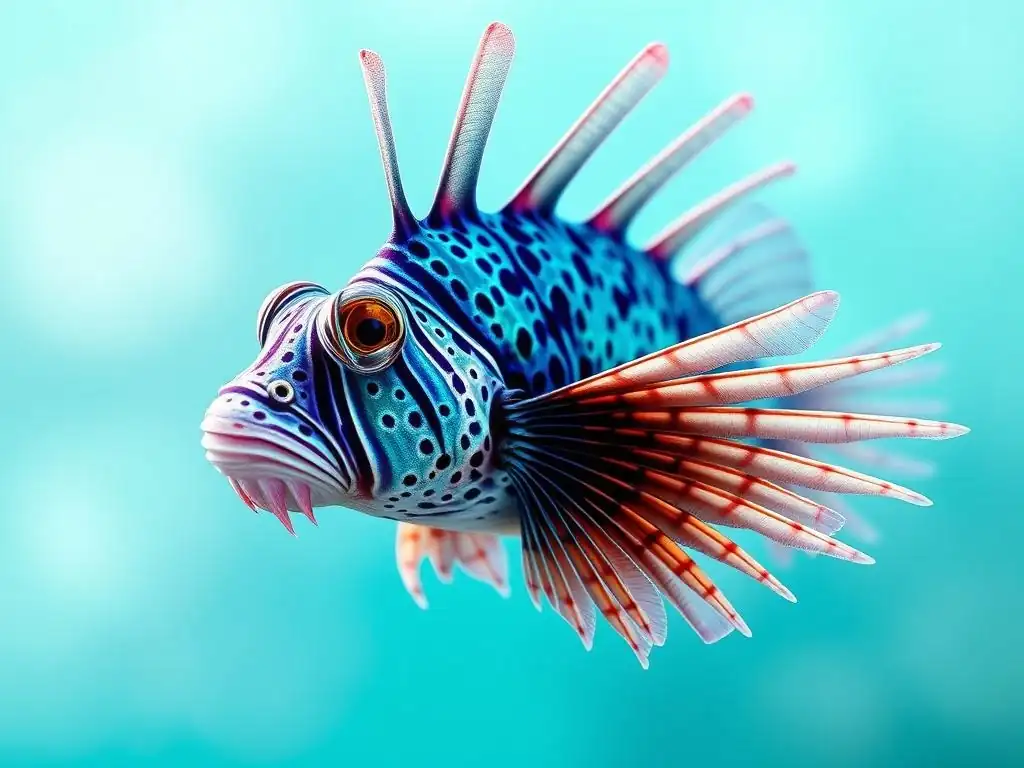
Dwarf lionfish offer a compelling blend of exotic beauty, unique predatory behavior, and manageable size that makes them highly desirable for saltwater aquarists. Their striking appearance, with elaborate fins and venomous spines, ensures they are a captivating centerpiece in any aquarium. Unlike their larger relatives, their smaller stature means they can thrive in tanks from 30 to 70 gallons, opening up the possibility of keeping these fascinating predators to a wider audience.
Beyond their visual appeal, their deliberate movements and ambush hunting techniques provide endless fascination. With proper dwarf lionfish care tips, including stable water parameters, a suitable diet, and appropriate tank mates, these fish can live for many years, often exceeding 5-7 years in a well-maintained home aquarium. Their relatively hardy nature, once acclimated, further adds to their appeal, offering a rewarding experience for dedicated aquarists seeking a truly unique marine inhabitant.
Conclusion: Mastering Dwarf Lionfish Care for a Thriving Aquarium
Dwarf lionfish species like the Fuzzy, Fu Manchu, and Zebra offer a captivating and rewarding experience for saltwater aquarists willing to provide their specific needs. Their distinctive beauty and fascinating predatory behaviors make them stand out as unique inhabitants in smaller predatory setups. However, their long-term health and vibrancy are directly dependent on the diligent application of comprehensive dwarf lionfish care tips.
Mastering dwarf lionfish care involves a commitment to stable and pristine water quality, a varied and nutritious diet of frozen meaty foods, careful selection of appropriately sized tank mates, and proactive health management through observation and preventative measures. By adhering to these guidelines, aquarists can ensure their dwarf lionfish not only survive but truly thrive, becoming a stunning and enduring centerpiece of their saltwater aquarium for years to come.
Frequently Asked Questions
What are some essential considerations when setting up a tank for a dwarf lionfish?
When setting up a tank, prioritize a species-only setup or very careful selection of tank mates. Ensure adequate filtration and water flow, and provide plenty of rockwork and caves for hiding.
What are some appropriate food options for dwarf lionfish in captivity?
Dwarf lionfish are predators, so offer a diet of live or frozen foods like small feeder fish, shrimp, and crustaceans. Be sure to supplement their diet with vitamins to ensure proper nutrition. You may need to train them to accept frozen food.
What water parameters are ideal for maintaining healthy dwarf lionfish?
Maintain a stable temperature between 72-78°F (22-26°C), a specific gravity of 1.023-1.025, and a pH level of 8.1-8.4. Regular water changes are crucial for maintaining water quality.
Are dwarf lionfish compatible with other fish species in a community aquarium?
Dwarf lionfish are predatory and should be kept with fish that are too large to be eaten. Avoid keeping them with small, docile fish or invertebrates. Careful research is essential before introducing any tank mates.
What are some common health issues to watch out for in dwarf lionfish?
Common issues include parasitic infections, bacterial infections, and nutritional deficiencies. Observe your fish regularly for signs of illness, such as loss of appetite, cloudy eyes, or erratic swimming. Quarantine new arrivals to prevent disease spread.
Final Reflection: Embracing the Miniature Majesty
The allure of the ocean, even in its most diminutive forms, remains powerfully captivating. Understanding the nuances of dwarf lionfish care is not merely about maintaining an aquarium; it's about fostering a miniature ecosystem and appreciating the delicate balance of nature within our homes. These captivating creatures, despite their size, demand a level of respect and knowledge that elevates the hobby of fishkeeping to a form of responsible stewardship.
The journey of caring for a dwarf lionfish is a testament to the beauty of detail and the importance of informed decision-making. This experience has profoundly underscored the interconnectedness of all living things, reminding us that even the smallest creatures deserve our utmost care and attention. In the end, we will conserve only what we love; we will love only what we understand; and we will understand only what we are taught.
- Baba Dioum. This quote perfectly encapsulates the spirit of responsible aquarism, urging us to deepen our understanding to cultivate a genuine appreciation for these remarkable fish.
Now, armed with these dwarf lionfish care tips, I invite you to reflect on your own role in the aquatic world. Consider how your choices, however small, can contribute to the well-being of these magnificent creatures. Let us all strive to be informed, responsible, and compassionate stewards of the ocean's miniature ambassadors, ensuring their continued thriving in our care and inspiring future generations to appreciate the wonders of the deep.
Ignite Your Aquarium Passion: Craft a Predatory Paradise!
Thank you for delving into the fascinating world of dwarf lionfish! We hope you've gained valuable insights into the care and unique charm of these captivating creatures. Now, it's time to take the next step and turn your aquarium dreams into reality.
Ready to make a splash?
- Start planning your predatory tank today! Research compatible tank mates and design a captivating underwater environment that meets the specific needs of your dwarf lionfish.
- Share your newfound knowledge! Help fellow aquarium enthusiasts by discussing your favorite dwarf lionfish facts or tank setup ideas in online forums or local aquarium groups.
- Explore the unconventional: Consider documenting your lionfish's personality through a short video and share it on social media using #AquariumMastery – let's showcase the unique behaviors of these fascinating fish!
What unique enrichment strategies will you implement to stimulate your dwarf lionfish's hunting instincts and ensure a thriving ecosystem?