
Color & Movement: How Cardinalfish & Anthias Transform Your Reef's Aesthetic

Welcome to Aquarium Mastery!
Ever wondered how to infuse your reef tank with vibrant color and captivating movement? Dive into our latest article, where we unveil the secrets to achieving a stunning reef aesthetic transformation using the graceful Cardinalfish and the dazzling Anthias. Learn how to create a harmonious underwater world that's both beautiful and thriving. Ready to unlock the potential of your saltwater aquarium? Let's explore!
- Color & Movement: Cardinalfish & Anthias for Reef Aesthetic Transformation
- Cardinalfish: Subtle Charm, Significant Impact on Reef Visuals
- Anthias: A Burst of Color and Activity for Reef Aquariums
-
Achieving Cardinalfish Reef Aesthetic Transformation: A Step-by-Step Guide
- Step 1: Assessing Your Reef Tank's Compatibility for Cardinalfish and Anthias
- Step 2: Choosing the Right Cardinalfish and Anthias Species for Your Reef
- Step 3: Acclimation and Introduction: Minimizing Stress for New Arrivals
- Step 4: Maintaining Optimal Water Parameters for Vibrant Colors and Health
- Step 5: Providing a Balanced Diet to Support Coloration and Activity
- Combining Cardinalfish and Anthias: Maximizing the Reef's Visual Appeal
- Troubleshooting Common Issues: Maintaining Cardinalfish and Anthias Health for Long-Term Reef Beauty
- The Long-Term Benefits of Cardinalfish and Anthias in Reef Tanks
- Beyond Aesthetics: The Ecological Role of Cardinalfish and Anthias in Reef Systems
-
Frequently Asked Questions
- How do Cardinalfish contribute to the overall reef aesthetic?
- Can Cardinalfish be kept with Anthias in a reef tank setting?
- What are some key factors to consider when selecting Cardinalfish for a reef aesthetic transformation?
- How does water chemistry impact the health and coloration of Cardinalfish in a reef aquarium?
- What are some common problems aquarists face when keeping Cardinalfish, and how can they be resolved to maintain a beautiful reef?
- Final Reflection: Embracing the Reef's Living Palette
- Ignite Your Reef's Radiance!
Color & Movement: Cardinalfish & Anthias for Reef Aesthetic Transformation
Understanding the Allure of Cardinalfish and Anthias in Reef Tanks
Cardinalfish and Anthias are two distinct families of marine fish renowned for their remarkable ability to inject vibrant color and dynamic movement into reef aquariums. Their schooling behaviors and often brilliant hues make them central figures in achieving a captivating Cardinalfish reef aesthetic transformation, turning a static display into a living, breathing underwater spectacle. These species are particularly prized for their capacity to add depth and a sense of natural activity that enhances the overall visual appeal of any established saltwater system.
Beyond their striking colors, these fish contribute significantly to the perceived vitality of a reef tank through their constant, yet often graceful, motion. While Cardinalfish tend to hover and subtly shift within their chosen nooks, Anthias are celebrated for their energetic mid-water schooling, creating a continuous flow of color. Their generally peaceful temperament, especially when housed appropriately, makes them excellent candidates for community reef tanks, allowing them to coexist harmoniously with corals and other invertebrates, further solidifying their role in a successful Cardinalfish reef aesthetic transformation.
Cardinalfish: Subtle Charm, Significant Impact on Reef Visuals
Exploring Cardinalfish Species for Enhanced Reef Aesthetics
Cardinalfish, belonging to the family Apogonidae, are largely nocturnal fish that bring a unique, understated elegance to the reef tank. While they may not possess the same frenetic energy as Anthias, their subtle movements and often striking patterns contribute significantly to a nuanced Cardinalfish reef aesthetic transformation. Many species are known for their peaceful demeanor and relatively small size, typically ranging from 2 to 5 inches, making them suitable for a variety of reef setups.
These fish are particularly effective at adding visual interest to the shaded areas and crevices of your rockwork, where they often retreat during the day. Their typical lifespan in captivity ranges from 2 to 5 years with optimal care, and their lower bioload compared to larger predatory fish makes them a responsible choice for maintaining stable water parameters in a delicate reef environment. Their quiet presence adds a layer of natural charm, enhancing the overall depth and realism of the aquarium.
Banggai Cardinalfish: A Beginner-Friendly Choice for Reef Aquariums
The Banggai Cardinalfish ( Pterapogon kauderni) is perhaps the most iconic and beginner-friendly Cardinalfish, instantly recognizable by its distinctive black and white striped pattern and elongated fins. This species offers an immediate and impactful Cardinalfish reef aesthetic transformation due to its unique appearance and relatively calm swimming style. They typically reach a maximum size of about 3 inches and are well-suited for tanks as small as 20-30 gallons for a pair, though larger tanks are always beneficial for stability.
Beyond their visual appeal, Banggai Cardinalfish are known for their fascinating mouth-brooding behavior, where the male incubates the eggs in his mouth, providing an intriguing observation point for aquarists. They are relatively hardy and adaptable, thriving on a varied diet of frozen foods like mysis shrimp and enriched brine shrimp. With proper care, they can live for 3-5 years, making them a long-term, captivating addition to any reef system.
Pajama Cardinalfish: Adding Unique Patterns to Your Reefscape
The Pajama Cardinalfish ( Sphaeramia nematoptera) is a vibrant and unique species that introduces a striking pattern to your reefscape, contributing to a distinctive Cardinalfish reef aesthetic transformation. Its body features a bright yellow-orange face, a broad black vertical band, and a tail section adorned with numerous red spots on a silvery background. These fish typically grow to about 3 inches and are best kept in small groups of 3-5 or more to encourage schooling behavior and enhance their sense of security.
While they are generally nocturnal, Pajama Cardinalfish often become more active during the day once settled into a well-established tank with ample hiding spots. Their peaceful nature makes them excellent tank mates for most reef inhabitants, and they readily accept a variety of frozen and prepared foods. A group of these distinctively patterned fish can provide a fascinating visual dynamic, with their unique colors and subtle movements creating a captivating focal point in your aquarium for their typical lifespan of 2-4 years.
Longspine Cardinalfish: A Graceful Addition to the Reef Tank
The Longspine Cardinalfish ( Apogon leptacanthus) offers a more ethereal and graceful contribution to the Cardinalfish reef aesthetic transformation. These fish are characterized by their more elongated, slender bodies and often translucent or pale coloration, which can subtly shimmer with hints of red or orange, especially when schooling. They typically grow to a modest size of 2-3 inches, making them ideal for smaller reef systems or as part of a larger, diverse community.
What truly sets the Longspine Cardinalfish apart is their strong schooling instinct. A group of 6-10 individuals can create a mesmerizing, synchronized dance above the rockwork, adding continuous, fluid movement to the mid-water column. They are generally peaceful and prefer tanks with plenty of shaded areas and hiding spots. Their delicate appearance and coordinated swimming patterns make them a truly captivating addition, typically living for 2-3 years while providing a constant source of subtle beauty.
Anthias: A Burst of Color and Activity for Reef Aquariums
The Visual Impact of Anthias Schools on Reef Tanks
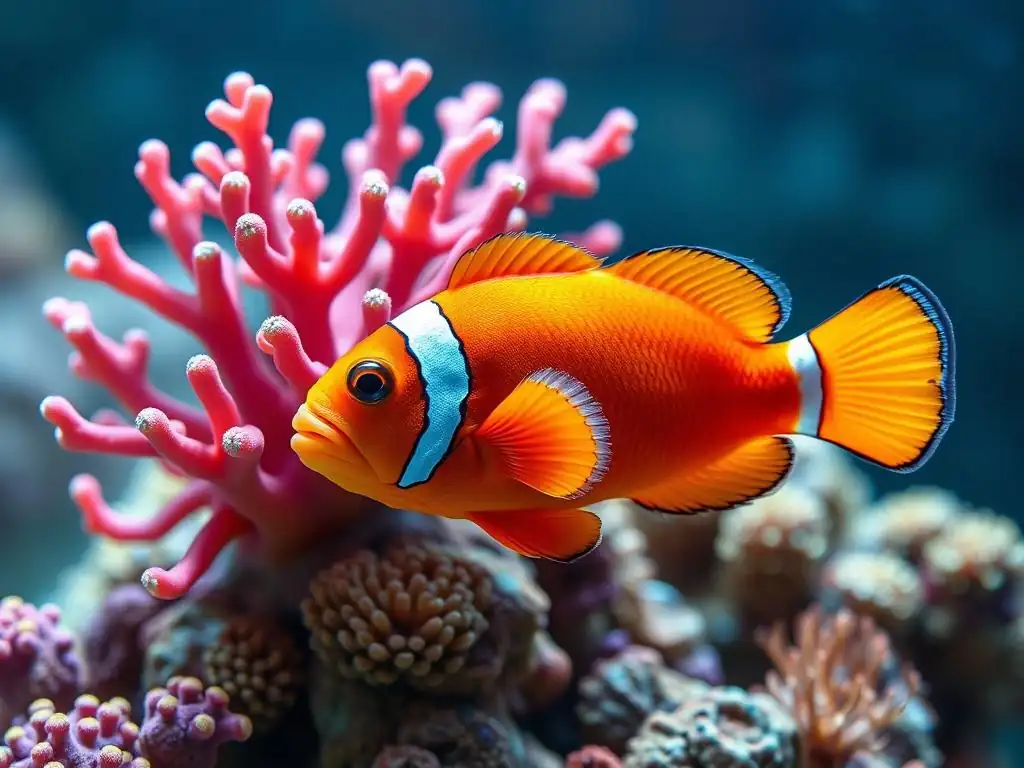
Anthias are arguably one of the most visually impactful groups of fish for a reef aquarium, bringing an unparalleled burst of color and relentless activity. Their characteristic shoaling behavior, where they swim energetically in the mid-water column above the rockwork, creates a dynamic and constantly evolving display that significantly enhances the Cardinalfish reef aesthetic transformation. These fish are known for their vibrant hues, often displaying shades of orange, yellow, pink, and purple, frequently with striking sexual dimorphism between males and females.
Most Anthias species range from 3 to 6 inches in length and require tanks of 75 gallons or more for a small group to thrive, due to their active nature and need for consistent water quality. They are protogynous hermaphrodites, meaning all individuals are born female and the dominant female in a group can change to male if the existing male dies. Their high metabolism necessitates multiple small feedings throughout the day, often 2-3 times, to maintain their energy levels and brilliant coloration, making them a central feature in a thriving reef.
Lyretail Anthias: A Vibrant and Popular Reef Aquarium Choice
The Lyretail Anthias ( Pseudanthias squamipinnis) stands out as one of the most popular and visually stunning Anthias species, a true centerpiece for a vibrant Cardinalfish reef aesthetic transformation. Males are particularly striking, featuring a prominent lyre-shaped tail and often displaying deeper shades of orange, red, and purple, while females are typically a brighter orange-yellow with a less pronounced tail. Males can reach up to 5-6 inches, with females being slightly smaller.
These Anthias are known for their active schooling behavior, often forming harems consisting of one male and several females, which creates a captivating social dynamic within the tank. They are relatively hardy for Anthias, making them a good choice for aquarists with some experience. Their constant movement and brilliant, iridescent colors make them an undeniable focal point, and with proper care and frequent feedings, they can live for 3-5 years, providing continuous visual delight.
Dispar Anthias: A Hardy and Colorful Option for Reefs
The Dispar Anthias ( Pseudanthias dispar) is an excellent choice for those seeking a hardy and consistently colorful Anthias species to enhance their Cardinalfish reef aesthetic transformation. These fish are characterized by their bright orange bodies, often transitioning to yellow, with a distinctive red or purple stripe running along their dorsal fin. They are smaller than Lyretails, typically reaching about 3 inches, making them suitable for slightly smaller reef tanks, generally 50-75 gallons for a small group.
Dispar Anthias are highly active and exhibit strong schooling behavior, which creates a captivating sense of unity and movement in the mid-water column. They are known for being more robust and adaptable than some other Anthias species, making them a good entry point for aquarists looking to keep these vibrant fish. Like all Anthias, they benefit from multiple small feedings throughout the day. With a typical lifespan of 2-4 years, a group of Dispar Anthias provides a reliable and stunning display of color and activity.
Sunset Anthias: Creating a Stunning Gradient in Your Reef Tank
The Sunset Anthias ( Pseudanthias parvirostris or similar species like P. rubrizonatus) offers a truly unique and breathtaking color gradient, making it an exceptional contributor to a nuanced Cardinalfish reef aesthetic transformation. These fish often display a beautiful transition of colors, typically starting with a brilliant yellow or orange at the head and gradually fading into soft pinks or purples towards the tail and fins, mimicking the hues of a sunset. They generally grow to about 3-4 inches.
Sunset Anthias are known for their peaceful demeanor and their tendency to swim gracefully in groups within the open water column. Their unique coloration adds a layer of sophisticated visual interest, creating depth and a sense of natural artistry in the reef. Like their Anthias cousins, they require frequent, small feedings to maintain their energy and vibrant colors. With a lifespan of 2-4 years, a well-established group of Sunset Anthias can provide a mesmerizing, ever-changing display that captures the essence of a serene marine environment.
Achieving Cardinalfish Reef Aesthetic Transformation: A Step-by-Step Guide
Step 1: Assessing Your Reef Tank's Compatibility for Cardinalfish and Anthias
Before introducing Cardinalfish and Anthias, a thorough assessment of your reef tank's current setup is paramount to ensuring a successful Cardinalfish reef aesthetic transformation. For Cardinalfish, tank size can range from 20 gallons for a pair of Banggais, but schooling species like Pajamas thrive in 30-50 gallons or more for a group of 5-7. Anthias, being more active and often schooling, generally require a minimum of 75-100 gallons for a small group (e.g., 1 male and 3-5 females) to provide adequate swimming space and dilute aggression.
Crucially, the stability of your water parameters is non-negotiable for these sensitive reef inhabitants. Aim for consistent salinity of 1.023-1.026 specific gravity, a temperature range of 75-80°F (24-27°C), pH between 8.1-8.4, alkalinity between 8-12 dKH, calcium at 400-450 ppm, and magnesium at 1250-1350 ppm. A mature biological filter and robust filtration system are essential to process the bioload and maintain these parameters, preventing stress and disease in your new additions.
Step 2: Choosing the Right Cardinalfish and Anthias Species for Your Reef
Selecting compatible species is a critical step in fostering a harmonious Cardinalfish reef aesthetic transformation. Consider the adult size, typical temperament, and specific feeding requirements of each species you plan to introduce. For instance, smaller, more docile Cardinalfish like Pajamas can coexist beautifully with smaller, less aggressive Anthias such as Dispars, but pairing them with larger, more boisterous Anthias like certain male Lyretails might lead to stress for the Cardinalfish. Thorough research into species-specific compatibility is highly recommended.
Furthermore, pay close attention to the appropriate group size for each species. While some Cardinalfish, like Banggais, can thrive as pairs, most schooling Cardinalfish (e.g., Pajamas) benefit from groups of 3-5 or more to exhibit natural behaviors and feel secure. Anthias, almost without exception, require groups, typically a harem structure with one male and several females. Attempting to keep Anthias solitarily often results in stress, poor health, and a failure to thrive, directly undermining the desired vibrant display.
Step 3: Acclimation and Introduction: Minimizing Stress for New Arrivals
Proper acclimation is a cornerstone of minimizing stress for new Cardinalfish and Anthias, ensuring a smooth transition into your reef and setting the stage for a successful Cardinalfish reef aesthetic transformation. Drip acclimation is the preferred method for these sensitive marine fish, involving slowly dripping tank water into their transport bag over a period of 45-60 minutes to gradually equalize salinity and pH. Prior to drip acclimation, float the sealed bag in your sump or display tank for 15-20 minutes to equalize temperature.
When introducing the fish to the display tank, it's often beneficial to do so with the tank lights dimmed or off. This reduces initial stress and can help prevent existing tank inhabitants from immediately harassing the new arrivals. Introduce fish one or two at a time, or small groups of schooling fish, to avoid overwhelming your biological filter with a sudden increase in bioload. Closely observe the new additions for the first few days for any signs of stress, disease, or aggression from established tank mates.
Step 4: Maintaining Optimal Water Parameters for Vibrant Colors and Health
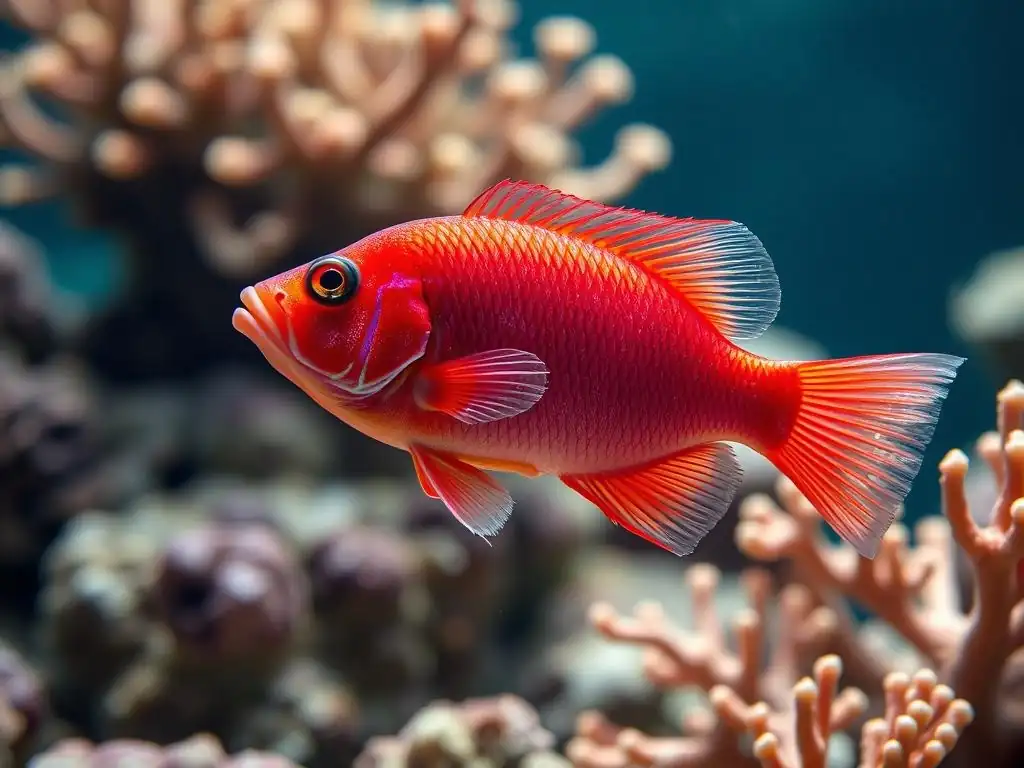
Consistent maintenance of optimal water parameters is not merely about survival; it is fundamental for the vibrant colors and long-term health of your Cardinalfish and Anthias, directly contributing to a stunning Cardinalfish reef aesthetic transformation. Regular testing, ideally weekly or bi-weekly, of key parameters such as salinity, temperature, pH, alkalinity, calcium, and magnesium, allows you to detect and correct any deviations promptly. Even minor fluctuations can cause stress, leading to faded coloration and increased susceptibility to disease.
Scheduled water changes are indispensable for parameter stability and nutrient export. Performing 10-20% water changes weekly or bi-weekly using high-quality reverse osmosis/deionized (RO/DI) water mixed with a reputable marine salt mix helps replenish essential trace elements that are consumed by corals and fish. These regular changes also dilute accumulated nitrates and phosphates, which can otherwise negatively impact both fish health and coral growth, ensuring your fish retain their full, brilliant hues.
Step 5: Providing a Balanced Diet to Support Coloration and Activity
A balanced and varied diet is absolutely crucial for supporting the vibrant coloration, high energy levels, and overall health of both Cardinalfish and Anthias, driving the success of your Cardinalfish reef aesthetic transformation. Both species are primarily carnivores and thrive on high-quality frozen foods. Offer a mix of mysis shrimp, enriched brine shrimp, copepods, and finely chopped seafood. While high-quality marine pellets and flakes can supplement their diet, frozen foods generally provide superior nutritional value.
Feeding frequency differs slightly between the two. Cardinalfish typically do well with 1-2 feedings per day. However, Anthias, due to their exceptionally high metabolism and active swimming, require more frequent nourishment, ideally 2-3 small feedings daily, or even more for very active species. Underfeeding can quickly lead to emaciation, lethargy, and a significant dulling of their natural colors, detracting from the visual appeal you are striving for in your reef tank.
Combining Cardinalfish and Anthias: Maximizing the Reef's Visual Appeal
Creating a Harmonious Reef Environment for Schooling Fish
Achieving a truly harmonious reef environment for both Cardinalfish and Anthias is key to maximizing your reef's visual appeal and ensuring a successful Cardinalfish reef aesthetic transformation. Providing ample space is fundamental; a tank size of 75 gallons or more is often ideal for a mixed school of these fish, allowing sufficient swimming room and helping to diffuse any potential territorial disputes. Adequate water flow, mimicking the gentle currents of a natural reef, is also highly beneficial for their activity levels and overall well-being.
Careful and thoughtful stocking is equally important. Always introduce more peaceful species first, allowing them to establish themselves before adding more active or potentially semi-aggressive fish. Overstocking your aquarium can lead to increased stress, heightened aggression, and rapid deterioration of water quality, all of which will counteract the desired vibrant and peaceful display. Planning your entire stocking list in advance, considering adult sizes and temperaments, is a proactive measure for a thriving community.
Strategic Placement of Rockwork to Encourage Natural Behaviors
Strategic placement of live rockwork is essential for encouraging natural behaviors in both Cardinalfish and Anthias, thereby enhancing the overall Cardinalfish reef aesthetic transformation. For Cardinalfish, who are often more nocturnal and shy, it's crucial to create plenty of shaded nooks, caves, and overhangs where they can retreat and feel secure during the day. This provides them with necessary refuge and significantly reduces stress, allowing them to exhibit more natural patterns.
Conversely, Anthias, being highly active and mid-water swimmers, benefit from open areas above the rockwork for schooling, combined with ample live rock for perching and grazing on microfauna. A well-structured aquascape that offers both secure hiding spots and expansive swimming lanes caters to the distinct needs of both fish types. This thoughtful design encourages their natural schooling, foraging, and resting behaviors, contributing to a dynamic and visually compelling reef display.
Controlling Aggression: Ensuring a Peaceful Reef Community
Controlling aggression is a vital aspect of maintaining a peaceful reef community and preserving the visual harmony of your Cardinalfish reef aesthetic transformation. While Cardinalfish are generally peaceful, some Anthias species can exhibit intra-species aggression, particularly among males or when new individuals are introduced. For instance, a single male Anthias without enough females might target other peaceful fish if not properly managed.
Strategies for minimizing aggression include providing ample hiding spots and visual breaks within the rockwork, which can disrupt lines of sight and reduce territorial disputes. Avoid keeping multiple males of the same Anthias species in smaller tanks unless that specific species is known to tolerate it. Ensuring all fish are well-fed can also reduce aggression, as hunger can exacerbate territorial behaviors. In larger tanks, such as those 120 gallons or more, the increased volume significantly helps to diffuse aggression, allowing the fish to establish distinct territories without constant conflict, thereby enhancing the overall peaceful aesthetic.
Troubleshooting Common Issues: Maintaining Cardinalfish and Anthias Health for Long-Term Reef Beauty
Addressing Fading Colors: Identifying and Correcting Nutritional Deficiencies
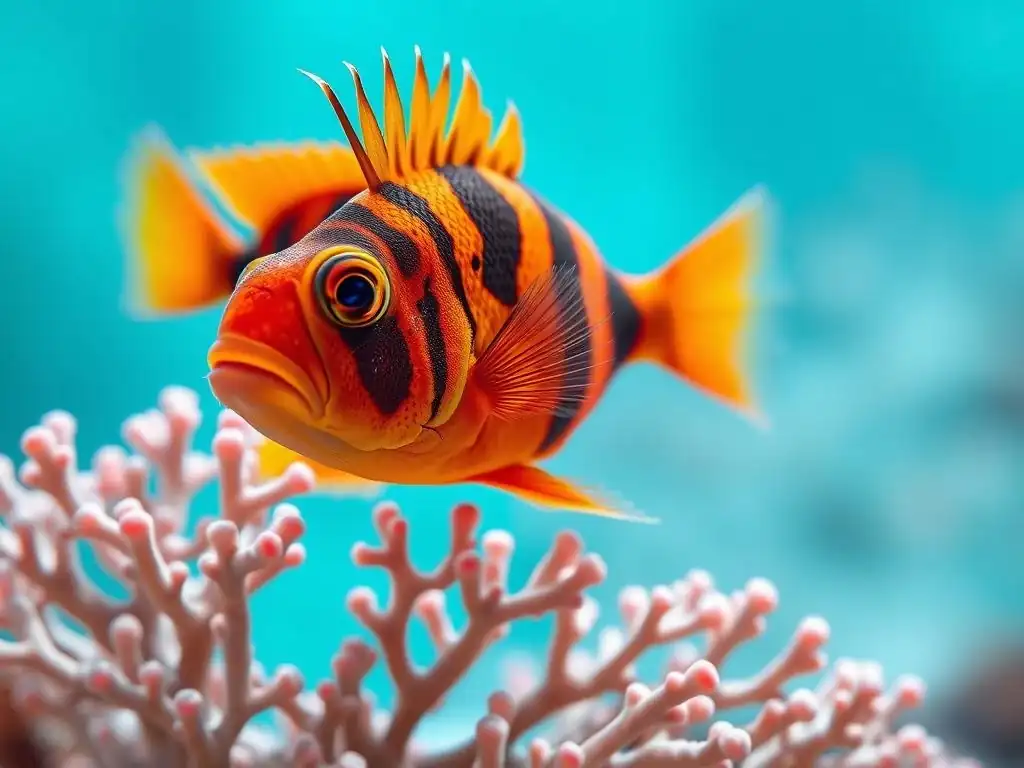
Fading colors in Cardinalfish and Anthias are a common issue that can detract significantly from your Cardinalfish reef aesthetic transformation, and the primary cause is often a poor or insufficient diet. A lack of essential vitamins, particularly Vitamin A, and carotenoid pigments like astaxanthin (naturally found in crustaceans), directly impacts their ability to express their vibrant natural hues. When these vital nutrients are scarce, the fish's coloration will gradually dull, becoming less vivid and striking.
To restore and maintain brilliant colors, it is crucial to enhance their diet with high-quality, nutrient-dense foods. Incorporate frozen foods enriched with spirulina, astaxanthin, or other color-enhancing supplements. For example, regularly feeding mysis shrimp and brine shrimp that have been gut-loaded or enriched with a liquid vitamin supplement (e.g., Selcon) 2-3 times a week can lead to noticeable improvements in coloration within 2-4 weeks. A varied diet ensures they receive all necessary nutrients for optimal health and vibrancy.
Managing Aggression: Preventing Fin-Nipping and Stress
Aggression, manifested as fin-nipping, constant chasing, or excessive hiding, is a clear indicator of stress or incompatibility within your reef tank, undermining the desired Cardinalfish reef aesthetic transformation. This behavior can stem from overcrowding, insufficient hiding spots, or the presence of incompatible tank mates. For instance, a dominant male Anthias that lacks enough females in its harem might redirect its aggression towards other peaceful fish in the tank.
To mitigate aggression, first assess your tank's size and stocking density. If the tank is too small for the number or type of fish, aggression will likely persist. Consider adding more hiding spots or rearranging the rockwork to create new territories and break lines of sight. If a specific aggressor is identified, temporary isolation in a breeder box or even removal to a separate tank might be necessary. For Anthias, introducing all members of a harem simultaneously can often help establish a stable social hierarchy more quickly, reducing future conflicts and fostering a more peaceful display.
Preventing and Treating Common Diseases in Cardinalfish and Anthias
Cardinalfish and Anthias, like all marine fish, are susceptible to common diseases such as marine ich ( Cryptocaryon irritans), velvet ( Amyloodinium ocellatum), and various bacterial infections, which can severely impact your Cardinalfish reef aesthetic transformation. The best preventative measures are maintaining pristine water quality, ensuring stable parameters, and providing a highly nutritious diet, as stressed fish are more prone to illness. Quarantining all new fish for 4-6 weeks in a separate tank is highly recommended to observe for any signs of disease and administer treatment before introducing them to your main display.
Should disease occur, prompt identification and appropriate treatment are crucial. For parasitic infections like ich, methods such as hyposalinity (gradually reducing salinity to 1.009-1.010 SG) or copper-based medications (e.g., Copper Power at 0.25 ppm) can be effective when used in a quarantine tank, never in the main reef display with corals. For suspected bacterial infections, broad-spectrum antibiotics may be necessary. Early intervention can prevent the spread of disease to other inhabitants, preserving the health and long-term beauty of your reef.
The Long-Term Benefits of Cardinalfish and Anthias in Reef Tanks
Enhancing Reef Biodiversity and Natural Beauty
By carefully incorporating Cardinalfish and Anthias into your reef aquarium, you significantly enhance its visible biodiversity and natural beauty, leading to a profound Cardinalfish reef aesthetic transformation. These species, with their distinct shapes, sizes, and behaviors – from the subtle hovering of a Banggai Cardinalfish to the energetic schooling of Lyretail Anthias – create a more dynamic and visually intricate environment. This diversity transforms a collection of corals into a vibrant, living ecosystem that continuously captivates the observer.
Beyond just adding "more fish," they represent living jewels that constantly interact with their surroundings, providing endless fascination. A well-populated tank with these species can beautifully mimic a thriving section of a natural coral reef, offering a calming yet incredibly vibrant focal point in any home or office. Their continuous movement and brilliant hues ensure that the aquarium is always alive with activity, consistently adding to its inherent appeal and mirroring the complex beauty of a wild reef.
Contributing to a Thriving and Balanced Reef Ecosystem
While primarily chosen for their aesthetic appeal, Cardinalfish and Anthias also play a subtle yet important role in contributing to a thriving and balanced reef ecosystem within your aquarium. Their feeding habits, particularly Anthias' constant grazing on copepods and amphipods if present on the live rock, can help manage populations of micro-invertebrates. This natural foraging behavior can contribute to the overall biological balance and health of the tank's microfauna community.
As active members of the tank's bioload, when properly stocked, they contribute to the nitrogen cycle, supporting the maturation and robustness of your biological filter. A healthy and active population of these fish is often a strong indicator of a well-maintained and stable reef system. Their sustained presence and vitality showcase a successful Cardinalfish reef aesthetic transformation, reflecting an aquarium environment that is not only beautiful but also ecologically sound and flourishing.
Enjoying the Dynamic Visuals of a Well-Stocked Reef Aquarium
The constant activity and vibrant colors of schooling Cardinalfish and Anthias provide an unparalleled visual spectacle, offering profound enjoyment to the aquarist. Watching a group of Lyretail Anthias darting gracefully amongst the coral branches, or a cluster of Pajama Cardinalfish subtly shifting and hovering within the shaded crevices of the rockwork, offers a continuous, calming, and utterly mesmerizing display that changes with the light and time of day. This dynamic movement brings the reef to life in a way few other fish can.
This dynamic visual appeal is not fleeting; with diligent care and stable tank conditions, these beautiful fish can thrive for many years, continually enhancing the reef's beauty. The Cardinalfish reef aesthetic transformation they bring is a sustained source of enjoyment, a living piece of art that evolves daily. It stands as a testament to the aquarist's dedication and skill in cultivating a miniature thriving ocean, providing endless hours of tranquil observation and fascination.
Beyond Aesthetics: The Ecological Role of Cardinalfish and Anthias in Reef Systems
Simulating Natural Reef Environments in Your Home Aquarium
By thoughtfully incorporating schooling fish like Cardinalfish and Anthias, aquarists can more accurately replicate the dynamic and intricate natural environments of wild coral reefs within their home aquariums. In their natural habitats, these species often form large aggregations, constantly interacting with their surroundings, the reef structure, and other marine inhabitants. Their presence creates a sense of scale and realism that is difficult to achieve with solitary or less active fish.
Observing their natural behaviors – from their schooling patterns and feeding rituals to their subtle territorial displays – provides valuable insights into marine ecology and the complex interdependencies of reef life. This simulation fosters a deeper appreciation for the complexity and fragility of actual reef ecosystems. For example, a well-established group of 10-15 Anthias in a 180-gallon tank can truly give the impression of a vibrant, living segment of a natural reef, showcasing the true potential of a Cardinalfish reef aesthetic transformation.
Supporting Sustainable Aquarium Practices for Reef Conservation
The choice to include Cardinalfish and Anthias in your aquarium also presents an opportunity to support sustainable aquarium practices and contribute to broader reef conservation efforts. Many popular Cardinalfish and Anthias species, such as the Banggai Cardinalfish, are now available as sustainably aquacultured or maricultured specimens. Opting for these captive-bred fish reduces the demand on wild populations, thereby minimizing the impact of collection on natural reef ecosystems and promoting responsible trade within the aquarium industry.
Furthermore, by successfully keeping and showcasing these beautiful and often delicate fish, aquarists become active ambassadors for marine conservation. The stunning Cardinalfish reef aesthetic transformation achieved in a home aquarium can inspire others to learn about, appreciate, and ultimately protect natural coral reefs. This awareness is crucial for highlighting the importance of healthy oceans for these vibrant species and the entire, complex marine ecosystem they inhabit.
Frequently Asked Questions
How do Cardinalfish contribute to the overall reef aesthetic?
Cardinalfish bring a touch of unique color and movement to a reef aquarium. Their generally peaceful nature also contributes to a harmonious environment, reducing stress on other inhabitants.
Can Cardinalfish be kept with Anthias in a reef tank setting?
Yes, but it's crucial to consider tank size and species compatibility. Anthias often require larger tanks and specific flow patterns, while Cardinalfish need hiding places. Careful planning is essential for a successful cohabitation.
What are some key factors to consider when selecting Cardinalfish for a reef aesthetic transformation?
Consider their color patterns, adult size, and behavior. Research their compatibility with existing inhabitants and ensure your tank meets their specific needs for a healthy and thriving reef.
How does water chemistry impact the health and coloration of Cardinalfish in a reef aquarium?
Maintaining stable and optimal water parameters is crucial. Proper water chemistry ensures vibrant coloration and prevents stress, contributing significantly to the overall reef aesthetic and the fish's well-being.
What are some common problems aquarists face when keeping Cardinalfish, and how can they be resolved to maintain a beautiful reef?
Common issues include aggression from other fish, poor water quality, and improper feeding. Addressing these with appropriate tank mates, consistent water changes, and a varied diet will help maintain a healthy and visually appealing reef.
Final Reflection: Embracing the Reef's Living Palette
The vibrant dance of cardinalfish and anthias, as explored throughout this article, isn't merely about adding color; it's about orchestrating a dynamic ecosystem transformation within your reef aquarium. Understanding their unique needs and behaviors unlocks the potential to create a living masterpiece, a constantly evolving spectacle of light, color, and movement that captivates and inspires.
The impact of these fish extends beyond the visual. Their presence fosters a healthier, more balanced reef environment, enriching the lives of all its inhabitants. This understanding of interconnectedness is crucial for responsible reef keeping. In nature, nothing exists alone.
- Rachel Carson. This quote perfectly encapsulates the delicate balance we strive to achieve in our reef aquariums, a balance that cardinalfish and anthias can significantly enhance.
Now, consider the lessons learned. How can you, as a reef keeper, apply this knowledge to elevate your own aquarium? Embrace the challenge of creating a thriving ecosystem, a testament to the beauty and complexity of the natural world. Let the vibrant energy of cardinalfish and anthias guide you towards a reef that is not just visually stunning, but also a thriving, balanced, and truly captivating underwater world.
Ignite Your Reef's Radiance!
Thank you for diving into the vibrant world of cardinalfish and anthias! We hope this article has inspired you to see these species not just as fish, but as potential artists capable of transforming your reef tank into a living masterpiece. Now, it's time to bring that inspiration to life.
Here's how you can start:
- Boldly plan your cardinalfish and anthias community. Consider the size of your tank, water flow, and the specific needs of each species before making any purchases. Research compatibility and ideal tank mates to create a harmonious and thriving reef ecosystem.
- Share your newfound knowledge! Discuss this article with fellow reef enthusiasts and inspire them to elevate their own aquarium aesthetics.
- Document your reef's transformation. Begin a photo journal or video series showcasing the vibrant colors and dynamic movements of your cardinalfish and anthias – share your journey with the Aquarium Mastery community!
What unique color combinations are you envisioning for your reef, and what steps will you take to ensure the health and happiness of your future inhabitants?