
Fin Nippers & Coral Nibblers: Identifying and Avoiding Problematic Reef Fish

Welcome to Aquarium Mastery!
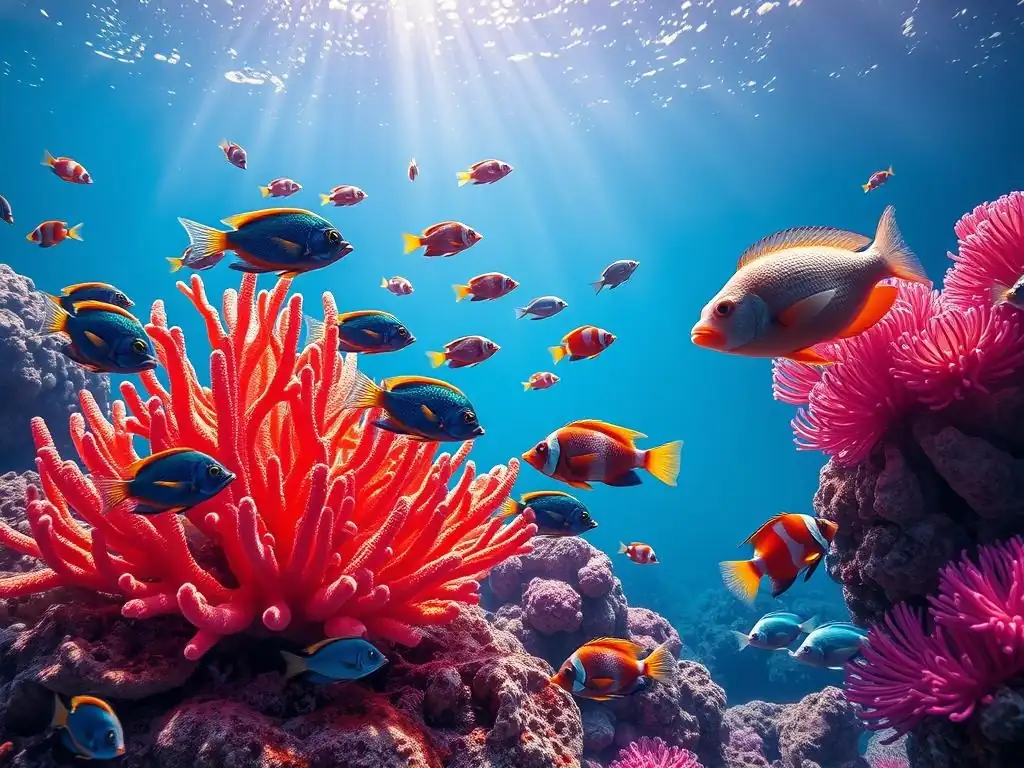
Ever wondered if that beautiful reef fish you're eyeing might actually be a secret coral snack enthusiast? Dive into our comprehensive guide, " Fin Nippers & Coral Nibblers: Identifying and Avoiding Problematic Reef Fish," and discover the truth about which species can turn your thriving reef into an all-you-can-eat buffet. Are you ready to ensure a harmonious balance in your saltwater aquarium? Let's explore the fascinating, and sometimes frustrating, world of reef fish eating corals!
- Understanding Reef Fish Behavior in Aquariums
- Identifying Common Coral Nibblers in the Reef Aquarium
- Recognizing Fin Nippers and Their Impact on Tank Mates
- Preventing Coral Predation and Fin Nipping in Your Reef Tank
- Alternatives to Problematic Fish: Reef-Safe Options
- Addressing Existing Coral Nibbling or Fin Nipping Issues
- Conclusion: Creating a Harmonious Reef Aquarium Ecosystem
-
Frequently Asked Questions
- What types of reef fish are most likely to eat corals?
- How can I identify if a fish in my reef tank is eating corals?
- What can I do if I discover a fish is eating my corals?
- Are there any reef-safe fish that resemble coral-eating species?
- How can I prevent fish from eating corals in the first place?
- Final Reflection: Protecting Our Coral Reefs
- Unleash Your Inner Reef Guardian!
Understanding Reef Fish Behavior in Aquariums
The Allure and Risks of Keeping Reef Fish
The vibrant colors and intricate behaviors of reef fish are undeniably captivating, drawing countless enthusiasts into the world of saltwater aquariums. From the majestic sweep of a tang's tail to the delicate flutter of a butterflyfish's fins, these creatures bring a dynamic slice of ocean life into our homes. The desire to recreate a thriving reef ecosystem, complete with diverse coral species, often leads aquarists to select a wide array of fish, hoping for a harmonious display.
However, beneath the surface of this beauty lies a complex ecosystem where compatibility is paramount. Not all reef fish are suitable for every setup, and the consequences of poor selection can range from stressed, injured tank mates to significant damage to expensive corals. The challenge often arises when these beautiful reef fish start eating corals or aggressively nipping at the fins of their companions, turning a dream tank into a source of frustration and loss.
Defining "Reef Safe": A Nuanced Perspective
The term "reef safe" is frequently used in the aquarium hobby, but its meaning is far from absolute. It generally refers to fish species that are unlikely to consume or damage corals and other sessile invertebrates. However, this designation is a guideline, not a guarantee. Factors such as individual fish personality, the specific types of corals present, the size and complexity of the aquarium, and the availability of alternative food sources can all influence a fish's behavior.
For instance, a fish typically labeled "reef safe" might still develop a taste for certain corals if underfed, stressed, or simply due to an individual's unique temperament. Some species, like certain dwarf angelfish, are often considered borderline "reef safe," as some individuals will meticulously ignore corals while others will systematically nip at them, particularly soft corals or fleshy LPS (Large Polyp Stony) corals. Understanding this nuance is critical to avoiding the heartache of reef fish eating corals in your carefully cultivated display.
Why Some Reef Fish Eat Corals: Natural Instincts vs. Captivity
The primary reason why some reef fish eat corals is rooted in their natural diets and instincts in the wild. Many species, particularly certain butterflyfish and angelfish, are corallivores or omnivores that naturally graze on coral polyps, algae, and small invertebrates found on corals as a significant portion of their diet. In their native habitats, the vastness of the ocean provides an endless supply of these food sources, and their grazing often has minimal impact on the overall health of the reef.
In a captive environment, these natural instincts can become problematic. A finite tank size, limited food availability, and the stress of confinement can intensify a fish's natural feeding behaviors. A fish that might only casually nip a coral in the ocean could become a voracious consumer in a closed system, especially if its specific dietary needs are not met. Furthermore, some fish may nip at corals out of curiosity, boredom, or even to establish territory, demonstrating that while natural instincts play a role, the artificial constraints of an aquarium can exacerbate or alter these behaviors.
Identifying Common Coral Nibblers in the Reef Aquarium
Butterflyfish: A Beautiful but Risky Addition
Butterflyfish are renowned for their striking patterns and graceful swimming, making them a highly desirable addition to many reef aquariums. Their flattened bodies and elongated snouts are perfectly adapted for navigating coral crevices and picking at small organisms. However, this very adaptation often means that many species are natural corallivores, making them one of the most common culprits when reef fish start eating corals.
While some species, like the Copperband Butterflyfish ( Chelmon rostratus), are often introduced for their ability to control Aiptasia anemones, even these can occasionally turn their attention to desirable corals. The risk with butterflyfish is generally higher with species that specialize in coral polyp consumption in the wild, as their dietary needs are difficult to replicate and satisfy entirely in captivity without them resorting to grazing on your tank's corals.
Identifying Butterflyfish Species Known to Eat Corals
Several butterflyfish species are notorious for being non-reef-safe due to their specialized diets. The Raccoon Butterflyfish ( Chaetodon lunula), Ornate Butterflyfish ( Chaetodon ornatissimus), and Threadfin Butterflyfish ( Chaetodon auriga) are prime examples, as their diets in the wild consist primarily of coral polyps, particularly stony corals. Introducing these species into a reef tank is almost a guaranteed way to see your corals suffer significant tissue loss.
Even seemingly "safer" species like the Longnose Butterflyfish ( Forcipiger flavissimus) or the Copperband Butterflyfish, while primarily feeding on small invertebrates, can develop a taste for certain soft corals, zoanthids, or even LPS corals if their nutritional needs are not fully met or if they become stressed. It is crucial to research the specific dietary habits of any butterflyfish species before considering it for a reef environment, as many reef fish eating corals problems originate here.
Understanding Butterflyfish Feeding Habits
Butterflyfish feeding habits are characterized by a delicate, precise nipping motion, often targeting individual polyps or small patches of coral tissue. They may spend extended periods hovering over a coral, methodically picking at its surface. This behavior is distinct from occasional browsing or accidental bumps; it is a deliberate and consistent feeding strategy. Observing this persistent pecking is a clear sign that a butterflyfish is indeed one of the reef fish eating corals.
Even if a butterflyfish initially ignores corals, changes in diet, stress levels, or the introduction of new coral types can trigger this behavior. For example, a Copperband that has been a model citizen for months might suddenly start nipping at a newly introduced Duncan coral or a patch of zoanthids. Their long, slender snouts are perfectly designed to extract polyps from crevices, making them highly efficient at consuming coral tissue, which can lead to rapid degradation of your coral colonies.
Angelfish: Potential Coral Grazers
Angelfish, with their majestic appearance and graceful movements, are another highly sought-after group for saltwater aquariums. This diverse family includes a wide range of sizes and temperaments, and their "reef safe" status varies significantly. While many dwarf angelfish are often considered relatively safe for mixed reef tanks, larger angelfish species are almost universally problematic due to their omnivorous diets which frequently include a substantial portion of coral polyps and fleshy invertebrates.
Their broad, powerful mouths are well-suited for tearing at tissue, making them capable of inflicting considerable damage to corals quickly. The risk with angelfish often increases with their size and maturity; a juvenile angelfish that seems harmless might become a destructive force as it grows and its dietary demands increase. Therefore, careful consideration and species-specific knowledge are essential to avoid issues with reef fish eating corals when selecting angelfish.
Differentiating Between Reef-Safe and Non-Reef-Safe Angelfish
When considering angelfish for a reef tank, the distinction between "reef-safe" and "non-reef-safe" largely falls along size and genus lines. Dwarf angelfish ( Centropyge species) like the Flame Angelfish ( Centropyge loriculus), Coral Beauty Angelfish ( Centropyge bispinosa), and Lemonpeel Angelfish ( Centropyge flavissima) are often considered the safest bets. While individual instances of nipping can occur, especially with zoanthids or LPS, many aquarists successfully keep them in mixed reefs.
In contrast, large angelfish from genera such as Pomacanthus (e.g., Emperor Angelfish, Blueface Angelfish) and Holacanthus (e.g., Queen Angelfish, Grey Angelfish) are generally incompatible with coral-dominant reef tanks. These magnificent fish are known to actively graze on stony and soft coral polyps, sponges, and other sessile invertebrates. Their sheer size and appetite mean they can decimate coral colonies rapidly, making them prime examples of reef fish eating corals that are best avoided in such setups.
Observing Angelfish Behavior for Signs of Coral Predation
Observing angelfish behavior is key to early detection of coral predation. Unlike the delicate pecking of some butterflyfish, angelfish often exhibit a more direct, tearing motion when feeding on corals. Look for an angelfish repeatedly approaching and nipping at the tissue of your corals, particularly fleshy LPS corals like Blastomussa, Acanthastrea, or zoanthids. Signs of damage include retracted polyps, visible bite marks, or areas of exposed skeleton on stony corals.
Even if direct feeding is not observed, the gradual recession of coral tissue, particularly around the edges or bases of colonies, can indicate an angelfish is a culprit. It's important to remember that some angelfish may only nip occasionally, or target specific coral types, making diagnosis challenging. Consistent monitoring, especially after feeding times when fish might be less inclined to graze, can help confirm if your angelfish is among the reef fish eating corals.
Triggerfish: Powerful Jaws, Powerful Threat
Triggerfish are undeniably charismatic and intelligent fish, known for their distinctive body shapes and often vibrant coloration. However, their strong, crushing jaws and naturally aggressive, predatory instincts make them highly unsuitable for most reef aquariums. Their mouths are designed to crack open shells, crush crustaceans, and dismantle structures, which translates directly into a significant threat to corals and other invertebrates in a confined tank.
While some specialized, smaller triggerfish might theoretically exist that are less destructive, the vast majority of species commonly available in the hobby pose an unacceptable risk. Their behavior is often unpredictable, and they can cause damage not only by actively consuming invertebrates but also by simply rearranging the aquascape, knocking over frag plugs, or even breaking off pieces of live rock and coral.
The Risk of Triggerfish Damaging Corals and Invertebrates
The primary risk associated with triggerfish in a reef environment stems from their powerful dentition and natural diet of hard-shelled invertebrates. They will actively hunt and consume snails, hermit crabs, shrimp, and even small crabs, which are essential components of a reef tank's cleanup crew and biodiversity. Beyond direct predation, triggerfish are known to grasp and pull at corals, often attempting to dislodge them from rockwork or breaking off fragments, either out of curiosity, boredom, or in search of hidden prey.
For example, a Clown Triggerfish ( Balistoides conspicillum) or a Picasso Triggerfish ( Rhinecanthus aculeatus) can easily crush the shells of large snails or the carapaces of shrimp. They may also persistently nip at the bases of stony corals, causing them to fall, or directly damage the skeletal structure of LPS corals. This destructive capacity goes beyond simple reef fish eating corals; it extends to the wholesale dismantling of the reef structure itself, making them one of the most perilous additions to a coral-filled aquarium.
Recognizing Triggerfish Species Unsuitable for Reef Tanks
Virtually all commonly available triggerfish species are considered unsuitable for traditional reef aquariums due to their destructive potential. This includes the highly popular and visually striking Clown Triggerfish ( Balistoides conspicillum), the aggressive Undulated Triggerfish ( Balistapus undulatus), and even smaller species like the Picasso Triggerfish ( Rhinecanthus aculeatus). Their powerful jaws and predatory nature mean they will likely decimate cleanup crews and damage coral colonies.
While some aquarists might attempt to keep specific, often smaller or more specialized, triggerfish like the Niger Triggerfish ( Odonus niger) or the Blue-jaw Triggerfish ( Xanthichthys caeruleolineatus) in very large FOWLR (Fish Only With Live Rock) tanks that might contain some hardy soft corals, even these carry a significant risk. For a thriving, diverse coral reef, any triggerfish is generally a species to avoid entirely, as the likelihood of them becoming reef fish eating corals or destroying invertebrates is exceptionally high.
Filefish: The Aiptasia Solution with a Catch
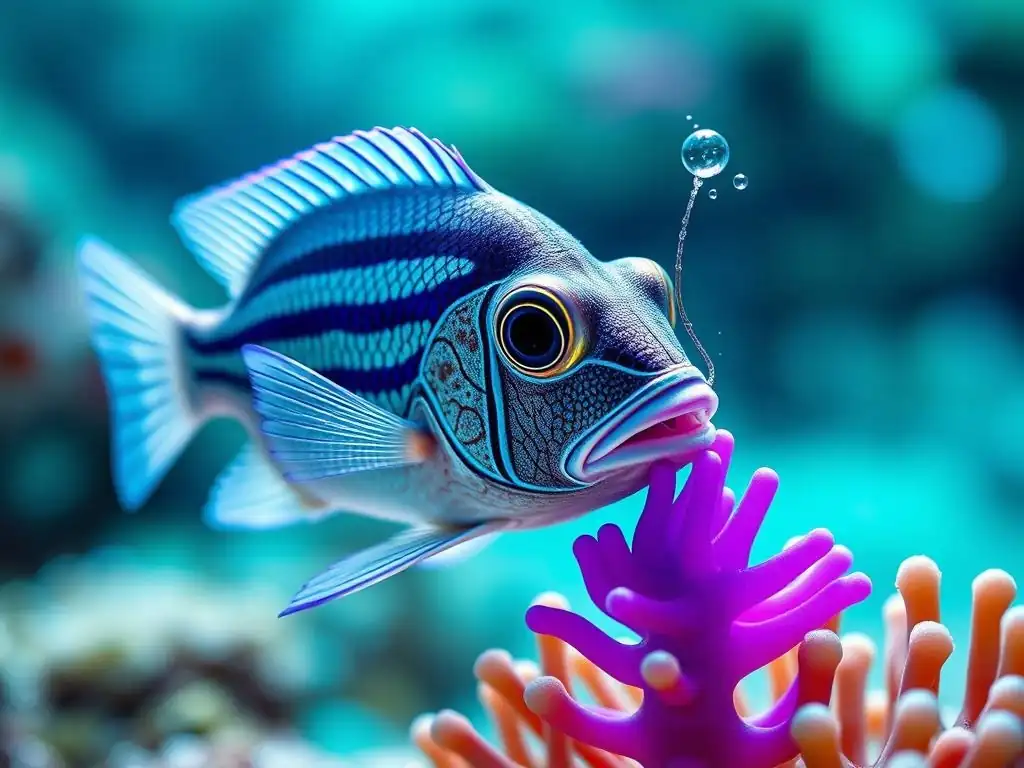
Filefish, particularly the Bristletail Filefish ( Acreichthys tomentosus), have gained popularity in the reef keeping hobby as a natural predator of Aiptasia anemones, which are common and unsightly pests in reef tanks. Their ability to consume these stubborn anemones without the need for chemical treatments makes them an attractive solution for many aquarists struggling with Aiptasia outbreaks. Their unique appearance and often docile demeanor further add to their appeal.
However, the very behavior that makes them effective Aiptasia controllers—their opportunistic grazing and nipping—can also make them problematic. While many individuals will exclusively target Aiptasia, there's always a risk that a filefish, once the Aiptasia supply dwindles or simply due to individual preference, might turn its attention to desirable corals. This makes them a nuanced choice, a potential solution with a significant "catch."
Filefish and Their Potential to Nibble on Other Corals
While Bristletail Filefish are highly effective at consuming Aiptasia, their dietary preferences are not always limited to these pest anemones. Anecdotal evidence from the reef keeping community consistently shows that some individuals may develop a taste for other, desirable corals, particularly zoanthids, palythoa, and even certain LPS corals like Blastomussa or Favias. This behavior is often unpredictable and varies greatly from one individual filefish to another.
The risk of a filefish becoming one of the reef fish eating corals increases if their primary food source (Aiptasia) is exhausted, or if they are not adequately fed with other prepared foods. They may also pick at corals out of curiosity or boredom. Therefore, while a Bristletail Filefish can be an excellent tool for Aiptasia control, it should be introduced with caution and careful observation, as it might become a problematic coral nibbler in your otherwise harmonious reef.
Wrasses: Identifying Species That May Damage Corals
Wrasses are an incredibly diverse and often colorful family of fish, with many species being highly prized for their beauty and active nature in reef aquariums. A significant number of wrasse species are considered completely reef-safe, primarily feeding on small invertebrates found in the sand and rockwork, or parasitic organisms on other fish. This includes popular choices like the various Halichoeres wrasses (e.g., Melanurus Wrasse, Six-Line Wrasse) and Cirrhilabrus (Fairy Wrasses) and Paracheilinus (Flashing Wrasses) species.
However, the sheer diversity of the wrasse family means that not all species are equally benign. While true coral consumption is rare among the commonly kept reef-safe wrasses, some larger or more specialized wrasses can pose indirect threats to corals through their hunting behaviors or sheer size. It's important to understand these nuances to ensure that any wrasse introduced is truly compatible with your coral collection.
Recognizing Wrasses That Could Be Harmful to Corals
While the vast majority of wrasses are excellent reef inhabitants, certain species, particularly larger ones or those with specialized diets, can be problematic. Large Hogfish ( Bodianus spp.) are predatory wrasses that can grow quite large and may consume smaller invertebrates that reside among corals, potentially disturbing or dislodging coral colonies in their pursuit of prey. Similarly, some larger Coris wrasses, while not direct coral eaters, can aggressively dig through substrate, which might bury or destabilize corals placed on the sandbed.
Another consideration, though less common, is that some wrasses might nip at corals if their natural diet of small crustaceans and worms is not sufficiently available, or if they mistake a coral polyp for a small invertebrate. For instance, some individuals of the Halichoeres genus, while generally safe, have been observed occasionally picking at zoanthids or other soft corals. While this is not as widespread as with butterflyfish or angelfish, it highlights the importance of thorough research and observation, even with generally "reef-safe" groups to prevent any reef fish eating corals incidents.
Recognizing Fin Nippers and Their Impact on Tank Mates
Damsels: Territorial Aggressors and Fin Nippers
Damsels are small, hardy, and often vibrantly colored fish that are frequently recommended for new aquarists due to their resilience. However, this hardiness often comes with a significant downside: extreme territorial aggression. Many damsel species are notorious for their belligerent behavior, which can escalate dramatically as they mature. This aggression often manifests as relentless fin nipping, chasing, and harassing other tank mates, leading to chronic stress, physical injury, and even death for less assertive fish.
Their small size belies their ferocity, and they are capable of dominating fish many times their size. Once a damsel establishes its territory, it will vigorously defend it against any perceived intruder, making new introductions incredibly challenging and often leading to an imbalance in the tank's social hierarchy. Understanding and mitigating this aggressive tendency is crucial for maintaining a peaceful reef environment.
Identifying Aggressive Damsel Species
While all damsels have the potential for aggression, some species are particularly notorious for their combative nature and fin-nipping tendencies. The Domino Damsel ( Dascyllus trimaculatus), Black Hawaiian Damsel ( Dascyllus albisella), and the Blue Devil Damsel ( Chrysiptera cyanea) are prime examples of species known for their escalating aggression. These fish often start out seemingly docile as juveniles but become increasingly territorial and violent as they mature, sometimes growing to be the undisputed bullies of the tank.
Even species often marketed as "less aggressive," such as the Yellowtail Damsel ( Chrysiptera parasema), can exhibit significant aggression, especially in smaller tanks or when housed with timid species. They may incessantly chase and nip at the fins of other fish, causing stress, preventing them from feeding, and making them susceptible to secondary infections like fin rot. Therefore, careful consideration of their temperament and potential for fin nipping is essential before introducing any damsel into a community aquarium.
Strategies for Managing Damsel Aggression
Managing damsel aggression, once established, can be incredibly challenging, and often, rehoming the fish is the most effective solution. However, several strategies can help minimize their aggressive tendencies if you choose to keep them. Firstly, provide a sufficiently large aquarium (e.g., 75 gallons or more for a single aggressive damsel) with ample rockwork, caves, and visual breaks. This allows other fish to escape and establish their own territories, reducing direct confrontations.
Secondly, introduce damsels last into the aquarium, after all other, more peaceful fish have settled in. This prevents them from claiming the entire tank as their territory before other fish have a chance to establish themselves. If aggression persists, rearranging the rockwork can sometimes disrupt their established territories, temporarily diffusing aggression. However, for highly aggressive individuals, the stress they inflict on other tank mates often outweighs their aesthetic appeal, making their removal a necessary step for the well-being of the entire ecosystem.
Certain Tangs: Potential Fin Nippers
Tangs, or surgeonfish, are highly prized for their vibrant colors, graceful swimming, and their beneficial role in algae control within reef aquariums. The majority of tang species are herbivorous and generally peaceful towards other fish, especially if they are not similar in shape or color. However, despite their reputation as grazers, certain tang species can exhibit significant territorial aggression, which can manifest as fin nipping, especially towards new tank mates or fish that resemble them.
This aggression is often related to tank size, food availability, and the specific species in question. A tang that is stressed or feels its territory is threatened can become a relentless aggressor, making life miserable for other fish in the tank. Understanding the potential for aggression among certain tangs is crucial for maintaining a harmonious community.
Understanding Tang Behavior and Aggression
Tang aggression often stems from their territorial nature and their need for ample swimming space and grazing areas. Species like the Powder Blue Tang ( Acanthurus leucosternon), Achilles Tang ( Acanthurus achilles), and to a lesser extent, some larger Zebrasoma tangs (e.g., Sailfin Tang Zebrasoma veliferum) are well-known for their potential for belligerence, particularly towards other tangs or fish with similar body shapes and colors. They may engage in "tail slapping" or direct chasing, which can quickly escalate to fin nipping.
This behavior is intensified in smaller aquariums (e.g., under 180 gallons for species like the Powder Blue Tang), where space is limited, and territories overlap. Introducing new fish, especially those that resemble existing tangs, can trigger severe aggression. While tangs are typically not reef fish eating corals, their aggression can indirectly harm corals by stressing out their tank mates, leading to disease, or by knocking over frag plugs during territorial disputes. Careful planning of tank size and stocking order is essential to mitigate their potential for fin nipping.
Other Fish Species Known for Fin Nipping
While damsels and certain tangs are common culprits, other fish species can also exhibit fin-nipping behavior, often due to stress, overcrowding, or individual personality quirks. This behavior can range from occasional nips to persistent harassment, leading to chronic stress, damaged fins, and susceptibility to infection for the victimized fish. Identifying these potential nippers is crucial for maintaining a healthy and peaceful reef community.
It is important to remember that fin nipping can sometimes be a symptom of underlying issues in the tank, such as inadequate space, insufficient feeding, or poor water quality, which can exacerbate natural tendencies. Therefore, a holistic approach to tank management is essential when addressing or preventing this problematic behavior.
- Dottybacks: Many species of dottybacks, particularly the Orchid Dottyback ( Pseudochromis fridmani) and the Springeri Dottyback ( Pseudochromis springeri), are generally considered reef-safe and relatively peaceful. However, some larger or more aggressive species, like the Bicolor Dottyback ( Pseudochromis paccagnellae), can be highly territorial and may nip at the fins of smaller or more docile tank mates, especially if introduced into an already established tank.
- Hawkfish: While generally charming and often overlooked, some hawkfish species, particularly the Flame Hawkfish ( Neocirrhites armatus) and the Longnose Hawkfish ( Oxycirrhites typus), can be opportunistic predators. While they typically target small invertebrates, larger individuals may occasionally nip at the fins of very small, slow-moving fish or those that rest on the bottom, such as gobies. Their perching behavior allows them to ambush unsuspecting prey or assert dominance over a chosen perch.
- Clownfish: Though widely regarded as peaceful, certain clownfish species, especially mature female Maroon Clownfish ( Premnas biaculeatus) or larger pairs of Ocellaris/Percula Clownfish ( Amphiprion ocellaris/percula), can become surprisingly territorial and aggressive. They may nip at the fins of fish that venture too close to their host anemone or their chosen territory, particularly in smaller tanks. This aggression usually targets other clownfish or fish of similar size and shape, but can extend to other tank inhabitants if space is limited.
Preventing Coral Predation and Fin Nipping in Your Reef Tank
Researching Fish Species Before Introduction
The single most effective step to prevent reef fish eating corals or engaging in fin nipping is thorough research before purchasing any fish. Do not rely solely on a fish's appearance or a general "reef safe" label. Instead, delve into the specific dietary requirements, adult size, typical temperament, and compatibility considerations for each species you are interested in. Resources like AquariumMastery.com provide detailed profiles that can help you make informed decisions.
Understanding a fish's natural habitat and behavior in the wild can offer significant clues about its suitability for a captive reef environment. For example, knowing that certain butterflyfish are natural corallivores immediately signals a high risk for coral damage. Similarly, researching the territorial nature of damsels or the potential aggression of specific tangs can prevent future conflicts. A proactive approach based on solid information is far more effective than trying to solve problems after they arise.
Quarantine and Observation: A Crucial Step
Implementing a strict quarantine protocol is not just about disease prevention; it's also a critical step in observing a fish's behavior before it enters your main display tank. A dedicated quarantine tank (QT) allows you to monitor a new fish for signs of aggression or any inclination towards nipping at corals or tank mates without risking your established ecosystem. This isolation period typically lasts for a minimum of three to four weeks, providing ample time for behavioral assessment.
During quarantine, you can carefully observe how the fish reacts to various foods, its general temperament, and any signs of unusual interest in inanimate objects that might mimic corals. If a fish shows any signs of aggression or coral-nipping tendencies in the QT, you have the opportunity to make an informed decision about whether to introduce it to your main reef tank or to consider alternative placement, thus preventing potential disasters involving reef fish eating corals or injured tank mates.
Providing Adequate Food and Nutrition
One of the leading causes of reef fish eating corals or exhibiting fin-nipping behavior, even among species not typically known for it, is insufficient or inappropriate feeding. When fish are underfed, or their specific dietary needs are not met, they become stressed and may resort to consuming whatever is available, including coral polyps, or become more aggressive due to competition for scarce resources. A well-fed fish is generally a happier and more peaceful fish.
Ensuring a varied and nutrient-rich diet is fundamental to preventing these undesirable behaviors. This means understanding whether your fish are herbivorous, carnivorous, or omnivorous, and providing foods that cater to their specific requirements. Consistent, frequent feedings can keep fish satiated and reduce their inclination to seek alternative food sources from your coral colonies or engage in territorial disputes over food.
Meeting the Dietary Needs of Herbivorous and Omnivorous Fish
Meeting the precise dietary needs of your fish is paramount in preventing them from becoming problematic coral grazers or fin nippers. For herbivorous fish like tangs and some blennies, a constant supply of marine algae is essential. This can be provided through high-quality dried seaweed (nori) clipped to the tank, spirulina-enriched flakes or pellets, and ensuring sufficient natural algae growth on your live rock. Failure to provide enough greens can lead these reef fish eating corals that have a fleshy texture.
Omnivorous fish, such as many angelfish and some wrasses, require a balanced diet of both meaty and vegetable matter. This means offering a variety of high-quality frozen foods like mysis shrimp, brine shrimp (often enriched with spirulina or vitamins), finely chopped seafood, alongside vegetable flakes or pellets. For carnivorous species, live or frozen meaty foods are crucial. Offering small, frequent feedings throughout the day (e.g., 2-3 times) ensures all fish get enough to eat and reduces competition, minimizing the likelihood of opportunistic coral grazing or aggression.
Offering a Variety of Food to Reduce Coral Grazing
A diverse diet is key to keeping your fish healthy, vibrant, and less likely to engage in unwanted behaviors like coral grazing. By offering a wide variety of foods, you ensure that all essential nutrients are provided, and fish are less likely to seek out alternative, less suitable food sources like coral polyps. This also keeps their foraging instincts satisfied in a positive way.
For example, instead of relying on just one type of flake food, rotate between several high-quality brands and include various frozen foods. For species prone to grazing, consider enriching their diet with highly palatable, high-protein options to keep them satiated. This proactive approach helps prevent reef fish eating corals out of hunger or nutritional deficiency. Consider target feeding specific, more aggressive feeders to ensure they receive adequate food, reducing competition and stress for other tank inhabitants.
Maintaining a Stress-Free Environment
A stress-free environment is fundamental to the health and well-being of all aquarium inhabitants, and it plays a significant role in preventing undesirable behaviors like coral predation and fin nipping. Stressed fish are more prone to illness, aggression, and unusual feeding habits. Factors such as unstable water parameters, inadequate tank size, insufficient hiding places, and improper stocking can all contribute to high stress levels in your fish.
Creating an optimal habitat that mimics their natural environment as closely as possible can significantly reduce stress. This includes maintaining stable and appropriate water chemistry, providing ample space for swimming and territory, and ensuring a peaceful social structure. A calm and secure fish is far less likely to become a problem individual that contributes to reef fish eating corals or harassing tank mates.
Optimizing Water Parameters for Fish Health and Behavior
Stable and optimal water parameters are non-negotiable for a healthy reef aquarium and directly contribute to reducing stress in fish, thus minimizing problematic behaviors. Fluctuations in salinity, temperature, pH, or nutrient levels can severely stress fish, making them more susceptible to disease and potentially triggering aggression or unusual feeding patterns. Consistent monitoring and maintenance are crucial.
Key parameters to maintain include:
- Salinity: 1.025-1.026 specific gravity (SG)
- Temperature: 76-78°F (24-25.5°C)
- pH: 8.1-8.4
- Alkalinity: 7-12 dKH
- Calcium: 400-450 ppm
- Magnesium: 1250-1350 ppm
Regular water changes (e.g., 10-20% bi-weekly) and the use of high-quality salt mix and RO/DI water help maintain these stable conditions. When fish are comfortable and healthy, their natural behaviors are more likely to prevail, reducing the chances of them becoming reef fish eating corals or engaging in fin nipping due to environmental stress.
Providing Ample Hiding Places and Territory
Providing a complex and well-structured aquascape with ample hiding places and visual breaks is critical for reducing stress and aggression among reef fish. Many fish species, particularly those that are territorial or naturally shy, require secure retreats to feel safe and establish their own space. Without adequate hiding spots, dominant fish may relentlessly harass weaker individuals, leading to chronic stress, fin damage, and even death.
Strategic placement of live rock to create caves, overhangs, and distinct territories can significantly reduce inter-species aggression and fin nipping. For example, if you plan to keep multiple tangs or other potentially aggressive species, ensure there are enough visual barriers to break up lines of sight. This allows fish to escape confrontation and reduces the likelihood of them feeling threatened, promoting a more peaceful co-existence and preventing the development of undesirable behaviors.
Introducing Fish in the Right Order
The order in which you introduce fish to your reef tank can significantly impact the social dynamics and reduce the likelihood of aggression and fin nipping. Introducing highly territorial or aggressive species first allows them to claim the entire tank, making it incredibly difficult for subsequent, more timid additions to establish themselves without being harassed. A strategic introduction order can help establish a more peaceful pecking order.
Generally, the rule of thumb is to introduce the most peaceful and least aggressive species first, allowing them to acclimate and establish themselves without undue stress. More assertive or potentially aggressive fish should be introduced later, ideally as the last additions. This minimizes the chances of them becoming dominant bullies and reduces the overall stress level for the entire fish community, preventing widespread fin nipping issues.
Establishing a Pecking Order to Minimize Aggression
When introducing new fish, the existing fish will naturally try to establish a pecking order, which can sometimes involve chasing or nipping. To minimize the intensity and duration of this period, and prevent it from escalating into chronic aggression, consider introducing multiple fish at once (if tank size permits) that are similar in size and temperament. This can diffuse aggression among several targets rather than focusing it on a single new fish.
Another effective strategy is to rearrange some of the rockwork or decor when introducing new fish. This temporarily disrupts established territories, forcing all fish, old and new, to re-evaluate their surroundings and re-establish their claims. This can distract aggressive residents and give the new fish a better chance to find a safe spot and acclimate. Dimming the lights for a few hours after a new introduction can also help reduce initial stress and aggression, allowing the new fish to explore more cautiously.
Utilizing Coral Placement and Protection
While the primary goal is to prevent reef fish eating corals by selecting appropriate species and providing adequate care, strategic coral placement can offer an additional layer of protection for your most vulnerable or prized colonies. If you have a fish that is known to occasionally nip, or if you're taking a calculated risk with a borderline "reef-safe" species, careful aquascaping can help mitigate potential damage.
This isn't a substitute for proper species selection, but it can buy you time or protect specific specimens. Understanding the behavior of potential nibblers—where they tend to graze, their preferred coral types, and their swimming patterns—can inform your placement decisions and help create a more resilient coral display.
Creating Barriers to Protect Vulnerable Corals
For highly prized or particularly vulnerable corals, temporary physical barriers can be employed to deter opportunistic nibblers. Small, clear acrylic boxes or mesh enclosures can be placed over individual coral frags or small colonies, providing protection while still allowing light and flow. This method is particularly useful for newly introduced frags that are still healing or for observing if a specific fish is the culprit for reef fish eating corals.
However, these barriers are generally temporary solutions and are not aesthetically ideal for a long-term display. They can also restrict flow and light to the enclosed coral. Therefore, this strategy is best used for short-term protection or diagnosis rather than a permanent fix. If a fish persistently targets corals, even with barriers, the most effective long-term solution remains rehoming the problematic fish to ensure the health and safety of your entire coral collection.
Alternatives to Problematic Fish: Reef-Safe Options
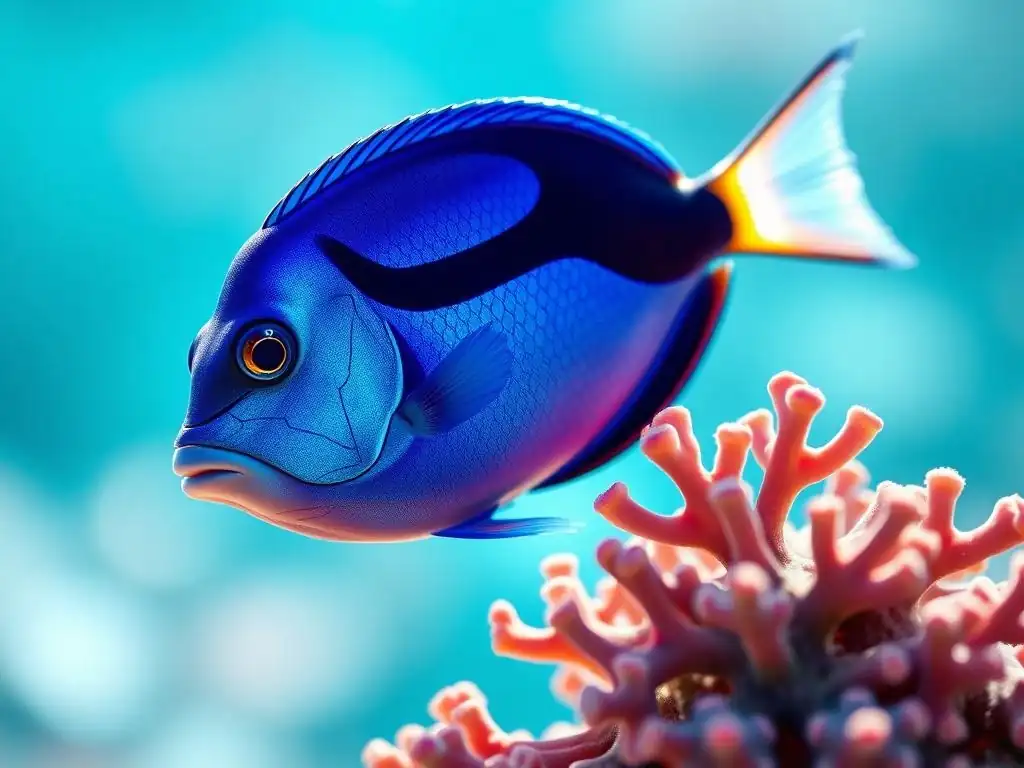
For aquarists passionate about corals, the good news is that a vast array of beautiful and fascinating fish species are truly "reef safe" and pose no threat to your corals or other invertebrates. Focusing on these species allows you to create a vibrant, diverse, and harmonious reef ecosystem without the constant worry of reef fish eating corals or harming tank mates. There's no need to compromise on beauty or interest when building a thriving reef.
By carefully selecting fish known for their peaceful temperament and coral compatibility, you can ensure that your reef aquarium remains a serene and flourishing underwater garden. Many of these alternatives also exhibit unique behaviors and contribute positively to the tank's ecosystem, making them excellent choices for a dedicated reef keeper.
Popular Reef-Safe Fish Species for Community Tanks
There is an extensive list of popular and readily available fish species that are considered excellent choices for community reef tanks due to their peaceful nature and lack of interest in corals. These fish typically thrive in a well-maintained reef environment and add dynamic activity and color without posing a threat to your invertebrate inhabitants.
Consider these reliable options for your next reef aquarium:
- Clownfish: Ocellaris Clownfish ( Amphiprion ocellaris) and Percula Clownfish ( Amphiprion percula) are iconic, hardy, and generally peaceful, forming symbiotic relationships with anemones or even certain corals.
- Gobies: Many goby species are fantastic reef inhabitants. Examples include the Yellow Watchman Goby ( Cryptocentrus cinctus) and its symbiotic pistol shrimp partner, various Dartfish (e.g., Firefish Goby Nemateleotris magnifica, Purple Firefish Nemateleotris decora), and Engineer Gobies ( Pholidichthys leucotaenia). Most are peaceful bottom-dwellers that sift sand or perch on rockwork.
- Blennies: Blennies offer personality and algae control. The Lawnmower Blenny ( Salarias fasciatus) is an excellent algae eater, while the Starry Blenny ( Salarias ramosus) and Tailspot Blenny ( Salarias segmentata) are charming additions. Most are herbivorous or micro-fauna grazers.
- Chromis: Green Chromis ( Chromis viridis) are small, schooling fish that add a shimmering blue-green flash to the mid-water column. They are peaceful and generally disease-resistant, making them ideal for adding movement and depth to the tank.
- Royal Gramma: The Royal Gramma Basslet ( Gramma loreto) is a striking purple and yellow fish known for its shy nature and preference for caves. It's an excellent, peaceful choice for smaller reef tanks.
- Fairy and Flashing Wrasses: Species from the Cirrhilabrus (Fairy Wrasses) and Paracheilinus (Flashing Wrasses) genera are consistently reef-safe, vibrant, and active, feeding on small invertebrates and parasites.
Exploring Invertebrates as Tank Mates
Beyond fish, the world of reef-safe invertebrates offers an incredible array of fascinating and beneficial tank mates that contribute to the beauty and ecological balance of your aquarium. These creatures are not only visually appealing but also play crucial roles in tank maintenance, acting as natural cleaners, detritivores, and algae grazers. Incorporating a diverse cleanup crew is essential for a healthy reef environment.
Unlike some reef fish eating corals, most invertebrates are meticulously safe with corals and can even help keep them clean. Their unique forms and behaviors add another layer of interest to your reef, creating a truly dynamic and self-sustaining miniature ecosystem.
- Snails: Various species of snails are indispensable for algae control and detritus consumption. Popular choices include Trochus snails ( Trochus niloticus), Turbo snails ( Turbo fluctuosa), Nassarius snails ( Nassarius vibex) which burrow in the sand, and Cerith snails ( Cerithium sp.). They tirelessly graze on algae from rocks and glass surfaces and clean up uneaten food.
- Hermit Crabs: Dwarf hermit crabs, such as the Dwarf Blue Leg Hermit Crab ( Clibanarius tricolor) and Scarlet Reef Hermit Crab ( Paguristes cadenati), are excellent scavengers that consume detritus and nuisance algae. While they might occasionally climb on corals, they rarely cause damage.
- Shrimp: Cleaner Shrimp species like the Skunk Cleaner Shrimp ( Lysmata amboinensis) and Peppermint Shrimp ( Lysmata wurdemanni) are highly beneficial. Cleaner shrimp will remove parasites from fish, while peppermint shrimp are excellent for controlling Aiptasia anemones. Both are beautiful and active additions to the reef.
- Starfish: Certain starfish species, such as the Sand Sifting Starfish ( Archaster typicus), help aerate the sandbed by sifting through it for detritus. Brittle stars and serpent stars are also excellent scavengers. However, avoid species like the Chocolate Chip Starfish ( Protoreaster nodosus) as they can consume corals.
- Cucumbers: Sea Cucumbers, such as the Tiger Tail Sea Cucumber ( Colochirus robustus), are detritivores that help keep the sandbed clean. They are generally peaceful and beneficial filter feeders.
Reef-Safe Fish and Invertebrates
The journey of creating a successful reef aquarium is one of careful planning, continuous learning, and responsible husbandry. The good news is that the vast majority of aquatic life available to hobbyists is indeed reef-safe, offering endless possibilities for creating a vibrant and thriving underwater world. By prioritizing species known for their compatibility with corals and other tank mates, you can build a stable and beautiful ecosystem that brings joy for years to come.
Remember that a truly harmonious reef aquarium is not just about avoiding problems like reef fish eating corals or fin nipping; it's about fostering an environment where all inhabitants can thrive. This involves understanding their needs, respecting their natural behaviors, and providing them with an optimal home. With thoughtful selection and diligent care, your reef tank can become a stunning testament to the beauty and complexity of marine life.
Addressing Existing Coral Nibbling or Fin Nipping Issues
Despite the best preventative measures, sometimes a fish's behavior can change, or an unforeseen issue arises, leading to coral nibbling or fin nipping. When this occurs, prompt and effective action is necessary to protect your corals and the well-being of your other tank inhabitants. Ignoring these problems can lead to significant losses, both aesthetic and financial, and can severely compromise the health of your entire reef ecosystem.
Addressing these issues requires careful observation, accurate diagnosis, and sometimes, difficult decisions about the future of the problematic fish. The goal is always to restore harmony and health to your aquarium.
Identifying the Culprit: Observation and Diagnosis
Identifying the specific fish responsible for coral nibbling or fin nipping can be challenging, especially in a busy community tank. Often, the damage is observed, but the act itself is not witnessed directly. Careful, patient observation is paramount. Spend time watching your tank, especially around feeding times or when the lights first come on, as these are periods when fish are most active or seeking food.
Look for specific behaviors: a fish repeatedly pecking at a coral, or consistently chasing and nipping at another fish's fins. If multiple fish are suspect, you might need to isolate individuals temporarily in a separate observation tank. For coral damage, look for specific bite marks, tissue recession patterns, or which fish lingers near the damaged corals.
Sometimes, targeted feeding (e.g., offering a preferred food to distract a suspect) can reveal their true intentions. Documenting observations with notes or even short video clips can help confirm the culprit and prevent misdiagnosis, ensuring you address the correct reef fish eating corals or fin-nipping problem.
Rehoming or Isolating Problematic Fish
Once the culprit has been identified, the most effective and often most humane solution for persistent coral nibbling or fin nipping is to rehome or permanently isolate the problematic fish. While it can be difficult to part with a pet, the long-term health and stability of your entire reef ecosystem, including your valuable corals and other fish, must take precedence. Attempting to "train" a fish out of an ingrained behavior is rarely successful in an aquarium setting.
Options for rehoming include returning the fish to the local fish store (LFS), selling it to another hobbyist with a more suitable tank (e.g., a FOWLR setup for a coral-eating angelfish), or finding a friend with a larger or less coral-dense system. If rehoming isn't immediately possible, isolating the fish in a dedicated quarantine or "time-out" tank can provide immediate relief to the main display while you explore long-term solutions. This action prevents further damage from reef fish eating corals or continued aggression towards tank mates.
Quarantine Tank Setup
A well-equipped quarantine tank (QT) is an invaluable tool for any serious aquarist, not just for disease prevention but also for managing behavioral issues. When a fish is identified as a coral nibbler or fin nipper, moving it to a QT serves several purposes: it immediately stops the damage in the main display, allows for closer observation of the fish's behavior without distractions, and provides a safe space for the fish if it needs to be held before rehoming.
A basic QT setup includes a tank (e.g., 10-20 gallons for most single fish), a heater to maintain stable temperature (76-78°F), a small hang-on-back or sponge filter for mechanical and biological filtration, and PVC pipes or inert plastic decor for hiding spots. Avoid using substrate or live rock in the QT to keep it easy to clean and monitor. Maintaining pristine water quality in the QT is essential for the fish's health during isolation.
Repairing Damaged Corals and Treating Injured Fish
Once the problematic fish has been removed, the focus shifts to repairing the damage and nursing your corals and injured fish back to health. For corals that have been nibbled, assess the extent of the damage. If tissue loss is minimal and the coral is otherwise healthy, maintaining pristine water parameters (stable temperature, salinity, alkalinity, calcium, magnesium) and good flow will provide the best conditions for natural healing.
For more significant damage, such as large areas of exposed skeleton on stony corals or severe tissue recession, you may need to frag the damaged portion to prevent further tissue necrosis or infection. Use sterile fragging tools and consider a coral dip (following product instructions) to cleanse the frag and promote healing. For fish with fin damage from nipping, ensure excellent water quality in the main tank or in a hospital tank to prevent secondary bacterial infections like fin rot.
If infection occurs, appropriate medications in a hospital tank may be necessary. Providing a stress-free environment and high-quality food will aid in their recovery.
Conclusion: Creating a Harmonious Reef Aquarium Ecosystem
The journey of establishing and maintaining a thriving reef aquarium is a deeply rewarding one, allowing us to witness the intricate beauty of marine life up close. However, achieving this harmony requires careful planning, continuous education, and a proactive approach to husbandry. Understanding the potential for certain reef fish eating corals or exhibiting aggressive fin-nipping behavior is a critical aspect of this journey, transforming potential pitfalls into opportunities for informed decision-making.
By diligently researching species compatibility, implementing robust quarantine protocols, providing optimal nutrition and a stress-free environment, and addressing issues promptly, aquarists can cultivate a vibrant and stable ecosystem. The ultimate goal is to create a harmonious underwater world where every inhabitant, from the smallest cleaner shrimp to the most majestic tang, can flourish without posing a threat to its tank mates or the delicate coral landscape. Embrace the responsibility, and you will be rewarded with a truly breathtaking and sustainable slice of the ocean in your home.
Frequently Asked Questions
What types of reef fish are most likely to eat corals?
Certain species, like some butterflyfish and angelfish, are notorious for nipping at corals. It's crucial to research a fish's dietary needs before introducing it to your reef tank. A good practice is to check online resources like Reef Safe Fish guides.
How can I identify if a fish in my reef tank is eating corals?
Look for signs of coral tissue damage, such as missing polyps or bleached areas. Observe your fish's behavior closely to see if they are actively nipping at your corals.
What can I do if I discover a fish is eating my corals?
The best solution is to remove the offending fish from your reef tank and relocate it. Alternatively, you could try providing alternative food sources to distract them, but this isn't always effective.
Are there any reef-safe fish that resemble coral-eating species?
Yes, some fish may look similar to coral nippers but are actually reef-safe. For example, some copperband butterflyfish are known to eat aiptasia (pest anemones) and can be beneficial, but others might nip at corals.
How can I prevent fish from eating corals in the first place?
Thorough research is key. Carefully select fish known to be reef-safe. Provide a varied and adequate diet to ensure they are not tempted to eat corals due to hunger or nutritional deficiencies.
Final Reflection: Protecting Our Coral Reefs
The information presented throughout this article underscores the critical need for responsible reef keeping and informed fish selection. Understanding which reef fish pose a threat to coral health is no longer a niche concern, but an essential practice for ensuring the long-term survival of these delicate ecosystems, especially in the face of increasing environmental pressures. The fate of our vibrant coral reefs rests, in part, on our ability to make educated choices.
This issue extends far beyond the confines of our aquariums. The health of our coral reefs is inextricably linked to the health of our planet, impacting biodiversity, coastal protection, and even our own food security. We must recognize that our actions, however small they may seem, have a ripple effect. We are tied to the ocean. And when we go back to the sea, whether it is to sail or to watch it, we are going back from whence we came.
- John F. Kennedy. This quote reminds us of our deep connection to the ocean and our responsibility to protect it.
Now, armed with this knowledge, consider your role in preserving these underwater paradises. Let this article serve as a catalyst for mindful decision-making, encouraging you to research thoroughly, support sustainable practices, and advocate for the protection of coral reefs. By embracing responsible reef keeping, you become a guardian of these vital ecosystems, ensuring their beauty and resilience for generations to come.
Unleash Your Inner Reef Guardian!
Thanks for diving deep into the world of reef fish! Now that you're armed with knowledge about identifying and avoiding fin nippers and coral nibblers, it's time to put that understanding into action and create a thriving, peaceful reef environment. Let's make your aquarium a sanctuary!
Here are a few things you can do right now:
- Develop your personalized watch list: Carefully observe your current or future reef inhabitants, making detailed notes on their behavior to promptly identify any signs of nipping or nibbling.
- Share this article with fellow aquarium enthusiasts on your favorite forums or social media groups to spread awareness and foster responsible reef keeping.
- Try an unconventional approach and start a collaborative database with other hobbyists. Document your observations, adding photos and videos, creating a go-to resource for identifying and managing problematic fish species.
What specific fish behaviors have you observed in your reef aquarium that prompted you to re-evaluate their compatibility, and what steps did you take as a result?