
Emerald Crabs (Mithraculus sculptus): Bubble Algae Busters or Coral Menaces?

Welcome to Aquarium Mastery!
Ever wondered if those adorable Emerald Crabs are truly the algae-busting heroes your saltwater aquarium needs, or if they harbor a secret, coral-nipping side? Dive in and discover the truth about using Emerald Crabs for algae control, including their pros, cons, and everything you need to know to make the right decision for your reef. Let's unravel the mystery together!
- Introduction to Emerald Crabs in Reef Aquariums
- Identifying Emerald Crabs: Mithraculus sculptus Characteristics
- Emerald Crabs and Algae Control: A Detailed Look
- Potential Problems with Emerald Crabs in Reef Tanks
- Emerald Crab Care: Maintaining a Healthy Environment
- Emerald Crab Behavior: Understanding Their Habits
- Choosing the Right Emerald Crab for Your Reef Tank
- Alternatives to Emerald Crabs for Algae Management
- Balancing Algae Control with Reef Health: The Emerald Crab Dilemma
- Conclusion: Are Emerald Crabs Right for Your Reef Aquarium?
-
Frequently Asked Questions
- How effective are Emerald Crabs at controlling bubble algae in a saltwater aquarium?
- Are Emerald Crabs reef-safe, considering their potential to eat corals?
- What is the ideal tank size and water parameters for keeping Emerald Crabs?
- What other algae types, besides bubble algae, do Emerald Crabs consume?
- What should I feed an Emerald Crab if algae levels are low in my aquarium?
- Final Reflection: The Delicate Balance of Algae Control
- Ignite Your Reef Tank's Potential!
Introduction to Emerald Crabs in Reef Aquariums
Understanding the Role of Emerald Crabs in Saltwater Tanks
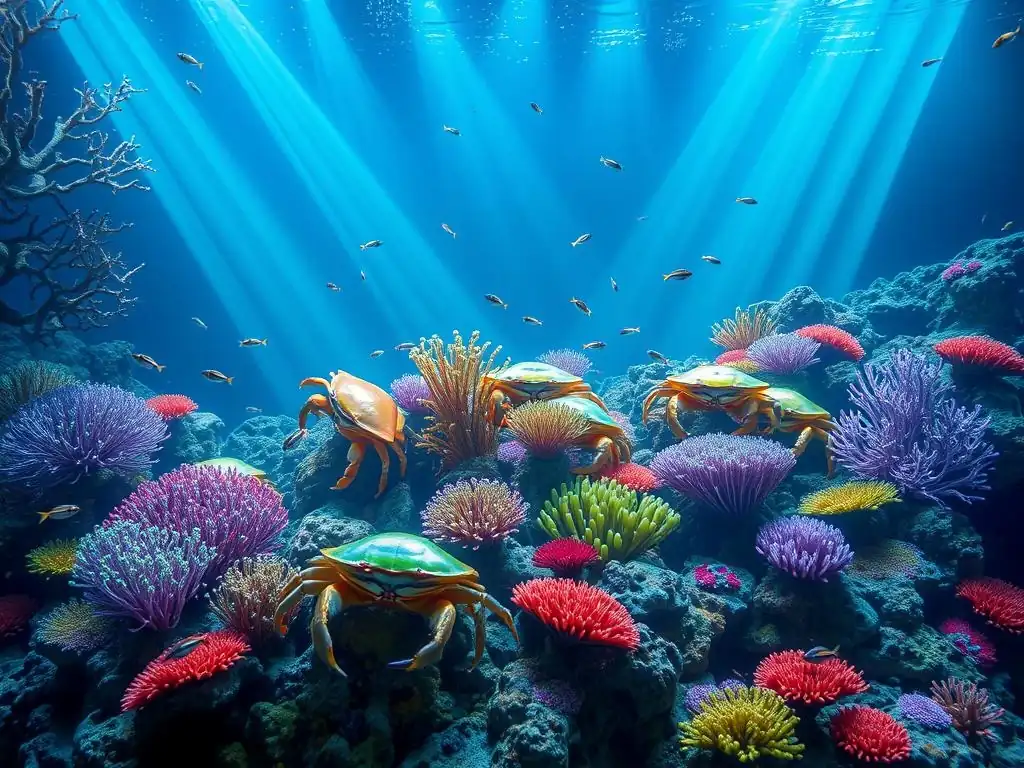
Emerald crabs, scientifically known as Mithraculus sculptus, are a popular and often debated addition to saltwater reef aquariums. Originating from the Caribbean, these fascinating crustaceans are primarily introduced for their perceived role as detritivores and algae grazers. Their natural behavior involves scavenging for various organic matter and consuming nuisance algae, making them seem like ideal candidates for maintaining a clean and balanced reef environment.
However, the reality of keeping emerald crabs in a delicate reef setting is more nuanced. While many aquarists report positive experiences with their emerald crabs diligently cleaning undesirable growths, others have encountered instances where these crabs shift their diet, potentially causing harm to corals and other invertebrates. Understanding this dual nature – their beneficial cleaning habits versus their potential for predation – is crucial for any reef keeper considering these creatures for their tank.
Why Emerald Crabs are Popular for Algae Control
The primary reason for the widespread popularity of emerald crabs in the reef aquarium hobby is their well-documented appetite for bubble algae, specifically Valonia ventricosa. This resilient and often pervasive form of green algae can quickly spread and smother corals, becoming a significant headache for aquarists. Manual removal of bubble algae is challenging, as bursting the bubbles can release spores, leading to further proliferation. Emerald crabs are unique in their ability to effectively consume these bubbles without releasing spores, making them a highly sought-after biological solution for bubble algae control.
Beyond their targeted effectiveness against Valonia, emerald crabs are also appreciated for their relatively small size, generally not exceeding 2 to 3 inches in leg span, which allows them to navigate intricate rockwork. Their interesting, often reclusive, behavior adds to the tank's biodiversity, and their general availability at most fish stores makes them an accessible option for those seeking a natural approach to emerald crabs algae control. Many hobbyists find them to be a cost-effective and engaging alternative to chemical treatments or extensive manual removal efforts.
Identifying Emerald Crabs: Mithraculus sculptus Characteristics
Distinguishing Features of True Emerald Crabs
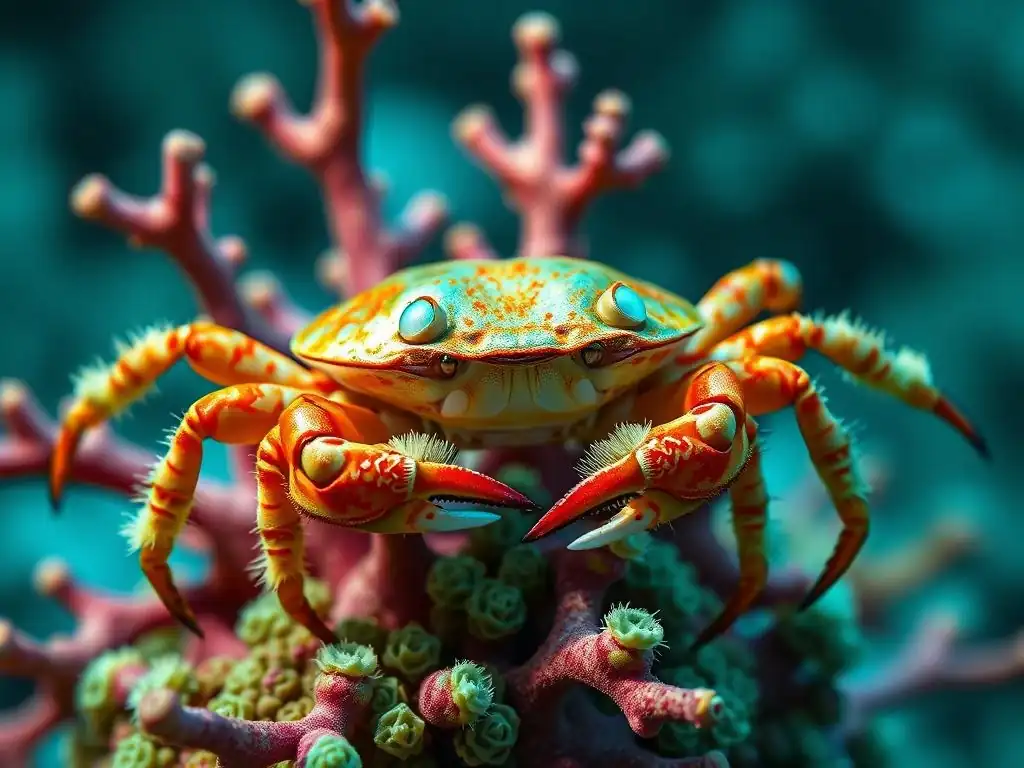
True emerald crabs ( Mithraculus sculptus) possess several distinguishing physical characteristics that set them apart from other, potentially more predatory, crab species often found in the aquarium trade. Their most notable feature is their vibrant green coloration, which can range from a bright emerald to a deeper olive or brown-green, especially after molting. Their body is relatively flattened, allowing them to squeeze into tight crevices within live rock.
A key identifier lies in their claws, which are often unequal in size, with one being slightly larger than the other, and typically possess paddle-like or spoon-shaped tips adapted for scraping and picking. Their legs are also noticeably hairy or bristly.
It is paramount for aquarists to correctly identify Mithraculus sculptus to avoid introducing less desirable crab species that might be mislabeled. Some other crabs, such as certain species of Atergatis or even juvenile Sally Lightfoot crabs ( Percnon gibbesi), can sometimes be mistaken for emerald crabs due to similar coloration or general shape but may exhibit more aggressive or predatory behaviors towards tank inhabitants. Observing the claw shape, body texture, and overall movement can help ensure you are acquiring the correct species for your emerald crabs algae control needs.
Size and Lifespan of Emerald Crabs in Captivity
In a home aquarium setting, emerald crabs typically reach an adult size of approximately 2 to 3 inches (5 to 7.5 cm) across their carapace, including their legs. Their growth occurs through a process called molting, where they shed their old, rigid exoskeleton to allow for expansion. Younger crabs will molt more frequently, while mature specimens may molt only a few times a year. It is common to find their discarded exoskeletons in the tank, which can sometimes be mistaken for a dead crab.
Under optimal conditions, including stable water parameters, a balanced diet, and a low-stress environment, emerald crabs can live for an average of 2 to 4 years in captivity. Some well-maintained specimens have been reported to live even longer, extending up to 5 years. Factors such as consistent water quality, the availability of appropriate food sources, and the absence of aggressive tank mates significantly influence their longevity and overall health, ensuring they can continue their role in emerald crabs algae control for an extended period.
Emerald Crabs and Algae Control: A Detailed Look
How Emerald Crabs Combat Bubble Algae (Valonia ventricosa)
Emerald crabs are particularly renowned for their effectiveness in combating Valonia ventricosa, commonly known as bubble algae. Unlike manual removal methods, which can inadvertently release spores into the water column and worsen the problem, emerald crabs meticulously pick off and consume the entire bubble, preventing spore dispersal. They use their specialized claws to grasp the individual bubbles, detach them from the rockwork or substrate, and then ingest them. This precise method makes them an invaluable asset in managing this stubborn nuisance algae.
A single emerald crab can significantly impact a mild to moderate bubble algae outbreak within a few weeks or months. For more severe infestations, introducing multiple emerald crabs might be necessary, though caution should be exercised regarding their collective impact on corals if preferred food sources diminish. Their consistent grazing behavior, especially during their active nocturnal hours, ensures a continuous effort against Valonia, making them a highly efficient biological control for emerald crabs algae control strategies specifically targeting bubble algae.
Effectiveness of Emerald Crabs for Different Types of Algae
While their prowess against bubble algae is undeniable, the effectiveness of emerald crabs for other types of nuisance algae varies considerably. They are opportunistic scavengers and will graze on a variety of organic matter, including detritus, uneaten food, and some forms of film algae. However, they are generally not considered primary solutions for widespread outbreaks of common algae types such as hair algae ( Bryopsis or Derbesia), diatoms, or cyanobacteria (red slime algae).
Their preference for soft, easily consumable algae means they often ignore tougher, calcified, or stringy algae varieties. For instance, they typically do not graze on coralline algae, and their impact on dense mats of green hair algae is often minimal compared to dedicated hair algae grazers like sea hares or certain snail species. Therefore, while they contribute to overall tank cleanliness, it's crucial to manage expectations regarding their broader emerald crabs algae control capabilities beyond Valonia.
Algae Effectively Consumed by Emerald Crabs
Emerald crabs primarily target and effectively consume:
- Bubble Algae (Valonia ventricosa): This is their specialty. They are highly effective at removing individual bubbles without releasing spores, making them a top choice for this specific problem.
- Some Forms of Green Hair Algae: While not their primary food, smaller, softer patches of green hair algae may be grazed upon, particularly if other food sources are scarce.
- Diatoms and Film Algae: They will opportunistically graze on these thin algal films that coat glass, rocks, and substrate.
- Cyanobacteria (Red Slime Algae): In some instances, they may pick at patches of cyanobacteria, though they are not a reliable long-term solution for widespread outbreaks.
It is important to reiterate that their most significant contribution to emerald crabs algae control remains their targeted consumption of bubble algae. Any other algae consumption is often secondary or opportunistic, and they should not be solely relied upon for comprehensive eradication of all nuisance algae types.
Potential Problems with Emerald Crabs in Reef Tanks
Coral Consumption: When Emerald Crabs Become a Threat
Despite their general reputation as "reef-safe," individual emerald crabs can, in some circumstances, develop a taste for corals, transitioning from a beneficial algae grazer to a potential pest. This behavioral shift often occurs when their primary food sources, such as bubble algae or detritus, become scarce, or if the crab is simply an opportunistic individual.
They may begin to pick at coral polyps, causing tissue recession, irritation, or even outright damage. Soft corals like Zoanthids and Palythoa are frequently reported targets, but Large Polyp Stony (LPS) corals, such as Euphyllia species, and even the delicate polyps of some Small Polyp Stony (SPS) corals like Montipora, can also be at risk.
Signs of coral predation include small, distinct bite marks on coral tissue, visible recession of polyps that were previously extended, or the crab being observed directly picking at the coral. It is crucial for aquarists to monitor their emerald crabs closely, especially as they grow larger or if algae levels in the tank become very low. While not every emerald crab will become a coral menace, the potential risk is significant enough to warrant careful consideration and vigilance when relying on them for emerald crabs algae control.
Invertebrate Predation: Emerald Crabs and Other Tank Inhabitants
Beyond corals, emerald crabs can also pose a threat to other smaller or slow-moving invertebrates within the reef aquarium. Their opportunistic nature means that if their preferred food sources are insufficient, or if they are particularly aggressive specimens, they may prey upon snails, small hermit crabs, or even sessile invertebrates like feather dusters. Snails, especially smaller species like Nassarius, Astrea, or Cerith snails, are particularly vulnerable, as the crab can easily flip them over and extract the snail from its shell.
While rarer, there have also been reports of emerald crabs bothering or even attempting to prey on small shrimp, particularly during or immediately after the shrimp's molting process when they are soft and vulnerable. The risk of invertebrate predation generally increases with the size of the emerald crab and decreases with the size and agility of the potential prey. Aquarists introducing emerald crabs for emerald crabs algae control should be aware of these risks and assess the compatibility with their existing clean-up crew and other delicate inhabitants.
Corals and Invertebrates at Risk from Emerald Crabs
The following corals and invertebrates are frequently cited as being at risk from an opportunistic or underfed emerald crab:
- Corals:
- Zoanthids & Palythoa: Often among the first targets due to their soft polyps.
- Euphyllia (Hammer, Torch, Frogspawn): Their fleshy polyps and sweeping tentacles can be picked at.
- Montipora (Plating and Digitata): The delicate polyps are vulnerable to nipping.
- Ricordea & Discosoma mushrooms: Their soft bodies can be damaged.
- Goniopora (Flowerpot Coral): Their long, delicate polyps are easily disturbed or consumed.
- Invertebrates:
- Smaller Snails: Nassarius, Astrea, Cerith, and Turbo snails, especially juvenile specimens.
- Small Hermit Crabs: Particularly those in undersized shells.
- Feather Dusters: Can be nipped at, causing them to retract or starve.
- Small or Molting Shrimp: While less common, highly vulnerable during their soft-shelled stage.
- Small Clams: Juvenile clams may be picked at.
The risk level depends heavily on the individual crab's temperament, its access to preferred food, and the overall bioload of the tank. Careful monitoring is the best defense against these potential issues when utilizing emerald crabs for emerald crabs algae control.
Emerald Crab Care: Maintaining a Healthy Environment
Ideal Water Parameters for Emerald Crabs
Maintaining stable and appropriate water parameters is crucial for the health and longevity of emerald crabs, much like for any other reef inhabitant. They thrive in standard reef tank conditions. The salinity should be kept within a specific gravity range of 1.023 to 1.026. Water temperature should ideally be maintained between 72-78°F (22-26°C), and the pH level should consistently be between 8.1 and 8.4. Fluctuations in these parameters can cause significant stress, leading to molting issues, lethargy, or even death.
Beyond these primary parameters, it is equally important to ensure that ammonia and nitrite levels remain at 0 ppm, as these are highly toxic to invertebrates. Nitrate levels should be kept as low as possible, ideally below 10-20 ppm. Furthermore, stable levels of calcium (400-450 ppm), alkalinity (7-11 dKH), and magnesium (1250-1350 ppm) are vital, especially because these minerals are essential for the formation of their new exoskeleton during the molting process. Consistent water quality directly contributes to their ability to thrive and effectively contribute to emerald crabs algae control.
Feeding Emerald Crabs: Supplementing Their Diet
While emerald crabs are excellent scavengers and are primarily introduced for their emerald crabs algae control capabilities, relying solely on natural algae and detritus in the tank can be insufficient, especially in well-maintained aquariums with low nutrient levels. Insufficient feeding is a leading cause of emerald crabs turning opportunistic predators on corals and other invertebrates. Therefore, supplemental feeding is highly recommended.
Offer small pieces of dried seaweed (nori), sinking pellet foods, or small portions of frozen foods such as mysis shrimp, brine shrimp, or chopped seafood a few times a week. It's best to feed them after the lights are out, as they are primarily nocturnal and will emerge to forage. Ensuring they have a consistent and adequate food supply significantly reduces the likelihood of them seeking alternative food sources from your precious corals or other clean-up crew members, thereby maintaining their beneficial role in the aquarium.
Tank Size and Compatibility Considerations for Emerald Crabs
For a single emerald crab, a minimum tank size of 10 to 20 gallons is generally recommended. This allows sufficient space for the crab to establish a territory and provides enough rockwork for hiding spots. For multiple emerald crabs, particularly if they are of similar size, a larger tank of 30 gallons or more is advisable to minimize potential territorial disputes, although aggression between emerald crabs is typically low unless space is extremely limited or food is scarce.
In terms of compatibility, emerald crabs are generally peaceful with most reef fish. However, caution should be exercised when housing them with very small, slow-moving, or delicate fish, as a hungry crab might attempt to scavenge on them if they appear weak or dying. They are also generally compatible with larger, more robust invertebrates.
Avoid pairing them with very small snails or hermit crabs if you are concerned about predation. Providing ample live rock with numerous crevices is crucial, as it offers security and reduces stress for these primarily nocturnal creatures, helping them focus on their emerald crabs algae control duties.
Emerald Crab Behavior: Understanding Their Habits
Nocturnal Activity and Hiding Spots
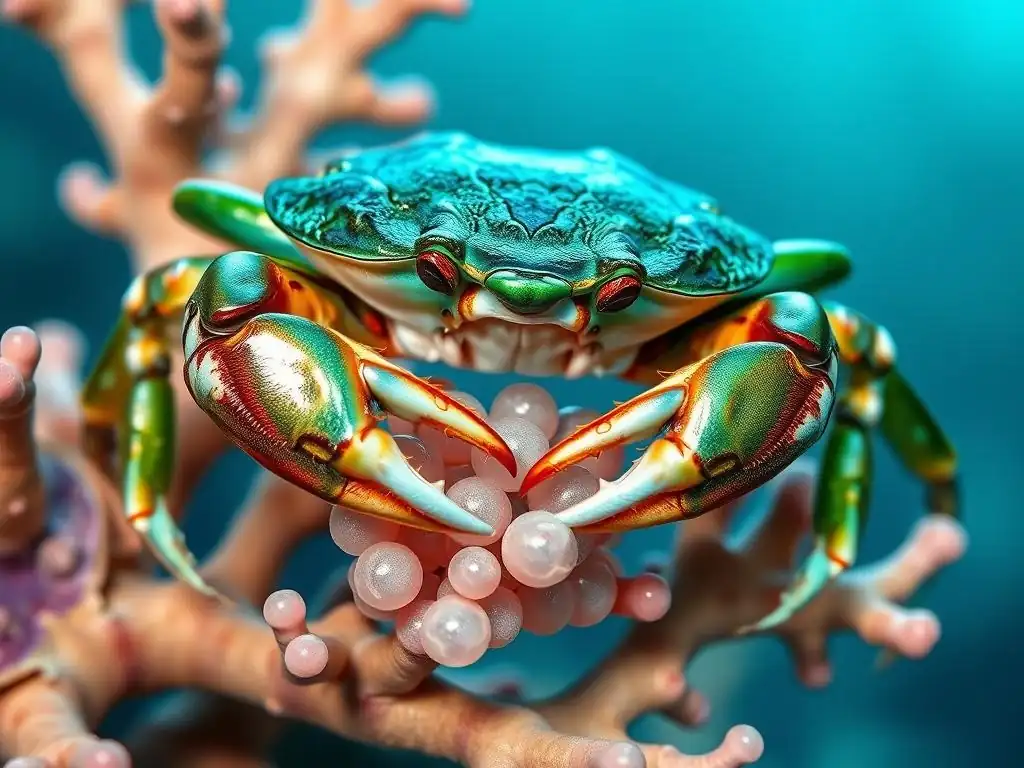
Emerald crabs are predominantly nocturnal creatures, meaning they are most active during the night. Throughout the day, they typically remain hidden within the intricate network of live rock, under overhangs, or tucked away in crevices. This reclusive daytime behavior can sometimes lead aquarists to believe their crab has gone missing or is inactive, when in reality, it is simply resting or observing its surroundings from a secure location. As dusk falls and the aquarium lights dim, emerald crabs begin to emerge, venturing out to forage for food across the rockwork and substrate.
Providing ample live rock with numerous caves and hiding spots is essential for their well-being. A secure environment reduces stress and encourages their natural scavenging behavior. While they may occasionally be seen during daylight hours, especially if food is offered or they are particularly bold, their primary role in emerald crabs algae control often takes place under the cover of darkness, making them a fascinating addition for those who enjoy observing their tank after hours.
Molting Process in Emerald Crabs
Like all crustaceans, emerald crabs grow by molting, which involves shedding their rigid outer exoskeleton. This process is vital for their growth and can occur several times a year, with younger crabs molting more frequently. Before a molt, a crab may become reclusive, hide more than usual, and appear less active. During the actual molt, the crab extracts itself from its old shell, which is left behind as a translucent, hollow replica of the crab. This new exoskeleton is soft and vulnerable, making the crab highly susceptible to predation.
It is crucial not to remove the discarded exoskeleton (exuvia) immediately from the tank. The crab may consume parts of its old shell to reabsorb valuable calcium and other minerals, which are essential for hardening its new shell. This process can take several days to a week, during which the crab will remain hidden and vulnerable. Ensuring stable water parameters, especially adequate calcium and alkalinity levels, is vital for successful molting, allowing the crab to recover and continue its valuable role in emerald crabs algae control.
Signs of Stress or Illness in Emerald Crabs
Observing the behavior and physical condition of your emerald crab can provide early indicators of stress or illness. A healthy emerald crab is typically active, especially at night, and will readily scavenge for food. Signs of stress or illness include:
- Lethargy and prolonged hiding: While they are nocturnal, excessive hiding without emerging to feed, even at night, can be a red flag.
- Loss of appetite: Refusal to eat supplemental foods, or a noticeable decrease in their scavenging activity.
- Unusual discoloration: A dull or faded color, or unusual white patches, can indicate stress or disease.
- Missing limbs: While emerald crabs can regenerate lost limbs over successive molts, a sudden loss of multiple limbs without a recent molt could signal a severe problem or aggression from tank mates.
- Erratic movements or uncoordinated walking: Suggests neurological issues or severe stress.
- Failure to molt successfully: If a crab attempts to molt but gets stuck in its old shell, or if the new shell doesn't harden properly, it's a sign of significant stress, often related to poor water quality or insufficient calcium.
Promptly addressing the underlying cause, whether it's poor water quality, lack of food, or aggression from tank mates, is essential for the crab's recovery and its continued contribution to emerald crabs algae control.
Choosing the Right Emerald Crab for Your Reef Tank
Selecting Healthy Specimens from Reputable Sources
When adding an emerald crab to your reef aquarium, choosing a healthy specimen from a reputable source is paramount. A good local fish store or a well-regarded online vendor will typically maintain their invertebrates in clean, stable conditions. When selecting a crab, look for several key indicators of health:
- Activity: The crab should be active and alert, even if it's during the day and it's somewhat reclusive. It should respond to stimuli and move purposefully.
- Intact Limbs: All ten legs (including claws) should be present and appear healthy. While crabs can regenerate lost limbs, a crab missing multiple limbs might be stressed or have been subjected to aggression.
- Vibrant Coloration: The green color should be vibrant and consistent, without any dullness, white patches, or unusual lesions.
- Cleanliness: The crab's shell should be free of excessive algae growth or parasites.
Inquiring about the store's acclimation process and how long the crab has been in their care can also provide insights into its hardiness. A healthy crab is more likely to thrive in your tank and effectively contribute to emerald crabs algae control.
Acclimation Process for Emerald Crabs
Emerald crabs, like most marine invertebrates, are highly sensitive to sudden changes in salinity, temperature, and pH. A slow and careful acclimation process is crucial to minimize stress and prevent shock, which can be fatal. The drip acclimation method is widely regarded as the safest and most effective approach for these crustaceans.
To drip acclimate:
- Float the bag containing the crab in your sump or tank for 15-20 minutes to equalize temperature.
- Open the bag and secure it with a clip or rubber band to the side of a bucket or container.
- Using airline tubing, create a siphon from your display tank into the bucket. Tie a knot in the tubing or use a control valve to regulate the drip rate to about 2-3 drops per second.
- Allow the water to slowly drip into the bucket until the volume of water in the bucket has quadrupled. This process should take at least 30-60 minutes, or even longer for very sensitive species.
- Once acclimated, gently net the crab and transfer it to your display tank, discarding the water from the bucket. Avoid introducing the bag water into your main system. Proper acclimation ensures a smooth transition and better long-term success for your emerald crabs algae control agent.
Quarantine Procedures for New Emerald Crabs
While often overlooked for invertebrates due to their perceived hardiness, quarantining new emerald crabs is a highly recommended practice to safeguard your established reef aquarium from potential pests, parasites, or diseases. A dedicated quarantine tank (QT) of 5-10 gallons, equipped with a small filter, heater, and some inert PVC pipes or a small piece of live rock for hiding, is sufficient.
During the quarantine period, typically 2-4 weeks, observe the emerald crab closely for any signs of illness, unusual growths, or undesirable hitchhikers. This isolation period allows you to treat any issues without affecting your main display tank. It also gives the crab time to recover from shipping stress and begin feeding consistently before being introduced to a more complex environment. Although it requires extra effort, a quarantine procedure significantly reduces the risk of introducing problems, protecting your valuable corals and fish, and ensuring the new emerald crab is a truly beneficial addition for emerald crabs algae control.
Alternatives to Emerald Crabs for Algae Management
Other Algae-Eating Invertebrates for Reef Aquariums
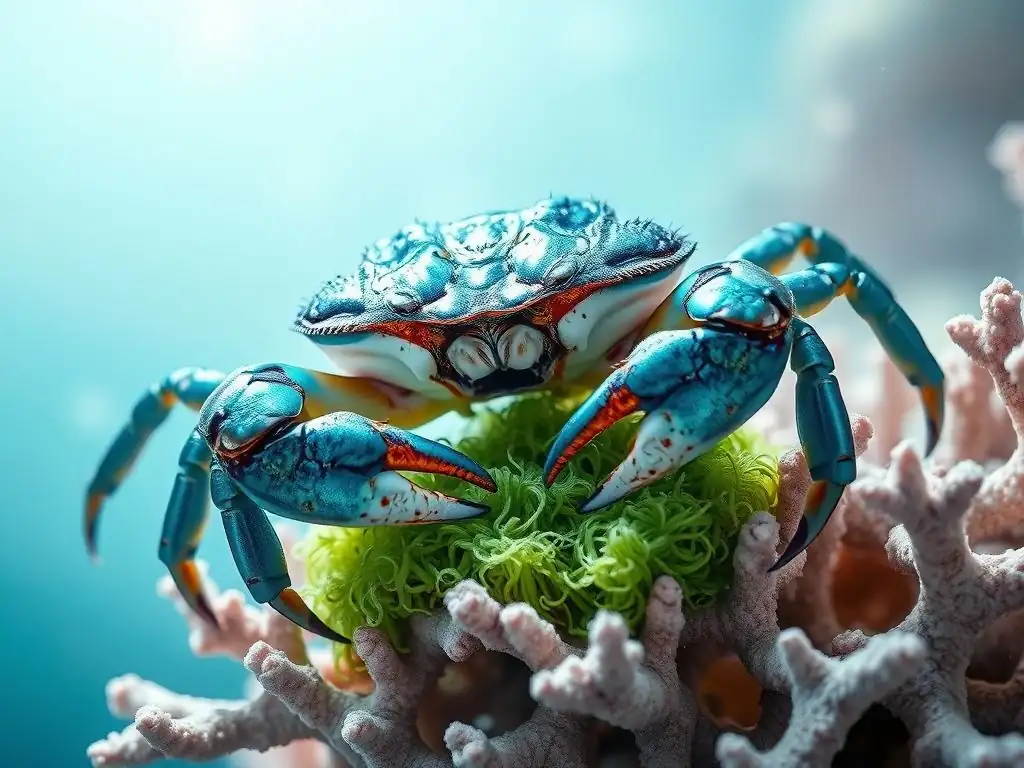
While emerald crabs excel at bubble algae control, several other invertebrate species can assist with different types of algae and detritus in a reef aquarium, offering a diverse clean-up crew:
- Snails:
- Turbo Snails (Turban snails): Excellent grazers for film algae and diatoms on glass and rockwork.
- Trochus Snails (Trochus histrio): Similar to Turbos but can right themselves if flipped and graze on hair algae.
- Nassarius Snails (Nassarius vibex): Primarily detritivores, burrowing in the sand and consuming uneaten food and decaying matter.
- Cerith Snails (Cerithium spp.): Good for grazing on film algae on rock and sand, and detritus.
- Hermit Crabs:
- Blue Leg Hermit Crabs (Clibanarius tricolor): Opportunistic scavengers, eating detritus and some hair algae.
- Scarlet Hermit Crabs (Paguristes cadenati): Also consume detritus and some hair algae, generally considered less aggressive than other hermits.
- Specialized Grazers:
- Sea Hares (Aplysia spp.): Highly effective at consuming large amounts of hair algae but grow very large and have short lifespans.
- Lettuce Nudibranchs (Elysia crispata): Target Bryopsis and other green hair algae, but can be finicky eaters and prone to starvation if their specific algae is depleted.
Combining various species creates a robust clean-up crew that addresses different niches within the aquarium, complementing or serving as alternatives to emerald crabs algae control for specific algae types.
Chemical and Manual Algae Control Methods
Beyond biological grazers, aquarists often employ chemical and manual methods to control algae, especially when outbreaks are severe or specific algae types are resistant to grazers:
- Manual Removal: This is the most direct method.
- Siphoning: Effective for removing loose detritus and algae from the sand bed.
- Scrubbing/Brushing: Physically removing algae from rocks, glass, and equipment using brushes, scrapers, or toothbrushes. This is often necessary for stubborn patches of hair algae or bubble algae (though manual removal of Valonia risks spore release).
- Water Changes: Regular, substantial water changes help export nutrients that fuel algae growth.
- Chemical Treatments: These methods typically address the root cause of algae: excess nutrients.
- Phosphate Removers (GFO - Granular Ferric Oxide): Binds phosphates, a primary nutrient for algae. Used in a media reactor for efficient nutrient export.
- Carbon Dosing (Vodka, Vinegar, Sugar): Encourages beneficial bacteria to consume nitrates and phosphates, which are then removed via protein skimming. Requires careful dosing to avoid bacterial blooms.
- Algae Inhibitors: Products designed to directly inhibit algae growth, often containing algaecides. These should be used with extreme caution in reef tanks as they can harm corals and invertebrates.
- Ultraviolet (UV) Sterilizers: Effective for controlling free-floating algae (green water) and reducing bacterial counts, but not for attached algae on surfaces.
These methods can be used independently or in conjunction with biological control, forming a comprehensive strategy for emerald crabs algae control and overall algae management.
Comparison of Algae Control Methods
When comparing various algae control methods, it's important to consider their effectiveness, effort required, and potential risks:
| Method | Primary Target Algae | Effectiveness | Effort Level | Potential Risks/Considerations |
|---|---|---|---|---|
| Emerald Crabs | Bubble Algae ( Valonia) | High | Low | Can turn predatory on corals/invertebrates; individual variability. |
| Other Invertebrates | Film, Hair, Diatoms, Detritus | Moderate-High | Low | Specificity varies; some may starve if algae depleted; some can be predatory (hermits). |
| Manual Removal | All attached algae | High | High | Labor-intensive; risk of spore release (bubble algae); can stress tank inhabitants. |
| Phosphate Removers | Nutrient-driven algae (all types) | High | Moderate | Requires monitoring; can strip nutrients too quickly, leading to coral bleaching. |
| Carbon Dosing | Nutrient-driven algae (all types) | High | Moderate | Requires careful dosing; risk of bacterial bloom; can deplete oxygen. |
| UV Sterilizers | Free-floating algae | High | Low | Does not affect attached algae; requires maintenance of bulb. |
Ultimately, the most effective emerald crabs algae control strategy, and indeed overall algae management, involves a multi-pronged approach. This typically starts with excellent husbandry to minimize nutrient input, followed by strategic use of biological grazers for specific algae types (like emerald crabs for bubble algae), and supplemented by manual removal or chemical methods for persistent issues or broader control.
Balancing Algae Control with Reef Health: The Emerald Crab Dilemma
Monitoring Coral Health and Emerald Crab Behavior
The decision to introduce emerald crabs for emerald crabs algae control often presents a dilemma for reef aquarists: the benefit of algae removal versus the potential risk to corals. Continuous and vigilant monitoring is the key to navigating this balance. Regularly inspect your corals, especially soft corals, LPS, and SPS polyps, for any signs of damage, such as small bite marks, tissue recession, or polyps failing to extend fully. Pay close attention to areas where bubble algae was previously present, as the crab might linger there even after the algae is gone.
Beyond coral health, observe the emerald crab's behavior. Is it primarily scavenging on detritus and rockwork? Or is it seen repeatedly approaching and picking at corals, even when other food sources are available? Note if its activity shifts from general grazing to targeted interaction with specific coral colonies. A crab that is consistently seen bothering corals, particularly during daylight hours when it should be more reclusive, is a strong indicator that its dietary preferences may have changed, necessitating intervention.
Removing Emerald Crabs if Necessary
If careful monitoring reveals that your emerald crab has indeed become a threat to your corals or other valuable invertebrates, prompt removal is necessary to prevent further damage. Removing a crab from a well-established reef tank can be challenging due to their reclusive nature and ability to hide deep within rockwork.
Several methods can be employed:
- Manual Extraction: If the crab is visible and accessible, a gentle hand or a small net can be used. This requires patience and quick reflexes.
- Trapping: A common and effective method is to use a small trap (e.g., a plastic bottle with a narrow opening) baited with a desirable food item like a piece of nori or a sinking pellet. Place the trap in the tank after lights out, near where the crab has been observed. The crab will enter for the food and can then be removed.
- Food Lure: Place a piece of food in an open area and wait for the crab to emerge to feed, then quickly net it.
Patience is crucial, as attempting to forcibly remove a crab by dismantling rockwork can cause significant stress to the entire tank and potentially damage your aquascape.
Signs Your Emerald Crab Needs Relocation
Recognizing the specific signs that your emerald crab has transitioned from a beneficial algae grazer to a problematic inhabitant is vital for timely intervention. These indicators suggest that despite its potential for emerald crabs algae control, its continued presence poses an unacceptable risk:
- Visible Coral Damage: Clear bite marks, shredded tissue, or consistent polyp retraction on corals that were previously healthy. This is the most definitive sign.
- Aggression Towards Other Invertebrates: Repeatedly flipping or attacking snails, smaller hermit crabs, or picking at feather dusters, especially if these invertebrates are otherwise healthy.
- Targeting Specific Coral Species: If the crab consistently focuses its attention on one or more coral colonies, even when other food sources are present or supplemented.
- Overly Large Size: As emerald crabs grow, their predatory tendencies can sometimes increase. A very large crab in a smaller tank with delicate inhabitants might be a higher risk.
- Absence of Preferred Algae: If all bubble algae has been eradicated and the crab's supplemental feeding is not sufficient, it may begin seeking other food sources from your reef inhabitants.
If any of these signs are observed, relocating the emerald crab to a sump, a dedicated holding tank, or returning it to a local fish store is often the best course of action to protect the long-term health of your reef.
Conclusion: Are Emerald Crabs Right for Your Reef Aquarium?
Weighing the Pros and Cons of Emerald Crabs for Algae Control
The decision to introduce emerald crabs into a reef aquarium involves a careful consideration of their potential benefits against their inherent risks.
On the pro side, emerald crabs are undeniably one of the most effective biological solutions for controlling bubble algae ( Valonia ventricosa), a nuisance algae that can be notoriously difficult to manage manually. Their unique method of consuming the entire bubble prevents spore release, making them highly valuable for this specific issue. They are also opportunistic scavengers, consuming detritus and some other forms of film algae, contributing to overall tank cleanliness. Furthermore, they are generally affordable, readily available, and their reclusive yet active behavior can be fascinating to observe. Their role in targeted emerald crabs algae control is significant.
However, the con side highlights their unpredictable nature. While often "reef-safe," individual emerald crabs can develop a taste for corals, particularly when their preferred algae sources are depleted or if they are underfed. They can also prey on other small invertebrates, such as snails and smaller hermit crabs. This individual variability means that what works for one aquarist may not work for another, introducing an element of risk to a carefully cultivated reef environment.
Making an Informed Decision About Emerald Crab Introduction
Ultimately, the suitability of emerald crabs for your reef aquarium depends on several factors: your specific needs, the existing inhabitants of your tank, and your willingness to actively monitor their behavior. If you are battling a persistent bubble algae problem and are prepared to closely observe your crab and corals, an emerald crab can be an invaluable addition for emerald crabs algae control.
To mitigate risks, consider starting with one or two smaller specimens rather than a large group. Ensure your tank has ample live rock with numerous hiding spots, and consistently provide supplemental food to reduce the likelihood of them turning to corals. Be prepared to remove the crab if any signs of coral or invertebrate predation emerge. With careful consideration, vigilant monitoring, and a proactive approach to their care, emerald crabs can indeed be a beneficial and fascinating component of a balanced reef clean-up crew.
Frequently Asked Questions
How effective are Emerald Crabs at controlling bubble algae in a saltwater aquarium?
Emerald Crabs are generally considered effective algae eaters, particularly for bubble algae. However, their effectiveness can vary depending on individual crab behavior and the size of the algae infestation.
Are Emerald Crabs reef-safe, considering their potential to eat corals?
Emerald Crabs are often considered semi-reef-safe. While they primarily consume algae, some individuals may nip at corals, especially if algae resources are scarce.
What is the ideal tank size and water parameters for keeping Emerald Crabs?
Emerald Crabs thrive in saltwater aquariums with stable water parameters. A minimum tank size of 30 gallons is recommended, with temperatures between 72-78°F and salinity between 1.023-1.025 sg.
What other algae types, besides bubble algae, do Emerald Crabs consume?
Besides bubble algae, Emerald Crabs consume various other algae types, including hair algae and film algae. This makes them a beneficial addition to a clean-up crew.
What should I feed an Emerald Crab if algae levels are low in my aquarium?
When algae is scarce, supplement their diet with algae wafers or small pieces of meaty food. This prevents them from potentially turning to corals or other invertebrates for sustenance.
Final Reflection: The Delicate Balance of Algae Control
The debate surrounding Emerald Crabs and their efficacy in algae control remains a complex one, highlighting the intricate balance within reef ecosystems. While their potential as natural algae grazers is undeniable, the risks they pose to corals and other invertebrates cannot be ignored. The decision to introduce these crabs into a reef tank requires careful consideration, weighing the potential benefits against the possible drawbacks.
This exploration into the world of Emerald Crabs has underscored the profound responsibility we bear as stewards of these delicate environments. Understanding the nuances of their behavior and the potential consequences of our actions is paramount to maintaining a healthy and thriving reef. In nature, nothing exists alone.
- Rachel Carson. This quote serves as a poignant reminder that every organism plays a role, and disrupting that balance can have far-reaching effects.
As you consider the role of Emerald Crabs in your own reef aquarium, or even simply reflect on the complexities of natural ecosystems, I encourage you to approach the situation with a critical and informed perspective. Let us strive to make responsible choices, prioritizing the long-term health and stability of our underwater worlds. Consider the broader implications of your actions and remember that true success lies not just in controlling algae, but in fostering a thriving and balanced reef environment for all its inhabitants.
Ignite Your Reef Tank's Potential!
Thank you for delving into the world of Emerald Crabs! We hope you've gained valuable insights into their role in a reef aquarium ecosystem. Now, let's put that knowledge into action and optimize your tank's health.
Here are a few steps you can take right away:
- Carefully evaluate your reef tank's specific needs: Before introducing any new inhabitant, meticulously assess the algae levels and coral types in your aquarium. Is bubble algae truly a problem, or is your tank flourishing with beneficial algae?
- Share your findings! Document your own Emerald Crab observations and compare notes with other reef keepers on forums or social media. Every tank is unique, and your insights can help others.
- Consider a temporary 'algae scrubber' setup. If you're hesitant to introduce a crab directly, experiment with removing problem algae manually into a separate container that houses the crab. This way you can observe the crab's algae consumption habits.
What unique strategies do you use to manage algae in your reef tank, and how might Emerald Crabs fit (or not fit) into your approach?