
The Fascinating World of Ribbon Eels: Advanced Care for Rhinomuraena quaesita

Welcome to Aquarium Mastery, your ultimate guide to the captivating world of aquariums!
Ever been mesmerized by the undulating grace of a Ribbon Eel? Dive into the fascinating complexities of Rhinomuraena quaesita care. This article unveils the secrets to providing the advanced care these stunning creatures require, transforming your tank into a thriving haven. Ready to unravel the mysteries?
- Introduction to Ribbon Eels ( Rhinomuraena quaesita)
- Rhinomuraena quaesita Identification and Natural Habitat
- Setting Up a Suitable Ribbon Eel Aquarium: Essential Considerations
- Ribbon Eel Diet and Feeding: Meeting Their Nutritional Needs
- Ribbon Eel Health and Disease Prevention
- Ribbon Eel Tank Mates: Compatibility and Considerations
- Advanced Ribbon Eel Care Techniques
- Breeding Ribbon Eels: A Rare Achievement in Captivity
- Conclusion: Mastering Rhinomuraena quaesita Advanced Care
-
Frequently Asked Questions
- What makes Rhinomuraena quaesita care considered "advanced"?
- What are the most critical water parameters for Rhinomuraena quaesita?
- What type of food and feeding schedule does a Ribbon Eel require?
- What are some common health issues that affect Ribbon Eels in aquariums?
- What size aquarium is recommended for keeping a Rhinomuraena quaesita?
- Final Reflection: Embracing the Art of Patience and Precision
- Unleash Your Inner Aquarist: Begin Your Ribbon Eel Journey!
Introduction to Ribbon Eels ( Rhinomuraena quaesita)
Understanding the Allure of the Ribbon Eel in Saltwater Aquariums
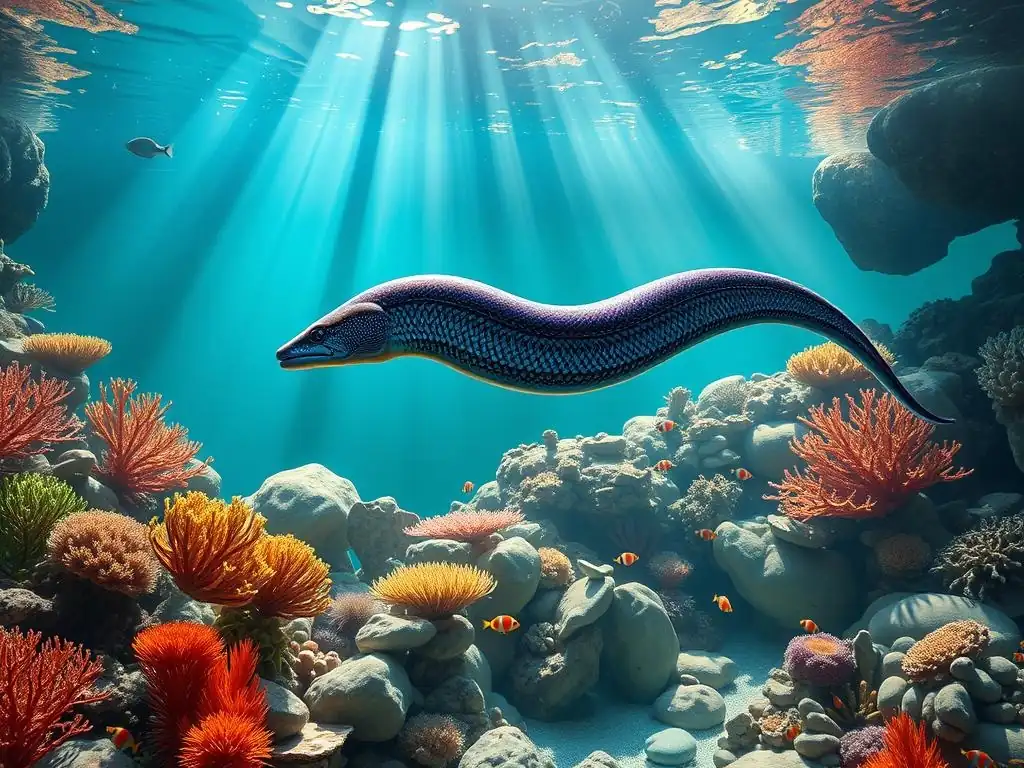
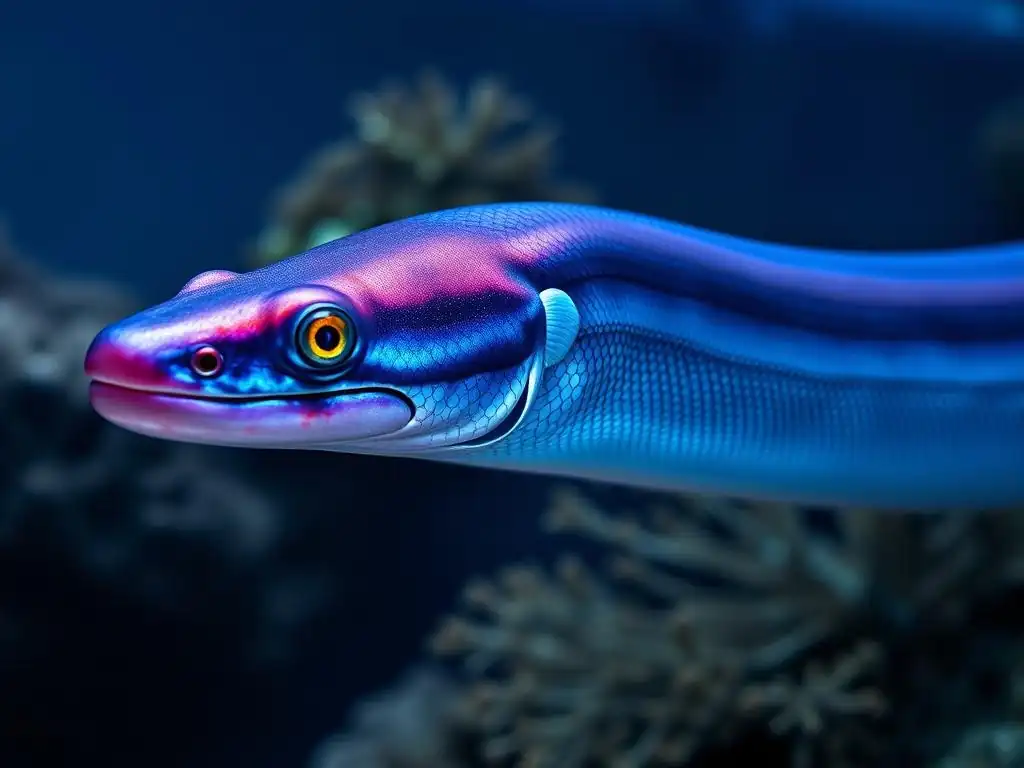
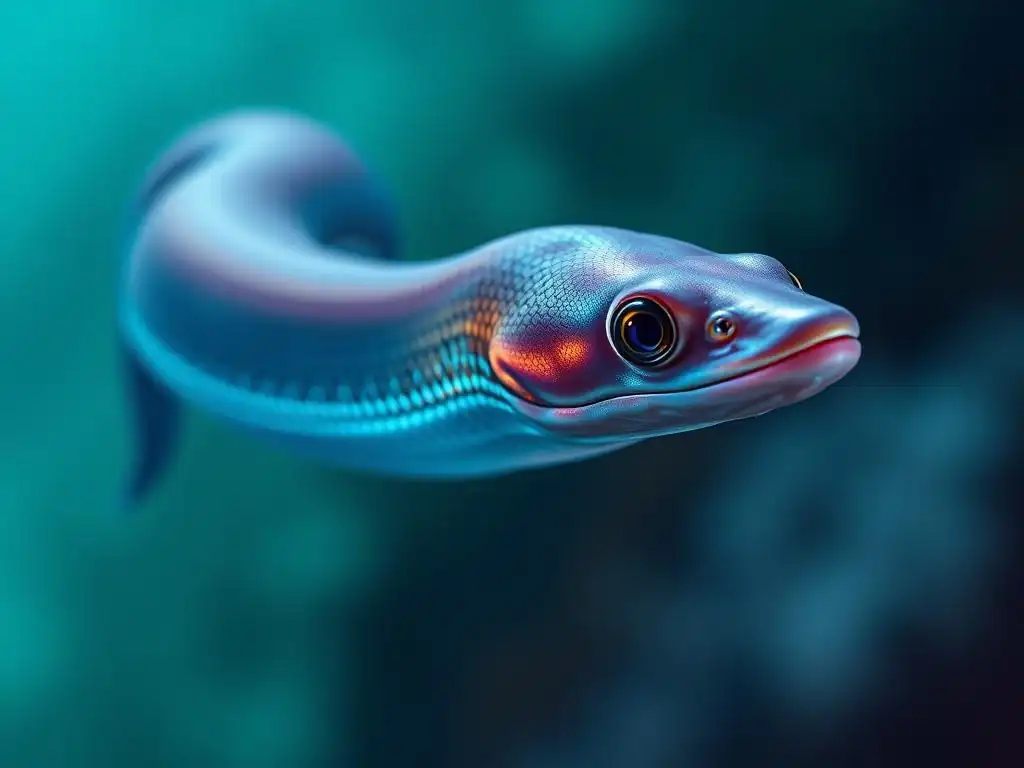
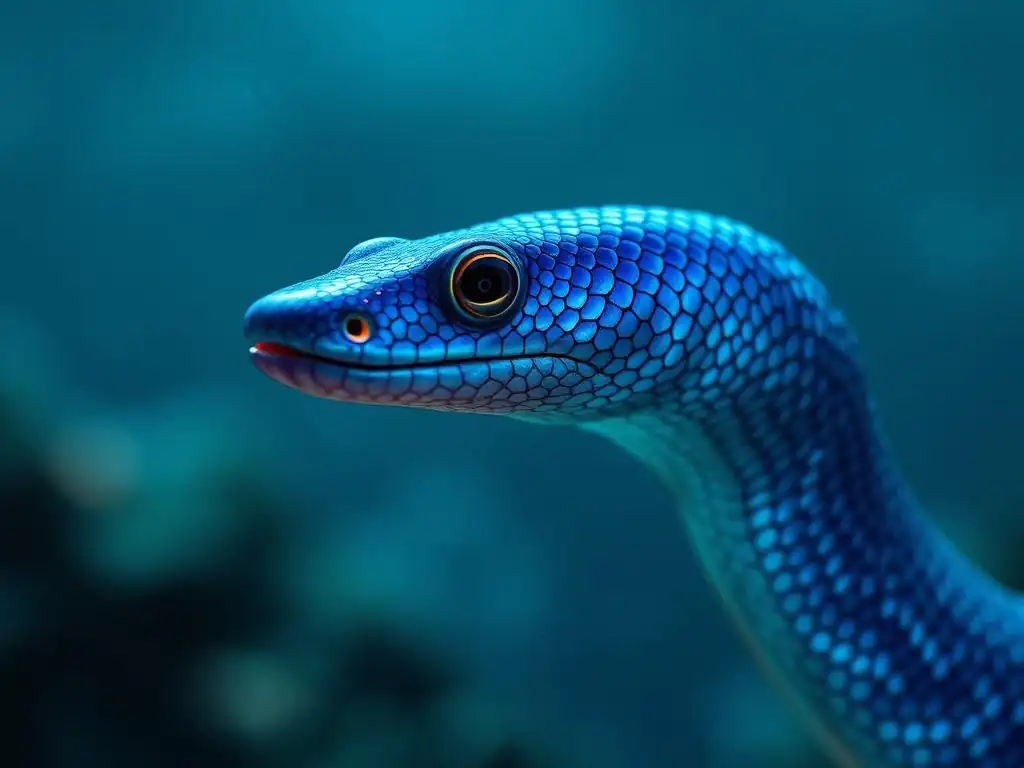
The ribbon eel, Rhinomuraena quaesita, stands as one of the most visually striking and sought-after inhabitants for advanced saltwater aquariums. Its slender, ribbon-like body, often adorned in brilliant blue and yellow hues, combined with its unique, flowing movements and distinctive flared nostrils, captivates aquarists worldwide. This species offers an unparalleled aesthetic appeal, drawing in enthusiasts who appreciate rare and challenging marine life.
Beyond their beauty, the allure of these eels lies in the significant challenge they present. Successfully maintaining a Rhinomuraena quaesita is a true mark of an experienced aquarist, demanding meticulous attention to detail and a profound understanding of their specific needs. This level of Rhinomuraena quaesita advanced care distinguishes them from more common aquarium species, making their successful husbandry a highly rewarding endeavor.
Rhinomuraena quaesita: A Unique and Challenging Species
Rhinomuraena quaesita is classified within the Muraenidae family, commonly known as moray eels, yet its unique morphology and specialized requirements set it apart. Unlike many robust morays, ribbon eels are delicate and highly susceptible to stress, particularly from improper handling, unsuitable tank conditions, or inadequate diet. Their specific feeding habits, often requiring live foods initially, pose a significant hurdle for many aquarists.
The challenges associated with Rhinomuraena quaesita advanced care extend to their environmental sensitivity. They thrive only in pristine water conditions, with even minor fluctuations in parameters quickly leading to health decline. Reports from public aquariums and experienced hobbyists indicate that a significant percentage of newly acquired ribbon eels fail to thrive if not provided with their exact requirements from day one, underscoring the need for truly advanced care protocols.
Rhinomuraena quaesita Identification and Natural Habitat
Color Variations in Ribbon Eels: From Juvenile to Adult
One of the most remarkable features of Rhinomuraena quaesita is its dramatic color transformation throughout its life cycle, which also correlates with its sexual development. Juveniles are typically jet black with a bright yellow dorsal fin, a striking contrast that makes them easily identifiable. As they mature, these eels undergo a fascinating transition.
Upon reaching maturity, males develop a vibrant blue body with a prominent yellow dorsal fin, maintaining a sleek and elegant appearance. Females, on the other hand, undergo a complete color change, becoming entirely yellow or yellowish-orange. This sexual dimorphism is a key characteristic and can sometimes lead to confusion for aquarists unfamiliar with their life stages, highlighting the complexity of understanding Rhinomuraena quaesita identification.
Ribbon Eel Habitat: Understanding Their Natural Environment
In their natural environment, Rhinomuraena quaesita inhabit the vast Indo-Pacific region, with their range extending from East Africa across to Southern Japan, Australia, and New Caledonia. They are typically found in shallow to moderately deep waters, often between 1 to 60 meters (approximately 3 to 200 feet) deep, preferring coral reefs, rubble zones, and sandy areas.
These eels are masters of camouflage and ambush predation. They spend the majority of their time hidden within rock crevices, under coral rubble, or partially buried in sand, with only their distinctive head protruding. This behavior is crucial to replicate in a captive environment, as providing ample secure hiding spots is a fundamental aspect of Rhinomuraena quaesita advanced care, ensuring their comfort and reducing stress.
The Life Cycle of the Ribbon Eel in the Wild
The life cycle of the ribbon eel in the wild is particularly intriguing due to their protandric hermaphroditism, meaning they begin their lives as males and possess the ability to transition into females later in life. While the exact triggers for this sex change in the wild are not fully understood, it is a significant biological adaptation. Their lifespan in the wild is not precisely documented, but anecdotal observations and general eel biology suggest they can live for several years, potentially exceeding 10-20 years under optimal conditions.
In their natural habitat, ribbon eels are active predators, ambushing small fish and crustaceans that venture too close to their hiding places. This predatory instinct is deeply ingrained and directly influences their feeding behavior in captivity. Understanding their natural hunting techniques is paramount for aquarists attempting Rhinomuraena quaesita advanced care, as it guides the approach to their nutritional needs.
Setting Up a Suitable Ribbon Eel Aquarium: Essential Considerations
Tank Size Requirements for Rhinomuraena quaesita
Despite their slender build, Rhinomuraena quaesita can grow quite long, with adults reaching lengths of up to 4 feet (approximately 1.2 meters). Consequently, a surprisingly large aquarium is necessary to provide adequate space for their long bodies and natural behaviors. A minimum tank size of 50-75 gallons (approximately 190-285 liters) is recommended for a single adult ribbon eel.
However, for optimal Rhinomuraena quaesita advanced care, tanks of 100 gallons (approximately 380 liters) or more are highly preferable. A larger footprint is often more beneficial than height for these bottom-dwelling eels, allowing for extensive rockwork and deep substrate, which are critical for their well-being and natural burrowing instincts. This increased volume also contributes to greater water stability, a key factor in their delicate health.
Creating a Ribbon Eel-Friendly Environment: Substrate and Rockwork
The cornerstone of a successful ribbon eel aquarium is a meticulously designed environment that mimics their natural habitat. This includes a deep, fine sand bed, at least 4-6 inches (10-15 cm) in depth, to allow them to burrow comfortably and securely. The sand should be soft and non-abrasive to prevent injury to their delicate skin.
Equally important is the provision of stable, well-secured rockwork that offers numerous crevices, caves, and tunnels. These hiding spots are vital for the eel's sense of security and stress reduction. Aquarists should ensure that all rock structures are extremely stable and cannot be dislodged or collapse, as ribbon eels are powerful burrowers and can inadvertently undermine unsecured rocks. Incorporating PVC pipes or pre-formed ceramic tunnels within the aquascape can provide additional, safe retreat options.
Water Parameter Optimization for Rhinomuraena quaesita Health
Rhinomuraena quaesita are exquisitely sensitive to water quality, making pristine and stable water parameters an absolute necessity for their survival and long-term health. Even slight fluctuations or elevated levels of pollutants can rapidly lead to stress, compromised immune function, and ultimately, disease. This acute sensitivity underscores why water parameter optimization is a core component of Rhinomuraena quaesita advanced care.
Consistent monitoring and proactive maintenance are non-negotiable. Regular partial water changes are essential for diluting accumulated nitrates and replenishing trace elements. Furthermore, a robust filtration system is paramount to continuously remove waste products before they can degrade water quality, ensuring a consistently healthy environment for these delicate eels.
Maintaining Stable Salinity, pH, and Temperature
For Rhinomuraena quaesita, maintaining precise and stable water parameters is not merely a recommendation, but a critical requirement. Ideal salinity should be kept within a narrow range of 1.020-1.025 specific gravity (SG), consistently measured with a calibrated refractometer. The pH level should remain stable between 8.1 and 8.4, and the water temperature should be maintained between 74-78°F (23-26°C).
Sudden or significant shifts in any of these parameters can induce severe stress and weaken the eel's immune system, making them highly vulnerable to illness. Daily testing during the initial setup phase, followed by at least weekly testing once the tank is established, is crucial. Utilizing high-quality heaters with reliable thermostats and ensuring adequate water circulation will help prevent temperature stratification and maintain overall stability, which is vital for Rhinomuraena quaesita advanced care.
The Importance of Proper Filtration for Ribbon Eels
A comprehensive and highly efficient filtration system is indispensable for the successful long-term husbandry of Rhinomuraena quaesita. This system should ideally incorporate multiple layers of filtration: robust biological filtration, such as ample live rock and high-quality bio-media, to effectively convert ammonia and nitrites into less toxic nitrates; efficient mechanical filtration, using filter socks or sponges, to remove particulate matter and maintain water clarity; and chemical filtration, via activated carbon or GFO (granular ferric oxide), to absorb dissolved organic compounds and phosphates.
Furthermore, a high-capacity protein skimmer is a non-negotiable component for any saltwater aquarium housing a predatory species like the ribbon eel. Protein skimmers effectively remove organic waste before it has a chance to break down and pollute the water, significantly reducing the bioload and contributing to the pristine water conditions essential for Rhinomuraena quaesita advanced care. Regular cleaning and maintenance of all filtration components are vital to ensure their continuous optimal performance.
Ribbon Eel Diet and Feeding: Meeting Their Nutritional Needs
Understanding the Predatory Feeding Habits of Ribbon Eels
Ribbon eels are obligate piscivores and carnivores in their natural habitat, primarily preying on small fish and crustaceans. Their hunting strategy involves ambushing unsuspecting prey from their hidden burrows, striking with remarkable speed and precision. This innate predatory behavior is a key factor influencing their dietary needs in captivity.
In an aquarium setting, replicating this natural diet and stimulating their feeding response can be one of the most challenging aspects of Rhinomuraena quaesita advanced care. They often exhibit a reluctance to feed on non-live foods, and their feeding attempts are almost exclusively triggered by movement. An understanding of their natural inclination to strike at moving targets is crucial for successful feeding strategies.
Live Food Options for Rhinomuraena quaesita: A Must?
When first introduced to a captive environment, Rhinomuraena quaesita almost invariably require live food to initiate a feeding response. Small feeder fish, such as guppies or mollies, or live ghost shrimp are commonly used to entice them to eat. The erratic movement of live prey stimulates their predatory instincts, making them more likely to strike.
However, relying solely on live foods presents several significant drawbacks, including the risk of introducing diseases and parasites into the aquarium, and the potential for nutritional deficiencies if the feeder fish themselves are not gut-loaded or varied. While often a necessary starting point, the ultimate goal of Rhinomuraena quaesita advanced care is to transition these eels onto a more sustainable and nutritionally complete diet of frozen, prepared foods.
Weaning Ribbon Eels Onto Frozen Foods: Tips and Techniques
Weaning a ribbon eel onto frozen foods is a critical, albeit often protracted, process in Rhinomuraena quaesita advanced care. Patience and persistence are paramount. One effective technique is "target feeding" using long tongs, wiggling pieces of frozen silversides, krill, or small sections of squid or shrimp directly in front of the eel's mouth to simulate live prey. Some aquarists have success by first offering a live feeder, then immediately following with a piece of frozen food once the eel's predatory instinct is heightened.
Another method involves "scenting" the frozen food by rubbing it against a live feeder fish or soaking it in fish juices. Offering food during their natural crepuscular (dusk/dawn) activity periods can also increase success rates. It may take weeks or even months of consistent effort, trying various types and sizes of frozen marine foods, before the eel reliably accepts a non-live diet.
Preventing Malnutrition in Captive Ribbon Eels
Malnutrition is a leading cause of mortality for captive ribbon eels, particularly during the initial acclimatization phase or if they are not successfully weaned onto a varied, nutritious diet. Once they accept frozen foods, it is crucial to offer a diverse selection, including small whole fish (like silversides), krill, Mysis shrimp, and pieces of squid or clam, to ensure a complete nutritional profile. Supplementing frozen foods with a high-quality vitamin enrichment solution can further prevent deficiencies.
Regularly monitoring the eel's body condition is vital for preventing malnutrition. A healthy ribbon eel should appear plump and muscular; a sunken appearance along the body or head is a clear indicator of underfeeding. If an eel stops eating, immediate investigation into water quality, stress factors, or potential illness is necessary. Consistent, appropriate feeding (typically 2-3 times per week for established adults) is fundamental to Rhinomuraena quaesita advanced care.
Ribbon Eel Health and Disease Prevention
Common Diseases Affecting Ribbon Eels in Aquariums
Ribbon eels, despite their hardy appearance, are prone to several common saltwater aquarium diseases, often exacerbated by stress or poor water quality. These include external parasitic infections such as Marine Ich ( Cryptocaryon irritans) and Marine Velvet ( Amyloodinium ocellatum), which manifest as white spots or dusty coatings on their skin and gills. Bacterial infections, often secondary to stress or injury, can also affect them, leading to fin erosion, cloudy eyes, or open sores.
Beyond these, physical injuries from abrasive rockwork or aggressive tank mates are a significant concern. Such injuries can quickly become infected by opportunistic bacteria or fungi in a compromised environment. Stress-related issues, like prolonged refusal to eat or excessive hiding, are frequently the first indicators of underlying health problems in Rhinomuraena quaesita.
Recognizing Signs of Illness in Your Rhinomuraena quaesita
Early detection of illness is crucial for successful treatment and forms a vital part of Rhinomuraena quaesita advanced care. Aquarists should be vigilant for any changes in their eel's normal behavior or physical appearance. Signs of illness include a sudden loss of appetite, prolonged lethargy, or unusually erratic swimming patterns when they do emerge.
Physical symptoms to look for include the appearance of white spots, a velvety film, or patches of discoloration on the body. Other indicators might be frayed fins, cloudy eyes, swelling, or any open wounds or lesions. Any deviation from the eel's typical alert and inquisitive behavior, or its vibrant coloration, warrants immediate investigation into water parameters, tank conditions, and potential stressors.
Quarantine Procedures for New Ribbon Eels
A strict quarantine protocol is absolutely essential for any new Rhinomuraena quaesita before introduction to the main display tank. This mandatory isolation period, ideally lasting 4-6 weeks, serves several critical purposes. It allows the aquarist to observe the new eel for any signs of disease, administer preventative treatments (such as deworming), and treat any latent illnesses without risking the health of existing tank inhabitants.
The quarantine tank itself should be set up to mimic the conditions of the main display tank as closely as possible, including appropriate hiding places and stable water parameters, to minimize stress on the already sensitive eel. Providing a stress-free environment during quarantine is crucial for the eel to acclimate and begin accepting food, setting the stage for successful Rhinomuraena quaesita advanced care in the long term.
Treatment Options for Sick Ribbon Eels
Treatment options for sick ribbon eels vary depending on the specific ailment diagnosed. For common external parasitic infections like Ich, therapeutic approaches may include hyposalinity (gradually reducing salinity to 1.010-1.012 SG for a period) or the careful use of copper-based medications, although eels can be sensitive to copper and dosage must be precise. Formalin dips can also be considered for severe cases, but require extreme caution.
Bacterial infections often necessitate the use of broad-spectrum antibiotics. If the eel is still eating, antibiotics can be administered via medicated food. Otherwise, bath treatments in a separate hospital tank might be required. It is always advisable to consult with a marine veterinarian or an experienced aquarist with knowledge of Rhinomuraena quaesita advanced care before administering any medication, as proper diagnosis and dosage are paramount for the eel's delicate physiology.
Ribbon Eel Tank Mates: Compatibility and Considerations
Safe Tank Mates for Rhinomuraena quaesita
Selecting appropriate tank mates for Rhinomuraena quaesita requires careful consideration to ensure the eel's well-being and prevent predation. Suitable companions are generally larger, peaceful, and fast-moving fish that are too big to be considered prey by the eel and will not harass it. Examples include various species of tangs (e.g., Yellow Tangs, Blue Tangs), certain larger angelfish (e.g., Emperor Angelfish), or specific non-aggressive triggerfish like the Blue Jaw Trigger ( Xanthichthys auromarginatus).
Non-aggressive, non-predatory invertebrates, such as larger cleaner shrimp ( Lysmata amboinensis), can sometimes coexist, but smaller crustaceans are always at risk of becoming a meal. The fundamental principle for successful Rhinomuraena quaesita advanced care in a community setting is ensuring a significant size disparity between the eel and its tank mates, combined with a peaceful temperament from the companions.
Avoiding Aggressive Tank Mates That Stress Ribbon Eels
Aggressive or overly boisterous tank mates should be strictly avoided when keeping Rhinomuraena quaesita. Fish known for their territoriality or nipping behavior, such as some larger triggerfish species (e.g., Clown Triggerfish), large predatory groupers, or highly aggressive damselfish, can cause immense stress to the shy ribbon eel. This constant harassment can lead to the eel hiding excessively, refusing to eat, and ultimately succumbing to stress-induced illness.
Furthermore, any fish small enough to fit into the ribbon eel's mouth, regardless of its temperament, should be excluded from the tank. This includes many common reef inhabitants like small gobies, blennies, cardinalfish, and smaller wrasses, all of which would be considered potential prey. Prioritizing the eel's safety and comfort is a cornerstone of Rhinomuraena quaesita advanced care.
Understanding the Ribbon Eel's Temperament in a Community Tank
The ribbon eel is inherently a shy and reclusive species, preferring to spend most of its time hidden within its chosen burrow or rockwork. While they are predators, their temperament in a community tank is generally not aggressive towards tank mates that are too large to be consumed. Their primary concern revolves around their own security, access to food, and a stress-free environment.
Introducing a ribbon eel to an already established community tank can be particularly challenging, as the eel may feel overwhelmed by existing inhabitants, be outcompeted for food, or simply remain perpetually hidden. Careful observation and target feeding are essential to ensure the eel is receiving adequate nutrition and feeling secure. A tranquil, well-structured environment promotes the display of their natural, albeit reclusive, behaviors, forming a key aspect of Rhinomuraena quaesita advanced care.
Advanced Ribbon Eel Care Techniques
Addressing Common Challenges in Rhinomuraena quaesita Husbandry
The most prevalent challenges in Rhinomuraena quaesita husbandry revolve around their specialized feeding requirements, maintaining impeccable and stable water quality, and effectively managing their stress levels. Many ribbon eels unfortunately do not survive beyond the initial few months in captivity, primarily due to chronic starvation or stress-induced diseases. A critical advanced technique is the establishment of a consistent and predictable feeding routine, ideally at the same time each day or every other day, to encourage regular feeding.
Beyond feeding, proactive water management is crucial. Instead of infrequent, large water changes, consider performing smaller, more frequent changes (e.g., 10% weekly) to maintain consistent parameters and minimize fluctuations. Closely monitoring the eel's body condition – observing for any signs of thinning or muscle loss – allows for immediate intervention, such as increasing feeding frequency or trying different food types, showcasing proactive Rhinomuraena quaesita advanced care.
Promoting Natural Behavior in Captive Ribbon Eels
To encourage Rhinomuraena quaesita to display its captivating natural behaviors, it is imperative to provide an environment that closely mimics its wild habitat. This means offering ample burrowing opportunities with a deep, fine sand bed, allowing them to create their own secure retreats. Additionally, the rockwork should be thoughtfully arranged to provide multiple secure crevices and tunnels where the eel can feel safe and hidden.
Adjusting lighting to a dimmer setting during their most active periods, typically at dusk and dawn, can encourage them to emerge from their hiding spots to explore or hunt. Minimizing external disturbances, such as sudden movements or loud noises near the aquarium, will also contribute to a less stressful environment, fostering a sense of security that allows the eel to exhibit its natural curiosity and unique swimming patterns.
Creating a Stress-Free Environment for Optimal Health
A truly stress-free environment is the cornerstone of optimal health and longevity for Rhinomuraena quaesita. Stability in all aspects of the aquarium is paramount; avoid rapid changes in water parameters, lighting cycles, or tank inhabitants. Ribbon eels are notorious escape artists, capable of squeezing through incredibly small gaps, so a tight-fitting, heavy lid is an absolute necessity to prevent them from jumping out of the tank.
Minimize physical handling of the eel whenever possible. If it becomes necessary to move them, use a soft net or, ideally, gently guide them into a container or bag to scoop them, as their delicate skin is easily damaged. A serene and consistent environment, where the eel feels secure and unthreatened, will significantly reduce stress levels, leading to a more robust immune system and a much greater chance of long-term success in Rhinomuraena quaesita advanced care.
Breeding Ribbon Eels: A Rare Achievement in Captivity
The Challenges of Breeding Rhinomuraena quaesita
Breeding Rhinomuraena quaesita in captivity remains an exceptionally rare and largely undocumented achievement. There are virtually no confirmed reports of successful captive breeding leading to viable offspring in public aquariums or private collections. The inherent challenges are multifaceted, stemming from their complex protandric hermaphroditism, the specific environmental cues required for spawning, and the immense difficulty in replicating their vast natural habitat.
Even if a spawning event were to occur in a captive setting, the eggs and subsequent larval stages of ribbon eels are pelagic, meaning they drift in open ocean currents for an extended period. This makes the collection, rearing, and successful metamorphosis of the fry almost impossible within the confines of a closed aquarium system, underscoring the monumental hurdle that Rhinomuraena quaesita advanced care faces in this domain.
Understanding Ribbon Eel Reproduction in the Wild
In their natural environment, the reproductive cycle of ribbon eels involves a fascinating sex change, as they mature from male to female. While the precise triggers for this transition and subsequent spawning are not fully understood, it is believed to be influenced by factors such as age, size, and perhaps specific environmental or lunar cues. Spawning likely occurs in open water, where eggs are released and fertilized externally.
The resulting larvae are planktonic, drifting widely in the ocean's currents, feeding on microscopic organisms until they develop sufficiently to settle into a benthic (bottom-dwelling) lifestyle. The sheer scale and dynamic nature of their natural marine environment, which facilitates this wide dispersal and provides the necessary food sources for their larval development, are factors that simply cannot be replicated within a home aquarium. Consequently, Rhinomuraena quaesita advanced care typically focuses on husbandry rather than reproduction.
Conclusion: Mastering Rhinomuraena quaesita Advanced Care
The Rewards of Keeping Ribbon Eels Successfully
Successfully maintaining a Rhinomuraena quaesita in a home aquarium is a profound achievement and a testament to an aquarist's dedication, knowledge, and skill. Their vibrant, ever-changing colors, graceful movements, and elusive yet captivating presence make them an unparalleled centerpiece. Witnessing a well-adjusted ribbon eel thrive, emerge from its burrow to accept frozen foods, and display its natural behaviors provides an immense sense of satisfaction.
The journey of mastering Rhinomuraena quaesita advanced care offers deep rewards beyond mere aesthetics. It provides a unique opportunity to learn about the intricate needs of a highly specialized marine creature, pushing the boundaries of conventional aquarium husbandry and deepening one's understanding of complex marine ecosystems.
The Importance of Responsible Ribbon Eel Ownership
Given their highly specialized requirements and the significant challenges associated with their long-term survival in captivity, responsible ribbon eel ownership is paramount. Prospective owners must undertake thorough research and preparation, ensuring they fully comprehend the substantial commitment involved before acquiring one of these magnificent creatures. This includes understanding their specific dietary needs, the precise environmental parameters required, and the long-term dedication to their advanced care.
Responsible Rhinomuraena quaesita advanced care means prioritizing the eel's welfare above all else. It entails providing an appropriately sized, meticulously set up aquarium with pristine water quality, a consistent feeding regimen, and a stress-free environment where the eel can not only survive but truly flourish for many years. It is a commitment that reaps immeasurable rewards for the dedicated aquarist.
Frequently Asked Questions
What makes Rhinomuraena quaesita care considered "advanced"?
Ribbon eels are notoriously difficult to keep in captivity due to their specific dietary needs and sensitivity to water quality. They require experienced aquarists.
What are the most critical water parameters for Rhinomuraena quaesita?
Maintaining pristine water is crucial. This includes stable pH, low nitrate levels, and appropriate salinity for saltwater tanks. Regular water changes are non-negotiable.
What type of food and feeding schedule does a Ribbon Eel require?
They primarily eat live foods like small feeder fish or ghost shrimp. Feeding can be challenging, often requiring targeted feeding with a feeding stick to ensure they eat.
What are some common health issues that affect Ribbon Eels in aquariums?
Common problems include refusal to eat, bacterial infections, and parasitic infestations. Quarantine and early intervention are essential for successful treatment.
What size aquarium is recommended for keeping a Rhinomuraena quaesita?
A minimum of a 75-gallon tank is recommended. They need ample space to swim and establish a secure territory amongst the rockwork.
Final Reflection: Embracing the Art of Patience and Precision
The intricate needs of Rhinomuraena quaesita serve as a powerful reminder that even the most captivating beauty demands unwavering dedication and meticulous attention. The challenges inherent in providing Rhinomuraena quaesita advanced care highlight the responsibility we bear when choosing to bring such a delicate creature into our lives, demanding a commitment that extends far beyond mere aesthetic appreciation.
The journey of understanding and caring for Ribbon Eels has profoundly shaped our understanding of marine ecosystems and the delicate balance within them. This journey underscores the importance of continuous learning and adaptation in the pursuit of responsible aquarism, reminding us that our actions have a direct impact on the well-being of these fascinating creatures. In the end, we will conserve only what we love; we will love only what we understand; and we will understand only what we are taught.
- Baba Dioum. This quote perfectly encapsulates the essence of responsible care, urging us to deepen our knowledge and foster a genuine connection with the animals we choose to keep.
As we conclude this exploration into the world of Ribbon Eels, let us carry forward the lessons learned. Consider how the principles of patience, observation, and unwavering commitment to detail can be applied not only to the care of Rhinomuraena quaesita, but also to other aspects of your life. Embrace the challenge of continuous learning and strive to be a responsible steward of the natural world, ensuring that future generations can marvel at the beauty and wonder of these magnificent creatures.
Unleash Your Inner Aquarist: Begin Your Ribbon Eel Journey!
Thank you for diving deep into the captivating world of ribbon eels! We hope this guide has illuminated the nuances of caring for these magnificent creatures and inspired you with newfound confidence. Now, let's put that knowledge into action.
Here are some steps you can take right away:
- Prioritize Water Quality: Schedule a water testing appointment with your local fish store to assess your current aquarium's suitability for ribbon eels. This ensures you have a stable foundation before considering adding one to your aquarium.
- Explore Aquascaping Options: Research innovative aquascaping designs that mimic a ribbon eel's natural habitat, focusing on creative PVC pipe configurations.
- Share Your Enthusiasm: Post a photo of your current or dream ribbon eel setup on social media using #RibbonEelDreams and connect with other aquarists!
What's one unique element you'd incorporate into a ribbon eel habitat to showcase their beauty and natural behavior?