
Feeding Your Triggerfish: Mimicking Their Natural Foraging and Crushing Habits

Welcome to Aquarium Mastery!
Ever wondered what it really takes to keep a Triggerfish happy and healthy? Beyond just dropping in food, understanding their unique foraging and crushing habits is key. Dive into our comprehensive Triggerfish feeding guide tips and unlock the secrets to mimicking their natural diet, ensuring a vibrant and thriving aquarium companion. Intrigued? Let's explore the fascinating world of Triggerfish feeding together!
- Understanding Triggerfish Diet in the Wild: A Natural Feeding Guide
- Triggerfish Feeding Guide Tips for Aquarium Success
- Essential Triggerfish Food Types: A Detailed Breakdown
- Preparing Food for Your Triggerfish: Techniques and Considerations
- Establishing a Triggerfish Feeding Schedule: Consistency is Key
- Triggerfish Feeding Problems: Troubleshooting Common Issues
- Live Feeding vs. Frozen Feeding: Benefits and Drawbacks
- Replicating the Natural Crushing Habit: Providing Suitable Food Items
- Maintaining Water Quality During Triggerfish Feeding: Preventing Ammonia Spikes
- Conclusion: Optimizing Your Triggerfish Feeding Strategy for a Healthy and Happy Fish
-
Frequently Asked Questions
- What is the most important aspect to consider when feeding a Triggerfish?
- How often should I feed my Triggerfish?
- What types of food are suitable for Triggerfish?
- How do I ensure my Triggerfish gets enough to eat without overfeeding the tank?
- Are there any foods I should avoid feeding my Triggerfish?
- Final Reflection: Embracing the Wild Within the Tank
- Dive Deeper: Uncover Your Triggerfish's Dream Diet!
Understanding Triggerfish Diet in the Wild: A Natural Feeding Guide
The Diverse Natural Diet of Triggerfish: What They Eat in the Ocean
Triggerfish, found predominantly in tropical and subtropical waters, are renowned for their robust jaws and powerful teeth, perfectly adapted for a highly specialized diet. In their natural habitats, these opportunistic predators consume a wide variety of benthic invertebrates. Their primary food sources include crustaceans such as crabs and shrimp, mollusks like clams, mussels, and snails, and echinoderms such as sea urchins and starfish. Some larger triggerfish species also prey on small fish, demonstrating a diverse predatory capability.
This varied diet is crucial for their nutritional needs, providing a balanced intake of proteins, fats, and essential minerals. For example, the hard shells of crustaceans and mollusks are not only a source of calcium but also serve to naturally wear down their continuously growing teeth, a vital aspect of their long-term health. Understanding this natural dietary range is the first step in formulating effective Triggerfish feeding guide tips for aquarium environments, ensuring they receive comparable nutrition and enrichment.
Triggerfish Foraging Behavior: How They Hunt and Find Food
The foraging behavior of triggerfish is as distinctive as their appearance. They are highly active hunters, constantly exploring their environment for hidden prey. A common technique involves blowing jets of water into the sand to uncover buried invertebrates, a behavior known as "water jetting." They also use their strong jaws to flip over rocks and coral rubble, exposing crabs, snails, and other creatures sheltering beneath.
Their powerful jaws and specialized dentition allow them to crush the hard exoskeletons of crustaceans and the shells of mollusks with ease. This crushing ability is not just for consumption but also plays a critical role in maintaining their dental health by preventing tooth overgrowth. Replicating these natural foraging and crushing habits through appropriate Triggerfish feeding guide tips in a home aquarium is paramount for their physical well-being and mental stimulation, preventing boredom and promoting natural behaviors.
Triggerfish Feeding Guide Tips for Aquarium Success
The Importance of Mimicking Natural Feeding Habits in Captivity
Mimicking the natural feeding habits of triggerfish in a captive environment is not merely about providing sustenance; it is fundamental to their overall health, longevity, and behavioral enrichment. In the wild, their constant foraging and crushing activities keep their teeth properly worn, preventing overgrowth which can lead to severe feeding difficulties and even starvation. Without appropriate hard-shelled foods, their teeth can grow too long, making it impossible for them to grasp and consume food.
Furthermore, the act of hunting and breaking apart prey provides significant mental stimulation, reducing stress and aggressive tendencies often observed in bored or under-stimulated triggerfish. A well-designed Triggerfish feeding guide tips strategy that incorporates varied food types and encourages natural behaviors helps prevent common aquarium ailments, promotes vibrant coloration, and contributes to a longer, healthier life for these fascinating fish.
Selecting the Right Food for Your Triggerfish: A Comprehensive Guide
Choosing the correct food items is critical for a successful Triggerfish feeding guide tips regimen. A diverse diet that mirrors their natural intake is essential. This primarily includes a variety of marine-based proteins, with a strong emphasis on hard-shelled invertebrates. Key components should include high-quality frozen or fresh crustaceans such as mysis shrimp, krill, and various types of crabs, as well as mollusks like chopped clams, mussels, and snails.
While commercially prepared triggerfish pellets and flakes can be used as a supplementary food source, they should not form the bulk of the diet, as they often lack the texture and hardness required for dental health. Always select foods that are appropriate for the size of your triggerfish, ensuring they can be consumed without choking but are large enough to require some effort, mimicking natural feeding challenges.
Essential Triggerfish Food Types: A Detailed Breakdown
Crustaceans: A Key Component of a Triggerfish Diet
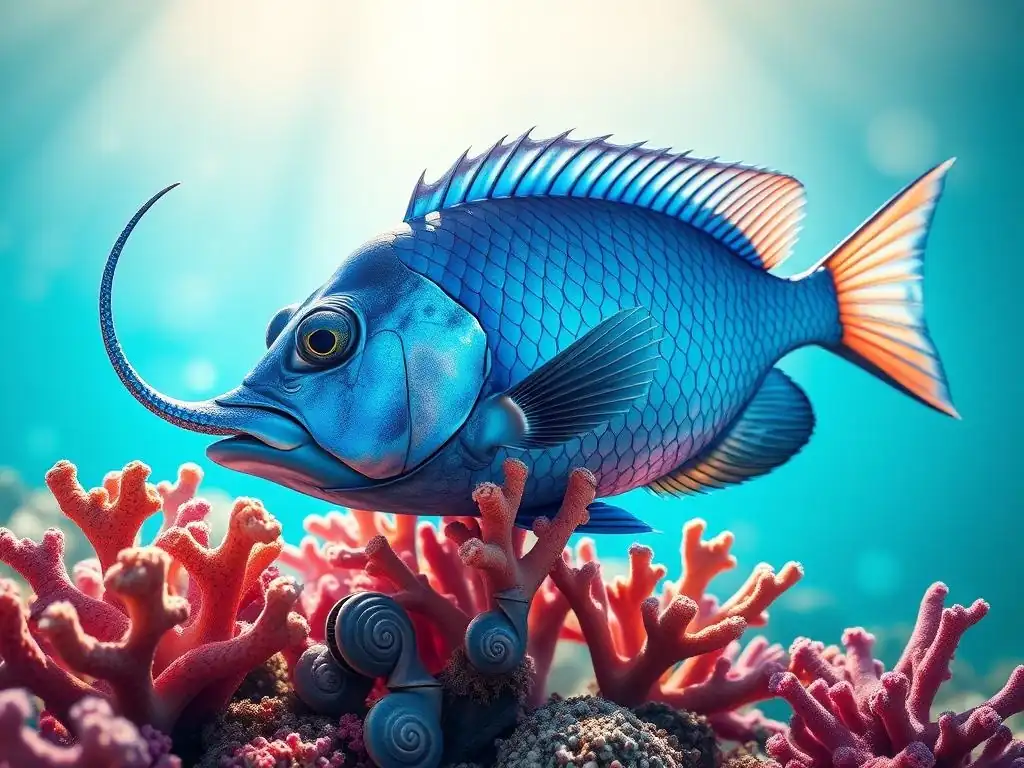
Crustaceans are an indispensable part of any effective Triggerfish feeding guide tips strategy, given their prevalence in the wild diet of these fish. They provide not only high-quality protein and essential fatty acids but also a natural source of chitin and calcium from their exoskeletons. These hard shells are crucial for maintaining dental health by providing resistance that helps wear down the triggerfish's continuously growing teeth.
Offering a variety of crustaceans ensures a broad spectrum of nutrients and keeps the fish engaged. Options range from smaller, softer-shelled varieties like mysis and brine shrimp to larger, harder-shelled options such as ghost shrimp, small crabs, and krill. Always ensure that any live crustaceans introduced are disease-free and sourced from reputable suppliers to prevent the introduction of pathogens into the aquarium.
Feeding Triggerfish Crabs: Choosing the Right Size and Type
Feeding crabs to triggerfish is an excellent way to replicate their natural crushing behavior and provide vital dental wear. Small, live crabs such as fiddler crabs, emerald crabs, or even small ghost crabs, are ideal. The size of the crab should be proportionate to the triggerfish's mouth and overall size; a general rule of thumb is that the crab should be small enough to be easily manipulated and crushed by the fish, but large enough to offer a challenge. For a medium-sized Picasso triggerfish, a crab roughly 1-2 inches in diameter might be appropriate.
When using live crabs, it's advisable to quarantine them briefly to ensure they are healthy and free of parasites. Alternatively, frozen defrosted crabs, often available at seafood markets, can be used, though they offer less behavioral enrichment. Always ensure the crabs are marine or brackish water species, not freshwater, to avoid introducing unsuitable organisms or pollutants.
Shrimp for Triggerfish: A Nutritious and Palatable Option
Shrimp, in various forms, are a highly nutritious and generally palatable food source for triggerfish, making them a staple in many Triggerfish feeding guide tips. Larger triggerfish readily accept whole, peeled or unpeeled shrimp (e.g., cocktail shrimp, cut into pieces), while smaller species or juveniles benefit from smaller varieties like mysis shrimp or krill. Both mysis and krill are rich in essential fatty acids and protein, contributing significantly to a balanced diet.
Frozen varieties are often preferred over live shrimp due to convenience and reduced risk of disease transmission. When feeding whole shrimp, leaving the shell on can provide additional roughage and contribute to dental wear, albeit less effectively than harder-shelled items. Ensure that any frozen shrimp are thoroughly defrosted before feeding to prevent digestive issues.
Mollusks: Replicating Natural Crushing Behavior
Mollusks are another cornerstone of a triggerfish's natural diet and are paramount for encouraging their distinct crushing behavior in captivity. The hard shells of clams, mussels, and snails provide the necessary resistance to help wear down their continuously growing teeth, preventing overgrowth that can lead to severe health problems. Beyond dental benefits, mollusks are rich in essential minerals like calcium, iodine, and selenium, vital for overall fish health and vibrant coloration.
Regular inclusion of various mollusks in the feeding regimen is a key Triggerfish feeding guide tips for maintaining their well-being. These can be offered whole for larger specimens, allowing the fish to actively work to break open the shell, or chopped for smaller triggerfish or those new to such foods.
Clams and Mussels for Triggerfish: Providing Essential Minerals
Clams and mussels are excellent food choices for triggerfish, offering a perfect combination of nutritional value and dental benefits. They are rich in protein, essential fatty acids, and a wide array of trace minerals crucial for marine fish health. For adult triggerfish, offering whole, unshelled clams or mussels (e.g., littleneck clams, blue mussels) encourages their natural crushing instincts. The fish will use their powerful jaws to pry open or crush the shells, a behavior that is both enriching and vital for dental maintenance.
For smaller triggerfish or those initially hesitant, you can offer chopped pieces of clam or mussel, either with or without the shell. Always ensure the mollusks are fresh or frozen and defrosted thoroughly, and sourced from reputable seafood vendors to avoid contamination. Avoid using mollusks preserved with chemicals or those intended for human consumption that might contain additives.
Snails as Triggerfish Food: Encouraging Natural Foraging
Snails, particularly marine snails, are another valuable addition to a triggerfish's diet, contributing to both nutritional intake and behavioral enrichment. They are readily available in various sizes and their shells provide excellent resistance for dental wear. Species like turbo snails, nerite snails, or even common garden snails (if properly quarantined and free of pesticides) can be offered. The triggerfish will often pick up the snail and attempt to crush its shell or pry the snail out, mimicking their natural foraging and crushing habits.
Introducing snails can also stimulate hunting instincts, as the triggerfish might spend time chasing and manipulating the snail before consuming it. This activity is crucial for their mental stimulation, preventing boredom and potential aggression towards tank mates. As with other live foods, ensure snails are healthy and free of parasites before adding them to the aquarium.
Fish and Squid: Protein Sources for Growing Triggerfish
While not the primary component of their diet in the wild, small fish and squid can serve as valuable protein sources for growing triggerfish, especially larger species. These items are rich in lean protein and essential fatty acids, supporting rapid growth and energy needs. However, their inclusion requires careful consideration to avoid nutritional imbalances or potential health risks.
When incorporating fish and squid into a Triggerfish feeding guide tips, it's important to do so in moderation and ensure variety. They lack the hard shells that contribute to dental health, so they should always be supplemented with a regular supply of crustaceans and mollusks.
Feeding Small Fish to Triggerfish: Considerations and Risks
Feeding small fish, often referred to as "feeder fish," to triggerfish can provide excellent enrichment and satisfy their predatory instincts. However, this practice comes with significant considerations and risks. Live feeder fish, such as guppies or mollies (freshwater species), are often nutritionally deficient for marine fish and carry a high risk of introducing diseases and parasites into the aquarium. They may also contain thiaminase, an enzyme that breaks down thiamine (Vitamin B1), leading to neurological issues over time.
A safer alternative is to use marine-based feeder fish, like silversides or lancefish, which are typically sold frozen. These should be defrosted and offered in moderation. The primary benefit is the protein content and the natural feeding experience, but they should never be the sole food source. Prioritize a diverse diet rich in crustaceans and mollusks for overall health and dental maintenance.
Squid for Triggerfish: A High-Protein Treat
Squid is an excellent high-protein, low-fat food option for triggerfish, making it a popular choice in many Triggerfish feeding guide tips. It's readily available, relatively inexpensive, and easy to prepare. Squid can be offered in strips or chopped pieces, depending on the size of the triggerfish. Its texture is firm, providing some resistance and encouraging chewing, though it does not offer the same dental wear benefits as hard-shelled foods.
Frozen squid, typically found at seafood markets, should be thoroughly defrosted before feeding. It's important to note that while squid is highly nutritious, it should be part of a varied diet and not the only food source. Its lack of hard components means it won't contribute to dental health, necessitating the continued inclusion of crustaceans and mollusks to prevent tooth overgrowth.
Algae and Plant Matter: A Supplementary Food Source (if applicable)
While triggerfish are primarily carnivorous, some species, particularly certain types of Niger triggerfish, may occasionally graze on algae or plant matter in their natural habitat. This behavior is usually supplementary and does not form a significant portion of their diet. For the majority of triggerfish species, algae and plant matter are not essential and may not be consumed at all.
If you observe your triggerfish occasionally nipping at algae in the tank, offering a small piece of marine algae (like nori) attached to a rock or clip might be considered as an occasional treat. However, it's crucial not to rely on this as a primary food source. The bulk of their diet must always consist of high-quality, protein-rich animal matter, especially crustaceans and mollusks, following established Triggerfish feeding guide tips for predatory marine fish.
Preparing Food for Your Triggerfish: Techniques and Considerations
Chopping and Sizing Food Appropriately
Proper food preparation is a crucial aspect of effective Triggerfish feeding guide tips. The size of the food items must be appropriate for the triggerfish's mouth and jaw strength. For smaller triggerfish or juveniles, most food items, including clams, mussels, and squid, will need to be finely chopped into bite-sized pieces. As the fish grows, the pieces can be larger, and whole small crabs or mollusks can be offered to encourage natural crushing behavior.
For instance, a 4-inch Picasso triggerfish might receive clam pieces about 0.5 to 0.75 inches, while a 10-inch clown triggerfish could handle whole small clams or mussels. Always ensure that the food is not too large to cause choking, nor too small to be swallowed without any effort, which defeats the purpose of dental wear. Using sharp kitchen shears or a clean knife can make chopping easier and more precise.
Enriching Food with Vitamins and Supplements
Even with a varied diet, enriching your triggerfish's food with vitamins and supplements can significantly boost their overall health, immune system, and coloration. Marine fish, especially those in captivity, can sometimes miss out on certain micronutrients found in their diverse wild diets. Liquid vitamin supplements, such as Selcon or Vita-Chem, are excellent choices. These can be soaked into frozen or defrosted foods for about 10-15 minutes before feeding.
This method ensures that the vitamins are directly ingested by the fish, compensating for any potential deficiencies and promoting better nutrient absorption. For example, Selcon is rich in Omega-3 fatty acids, crucial for immune function and vibrant colors. Regular supplementation, perhaps 2-3 times per week, can make a noticeable difference in the vitality and resilience of your triggerfish.
Establishing a Triggerfish Feeding Schedule: Consistency is Key
Establishing a consistent feeding schedule is a key Triggerfish feeding guide tips for maintaining their health and behavior in the aquarium. Predictable feeding times help reduce stress, minimize aggressive tendencies often associated with hunger, and encourage a regular digestive rhythm. While triggerfish are opportunistic feeders in the wild, a structured approach in captivity simplifies tank management and helps prevent overfeeding or underfeeding.
Consistency also allows aquarists to observe their fish's appetite and feeding behavior, providing early detection of potential health issues. Adhering to a routine ensures that essential nutrients are delivered regularly, supporting their high metabolic rates and active lifestyles.
How Often to Feed Your Triggerfish: Age and Size Considerations
The frequency of feeding triggerfish depends largely on their age, size, and activity level. Juveniles and smaller triggerfish, with their higher metabolic rates and rapid growth, typically require more frequent feedings. For instance, a young triggerfish (under 4-5 inches) might benefit from 2-3 small feedings per day. This approach ensures they receive sufficient nutrients for development without overloading the tank's filtration system.
As triggerfish mature and grow larger, their feeding frequency can generally be reduced. Adult triggerfish (over 6-8 inches) are often content with one substantial feeding per day, or even once every other day, depending on the individual's metabolism and the type of food offered. Observing your fish's body condition and waste production will help fine-tune the optimal frequency, ensuring they remain robust without becoming overweight.
Best Time of Day to Feed Triggerfish: Observing Their Natural Rhythms
Observing your triggerfish's natural rhythms can help determine the best time of day to feed them. Many triggerfish species are most active during daylight hours, exhibiting peak foraging behavior during the mid-morning or late afternoon in the wild. Replicating this in the aquarium by feeding during these periods can align with their natural instincts and encourage enthusiastic feeding responses.
For example, feeding your triggerfish shortly after the aquarium lights have been on for a few hours, or a couple of hours before they turn off, often works well. This allows them to fully wake up and become active, or to consume food before their resting period. Consistency in timing, even if it's just once a day, helps establish a routine that the fish will learn to anticipate, reducing stress and enhancing their overall well-being.
Triggerfish Feeding Problems: Troubleshooting Common Issues
Finicky Eaters: Encouraging a Reluctant Triggerfish to Feed
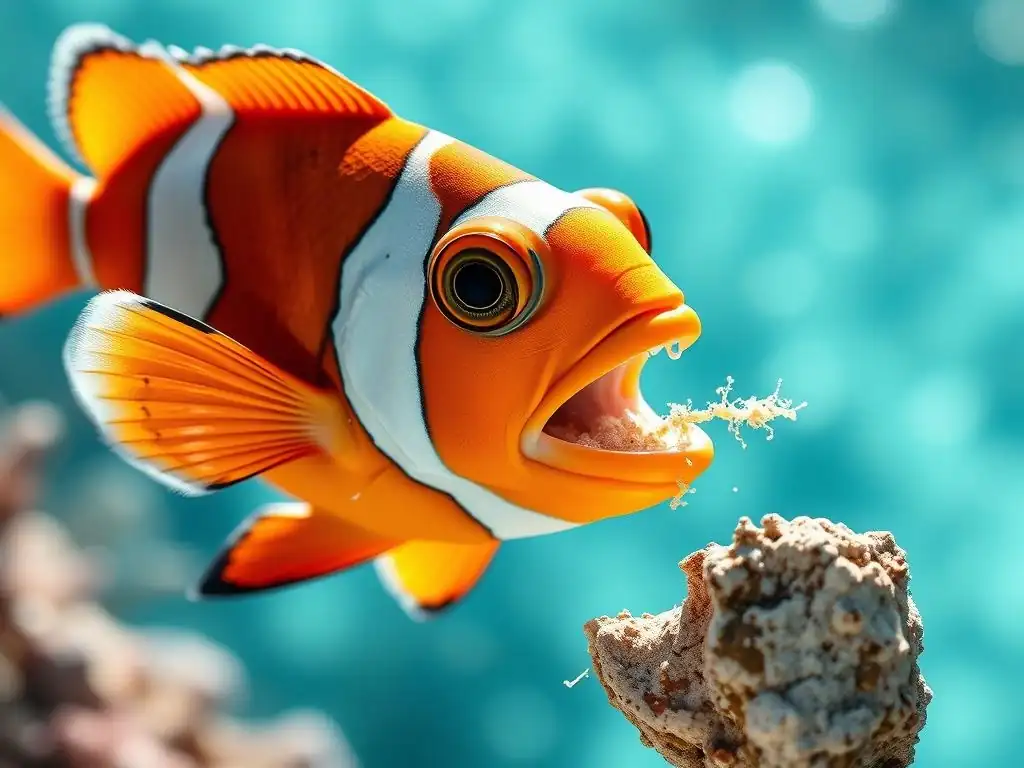
Triggerfish, while generally voracious eaters, can sometimes become finicky, especially after being introduced to a new environment or if they are stressed. If a triggerfish is reluctant to feed, the first step in troubleshooting these Triggerfish feeding guide tips is to assess water quality; poor parameters can suppress appetite. Once water quality is confirmed to be optimal, try offering a variety of highly palatable foods. Live foods, such as ghost shrimp or small crabs, can often stimulate a reluctant eater due to their movement and novelty.
Consider offering food at different times of the day or in different locations within the tank. Some triggerfish might prefer food dropped directly in front of them, while others enjoy "hunting" for it. If the fish is new, give it time to acclimate; it might take several days for it to feel comfortable enough to eat. If refusal persists, consult with a veterinarian or experienced aquarist, as it could indicate an underlying health issue.
Aggressive Feeding Behavior: Managing Tank Dynamics
Triggerfish are known for their assertive and sometimes aggressive personalities, which can become particularly pronounced during feeding times. This aggressive feeding behavior can lead to competition for food, stress among tank mates, and even injury. To manage this, a key Triggerfish feeding guide tips is to implement target feeding. This involves using a feeding stick or tongs to deliver food directly to the triggerfish, ensuring it gets its share without monopolizing all the food or harassing other inhabitants.
Feeding smaller, more frequent meals can also help reduce the intensity of competition. If the triggerfish is bullying specific tank mates, consider feeding the less aggressive fish first, or distracting the triggerfish with a larger, harder food item while other fish eat. Ensuring the tank is adequately sized with sufficient hiding spots for all inhabitants can also alleviate aggression during feeding periods.
Overfeeding Triggerfish: Avoiding Health Problems
Overfeeding is a common mistake that can lead to significant health problems for triggerfish and negatively impact water quality. When triggerfish are overfed, they can develop fatty liver disease, obesity, and other internal organ issues, shortening their lifespan. Additionally, uneaten food decomposes rapidly, leading to dangerous spikes in ammonia and nitrite, which are toxic to fish.
To avoid overfeeding, follow the recommended Triggerfish feeding guide tips based on age and size. A good rule of thumb is to feed only what your triggerfish can consume within 2-3 minutes. If food remains after this time, you are likely feeding too much. Regularly observe your fish's body condition; a healthy triggerfish should have a full but not bloated appearance. Adjusting feeding frequency and portion sizes according to their activity levels and overall health is crucial.
Live Feeding vs. Frozen Feeding: Benefits and Drawbacks
When devising a Triggerfish feeding guide tips strategy, aquarists often weigh the pros and cons of live versus frozen foods. Both have their place in a balanced diet, offering distinct advantages and disadvantages. Live foods can provide unparalleled behavioral enrichment and stimulate natural hunting instincts, while frozen foods offer convenience, safety, and a broad nutritional profile.
The choice often comes down to balancing the benefits of natural behavior with the practicalities of aquarium management and disease prevention. A combination of both, with a strong emphasis on varied, high-quality options, is often the most effective approach for maintaining healthy and active triggerfish.
The Advantages of Live Food for Triggerfish
Live food offers several significant advantages for triggerfish, making it an excellent component of a comprehensive Triggerfish feeding guide tips. Foremost among these is the unparalleled behavioral enrichment it provides. Live crabs, ghost shrimp, or snails stimulate natural hunting and foraging instincts, reducing boredom and aggression. The act of chasing, capturing, and crushing live prey engages their powerful jaws and intelligent minds in a way that frozen foods cannot.
This natural engagement is crucial for their mental stimulation and physical exercise, contributing to a more active and well-adjusted fish. Additionally, the chitinous exoskeletons of live crustaceans and the shells of live mollusks provide superior dental wear, preventing tooth overgrowth more effectively than defrosted alternatives. However, the primary drawback is the risk of introducing diseases or parasites into the aquarium, necessitating careful sourcing and, ideally, quarantine of live food items.
The Convenience and Safety of Frozen Food Options
Frozen food options offer substantial convenience and safety benefits, making them a cornerstone of modern Triggerfish feeding guide tips. Unlike live foods, commercially prepared frozen foods are typically flash-frozen, which kills most parasites and bacteria, significantly reducing the risk of introducing pathogens into your aquarium. This makes them a much safer choice for disease prevention.
Frozen foods also offer unparalleled convenience; they can be stored for extended periods, and a wide variety of options are readily available, from mysis shrimp and krill to chopped clams, mussels, and squid. This allows aquarists to easily provide a diverse diet without the hassle of sourcing and maintaining live cultures. While they lack the behavioral enrichment of live foods, their safety, ease of use, and broad nutritional profiles make them an indispensable part of a triggerfish's diet.
Replicating the Natural Crushing Habit: Providing Suitable Food Items
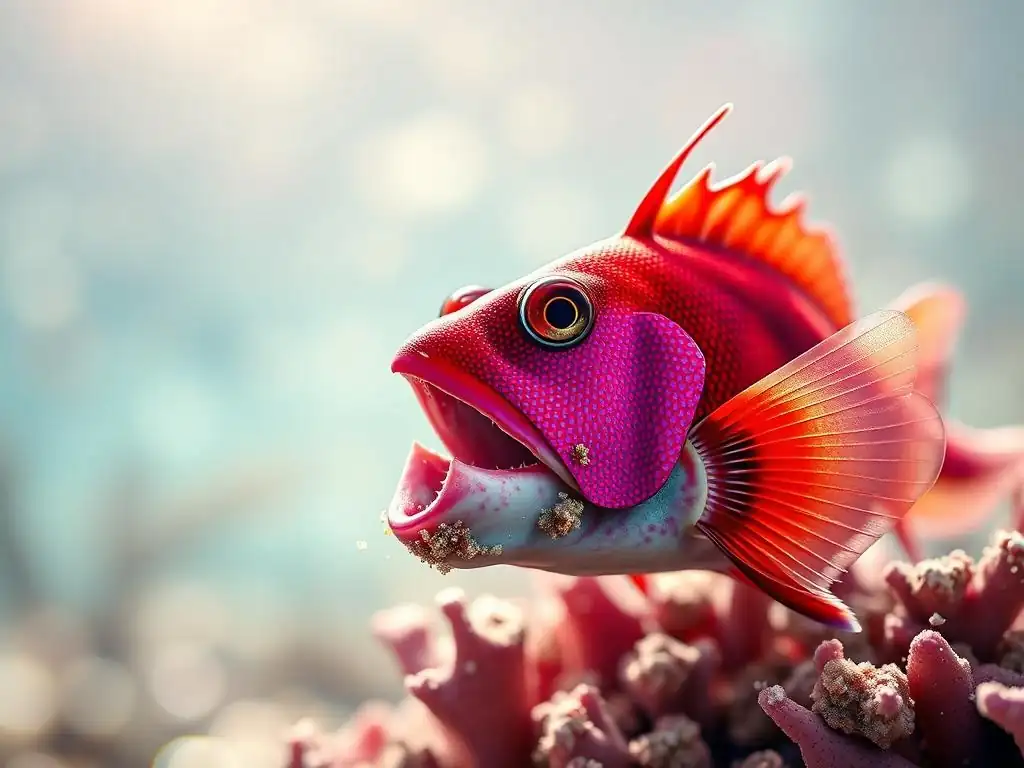
Replicating the natural crushing habit of triggerfish is perhaps one of the most critical aspects of their long-term care in captivity. Their powerful jaws and continuously growing teeth necessitate constant wear to prevent overgrowth, which can severely impede their ability to feed. Without appropriate hard-shelled food items, their teeth can become so long that they cannot close their mouths or grasp food effectively, leading to starvation.
Therefore, any effective Triggerfish feeding guide tips must heavily emphasize the regular provision of foods that require significant crushing effort. This not only maintains their dental health but also provides essential mental and physical stimulation, mimicking their natural foraging behaviors in the wild.
Hard-Shelled Foods for Dental Health: Preventing Overgrowth
The primary strategy for preventing tooth overgrowth in triggerfish is the consistent provision of hard-shelled food items. These foods act as natural dental files, wearing down their continuously growing teeth as they crush and consume them. Key examples include small, live or frozen crabs (e.g., fiddler crabs, ghost crabs), whole unshelled clams, mussels, and various marine snails. The chitinous exoskeletons of crustaceans and the calcareous shells of mollusks provide the necessary resistance.
For instance, offering a medium-sized triggerfish a small clam in its shell a few times a week can be highly effective. The effort required to break open the shell naturally grinds down their teeth. Without these abrasive foods, a triggerfish's teeth can grow to a point where they protrude from the mouth, making it impossible for them to eat, a condition that often requires professional intervention.
Encouraging Natural Crushing Behaviors in the Aquarium
Beyond simply providing hard-shelled foods, encouraging natural crushing behaviors in the aquarium enhances the triggerfish's overall well-being. This involves presenting food in a way that requires effort and mimics their wild foraging. Instead of simply dropping food into the water, consider placing hard-shelled items in crevices or under small rocks, forcing the triggerfish to use its powerful water jetting or rock-flipping techniques to access them.
Another method is to offer whole, unshelled items that the fish must manipulate and crush. For example, a whole clam can be placed on the substrate, allowing the triggerfish to spend time prying it open. This not only ensures dental health but also provides significant mental stimulation, preventing boredom and reducing stress. Integrating these techniques into your Triggerfish feeding guide tips ensures a more natural and enriching feeding experience.
Maintaining Water Quality During Triggerfish Feeding: Preventing Ammonia Spikes
Maintaining pristine water quality is paramount, especially when following Triggerfish feeding guide tips that involve high-protein foods. Triggerfish are messy eaters, and their diet often consists of substantial, protein-rich items that, if uneaten, can rapidly decompose. This decomposition releases ammonia, a highly toxic compound to fish, which can quickly lead to stress, disease, and even death if not managed effectively.
Therefore, diligent monitoring of water parameters and robust filtration strategies are essential to mitigate the impact of feeding on water quality. Preventing ammonia spikes is not just about keeping the tank clean, but directly contributes to the long-term health and vitality of your triggerfish.
Monitoring Ammonia Levels After Feeding
Regularly monitoring ammonia levels, particularly after feeding, is a critical component of any comprehensive Triggerfish feeding guide tips. Uneaten food and fish waste from a high-protein diet can quickly elevate ammonia concentrations, especially in tanks with less robust biological filtration or during periods of heavy feeding. For example, in a 100-gallon tank with a large triggerfish, a significant feeding of squid could cause ammonia to rise from undetectable levels to 0.25 ppm or higher within hours if filtration is insufficient.
Using a reliable liquid test kit is recommended, as test strips can sometimes be less accurate. If ammonia levels rise above 0 ppm, immediate action is required, such as a partial water change (20-30%) and a review of feeding practices or filtration capacity. Consistent monitoring helps identify potential issues before they become critical, ensuring a safe environment for your triggerfish.
Effective Filtration Strategies for Triggerfish Tanks
Effective filtration is absolutely essential for triggerfish tanks, especially given their messy eating habits and the high-protein nature of their diet. A robust filtration system is a key Triggerfish feeding guide tips for maintaining stable water parameters and preventing ammonia and nitrite spikes. A multi-faceted approach combining mechanical, biological, and chemical filtration is ideal.
A large protein skimmer is indispensable for saltwater triggerfish tanks, as it efficiently removes dissolved organic compounds before they break down into ammonia. A sumped filtration system, which allows for a large volume of biological media (like bio-balls, ceramic rings, or live rock) and a refugium, provides superior biological filtration. Regular cleaning of mechanical filter media (sponges, filter socks) is also crucial to physically remove uneaten food and waste before it can decompose. Aim for a turnover rate of at least 10 times the tank volume per hour to ensure adequate water flow through the filtration system.
Conclusion: Optimizing Your Triggerfish Feeding Strategy for a Healthy and Happy Fish
Frequently Asked Questions
What is the most important aspect to consider when feeding a Triggerfish?
The most important aspect is mimicking their natural diet and foraging habits. This ensures they receive the necessary nutrients and prevents boredom.
How often should I feed my Triggerfish?
Triggerfish should be fed several small meals throughout the day rather than one large meal. This mimics their natural grazing behavior in the wild.
What types of food are suitable for Triggerfish?
A varied diet is crucial. Suitable foods include crustaceans, shellfish, squid, and high-quality marine pellets, supplemented with occasional meaty treats.
How do I ensure my Triggerfish gets enough to eat without overfeeding the tank?
Observe your Triggerfish during feeding. Offer small portions and stop when it shows signs of satiation. Regular water testing helps monitor nutrient levels.
Are there any foods I should avoid feeding my Triggerfish?
Avoid feeding Triggerfish primarily flake food, as it lacks essential nutrients. Also, limit freshwater food, as it does not provide the necessary marine-based nutrients.
Final Reflection: Embracing the Wild Within the Tank
The journey of understanding triggerfish feeding habits extends far beyond simply dropping food into a tank. It's about recognizing the inherent connection between captive creatures and their wild counterparts, and striving to replicate the natural behaviors that define their existence. By acknowledging the importance of foraging and crushing, we elevate the act of feeding from a chore to an enriching experience for both the fish and the aquarist.
This exploration into triggerfish diets has profoundly shaped my perspective on responsible aquarium keeping. It underscores the necessity of going beyond basic care requirements and delving into the intricate details of an animal's natural history. In the end, we will conserve only what we love; we will love only what we understand; and we will understand only what we are taught.
- Baba Dioum. This quote resonates deeply, reminding us that true conservation begins with understanding and appreciating the nuances of the life we choose to bring into our homes.
Now, I invite you to consider how you can further enrich the lives of your aquatic companions. Reflect on the lessons learned about foraging and crushing, and explore innovative ways to mimic these natural behaviors within your own aquarium. By embracing a more holistic approach to triggerfish feeding, you not only ensure their physical well-being but also foster a deeper connection with the wild world they represent, creating a truly thriving ecosystem within your glass walls.
Dive Deeper: Uncover Your Triggerfish's Dream Diet!
Thank you for exploring the fascinating world of triggerfish feeding! We hope you've gained valuable insights into replicating their natural eating habits in your aquarium. Now, let's put that knowledge into action!
Here are a few things you can do right now:
- Immediately assess your triggerfish's current diet. Are you providing enough variety and hard-shelled foods? Note any potential improvements you can make.
- Experiment with hiding food within rocks and crevices to stimulate your triggerfish's natural foraging behaviors – surprise them!
- Share your triggerfish feeding successes (or challenges!) in the comments below, helping other aquarists learn from your experiences.
What innovative feeding technique will you try this week to keep your triggerfish thriving?