
The AlgaeEating Powerhouses: Best Blennies for Nano Tank Cleanup Crew

Welcome to Aquarium Mastery!
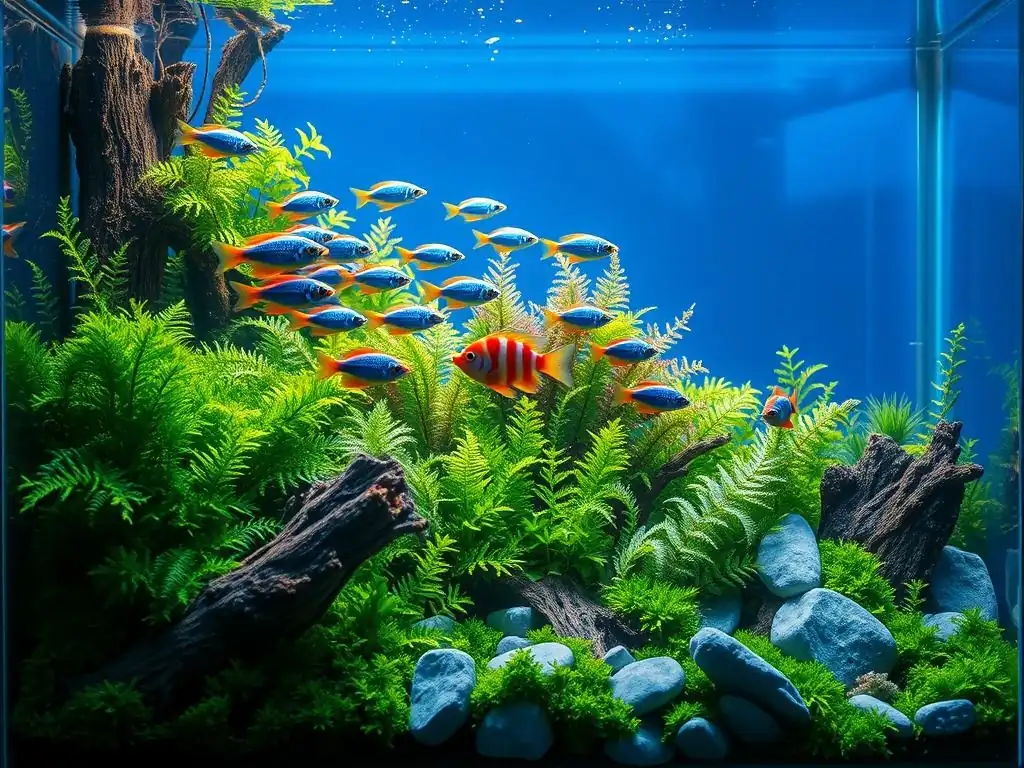
Ever wondered how to keep your nano tank sparkling clean without harmful chemicals? Dive into the fascinating world of nano tank blenny cleanup crews and discover the algae-eating powerhouses that can transform your tiny ecosystem. Prepare to be amazed by these pint-sized helpers and unlock the secrets to a thriving, algae-free nano aquarium! Intrigued? Keep reading to find out which blenny is the perfect fit for your tank...
- Introduction: Nano Reef Tanks and the Need for a Cleanup Crew
- Why Blennies Excel as Nano Tank Algae Eaters
- Top Blenny Species for Nano Tank Algae Control: Profiles & Care
- Choosing the Right Blenny for Your Nano Tank: Key Considerations
- Integrating a Blenny into Your Nano Tank: Acclimation and Care Tips
- Potential Challenges and Solutions with Nano Tank Blennies
- Maintaining a Balanced Nano Reef Ecosystem with Blennies
- Conclusion: Harnessing the Power of Blennies for a Thriving Nano Reef
-
Frequently Asked Questions
- What is a nano tank, and why is a cleanup crew important?
- What makes blennies good candidates for a nano tank cleanup crew?
- Which blenny species are specifically recommended for nano tank algae control?
- Are there any potential downsides to keeping blennies in a nano tank?
- How many blennies should I add to my nano tank for effective algae control?
- Final Reflection: Embracing the Tiny Titans of the Reef
- Unleash the Blenny Brigade!
Introduction: Nano Reef Tanks and the Need for a Cleanup Crew
The Appeal of Nano Reef Aquariums
Nano reef aquariums, typically defined as marine tanks under 30 gallons, have surged in popularity over the past decade. Their compact footprint makes them ideal for apartments, offices, or anywhere space is a premium, offering a vibrant slice of the ocean without the extensive commitment of larger setups. Enthusiasts are drawn to the challenge and reward of creating intricate, self-contained ecosystems, often focusing on specific coral types or miniature biotope representations.
Despite their smaller size, nano reef tanks present unique challenges, primarily concerning water stability and the rapid accumulation of nuisance algae. The confined water volume means that even minor fluctuations in parameters or nutrient levels can have significant impacts. Therefore, maintaining pristine conditions and proactively managing biological elements are paramount for the long-term health and aesthetic appeal of these miniature marine environments.
The Importance of Algae Control in Small Reef Tanks
Uncontrolled algae growth is one of the most common and frustrating issues faced by nano reef aquarists. Excessive algae not only detracts from the visual beauty of the tank but also competes directly with corals for light and nutrients, potentially leading to coral stress or even death. Common types include diatoms, green hair algae, and cyanobacteria, which can quickly colonize rockwork, sandbeds, and glass surfaces.
Effective algae control is crucial for maintaining a balanced and thriving nano reef ecosystem. While nutrient export methods like regular water changes, protein skimming, and macroalgae refugiums play a vital role, a dedicated biological "cleanup crew" offers a natural and continuous solution. These organisms graze on algae, detritus, and uneaten food, significantly reducing the organic load and preventing unsightly outbreaks.
Blennies: A Natural Solution for Algae Management
Among the diverse array of marine fish, blennies stand out as exceptional candidates for a nano tank cleanup crew. Their unique physical characteristics and dietary preferences make them highly effective natural algae managers. Many blenny species possess specialized comb-like teeth perfectly adapted for scraping algae off hard surfaces, and their relatively small size ensures they fit comfortably within the limited confines of a nano aquarium.
Beyond their grazing prowess, blennies often exhibit intriguing personalities and behaviors, adding character to the tank. Their generally peaceful demeanor, especially when housed individually, allows them to coexist harmoniously with most corals and invertebrates. Incorporating a well-chosen blenny for nano tank cleanup can provide a continuous, low-maintenance solution to persistent algae issues, contributing significantly to a healthier and more visually appealing reef environment.
Why Blennies Excel as Nano Tank Algae Eaters
Blennies' Natural Diet: Primarily Algae-Based
Many blenny species are predominantly herbivorous or omnivorous, with a significant portion of their natural diet consisting of various forms of algae. This dietary preference is supported by their unique oral anatomy, which often includes specialized comb-like teeth designed for scraping biofilm, diatoms, and filamentous algae from rocks and other surfaces. This constant grazing behavior is not merely opportunistic but an intrinsic part of their feeding strategy in the wild.
For example, species like the Lawnmower Blenny ( Salarias fasciatus) are renowned for their relentless pursuit of algae, consuming vast quantities to meet their nutritional needs. This natural inclination makes them highly efficient bio-cleaners in a captive environment. Their continuous foraging helps to prevent algae from establishing a stronghold, effectively interrupting its growth cycle and reducing the overall biomass of nuisance algae in the aquarium.
Small Size, Big Impact: Ideal for Nano Tank Environments
One of the most significant advantages of blennies for nano tank cleanup is their compact adult size. Most blenny species suitable for nano aquariums remain relatively small, typically ranging from 2 to 5 inches in length. This allows them to be comfortably housed in tanks as small as 10 to 30 gallons without contributing excessively to the bioload or experiencing stress from inadequate space, a common concern in smaller volumes.
Their diminutive stature also enables them to navigate tight crevices and uneven surfaces of live rock, reaching areas that might be inaccessible to larger grazers or mechanical cleaning tools. This ability to meticulously graze on every available surface ensures comprehensive algae removal throughout the tank, making them highly effective contributors to the overall cleanliness and health of a nano reef system.
Peaceful Temperament: Compatibility with Other Nano Tank Inhabitants
The majority of blenny species popular in the aquarium hobby exhibit a peaceful temperament, making them compatible with a wide range of other nano tank inhabitants. Unlike some larger or more aggressive fish, blennies generally pose no threat to corals, sessile invertebrates, or even most small, peaceful fish. This characteristic is particularly vital in a confined nano environment where inter-species aggression can quickly escalate and cause significant stress or injury.
While blennies can be territorial towards their own kind or fish with very similar body shapes and diets, they typically coexist harmoniously with different species of peaceful fish, small invertebrates like snails and hermit crabs, and various coral types. This makes them an excellent choice for a diverse nano tank cleanup crew, allowing aquarists to maintain a balanced ecosystem without worrying about predation or harassment of other valuable tank residents.
Top Blenny Species for Nano Tank Algae Control: Profiles & Care
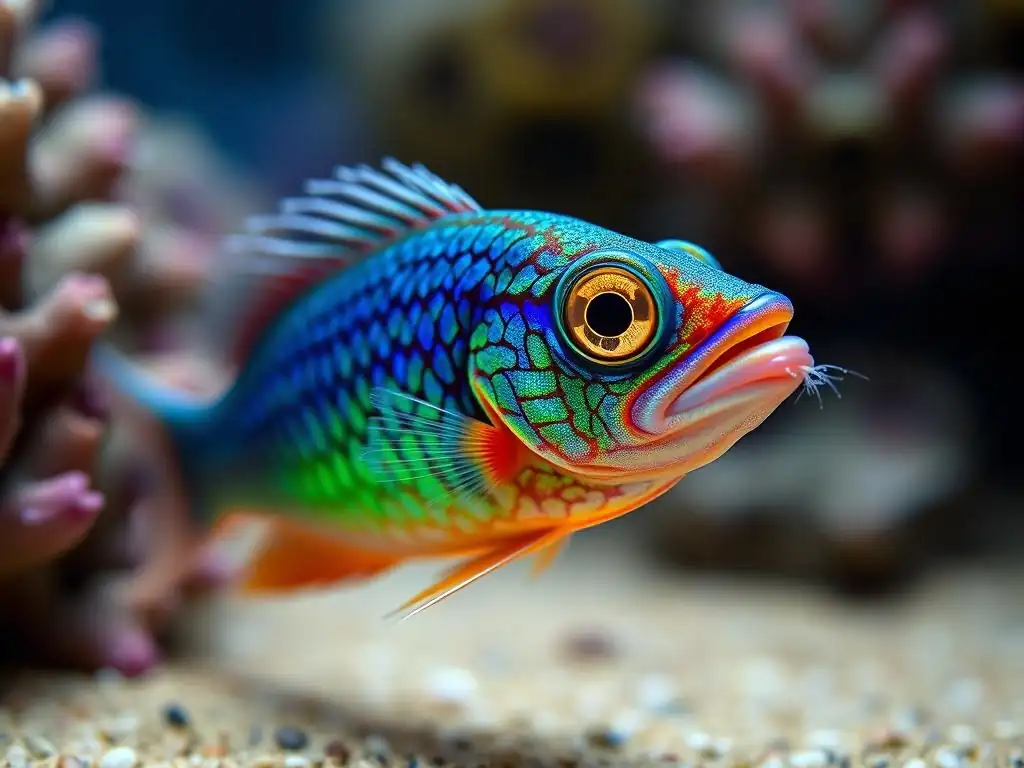
The Barnacle Blenny ( Acanthemblemaria maria): A Tiny Tank Specialist
The Barnacle Blenny is a fascinating and diminutive species, typically reaching an adult size of only 1.5 to 2 inches. Unlike many other blennies, it is a "tube blenny," meaning it spends most of its time perched within the safety of an empty barnacle shell or a small, similarly shaped crevice in the rockwork.
This sedentary nature and tiny footprint make it an excellent candidate for even the smallest of nano tanks, often thriving in systems as modest as 5 to 10 gallons. Their unique behavior of popping out of their homes to observe their surroundings adds a captivating element to the aquarium.
While not a primary large-algae scraper like a Lawnmower Blenny, the Barnacle Blenny contributes to the nano tank cleanup crew by meticulously picking at microalgae, biofilm, and detritus immediately surrounding its chosen dwelling. They are more micro-predators, actively hunting copepods and other small crustaceans that might inhabit the rockwork. Their presence helps maintain the cleanliness of localized areas and contributes to the overall biological balance by consuming small nuisance organisms, making them a unique and valuable addition for specific niche cleaning.
Barnacle Blenny Care Requirements for Nano Tanks
Barnacle Blennies require a stable nano tank environment with specific housing provisions. A minimum tank size of 5 gallons is often cited, though 10 gallons provides more stability. The most crucial aspect of their setup is providing multiple empty barnacle shells, small PVC tubes, or appropriately sized holes in live rock where they can reside. Without suitable housing, they become stressed and vulnerable. They thrive in typical reef parameters: temperature between 72-78°F (22-26°C), salinity of 1.023-1.026, and a pH of 8.1-8.4.
Maintaining stable water quality is paramount for these sensitive, small fish. Regular, small water changes (e.g., 10% weekly) are recommended to keep nitrates and phosphates low, preventing excessive algae growth that could overwhelm their limited grazing capacity. While they prefer a mature tank with established microfauna, their low bioload means they don't significantly impact water parameters, making them a relatively low-maintenance choice once their housing needs are met.
Barnacle Blenny Diet and Algae Grazing Habits
The primary diet of the Barnacle Blenny in captivity should consist of small, meaty foods. They readily accept enriched brine shrimp, mysis shrimp, cyclop-eeze, and other finely chopped marine preparations. While they will pick at some biofilm and microalgae around their home, their contribution to broad algae control is minimal compared to other blenny species. Their main "cleanup" role comes from consuming detritus and small invertebrates that live on the rockwork.
It is important not to rely solely on a Barnacle Blenny for significant algae removal. Instead, consider them a unique addition that targets specific micro-niches and adds character. Supplemental feeding is essential, typically once or twice daily, ensuring the food particles are small enough for their diminutive mouths and delivered close to their dwelling. Observing their feeding response will help confirm they are getting adequate nutrition, preventing issues like starvation in a clean nano tank.
The Bicolor Blenny ( Ecsenius bicolor): A Colorful Algae Consumer
The Bicolor Blenny is a highly popular and visually striking species, known for its distinct coloration typically featuring a dark front half and a lighter, often orange or yellow, rear half. Growing up to 4 inches in length, this blenny is a robust and active inhabitant suitable for larger nano tanks, generally requiring a minimum of 20 gallons to provide adequate space and stable water conditions. Their inquisitive nature and constant movement make them an engaging addition to any reef display.
These blennies are primarily herbivorous, making them excellent candidates for a nano tank blenny cleanup crew. They spend a significant portion of their day actively grazing on various types of nuisance algae, including diatoms, film algae, and some forms of green hair algae. Their continuous scraping motion helps prevent these common algae types from taking over rockwork and glass, contributing significantly to the overall cleanliness and aesthetic appeal of the aquarium.
Bicolor Blenny Care Requirements for Nano Tanks
Bicolor Blennies are relatively hardy and adaptable, making them a good choice for aquarists with some experience in nano reef keeping. A minimum tank size of 20 gallons is recommended to accommodate their adult size and provide sufficient grazing surfaces. They require ample live rock with numerous crevices, caves, and holes, which serve as both hiding spots and perching locations. Good water flow is also beneficial, mimicking their natural reef environment.
Maintaining stable reef parameters is crucial for their long-term health: temperature between 72-78°F (22-26°C), salinity of 1.023-1.026, and a pH of 8.1-8.4. While generally peaceful, they can be territorial towards other blennies or fish with similar body shapes, especially in smaller tanks. Therefore, it is typically advised to keep only one Bicolor Blenny per nano aquarium unless the tank is exceptionally large and offers distinct territories.
Bicolor Blenny Diet and Algae Grazing Habits
The Bicolor Blenny's diet primarily consists of microalgae and filamentous algae that they scrape from live rock and tank surfaces. Their specialized comb-like teeth are highly efficient at removing these unsightly growths. They are constant grazers, diligently working to keep surfaces clean throughout the day, which is why they are considered effective members of a nano tank blenny cleanup crew.
Despite their active grazing, supplemental feeding is often necessary, especially in tanks where algae levels become low. They readily accept a variety of prepared foods, including spirulina flakes, marine pellets, and dried seaweed (nori) clipped to a rock or glass. Offering a diverse diet ensures they receive all necessary nutrients and prevents starvation, which can occur if they completely deplete the natural algae supply in a smaller tank.
The Tailspot Blenny ( Ecsenius stigmatura): A Hardy and Effective Algae Eater
The Tailspot Blenny is a small, endearing species, typically reaching an adult size of about 2.5 inches. Its distinctive black spot at the base of its tail, combined with its mottled brown and white body, provides excellent camouflage among live rock. This species is exceptionally well-suited for true nano tanks, comfortably thriving in systems as small as 10 to 15 gallons, making it one of the best choices for a dedicated nano tank blenny cleanup crew. Their relatively small size and engaging behavior, often perching on rocks and observing their surroundings, add significant character to a miniature reef.
The Tailspot Blenny is a highly effective and diligent algae grazer. Their natural diet consists primarily of diatoms and various forms of green filamentous algae, which they continuously pick and scrape from the surfaces of live rock, sand, and tank glass. Their constant foraging helps to keep these common nuisance algae in check, contributing to a cleaner and healthier aquarium environment. They are particularly adept at targeting smaller, more pervasive algae patches that might be overlooked by other grazers.
Tailspot Blenny Care Requirements for Nano Tanks
Tailspot Blennies are renowned for their hardiness and adaptability, making them an excellent choice for both beginner and experienced nano reef keepers. A minimum tank size of 10 gallons is generally sufficient for a single specimen, provided there is ample live rock with numerous hiding spots and perching areas. They appreciate a well-established tank where biofilm and microalgae have had time to develop naturally. Standard reef water parameters are suitable: temperature between 72-78°F (22-26°C), salinity of 1.023-1.026, and a pH of 8.1-8.4.
Unlike some other blennies, Tailspot Blennies are generally very peaceful and less prone to territorial aggression, even towards similar-looking fish, though it's still best to house only one blenny per nano tank unless the system is quite large with distinct territories. Their small bioload and active grazing contribute positively to the tank's stability, making them a low-impact yet high-value addition to a nano tank cleanup crew.
Tailspot Blenny Diet and Algae Grazing Habits
The Tailspot Blenny is primarily herbivorous, with a strong preference for microalgae, diatoms, and certain types of green hair algae. They are constant grazers, spending their day meticulously picking at every available surface in the aquarium. This continuous grazing action makes them highly effective at controlling the initial stages of algae outbreaks and maintaining a consistently low level of nuisance algae, often preventing larger blooms from occurring.
While their natural diet is extensive, it is advisable to supplement their feeding, especially in very clean tanks where natural algae sources might be limited. They readily accept high-quality spirulina flakes, marine pellets, and small pieces of dried nori. Offering supplemental food two to three times a week ensures they receive a balanced diet and remain healthy, particularly when they have successfully completed their initial "nano tank blenny cleanup" efforts and natural algae supplies diminish.
The Lawnmower Blenny ( Salarias fasciatus) - Considerations for Larger Nano Tanks
The Lawnmower Blenny, sometimes called the Algae Blenny, is arguably the most famous algae-eating blenny, known for its insatiable appetite and effective grazing. Reaching an adult size of up to 5 inches, this species is a true powerhouse when it comes to algae control. However, despite its popularity, it is crucial to understand that the Lawnmower Blenny is not suitable for all nano tanks. Its size and voracious grazing habits necessitate a larger system, generally a minimum of 30 gallons, to ensure its long-term health and provide sufficient natural food sources.
These blennies are relentless grazers, constantly moving across rockwork and glass, scraping off virtually any type of filamentous algae, diatoms, and even some tougher green algae. Their broad, comb-like teeth are incredibly efficient at removing substantial quantities of algae, making them an unparalleled choice for controlling widespread algae issues in appropriate-sized systems. Their presence can dramatically transform an algae-ridden tank into a much cleaner and more aesthetically pleasing environment, acting as the ultimate "nano tank blenny cleanup" specialist for larger setups.
Lawnmower Blenny Care Requirements for Nano Tanks (Minimum Size)
Due to their adult size and significant dietary needs, Lawnmower Blennies require a minimum tank size of 30 gallons. While some sources suggest 20 gallons, this often proves to be too small in the long run, leading to starvation once the initial algae bloom is consumed. A mature tank, established for at least 6 months, is essential, as it will have a well-developed ecosystem of live rock with naturally occurring algae and biofilm for the blenny to graze upon. They also require ample rockwork with numerous crevices for hiding and perching.
Maintaining stable and pristine water parameters is crucial for their well-being: temperature between 72-78°F (22-26°C), salinity of 1.023-1.026, and a pH of 8.1-8.4. While generally peaceful towards other fish, Lawnmower Blennies can be territorial towards conspecifics or other blennies, especially in smaller tanks. Therefore, it is strongly recommended to keep only one Lawnmower Blenny per aquarium unless it is a very large system (100+ gallons) with extensive territories.
Lawnmower Blenny Diet and Algae Grazing Habits: A Voracious Appetite
The Lawnmower Blenny's diet is almost exclusively herbivorous, focusing intensely on various types of algae. They are incredibly efficient at removing film algae, diatoms, and most forms of green hair algae. Their common name is well-earned, as they literally "mow down" algae from all accessible surfaces. This makes them one of the most effective natural solutions for significant algae problems, especially in larger nano or small reef tanks.
However, their voracious appetite means that once the initial algae bloom is cleared, they can quickly deplete the natural food supply in a smaller tank, leading to starvation. Therefore, supplemental feeding is almost always necessary for a Lawnmower Blenny in captivity. High-quality spirulina flakes, marine pellets, and particularly dried seaweed (nori) clipped to the tank glass or rockwork should be offered daily. Monitoring their body condition, especially a sunken belly, is crucial to ensure they are receiving adequate nutrition after their successful "nano tank blenny cleanup" efforts.
Choosing the Right Blenny for Your Nano Tank: Key Considerations
Tank Size and Capacity: Matching Blenny Size to Tank Volume
Selecting the appropriate blenny species for your nano tank begins with a critical assessment of your aquarium's size and capacity. It's imperative to consider the blenny's adult size, not just its size at the time of purchase, to ensure it has adequate space for long-term health and well-being.
For instance, a Tailspot Blenny, which typically reaches 2.5 inches, is well-suited for a 10-gallon tank, whereas a Lawnmower Blenny, growing up to 5 inches, requires a minimum of 30 gallons. Housing a blenny in an undersized tank can lead to stress, stunted growth, and increased aggression, ultimately compromising its health and the tank's stability.
Beyond the physical space, tank volume directly impacts water stability and the availability of natural food sources. Smaller tanks are more susceptible to rapid fluctuations in water parameters and can quickly become depleted of the algae that many blennies rely on. A 10-gallon tank, for example, might provide enough grazing surface for a Tailspot Blenny, but a Lawnmower Blenny would quickly strip it bare, leading to starvation. Therefore, matching the blenny's adult size and dietary needs to the tank's capacity is paramount for a successful nano tank blenny cleanup.
Algae Type: Identifying the Algae Problem and Choosing the Right Grazer
Different blenny species exhibit preferences for various types of algae, making it beneficial to identify the predominant algae problem in your tank before making a selection. For instance, if your nano tank is plagued by persistent brown diatoms or thin green film algae, a Tailspot Blenny or Bicolor Blenny would be highly effective due to their preference for these softer, more widespread growths. These species are meticulous grazers that constantly pick at surfaces, preventing new algae from taking hold.
Conversely, if your tank experiences outbreaks of tougher, more robust green hair algae, particularly in a larger nano system (30 gallons or more), a Lawnmower Blenny is often the most suitable choice. Their powerful scraping teeth and voracious appetite enable them to tackle more established and resilient algae patches. Understanding the specific type of algae you wish to control allows for a more targeted and effective approach to your nano tank blenny cleanup strategy, maximizing the blenny's impact.
Tank Mates: Ensuring Compatibility with Other Fish and Invertebrates
While most blennies are generally peaceful and make excellent community tank inhabitants, careful consideration of tank mates is essential, especially in the confined space of a nano aquarium. Blennies, particularly males, can exhibit territorial behavior towards other blennies or fish with similar body shapes and diets. For most nano tanks, it is highly recommended to introduce only one blenny to avoid potential aggression and stress, ensuring a harmonious environment for your chosen nano tank blenny cleanup crew member.
However, blennies typically coexist well with a wide array of other common nano reef inhabitants. They are generally reef-safe, meaning they will not bother corals (including LPS, SPS, and soft corals) or most invertebrates such as snails, hermit crabs, and cleaner shrimp. This compatibility allows for a diverse and effective cleanup crew, where blennies handle the algae while other invertebrates tackle detritus and uneaten food. Always introduce new fish cautiously and monitor interactions closely during the initial acclimation period.
Water Parameters: Maintaining Optimal Conditions for Blenny Health
Maintaining stable and optimal water parameters is fundamental for the health and longevity of any marine fish, including blennies in a nano tank. Given the smaller water volume of nano aquariums, parameters can fluctuate more rapidly, making diligent monitoring and consistent maintenance crucial. Blennies thrive in standard reef conditions:
- Temperature: 72-78°F (22-26°C)
- Salinity: 1.023-1.026 specific gravity
- pH: 8.1-8.4
- Alkalinity: 8-12 dKH
- Calcium: 400-450 ppm
- Magnesium: 1250-1350 ppm
Elevated levels of nitrates and phosphates can contribute to excessive algae growth, which, while providing food for blennies, can also stress the fish and corals. Regular testing using reliable kits is essential to track these parameters, and consistent weekly or bi-weekly water changes (e.g., 10-20% of tank volume) are vital for nutrient export and maintaining stability. Providing pristine water quality directly supports the blenny's immune system and overall vitality, ensuring it can effectively perform its role as a nano tank blenny cleanup specialist.
Integrating a Blenny into Your Nano Tank: Acclimation and Care Tips
Proper Acclimation Techniques for New Blennies
Proper acclimation is a critical step when introducing any new fish, especially a blenny, into your nano tank. A gradual acclimation process minimizes stress from sudden changes in water parameters (temperature, salinity, pH), which can otherwise weaken the fish's immune system and make it susceptible to disease. The drip acclimation method is highly recommended for blennies and other sensitive marine inhabitants, as it slowly equalizes the water chemistry over an extended period.
To perform drip acclimation:
- Float the sealed bag containing the blenny in your sump or tank for 15-20 minutes to equalize temperature.
- Open the bag and pour the blenny and its water into a clean container (e.g., a small bucket).
- Using airline tubing and an air valve, set up a slow drip from your display tank into the container, aiming for 1-2 drips per second.
- Allow the water volume in the container to double over 30-60 minutes.
- Carefully net the blenny and transfer it to your nano tank, discarding the water from the container. Dimming the tank lights during introduction can further reduce stress.
Providing Adequate Hiding Places and Grazing Surfaces
Blennies are naturally shy and appreciate ample hiding places within their environment. Providing a well-structured live rock aquascape with numerous crevices, caves, and holes is essential for their comfort and security. These hiding spots offer a retreat when the blenny feels threatened or simply needs a quiet place to rest. A secure environment reduces stress, which in turn strengthens their immune system and encourages natural behavior.
In addition to hiding spots, blennies require plenty of accessible surfaces for grazing. Live rock, whether natural or artificial, provides the ideal substrate for algae and biofilm to grow, serving as their primary food source. Ensure that the rockwork is stable and provides varied textures and elevations for them to explore. Flat, open rock faces and even the tank glass will become their grazing grounds, allowing your nano tank blenny cleanup crew member to continuously work on controlling algae.
Supplementing Diet When Algae Availability is Limited
While blennies are excellent algae eaters, it's crucial to understand that natural algae growth in a nano tank may not always be sufficient to sustain them, especially after they have effectively performed their initial "nano tank blenny cleanup." Over-reliance on natural algae alone can lead to starvation, particularly for voracious grazers like the Lawnmower Blenny in smaller systems. Therefore, supplemental feeding is almost always necessary to ensure their long-term health.
Offer high-quality, marine-based foods that are rich in spirulina or other vegetable matter. Excellent choices include:
- Dried seaweed (nori): Clip a small piece to the tank glass or a rock using a veggie clip.
- Spirulina flakes or pellets: Ensure they are small enough for the blenny to consume.
- Frozen marine preparations: Enriched brine shrimp, mysis shrimp, or specialized herbivore formulas can also be offered, though these should supplement their primary algae-based diet.
- Feed once daily or every other day, observing their body condition (e.g., a sunken belly indicates underfeeding) and adjusting frequency as needed.
Monitoring Water Quality and Performing Regular Water Changes
Consistent monitoring of water quality and regular water changes are foundational practices for maintaining a healthy nano reef, directly impacting the well-being of your blenny. The confined volume of nano tanks means that waste products can accumulate rapidly, leading to spikes in nitrates and phosphates, which fuel nuisance algae growth but also stress fish. Regular testing for ammonia, nitrite, nitrate, and phosphate levels using reliable test kits provides crucial insights into your tank's health.
Performing weekly or bi-weekly water changes, typically 10-20% of the tank's volume, is essential for exporting accumulated nutrients and replenishing vital trace elements. This practice helps maintain stable parameters, reduce the overall bioload, and prevent the build-up of harmful substances. Stable and pristine water conditions are critical for a blenny's immune system, allowing it to remain robust and effectively perform its role as a nano tank blenny cleanup specialist without succumbing to stress-related diseases.
Potential Challenges and Solutions with Nano Tank Blennies
Aggression Towards Other Blennies or Similar Species
While generally peaceful, blennies can exhibit territorial aggression, particularly towards members of their own species (conspecifics) or other fish with very similar body shapes and dietary requirements. This behavior is amplified in the confined space of a nano tank where escape routes and distinct territories are limited. For example, attempting to house two Lawnmower Blennies in a 30-gallon tank will almost certainly lead to dominance disputes and potential harm to the weaker individual.
Solution: The most effective solution for nano tanks is to typically house only one blenny. If you desire multiple blennies, this should only be attempted in very large aquariums (e.g., 100+ gallons) that can provide ample, distinct territories and visual barriers to break lines of sight. When selecting tank mates, avoid fish that closely resemble your blenny in shape, size, or behavior to minimize potential conflicts and ensure a peaceful environment for your chosen nano tank blenny cleanup crew.
Starvation Due to Insufficient Algae Growth
One of the most common challenges with blennies, especially highly herbivorous species like the Lawnmower Blenny, is starvation. While they are excellent algae eaters, they can quickly deplete the natural algae supply in a smaller nano tank. Once the initial algae bloom is consumed, if supplemental feeding is not consistently provided, the blenny can slowly starve, leading to a sunken belly, lethargy, and ultimately, death. This is a particular risk in newly established or overly clean tanks.
Solution: Proactive supplemental feeding is crucial. Offer high-quality spirulina flakes, marine pellets, and especially dried seaweed (nori) clipped to the tank glass daily or every other day. Observe your blenny's body condition closely; a healthy blenny should have a full, rounded belly.
If you notice signs of emaciation, increase feeding frequency and variety. For tanks with very low natural algae, consider growing algae on a separate rock in a well-lit area or refugium and rotating it into the display tank. Ensuring the tank is mature (at least 6 months old) before introducing a voracious grazer like a Lawnmower Blenny helps provide a more established food source for your nano tank blenny cleanup specialist.
Ich and Other Common Blenny Diseases: Prevention and Treatment
Like all marine fish, blennies can be susceptible to common aquarium diseases, with marine ich ( Cryptocaryon irritans) being one of the most prevalent. Stress, often induced by poor water quality, improper acclimation, or aggressive tank mates, significantly weakens a blenny's immune system, making it more vulnerable to parasitic infections. Symptoms of ich include small white spots resembling salt grains on the fish's body and fins, labored breathing, and scratching against tank decorations.
Solution:
- Prevention: The best defense is prevention. Always quarantine new blennies (and all new fish) in a separate tank for at least 3-4 weeks before introduction to the main display. Maintain pristine water quality, stable parameters, and provide a low-stress environment with adequate hiding places. A well-fed blenny with a strong immune system is less likely to contract diseases.
- Treatment: If ich occurs in the main display tank, treatment options include hyposalinity (gradually reducing salinity to 1.009-1.010), copper-based medications (use with extreme caution as copper is toxic to invertebrates and corals), or transferring the infected fish to a hospital tank for medication. Freshwater dips can offer temporary relief but are not a cure. Always research and understand treatment methods thoroughly before application, especially in a delicate nano reef environment.
Maintaining a Balanced Nano Reef Ecosystem with Blennies
The Role of Blennies in Nutrient Cycling
Blennies play a significant, albeit indirect, role in the nutrient cycling of a nano reef ecosystem. By actively grazing on nuisance algae, they physically remove biomass that has absorbed excess nitrates and phosphates from the water column. This removal prevents these nutrients from being released back into the water through algae decomposition, thereby contributing to lower overall nutrient levels. Essentially, they act as living nutrient export systems, binding undesirable compounds within their own bodies.
While blennies do produce waste, their contribution to the bioload is often outweighed by their consumption of algae. Their continuous grazing helps to maintain a cleaner tank environment, reducing the accumulation of detritus and preventing the proliferation of unsightly algae blooms. This natural approach to nutrient management complements mechanical and chemical filtration, fostering a more stable and balanced ecosystem in your nano tank.
Avoiding Overstocking and Maintaining Water Quality
The success of any nano reef, particularly one relying on a blenny for nano tank cleanup, hinges on avoiding overstocking. Every organism added to the tank contributes to the bioload, increasing the amount of waste produced and the demand on the filtration system. In the limited volume of a nano tank, overstocking quickly leads to elevated nutrient levels, poor water quality, and increased stress for all inhabitants, potentially negating the benefits of your blenny's grazing efforts.
Maintaining pristine water quality is paramount. This involves:
- Regular water changes: As previously mentioned, weekly or bi-weekly changes (10-20%) are crucial for nutrient export.
- Effective filtration: Utilizing a protein skimmer (if space allows), robust mechanical filtration (filter floss), and biological filtration (live rock, bio-media) helps process waste.
- Responsible feeding: Avoid overfeeding, as uneaten food quickly breaks down into pollutants.
- By adhering to sensible stocking levels and diligent water quality management, you create an environment where your blenny can thrive and effectively contribute to the tank's health.
Integrating Blennies with Other Cleanup Crew Members
Blennies are powerful algae eaters, but they are most effective as part of a diverse and complementary cleanup crew. No single organism can completely manage all forms of waste and algae in a reef tank. By combining the strengths of different species, you create a comprehensive and efficient team that addresses various aspects of tank cleanliness.
Consider integrating your chosen nano tank blenny cleanup specialist with:
- Herbivorous snails: Species like Trochus, Astrea, or Nerite snails are excellent at consuming diatoms and film algae on glass and rockwork, often reaching spots a blenny might miss.
- Hermit crabs: Dwarf blue leg or scarlet hermit crabs consume detritus, uneaten food, and some forms of nuisance algae.
- Cleaner shrimp: While not algae eaters, shrimp like Peppermint or Skunk Cleaner shrimp contribute by consuming detritus and parasites, further enhancing the tank's overall health.
By strategically combining these different cleanup crew members, you establish a robust and natural system for waste management, ensuring a healthier and more aesthetically pleasing nano reef.
Conclusion: Harnessing the Power of Blennies for a Thriving Nano Reef
The Benefits of a Natural Algae Control Strategy
Embracing a natural algae control strategy by incorporating a well-chosen blenny into your nano reef offers numerous benefits beyond mere aesthetics. Blennies provide a continuous, proactive solution to nuisance algae, reducing the reliance on chemical treatments or excessive manual scrubbing. Their constant grazing activity helps to stabilize nutrient levels by removing algae biomass, contributing to a more balanced and resilient ecosystem.
This biological approach fosters a healthier environment for corals and other invertebrates, mimicking the natural processes found on a thriving coral reef. Ultimately, a natural algae control strategy with a dedicated nano tank blenny cleanup crew promotes a more sustainable and less labor-intensive approach to aquarium maintenance.
Choosing the Right Blenny for a Healthy and Balanced Nano Tank.
Selecting the optimal blenny for your nano tank is a decision that significantly impacts the long-term health and visual appeal of your miniature reef. It requires careful consideration of the blenny's adult size, its specific dietary preferences for algae types, and its compatibility with your existing tank inhabitants and overall tank volume.
Whether you opt for the diligent Tailspot Blenny for a 10-gallon system, the colorful Bicolor Blenny for a 20-gallon tank, or the voracious Lawnmower Blenny for a larger 30-gallon setup, a thoughtful choice ensures a thriving addition. When integrated properly and provided with diligent care, a blenny can become an invaluable member of your nano tank cleanup crew, transforming your aquarium into a vibrant, algae-free underwater masterpiece.
Frequently Asked Questions
What is a nano tank, and why is a cleanup crew important?
A nano tank is a very small aquarium, typically under 30 gallons. A cleanup crew is vital because these smaller tanks are more susceptible to algae buildup and nutrient imbalances.
What makes blennies good candidates for a nano tank cleanup crew?
Blennies are often small, peaceful fish that naturally graze on algae. Their algae-eating habits make them excellent for controlling unwanted growth in a confined space.
Which blenny species are specifically recommended for nano tank algae control?
Some popular choices include the Lawnmower Blenny (though watch size in very small tanks), the Tailspot Blenny, and the Bicolor Blenny. These species are generally known for their effective algae-eating abilities.
Are there any potential downsides to keeping blennies in a nano tank?
Yes, some blennies can become territorial or outgrow nano tanks, so careful species selection and monitoring are crucial. Also, supplement their diet with algae wafers if natural algae is insufficient.
How many blennies should I add to my nano tank for effective algae control?
Generally, only one blenny should be kept per nano tank due to their potential territoriality. Overcrowding can lead to stress and aggression.
Final Reflection: Embracing the Tiny Titans of the Reef
The exploration of blennies as nano tank cleanup heroes underscores a vital truth: even the smallest creatures can play monumental roles in maintaining delicate ecosystems. In a world increasingly focused on sustainability and responsible aquarium keeping, understanding and utilizing these algae-eating powerhouses becomes not just a hobbyist pursuit, but a contribution to the health and longevity of our miniature reef environments.
The impact of these tiny blennies extends beyond the confines of our glass boxes. Their effectiveness in controlling algae blooms highlights the power of natural solutions and the importance of biodiversity, even at a micro-level. In nature, nothing exists alone.
- Rachel Carson. This quote resonates deeply when considering the intricate web of life within a nano tank, where each blenny contributes to a balanced and thriving community.
As you consider adding one of these algae-eating blennies to your nano tank, remember that you are not just acquiring a pet, but becoming a steward of a miniature ecosystem. Take the time to research their specific needs, observe their behavior, and appreciate the crucial role they play. By embracing these tiny titans, you are not only creating a cleaner, healthier environment for your other aquatic inhabitants, but also fostering a deeper connection with the wonders of the natural world.
Unleash the Blenny Brigade!
Thank you for diving into the world of blennies and nano tank maintenance! Now that you're equipped with the knowledge of these algae-eating heroes, it's time to take action and create a thriving ecosystem.
Here are some next steps to help you maximize the benefits of blennies in your nano aquarium:
- Select the Perfect Blenny: Carefully research and choose a blenny species that best suits your tank size and existing inhabitants. This will ensure a peaceful and effective cleanup crew!
- Explore Complementary Algae Eaters: Research other nano-friendly algae eaters, like snails or shrimp, to diversify your cleanup crew and tackle different types of algae.
- Share Your Success: Post photos and updates of your blenny and nano tank on social media, using #AquariumMastery and sharing your experience with fellow hobbyists.
What specific type of algae is causing you the biggest headache in your nano tank, and how do you think a blenny could help solve it?