
The Impact of Water Flow Rate on Cardinalfish Comfort and Health

Welcome to Aquarium Mastery!
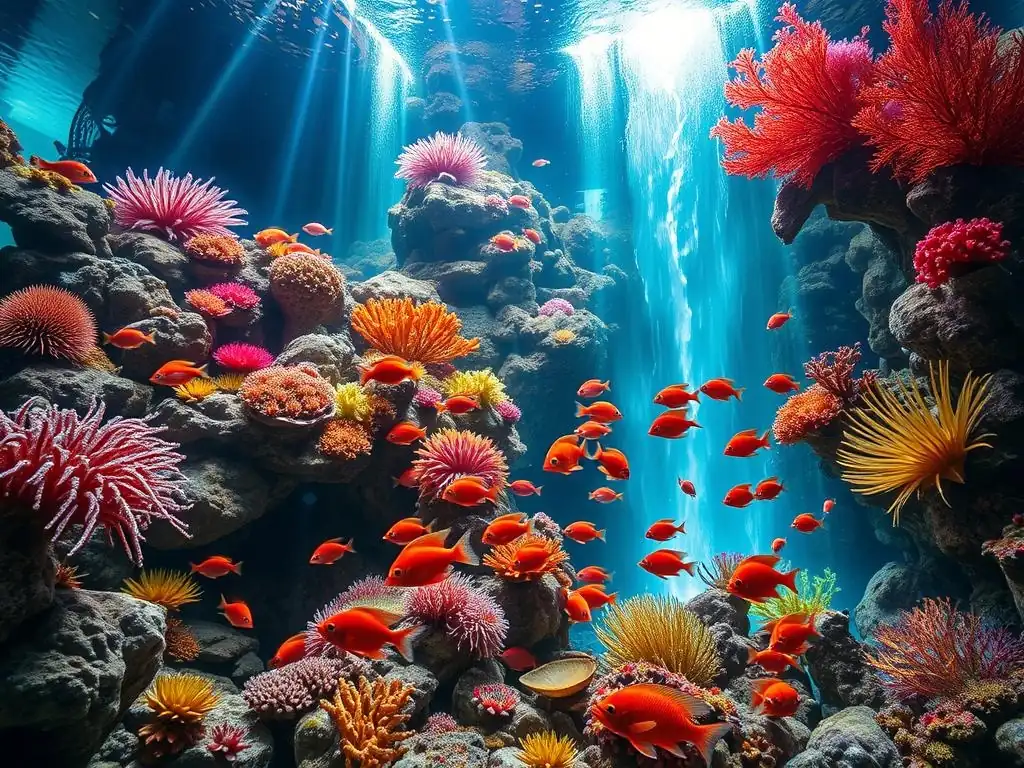
Ever wondered if your Cardinalfish are truly thriving in your saltwater aquarium? Dive deep with us as we unravel the secrets to optimal Cardinalfish water flow rate. Discover how the right current can dramatically impact their comfort, health, and overall well-being. Ready to ensure your Cardinalfish are living their best aquatic lives? Let's explore!
- Understanding Water Flow Requirements for Cardinalfish
- Cardinalfish and Inadequate Water Flow: Potential Problems
- Cardinalfish and Excessive Water Flow: Potential Problems
- Achieving Optimal Water Flow for Cardinalfish: A Balanced Approach
- Equipment for Managing Water Flow in Cardinalfish Aquariums
- Optimizing Water Quality Through Proper Water Flow for Cardinalfish
- Case Studies: Water Flow and Cardinalfish Health
- Conclusion: Prioritizing Water Flow for Thriving Cardinalfish
-
Frequently Asked Questions
- How does water flow rate affect Cardinalfish in an aquarium?
- What is the ideal water flow rate for a Cardinalfish tank?
- What happens if the water flow is too low in a Cardinalfish aquarium?
- What are the signs that the water flow is too strong for my Cardinalfish?
- How can I adjust the water flow rate in my Cardinalfish aquarium?
- Final Reflection: Navigating the Currents of Cardinalfish Well-being
- Transform Your Aquarium: Cultivate Thriving Cardinalfish!
Understanding Water Flow Requirements for Cardinalfish
Why Water Flow Matters for Cardinalfish in Reef Tanks
Water flow is a fundamental environmental factor in any aquatic ecosystem, playing a critical role far beyond simply moving water around. In a reef tank, it is essential for gas exchange, facilitating the vital process of oxygenation and carbon dioxide removal, which directly impacts the respiration of all inhabitants. Furthermore, water movement is crucial for nutrient transport, ensuring that essential elements and food particles are distributed throughout the aquarium, reaching corals and fish alike, while also aiding in the removal of metabolic waste products.
For Cardinalfish, specifically, the appropriate Cardinalfish water flow rate is paramount for their comfort and long-term health. These fish have evolved in specific natural habitats with characteristic water movements, and replicating these conditions in captivity minimizes stress and promotes natural behaviors. An optimal flow rate encourages schooling, facilitates efficient feeding by keeping food particles suspended, and can even play a role in their breeding behaviors, contributing significantly to their overall vitality and longevity within the aquarium environment.
Natural Habitat of Cardinalfish and Flow Rate Preferences
Cardinalfish species originate from diverse marine environments, predominantly tropical and subtropical coral reefs, but their specific microhabitats within these reefs vary. Many popular aquarium species, such as the Banggai Cardinalfish (Pterapogon kauderni), are found in extremely sheltered areas, often among the spines of sea urchins (like Diadema setosum) or within the intricate branches of staghorn corals (Acropora). These specific niches are characterized by very low to gentle water movement, providing protection from strong currents and predators.
Similarly, the Pajama Cardinalfish (Sphaeramia nematoptera) typically inhabits calm, turbid lagoons and seagrass beds, where water flow is consistently gentle. They often congregate near rocky outcrops, corals, or other structures that offer shelter from direct currents. Understanding these natural preferences for a low to moderate Cardinalfish water flow rate is crucial for aquarists, as it guides the setup of an aquarium that genuinely mimics their native environment, thereby reducing stress and promoting natural behaviors.
Different Cardinalfish Species and Their Ideal Water Flow
While all Cardinalfish generally prefer calmer waters compared to many other reef fish, there are subtle differences between species that aquarists should consider. The Banggai Cardinalfish (Pterapogon kauderni) is perhaps the most sensitive to high flow, thriving in areas with very gentle, diffuse water movement, often described as less than 0.5 body lengths per second. Their delicate fins and slow-moving nature make them ill-suited for vigorous currents, which can cause significant stress and physical injury.
Pajama Cardinalfish (Sphaeramia nematoptera) also prefer gentle to moderate flow, typically found in areas where the water moves at a speed of around 1-2 body lengths per second. They are slightly more robust than Banggais but still benefit from a Cardinalfish water flow rate that allows them to swim effortlessly without being constantly pushed around. Other species, like the Yellow-striped Cardinalfish (Apogon cyanosoma), might tolerate slightly more varied flow but still generally favor areas with less direct current, emphasizing the need for tailored flow conditions within a mixed reef setup.
Cardinalfish and Inadequate Water Flow: Potential Problems
Signs of Stress in Cardinalfish Due to Low Water Flow
Inadequate Cardinalfish water flow rate can manifest in several observable signs of stress. Cardinalfish in low-flow environments may appear lethargic, exhibiting reduced swimming activity and often hiding excessively in corners or behind decorations. Unlike their natural, active schooling behavior, they might become sluggish, spending prolonged periods motionless or with clamped fins, indicating discomfort or illness. Rapid gill movement, even in seemingly calm water, can also be a sign of low dissolved oxygen, a common issue in stagnant areas.
Physiologically, low water flow leads to poor oxygenation and the accumulation of metabolic waste products, such as ammonia and nitrates, in localized areas. These conditions directly stress the fish's gills, impairing their ability to absorb oxygen and excrete waste, thus compromising their overall metabolic function. This chronic stress can weaken their immune system, making them more susceptible to diseases and leading to a decline in their vibrant coloration and natural behaviors.
Impact of Poor Circulation on Cardinalfish Health
Poor water circulation in a Cardinalfish aquarium can have profound negative impacts on their health. Stagnant areas within the tank allow detritus, uneaten food, and fish waste to accumulate, creating anaerobic pockets where harmful bacteria can thrive. This breakdown of organic matter leads to elevated levels of nitrates, and potentially even ammonia and nitrites if the biological filter is compromised, all of which are highly toxic to sensitive fish like Cardinalfish.
The long-term consequences of such conditions include chronic stress, which significantly weakens the fish's immune system. This makes them highly susceptible to a range of issues, including bacterial infections, fin rot, and internal organ damage. Furthermore, persistent exposure to poor water quality can stunt their growth, reduce their lifespan, and diminish their natural vibrancy. Maintaining an appropriate Cardinalfish water flow rate is therefore not just about comfort but is a critical component of their overall physiological well-being and disease prevention.
Increased Risk of Disease in Low-Flow Environments for Cardinalfish
A low Cardinalfish water flow rate directly correlates with an increased risk of disease outbreaks. Stagnant water conditions create an ideal breeding ground for various pathogens, including protozoan parasites like marine Ich (Cryptocaryon irritans) and velvet (Amyloodinium ocellatum), as well as harmful bacteria. Without adequate water movement, these disease-causing organisms are not effectively diluted or swept into the filtration system, allowing their concentrations to reach infective levels.
For instance, fin rot, a common bacterial infection, often proliferates in environments where fish are stressed and water quality is poor due to lack of circulation. Similarly, external parasites like Ich can more easily latch onto fish that are already weakened by chronic stress from low oxygen levels and accumulated toxins. The compromised immune system of Cardinalfish living in such conditions makes them less able to fight off infections, turning what might be a minor pathogen exposure into a full-blown disease outbreak that can affect the entire tank population.
Cardinalfish and Excessive Water Flow: Potential Problems
Identifying Signs of Stress from High Water Flow in Cardinalfish
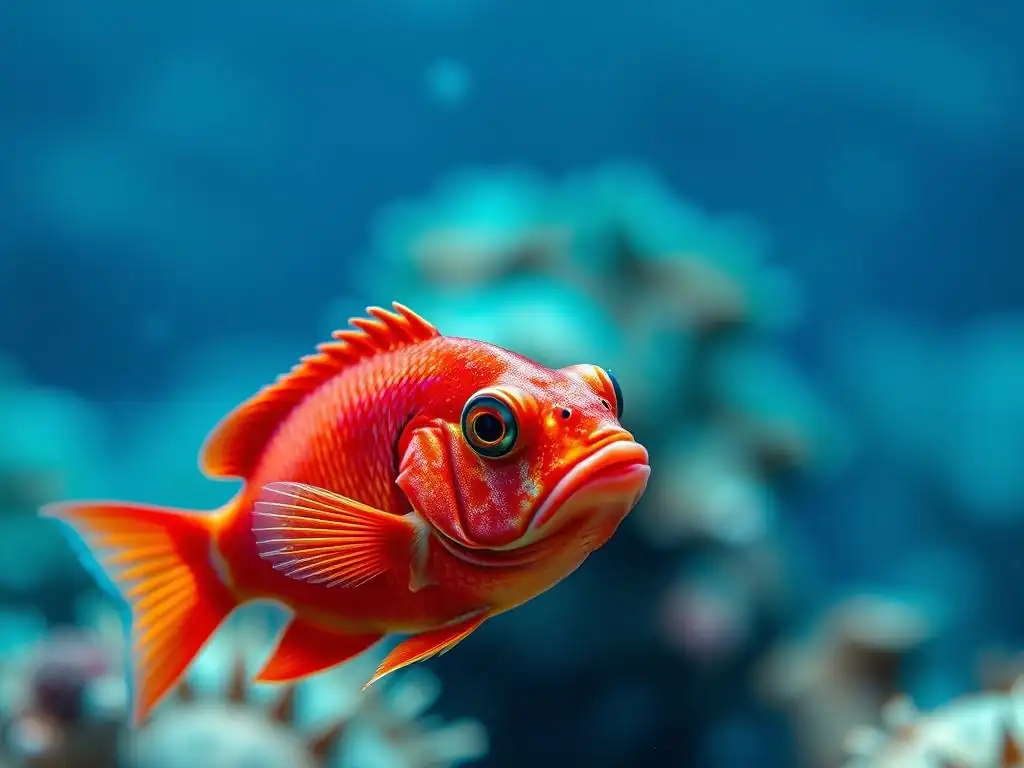
Just as too little flow is detrimental, an excessive Cardinalfish water flow rate can also cause significant stress. Cardinalfish exposed to strong currents will often exhibit signs of constant struggle, having difficulty maintaining their position in the water column. They may display rapid breathing (gilling) as their bodies work harder to cope with the physical exertion. A common behavioral indicator is excessive hiding in "dead spots" or sheltered areas behind rockwork, refusing to venture into open water where the current is strongest.
Physically, prolonged exposure to strong currents can lead to exhaustion, resulting in weight loss due to the high energy expenditure required for constant swimming. Their fins might appear clamped or even torn from scraping against tank decorations or being continuously buffeted by the current. Unlike their natural, graceful movements, they might appear to be "blown around" aimlessly, unable to exhibit their typical schooling or foraging behaviors, all of which indicate severe discomfort and stress.
The Effects of Strong Currents on Cardinalfish Feeding Habits
An excessive Cardinalfish water flow rate can severely disrupt their feeding habits, leading to malnutrition and a decline in overall health. Cardinalfish are often slow, deliberate feeders, and in strong currents, small food particles are rapidly swept away before the fish can effectively capture them. This means they may miss out on crucial nutrition, even if food is offered regularly. The constant effort to maintain position also diverts energy away from foraging.
For example, if flakes or small pellets are introduced, they might be immediately dispersed or pushed into corals or overflow boxes, becoming inaccessible to the Cardinalfish. This consistent difficulty in feeding can lead to chronic undernourishment, manifesting as stunted growth, reduced vibrancy, and a weakened immune system. Over time, this can make them more susceptible to diseases and reduce their lifespan, highlighting the critical balance needed in their aquatic environment.
Potential Injuries to Cardinalfish from Strong Water Flow
Beyond chronic stress and feeding issues, an excessive Cardinalfish water flow rate poses a direct risk of physical injury. Cardinalfish, particularly the Banggai Cardinalfish with their elongated fins, are not built for powerful currents. When constantly struggling against strong water movement, they can become exhausted and lose control, leading to collisions with tank walls, rockwork, or other aquascaping elements. This can result in abrasions, torn fins, or even internal injuries.
Furthermore, in extreme cases, strong currents can pin Cardinalfish against overflow weirs, powerhead intakes, or even the glass, causing severe trauma or death. Even less severe, repeated physical stress from battling the current can lead to chronic fin erosion or bacterial infections where skin is damaged. Such injuries not only cause immediate harm but also make the fish vulnerable to secondary infections, requiring careful observation and immediate adjustment of flow to prevent further harm.
Achieving Optimal Water Flow for Cardinalfish: A Balanced Approach
Determining the Appropriate Flow Rate for Your Cardinalfish Tank
Determining the appropriate Cardinalfish water flow rate for your aquarium involves a combination of general guidelines and careful observation. While specific flow rates vary by species, a general starting point for most Cardinalfish is a gentle to moderate turnover, often between 5 to 10 times the tank volume per hour. However, this is merely a baseline. The most crucial aspect is observing your fish's behavior. Cardinalfish should be able to swim effortlessly, without struggling against the current, and exhibit natural schooling and feeding behaviors.
Consider your tank's aquascaping as well. Well-placed rockwork, live rock, or coral structures can create natural sheltered areas and reduce direct current, providing zones where Cardinalfish can rest and feel secure, even in a tank with overall higher flow. Aim to create varied flow zones, ensuring there are calmer areas where they can retreat, while still maintaining sufficient overall circulation to prevent detritus buildup. This balanced approach caters to their need for gentle water movement while supporting overall tank health.
Water Flow Measurement and Adjustment Techniques for Reef Aquariums
While precise flow meters are available for advanced hobbyists, most aquarists can effectively measure and adjust Cardinalfish water flow rate through visual observation and simple techniques. Observing the movement of detritus or small food particles throughout the tank can give a good indication of flow patterns and areas of stagnation or excessive current. A turkey baster can also be used to release a small puff of inert material (like finely crushed food) to visualize water movement.
To adjust flow, consider the type of equipment. If using fixed-speed powerheads, repositioning them to bounce flow off tank walls or rockwork can help diffuse direct currents. For variable-speed powerheads or wave makers, which are highly recommended for Cardinalfish tanks, gradually adjust the settings to find the optimal level where fish are comfortable. Using diffusers or random flow generators (RFG nozzles) on pump outlets can also help break up strong laminar flow into more chaotic, gentle patterns that mimic natural reef turbulence without being overly powerful.
Balancing Water Flow for Cardinalfish with Other Tank Inhabitants
In a mixed reef aquarium, balancing the Cardinalfish water flow rate with the needs of other inhabitants, especially corals, can be a challenge. SPS corals (e.g., Acropora, Montipora) typically require high, turbulent flow, while LPS corals (e.g., Euphyllia, Acanthastrea) prefer moderate flow, and soft corals (e.g., zoanthids, mushrooms) generally thrive in gentle to moderate conditions. Cardinalfish, with their preference for calmer waters, can be accommodated through strategic planning.
The key is to create distinct flow zones within the aquarium. Place high-flow-loving corals in areas directly exposed to strong powerhead output, while positioning Cardinalfish-friendly calmer zones in areas shielded by rockwork, at lower levels, or near the back of the tank where flow is diffused. Using multiple, smaller powerheads rather than one large one allows for more precise control and the creation of varied micro-environments. By carefully planning aquascaping and powerhead placement, it is possible to meet the diverse flow requirements of all your tank's inhabitants, ensuring a thriving ecosystem.
Equipment for Managing Water Flow in Cardinalfish Aquariums
Powerheads and Wave Makers: Choosing the Right Options
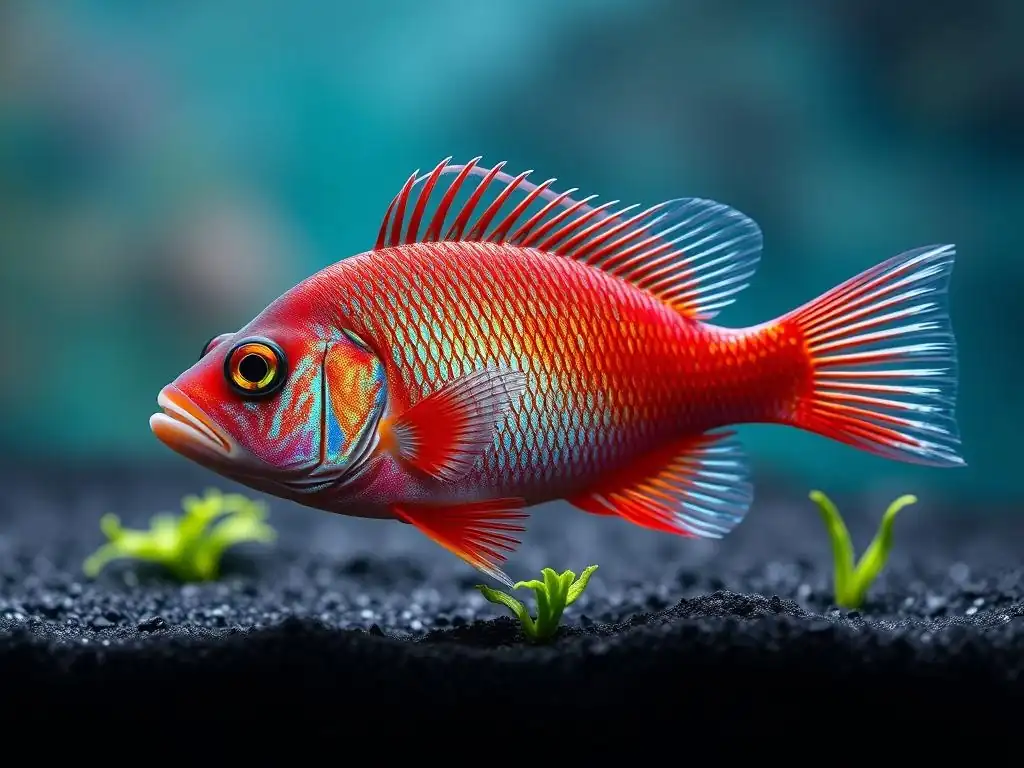
Selecting the appropriate equipment is crucial for managing the Cardinalfish water flow rate effectively. For Cardinalfish aquariums, fixed-flow powerheads can be used, but variable-speed powerheads or wave makers are highly recommended. Variable-speed models, such as those from Ecotech Marine (Vortech MP10/MP20) or Jebao/Jecod (SW/SLW series), offer precise control over flow intensity, allowing aquarists to fine-tune the output to create gentle, diffuse currents.
Wave makers, which create oscillating or random flow patterns, are particularly beneficial as they mimic the natural ebb and flow of reef environments without subjecting fish to constant, unidirectional blasts. When choosing, look for models with wide-angle flow, which spreads the water movement more broadly rather than in a narrow jet. Magnetic mounts simplify repositioning, and quiet operation is a bonus. Brands like Tunze also offer excellent options, often with diffusers that help soften the flow, making them ideal for Cardinalfish comfort.
Controlling and Directing Water Flow for Cardinalfish Comfort
Effective control and direction of water flow are paramount to ensuring the Cardinalfish water flow rate is comfortable. The primary rule is to avoid pointing powerheads directly at the fish or their preferred resting spots. Instead, aim powerheads towards the back glass, side walls, or rockwork. This strategy allows the water to bounce off surfaces, creating a more diffuse, indirect, and chaotic flow pattern that is less stressful than a direct laminar current.
Utilizing accessories can significantly enhance flow management. Flow directors, such as those that can be attached to powerhead outputs, help to spread or redirect the water stream. Random flow generators (RFG nozzles) are particularly effective at breaking up strong, linear flow into a randomized, gentle turbulence, which is highly beneficial for Cardinalfish. Diffusers, often included with powerheads or available separately, can also soften the water output, making the current less harsh and more suitable for these delicate fish.
Water Flow Maintenance and Monitoring for a Healthy Reef Environment
Maintaining optimal Cardinalfish water flow rate is an ongoing process that requires regular maintenance and diligent monitoring. Powerheads and wave makers can accumulate algae, detritus, and calcium deposits over time, which reduces their efficiency and can alter flow patterns. Regular cleaning (e.g., monthly soaking in a vinegar solution) is essential to ensure they operate at peak performance and deliver the intended flow. Always check for any obstructions in the impeller or housing that might impede water movement.
Beyond equipment maintenance, continuous observation of your Cardinalfish is the most reliable monitoring tool. Any changes in their behavior—such as increased hiding, rapid gilling, difficulty swimming, or refusal to feed—should prompt an immediate review of your tank's water flow. These signs are often the first indicators that the current flow rate is no longer suitable. Adjusting powerhead settings or repositioning them based on these observations ensures that your Cardinalfish remain comfortable and healthy in their reef environment.
Optimizing Water Quality Through Proper Water Flow for Cardinalfish
The Role of Water Flow in Oxygenation and Waste Removal
Proper Cardinalfish water flow rate is intrinsically linked to superior water quality, primarily through its critical role in oxygenation and waste removal. Adequate surface agitation, created by well-distributed water flow, facilitates efficient gas exchange between the aquarium water and the air. This process ensures a continuous supply of dissolved oxygen, vital for the respiration of Cardinalfish and all other aquatic life, while also expelling carbon dioxide, which can accumulate and lower pH if not removed.
Furthermore, water flow plays a crucial role in preventing the buildup of detritus and organic waste. By keeping particulate matter suspended in the water column, it allows mechanical filtration (e.g., filter socks, sponges, protein skimmers) to effectively capture and remove these materials before they break down into harmful compounds like ammonia, nitrites, and nitrates. Without sufficient flow, waste settles in dead spots, leading to localized areas of poor water quality that can significantly stress Cardinalfish and compromise their health.
How Water Flow Impacts the Biological Filter in a Cardinalfish Tank
The effectiveness of the biological filter, the cornerstone of water quality in any aquarium, is profoundly impacted by water flow. Beneficial nitrifying bacteria, which colonize live rock, bio-balls, ceramic rings, and other filter media, require a constant supply of oxygen and the very compounds they are meant to neutralize (ammonia and nitrite) to thrive. Adequate Cardinalfish water flow rate ensures that oxygen-rich water, laden with these nitrogenous wastes, is continuously delivered to the bacterial colonies.
In areas with poor circulation or stagnant water, the beneficial bacteria can become less efficient or even die off due to a lack of oxygen and nutrient delivery. This impairment of the nitrification process leads to a dangerous accumulation of ammonia and nitrite, both of which are highly toxic to Cardinalfish. Therefore, a properly designed water flow system not only keeps the tank clean but also directly supports the vital microbial communities that maintain a healthy and safe environment for your fish.
Maintaining Stable Water Parameters with Adequate Water Flow
Adequate Cardinalfish water flow rate is a key factor in maintaining stable and consistent water parameters throughout the aquarium. By preventing the accumulation of detritus and ensuring efficient waste removal and biological filtration, proper flow helps to stabilize pH, alkalinity, and nitrate levels. Localized "dead spots" with poor circulation can experience rapid fluctuations in parameters, such as a drop in pH due to carbon dioxide buildup or a spike in nitrates from decomposing organic matter.
These localized fluctuations can stress Cardinalfish, even if overall tank parameters appear acceptable when measured from a single point. Consistent, well-distributed water flow ensures that water quality is uniform throughout the entire system, minimizing sudden shifts that can negatively impact fish health. This holistic approach to water movement contributes significantly to the overall stability and health of the reef environment, creating an ideal habitat for thriving Cardinalfish.
Case Studies: Water Flow and Cardinalfish Health
Case Study 1: Banggai Cardinalfish in a Mixed Reef Tank
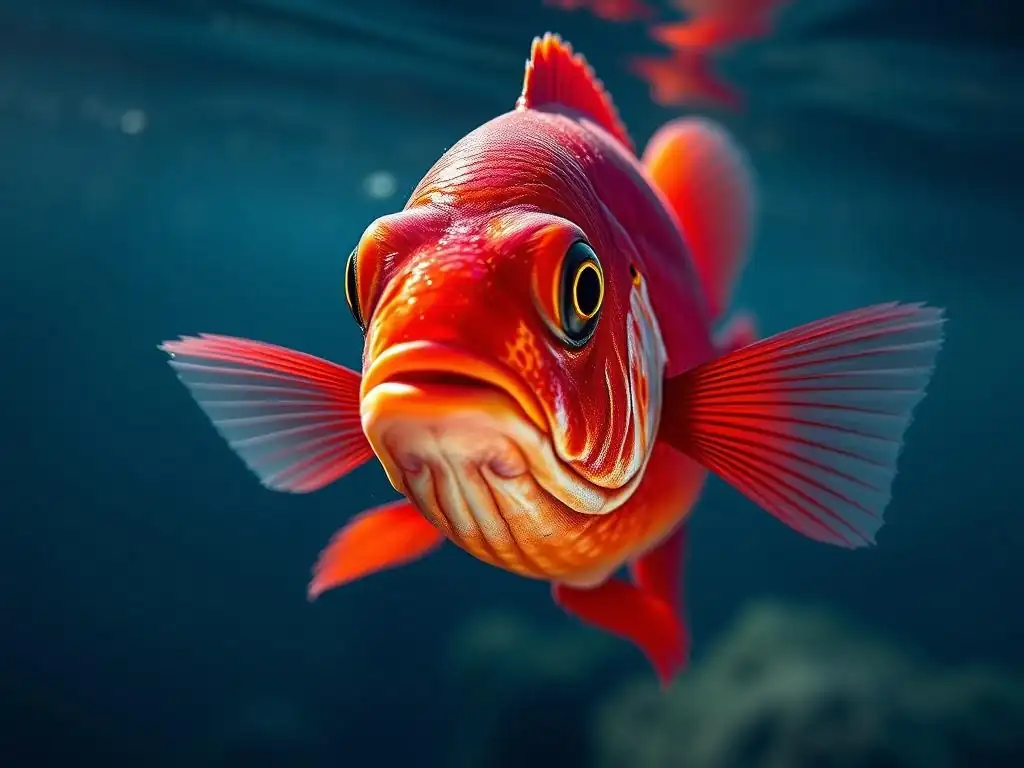
A hobbyist introduced a pair of Banggai Cardinalfish (Pterapogon kauderni) into a 75-gallon mixed reef tank that was primarily set up for SPS corals, featuring multiple high-flow powerheads. Initially, the Banggais exhibited classic signs of stress: they constantly hid behind a large piece of live rock, their fins were often clamped, and they showed little interest in feeding, struggling to capture food particles in the strong currents. Their vibrant black and white patterns also appeared duller than expected.
To address the issue, the hobbyist repositioned the existing powerheads to direct flow more towards the front glass and away from the Banggais' preferred hiding spot. Additionally, a smaller, variable-speed nano powerhead (e.g., a Tunze Stream 6015) was added in the back corner, aimed to create a gentle, diffuse current that bounced off the back wall, establishing a calmer zone.
A random flow generator was also installed on one of the main powerheads to break up laminar flow. Within two weeks, the Banggais began venturing out more, actively schooling, feeding vigorously, and their coloration became significantly more vibrant, demonstrating the positive impact of optimizing the Cardinalfish water flow rate.
Case Study 2: Pajama Cardinalfish in a Low-Flow Nano Tank
A group of three Pajama Cardinalfish (Sphaeramia nematoptera) was housed in a 20-gallon nano tank with minimal water flow, relying solely on the return pump from a small sump. After a few months, the aquarist noticed a persistent layer of detritus accumulating on the sandbed and rockwork, particularly in shadowed areas. The water clarity occasionally suffered, and the Pajama Cardinalfish appeared somewhat sluggish, often resting on the bottom rather than actively swimming.
Recognizing the signs of insufficient circulation, the aquarist installed a very small, controllable powerhead (e.g., a Hydor Koralia Nano 240) set to its lowest possible flow setting. The powerhead was positioned discreetly behind a rock, aimed towards the back glass to create indirect, gentle circulation across the bottom and mid-water column.
This subtle increase in Cardinalfish water flow rate effectively kept detritus suspended for removal by the mechanical filter. Within a week, the tank water became noticeably clearer, and the Pajama Cardinalfish became significantly more active, swimming freely throughout the tank, exhibiting their natural schooling behaviors, and showing increased appetite, proving that even minor adjustments can yield significant improvements.
Lessons Learned: Best Practices for Cardinalfish Water Flow Management
These case studies underscore several critical lessons in managing Cardinalfish water flow rate. Firstly, species-specific needs are paramount; a flow rate suitable for a high-energy SPS reef is often detrimental to delicate Cardinalfish. Secondly, observation is the most valuable tool an aquarist possesses. Changes in fish behavior, coloration, or feeding habits are often the earliest indicators of inappropriate flow conditions. A fish that is constantly struggling, hiding, or sluggish is likely stressed by its environment.
Finally, flexibility and the ability to create varied flow zones are key to success in mixed reef environments. Instead of a uniform, high-speed current, a well-designed system incorporates areas of both high and gentle flow, allowing all inhabitants to thrive. This often involves using multiple, controllable powerheads and directing flow indirectly off surfaces. Prioritizing the comfort of Cardinalfish through careful flow management ensures their long-term health and contributes to a more stable and aesthetically pleasing aquarium ecosystem.
Conclusion: Prioritizing Water Flow for Thriving Cardinalfish
Key Takeaways for Maintaining Optimal Water Flow
The comfort and health of Cardinalfish in a reef aquarium are profoundly influenced by the Cardinalfish water flow rate. It is crucial for aquarists to understand that both insufficient and excessive water movement can lead to significant stress, health complications, and even premature death for these delicate fish. Too little flow can result in poor oxygenation, waste accumulation, and increased disease risk, while too much flow causes exhaustion, feeding difficulties, and potential physical injury.
Maintaining optimal water flow involves replicating their natural, gentle water conditions while ensuring adequate circulation for overall tank health. This balance provides numerous benefits: improved oxygenation, efficient waste removal, enhanced biological filtration, and stable water parameters. Ultimately, a carefully managed Cardinalfish water flow rate supports their natural behaviors, promotes vibrant coloration, and significantly extends their lifespan, making them a joy to observe in the home aquarium.
The Importance of Observation and Adjustment for Cardinalfish Well-being
Achieving the ideal Cardinalfish water flow rate is not a one-time setup but an ongoing process that demands continuous observation and a willingness to adjust. Cardinalfish will communicate their comfort level through their behavior, and paying close attention to their swimming patterns, feeding habits, and overall demeanor is essential. Any signs of stress, such as hiding, lethargy, or struggling against currents, should prompt an immediate review and potential modification of your tank's water flow.
Aquarium keeping is an art of fine-tuning, and the ability to adapt your equipment and flow patterns to meet the specific needs of your Cardinalfish is a hallmark of a dedicated aquarist. By diligently monitoring their well-being and making informed adjustments to powerhead placement, intensity, or type, you can create a thriving environment that truly supports the long-term health and natural vitality of these captivating schooling fish.
Frequently Asked Questions
How does water flow rate affect Cardinalfish in an aquarium?
Cardinalfish prefer moderate water flow. Too little flow can lead to poor water quality and oxygenation, while too much can stress them. Finding the right balance is crucial for their well-being.
What is the ideal water flow rate for a Cardinalfish tank?
The ideal flow rate is generally considered to be around 4 to 6 times the tank volume per hour. This provides sufficient oxygenation and removes waste without overwhelming the fish. Monitoring your fish's behavior is key to adjusting the flow.
What happens if the water flow is too low in a Cardinalfish aquarium?
Low water flow can result in poor oxygen levels and the buildup of harmful substances like ammonia and nitrites. This can lead to stress, disease, and ultimately, fish mortality.
What are the signs that the water flow is too strong for my Cardinalfish?
Cardinalfish may exhibit signs of stress, such as hiding excessively, struggling to swim against the current, or appearing exhausted. Adjusting the flow rate is necessary if these signs are observed.
How can I adjust the water flow rate in my Cardinalfish aquarium?
You can adjust the water flow rate by using adjustable powerheads or wavemakers. These devices allow you to control the intensity and direction of the water flow. Regularly monitoring your Cardinalfish after adjustments is important.
The insights gained from understanding the cardinalfish water flow rate are not merely academic; they directly translate into improved aquarium management and, ultimately, the enhanced well-being of these delicate creatures. The data presented underscores the critical link between environmental conditions and the health of cardinalfish, highlighting the responsibility we bear as custodians of their aquatic world.
This exploration into optimal water flow has profoundly shaped my understanding of the intricate ecosystems we attempt to recreate within our aquariums. It's a humbling reminder that even seemingly minor adjustments can have significant impacts on the lives of these animals. The best way to find yourself is to lose yourself in the service of others.
This quote, often attributed to Mahatma Gandhi, resonates deeply when considering the dedication required to provide the best possible environment for cardinalfish, and indeed, all aquatic life.
As you consider the implications of cardinalfish water flow rate, I invite you to reflect on the broader context of responsible aquarium keeping. Let this knowledge inspire you to become a more informed and conscientious aquarist, actively seeking to understand and meet the specific needs of every creature under your care. By embracing a proactive approach to environmental management, you can contribute to a future where cardinalfish thrive, not just survive, in our aquariums.
Transform Your Aquarium: Cultivate Thriving Cardinalfish!
Thank you for diving into the fascinating world of cardinalfish and water flow! We hope this article has provided you with valuable insights to create the perfect environment for these captivating creatures. Now, let's put that knowledge into action and truly elevate your aquarium.
Here are a few things you can do right now:
- Immediately assess your current water flow. Is it gentle and indirect, or strong and turbulent? Adjust as needed to mimic the cardinalfish's natural habitat.
- Explore incorporating live plants known for their flow tolerance, like Anubias or Java Fern, to further enhance the natural environment and provide hiding spots.
- Share this newfound knowledge with fellow aquarium enthusiasts! Post a picture of your improved cardinalfish setup on social media using #AquariumMastery and inspire others.
What specific adjustments will you make to your water flow today to ensure your cardinalfish are living their best lives?