
Fu Manchu Lionfish (Dendrochirus biocellatus): A Dwarf Marvel for Your Tank

Welcome to Aquarium Mastery, fellow aquarist!
Intrigued by the captivating beauty of the Fu Manchu Lionfish? You've come to the right place! Discover essential Fu Manchu Lionfish care tips and unlock the secrets to successfully keeping this dwarf marvel thriving in your saltwater aquarium. But that's just the beginning – prepare to dive deep into everything you need to know about this fascinating species and its ideal tank environment. Ready to learn more?
- Introduction to the Fu Manchu Lionfish
- Fu Manchu Lionfish Care Guide: Essential Tips
- Understanding Fu Manchu Lionfish Behavior and Tank Mates
- Advanced Fu Manchu Lionfish Care: Breeding and Lifespan
- Troubleshooting Common Fu Manchu Lionfish Issues
- Sourcing and Purchasing a Healthy Fu Manchu Lionfish
- Conclusion: Mastering Fu Manchu Lionfish Care for a Thriving Aquarium
-
Frequently Asked Questions
- What are the key considerations for tank size when keeping a Fu Manchu lionfish?
- What specific water parameters are crucial for Fu Manchu lionfish health?
- What type of diet is best suited for Fu Manchu lionfish?
- Are Fu Manchu lionfish reef safe?
- What are some common health issues to watch out for in Fu Manchu lionfish?
- Final Reflection: Appreciating the Miniature Majesty
- Embrace the Fu Manchu Magic: Begin Your Lionfish Adventure!
Introduction to the Fu Manchu Lionfish
Discovering the Dendrochirus biocellatus: An Overview
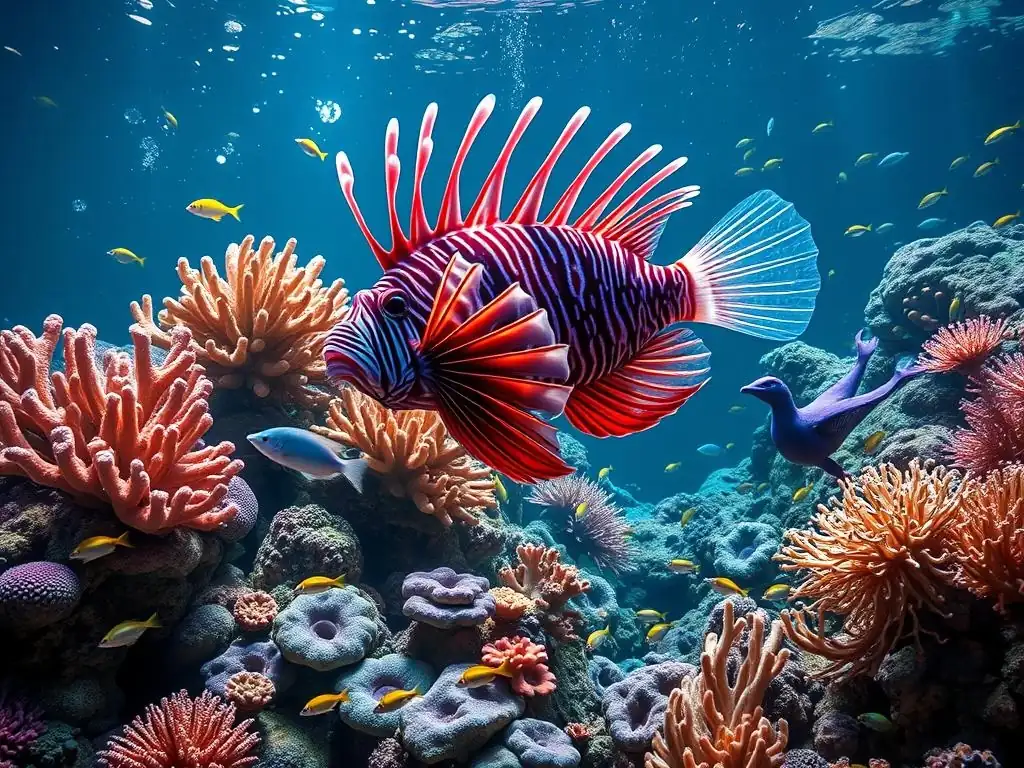
The Fu Manchu Lionfish, scientifically known as Dendrochirus biocellatus, is a captivating and distinct member of the scorpionfish family, Scorpaenidae. Unlike its larger relatives such as the Volitans lionfish, this species is a dwarf lionfish, typically reaching a maximum length of 3 to 4 inches (approximately 7 to 10 cm).
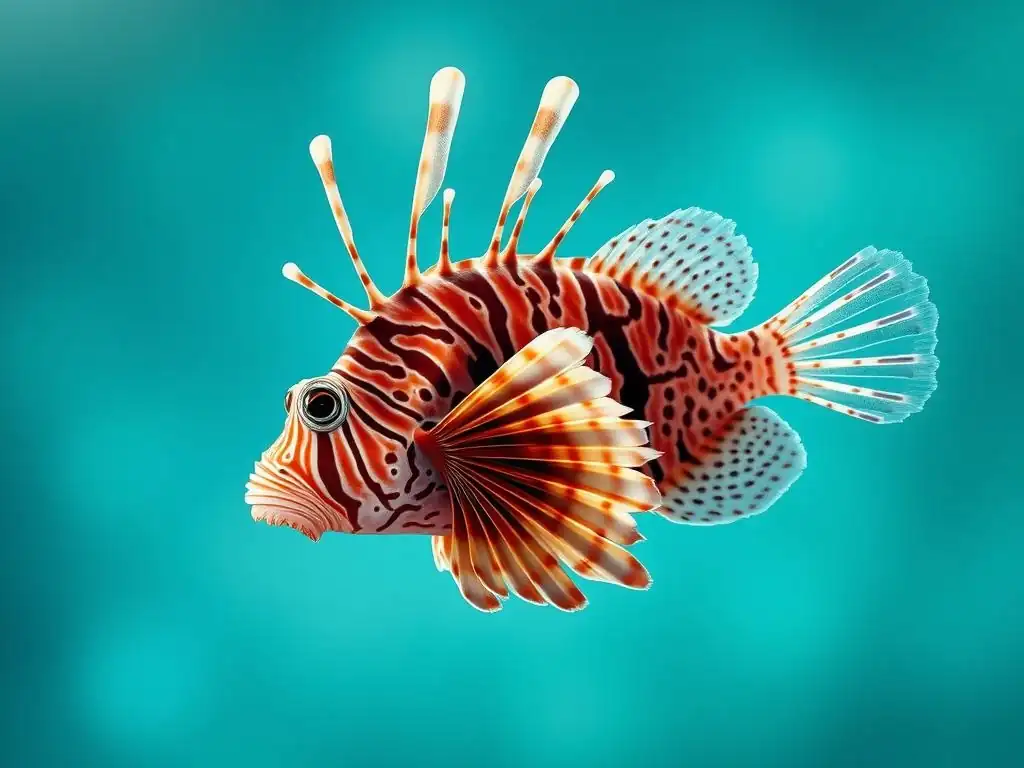
Its most striking features include the prominent, tentacle-like appendages above its eyes, which give it its "Fu Manchu" moniker, and its mottled, camouflaged coloration of browns, reds, and creams that allows it to blend seamlessly with rocky reef environments. Native to the Indo-Pacific region, from the Red Sea to Samoa, these fish are ambush predators, using their elaborate fins to herd prey before a swift strike.
Despite their small size, Fu Manchu Lionfish possess venomous dorsal spines, a characteristic shared with all lionfish species. These spines are a defense mechanism, not an offensive weapon, and are typically only deployed if the fish feels threatened or is handled improperly. Their nocturnal and crepuscular habits mean they are most active during dawn and dusk, often found hiding in crevices or under overhangs during the day. Their unique appearance and intriguing behavior make them a highly sought-after species for experienced saltwater aquarists looking for a distinctive centerpiece that doesn't demand the vast space of larger lionfish.
Why Choose a Fu Manchu Lionfish for Your Saltwater Aquarium?
Choosing a Fu Manchu Lionfish for your saltwater aquarium offers a unique blend of aesthetic appeal and manageable care, especially when compared to their larger cousins. Their compact size makes them suitable for aquariums as small as 30 gallons, a significant advantage for hobbyists with limited space who still desire a predatory, visually striking fish.
The intricate patterns, flowing fins, and the distinctive "eyebrow" tentacles provide an unparalleled visual interest, making them a focal point in any well-designed reef or fish-only setup. Furthermore, their relatively docile temperament towards non-prey tank mates allows for more diverse community tank possibilities than with more aggressive predators.
Beyond their beauty, the Fu Manchu Lionfish presents an engaging challenge for dedicated aquarists. Successfully providing optimal Fu Manchu lionfish care tips and observing their unique hunting strategies and shy demeanor can be incredibly rewarding. They are not overly active swimmers but prefer to perch and observe, adding a calm yet captivating presence to the aquarium. For those seeking a fascinating, venomous yet manageable marine inhabitant that stands out from typical reef fish, the Dendrochirus biocellatus is an excellent and rewarding choice, provided its specific needs are met.
Fu Manchu Lionfish Care Guide: Essential Tips
Optimal Tank Setup for Fu Manchu Lionfish
Tank Size Requirements for Dendrochirus biocellatus
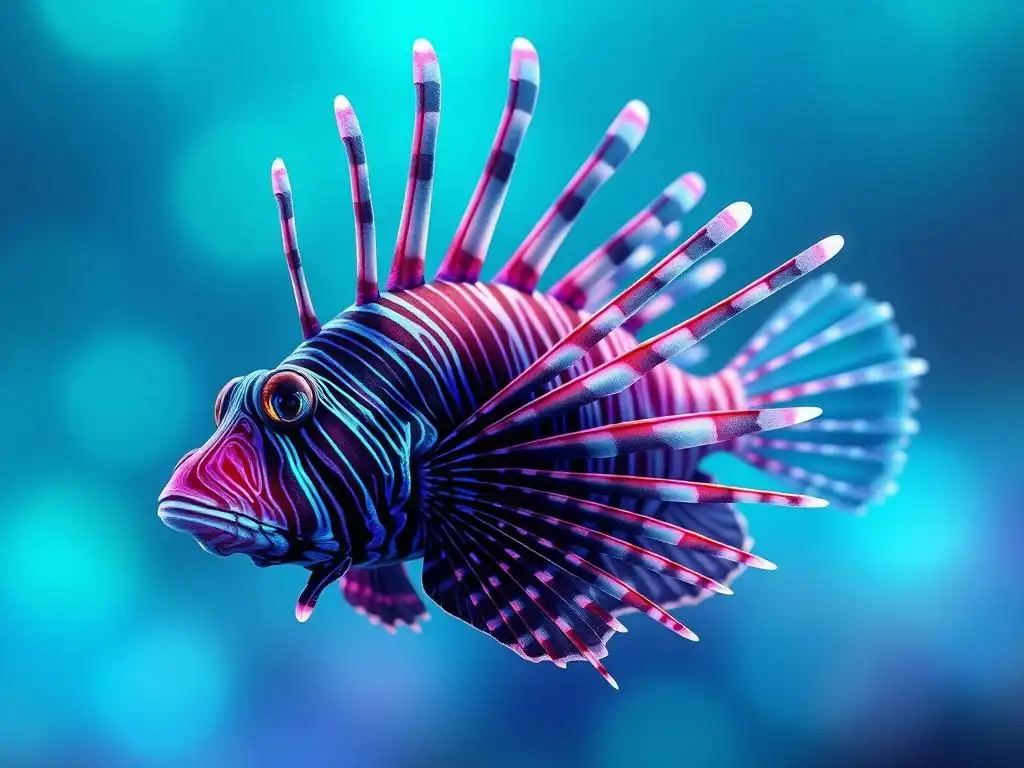
For a single Fu Manchu Lionfish ( Dendrochirus biocellatus), a minimum tank size of 30 gallons (approximately 113 liters) is recommended. This volume provides sufficient swimming space for this relatively small species, allows for stable water parameters, and accommodates the necessary rockwork and hiding spots. While they are not active swimmers, they do require enough room to establish a territory and move comfortably without feeling confined. For greater stability and to potentially house carefully selected tank mates, a 40- to 50-gallon aquarium is often preferred, offering more dilution for waste products and a larger buffer against parameter fluctuations.
The interior of the tank should be meticulously planned to replicate their natural habitat. This includes providing ample live rock formations with numerous caves, crevices, and overhangs. These structures serve as essential hiding spots where the Fu Manchu Lionfish can retreat during the day, feel secure, and ambush unsuspecting prey. A well-established tank with mature biological filtration is paramount before introducing this delicate species, as pristine water conditions are critical for their health and longevity.
Essential Equipment: Filtration, Lighting, and Substrate
Effective filtration is a cornerstone of optimal Fu Manchu lionfish care tips. A robust biological and mechanical filtration system is essential to maintain low nitrate levels and effectively remove detritus. This often includes a sump with a high-quality protein skimmer, which efficiently removes organic waste before it breaks down, or a reliable canister filter for smaller setups. While strong water flow is generally beneficial in marine aquariums, the Fu Manchu Lionfish prefers moderate, gentle currents, so powerhead placement should be adjusted to avoid overly turbulent areas.
Lighting requirements for the Fu Manchu Lionfish are moderate, aligning with their crepuscular and nocturnal nature. Intense lighting can stress them, so a more subdued lighting scheme or areas of shade within the tank are beneficial. For substrate, a fine sand bed or crushed coral is suitable, as they do not typically burrow or stir the substrate. A reliable heater is crucial to maintain a stable water temperature, and a tight-fitting lid is absolutely necessary to prevent any accidental jumps, particularly during acclimation or if the fish becomes startled.
Water Parameters for a Healthy Fu Manchu Lionfish
Maintaining Ideal Salinity, Temperature, and pH Levels
Maintaining stable and appropriate water parameters is one of the most critical Fu Manchu lionfish care tips. The ideal salinity for Dendrochirus biocellatus should range between 1.020 and 1.025 specific gravity, or 30-35 parts per thousand (ppt). Consistency is more important than hitting an exact number, so large, sudden swings should be avoided. The water temperature should be kept within a stable range of 72-78°F (22-26°C), typically achieved with a properly sized aquarium heater and thermometer. Fluctuations beyond a degree or two can cause significant stress.
The pH level should be maintained between 8.1 and 8.4, which is typical for a healthy saltwater environment. Beyond these primary parameters, it's also vital to keep ammonia and nitrite levels at an undetectable 0 ppm, as these are highly toxic to marine fish. Nitrate levels should be kept below 20 ppm, ideally much lower, through regular water changes and efficient filtration. Alkalinity (dKH), calcium (ppm), and magnesium (ppm) should also be monitored to ensure overall water stability, with recommended ranges of 8-12 dKH, 400-450 ppm calcium, and 1200-1350 ppm magnesium, respectively.
Monitoring and Adjusting Water Chemistry
Regular and accurate monitoring of water chemistry is indispensable for the long-term health of your Fu Manchu Lionfish. Weekly testing of salinity, temperature, pH, ammonia, nitrite, and nitrate levels using reliable test kits or calibrated digital meters is highly recommended. For alkalinity, calcium, and magnesium, monthly testing is usually sufficient unless issues are suspected. Keeping a log of test results can help identify trends and potential problems before they become critical.
Should any parameters deviate from the ideal ranges, adjustments should be made gradually to avoid shocking the fish. For instance, high nitrate levels can be reduced through more frequent or larger water changes. pH can be adjusted using marine buffers, while calcium and magnesium can be supplemented if needed, particularly in a reef environment. Always use RODI (Reverse Osmosis De-Ionized) water for top-offs to compensate for evaporation and for mixing new saltwater for water changes. This prevents the introduction of unwanted contaminants and ensures consistency in water quality, a cornerstone of effective Fu Manchu lionfish care tips.
Fu Manchu Lionfish Diet and Feeding
What Do Fu Manchu Lionfish Eat?
Fu Manchu Lionfish are carnivores and predatory by nature, primarily feeding on small crustaceans and fish in their natural habitat. In a home aquarium, the initial challenge often lies in transitioning them from live foods to more practical and nutritionally complete frozen options. Many newly acquired specimens will readily accept live ghost shrimp or small feeder silversides. However, these should only be used as a temporary measure to encourage feeding. The long-term diet should consist of a variety of high-quality, vitamin-enriched frozen marine foods.
Excellent frozen food options include Mysis shrimp, enriched brine shrimp, krill, and finely chopped pieces of marine fish flesh, such as silversides or lancefish. It is crucial to avoid using freshwater feeder fish like goldfish or mollies, as they lack essential marine nutrients and can introduce diseases or parasites. A diverse diet ensures the lionfish receives all necessary vitamins and minerals, promoting vibrant coloration and robust health.
Feeding Frequency and Techniques
The feeding frequency for Fu Manchu Lionfish depends on their age and size. Younger, growing lionfish may benefit from daily or every-other-day feedings, while mature adults typically thrive on a schedule of 2-3 times per week. Overfeeding should be avoided as it can lead to poor water quality and contribute to health issues like fatty liver disease. Observe your lionfish's body condition; a slightly rounded belly after feeding is ideal, but it should not appear bloated.
When feeding, using long feeding tongs is highly recommended. This allows for precise delivery of food directly to the lionfish, ensuring it consumes the food and preventing other tank inhabitants from snatching it. It also minimizes the risk of accidental venomous stings, as it keeps your hands out of the water.
Patience is key when training a Fu Manchu Lionfish to accept frozen foods; sometimes, a "weaning" process involving offering frozen food immediately after a live offering can encourage acceptance. If a lionfish refuses food for more than 2-3 days, it could be a sign of stress or illness, warranting immediate investigation of water parameters and the fish's overall condition.
Supplementing Their Diet for Optimal Health
While a varied diet of high-quality frozen marine foods is generally sufficient, supplementing your Fu Manchu Lionfish's diet can further enhance their health and vitality. Vitamin supplements, such as Selcon or other liquid vitamin preparations specifically designed for marine fish, can be soaked into frozen foods prior to feeding. This is particularly beneficial for newly acquired fish that may have nutritional deficiencies or for those transitioning from a live-food-only diet.
These supplements provide essential fatty acids, amino acids, and a broad spectrum of vitamins that might be lacking in a less diverse diet. Regular supplementation, perhaps once or twice a week, can boost their immune system, improve coloration, and contribute to their long-term well-being. Always follow the manufacturer's instructions for dosage. A well-rounded nutritional strategy is a fundamental component of comprehensive Fu Manchu lionfish care tips, ensuring your fish thrives for years to come.
Understanding Fu Manchu Lionfish Behavior and Tank Mates
Temperament and Compatibility with Other Fish
Choosing Suitable Tank Mates
The Fu Manchu Lionfish is generally considered peaceful towards other fish, provided those fish are too large to be considered prey. As ambush predators, their primary instinct is to consume anything that fits into their surprisingly large mouths. Therefore, suitable tank mates must be significantly larger than the lionfish's maximum adult size and possess a calm temperament. Good choices often include:
- Larger Tang species, such as Yellow Tangs ( Zebrasoma flavescens) or Sailfin Tangs ( Zebrasoma veliferum), which are active swimmers and generally ignore the lionfish.
- Certain larger Angelfish species, like the Emperor Angelfish ( Pomacanthus imperator) or Queen Angelfish ( Holacanthus ciliaris), can coexist peacefully.
- Some larger, less aggressive Triggerfish, though careful observation is required, as some triggers can be territorial.
- Pufferfish species that are too large to be prey and are not known fin-nippers.
- Many Wrasse species, provided they are robust and not small enough to be eaten.
When considering invertebrates, ornamental shrimp (e.g., Peppermint Shrimp, Cleaner Shrimp) and small crabs are almost certainly on the menu. Larger snails and hermit crabs are generally safe, but smaller specimens may be consumed. The key is to select tank mates that are too big for the lionfish to eat and are not aggressive or prone to fin-nipping.
Avoiding Aggressive or Incompatible Species
To ensure a stress-free environment for your Fu Manchu Lionfish, it's crucial to avoid housing them with species that could either prey upon them or harass them. Highly aggressive or territorial fish, such as some Damsel species or overly boisterous Triggerfish, can stress the lionfish, leading to health issues and refusal to eat. Their delicate, flowing fins are also susceptible to fin-nipping, so species known for this behavior, like certain wrasses or even some clownfish, should be avoided.
Furthermore, housing multiple lionfish, particularly other Dendrochirus species, in the same tank should be approached with caution. While some aquarists successfully keep pairs or small groups in very large aquariums, they can be territorial towards conspecifics, especially in smaller volumes. Extremely fast-swimming or highly competitive feeders should also be avoided, as they can outcompete the slow-moving lionfish for food, leading to malnutrition. Careful planning and research of potential tank mates are essential Fu Manchu lionfish care tips for a harmonious aquarium.
Observing Your Fu Manchu Lionfish: Signs of Health and Stress
Recognizing Common Lionfish Diseases and Ailments
Regular observation of your Fu Manchu Lionfish is paramount for early detection of health issues. A healthy lionfish will exhibit vibrant coloration, clear eyes, intact and flowing fins, and a strong feeding response. Signs of stress or illness include faded or dull coloration, clamped fins, rapid or labored breathing, visible white spots (Ich), cloudy eyes, visible lesions or ulcers, and a prolonged refusal to eat (more than 2-3 days).
Common ailments affecting lionfish include external parasites like Marine Ich ( Cryptocaryon irritans) and Marine Velvet ( Amyloodinium ocellatum), which manifest as small white spots or a dusty, velvet-like coating, respectively. Bacterial infections can lead to fin rot, cloudy eyes, or open sores. Nutritional deficiencies, often caused by a lack of a varied diet, can result in lethargy and compromised immune function. Early identification and intervention are crucial for successful treatment outcomes.
Quarantine and Treatment Procedures
Implementing a strict quarantine protocol for all new fish, including your Fu Manchu Lionfish, is one of the most vital Fu Manchu lionfish care tips for disease prevention. A dedicated quarantine tank, equipped with basic filtration, a heater, and hiding spots, should be used for 4-6 weeks to observe the new arrival for any signs of illness. During this period, the fish can be proactively treated for common parasites if desired, or simply monitored. This prevents the introduction of pathogens into your main display tank, which can be devastating.
If a lionfish in your display tank shows signs of illness, it should be promptly moved to a hospital tank for treatment. Copper-based medications are effective against Ich and Velvet, while bacterial infections often require broad-spectrum antibiotics, administered according to product instructions. Always remove chemical filtration media like activated carbon during medication to ensure the treatment is effective. Maintaining pristine water quality in the hospital tank and minimizing stress are crucial for recovery.
Advanced Fu Manchu Lionfish Care: Breeding and Lifespan
Breeding Fu Manchu Lionfish: Challenges and Possibilities
Breeding Fu Manchu Lionfish in a home aquarium setting is considered extremely challenging and rarely achieved by hobbyists, though not entirely impossible. Like other lionfish, Dendrochirus biocellatus are egg scatterers. Spawning typically occurs at night, with the female releasing a buoyant egg mass that floats to the surface, followed by the male fertilizing it. Success usually requires a mature, well-conditioned pair, pristine water parameters, and a highly nutritious diet to induce spawning.
The primary difficulty lies in raising the larvae, which are planktonic and incredibly small, requiring microscopic live foods such as rotifers and copepods immediately after hatching. Public aquariums or highly experienced aquaculture facilities with specialized equipment and expertise have occasionally succeeded. For the average hobbyist, the focus should remain on providing optimal long-term Fu Manchu lionfish care tips for a healthy, thriving specimen rather than attempting breeding.
Lifespan and Long-Term Care Considerations
With diligent attention to Fu Manchu lionfish care tips, a Dendrochirus biocellatus can live a remarkably long life in a home aquarium, often reaching 5 to 10 years or even longer. Several factors contribute significantly to their longevity, including consistent water quality, a varied and nutritious diet, and a stress-free environment free from aggressive tank mates or unstable conditions. Their natural hardiness, when properly cared for, allows them to endure for many years, becoming a long-term fixture in your marine display.
Long-term care involves a commitment to regular tank maintenance. This includes weekly water changes of 10-20% to replenish trace elements and remove accumulated nitrates, routine cleaning of filtration systems, and consistent monitoring of all water parameters. Proactive problem-solving, such as addressing minor water quality issues promptly or isolating a fish at the first sign of illness, is far more effective than reactive measures. Providing a stable, enriched environment is the ultimate goal to ensure your Fu Manchu Lionfish enjoys a full and healthy lifespan.
Troubleshooting Common Fu Manchu Lionfish Issues
Addressing Feeding Problems and Fin Nipping
Feeding problems are a common concern with newly acquired Fu Manchu Lionfish. If your lionfish is refusing to eat, the first step is to thoroughly check all water parameters. Stress due to poor water quality, incorrect salinity or temperature, or ammonia/nitrite spikes can quickly diminish appetite.
If parameters are stable, try enticing the fish with live ghost shrimp; once it begins eating, gradually transition it to frozen foods by offering them immediately after live prey. Using feeding tongs to present food directly can also encourage a shy eater. If refusal persists for more than 3 days, consider potential underlying illness.
While Fu Manchu Lionfish are generally peaceful, their delicate, flowing fins can be targets for fin-nipping by aggressive tank mates. If you observe damage to the lionfish's fins, immediately identify the aggressor and remove it from the tank. Fin damage can lead to secondary bacterial infections, so maintaining pristine water quality is crucial for healing. In severe cases, a hospital tank with a broad-spectrum antibiotic may be necessary to prevent infection and promote regeneration.
Dealing with Parasites and Infections
Parasites and infections can pose significant threats to the health of your Fu Manchu Lionfish. White spots indicative of Marine Ich ( Cryptocaryon irritans) or a velvety sheen from Marine Velvet ( Amyloodinium ocellatum) require prompt action. Isolate the affected lionfish in a hospital tank to prevent the spread of disease to other inhabitants. Treatments typically involve copper-based medications for Ich or specific velvet treatments, always following the manufacturer's instructions carefully. Ensure proper aeration in the hospital tank, as some medications can reduce oxygen levels.
Bacterial infections, often presenting as redness, ulcers, or fin erosion, usually require treatment with broad-spectrum antibiotics. Fungal infections are less common in saltwater but may appear as cotton-like growths. Accurate diagnosis is key before administering any medication. Always remove activated carbon from filtration during treatment, as it will absorb the medication. Maintaining a clean, stable environment and implementing rigorous quarantine protocols for all new additions are fundamental Fu Manchu lionfish care tips to prevent these issues.
Preventing and Managing Water Quality Issues Affecting Your Lionfish
Poor water quality is a leading cause of stress and disease in marine fish, including the Fu Manchu Lionfish. High levels of ammonia, nitrite, or nitrate are toxic. To prevent these, avoid overfeeding, which introduces excess organic waste, and ensure your filtration system is adequately sized and maintained. Regular weekly water changes (10-20%) are crucial for diluting nitrates and replenishing essential trace elements. If a sudden spike in ammonia or nitrite occurs, perform an immediate large water change (25-50%) and identify the root cause, such as a dead fish or filter malfunction.
Unstable pH or salinity can also severely stress your lionfish. Use a reliable refractometer (calibrated regularly with calibration solution) for salinity measurements and a quality pH probe or test kit. If adjustments are needed, make them slowly and gradually over several hours or days to prevent osmotic shock. For instance, raising salinity should be done incrementally over a few days. Consistent monitoring and proactive maintenance are the most effective Fu Manchu lionfish care tips for ensuring a stable and healthy aquatic environment.
Sourcing and Purchasing a Healthy Fu Manchu Lionfish
Where to Find Reputable Suppliers
Sourcing a healthy Fu Manchu Lionfish begins with finding a reputable supplier. Local fish stores with knowledgeable staff, clean tanks, and a low mortality rate among their livestock are excellent choices. Observe their display tanks for signs of healthy fish, such as clear water, active inhabitants, and proper husbandry. Ask questions about the fish's origin, how long they've had it, and what it's currently eating.
Online retailers specializing in marine fish can also be a viable option, especially for rarer species. Before purchasing online, research their reputation through customer reviews, marine hobbyist forums, and social media groups. A good online supplier will have strict shipping protocols, offer a live arrival guarantee, and provide detailed information about their fish. Avoid impulse purchases from stores that appear to have neglected tanks or unhealthy specimens, as this often indicates poor overall care practices.
Identifying Healthy Specimens Before Purchase
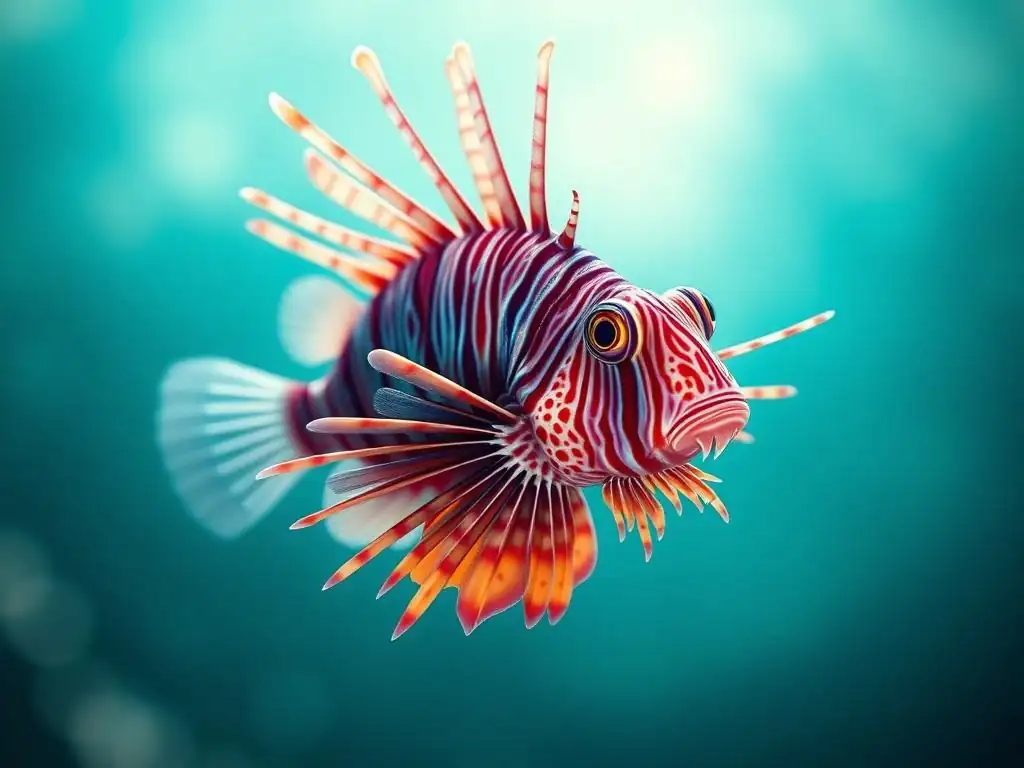
When selecting a Fu Manchu Lionfish, careful visual inspection is critical for identifying a healthy specimen. Look for a fish that is alert and active, even if it's just perching and observing its surroundings. Its eyes should be clear and free of cloudiness. The fins, particularly the delicate dorsal and pectoral fins, should be intact, without rips, tears, or signs of fin rot. The body should appear full, not emaciated or bloated, and its coloration should be vibrant and natural for the species.
Observe the fish's breathing; it should be calm and regular, not rapid or labored. Avoid any fish with visible white spots (Ich), fuzzy growths (fungus), open sores, or signs of external parasites. Ideally, try to observe the fish feeding to ensure it has a healthy appetite. A healthy Fu Manchu Lionfish will appear curious and engaged, ready to become a thriving addition to your aquarium.
Acclimation Process for New Fu Manchu Lionfish
The acclimation process for a new Fu Manchu Lionfish is crucial for minimizing stress and ensuring a smooth transition to its new environment. Drip acclimation is highly recommended due to the lionfish's sensitivity to sudden changes in water parameters, particularly salinity and pH. This method involves slowly introducing water from the quarantine tank into the bag water over an extended period. A drip rate of 1-2 drops per second for 30-60 minutes, or until the volume of water in the bag has tripled, is ideal.
During acclimation, turn off the aquarium lights to reduce stress. Once acclimated, gently net the fish (avoiding direct contact with spines) and transfer it to your quarantine tank, discarding the bag water. Keep the lights in the quarantine tank dim for several hours after introduction to allow the fish to settle in. Provide ample hiding spots. Careful acclimation is one of the most important Fu Manchu lionfish care tips, as it significantly reduces the risk of osmotic shock and helps the fish adjust to its new home.
Conclusion: Mastering Fu Manchu Lionfish Care for a Thriving Aquarium
Mastering Fu Manchu lionfish care tips transforms the challenge of keeping this unique species into a profoundly rewarding experience. From understanding their specific tank requirements, including a minimum of 30 gallons with ample hiding spots, to meticulously maintaining stable water parameters like 1.020-1.025 salinity and 72-78°F temperature, every detail contributes to their well-being. A high-quality, varied diet of vitamin-enriched frozen marine foods, administered with feeding tongs, is essential for their nutritional needs, ensuring vibrant health and longevity.
Successfully housing a Fu Manchu Lionfish also involves careful consideration of tank mates, selecting only those too large to be prey and avoiding aggressive species. Proactive observation for signs of stress or illness, coupled with a robust quarantine protocol for new additions, is vital for disease prevention.
While breeding remains a significant challenge, focusing on long-term care, including consistent water changes and parameter monitoring, will ensure your Dendrochirus biocellatus thrives for many years. By adhering to these comprehensive Fu Manchu lionfish care tips, aquarists can enjoy the captivating presence of this dwarf marvel, turning their aquarium into a testament to dedicated marine husbandry.
Frequently Asked Questions
What are the key considerations for tank size when keeping a Fu Manchu lionfish?
Fu Manchu lionfish, while relatively small, still need space. A minimum tank size of 30 gallons is generally recommended. This provides adequate swimming room and helps maintain stable water parameters.
What specific water parameters are crucial for Fu Manchu lionfish health?
Maintaining stable water parameters is paramount. Aim for a temperature between 72-78°F, a specific gravity of 1.023-1.025, and a pH level of 8.1-8.4.
What type of diet is best suited for Fu Manchu lionfish?
These lionfish are predators and require a carnivorous diet. Offer them a variety of small, meaty foods such as live or frozen feeder shrimp, small fish, and enriched Mysis shrimp.
Are Fu Manchu lionfish reef safe?
Generally, Fu Manchu lionfish are not considered reef safe. They will prey on smaller invertebrates and fish that are commonly kept in reef tanks.
What are some common health issues to watch out for in Fu Manchu lionfish?
Keep an eye out for signs of parasitic infections like ich or velvet, as well as bacterial infections. Proper quarantine and a healthy diet are crucial for prevention.
Final Reflection: Appreciating the Miniature Majesty
The journey through the intricacies of Fu Manchu lionfish care reveals more than just aquarium maintenance; it underscores the delicate balance between human stewardship and the preservation of marine biodiversity. Understanding the specific needs of Dendrochirus biocellatus allows us to appreciate the responsibility that comes with keeping these miniature marvels, and highlights the broader implications of our choices on fragile ecosystems.
The allure of the Fu Manchu lionfish lies not only in its striking appearance but also in its unique behavior, a constant reminder of the wonders hidden beneath the waves. My own fascination with these creatures stems from a deep respect for the intricate web of life they represent. In the end, we will conserve only what we love; we will love only what we understand; and we will understand only what we are taught.
- Baba Dioum. This quote resonates deeply, urging us to continuously learn and share knowledge to foster a greater appreciation for the natural world.
As you consider the information shared in this article, I invite you to reflect on your own role in marine conservation. Whether you're an experienced aquarist or simply an admirer of the ocean's beauty, consider how you can contribute to a more sustainable future. Let the knowledge gained here inspire you to make informed choices, support responsible practices, and advocate for the protection of these magnificent creatures and their natural habitats.
Embrace the Fu Manchu Magic: Begin Your Lionfish Adventure!
Thanks for diving deep into the captivating world of the Fu Manchu Lionfish! We hope you've gained a newfound appreciation for this dwarf marvel and its unique place in the aquarium hobby. Now, let's translate that knowledge into action!
- Kickstart Your Research: Take the plunge and delve deeper into the specific needs of the Fu Manchu Lionfish. Explore reputable online forums, connect with experienced aquarists, and gather all the necessary information to create a thriving environment for this stunning species.
- Share the Fascination: Spread the word! Share this article with fellow aquarium enthusiasts and spark discussions about the Fu Manchu Lionfish and its potential as a captivating addition to a carefully planned tank.
- Think Outside the Tank: Explore the ethical considerations of keeping lionfish and research sustainable sourcing options to ensure your choices support responsible aquarium practices.
Ready to transform your aquarium dreams into a Fu Manchu Lionfish reality?