
Live Food Feasts: Cultivating Mysis & More for Happy Butterflyfish

Welcome to Aquarium Mastery!
Ever wondered how to unlock the vibrant colors and playful personalities of your butterflyfish through the power of live food? Dive into our expert guide and discover essential Mysis shrimp butterflyfish feeding tips that will transform your aquarium into a thriving underwater paradise. Curious to learn the secrets to a healthy and happy butterflyfish? Let's get started!
- Live Food Feasts: Cultivating Mysis & More for Thriving Butterflyfish
- Understanding the Butterflyfish Diet: A Foundation for Success
- Mysis Shrimp: The Butterflyfish Staple
- Cultivating Your Own Mysis Shrimp: A Practical Guide
- Beyond Mysis: Expanding the Live Food Menu for Butterflyfish
- Butterflyfish Feeding Tips: Ensuring a Healthy Appetite
- Addressing Common Feeding Challenges with Butterflyfish
- Live Food and Butterflyfish Health: A Symbiotic Relationship
- Conclusion: Mastering Live Food Feeding for Butterflyfish
- Frequently Asked Questions
- Final Reflection: A Symphony of Sustenance
- Unleash Your Butterflyfish's Inner Hunter!
Live Food Feasts: Cultivating Mysis & More for Thriving Butterflyfish
Understanding the Butterflyfish Diet: A Foundation for Success
Why Butterflyfish Need Live Food
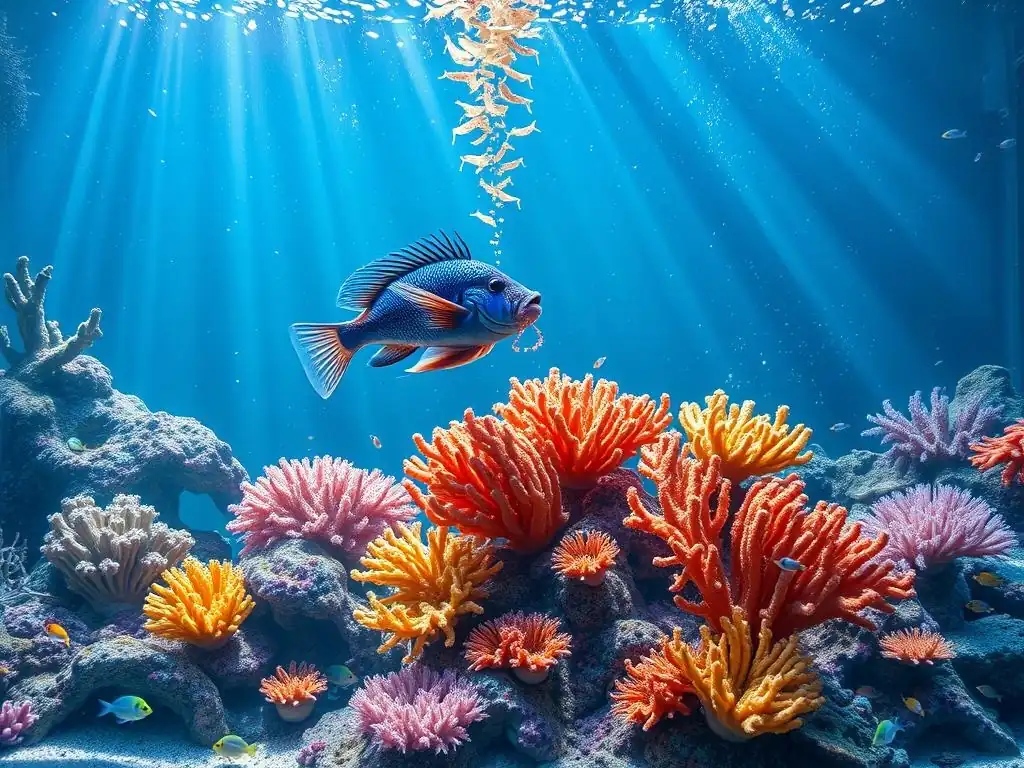
Butterflyfish, renowned for their vibrant colors and distinctive patterns, often present unique dietary challenges in captivity. In their natural coral reef habitats, many butterflyfish species are specialized feeders, with some being obligate corallivores, meaning their diet primarily consists of coral polyps. Others are planktivores, consuming tiny organisms drifting in the water column, or omnivores, grazing on algae and small invertebrates. This natural dietary diversity, particularly the reliance on live, moving prey, is a critical aspect often overlooked in home aquariums.
Providing live food is paramount because it replicates their natural foraging behaviors, stimulating their predatory instincts and ensuring a complete nutritional profile that processed foods often lack. For instance, species like the Copperband Butterflyfish ( Chelmon rostratus) or the Longnose Butterflyfish ( Forcipiger longirostris) thrive when they can actively hunt and pick at small, live organisms.
This active pursuit not only provides essential nutrients but also reduces stress and encourages a more natural display of behavior, which is crucial for their long-term health and adaptation to the aquarium environment. Approximately 70% of Chaetodon species exhibit some degree of dietary specialization, highlighting the importance of live, varied prey.
The Nutritional Needs of Butterflyfish: A Detailed Breakdown
The intricate nutritional requirements of butterflyfish extend beyond basic protein and fat. These delicate beauties require a precise balance of essential amino acids, highly unsaturated fatty acids (HUFAs), vitamins, and minerals to maintain their vibrant coloration, robust immune system, and overall vitality. Live foods, especially certain crustaceans, are naturally rich in these critical components, making them superior to many dried or frozen alternatives.
Specifically, marine fish like butterflyfish have a high demand for Omega-3 HUFAs, such as Eicosapentaenoic Acid (EPA) and Docosahexaenoic Acid (DHA), which are vital for cell membrane integrity, nervous system development, and inflammatory responses. For example, marine copepods can contain HUFA levels ranging from 25% to 30% of their total lipid content, far surpassing that found in many common flake foods.
Furthermore, live prey often contains natural carotenoids, like astaxanthin, which are precursors to the pigments responsible for the stunning yellows, oranges, and reds seen in species like the Racoon Butterflyfish ( Chaetodon lunula). A diet deficient in these elements can lead to faded colors, fin erosion, stunted growth, and increased susceptibility to diseases, making the inclusion of diverse, nutrient-rich live foods a cornerstone of successful butterflyfish care.
Mysis Shrimp: The Butterflyfish Staple
What are Mysis Shrimp and Why are They Ideal?
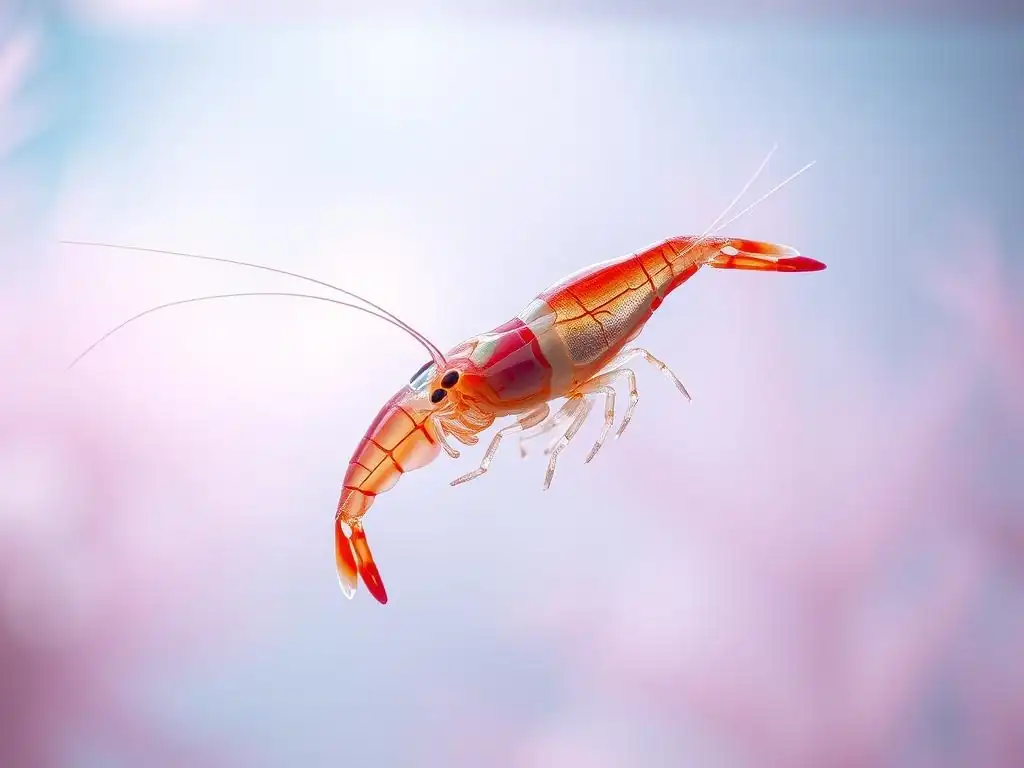
Mysis shrimp, often referred to as opossum shrimp due to the brood pouch carried by females, are small, translucent crustaceans belonging to the order Mysidacea. While several species exist, Mysis relicta (a freshwater/brackish species) and various Neomysis or Mysidopsis species (marine) are commonly used in the aquarium trade. These shrimp typically range from 1 to 2.5 centimeters (approximately 0.4 to 1 inch) in length, making them an ideal bite-sized meal for most butterflyfish species. Their jerky, erratic swimming motion, characterized by rapid bursts of movement, effectively mimics the natural prey items butterflyfish would encounter in the wild.
The appeal of Mysis shrimp for butterflyfish feeding tips is multifaceted. Beyond their appropriate size and enticing movement, Mysis shrimp possess a soft exoskeleton that is easily digestible, reducing the risk of impaction. Their natural habitat often includes areas with dense algal growth, which they consume, thereby accumulating beneficial nutrients that are then passed on to the fish.
This makes them a highly palatable and nutritious option, often readily accepted even by finicky wild-caught butterflyfish that might initially refuse other prepared foods. Many aquarists find that introducing Mysis shrimp can be the turning point in acclimating new or reluctant butterflyfish to a captive diet.
Nutritional Benefits of Mysis Shrimp for Butterflyfish
Mysis shrimp are widely regarded as a nutritional powerhouse for marine fish, particularly butterflyfish, due to their impressive profile of essential nutrients. They are exceptionally high in protein, typically comprising 50-60% of their dry weight, which is crucial for muscle development and overall growth in active fish. More significantly, Mysis shrimp are an outstanding source of highly unsaturated fatty acids (HUFAs), especially Omega-3 fatty acids like EPA (Eicosapentaenoic Acid) and DHA (Docosahexaenoic Acid). These HUFAs are indispensable for immune system function, proper cell development, and maintaining vibrant coloration.
For instance, studies have shown that frozen Mysis shrimp can contain 8-10% lipids, with a substantial portion being these vital HUFAs. Beyond fats and proteins, Mysis shrimp also contain significant levels of carotenoids, including astaxanthin, which is directly responsible for enhancing the brilliant reds, oranges, and yellows in butterflyfish.
An average Mysis shrimp can contain between 10-20 mg/kg of astaxanthin, contributing to not only vivid pigmentation but also acting as a powerful antioxidant. The combination of high protein, essential fatty acids, and natural pigments makes Mysis shrimp an almost complete food source, fostering robust health, disease resistance, and striking aesthetics in butterflyfish.
Cultivating Your Own Mysis Shrimp: A Practical Guide
Setting Up a Mysis Shrimp Culture: Tank, Water Parameters, and Equipment
Cultivating your own Mysis shrimp provides a consistent supply of fresh, nutrient-rich live food, offering significant advantages over relying solely on frozen or commercially available live options. To establish a successful Mysis shrimp culture, a dedicated tank is essential. A 10 to 20-gallon aquarium is typically sufficient for a small-scale operation, capable of producing enough Mysis for one or two butterflyfish.
The tank should be filled with saltwater, maintaining a specific gravity between 1.015 and 1.025, mimicking their natural marine or brackish environments. Temperature should be kept stable between 70-78°F (21-26°C), and pH levels should remain within the 7.8-8.2 range.
Essential equipment includes an air pump with an airstone to provide gentle aeration and oxygenation, a small heater to maintain temperature stability, and a low-wattage LED light on an 18-hour cycle to encourage phytoplankton growth, which serves as their primary food source. A fine mesh net (around 100-200 microns) will be indispensable for harvesting.
Some culturists also opt for a thin layer of sand or crushed coral on the bottom to provide a substrate for beneficial bacteria and a natural environment, though a bare-bottom tank is easier to clean. Consistent monitoring of water parameters and regular, small water changes (e.g., 10% weekly) are crucial for maintaining a healthy culture.
Feeding Your Mysis Shrimp Culture: Algae Culture and Enrichment
The cornerstone of a thriving Mysis shrimp culture is a consistent and high-quality food source, primarily live phytoplankton. Mysis shrimp are filter feeders, consuming microscopic algae suspended in the water column. Culturing your own phytoplankton (such as Nannochloropsis oculata, Tetraselmis chuii, or Isochrysis galbana) in separate containers is highly recommended. These algae cultures can be maintained using specific f/2 or Guillard's media, ensuring a continuous supply of nutrient-dense food for your Mysis. A concentration of 1-2 million cells per milliliter of phytoplankton should be maintained in the Mysis culture tank, with daily or every-other-day additions as the water clears.
Beyond basic phytoplankton, enriching the nutritional value of your Mysis shrimp before feeding them to your butterflyfish is a highly effective strategy. This process, often called "gut-loading," involves feeding the Mysis a specialized diet rich in highly unsaturated fatty acids (HUFAs) or specific vitamins for 12-24 hours prior to harvest. Commercial enrichment products, typically liquid emulsions containing high concentrations of EPA and DHA, can be added to the Mysis culture.
This ensures that the Mysis shrimp are packed with maximum nutritional benefit, directly transferring these vital nutrients to the butterflyfish. For example, a study showed that Mysis gut-loaded with DHA-rich formulas could increase their DHA content by up to 50% within 12 hours.
Harvesting Mysis Shrimp: Methods for Sustainable Production
Sustainable harvesting is key to maintaining a continuous and healthy Mysis shrimp culture. The most common and straightforward method involves using a fine mesh net to scoop out a portion of the Mysis from the culture tank. Mysis shrimp are often phototactic, meaning they are attracted to light. This behavior can be leveraged for easier harvesting: dim the main room lights and shine a flashlight or small LED light into one corner of the tank. The Mysis will congregate towards the light, making it simple to net them without disturbing the entire culture.
Harvesting frequency depends on the size of your culture and the feeding needs of your butterflyfish. A healthy, well-fed culture can typically produce 10-20% of its total biomass daily without detriment to the breeding population. It's advisable to harvest only a portion of the adult shrimp, leaving sufficient broodstock for reproduction. Regularly removing a percentage of the population helps prevent overpopulation, which can stress the culture and lead to crashes. After netting, the Mysis can be rinsed gently with clean saltwater before being introduced to the butterflyfish aquarium, ensuring no residual culture water contaminates the main display tank.
Brine Shrimp: A Supplemental Food Source for Butterflyfish
While Mysis shrimp are often a staple, diversifying the live food menu for butterflyfish is crucial for ensuring a comprehensive nutritional intake and stimulating varied feeding behaviors. Brine shrimp ( Artemia salina), particularly their newly hatched nauplii, serve as an excellent supplemental food source. These tiny crustaceans, typically around 0.4-0.5 mm when newly hatched, are highly motile and readily accepted by most fish, including smaller butterflyfish or juveniles. They are relatively easy to hatch at home from cysts, providing an immediate and accessible live food option.
However, newly hatched brine shrimp are nutritionally incomplete, often referred to as "little nutritional rockets" because of their high energy but low essential fatty acid content. To mitigate this, adult brine shrimp (which can grow up to 1 cm) can be cultured and enriched.
This process involves feeding them HUFA-rich phytoplankton or commercial enrichment products for 12-24 hours before feeding them to the butterflyfish. While not as nutritionally dense as Mysis shrimp, enriched adult brine shrimp offer a different size and texture, encouraging a broader feeding repertoire and providing a good source of protein and some essential lipids, making them a valuable component of a varied butterflyfish diet.
Copepods: Tiny Treats for Butterflyfish
Copepods are microscopic crustaceans, typically ranging from 0.1 to 2 millimeters in size, making them ideal for butterflyfish with smaller mouths or those that are particularly finicky feeders. Species like Tisbe, Tigriopus, and Apocyclops are commonly cultured and highly prized in the marine aquarium hobby. They are naturally occurring in marine environments and constitute a significant portion of the planktonic diet for many coral reef fish. Their small size and continuous presence in the water column encourage natural foraging behavior, allowing butterflyfish to graze throughout the day, mimicking their wild feeding patterns.
Nutritionally, copepods are exceptional. They are often richer in essential fatty acids, particularly DHA and EPA, than even Mysis shrimp, and boast high protein content. For example, Tisbe copepods can have lipid content as high as 25% of their dry weight, with a significant proportion being highly bioavailable Omega-3s.
These tiny powerhouses also contain natural pigments and enzymes that aid in digestion and boost the immune system. For butterflyfish, especially those transitioning from wild diets or exhibiting shyness towards larger food items, a consistent supply of copepods can be a game-changer, ensuring they receive vital nutrients and encouraging a robust feeding response.
Culturing Copepods for Butterflyfish: A Practical Guide
Culturing copepods is a relatively straightforward process that can provide a continuous supply of these highly nutritious tiny treats for your butterflyfish. While similar in principle to Mysis culture, copepod cultures often require less space and can thrive in simpler setups. A 2 to 5-gallon container, such as a bucket or a small aquarium, is usually sufficient.
The container should be filled with saltwater matching your display tank's parameters (specific gravity 1.023-1.025, temperature 72-78°F / 22-26°C, pH 8.0-8.4). Gentle aeration via an airstone is necessary to prevent stagnation and provide oxygen, but strong currents should be avoided as they can harm the delicate copepods.
The primary food source for copepods is live phytoplankton, similar to Mysis shrimp. A concentrated daily dose of Nannochloropsis or Tetraselmis will fuel their growth and reproduction. Maintaining a clean culture environment is vital; avoid overfeeding phytoplankton, which can lead to bacterial blooms.
Harvesting can be done by simply pouring a portion of the culture through a fine mesh sieve (50-100 microns) or by siphoning. A healthy copepod culture can reproduce rapidly, often doubling their population every 3-5 days, providing a sustainable source of food. Introducing copepods directly into the display tank allows them to colonize the live rock and substrate, offering a continuous "graze-able" food source for your butterflyfish, making them an invaluable part of butterflyfish feeding tips.
Amphipods: A Beneficial Live Food Option
Amphipods are small, shrimp-like crustaceans that can range from a few millimeters to over a centimeter in length, offering another valuable live food option for butterflyfish, particularly larger species or those that actively forage. Unlike Mysis or copepods that primarily inhabit the water column, many amphipod species are benthic, meaning they live on or near the substrate and among live rock. This characteristic makes them excellent inhabitants for refugiums or sumps, where they can reproduce and provide a continuous, self-sustaining food source that occasionally migrates into the main display tank.
Amphipods, such as species from the Gammarus genus, are detritivores and omnivores, consuming detritus, algae, and small invertebrates. This varied diet contributes to their nutritional value, providing a good source of protein, chitin (for roughage), and various fatty acids.
Their presence in the aquarium also contributes to the biological diversity and health of the ecosystem, acting as part of the natural clean-up crew. While not typically cultured in dedicated systems solely for feeding, establishing a thriving population in a connected refugium allows for a natural, continuous supply that can enhance the diet and stimulate the natural hunting instincts of your butterflyfish, complementing other butterflyfish feeding tips.
Butterflyfish Feeding Tips: Ensuring a Healthy Appetite
Introducing Live Food to Butterflyfish: Acclimation Strategies
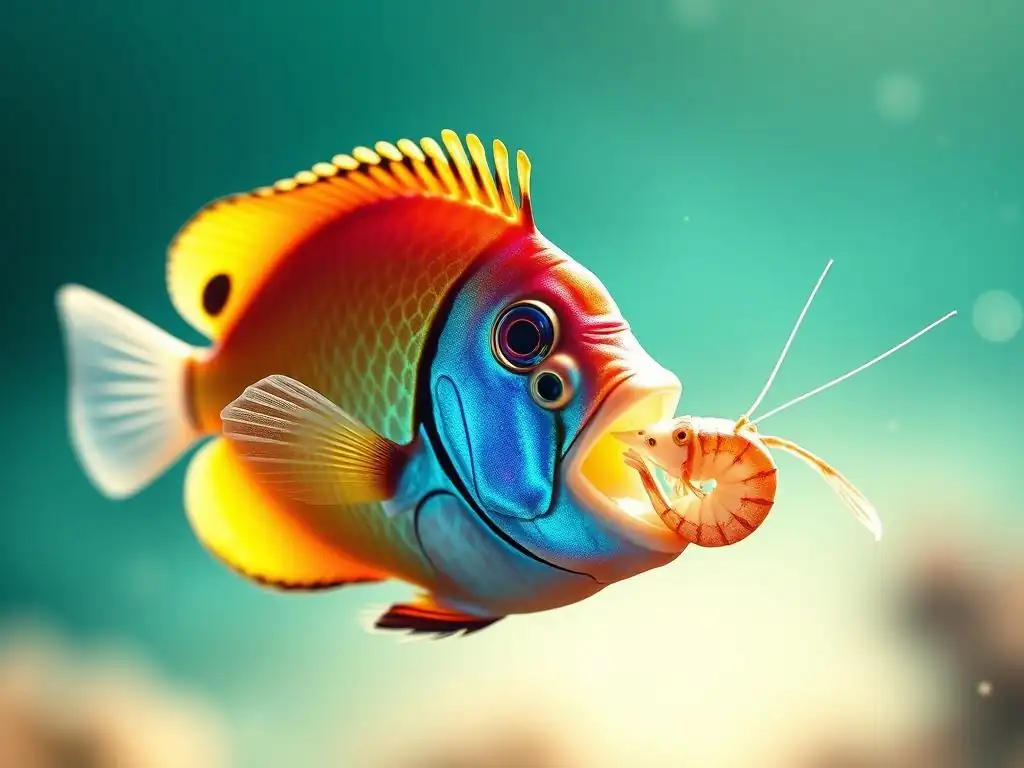
Introducing live food to butterflyfish, especially new arrivals or those reluctant to eat, requires a strategic and patient approach. Begin by offering small quantities of live Mysis shrimp or copepods directly into the water column, ideally when the fish are least stressed, such as during dim lighting or when other tank mates are not overly competitive.
For new butterflyfish, it's often beneficial to offer live food within the first 24-48 hours of their arrival, as their natural instincts are more likely to kick in. You might even consider reducing other food sources temporarily for a day or two to encourage them to explore the live offerings.
Observe their behavior closely. If they show interest but don't immediately consume the food, leave it in the tank for a short period (e.g., 10-15 minutes) before siphoning out any uneaten portions to maintain water quality. For particularly finicky eaters, adding a small amount of garlic extract (e.g., Garlic Guard) to the live food just before feeding can act as an appetite stimulant.
The strong scent can entice reluctant fish. Patience is key; it may take several days or even a week for some butterflyfish to fully acclimate to a new food source, but consistent, gentle offerings of live food are often the most successful butterflyfish feeding tips.
Feeding Frequency and Quantity: Avoiding Overfeeding
Proper feeding frequency and quantity are paramount for the health of butterflyfish and the stability of the aquarium environment. Butterflyfish, especially those in their natural habitat, are often continuous grazers, consuming small amounts of food throughout the day. Replicating this in the home aquarium is ideal; therefore, small, frequent feedings are highly recommended, typically 2-3 times daily. This approach ensures a steady supply of nutrients and prevents large fluctuations in water quality that can result from infrequent, heavy feedings.
When determining quantity, the golden rule is to feed only what your butterflyfish can consume within a few minutes, usually within 3-5 minutes. For instance, for an average adult butterflyfish, an amount of Mysis shrimp equivalent to a pea-sized portion per feeding is a good starting point. Overfeeding is a common pitfall that leads to significant water quality issues, including elevated nitrates and phosphates, which can fuel nuisance algae growth and stress fish.
Uneaten live food can quickly decompose, releasing ammonia and nitrite. If you notice food settling on the bottom or floating uneaten after a few minutes, you are likely feeding too much. Adjust the quantity downwards to optimize both fish health and tank cleanliness.
Observing Feeding Behavior: Identifying Potential Issues
Diligent observation of your butterflyfish's feeding behavior is one of the most effective butterflyfish feeding tips for early detection of potential health or environmental issues. A healthy butterflyfish should exhibit an active and enthusiastic feeding response, readily pursuing and consuming live food. Look for strong, decisive strikes at the food within moments of it being introduced, typically within 30 seconds to a minute. Their colors should remain vibrant, and their fins should be extended and healthy.
Any deviation from this active behavior warrants investigation. Signs of concern include a lack of interest in food, spitting out food after taking it in, lethargy during feeding times, or hiding when food is offered. These can be indicators of stress, disease, poor water quality, or aggression from tank mates.
For example, if a butterflyfish that previously ate Mysis shrimp voraciously suddenly refuses it, check water parameters immediately for ammonia or nitrite spikes. Also, observe interactions with other fish; sometimes, dominant tank mates prevent shyer butterflyfish from getting enough food. Early identification of these issues through careful observation allows for prompt intervention, significantly improving the chances of a positive outcome.
Addressing Common Feeding Challenges with Butterflyfish
Butterflyfish Not Eating: Troubleshooting Guide
When a butterflyfish refuses to eat, it's a significant cause for concern, as prolonged anorexia can quickly lead to weakened immunity and death. A systematic troubleshooting approach is essential. First, meticulously check all water parameters: ammonia (should be 0 ppm), nitrite (0 ppm), nitrate (below 20 ppm), salinity (1.023-1.025), temperature (72-78°F / 22-26°C), and pH (8.0-8.4). Poor water quality is a leading cause of appetite loss. Perform a partial water change if any parameters are off.
Second, inspect the fish for any visible signs of disease, such as white spots (Ich), velvet, cloudy eyes, clamped fins, or labored breathing. Stress from new tank mates, an inadequate environment (lack of hiding spots, insufficient swimming space), or aggressive tank mates can also suppress appetite. If the fish appears healthy and water parameters are good, try offering a variety of live foods – perhaps they prefer copepods over Mysis, or vice-versa.
Sometimes, a different size or movement pattern can entice them. As a last resort, consider adding a mild appetite stimulant like garlic extract to the food. If the issue persists, a visit to a fish veterinarian or a detailed discussion with an experienced marine aquarist is recommended.
Encouraging Feeding in New Butterflyfish
New butterflyfish arrivals are particularly susceptible to stress, which often manifests as a refusal to eat. Encouraging feeding in these delicate fish requires patience and specific strategies. Upon introduction to the aquarium, ensure ample hiding spots and areas of refuge are available; this reduces stress by providing a sense of security. Dimming the aquarium lights for the first day or two can also help them acclimate without feeling exposed.
Start by offering live foods, such as Mysis shrimp or copepods, which closely mimic their natural diet and stimulate their predatory instincts. Offer these foods in small quantities several times a day. Sometimes, introducing a "target feeder" fish – a robust, non-aggressive species that readily eats in front of the new butterflyfish – can encourage them to follow suit.
The sight of another fish actively feeding often prompts reluctant eaters to try. Soaking live or frozen Mysis shrimp in a vitamin or garlic-based appetite stimulant (e.g., Seachem Garlic Guard) can also significantly increase palatability and entice feeding. For example, many hobbyists report success with garlic-infused Mysis shrimp to entice reluctant Copperband Butterflyfish within the first week of introduction.
Maintaining Water Quality During Live Food Feeding
While live food offers unparalleled nutritional benefits for butterflyfish, it can pose challenges to water quality if not managed properly. Uneaten live food, particularly larger items like Mysis shrimp, can quickly decompose, releasing ammonia and nitrite into the water, which are highly toxic to marine fish. To mitigate this risk, it's crucial to feed small quantities at a time, ensuring that all food is consumed within a few minutes (e.g., 3-5 minutes).
Implementing robust mechanical filtration, such as filter socks or sponges, is essential to remove any uneaten food particles before they break down. These media should be cleaned or replaced frequently, ideally daily or every other day, especially after live food feedings. Regular partial water changes (e.g., 10-15% weekly) are also vital to dilute any accumulated nitrates and phosphates and replenish essential trace elements.
A protein skimmer is highly recommended in any marine aquarium housing butterflyfish, as it efficiently removes organic waste before it can decompose. By diligently adhering to these water quality management practices, you can maximize the benefits of live food while minimizing its potential drawbacks, ensuring a healthy and stable environment for your butterflyfish.
Live Food and Butterflyfish Health: A Symbiotic Relationship
Preventing Disease with Proper Live Food Cultivation
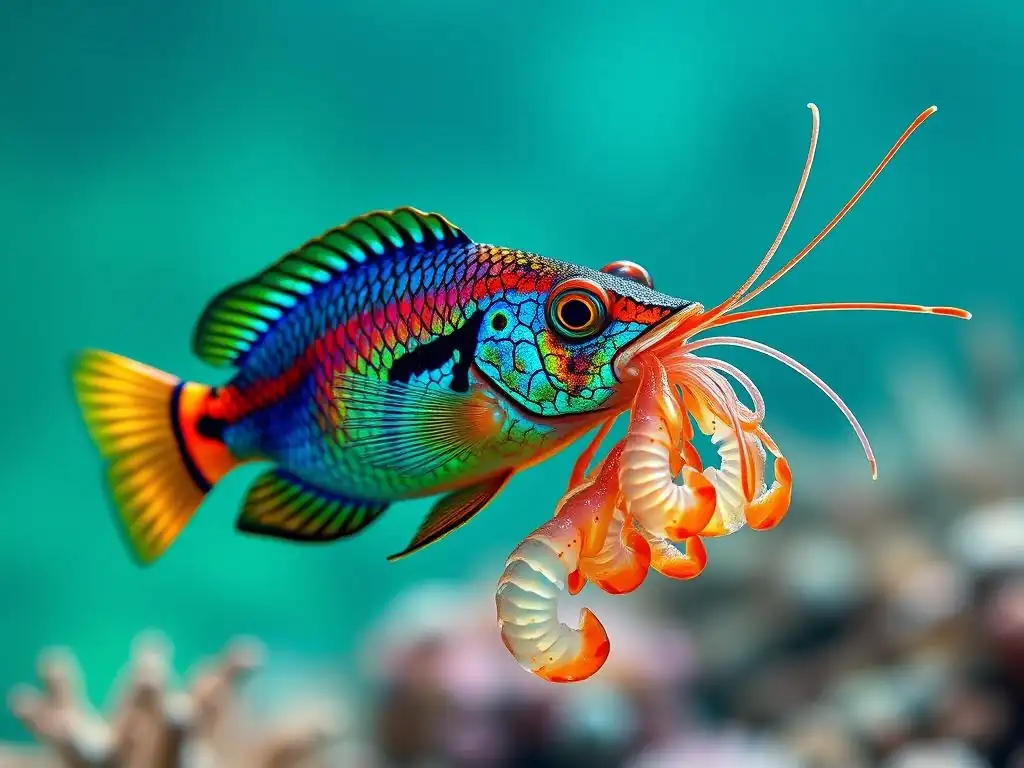
The symbiotic relationship between live food and butterflyfish health is profound, extending to disease prevention. However, this benefit is maximized only when live food is cultivated and handled properly. Contaminated live food can inadvertently introduce pathogens, parasites, or harmful bacteria into the display tank. Therefore, strict hygiene protocols in your Mysis shrimp or copepod culture systems are paramount. Use clean, sterilized equipment for setting up and maintaining cultures. Water used for cultures should be free of contaminants and ideally matched to the display tank's parameters.
Avoid overfeeding the culture itself, as excessive decaying food can lead to bacterial blooms or ammonia spikes within the culture system, potentially making the live food itself a vector for disease. For instance, a common issue is the introduction of Cryptocaryon irritans (marine Ich) if live food is sourced from an unknown or contaminated system.
If acquiring starter cultures from an outside source, it's prudent to quarantine them in a separate container for a few days, observing for any signs of disease or unusual behavior before introducing them to your main culture or directly to your fish. By ensuring the health and cleanliness of your live food cultivation, you create a safe and highly beneficial food source that actively contributes to your butterflyfish's disease resistance.
Boosting Butterflyfish Immunity Through Live Food
Live food plays a pivotal role in boosting the immune system of butterflyfish, a critical factor for their long-term survival and vibrancy in captivity. The superior nutritional profile of live foods, particularly their rich content of highly unsaturated fatty acids (HUFAs), essential amino acids, and natural vitamins, directly supports immune function. HUFAs, such as EPA and DHA found abundantly in Mysis shrimp and copepods, are integral components of cell membranes, including those of immune cells. A diet rich in these fats enables the immune system to respond more effectively to pathogens and stressors.
Furthermore, the act of foraging for live food reduces stress in butterflyfish by allowing them to engage in natural behaviors, which in turn strengthens their immune response. Chronic stress is a known immunosuppressant in fish, making them more susceptible to disease. Live foods also provide natural enzymes and pigments, like astaxanthin, which act as powerful antioxidants, protecting cells from damage and supporting overall cellular health.
A study on marine fish demonstrated that a diet enriched with Omega-3 fatty acids could reduce disease susceptibility by as much as 30% compared to a diet lacking these essential nutrients. By consistently providing high-quality live food, you are not just feeding your butterflyfish; you are actively fortifying their natural defenses, leading to more resilient and thriving individuals.
Conclusion: Mastering Live Food Feeding for Butterflyfish
Mastering the art of live food feeding is arguably one of the most impactful butterflyfish feeding tips for ensuring the long-term health and vitality of these exquisite marine fish. From understanding their specialized dietary needs to the practicalities of cultivating Mysis shrimp and other beneficial live foods, a dedicated approach yields significant rewards. Mysis shrimp stand out as a nutritional cornerstone, providing essential proteins, fats, and pigments crucial for vibrant coloration and robust immunity.
Beyond Mysis, diversifying the menu with nutrient-rich copepods, brine shrimp, and even amphipods further enriches their diet and stimulates natural foraging behaviors. Careful introduction, precise feeding quantities, and diligent water quality management are paramount to harness the benefits of live food without compromising the aquarium environment. Ultimately, embracing sustainable live food cultivation and thoughtful feeding practices transforms the aquarium experience, fostering not just survival but true thriving for your cherished butterflyfish.
Frequently Asked Questions
How important is live food for butterflyfish?
Live food is extremely important for butterflyfish. Many species struggle to adapt to prepared foods, and live food provides essential nutrients and encourages natural feeding behaviors.
What makes Mysis shrimp a good choice for butterflyfish?
Mysis shrimp are highly nutritious and a natural part of many butterflyfish diets in the wild. They are also readily accepted by most species, making them an ideal live food source.
Can I cultivate Mysis shrimp at home?
Yes, cultivating Mysis shrimp at home is possible, although it requires some effort. It involves setting up a suitable culture system, managing water parameters, and providing appropriate food for the shrimp to thrive and ensure a consistent food supply.
Besides Mysis shrimp, what other live foods are suitable for butterflyfish?
Other suitable live foods include brine shrimp, blackworms, copepods, and small crustaceans. The suitability depends on the specific species of butterflyfish and its natural diet. Variety is key.
How often should I feed my butterflyfish live food?
Ideally, butterflyfish should be fed live food multiple times a day in small portions. This mimics their natural feeding habits and helps ensure they receive adequate nutrition, especially when introducing them to a new aquarium.
Okay, here's a final reflection designed to close your article "Live Food Feasts: Cultivating Mysis & More for Happy Butterflyfish," optimized for the keyword "Mysis shrimp butterflyfish feeding tips" and adhering to the structure you provided:
Final Reflection: A Symphony of Sustenance
The journey into cultivating live foods, specifically Mysis shrimp for butterflyfish, transcends mere feeding; it's an act of profound connection with the delicate ecosystems we strive to recreate within our aquariums. The insights shared here, from hatching techniques to nutritional enrichment, are not just about achieving vibrant colors and robust health, but about fostering a deeper understanding of the intricate dance between predator and prey, and our responsibility in maintaining that balance.
This dedication to providing live, nutritious food profoundly impacts the well-being of our butterflyfish and, in turn, our perception of responsible reef keeping. The commitment to understanding and replicating natural feeding behaviors elevates the hobby from simple ownership to a genuine partnership with these magnificent creatures. In the end, we will conserve only what we love; we will love only what we understand; and we will understand only what we are taught.
- Baba Dioum. This quote resonates deeply when considering the effort we invest in providing optimal care, fostering a love and understanding that fuels conservation efforts.
Now, consider the ripple effect of these practices. How can you, as an aquarist, further refine your approach to live food cultivation and butterflyfish care? Embrace the challenge of continuous learning, share your experiences with fellow enthusiasts, and let the joy of nurturing these delicate creatures inspire a broader commitment to responsible reef keeping. Your dedication to providing a "Live Food Feast" is not just feeding fish; it's cultivating a healthier, more sustainable future for our oceans, one butterflyfish at a time.
Unleash Your Butterflyfish's Inner Hunter!
Thanks for diving into the world of live food cultivation! We hope you've discovered some exciting ways to enrich your butterflyfish's diet and bring out their natural behaviors. Now, let's put that knowledge into action!
Here's what you can do next:
- Start your first Mysis shrimp culture! It’s easier than you think, and your butterflyfish will thank you for the fresh, nutritious feast.
- Explore culturing other live foods like rotifers or copepods to further diversify your butterflyfish's diet. A varied diet is a happy diet!
- Share your live food cultivation journey with other aquarium enthusiasts. Post your progress and tips on aquarium forums or social media.
What's the one live food you're most excited to cultivate for your butterflyfish, and what challenges do you anticipate?