
BlueEyed Cardinalfish: A Captivating and Underrated Species for Aquarists

Welcome to Aquarium Mastery!
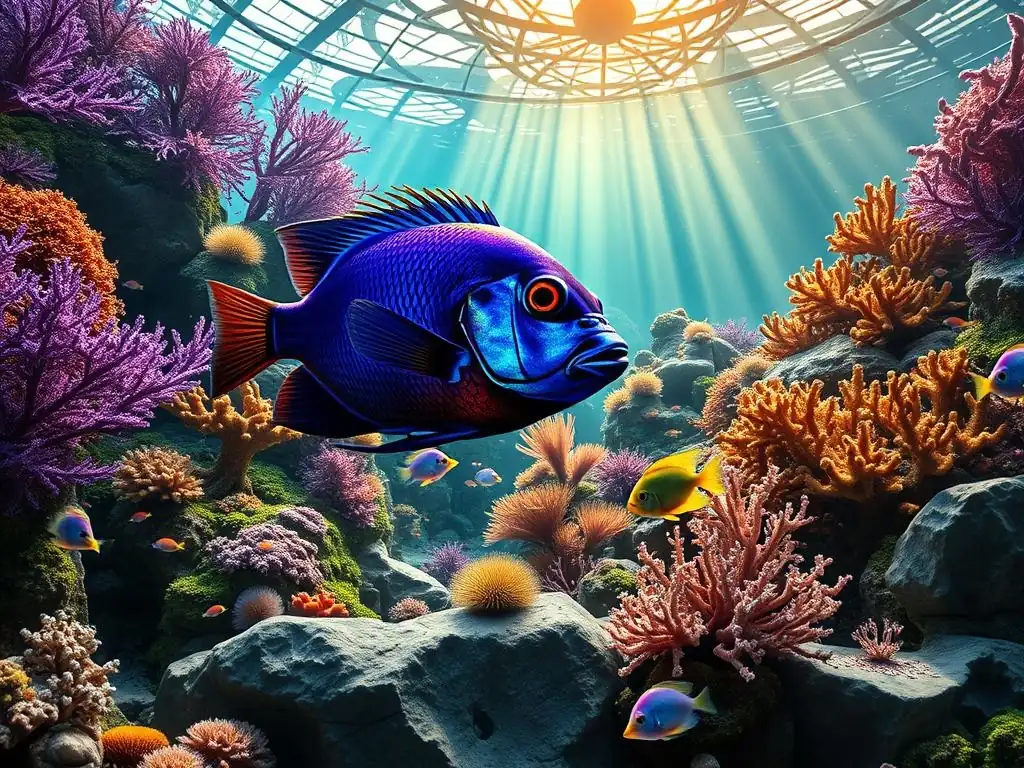
Ever been captivated by the subtle brilliance of the ocean's hidden gems? Dive into the fascinating world of the Blue-Eyed Cardinalfish and discover why this captivating and often underrated species deserves a place in your saltwater aquarium. Curious about their unique needs and how to provide the perfect environment? Keep reading to unlock the secrets of successful Blue Eyed Cardinalfish care and transform your tank into a thriving underwater paradise!
- Introduction to the Blue-Eyed Cardinalfish: A Reef Tank Gem
- Understanding Blue-Eyed Cardinalfish: Species Overview
- Blue Eyed Cardinalfish Care: Essential Guidelines for Aquarists
- Maintaining Blue Eyed Cardinalfish Health: Preventing and Treating Diseases
- Breeding Blue-Eyed Cardinalfish: A Challenging but Rewarding Endeavor
- Where to Buy Blue-Eyed Cardinalfish: Finding Healthy Specimens
- The Benefits of Keeping Blue-Eyed Cardinalfish in Your Reef Tank
- Troubleshooting Common Problems with Blue Eyed Cardinalfish
- Conclusion: Why Blue-Eyed Cardinalfish Deserve a Place in Your Aquarium
-
Frequently Asked Questions
- How difficult is it to care for Blue-Eyed Cardinalfish compared to other saltwater fish?
- What size aquarium is recommended for a small group of Blue-Eyed Cardinalfish?
- What type of diet is best for Blue-Eyed Cardinalfish?
- Are Blue-Eyed Cardinalfish reef safe?
- What are some common health issues to watch out for with Blue-Eyed Cardinalfish?
- Final Reflection: Appreciating the Undersea Jewel
- Ignite Your Aquarium Passion: Dive Deeper with BlueEyed Cardinalfish!
Introduction to the Blue-Eyed Cardinalfish: A Reef Tank Gem
The marine aquarium hobby offers an astonishing array of species, each with unique charm. Among these, the Blue-Eyed Cardinalfish, Apogon leptofasciatus, stands out as a particularly captivating yet often underrated choice for reef tank enthusiasts. Known for their striking iridescent blue eyes and peaceful demeanor, these small fish bring a subtle elegance and fascinating schooling behavior to a well-maintained saltwater environment. Their adaptability and relatively modest care requirements make them an excellent addition for both intermediate and experienced aquarists looking to diversify their reef ecosystem.
Beyond their aesthetic appeal, Blue-Eyed Cardinalfish contribute positively to the dynamic of a community tank. Their tendency to school provides a sense of natural movement and adds visual depth, especially when kept in appropriate numbers. This article will delve into the specific Blue eyed cardinalfish care guidelines, exploring everything from their natural habitat and physical characteristics to detailed tank setup, feeding strategies, and compatibility considerations, ensuring aquarists can provide an optimal environment for these enchanting creatures.
Understanding Blue-Eyed Cardinalfish: Species Overview
Scientific Classification and Origin of Apogon leptofasciatus
The Blue-Eyed Cardinalfish belongs to the family Apogonidae, a diverse group known for their nocturnal habits and often muted coloration, though Apogon leptofasciatus certainly stands out with its luminous eyes. Its scientific name, Apogon leptofasciatus, directly translates to "thin-banded apogon," referring to the subtle markings on its body. This species is widely distributed throughout the vast Indo-Pacific region, inhabiting waters from the eastern coast of Africa, across the Indian Ocean, and into the western Pacific Ocean, reaching as far east as Samoa and as far north as the Ryukyu Islands of Japan.
These cardinalfish are typically found in shallow tropical and subtropical waters, often associated with coral reefs, rocky outcrops, and sheltered lagoons. Their natural range spans diverse reef ecosystems, indicating a degree of adaptability that benefits their suitability for home aquariums. Understanding their geographical origin and classification provides a foundational context for appreciating their specific needs and behaviors in captivity, crucial for successful Blue eyed cardinalfish care.
Physical Characteristics: Identifying the Blue-Eyed Cardinalfish
The most distinguishing feature of the Blue-Eyed Cardinalfish is, unequivocally, its large, iridescent blue eyes, which truly glow in the subdued lighting of a reef tank. These eyes are disproportionately large compared to their slender body, a common characteristic among nocturnal fish, aiding their vision during nighttime foraging. The body itself is generally a translucent, silvery-pink to light brown, often adorned with faint, horizontal stripes or a series of small, dark spots that can vary in intensity depending on the individual and its mood.
Adult specimens typically reach a modest size of about 3 to 3.5 inches (approximately 7.5 to 9 cm) in total length, making them suitable for a variety of tank sizes without overcrowding. Their fins are generally clear or slightly tinted, and they possess two distinct dorsal fins. The overall impression is one of delicate beauty, contributing to their appeal as an elegant addition to a reef aquarium, and their small size makes their Blue eyed cardinalfish care relatively manageable within a community setting.
Natural Habitat and Behavior in the Wild
In their natural environment, Blue-Eyed Cardinalfish primarily inhabit coastal reefs, lagoons, and rocky areas at depths ranging from a few feet to about 100 feet (1 to 30 meters). They are often found in close proximity to branching corals, such as Acropora or Pocillopora, or within the protective cover of rock crevices and overhangs. This strong association with shelter is a direct reflection of their nocturnal lifestyle; during daylight hours, they typically form loose aggregations or schools, seeking refuge within the reef structure to avoid predators.
As dusk approaches, Apogon leptofasciatus emerges from its daytime hiding spots to actively forage for small crustaceans, zooplankton, and other minute invertebrates that drift in the water column. Their schooling behavior in the wild serves as a defense mechanism, creating confusion for potential predators and increasing the chances of individual survival. Replicating aspects of this natural habitat, particularly providing ample hiding spots and dim lighting periods, is a key component of effective Blue eyed cardinalfish care in a home aquarium.
Blue Eyed Cardinalfish Care: Essential Guidelines for Aquarists
Setting Up the Ideal Aquarium for Blue-Eyed Cardinals
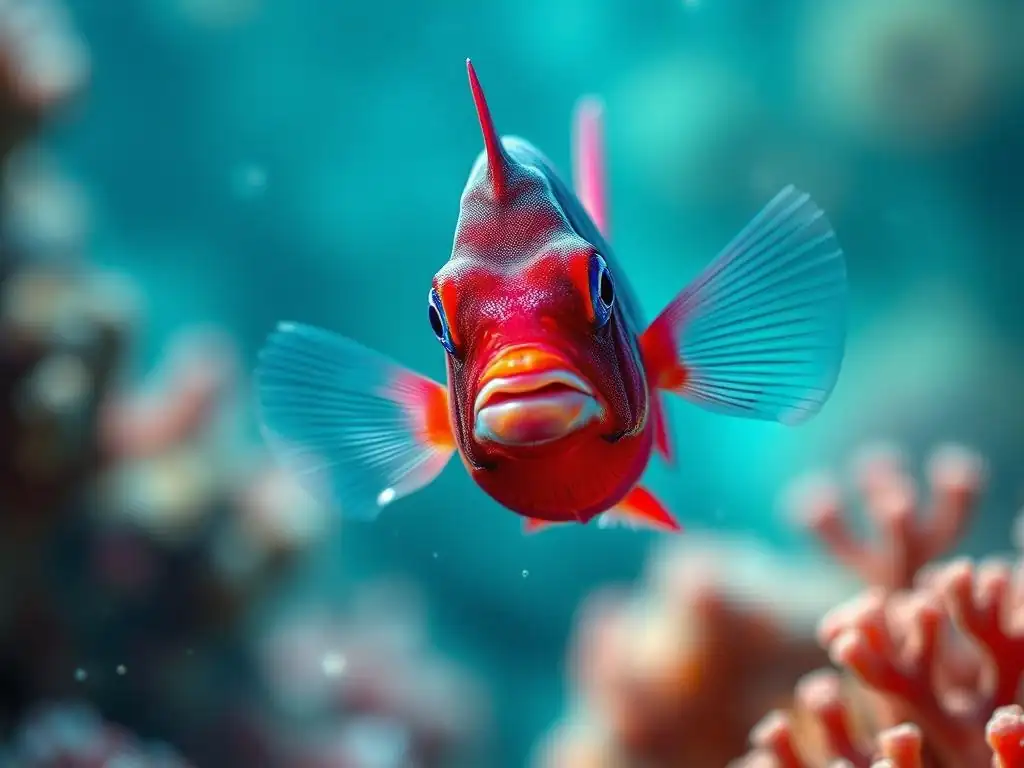
Providing the right environment is paramount for the health and longevity of Blue-Eyed Cardinalfish. These fish thrive in conditions that closely mimic their natural reef habitat, emphasizing stable water parameters, appropriate tank size, and well-structured aquascaping. A successful setup minimizes stress and encourages natural behaviors, which is foundational to proper Blue eyed cardinalfish care.
Consideration of tank inhabitants and overall system stability is crucial before introducing these delicate fish. Establishing a mature nitrogen cycle and ensuring all equipment is functioning optimally will prevent common issues that can plague new marine setups. A well-designed aquarium provides not only a safe haven but also an aesthetically pleasing display that highlights the unique beauty of these cardinalfish.
Tank Size Recommendations for Blue-Eyed Cardinalfish
While Blue-Eyed Cardinalfish are relatively small, their schooling tendencies necessitate a tank that provides ample swimming space and allows for the formation of a comfortable group. For a small school of 3 to 5 individuals, a minimum tank size of 20 gallons (approximately 75 liters) is recommended. However, for a larger, more stable school of 6 or more individuals, or if keeping them in a mixed reef environment with other fish, a 30-gallon (approximately 115 liters) or larger aquarium would be significantly more beneficial.
A larger tank volume offers greater stability in water parameters, which is critical for sensitive marine species. It also reduces territorial disputes among tank mates and provides more room for the cardinalfish to exhibit their natural schooling behavior without feeling confined. When planning for Blue eyed cardinalfish care, always err on the side of a larger tank to ensure their long-term well-being and allow for future additions if desired.
Water Parameters: Maintaining Optimal Conditions
Maintaining stable and precise water parameters is perhaps the most critical aspect of Blue eyed cardinalfish care. These fish are sensitive to fluctuations, and consistent water quality directly impacts their health and vibrant coloration. The ideal temperature range for Apogon leptofasciatus is between 74°F and 78°F (23°C to 26°C). Salinity should be kept stable at a specific gravity of 1.023 to 1.026, or a corresponding PSU of 33-35.
Other vital parameters include pH levels, which should remain between 8.1 and 8.4, and alkalinity (dKH) between 8 and 12. Ammonia and nitrite levels must always be undetectable (0 ppm), and nitrates should be kept as low as possible, ideally below 10 ppm, through regular water changes and efficient filtration. Implementing a robust filtration system, including a protein skimmer and live rock, is essential for maintaining these pristine conditions and ensuring successful Blue eyed cardinalfish care.
Substrate and Aquascaping for Cardinalfish Comfort
The substrate choice for an aquarium housing Blue-Eyed Cardinalfish is flexible, with fine sand or crushed coral being common options. However, the aquascaping is far more critical for their comfort and security. Given their nocturnal nature and preference for shelter in the wild, providing ample hiding spots is paramount. This can be achieved through the strategic placement of live rock formations, creating caves, overhangs, and crevices where the cardinalfish can retreat during daylight hours or when feeling stressed.
Aim for a reef structure that offers multiple nooks and crannies, allowing individual fish to claim small territories within the safety of the school. While they appreciate shelter, ensure there is still open water space for them to swim and school. Dim lighting or areas of shade within the tank can also contribute to their comfort, mimicking the lower light conditions often found in their natural reef habitats. Proper aquascaping is a cornerstone of effective Blue eyed cardinalfish care, promoting natural behavior and reducing stress.
Blue-Eyed Cardinalfish Diet and Feeding Habits
Providing a varied and nutritious diet is fundamental to the long-term health and vibrancy of Blue-Eyed Cardinalfish. These fish are micro-predators in the wild, primarily consuming small invertebrates and zooplankton. Replicating this dietary diversity in the aquarium is essential for their growth, immune function, and overall well-being.
Their relatively small mouths require appropriately sized food particles, and their somewhat shy nature means that food may need to be presented carefully to ensure all individuals receive adequate nutrition, especially in a bustling community tank. Observing their feeding response and adjusting feeding strategies accordingly is a key aspect of successful Blue eyed cardinalfish care.
What to Feed Your Blue-Eyed Cardinals: A Nutritional Guide
Blue-Eyed Cardinalfish are carnivorous and thrive on a diet rich in protein and marine-based nutrients. A staple diet should include a variety of high-quality frozen foods, such as enriched brine shrimp, mysis shrimp, cyclops, and finely chopped marine-based preparations. These frozen options are typically well-accepted and provide essential fatty acids and vitamins.
Supplementing their diet with live foods, such as newly hatched brine shrimp or copepods, can stimulate their natural hunting instincts and provide additional nutritional benefits, particularly for conditioning breeding pairs. While they may occasionally pick at high-quality flake or pellet foods designed for marine carnivores, these should not be the sole component of their diet. Always ensure food particles are small enough for their mouths, typically less than 1-2mm in size.
Feeding Frequency and Methods for Optimal Health
To maintain optimal health and prevent overfeeding, Blue-Eyed Cardinalfish should be fed small amounts two to three times per day. This frequency mimics their natural grazing behavior in the wild, where they continuously pick at zooplankton. Providing multiple small meals rather than one large one helps prevent water quality degradation from uneaten food and ensures consistent nutrient intake.
When feeding, observe their response to ensure all individuals are getting enough food, especially if they are housed with more aggressive eaters. Target feeding with a pipette can be beneficial if they are particularly shy or if there are faster, more dominant tank mates. Turning off powerheads briefly during feeding can prevent food from being immediately swept away, allowing the cardinalfish more time to consume it. Consistent feeding practices are a vital component of attentive Blue eyed cardinalfish care.
Blue-Eyed Cardinalfish are generally peaceful and shy, making their compatibility with other fish a crucial consideration for a harmonious aquarium. Their calm demeanor means they can easily be intimidated or outcompeted for food by overly aggressive or boisterous tank mates. Understanding their social behavior is key to selecting appropriate companions.
While they appreciate the company of their own kind, forming loose schools, they are not strictly obligate schoolers and can be kept individually or in pairs if a school is not feasible due to tank size. However, their natural schooling behavior is far more pronounced and aesthetically pleasing when kept in groups of 3 to 6 or more, which also provides them with a greater sense of security.
Suitable Tank Mates for Blue-Eyed Cardinalfish
The best tank mates for Blue-Eyed Cardinalfish are other peaceful, similarly sized, and non-aggressive marine species that will not bully them or outcompete them for food. Excellent choices include various species of gobies (e.g., watchman gobies, clown gobies), blennies (e.g., fang blennies, tailspot blennies), other small, peaceful cardinalfish species, and certain small wrasses (e.g., six-line wrasse, possum wrasse).
Small, peaceful damselfish (though some can be territorial) and firefish are also generally compatible. If keeping them in a reef tank, most clean-up crew invertebrates, such as snails, hermit crabs, and shrimp, will coexist peacefully with Blue-Eyed Cardinalfish. Selecting tank mates that share similar water parameter requirements simplifies overall Blue eyed cardinalfish care.
Avoiding Aggressive Fish That May Bully Cardinals
To ensure the well-being of your Blue-Eyed Cardinalfish, it is imperative to avoid housing them with aggressive, territorial, or significantly larger predatory fish. Species to avoid include large angelfish, triggers, puffers, large groupers, and aggressive damselfish species (e.g., three-stripe damselfish, blue devil damselfish). These fish can harass, injure, or even consume the smaller, more timid cardinalfish.
Similarly, highly active or fast-swimming fish that are aggressive feeders can stress the cardinalfish and prevent them from getting adequate nutrition. Examples include certain tangs (though many are fine in larger tanks), and very active wrasses that might constantly dart around. Careful research into the temperament and adult size of any potential tank mate is a non-negotiable step in responsible Blue eyed cardinalfish care.
Maintaining Blue Eyed Cardinalfish Health: Preventing and Treating Diseases
Even with meticulous Blue eyed cardinalfish care, fish can occasionally succumb to illness. Understanding common ailments, implementing preventative measures, and recognizing early symptoms are crucial for successful intervention and maintaining a healthy aquarium. Prevention, through stable water quality and proper nutrition, is always the best approach.
A keen eye for subtle changes in behavior or appearance can often be the first line of defense against disease. Early detection significantly increases the chances of successful treatment and minimizes the spread of illness to other tank inhabitants.
Common Diseases Affecting Blue-Eyed Cardinalfish
Like many marine fish, Blue-Eyed Cardinalfish are susceptible to common parasitic and bacterial infections, particularly if stressed or kept in suboptimal conditions. Marine Ich ( Cryptocaryon irritans) is a prevalent parasitic disease characterized by small white spots resembling salt grains on the body and fins. Marine Velvet ( Amyloodinium ocellatum) is another highly contagious parasite, appearing as a dusty, yellowish film or very fine spots, often leading to rapid breathing and lethargy.
Bacterial infections can manifest as fin rot, cloudy eyes, ulcers, or general lethargy and loss of appetite. Internal parasites, though less visible, can lead to wasting and poor growth. Nutritional deficiencies, often due to a limited or inappropriate diet, can also weaken their immune system, making them more vulnerable to other diseases. Proactive Blue eyed cardinalfish care helps bolster their natural defenses.
Quarantine Procedures for New Arrivals
Implementing a strict quarantine protocol for all new fish, including Blue-Eyed Cardinalfish, is the single most effective way to prevent the introduction of diseases into your main display tank. A separate quarantine tank (QT) of at least 10-20 gallons, equipped with its own heater, filtration, and modest aquascaping (PVC pipes or simple rockwork for hiding), should be established and cycled.
New cardinalfish should be observed in the QT for a minimum of 3-4 weeks. During this period, they can be monitored for signs of illness, treated if necessary, and conditioned to their new diet without the stress of competing with established tank mates. This isolation period allows for proactive treatment of potential pathogens like Ich or Velvet using appropriate medications, ensuring only healthy specimens are introduced into the main system, safeguarding your entire aquarium.
Recognizing and Treating Illnesses in Cardinalfish
Recognizing the early signs of illness in Blue-Eyed Cardinalfish is vital for effective treatment. Symptoms can include changes in coloration (e.g., fading or darkening), abnormal swimming patterns (e.g., erratic movements, shimmying, rubbing against objects), labored breathing (rapid gill movement), clamped fins, loss of appetite, or visible lesions, spots, or growths on the body.
Upon observing any of these symptoms, immediate action is required. If in a quarantine tank, specific medications for parasites (e.g., copper-based treatments for Ich/Velvet) or antibiotics for bacterial infections can be administered according to product instructions. In a display tank, treatment options are more limited due to the presence of corals and invertebrates, often necessitating the transfer of the affected fish to a hospital tank. Maintaining excellent water quality and reducing stress are always supportive measures during treatment, reinforcing the core principles of Blue eyed cardinalfish care.
Breeding Blue-Eyed Cardinalfish: A Challenging but Rewarding Endeavor
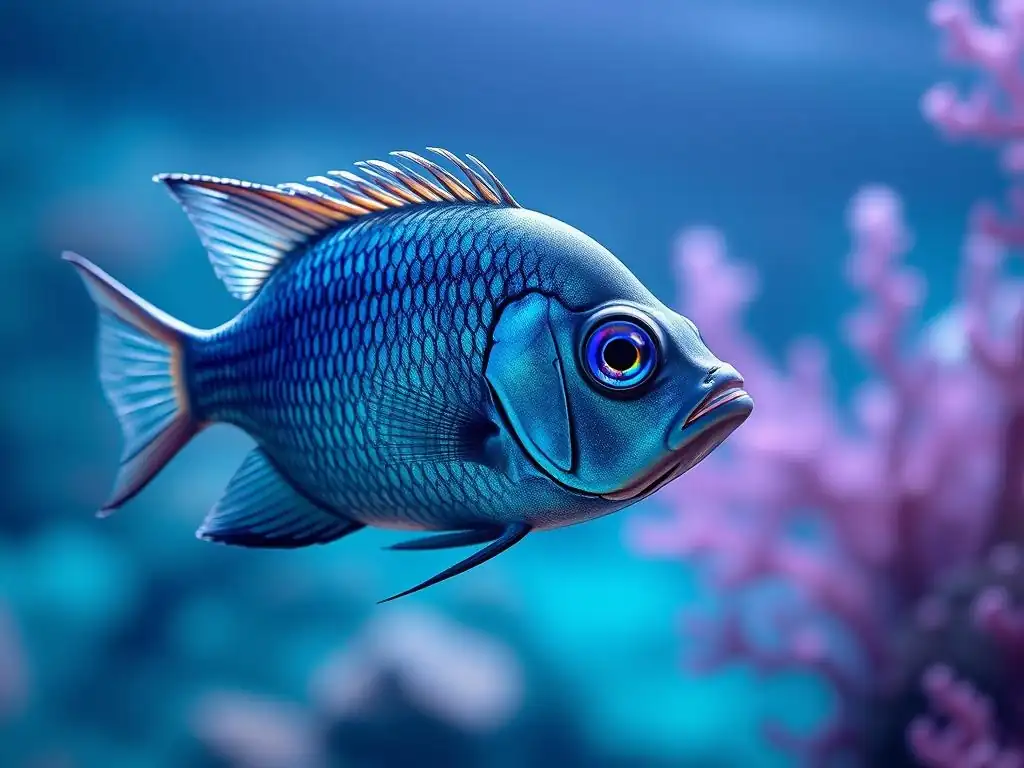
Breeding Apogon leptofasciatus in a home aquarium can be a challenging yet incredibly rewarding experience for dedicated aquarists. Like many cardinalfish, they are mouthbrooders, meaning the male carries the eggs in his mouth until they hatch. Understanding their specific breeding behaviors and providing the right conditions are crucial for success.
While not as commonly bred as some other marine species, successful breeding contributes to sustainable aquaculture and provides a deeper insight into the fascinating life cycle of these captivating fish. Patience and meticulous attention to detail are paramount in this advanced aspect of Blue eyed cardinalfish care.
Creating a Breeding Environment for Apogon leptofasciatus
To encourage Blue-Eyed Cardinalfish to breed, a dedicated breeding tank is highly recommended, separate from the main display. This tank should be at least 20-30 gallons and feature stable, pristine water parameters identical to those preferred by adults. The aquascaping should include ample hiding spots, such as PVC pipes, small caves, or dense rockwork, where the pair can feel secure and the male can retreat during the mouthbrooding period.
Dim lighting can also help reduce stress and encourage natural nocturnal behaviors. Conditioning the prospective breeding pair with a rich diet of high-quality live and frozen foods (e.g., enriched mysis shrimp, copepods, enriched adult brine shrimp) for several weeks prior is essential to promote gonadal development and ensure successful spawning.
Identifying Male and Female Cardinalfish
Distinguishing between male and female Blue-Eyed Cardinalfish can be challenging as they exhibit minimal sexual dimorphism outside of breeding periods. During spawning, the male's mouth will appear noticeably distended as he carries the clutch of eggs. Females, when gravid with eggs, may appear slightly fuller-bodied.
Observation of their behavior can sometimes provide clues: males may display more territoriality or courtship rituals towards a specific female. Keeping a small group of 4-6 individuals increases the likelihood of a compatible pair forming naturally within the group, as visual identification is not always reliable.
The Breeding Process and Fry Care
The breeding process in Blue-Eyed Cardinalfish involves the female laying a spherical cluster of eggs, which are then immediately fertilized by the male and taken into his mouth. The male will then diligently mouthbrood the eggs for approximately 5-7 days, abstaining from eating during this period. During this time, it is crucial to ensure he is not overly stressed or harassed by other tank mates if breeding in a community setting.
Once hatched, the larval cardinalfish are extremely small and planktonic, requiring highly specialized care. They need to be fed microscopic foods such as rotifers for the first few days, followed by newly hatched brine shrimp nauplii as they grow. Water quality in the fry tank must be impeccable, with gentle aeration and frequent, small water changes. Raising Blue-Eyed Cardinalfish fry is a demanding task, often requiring advanced aquarist skills and dedicated equipment.
Where to Buy Blue-Eyed Cardinalfish: Finding Healthy Specimens
Acquiring healthy Blue-Eyed Cardinalfish is the first step towards successful long-term Blue eyed cardinalfish care. The source from which you purchase your fish can significantly impact their initial health and adaptability to your aquarium. It is crucial to be discerning and prioritize reputable suppliers.
Avoid impulse purchases and take the time to observe any potential specimens thoroughly before bringing them home. A healthy fish is far more likely to thrive and provide years of enjoyment in your reef tank.
Selecting Reputable Sources for Your Cardinalfish
When purchasing Blue-Eyed Cardinalfish, prioritize reputable local fish stores or online vendors with a strong track record for ethical sourcing and proper animal husbandry. Look for stores that maintain clean tanks, have knowledgeable staff, and offer a health guarantee. Observe the fish in their tanks: they should be active, alert, and free from any visible signs of disease such as white spots, frayed fins, or cloudy eyes.
Inquire about the fish's origin (wild-caught vs. aquaculture) and how long they have been at the facility. Fish that have been held for a few days to a week are often more acclimated to captive conditions and less stressed. Online vendors should provide clear photos and detailed descriptions, and ensure proper packaging and shipping methods to minimize stress during transit.
Acclimation Procedures for New Blue-Eyed Cardinals
Proper acclimation is critical for the survival of newly acquired Blue-Eyed Cardinalfish, as they are sensitive to sudden changes in water parameters. The drip acclimation method is highly recommended over simpler float-and-dump techniques. Here's a step-by-step guide:
- Dim Lights: Turn off aquarium lights to reduce stress on the new fish.
- Float Bag: Float the sealed bag containing the cardinalfish in your quarantine tank (or main tank, if no QT is used) for 15-20 minutes to equalize temperature.
- Transfer to Container: Open the bag and carefully transfer the fish and its water into a clean, appropriately sized container (e.g., a plastic bucket). Do not allow the fish to jump out.
- Drip Acclimation: Using airline tubing and an air valve, start a slow drip of water from your aquarium into the container. Aim for 1-2 drips per second.
- Monitor Volume: Allow the water volume in the container to slowly double over a period of 45-60 minutes.
- Transfer Fish: Once acclimation is complete, carefully net the cardinalfish and transfer them to the aquarium. Discard the water from the shipping bag; do not add it to your tank.
- Observe: Keep lights dim for a few hours and observe the fish for signs of stress.
This careful process minimizes shock and significantly improves the chances of successful integration, a vital part of initial Blue eyed cardinalfish care.
The Benefits of Keeping Blue-Eyed Cardinalfish in Your Reef Tank
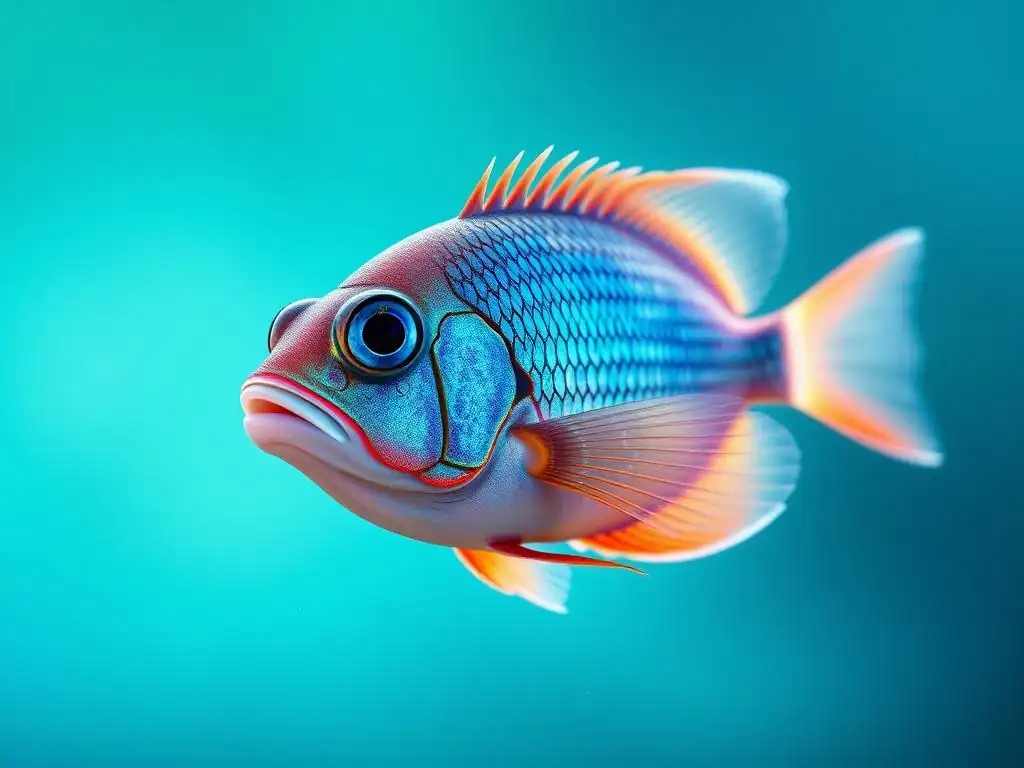
Beyond their relatively straightforward Blue eyed cardinalfish care requirements, these charming fish offer numerous benefits that enhance the beauty and ecological balance of a marine aquarium. Their unique characteristics make them a standout choice for aquarists seeking a peaceful and visually engaging addition to their reef ecosystem.
Their contribution extends beyond mere aesthetics, playing a subtle yet important role in the overall health and stability of a well-maintained reef environment.
Aesthetic Appeal and Unique Schooling Behavior
The most immediate benefit of keeping Blue-Eyed Cardinalfish is their striking aesthetic appeal. Their large, luminous blue eyes provide a captivating focal point, especially under actinic lighting, creating a subtle yet mesmerizing glow within the tank. Their generally calm demeanor and modest size allow them to fit seamlessly into diverse reef aquascapes without overwhelming the display.
Furthermore, when kept in a small group, they exhibit a fascinating schooling behavior. While not always a tight school, they tend to aggregate loosely, drifting together among the rockwork and corals. This synchronized movement adds a dynamic and natural element to the aquarium, providing continuous visual interest and a sense of harmony that is often lacking in tanks with solitary or highly territorial fish.
Contribution to a Balanced Reef Ecosystem
Blue-Eyed Cardinalfish can contribute to a balanced reef ecosystem in several ways. As micro-predators, they help control populations of small copepods and other zooplankton in the water column, acting as a natural clean-up crew for microscopic organisms. Their relatively small bioload means they produce less waste compared to larger fish, helping to maintain stable water parameters and reduce the strain on filtration systems.
Their peaceful nature also means they are unlikely to harass or damage corals or invertebrates, making them excellent candidates for mixed reef tanks. By occupying a specific niche within the aquarium, they add biodiversity without disrupting the delicate balance, fostering a more natural and resilient captive environment. Their presence can also encourage shyer invertebrates to be more active, as they signify a generally peaceful tank environment.
Troubleshooting Common Problems with Blue Eyed Cardinalfish
Even with diligent Blue eyed cardinalfish care, aquarists may encounter a few common issues. Recognizing these problems early and understanding their potential causes are crucial for prompt intervention and maintaining the health of your fish. Addressing these issues swiftly can prevent minor problems from escalating into more serious health concerns.
Observing your cardinalfish daily for any changes in appearance or behavior is the best way to catch problems before they become critical.
Reduced Coloration
If your Blue-Eyed Cardinalfish exhibit reduced or faded coloration, appearing duller than usual, it often indicates stress, poor water quality, or nutritional deficiencies.
- Possible Causes:
- Stress: This could be due to aggressive tank mates, inadequate hiding spots, or sudden changes in tank conditions.
- Poor Water Quality: Elevated nitrates, ammonia, or nitrites, or fluctuating pH/salinity can severely impact fish health and color.
- Nutritional Deficiencies: A diet lacking essential vitamins, minerals, or sufficient protein can lead to faded colors.
- Solutions:
- Assess Tank Mates: Ensure compatibility and provide ample hiding spots.
- Test Water Parameters: Perform thorough water tests; conduct partial water changes if parameters are off.
- Enhance Diet: Offer a varied diet of high-quality, enriched frozen foods, and consider vitamin supplements.
Rapid Breathing
Rapid gill movement or labored breathing in Blue-Eyed Cardinalfish is a serious symptom that requires immediate attention, as it indicates respiratory distress.
- Possible Causes:
- Poor Water Quality: High levels of ammonia, nitrite, or low dissolved oxygen can irritate gills and impair oxygen uptake.
- Parasites: Gill flukes or other external parasites can damage gill tissue, making breathing difficult.
- Disease: Bacterial infections or advanced stages of Ich/Velvet can affect respiratory function.
- Solutions:
- Immediate Water Test: Check ammonia, nitrite, and oxygen levels. Perform an emergency water change if toxins are present.
- Increase Aeration: Add an air stone or ensure good surface agitation to increase dissolved oxygen.
- Observe for Parasites: Look for visible signs of parasites (e.g., white spots, velvet film). If suspected, consider transferring to a hospital tank for specific treatment.
Cloudy Eyes
Cloudy eyes in Blue-Eyed Cardinalfish can appear as a whitish or opaque film covering one or both eyes, often indicating bacterial infection, injury, or severe water quality issues.
- Possible Causes:
- Bacterial Infection: Often secondary to stress or poor water quality, bacteria can infect the eye.
- Physical Injury: Bumping into rockwork, aggression from other fish, or rough handling can cause eye damage.
- Poor Water Quality: Prolonged exposure to high nitrates or other pollutants can lead to eye irritation and infection.
- Solutions:
- Improve Water Quality: Ensure pristine water parameters through regular maintenance and testing.
- Isolate (if possible): Move the affected fish to a hospital tank for observation and potential treatment with a broad-spectrum antibiotic designed for fish.
- Review Tank Environment: Check for sharp edges in aquascaping or aggressive tank mates that might be causing injury.
Conclusion: Why Blue-Eyed Cardinalfish Deserve a Place in Your Aquarium
The Blue-Eyed Cardinalfish, Apogon leptofasciatus, is a truly captivating and often overlooked species that can bring a unique charm to any well-maintained saltwater aquarium. Their striking iridescent blue eyes, peaceful temperament, and intriguing schooling behavior make them an excellent choice for a wide range of aquarists, from those with established reef tanks to those looking for a gentle community fish. Their relatively modest size and adaptable nature, when provided with diligent Blue eyed cardinalfish care, contribute to their appeal.
By understanding their specific needs—from pristine water parameters and a varied diet to ample hiding spots and compatible tank mates—aquarists can ensure these enchanting fish not only survive but thrive. Their contribution to the aesthetic appeal and ecological balance of a reef system is undeniable, adding a touch of subtle elegance and natural activity. For anyone seeking a rewarding and visually stunning addition to their marine setup, the Blue-Eyed Cardinalfish is undoubtedly a species that deserves serious consideration.
Frequently Asked Questions
How difficult is it to care for Blue-Eyed Cardinalfish compared to other saltwater fish?
Blue-Eyed Cardinalfish are generally considered easy to care for, making them a good choice for beginner to intermediate aquarists. They are relatively hardy and adaptable to various tank conditions.
What size aquarium is recommended for a small group of Blue-Eyed Cardinalfish?
A minimum of 20 gallons is recommended for a small group (3-5) of Blue-Eyed Cardinalfish. Providing ample space allows them to establish a comfortable social hierarchy and reduces stress.
What type of diet is best for Blue-Eyed Cardinalfish?
They are carnivores and thrive on a diet of small meaty foods, such as frozen mysis shrimp, brine shrimp, and high-quality flake food. Ensure food is appropriately sized for their small mouths.
Are Blue-Eyed Cardinalfish reef safe?
Yes, Blue-Eyed Cardinalfish are generally reef safe and won't bother corals or invertebrates. This makes them a great addition to a peaceful reef aquarium.
What are some common health issues to watch out for with Blue-Eyed Cardinalfish?
While hardy, they can be susceptible to common saltwater diseases like ich (white spot disease) if water quality is poor. Maintaining stable water parameters and quarantining new arrivals is crucial.
Final Reflection: Appreciating the Undersea Jewel
The journey into understanding the Blue-Eyed Cardinalfish reveals more than just aquarium care; it unveils a microcosm of the ocean's delicate balance and the responsibility we hold as stewards of its beauty. The increasing popularity of reef aquariums underscores the urgent need for sustainable practices and informed choices when selecting inhabitants. This article, hopefully, contributes to that informed choice, ensuring these captivating fish thrive in our care rather than suffer from ignorance.
The allure of the Blue-Eyed Cardinalfish lies not only in its striking appearance but also in its gentle nature and fascinating social dynamics. Understanding its needs is a testament to our commitment to ethical aquascaping and a deeper appreciation for the interconnectedness of life. In the end, we will conserve only what we love; we will love only what we understand; and we will understand only what we are taught.
- Baba Dioum. This quote perfectly encapsulates the spirit of responsible aquarium keeping and the importance of education in preserving our planet's biodiversity.
As you consider adding a Blue-Eyed Cardinalfish to your aquarium, remember that you are not just acquiring a pet, but becoming a caretaker of a small piece of the ocean. Let the knowledge gained here inspire you to delve deeper into the world of marine conservation, to make conscious choices that support sustainable practices, and to share your passion for these captivating creatures with others. May your aquarium be a testament to your dedication and a vibrant reflection of the beauty we must strive to protect.
Ignite Your Aquarium Passion: Dive Deeper with BlueEyed Cardinalfish!
Thank you for exploring the captivating world of BlueEyed Cardinalfish with us! We hope this article has sparked a newfound appreciation for this often-overlooked species and its potential to add a unique touch to your aquarium. Now, it's time to take the next step and bring this knowledge to life!
Here’s how you can get started:
- Start planning your nano-aquarium and research the ideal tank mates to give BlueEyed Cardinalfish a thriving environment.
- Share this article with fellow aquarists who might be searching for a peaceful and interesting addition to their community tanks.
- Visit your local fish store and ask about the availability of sustainably sourced BlueEyed Cardinalfish – you might just inspire them to stock this incredible species!
What specific tank setup are you envisioning for your own BlueEyed Cardinalfish, and what unique features will it include?