
Cardinalfish or Anthias: Which Schooling Fish Reigns Supreme in Your Reef?

Welcome to Aquarium Mastery!
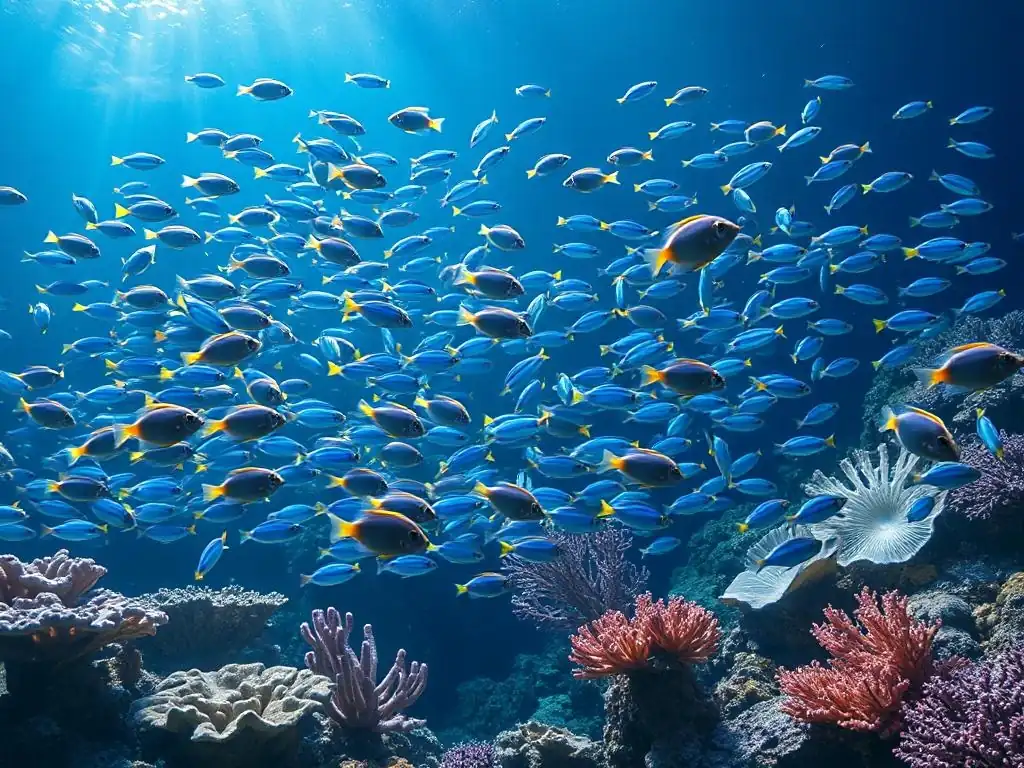
Ever wondered if the dazzling dance of Reef Cardinalfish schooling behavior could be the missing piece in your saltwater paradise? Dive into our guide to discover if these captivating creatures, or perhaps the equally enchanting Anthias, are the perfect fit for your reef aquarium. Prepare to unlock the secrets to a thriving and visually stunning underwater world – your journey to aquarium mastery starts now!
- Introduction: Understanding Cardinalfish and Anthias for Your Saltwater Aquarium
- Cardinalfish: A Closer Look at These Peaceful Reef Dwellers
-
Anthias: The Vibrant Jewels of the Reef
- Anthias Characteristics and Appearance: A Spectrum of Colors
- Ideal Reef Tank Conditions for Anthias: Addressing Their Specific Needs
- Anthias Schooling Behavior: Social Hierarchy and Group Size Considerations
- Popular Reef Anthias Species: Lyretail Anthias, Dispar Anthias
- Anthias Diet and Feeding Habits: Meeting Their Demanding Nutritional Needs
-
Cardinalfish vs. Anthias: A Detailed Comparison for Reef Aquariums
- Temperament and Compatibility with Other Reef Inhabitants
- Cardinalfish Schooling Behavior vs. Anthias Schooling Behavior: Contrasting Social Structures
- Difficulty Level: Cardinalfish vs. Anthias Care Requirements
- Size and Tank Requirements: Choosing the Right Fish for Your Reef
- Diet and Feeding: Which Schooling Fish is Easier to Feed?
- Maintaining a Healthy School: Cardinalfish and Anthias Care Tips
- Enhancing Reef Tank Dynamics: The Benefits of Schooling Fish
- Conclusion: Choosing the Best Schooling Fish for Your Reef Aquarium: Cardinalfish or Anthias?
-
Frequently Asked Questions
- How does Reef Cardinalfish schooling behavior differ from that of Anthias in a reef aquarium?
- What are the key benefits of observing Reef Cardinalfish schooling behavior in an aquarium?
- What factors influence Reef Cardinalfish schooling behavior within an aquarium setting?
- How can I encourage natural Reef Cardinalfish schooling behavior in my reef tank?
- Are there specific Reef Cardinalfish species that exhibit more pronounced schooling behavior than others?
- Final Reflection: Harmony in the Reef
- Ignite Your Reef: Transform Your Tank Today!
Introduction: Understanding Cardinalfish and Anthias for Your Saltwater Aquarium
Creating a vibrant and dynamic reef aquarium often involves incorporating schooling fish that add movement, color, and a sense of natural harmony. Among the most popular choices for saltwater enthusiasts are cardinalfish and anthias, both renowned for their ability to form captivating groups within the marine environment. While both fish types offer distinct aesthetic and behavioral characteristics, understanding their specific needs and social dynamics is crucial for their successful integration into your reef ecosystem.
This article delves into the unique attributes of cardinalfish and anthias, comparing their care requirements, temperament, and, critically, their schooling behaviors. By exploring their ideal tank conditions, dietary needs, and compatibility with other reef inhabitants, you will gain the insights necessary to make an informed decision on which of these magnificent schooling fish will best thrive and enhance the beauty of your personal underwater world.
Cardinalfish: A Closer Look at These Peaceful Reef Dwellers
Cardinalfish Characteristics and Appearance
Cardinalfish, belonging to the family Apogonidae, are generally small, peaceful fish highly favored for their adaptability and relatively calm demeanor in a reef setting. Most species feature an elongated body shape, often reaching lengths of 2 to 6 inches, though some can grow larger. A defining characteristic is their notably large eyes, an adaptation to their often crepuscular or nocturnal habits in the wild, allowing them to forage efficiently in low light conditions.
Their coloration tends to be more subdued compared to the vibrant anthias, often displaying shades of red, silver, black, and brown, sometimes accented with striking patterns or spots. For instance, the popular Pajama Cardinalfish (Sphaeramia nematoptera) boasts a unique pattern of yellow, black, and red. Despite their often understated colors, their graceful movements and the mesmerizing effect of their schooling patterns make them a visually appealing addition to any saltwater aquarium.
Ideal Reef Tank Conditions for Cardinalfish
Providing optimal environmental conditions is paramount for the health and longevity of cardinalfish in a reef aquarium. These fish thrive in stable water parameters typical of a well-maintained reef tank. This includes a consistent temperature range of 72-78°F (22-26°C), a specific gravity of 1.023-1.026, and a pH level between 8.1 and 8.4. Maintaining excellent water quality through regular water changes and robust filtration is essential to prevent the accumulation of nitrates and other harmful compounds.
Cardinalfish generally prefer moderate water flow and appreciate plenty of hiding spots within the live rock aquascape. These crevices and caves provide security, especially during their initial acclimation period or when they feel threatened. While some species are more active during the day in captivity, many retain a preference for subdued lighting, particularly in the evening hours when they are most naturally inclined to forage.
The Reef cardinalfish schooling behavior is one of their most captivating attributes, making them a top choice for aquarists aiming to replicate natural reef dynamics. In their natural habitat, many cardinalfish species form large, cohesive schools, often numbering in the hundreds or even thousands, providing safety in numbers against predators. This innate tendency translates well into the home aquarium, though the size and tightness of the school will depend on various factors.
For a noticeable and healthy display of Reef cardinalfish schooling behavior, it is recommended to keep them in groups of at least 5-7 individuals. In smaller groups, their schooling instinct may be less pronounced, and they might exhibit more solitary or loosely grouped behaviors. Tank size plays a significant role; a minimum of a 30-gallon tank is often suggested for a small group of cardinalfish, but a 75-gallon or larger aquarium allows for a more impressive and natural demonstration of their schooling patterns, reducing stress and encouraging more active swimming.
Popular Reef Cardinalfish Species: Pajama Cardinalfish, Banggai Cardinalfish
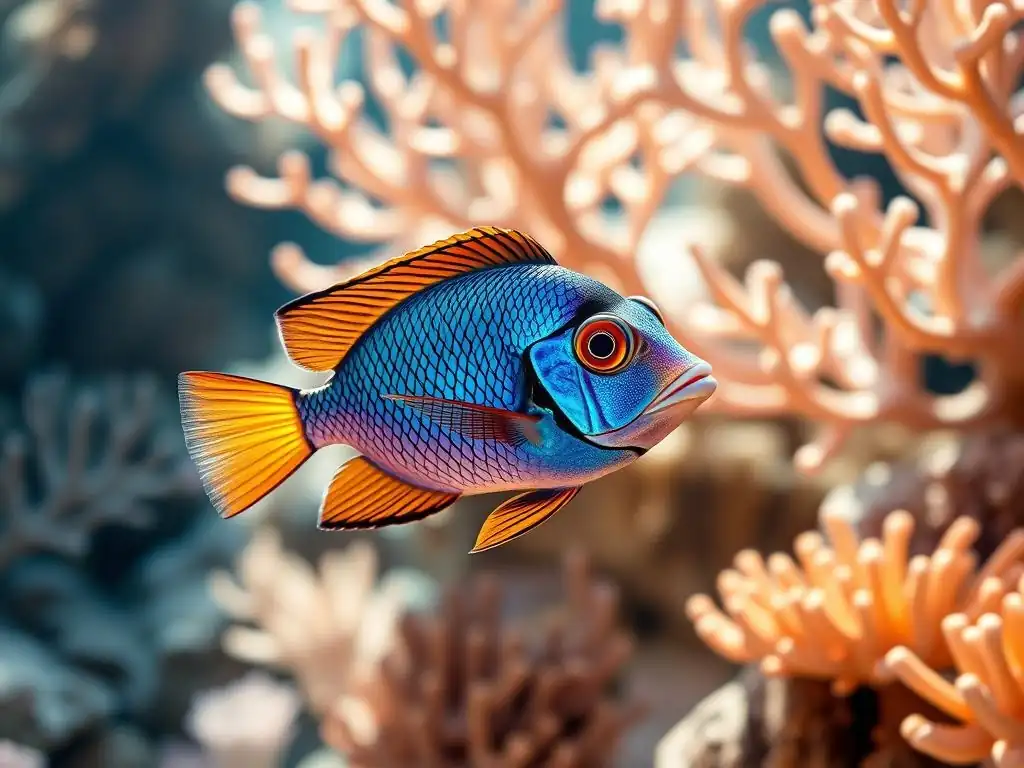
Two species stand out for their popularity and suitability for reef aquariums: the Pajama Cardinalfish and the Banggai Cardinalfish. The Pajama Cardinalfish (Sphaeramia nematoptera) is instantly recognizable by its distinct yellow face, broad black mid-body band, and red spotted tail. Growing up to 3 inches, they are known for their relatively peaceful nature and their tendency to form loose groups, adding a dynamic visual element to the middle and upper water columns of the tank. Their adaptability makes them an excellent choice for beginners.
The Banggai Cardinalfish (Pterapogon kauderni) is another highly sought-after species, characterized by its striking silver body with bold black vertical stripes and elongated fins. These fish, also reaching about 3 inches, exhibit unique mouthbrooding parental care. While they can form schools, their Reef cardinalfish schooling behavior often involves tighter, smaller groups in aquariums, and they are generally more sedentary than Pajamas, often hovering near rockwork. Due to their limited natural range and past overcollection, many Banggai Cardinalfish available today are captive-bred, making them a more sustainable choice.
Cardinalfish Diet and Feeding Habits in Reef Aquariums
Cardinalfish are primarily carnivorous, and their natural diet consists mainly of zooplankton, small crustaceans, and other minute invertebrates they filter from the water column. In a reef aquarium setting, replicating this diet is crucial for their long-term health and vibrant coloration. They readily accept a variety of high-quality frozen foods, which should form the cornerstone of their diet.
Excellent choices include frozen mysis shrimp, brine shrimp (enriched), copepods, and cyclops. High-quality marine flakes and small pellets can also be offered, though frozen foods are generally preferred due to their higher nutritional content and palatability. Feeding cardinalfish 1-2 times per day is typically sufficient, ensuring that all individuals in the school receive adequate nutrition. While they are often nocturnal in the wild, captive cardinalfish usually adapt quickly to diurnal feeding schedules.
Anthias: The Vibrant Jewels of the Reef
Anthias Characteristics and Appearance: A Spectrum of Colors
Anthias, belonging primarily to the genus Pseudanthias, are undeniably among the most visually stunning fish for a reef aquarium, often referred to as the "jewels of the reef." They are characterized by their brilliant and diverse coloration, which includes vibrant shades of orange, pink, yellow, red, and purple, often with intricate patterns and iridescent scales. Many species exhibit sexual dimorphism, where males are typically larger and more intensely colored than females, sometimes displaying elaborate fin extensions.
These graceful fish generally have elongated, slender bodies, ranging in size from a few inches to over 8 inches, depending on the species. Their continuous swimming motion and active presence in the water column add immense dynamism to the reef tank. Unlike cardinalfish, anthias are decidedly diurnal, constantly darting and feeding throughout the day, which contributes significantly to their appeal for aquarists.
Ideal Reef Tank Conditions for Anthias: Addressing Their Specific Needs
Anthias require a well-established and mature reef aquarium to thrive, given their active nature and specific dietary demands. Maintaining pristine water quality is paramount, with parameters similar to those for cardinalfish: stable temperatures between 74-78°F (23-26°C), specific gravity of 1.023-1.026, and a pH of 8.1-8.4. Strong filtration and consistent nutrient export are vital to handle their frequent feeding and active metabolism.
Unlike cardinalfish, anthias generally prefer strong water flow, mimicking the currents of their natural reef environments where they feed on plankton. Ample open swimming space is crucial for these active fish, alongside plenty of live rock with crevices for shelter, especially during the night or when startled. A large, stable system helps mitigate stress and supports their demanding lifestyle.
Anthias schooling behavior is complex and highly influenced by their social hierarchy, typically forming harems with one dominant male overseeing multiple females. This social structure dictates their grouping in the aquarium; while they are often kept in groups, it's more accurately described as a "harem" rather than a true school in the same sense as cardinalfish. Introducing multiple males into a tank without sufficient size and hiding spots can lead to aggression and territorial disputes.
For successful Anthias grouping, it is generally recommended to introduce one male with at least 3-5 females, or more in very large tanks. The male will assert dominance, and the females will form a loose group around him. If the male dies, the most dominant female may transition into a male, a fascinating example of protogynous hermaphroditism. Providing ample space, typically a tank of 75 gallons or more for smaller species and significantly larger for bigger anthias, is essential to allow for natural social interactions and minimize aggression within the group.
Popular Reef Anthias Species: Lyretail Anthias, Dispar Anthias
Among the myriad of anthias species, the Lyretail Anthias ( Pseudanthias squamipinnis) and the Dispar Anthias ( Pseudanthias dispar) are particularly popular choices for reef aquariums. The Lyretail Anthias, also known as the Scalefin Anthias, is a classic choice, with males displaying vibrant orange and red hues and an elongated lyre-shaped tail, while females are typically orange-yellow. They can grow up to 6 inches and are known for their active swimming and relatively peaceful nature in groups, making them an excellent candidate for a harem setup in tanks 75 gallons or larger.
The Dispar Anthias, or Redfin Anthias, is a smaller and arguably more docile species, reaching about 3 inches. Males exhibit a striking orange body with a bright red dorsal fin, while females are mostly orange. Their smaller size makes them suitable for slightly smaller reef tanks (e.g., 50 gallons for a small group) compared to Lyretails. They are known for their constant activity and bright coloration, adding continuous movement and a splash of color to the upper water column. Both species thrive when kept in appropriate harem configurations.
Anthias Diet and Feeding Habits: Meeting Their Demanding Nutritional Needs
Anthias are micro-carnivores that, in the wild, constantly feed on zooplankton drifting in the water column. This translates to a demanding feeding schedule in the home aquarium. Unlike cardinalfish which might be fed once or twice daily, anthias often require multiple small feedings throughout the day, typically 3-5 times, to maintain their health and vibrant coloration. Insufficient feeding is a primary cause of decline in anthias.
Their diet should consist of a variety of high-quality, small, meaty frozen foods such as enriched brine shrimp, mysis shrimp, copepods, and cyclops. Live copepods and rotifers can also be an excellent supplement, especially during acclimation. High-quality marine pellets and flakes designed for carnivores can be offered but should not be the sole food source. Ensuring all individuals in the group get enough food, especially the more timid ones, is crucial, sometimes requiring target feeding.
Cardinalfish vs. Anthias: A Detailed Comparison for Reef Aquariums
Temperament and Compatibility with Other Reef Inhabitants
When considering temperament, cardinalfish generally emerge as the more peaceful option for a community reef tank. Their calm demeanor and non-aggressive nature make them excellent tank mates for a wide variety of other peaceful reef inhabitants, including smaller gobies, blennies, and even more delicate corals and invertebrates. They pose minimal threat to other fish or sessile invertebrates, making them highly compatible in diverse setups. Their Reef cardinalfish schooling behavior is typically harmonious within their own species and with others.
Anthias, while generally peaceful towards most other fish species, can exhibit intra-species aggression, particularly among males if not kept in appropriate harem numbers or if the tank is too small. A dominant male may harass less dominant males or even females if stressed. They are active swimmers and feeders, which can sometimes outcompete slower-moving or shyer fish for food. However, their active nature can also help stimulate other fish in the tank. Both cardinalfish and anthias are considered reef-safe, meaning they typically will not bother corals or other invertebrates.
The fundamental difference between Reef cardinalfish schooling behavior and anthias grouping lies in their social structures. Cardinalfish, particularly species like the Pajama or Ocellated Cardinalfish, exhibit true schooling behavior, where individuals move in a synchronized, coordinated manner, often without a strict hierarchy. They gain safety and efficiency from being part of a larger, undifferentiated group. This behavior is more pronounced in larger numbers and spacious tanks.
Anthias, on the other hand, form harems characterized by a distinct social hierarchy, usually led by a single dominant male and multiple females. While they appear to "school" or group together, their movements are often dictated by the male's presence and the need to maintain their social order. If the dominant male is removed or dies, a female may undergo a sex change to assume the male role. Understanding this difference is key to successful long-term keeping; simply adding multiple anthias without considering the male-to-female ratio and tank size can lead to stress and aggression.
Difficulty Level: Cardinalfish vs. Anthias Care Requirements
In terms of overall care difficulty, cardinalfish are generally considered easier to keep than anthias, making them a more forgiving choice for novice to intermediate aquarists. Their less demanding feeding schedule, more sedentary nature, and higher tolerance for minor fluctuations in water parameters contribute to their lower difficulty rating. Species like the Pajama Cardinalfish are particularly robust and adaptable.
Anthias, by contrast, are rated as intermediate to advanced due to their high metabolic rate and constant need for food. Their requirement for multiple daily feedings, sometimes 3-5 times, can be a significant commitment. Furthermore, their specific social structures and potential for intra-species aggression necessitate careful planning of group size and tank layout. Maintaining pristine water quality is also more critical for anthias, as their high feeding frequency can rapidly impact water chemistry if filtration is inadequate.
Size and Tank Requirements: Choosing the Right Fish for Your Reef
When comparing size and tank requirements, both cardinalfish and anthias benefit from larger tanks, but their specific needs differ. Most popular cardinalfish species range from 2 to 4 inches, making them suitable for tanks as small as 30 gallons for a small group, though 50 gallons or more is recommended for a more active display of Reef cardinalfish schooling behavior. They require ample hiding spots within rockwork.
Anthias species vary more widely in size, from the 3-inch Dispar Anthias to larger species exceeding 6 inches. Due to their active swimming and harem social structure, even smaller anthias species generally require a minimum of a 50-gallon tank for a small group, with 75 gallons or more being ideal for most popular species like Lyretail Anthias. Larger tanks are essential to provide adequate swimming space and reduce aggression within their social hierarchy.
Diet and Feeding: Which Schooling Fish is Easier to Feed?
Without a doubt, cardinalfish are significantly easier to feed compared to anthias. Cardinalfish typically thrive on 1-2 daily feedings of high-quality frozen foods and possibly marine flakes or pellets. Their slower metabolism and less active lifestyle mean they don't require the constant replenishment of energy that anthias do. They are generally less finicky eaters and adapt quickly to prepared foods.
Anthias, conversely, are among the most demanding fish when it comes to feeding frequency. Their natural behavior of constantly picking zooplankton from the water column means they need multiple small feedings throughout the day in the aquarium, often 3-5 times. Failing to meet this constant nutritional demand can lead to rapid weight loss, weakened immune systems, and ultimately, a shortened lifespan. This makes anthias a commitment for aquarists who can dedicate the time to frequent feeding.
Maintaining a Healthy School: Cardinalfish and Anthias Care Tips
Water Quality and Chemistry for Optimal Health
Maintaining pristine water quality is the cornerstone of a healthy reef aquarium, especially when housing schooling fish like cardinalfish and anthias. Stable parameters are critical: temperature should be consistently within 72-78°F (22-26°C), salinity at 1.023-1.026 specific gravity, and pH between 8.1-8.4. Regular testing for ammonia, nitrite, and nitrate levels is essential, aiming for undetectable ammonia and nitrite, and nitrates below 10-20 ppm.
Consistent nutrient export through methods like protein skimming, refugiums, and regular partial water changes (e.g., 10-20% bi-weekly) is vital. For anthias, given their high feeding frequency, robust filtration and diligent water quality management are even more crucial to prevent nutrient buildup. Ensure proper alkalinity, calcium, and magnesium levels are maintained if you have corals, as these also contribute to overall water stability that benefits fish.
Preventing and Treating Common Diseases in Cardinalfish and Anthias
Prevention is always the best approach to disease management in reef aquariums. A quarantine tank is highly recommended for all new fish, including cardinalfish and anthias, for at least 3-4 weeks to observe for signs of illness and administer preventative treatments if necessary. This significantly reduces the risk of introducing pathogens into your main display tank. Maintaining excellent water quality, providing a balanced diet, and minimizing stress are the primary defenses against disease.
Common ailments that can affect both cardinalfish and anthias include marine ich (Cryptocaryon irritans), velvet (Amyloodinium ocellatum), and bacterial infections. Symptoms can include white spots, rapid breathing, clamped fins, or lethargy. If disease is suspected, prompt identification and treatment are crucial. Treatments often involve transferring the affected fish to a hospital tank for medication, as many medications are harmful to corals and invertebrates in the main display.
Choosing the Right Tank Mates for Cardinalfish and Anthias
Selecting appropriate tank mates is vital for the long-term well-being of both cardinalfish and anthias. Cardinalfish, with their peaceful nature and sometimes shy Reef cardinalfish schooling behavior, thrive best with other non-aggressive species. Good companions include smaller gobies, blennies, clownfish, and other peaceful community fish. Avoid housing them with overly aggressive or large predatory fish that might view them as prey.
Anthias, while active, are generally peaceful towards non-anthias species, but their constant activity and feeding can sometimes overwhelm very timid tank mates. They do well with other active, mid-sized reef fish like tangs (in appropriately sized tanks), wrasses, and other peaceful community fish. The key consideration for anthias is their intra-species dynamics, requiring careful planning of their group size and male-to-female ratios to prevent aggression within their harem. Both cardinalfish and anthias are excellent choices for reef-safe community tanks.
Enhancing Reef Tank Dynamics: The Benefits of Schooling Fish
Creating a Natural Reef Environment for Cardinalfish and Anthias
Incorporating schooling fish like cardinalfish and anthias significantly enhances the natural dynamics and aesthetic appeal of a reef aquarium. Their presence simulates the vibrant, bustling ecosystems found on natural coral reefs, adding continuous movement and life to the water column. For cardinalfish, providing ample live rock with caves and overhangs allows them to exhibit their natural hiding and schooling tendencies, creating a sense of security that encourages more confident Reef cardinalfish schooling behavior.
For anthias, a well-structured aquascape with open swimming areas alongside plenty of rockwork for perching and shelter is crucial. The strong water flow they prefer helps distribute food and mimics their natural habitat. Both species benefit from a mature tank with stable parameters, allowing them to acclimate and express their full range of natural behaviors. The interaction between the fish, the corals, and the rockwork creates a miniature, self-sustaining ecosystem that is both beautiful and fascinating to observe.
Observing and Understanding Schooling Fish Behavior in Your Aquarium
Observing the Reef cardinalfish schooling behavior and anthias social dynamics provides a captivating window into marine life. Cardinalfish often form loose aggregations that drift gracefully, occasionally tightening their ranks in response to perceived threats or feeding opportunities. Watching a group of Pajama Cardinalfish hover together or a school of Ocellated Cardinalfish move in unison is a testament to their inherent schooling instinct and adds a calming presence to the tank.
Anthias, with their harem structures, offer a different kind of behavioral observation. You can witness the male's dominance displays, the females' interactions, and their constant, energetic foraging. The way they dart in and out of the rockwork, constantly sifting the water for food, provides a dynamic display. Understanding these behaviors helps aquarists assess the health and comfort of their fish, allowing for adjustments to tank conditions or group composition as needed to ensure a thriving environment.
Conclusion: Choosing the Best Schooling Fish for Your Reef Aquarium: Cardinalfish or Anthias?
Considering Your Experience Level and Tank Setup
The decision between cardinalfish and anthias for your reef aquarium ultimately depends on your experience level, the specific characteristics of your tank setup, and your commitment to their care. For beginner to intermediate aquarists seeking a peaceful, relatively low-maintenance schooling fish, cardinalfish are an excellent choice. Their less demanding feeding schedule, generally robust nature, and adaptable Reef cardinalfish schooling behavior make them a forgiving addition to most established reef tanks. A tank of 50 gallons or more is ideal for a good school.
Conversely, anthias are better suited for intermediate to advanced aquarists who can commit to their rigorous feeding schedule and understand their complex social dynamics. Their requirement for multiple daily feedings and the need for a larger tank (75 gallons+) to support their active nature and harem structure means they demand more dedicated attention. However, their vibrant colors and constant activity offer a truly spectacular display for those willing to meet their needs.
Final Thoughts on Cardinalfish Schooling Behavior and Anthias Care
Both cardinalfish and anthias offer unique and valuable contributions to a reef aquarium, enhancing its beauty and natural dynamics. If your priority is a peaceful, easy-to-care-for schooling fish that exhibits classic Reef cardinalfish schooling behavior without demanding frequent attention, cardinalfish like the Pajama or Banggai are superb choices. They provide a calming, harmonious presence and are generally compatible with a wide range of tank mates.
If you are an experienced aquarist looking for a challenge and desire a constant burst of color and activity from a fish that needs dedicated feeding, anthias will undoubtedly be a breathtaking addition. Their stunning appearance and fascinating social hierarchies can transform your reef tank into a dynamic, living art piece. Whichever you choose, providing stable water parameters, a species-appropriate diet, and suitable tank mates will ensure these magnificent schooling fish thrive and bring endless enjoyment to your aquatic endeavor.
Frequently Asked Questions
How does Reef Cardinalfish schooling behavior differ from that of Anthias in a reef aquarium?
Cardinalfish generally form tighter, smaller schools than Anthias. Anthias often exhibit a more dynamic and dispersed schooling behavior across a larger area.
What are the key benefits of observing Reef Cardinalfish schooling behavior in an aquarium?
Observing this behavior provides visual interest and can indicate the overall health and stress levels of the fish. It also helps maintain a natural ecosystem.
What factors influence Reef Cardinalfish schooling behavior within an aquarium setting?
Tank size, presence of predators or stressors, and the number of individuals in the school significantly impact their behavior. A properly sized tank is crucial.
How can I encourage natural Reef Cardinalfish schooling behavior in my reef tank?
Provide ample hiding places and a peaceful environment. Maintain excellent water quality to reduce stress and promote natural schooling.
Are there specific Reef Cardinalfish species that exhibit more pronounced schooling behavior than others?
Yes, certain species like the Pajama Cardinalfish are known for their strong schooling tendencies. Researching specific species is crucial for optimal aquascaping.
Final Reflection: Harmony in the Reef
The vibrant ecosystems of our coral reefs, teeming with life and color, are a testament to the intricate balance of nature. Understanding the nuances of species like cardinalfish and anthias, particularly their schooling behavior and its impact on reef health, is more crucial than ever as these delicate environments face increasing threats from climate change and human activity. By appreciating the specific roles these fish play, we can better advocate for their protection and the preservation of the reefs they call home.
The allure of a shimmering school of fish, whether cardinalfish or anthias, captivates divers and aquarists alike. But beyond their aesthetic appeal, their social dynamics and ecological contributions are profoundly significant. My own fascination with reef aquariums began with observing the subtle interactions within a school of fish, a microcosm of the larger, more complex reef ecosystem. As Jacques Cousteau so eloquently stated, The sea, once it casts its spell, holds one in its net of wonder forever.
This wonder, coupled with scientific understanding, fuels our responsibility to protect these underwater paradises.
Now, consider the knowledge you've gained about reef cardinalfish schooling behavior and anthias. How can you translate this understanding into action? Perhaps it's supporting sustainable aquarium practices, advocating for marine conservation policies, or simply sharing your newfound appreciation with others. Let us all strive to be stewards of the reef, ensuring that future generations can witness the breathtaking beauty and ecological importance of these remarkable schooling fish.
Ignite Your Reef: Transform Your Tank Today!
Thanks for diving deep into the vibrant world of schooling fish! We hope you’ve gained valuable insights into choosing the perfect additions for your reef aquarium. Now, it’s time to turn that knowledge into action and create the mesmerizing underwater paradise you've always dreamed of.
Here are some next steps to consider:
- Commit to researching the specific needs of either Cardinalfish or Anthias based on your tank size, water parameters, and existing inhabitants. Don't rush – informed choices are key!
- Share this article with fellow reefing enthusiasts and start a discussion about their experiences with schooling fish. Maybe you can uncover some unique insights!
- Get creative and sketch out your dream reef aquascape, envisioning where your new school will thrive.
Ready to bring the beauty of schooling fish into your own aquarium? What's the first step you'll take to make it a reality?