
Beyond the Ordinary: The Thrill and Challenge of a PredatorOnly Saltwater Tank

Welcome to Aquarium Mastery!
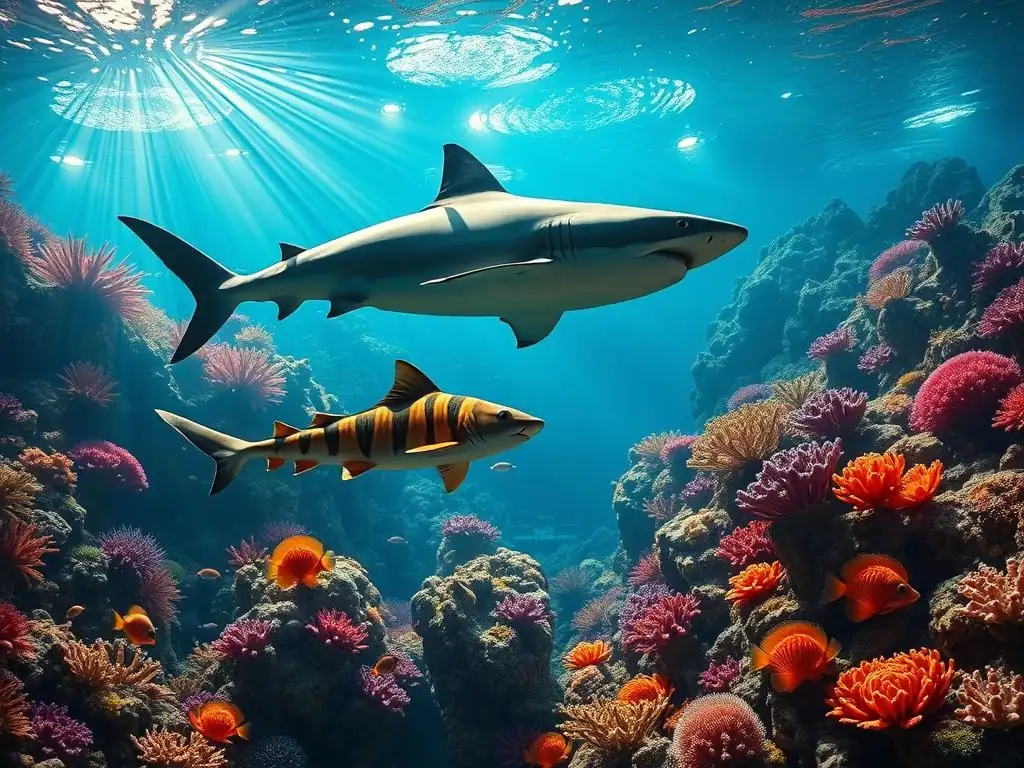
Dive into the exciting world of saltwater aquariums, where beauty meets the bold! Are you ready to take on a truly captivating challenge? This article explores the fascinating and often misunderstood world of PredatorOnly saltwater tank setups. What secrets lie beneath the surface when creating a thriving ecosystem for these captivating creatures? Keep reading to unlock the keys to success and discover if you have what it takes to master the art of the predator tank.
- Introduction: Diving into the World of Predator-Only Saltwater Aquariums
- Planning Your Predator-Only Saltwater Tank Setup
- Setting Up Your Predator-Only Saltwater Tank: A Step-by-Step Guide
- Maintaining a Healthy Predator-Only Saltwater Tank
- Troubleshooting Common Issues in Predator-Only Saltwater Tanks
- Advanced Techniques for Predator-Only Saltwater Tanks
- The Future of Predator-Only Saltwater Aquariums: Trends and Innovations
- Conclusion: The Rewards of a Well-Maintained Predator Saltwater Aquarium
-
Frequently Asked Questions
- What exactly is a PredatorOnly Saltwater Tank?
- What are some popular predator fish suitable for a PredatorOnly Saltwater Tank?
- What are the key considerations for setting up a PredatorOnly Saltwater Tank?
- How does maintenance differ in a PredatorOnly Saltwater Tank compared to a reef tank?
- What are some common challenges aquarists face when keeping a PredatorOnly Saltwater Tank?
- Final Reflection: Embracing the Apex of the Reef
- Ignite Your Passion: Craft Your Predator Paradise!
Introduction: Diving into the World of Predator-Only Saltwater Aquariums
Why Choose a Predator-Only Saltwater Tank? The Allure and Responsibility
Opting for a predator-only saltwater tank setup offers a unique and captivating experience distinct from traditional reef or community fish tanks. The primary allure lies in the sheer presence and impressive hunting behaviors of these magnificent creatures, often too large or aggressive for mixed-species environments.
Enthusiasts are drawn to the challenge of creating an ecosystem that caters specifically to the needs of apex marine predators like lionfish, eels, and triggerfish, allowing them to observe natural behaviors that might otherwise be suppressed in less suitable habitats. This specialization provides a focused passion, leading to a deeper understanding of these specific species.
However, the thrill comes with significant responsibility. A predator-only saltwater tank setup demands a substantial commitment in terms of space, resources, and ongoing care. These fish typically grow much larger than their docile counterparts, requiring aquariums ranging from 75 gallons for a single Volitan Lionfish to 200 gallons or more for a pair of larger triggers or moray eels. The initial investment for a robust 150-gallon predator tank, including the aquarium, stand, filtration, and heating, can easily range from $2,000 to $5,000, excluding the cost of the fish themselves, which can be several hundred dollars per specimen.
Understanding the Commitment: Is a Predator Tank Right for You?
Embarking on a predator-only saltwater tank setup is not a decision to be taken lightly; it requires a deep understanding of the long-term commitment involved. Unlike smaller, more common aquarium fish, many predatory species have lifespans exceeding a decade, with some moray eels living up to 20 years or more in captivity. This longevity means a sustained dedication to their specialized feeding, rigorous water quality maintenance, and potential veterinary care. Daily observation is crucial to detect any signs of stress, disease, or aggression, ensuring the well-being of these powerful inhabitants.
Beyond the initial financial outlay, the ongoing operational costs for a large predator-only saltwater tank setup can be considerable. Regular expenses include high-quality frozen foods (e.g., silversides, shrimp, squid), salt mix for frequent large water changes, replacement filter media, and electricity for powerful pumps, heaters, and lighting.
A 180-gallon tank might require weekly water changes of 20-30%, equating to 36-54 gallons of new saltwater, which translates to significant recurring costs for salt and reverse osmosis deionized (RO/DI) water production. Prospective keepers must be prepared for this continuous investment of time and money to ensure a thriving environment for their impressive predators.
Planning Your Predator-Only Saltwater Tank Setup
Selecting the Right Aquarium Size for Your Predatory Fish
The cornerstone of a successful predator-only saltwater tank setup is selecting an appropriately sized aquarium, which must primarily accommodate the adult size and activity levels of your chosen inhabitants. A common mistake is underestimating the growth of these fish; for example, a juvenile Lionfish that seems small at purchase can quickly reach 15 inches in length, requiring at least a 75-gallon tank, though a 120-gallon or larger is preferable for long-term health and natural swimming patterns.
Similarly, a Tessellated Moray Eel, which can grow to over 2.5 feet, needs a tank of at least 100 gallons with ample rockwork for hiding and a secure, heavy lid to prevent escapes.
Beyond sheer volume, the dimensions of the tank are equally critical for a predator-only saltwater tank setup. Longer and wider tanks provide more swimming space and a larger footprint for aquascaping, which is essential for territorial species like triggerfish. A 180-gallon tank measuring 72" x 24" x 24" offers significantly more usable space for a community of predators than a taller, narrower 180-gallon tank. For active swimmers like Groupers or large Snappers, a tank with a length of at least 6 feet is often recommended to allow for adequate cruising room, reducing stress and promoting healthier behavior.
Essential Equipment for a Thriving Predator Tank Environment
Establishing a robust predator-only saltwater tank setup necessitates a suite of high-performance equipment designed to handle the unique demands of these larger, messier fish. The primary concern is managing the significantly higher bio-load produced by predators compared to smaller, less active species. This means investing in oversized and efficient filtration, powerful water movement, and precise environmental controls. Neglecting any of these components can quickly lead to deteriorated water quality, stress, and disease among your valuable predatory inhabitants.
Filtration Systems for Heavy Bio-loads in Predator Tanks
Effective filtration is paramount for any predator-only saltwater tank setup due to the substantial amount of waste produced by these large, carnivorous fish. A multi-faceted approach is ideal, combining mechanical, biological, and chemical filtration.
A large sump system, often adding 20-30% to the total water volume, is highly recommended as it houses essential equipment like protein skimmers, refugiums, and provides an area for biological media. For instance, a quality protein skimmer rated for a tank 2-3 times your actual tank volume is not an extravagance but a necessity; it can remove up to 50% of organic waste before it breaks down into nitrates.
Biological filtration, primarily achieved through ample live rock (typically 1-1.5 lbs per gallon) and specialized bio-media in the sump, is crucial for converting ammonia and nitrite into less harmful nitrates. Mechanical filtration, such as filter socks or sponges, should be employed to remove particulate matter but must be cleaned or replaced frequently, often daily or every few days, to prevent them from becoming nitrate factories. Activated carbon or other chemical media should be used periodically in a media reactor to remove dissolved organic compounds and maintain crystal-clear water, vital for the overall health of your predator-only saltwater tank setup.
Lighting Considerations for Predator-Specific Needs
Unlike reef tanks that demand intense, specialized lighting for coral photosynthesis, the lighting requirements for a predator-only saltwater tank setup are considerably simpler. The primary purpose of lighting in such an aquarium is aesthetic appeal, allowing you to observe your impressive fish, and to establish a natural day-night cycle, which is beneficial for the fish's circadian rhythms. High-intensity lighting, often expensive and complex, is generally unnecessary and can even contribute to nuisance algae growth if not properly managed.
Modern LED fixtures are an excellent choice for a predator-only saltwater tank setup because they are energy-efficient, produce minimal heat, and offer a wide range of customizable color spectrums and dimming capabilities. Many models include moonlight settings, which can be particularly useful for observing nocturnal predators like eels or for creating a more natural ambiance. A simple LED light with a full spectrum output and moderate intensity, typically consuming 0.5 to 1 watt per gallon, is usually sufficient to illuminate the tank and showcase your predatory fish without encouraging excessive algae or stressing light-sensitive species.
Heaters and Temperature Control for Stable Saltwater Conditions
Maintaining a stable and consistent water temperature is critical for the health and well-being of all saltwater fish, and predators are no exception. Most marine species thrive in a narrow temperature range, typically between 75°F and 78°F (24°C-25.5°C). Fluctuations outside this range can cause significant stress, weaken the fish's immune system, and make them more susceptible to diseases like Ich or Marine Velvet. Investing in reliable, appropriately sized heaters is therefore a non-negotiable aspect of a successful predator-only saltwater tank setup.
For larger aquariums, it is highly recommended to use multiple smaller heaters rather than a single large one. For example, in a 150-gallon predator tank, two 300-watt heaters placed at opposite ends of the sump or display tank ensure more even heat distribution and provide a crucial failsafe in case one unit malfunctions.
Always use a separate, accurate thermometer to monitor the water temperature, ideally a digital one with an alarm function. Some advanced setups also incorporate aquarium controllers that can monitor temperature and turn heaters on or off as needed, providing an extra layer of protection against temperature swings in your predator-only saltwater tank setup.
Choosing Your Predatory Saltwater Fish: Compatibility and Care Requirements
The selection of fish is arguably the most exciting yet challenging aspect of a predator-only saltwater tank setup. It requires meticulous research and a clear understanding of each species' adult size, temperament, and specific care needs. The goal is to create a harmonious, albeit predatory, environment where all inhabitants can thrive without undue stress or aggression. Compatibility is not just about size; it also involves considering feeding habits, activity levels, and territoriality.
Researching Individual Species: Lionfish, Eels, Triggers, and More
Thorough research into individual species is paramount for a successful predator-only saltwater tank setup. For instance, Lionfish (e.g., Volitan Lionfish, Pterois volitans) are iconic predators, growing up to 15-18 inches. They are venomous but generally peaceful towards tank mates too large to be eaten, preferring a diet of frozen silversides, shrimp, and squid.
They require excellent water quality and ample open swimming space. Moray Eels (e.g., Snowflake Eel, Echidna nebulosa) can reach 2-3 feet, are escape artists requiring very secure lids, and are nocturnal hunters that prefer rockwork for hiding. Their diet consists of meaty foods, often fed with tongs.
Triggerfish (e.g., Clown Triggerfish, Balistoides conspicillum) are known for their vibrant colors and aggressive, territorial nature, growing up to 20 inches. They possess powerful jaws capable of crushing shells and can be highly destructive to aquascaping if not securely arranged. They need robust filtration to handle their messy eating habits and a varied diet of crustaceans and meaty foods.
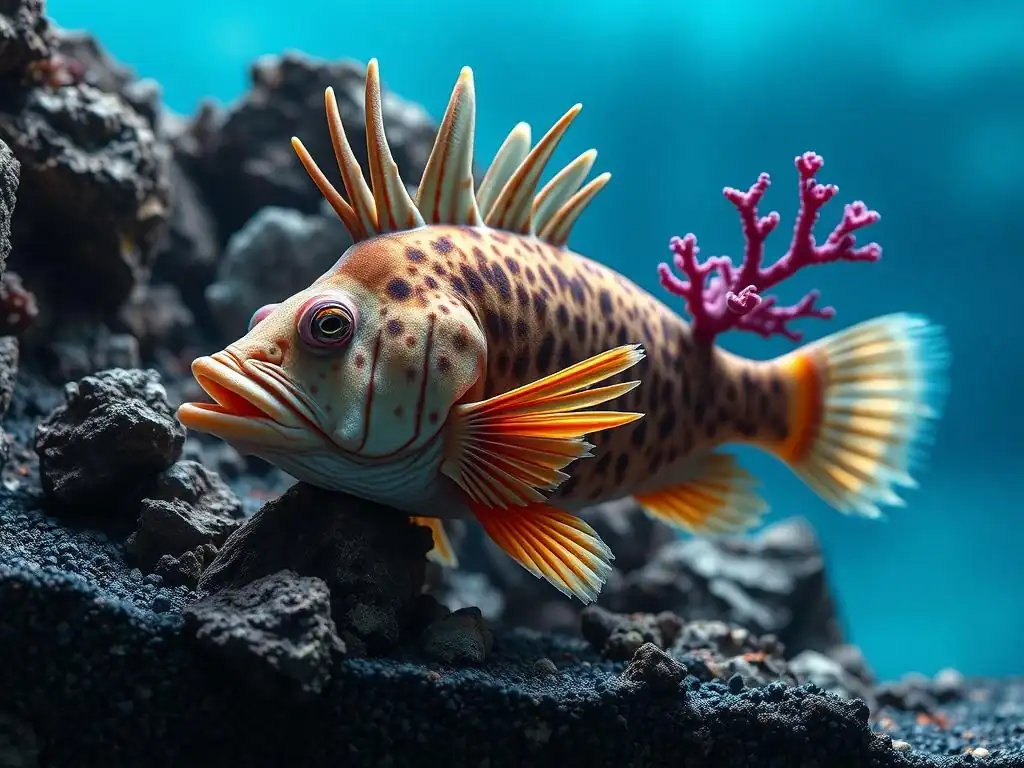
Other popular choices for a predator-only saltwater tank setup include certain Groupers (e.g., Miniatus Grouper, Cephalopholis miniata), which can grow very large and are voracious eaters, and some large Anglerfish, which are ambush predators requiring minimal tank mates. Each species has unique requirements that must be met for their long-term health.
Considering Adult Size and Temperament: Avoiding Aggression Issues
When planning your predator-only saltwater tank setup, always consider the adult size of each fish, not its juvenile size. A small, seemingly docile grouper or triggerfish can quickly outgrow its tank and become aggressively territorial. A good rule of thumb is to allow significantly more gallons per inch of fish than in a typical community tank, perhaps 10-15 gallons per inch for larger, more active predators. For example, a 15-inch Lionfish and a 10-inch Snowflake Eel would require a minimum of a 150-gallon tank, giving them adequate space to establish territories and reduce conflict.
Temperament is equally critical for avoiding aggression issues in a predator-only saltwater tank setup. Some species, like Clown Triggerfish, are notoriously aggressive and may only be suitable for single-specimen tanks or with extremely robust, equally aggressive tank mates. Introducing fish that occupy different levels of the water column (e.g., a bottom-dwelling eel, a mid-water lionfish, and a top-swimming grouper) can help minimize direct competition for space.
Introducing all fish simultaneously as juveniles, if possible, or adding the most aggressive last, can also help establish a pecking order with less severe confrontations. Proper aquascaping with ample hiding spots and visual barriers is also essential to allow less dominant fish to retreat and de-stress.
Setting Up Your Predator-Only Saltwater Tank: A Step-by-Step Guide
Preparing the Tank: Cleaning, Leak Testing, and Placement
Before introducing any water or inhabitants, thorough preparation of your predator-only saltwater tank setup is essential. Begin by meticulously cleaning the empty aquarium, using only clean water and a mild vinegar solution if necessary, followed by a thorough rinse with RODI water. Avoid any soaps or detergents, as their residues can be highly toxic to marine life.
Once clean, perform a leak test by filling the tank with freshwater and letting it sit for 24-48 hours. This crucial step ensures there are no manufacturing defects or hairline cracks that could lead to catastrophic leaks once your tank is fully established.
Proper placement of your predator-only saltwater tank setup is equally vital due to its immense weight. A fully loaded 180-gallon tank, including water, live rock, sand, and equipment, can easily weigh over 2,000 pounds (approximately 900 kg). Ensure the chosen location can structurally support this weight, ideally on a ground floor or over a load-bearing wall.
The stand must be perfectly level to distribute the weight evenly and prevent undue stress on the glass seams. Additionally, consider proximity to power outlets for all equipment, ease of access for maintenance (especially water changes), and avoidance of direct sunlight, which can promote nuisance algae growth and cause temperature fluctuations.
Establishing the Substrate and Aquascaping for Predator Comfort
The choice of substrate and the design of your aquascape play a significant role in the long-term health and comfort of your predatory fish in a predator-only saltwater tank setup. For most large predators, a thin layer (0.5 to 1 inch) of aragonite sand or crushed coral is often preferred.
This shallow bed is easier to keep clean, preventing the accumulation of detritus that can lead to high nitrates. However, if you plan to keep burrowing species like certain eels or stargazers, a deeper sand bed (3-6 inches) of fine aragonite sand will be necessary to allow them to exhibit natural behaviors.
Aquascaping in a predator-only saltwater tank setup should prioritize functionality over intricate aesthetics. Live rock is highly recommended for its biological filtration benefits and for providing essential hiding spots and territories. Securely stack rocks to prevent collapses, especially with powerful fish that might dig or bump into structures.
Use aquarium-safe epoxy or cement to stabilize larger rock structures. Create caves, overhangs, and swim-throughs that cater to the specific needs of your chosen predators; eels will appreciate tight crevices, while lionfish prefer open areas with some shaded spots. Aim for a balance that provides both shelter and ample open swimming space, particularly for active species.
Cycling the Tank: Creating a Healthy Biological Filter
Cycling is a critical, non-negotiable step in establishing any predator-only saltwater tank setup, as it develops the beneficial bacteria necessary to process toxic fish waste. This process involves establishing the nitrogen cycle, where nitrifying bacteria convert ammonia (from fish waste and decaying food) into nitrite, and then a different group of bacteria converts nitrite into less harmful nitrate. Without a fully cycled tank, fish will suffer from ammonia and nitrite poisoning, leading to severe stress, disease, and ultimately death.
The cycling process typically takes 4 to 8 weeks, depending on the method used. The "fishless cycle" is highly recommended for a predator-only saltwater tank setup as it spares any fish from exposure to toxic ammonia and nitrite spikes.
This involves adding a pure ammonia source (e.g., ammonium chloride solution) to the tank daily, aiming for an ammonia level of 2-4 ppm, and monitoring ammonia, nitrite, and nitrate levels with a reliable test kit. Once both ammonia and nitrite consistently read zero within 24 hours after an ammonia dose, and nitrates are present, your tank is fully cycled and ready for the cautious introduction of your predatory inhabitants.
Introducing Your Predatory Fish: Acclimation and Observation
Introducing new fish to your established predator-only saltwater tank setup requires patience and a careful acclimation process to minimize stress and prevent shock. The drip acclimation method is highly recommended for marine fish, especially sensitive or high-value predators. This involves slowly dripping tank water into the bag or container holding the new fish, allowing the temperature and water parameters (salinity, pH) to gradually equalize over 1-2 hours. This gradual change is far less stressful than a sudden transfer.
Once acclimated, gently net the fish and place it into the display tank, discarding the bag water to avoid introducing any potential pathogens or unwanted contaminants. For the first few days, keep the main tank lights dimmed to reduce stress. Observe your new predatory fish closely for signs of distress, such as rapid breathing, clamped fins, or hiding excessively.
Also, monitor interactions with existing tank mates; while some initial posturing is normal, sustained aggression requires immediate intervention. It is highly advisable to quarantine all new fish in a separate tank for 4-6 weeks before introduction to the main predator-only saltwater tank setup to prevent the spread of diseases.
Maintaining a Healthy Predator-Only Saltwater Tank
Water Chemistry: Monitoring and Adjusting Parameters
Consistent monitoring and adjustment of water chemistry are paramount for the long-term health of a predator-only saltwater tank setup. Due to the high bio-load, parameters can fluctuate rapidly if not diligently managed. The most critical parameters to regularly test are:
- Salinity: Maintain a stable specific gravity (SG) between 1.025 and 1.026, mimicking natural ocean conditions. Use a refractometer for accurate readings.
- pH: Keep pH levels between 8.1 and 8.4. Fluctuations can stress fish.
- Ammonia (NH3/NH4+): Must always be 0 ppm. Any detectable ammonia indicates a problem with biological filtration or overfeeding.
- Nitrite (NO2-): Must always be 0 ppm. Like ammonia, it's highly toxic.
- Nitrate (NO3-): Aim for levels below 20 ppm, ideally below 10 ppm for optimal health. High nitrates are common in predator tanks due to heavy feeding and can lead to algae blooms and fish stress.
Regular testing, at least weekly, is essential. If any parameters are out of range, prompt action is needed. High ammonia or nitrite necessitates immediate large water changes (30-50%) and investigation into the cause (e.g., dead fish, overfeeding, filter malfunction). Elevated nitrates are best managed through consistent, large water changes and efficient protein skimming. Using high-quality salt mix and RODI water for all top-offs and water changes is fundamental to maintaining stable parameters in your predator-only saltwater tank setup.
Feeding Your Predatory Fish: Diet and Nutritional Needs
Proper nutrition is vital for the growth, coloration, and overall health of your predatory fish. A varied diet that mimics their natural prey is crucial. Most marine predators are carnivorous and require meaty foods. Common food items include frozen silversides, various types of shrimp (mysis, krill, jumbo shrimp), squid, mussels, and occasionally finely chopped pieces of marine fish (e.g., cod, salmon, pollock). It's important to provide a diverse range of foods to ensure a complete nutritional profile and prevent deficiencies.
The frequency and quantity of feeding depend on the species, size, and activity level of your fish. Larger, less active ambush predators like Lionfish might only need feeding 2-3 times per week until their bellies are slightly distended. More active hunters like Triggerfish may require daily feedings. Always observe your fish during feeding to ensure all individuals are getting enough food and to prevent overfeeding. Avoid feeding freshwater feeder fish (e.g., goldfish, guppies) as a primary diet, as they lack essential marine nutrients, can carry diseases, and often contain thiaminase, which breaks down vitamin B1.
Live vs. Frozen Foods: Pros and Cons for Predator Health
When considering food sources for a predator-only saltwater tank setup, the choice between live and frozen foods presents distinct advantages and disadvantages. Live foods, such as live ghost shrimp or marine feeder fish (e.g., mollies, platies conditioned to saltwater), can stimulate natural hunting instincts and provide an engaging spectacle for the observer. They can be particularly useful for enticing finicky eaters or newly introduced fish to begin feeding.
However, live foods carry a significant risk of introducing parasites, bacteria, or diseases into your main tank, as their source and health history are often unknown. They also may not offer a complete nutritional profile if used exclusively.
Frozen foods, on the other hand, are generally much safer and offer a more nutritionally balanced diet. High-quality frozen preparations of silversides, various shrimp, squid, and other marine meats are readily available and typically processed to eliminate pathogens.
They are convenient to store and prepare, and by offering a variety of frozen options, you can ensure your predatory fish receive all necessary vitamins and minerals. While frozen foods may not elicit the same vigorous hunting response as live prey, they are the cornerstone of a healthy, long-term diet for most predators in a predator-only saltwater tank setup, minimizing disease risk and simplifying nutritional management.
Preventing Overfeeding in a High-Bio-load Environment
Overfeeding is one of the most common pitfalls in a predator-only saltwater tank setup and can quickly lead to severe water quality issues. When too much food is introduced, uneaten portions decompose, releasing ammonia and nitrite, and contributing to a rapid increase in nitrates. This not only stresses your fish but also fuels nuisance algae growth. Additionally, consistently overfeeding fish can lead to internal health problems, such as fatty liver disease, and can even shorten their lifespan.
To prevent overfeeding, feed your predatory fish until their bellies are slightly rounded, not bloated or distended. For many larger predators, this might mean a few large pieces of food rather than numerous small ones. Observe how quickly the food is consumed; if food remains uneaten for more than a few minutes, you are likely feeding too much.
Remove any uneaten food promptly with a net or siphon to prevent decomposition. Implementing a feeding schedule, such as feeding every other day for adult fish, can also help manage the bio-load. Regularly checking your nitrate levels will serve as a good indicator of whether your feeding regimen is appropriate for your predator-only saltwater tank setup.
Regular Maintenance: Water Changes, Cleaning, and Equipment Checks
Consistent and thorough maintenance is the backbone of a healthy predator-only saltwater tank setup. Due to the high bio-load, these tanks require more frequent and larger water changes than typical community tanks. A weekly water change of 10-20% of the total tank volume is generally recommended to dilute nitrates, replenish essential trace elements, and remove accumulated organic pollutants. For a 180-gallon tank, this means changing 18-36 gallons of water weekly, which should be pre-mixed and heated to the tank's temperature.
Beyond water changes, regular cleaning and equipment checks are vital. Siphon the substrate to remove detritus and uneaten food, especially in areas where waste tends to accumulate. Clean the inside glass or acrylic surfaces of the tank daily or every other day to prevent algae buildup, using an algae magnet or scraper. Inspect all equipment – pumps, heaters, protein skimmer, and powerheads – regularly for proper function.
Clean your protein skimmer collection cup daily and perform more thorough cleaning of the skimmer body monthly. Rinse or replace mechanical filter media (filter socks, sponges) every few days to a week. This diligent routine ensures a stable and pristine environment for your predator-only saltwater tank setup.
Identifying and Treating Common Predator Fish Diseases
Despite best efforts, predatory fish in a saltwater tank setup can occasionally fall ill. Early identification and prompt treatment are crucial for recovery. Some common diseases include:
- Marine Ich (Cryptocaryon irritans): Characterized by small white spots resembling salt grains on the body and fins. Often caused by stress or poor water quality.
- Marine Velvet (Amyloodinium ocellatum): Appears as a fine, dusty, yellowish or brownish coating. Highly contagious and rapidly fatal if untreated.
- Fin Rot/Bacterial Infections: Frayed fins, cloudy eyes, red streaks, or open sores. Often secondary to stress, injury, or poor water quality.
Quarantining new fish for 4-6 weeks in a separate observation tank is the most effective preventative measure against introducing diseases into your main predator-only saltwater tank setup. If a disease is identified, treatment typically involves removing the affected fish to a hospital tank to administer medications like copper-based treatments for Ich/Velvet or antibiotics for bacterial infections. Always follow medication instructions carefully and be aware that some medications can harm invertebrates or beneficial bacteria. Maintaining pristine water quality, a stable environment, and a nutritious diet are the best defenses against disease.
Troubleshooting Common Issues in Predator-Only Saltwater Tanks
Aggression and Territoriality: Managing Conflicts Between Predators
Aggression and territoriality are inherent behaviors in many predatory saltwater fish and can become significant issues in a predator-only saltwater tank setup if not managed proactively. Signs of aggression include nipped fins, chasing, hiding, and physical damage. Even species considered "peaceful" predators, like lionfish, can become aggressive towards tank mates if space is insufficient or if they perceive a threat. The primary cause is often a lack of adequate space or insufficient hiding spots, leading to competition for territory.
To mitigate aggression, ensure your tank is sufficiently large for the adult size of all inhabitants, providing ample individual territories. Aquascaping should include numerous hiding spots, caves, and visual barriers (e.g., rock formations) that allow fish to retreat and break line of sight. Introducing all fish simultaneously as juveniles, or introducing the most aggressive fish last, can help establish a more stable pecking order.
If conflicts persist, rearranging the aquascape can sometimes disrupt established territories and reduce aggression. In extreme cases, separating the aggressor or the victim into a different tank may be necessary to ensure the well-being of all inhabitants in your predator-only saltwater tank setup.
Poor Water Quality: Causes, Symptoms, and Solutions
Poor water quality is the most common cause of stress and disease in any aquarium, and a predator-only saltwater tank setup is particularly susceptible due to the high bio-load. The primary culprits are typically overfeeding, insufficient filtration, and infrequent water changes. This leads to elevated levels of ammonia, nitrite, and nitrate, which are toxic to fish. Symptoms of poor water quality in fish include lethargy, rapid breathing, clamped fins, loss of appetite, cloudy eyes, and dull coloration.
The solution to poor water quality in a predator-only saltwater tank setup involves immediate and aggressive intervention. Perform a large water change (30-50%) using properly mixed and temperature-matched saltwater. Test all parameters (ammonia, nitrite, nitrate, pH, salinity) to pinpoint the exact issue.
Review your feeding habits, ensuring you are not overfeeding and promptly removing any uneaten food. Verify that your filtration system is functioning optimally; clean or replace mechanical filter media, check protein skimmer efficiency, and ensure adequate biological filtration. Consistent weekly maintenance, including regular water changes and filter cleaning, is crucial to prevent recurrence and maintain a healthy environment.
Parasites and Infections: Prevention and Treatment Strategies
Parasites and bacterial infections pose a constant threat to a predator-only saltwater tank setup, often entering the system with new, unquarantined fish or through contaminated live foods. Common external parasites include Marine Ich ( Cryptocaryon irritans), which manifests as white spots, and Marine Velvet ( Amyloodinium ocellatum), appearing as a fine, dusty film. Bacterial infections can cause fin rot, cloudy eyes, or open sores. These can be particularly devastating in a high-value predator tank.
The most effective prevention strategy is a strict 4-6 week quarantine period for all new fish in a separate, bare-bottom hospital tank. During quarantine, observe for any signs of illness and treat if necessary, preventing the introduction of pathogens into your main predator-only saltwater tank setup. Maintain optimal water quality and provide a nutritious diet to keep fish immune systems strong. If an outbreak occurs in the display tank, treatment options vary.
Copper-based medications are effective against Ich and Velvet but cannot be used with invertebrates. Freshwater dips (briefly for certain species) can temporarily remove some parasites. For bacterial infections, broad-spectrum antibiotics may be required, often administered in food or a hospital tank. Always consult a reputable source or veterinarian for specific treatment protocols.
Lionfish Eye Cloud: Causes, Treatment, and Prevention
Lionfish eye cloud, characterized by a milky or hazy appearance over one or both eyes, is a common ailment specifically affecting these popular predators in a saltwater tank setup. It is typically a symptom of underlying issues rather than a standalone disease. The most frequent causes include poor water quality (especially elevated nitrates or fluctuating pH), physical injury (e.g., bumping into rockwork or aggression from tank mates), or a bacterial infection secondary to stress or injury. If left untreated, severe eye cloud can impair the lionfish's vision, making it difficult for them to hunt and potentially leading to starvation.
Treatment for lionfish eye cloud in a predator-only saltwater tank setup primarily focuses on addressing the root cause. Begin by performing a large water change (25-50%) and meticulously testing all water parameters (ammonia, nitrite, nitrate, pH). Ensure nitrates are below 20 ppm and other parameters are stable.
If water quality is the issue, consistent improvements will often resolve the cloudiness over several weeks. If a bacterial infection is suspected, broad-spectrum antibiotics, either administered in medicated food or in a hospital tank, may be necessary. Prevention involves maintaining pristine water quality through regular maintenance, providing ample swimming space with smooth aquascaping to minimize injury, and ensuring a nutritious, varied diet to boost the fish's immune system.
Advanced Techniques for Predator-Only Saltwater Tanks
Specialized Filtration Methods: Protein Skimmers and UV Sterilizers
Beyond standard mechanical and biological filtration, advanced techniques involving specialized equipment can significantly enhance water quality in a predator-only saltwater tank setup, especially given the heavy bio-load. A high-quality protein skimmer is arguably the most crucial piece of advanced filtration.
It works by creating a column of fine air bubbles that attract and remove dissolved organic compounds (DOCs) from the water before they break down into nitrates and phosphates. For predator tanks, it's advisable to use a skimmer rated for a tank volume 2-3 times your actual tank size to ensure maximum efficiency in removing the copious amounts of waste produced by large carnivorous fish.
UV Sterilizers are another valuable addition to a predator-only saltwater tank setup. These devices pass water through a chamber containing an ultraviolet light bulb, which effectively kills free-floating bacteria, algae spores, and various parasites (like Ich tomonts) as they pass through. While a UV sterilizer does not cure existing infections on fish, it significantly reduces the concentration of pathogens in the water column, thereby lowering the risk of disease transmission and improving overall water clarity.
Proper sizing of the UV unit (watts per gallon) and flow rate are critical for its effectiveness. Implementing both a robust protein skimmer and a UV sterilizer provides a powerful defense against water quality issues and disease outbreaks in a predator tank.
Creating a Natural Reef Environment for Select Predators
While the term "predator-only saltwater tank setup" often implies a Fish-Only-With-Live-Rock (FOWLR) system, it is possible to create a more natural reef-like environment for select predatory species. This approach is generally limited to predators that are not known to consume corals or larger invertebrates, such as certain lionfish species (e.g., Dwarf Lionfish, Dendrochirus brachypterus), some moray eels (e.g., Snowflake Eel, Echidna nebulosa), or specific types of Groupers that are less destructive. The challenge lies in finding compatible corals and invertebrates that won't be eaten or harmed by the predators.
For such a setup, careful planning is essential. Corals must be chosen that are robust and less appealing as food, such as certain large polyp stony (LPS) corals or soft corals, though even these carry a risk. Invertebrates like robust cleaner shrimp or hermit crabs might survive with certain predators, but smaller snails or crabs are likely to become expensive snacks.
The lighting and water chemistry requirements will become more complex, as they must cater to both the predatory fish and the corals. This advanced approach to a predator-only saltwater tank setup requires a deep understanding of both fish and coral husbandry, careful observation, and a willingness to accept potential losses.
Breeding Considerations (If Applicable) for Certain Species
Breeding predatory saltwater fish in a home aquarium setting is an exceptionally rare and challenging endeavor, primarily confined to highly specialized public aquariums or research facilities. The vast majority of marine predators, particularly the larger species popular in a predator-only saltwater tank setup, have complex life cycles involving pelagic (open ocean) larval stages that are extremely difficult to replicate and sustain in captivity. Factors such as specific water parameters, availability of microscopic live foods for larvae, and immense space requirements make successful breeding largely prohibitive for hobbyists.
While common species like Damselfish or Clownfish are routinely bred in captivity, achieving spawning and larval survival for large predators like Lionfish, Moray Eels, or Triggerfish in a home predator-only saltwater tank setup is virtually unheard of. There are isolated instances of spontaneous spawning in very large, mature aquariums, but rearing the fry to maturity remains a monumental task. Therefore, for most aquarists, the focus of a predator-only saltwater tank setup remains on the long-term health and display of adult specimens, rather than propagation.
The Future of Predator-Only Saltwater Aquariums: Trends and Innovations
Sustainable Practices in Predator Fish Keeping
As awareness of marine conservation grows, sustainable practices are becoming increasingly important in all aspects of aquarium keeping, including the predator-only saltwater tank setup. One of the most impactful trends is the increasing availability and preference for captive-bred predatory fish. While still limited for many larger species, progress is being made with fish like certain Lionfish and some smaller groupers. Choosing captive-bred specimens reduces pressure on wild populations, minimizes the environmental impact of collection, and often results in hardier, disease-resistant fish already accustomed to aquarium life and prepared foods.
Another key sustainable practice involves supporting ethical and responsible wild collection. This means purchasing fish from suppliers who adhere to sustainable collection methods, avoid destructive practices like cyanide fishing, and support local communities. Researching the origin of your fish and choosing reputable dealers who can verify ethical sourcing is crucial. Furthermore, minimizing waste, conserving water, and responsibly disposing of aquarium chemicals contribute to overall sustainability in the hobby. Embracing these practices ensures that the enjoyment of a predator-only saltwater tank setup does not come at the expense of fragile marine ecosystems.
Emerging Technologies for Enhanced Predator Tank Management
The aquarium hobby is continually evolving, with new technologies emerging that can significantly enhance the management and enjoyment of a predator-only saltwater tank setup. Smart controllers and automated systems are becoming more accessible, allowing aquarists to remotely monitor and control various tank parameters like temperature, pH, salinity, and even perform automatic top-offs or water changes. These systems can send alerts to mobile devices if parameters deviate from the desired range, providing peace of mind and preventing potential disasters.
Advanced LED lighting systems offer greater control over spectrum and intensity, allowing for customized photoperiods and even storm simulations, which can enhance the natural behavior of certain predators. Innovations in filtration technology, such as more efficient protein skimmers, fluidized bed reactors, and specialized biological media, are making it easier to maintain pristine water quality in high-bio-load predator tanks. Furthermore, developments in remote feeding systems and advanced water testing kits (including those that connect to smartphone apps) streamline daily maintenance tasks, making the demanding nature of a predator-only saltwater tank setup more manageable and enjoyable for enthusiasts.
Conclusion: The Rewards of a Well-Maintained Predator Saltwater Aquarium
Embracing the Challenge: Becoming a Skilled Predator Fish Keeper
Embarking on the journey of maintaining a predator-only saltwater tank setup is undoubtedly a significant challenge, but one that offers immense rewards for the dedicated aquarist. It demands a higher level of commitment, knowledge, and financial investment compared to other types of aquariums. From meticulously planning the tank size and filtration to understanding the specific dietary and behavioral needs of large, powerful fish, every step requires careful consideration. The learning curve can be steep, but mastering the complexities of water chemistry, disease prevention, and inter-species compatibility transforms a novice into a truly skilled and experienced fish keeper.
The process of overcoming these challenges and successfully housing these magnificent creatures fosters a deep sense of accomplishment and connection to the marine world. Witnessing the natural behaviors of a well-adjusted lionfish gracefully gliding through the water, an eel curiously peeking from its rockwork, or a triggerfish intelligently interacting with its environment provides unparalleled satisfaction. This journey of becoming a proficient predator fish keeper is not just about keeping fish alive; it's about creating a thriving, stable ecosystem where these apex predators can flourish, offering a captivating and educational display that truly stands out.
Resources for Further Learning and Support
For those committed to the thrilling world of a predator-only saltwater tank setup, a wealth of resources is available to support your journey and deepen your expertise. Online forums and communities dedicated to marine aquariums, such as those found on AquariumMastery.com, provide invaluable platforms for asking questions, sharing experiences, and learning from seasoned aquarists. These communities often feature detailed species profiles, troubleshooting guides, and discussions on the latest equipment and techniques.
Reputable local fish stores with experienced staff can offer personalized advice, quality livestock, and essential supplies. Additionally, a diverse range of specialized books and online articles provide in-depth information on water chemistry, filtration, fish health, and specific species care. Continuously engaging with these resources, staying updated on best practices, and connecting with the broader aquarist community will ensure your predator-only saltwater tank setup remains a source of pride and a healthy, captivating home for your extraordinary marine inhabitants.
Frequently Asked Questions
What exactly is a PredatorOnly Saltwater Tank?
It's a saltwater aquarium specifically designed to house only predatory fish species. This means creating an environment where these carnivorous fish can thrive without the risk of being harmed by tank mates.
What are some popular predator fish suitable for a PredatorOnly Saltwater Tank?
Common choices include lionfish, triggerfish, and certain types of groupers. Careful research is crucial to ensure compatibility in terms of size and aggression levels.
What are the key considerations for setting up a PredatorOnly Saltwater Tank?
Tank size is paramount due to the large size and activity levels of many predator fish. Adequate filtration and a robust protein skimmer are also essential for maintaining water quality.
How does maintenance differ in a PredatorOnly Saltwater Tank compared to a reef tank?
Feeding is a significant difference, requiring a supply of appropriate frozen or live food. Water changes are critical to manage the higher bioload produced by these fish.
What are some common challenges aquarists face when keeping a PredatorOnly Saltwater Tank?
Aggression between tank mates is a common issue, requiring careful observation and potential re-homing. Maintaining stable water parameters can also be more demanding.
Final Reflection: Embracing the Apex of the Reef
The journey into the realm of a predator-only saltwater tank, as we've explored, is not merely a hobby; it's a commitment to understanding and replicating a complex, albeit simplified, ecosystem. The insights shared throughout this article underscore the profound responsibility that comes with curating such a specialized environment, demanding meticulous planning, unwavering dedication, and a deep respect for the apex predators we choose to house.
This endeavor extends beyond the confines of our aquariums, influencing our understanding of marine ecosystems and the delicate balance within them. The act of creating and maintaining a predator-only tank forces us to confront the realities of the food chain and the vital role predators play in maintaining a healthy ocean. In nature, there is no such thing as a single-species ecosystem. Everything is connected, and the health of the predator is inextricably linked to the health of the prey.
This quote reminds us that even in our controlled environments, we are participating in a larger, interconnected web of life.
Now, as you consider the possibilities and challenges presented by a predator-only saltwater tank setup, I encourage you to reflect on your own role in this fascinating pursuit. Will you embrace the challenge, dedicating yourself to providing the best possible environment for these magnificent creatures? Will you use your knowledge to educate others and promote responsible reef keeping practices? The future of our oceans depends on informed and passionate individuals like you, ready to delve Beyond the Ordinary and champion the apex of the reef.
Ignite Your Passion: Craft Your Predator Paradise!
Thank you for diving into the captivating world of predator-only saltwater tanks! We hope this article has sparked your imagination and provided valuable insights into the thrill and responsibility of creating such a unique ecosystem. Now, it's time to take the plunge and bring your underwater vision to life.
Here's how you can continue your journey:
- Map out your dream tank. Consider the specific species you want to keep and carefully research their compatibility, tank size requirements, and dietary needs.
- Share your predator tank aspirations and challenges with fellow aquarists on forums or social media. Your experience could be invaluable to others!
- Why not start a visual journal of inspiring predator tank setups and ideas? Use it to fuel your creativity and track your progress as you plan your own aquatic masterpiece.
What fascinating predator species are you most excited to explore for your future saltwater tank?