
Kuiter's Leopard Wrasse (Macropharyngodon kuiteri): The Rare Leopard Jewel You Need to Know

Welcome to Aquarium Mastery!
Ever been captivated by a fish so beautiful it seems unreal? Get ready to be mesmerized! This article dives deep into Leopard Wrasse care tips, specifically focusing on the elusive Kuiter's Leopard Wrasse. But are you truly prepared for the unique challenges and rewards of keeping this rare saltwater jewel? Discover everything you need to know to ensure its vibrant health and happiness – the secrets await below...
- Understanding the Allure of the Kuiter's Leopard Wrasse
- Kuiter's Leopard Wrasse Care: Essential Tips for Success
- Tank Requirements for the Kuiter's Leopard Wrasse
- Diet and Feeding Habits of Macropharyngodon kuiteri
- Water Parameters and Maintenance for Leopard Wrasses
- Kuiter's Leopard Wrasse Behavior and Compatibility
- Identifying and Treating Common Leopard Wrasse Diseases
- The Challenges of Keeping Kuiter's Leopard Wrasse
- Leopard Wrasse Tank Mates: Best and Worst Choices
- Sourcing a Healthy Kuiter's Leopard Wrasse
- Conclusion: Is the Kuiter's Leopard Wrasse Right for You?
-
Frequently Asked Questions
- What makes the Kuiter's Leopard Wrasse a desirable aquarium fish?
- What are the essential water parameters to maintain for Kuiter's Leopard Wrasse care?
- What is the ideal tank size and environment for a Kuiter's Leopard Wrasse?
- What is the recommended diet for a Kuiter's Leopard Wrasse?
- What are some common health issues affecting Kuiter's Leopard Wrasses and how can they be prevented?
- Final Reflection: Unveiling the Leopard's Legacy
- Unleash the Vibrant Depths of Knowledge!
Understanding the Allure of the Kuiter's Leopard Wrasse
Discovering the Rarity and Beauty of Macropharyngodon kuiteri
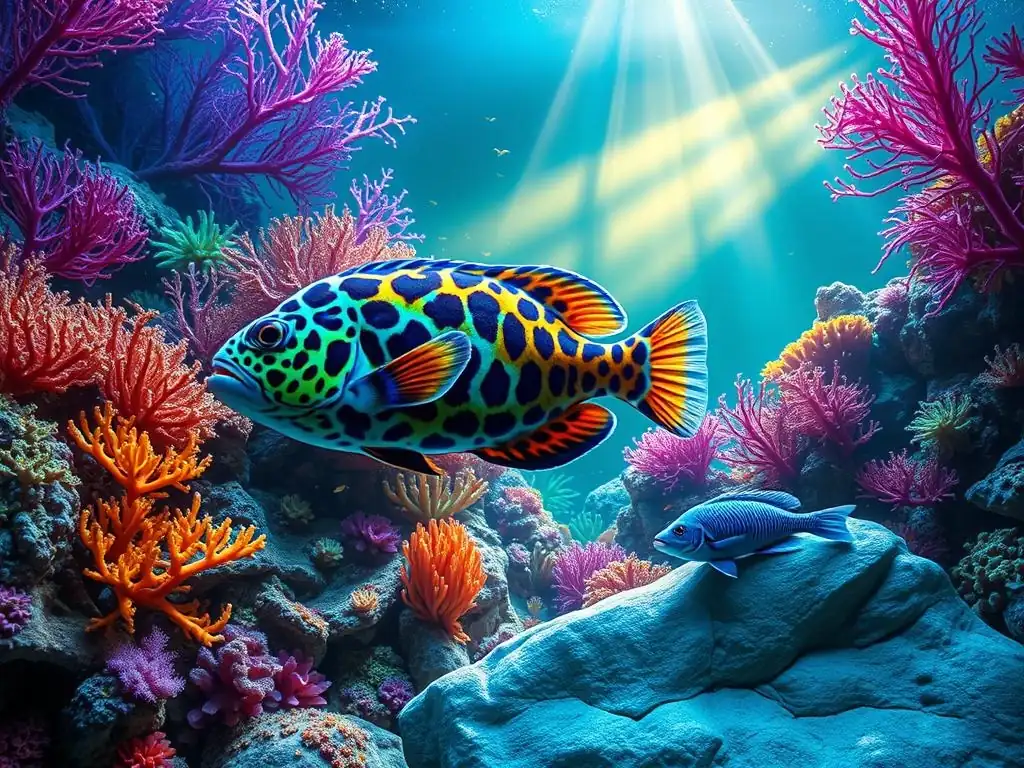
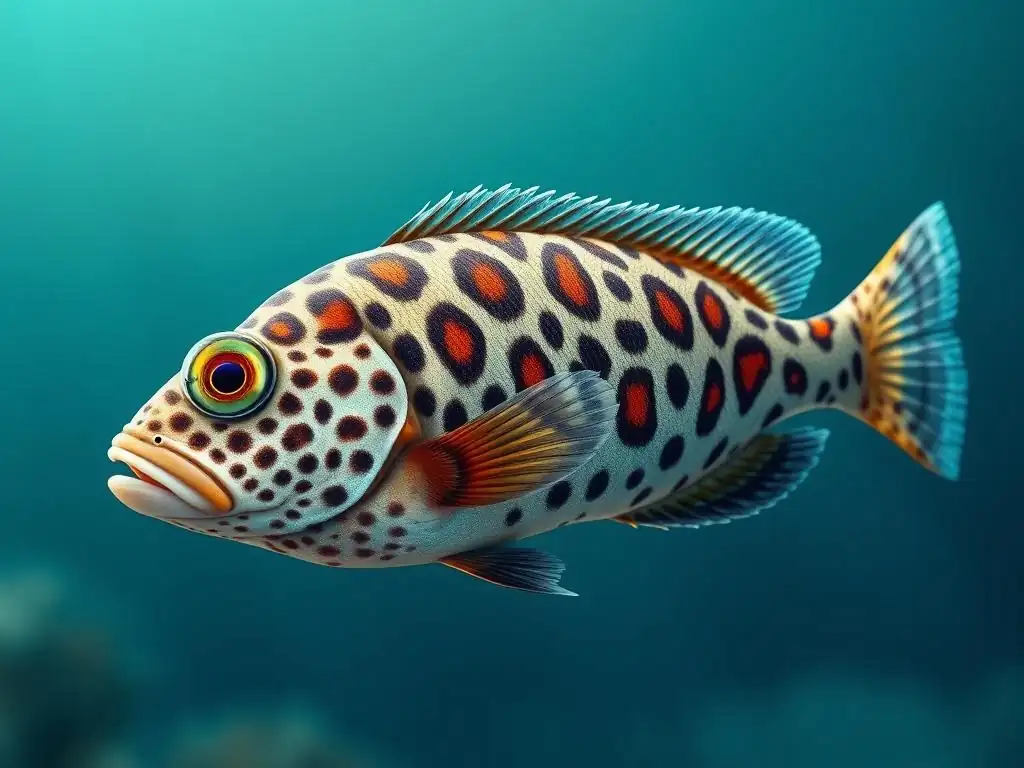
The Kuiter's Leopard Wrasse, Macropharyngodon kuiteri, is a highly sought-after jewel in the saltwater aquarium hobby, renowned for its exquisite coloration and intricate patterns. This species typically displays a captivating mosaic of vibrant orange, red, and yellow spots over a pale green or white body, often accented with iridescent blue markings around the head and fins. Its distinctive appearance, particularly the striking eye-like spots that give it its "leopard" moniker, sets it apart from more common wrasse species, making it a true centerpiece for any dedicated aquarist.
Originating from the deeper waters of the Indo-Pacific, particularly around regions like Indonesia and parts of the Coral Sea, M. kuiteri is not as frequently encountered in the trade as some of its shallower-dwelling relatives. This contributes significantly to its allure and perceived rarity. While it generally reaches an adult size of about 4 to 5 inches (10-13 cm) in captivity, its compact size does not diminish its visual impact or the detailed Leopard Wrasse care required to maintain its splendor.
Why Aquarium Enthusiasts Seek This Leopard Wrasse
Aquarium enthusiasts are drawn to the Kuiter's Leopard Wrasse not just for its undeniable beauty, but also for the challenge and prestige associated with successfully keeping such a specialized and often delicate species. Its unique sand-sifting behavior and specific dietary needs present an engaging test for experienced aquarists who are looking to expand their skills beyond general saltwater fish keeping. The satisfaction of seeing a Macropharyngodon kuiteri thrive, exhibiting its natural behaviors and vibrant colors, is a significant reward for the dedicated effort invested in its care.
Beyond its aesthetic appeal, the Kuiter's Leopard Wrasse represents a commitment to advanced husbandry. Its relatively uncommon appearance in local fish stores means that acquiring one often involves sourcing from specialized dealers who prioritize responsible collection and initial acclimation. This adds to its mystique and desirability among those who appreciate rare and unique marine life, making comprehensive Leopard Wrasse care tips essential for anyone considering this exceptional fish.
Kuiter's Leopard Wrasse Care: Essential Tips for Success
Leopard Wrasse Care Tips: A Comprehensive Guide
Caring for the Kuiter's Leopard Wrasse is a rewarding endeavor, but it demands a thorough understanding of its specific needs, making it a species best suited for intermediate to advanced aquarists. Success hinges on meticulous attention to tank setup, water quality, and diet. Unlike some hardier marine fish, Macropharyngodon kuiteri requires a stable, mature environment and a consistent feeding regimen to truly flourish. This guide aims to provide essential Leopard Wrasse care tips to ensure a thriving specimen.
A significant challenge often lies in the initial acclimation period, where a substantial percentage of wild-caught wrasses may struggle to adapt to aquarium life and accept prepared foods. Anecdotal evidence suggests that upwards of 40-50% of Macropharyngodon species might face difficulties in the first few weeks, underscoring the critical importance of a well-planned quarantine process and a robust, established display tank. Proactive research and preparation are paramount for successful Leopard Wrasse care.
Replicating the Natural Habitat: Environment Setup for M. kuiteri
Replicating the natural habitat of Macropharyngodon kuiteri is fundamental to its long-term health and well-being. In the wild, these wrasses inhabit sandy and rubble zones of coral reefs, typically at depths where they can forage for microfauna within the substrate. This translates directly to the need for a deep, soft sand bed in the aquarium, which is crucial for their natural burrowing behavior, where they sleep and seek refuge when startled.
Beyond the sand bed, a well-structured aquascape with ample live rock is essential. This provides not only additional foraging surfaces but also numerous crevices and caves for the wrasse to explore and hide in, mimicking the complex reef environment. While M. kuiteri appreciates open swimming areas, the presence of established rockwork contributes to a sense of security and promotes natural behavior. Ensuring the tank is mature, ideally running for at least six months, allows for the development of the necessary microfauna in the sand and rock, which is vital for their dietary needs and overall Leopard Wrasse care.
Tank Requirements for the Kuiter's Leopard Wrasse
Minimum Tank Size for a Happy and Healthy Leopard Wrasse
For a single Kuiter's Leopard Wrasse, a minimum tank size of 75 gallons (approximately 280 liters) is generally recommended. While Macropharyngodon kuiteri is not a large fish, this tank volume provides ample swimming space, which is important given their active nature, and more importantly, allows for the establishment of a sufficiently large and deep sand bed. A larger tank also offers greater water volume, contributing to increased stability in water parameters, which is crucial for this sensitive species.
Opting for a larger tank, such as 100 gallons (378 liters) or more, offers numerous benefits. It allows for a more expansive sand bed, which can support a richer population of beneficial microfauna, providing a continuous natural food source for the wrasse. Furthermore, a larger volume dilutes waste more effectively, making it easier to maintain pristine water quality and reducing the frequency of potential parameter fluctuations. These considerations are vital for providing optimal Leopard Wrasse care and ensuring the fish thrives over many years.
Substrate Selection: The Importance of Sand for Leopard Wrasses
The selection of substrate is perhaps the most critical tank requirement for Macropharyngodon kuiteri. These wrasses are obligate sand-dwellers, meaning they burrow into the sand for sleep, protection from perceived threats, and often, during periods of stress. A fine, soft aragonite sand, with a grain size typically ranging from 0.5 mm to 1.5 mm, is ideal. The sand bed should be at least 3 to 4 inches (7.5-10 cm) deep across a significant portion of the tank footprint to allow for proper burrowing.
Using a substrate that is too coarse or sharp can cause abrasions to the wrasse's delicate skin and fins as it burrows, leading to stress and potential infections. The quality and depth of the sand bed directly impact the wrasse's ability to exhibit its natural behaviors, which is essential for its well-being. Without a suitable sand bed, a Kuiter's Leopard Wrasse will be constantly stressed, unable to rest properly, and highly susceptible to disease, making proper substrate a cornerstone of effective Leopard Wrasse care tips.
Creating a Reef-Safe Environment for Your Kuiter's Leopard Wrasse
The Kuiter's Leopard Wrasse is considered an excellent candidate for reef aquariums due to its generally reef-safe nature. Unlike some other wrasse species, Macropharyngodon kuiteri typically poses no threat to corals (SPS, LPS, or soft corals) or most sessile invertebrates such as anemones, clams, or feather dusters. Their primary foraging activity involves sifting through the sand for small crustaceans and worms, rather than nipping at corals.
When designing a reef environment for M. kuiteri, it's important to ensure that the live rock aquascape is stable and securely placed on the bottom of the tank, rather than resting directly on the sand. This prevents rockwork from shifting or collapsing as the wrasse burrows underneath, which could injure the fish or damage corals.
Providing open sand areas between coral colonies is also beneficial, allowing the wrasse ample space to sift and forage naturally. Their constant sifting of the sand can even be beneficial for the overall health of the substrate, preventing detritus buildup and promoting aeration, enhancing the overall Leopard Wrasse care strategy for a reef tank.
Diet and Feeding Habits of Macropharyngodon kuiteri
Optimal Diet for Leopard Wrasses: Nutritional Needs
The natural diet of Macropharyngodon kuiteri consists primarily of small benthic invertebrates, including copepods, amphipods, small worms, and other microfauna that they constantly sift from the sand bed. In the aquarium, replicating this natural diet is crucial for their long-term health and vibrant coloration. They are carnivorous micro-predators, and their nutritional needs are best met through a varied diet of high-quality, protein-rich foods.
An optimal aquarium diet should include a mix of frozen mysis shrimp, enriched brine shrimp, finely chopped clam, krill, and other marine-based frozen foods. For young or newly acclimated wrasses, it is often necessary to provide live foods, as they may initially refuse prepared options. Aim to feed small portions multiple times a day, typically 2-3 times, to mimic their natural constant foraging behavior and ensure they receive adequate nutrition. This consistent feeding schedule is a vital component of successful Leopard Wrasse care.
Live Food vs. Prepared Foods: Feeding Strategies for M. kuiteri
Live food, particularly live copepods and amphipods (such as Tisbe, Tigriopus, or Apocyclops species), plays a critical role in the successful acclimation and long-term health of the Kuiter's Leopard Wrasse. Many new arrivals will only accept live foods initially, making a continuous supply invaluable. A refugium connected to the display tank can be an excellent way to cultivate a steady population of live microfauna that the wrasse can graze on throughout the day.
While live foods are often essential for initial feeding, the goal is to gradually transition M. kuiteri to a diet of high-quality frozen foods. This can be a challenging process, requiring patience and persistence. Soaking frozen foods in vitamin supplements like Selcon or garlic extract can enhance their palatability and nutritional content, encouraging the wrasse to accept them. Offering small amounts frequently and observing their feeding response is key to successful Leopard Wrasse care and ensuring they receive a balanced diet.
Ensuring Proper Nutrition: Preventing Malnutrition in Leopard Wrasses
Malnutrition is a common issue for Kuiter's Leopard Wrasses, especially during the acclimation period or if their diet is insufficient. Signs of malnutrition include a sunken belly, lethargy, faded coloration, and a general lack of vigor. Preventing malnutrition requires a multi-faceted approach centered on consistent, high-quality feeding and a rich, live sand bed. Even if the wrasse accepts prepared foods, a healthy population of live microfauna in the substrate provides essential supplemental nutrition and encourages natural foraging behaviors.
To ensure proper nutrition, always offer a diverse range of foods rather than relying on a single type. For instance, rotating between frozen mysis, brine shrimp, and chopped clam provides a broader spectrum of nutrients. Frequent, small feedings are more effective than one large daily meal, as wrasses have high metabolisms and are constant grazers. A well-established 100-gallon tank with a deep 4-inch sand bed can naturally support a significant population of microfauna, supplementing the wrasse's diet and significantly improving its chances of thriving, a crucial aspect of advanced Leopard Wrasse care.
Water Parameters and Maintenance for Leopard Wrasses
Maintaining Ideal Water Quality: Critical Parameters for M. kuiteri
Maintaining stable and pristine water quality is paramount for the health of the Kuiter's Leopard Wrasse. These delicate fish are sensitive to fluctuations and elevated nutrient levels. Ideal water parameters include: Salinity between 1.023 and 1.026 specific gravity, a stable temperature range of 74-78°F (23-26°C), and a pH level between 8.1 and 8.4. Consistent alkalinity (8-12 dKH), calcium (400-450 ppm), and magnesium (1200-1350 ppm) levels are also important for overall system stability, particularly in reef environments.
Beyond the core parameters, keeping nitrates and phosphates as low as possible is critical. Aim for nitrates below 10 ppm and phosphates below 0.03 ppm to prevent stress and support a healthy immune system for Macropharyngodon kuiteri. Regular testing with reliable test kits is non-negotiable for effective Leopard Wrasse care, allowing for early detection and correction of any deviations before they negatively impact the fish.
Regular Water Changes: A Key to Leopard Wrasse Health
Regular water changes are one of the most effective ways to maintain optimal water quality and ensure the long-term health of your Kuiter's Leopard Wrasse. A typical schedule involves replacing 10-20% of the tank's water volume weekly, or 20-30% bi-weekly, depending on the bioload of the aquarium. These routine changes help replenish essential trace elements that are consumed by corals and fish, while simultaneously removing accumulated nitrates, phosphates, and other pollutants.
When performing water changes, it is crucial to use high-quality RODI (Reverse Osmosis Deionized) water mixed with a reputable marine salt mix. The new saltwater should be mixed to the same salinity and temperature as the tank water to minimize stress on the wrasse and other inhabitants. Sudden shifts in parameters can be detrimental, and careful matching helps ensure a smooth transition. Consistent water changes are a foundational Leopard Wrasse care tip that directly impacts their vitality and disease resistance.
Monitoring Water Chemistry: Preventing Common Issues
Proactive monitoring of water chemistry is essential for preventing common issues that can stress or sicken Macropharyngodon kuiteri. A consistent testing routine should be established, including weekly checks for salinity, temperature, pH, and nitrates. Less frequent tests, such as bi-weekly or monthly, can be performed for alkalinity, calcium, magnesium, and phosphates, depending on the stability of your system.
By diligently monitoring these parameters, aquarists can identify trends and address potential problems before they become critical. For instance, a gradual decline in alkalinity might indicate a need for supplementation or more frequent water changes. Similarly, a spike in nitrates could signal overfeeding or inadequate filtration. Early detection allows for targeted adjustments, such as reducing feeding, increasing water changes, or optimizing protein skimming, all of which are crucial for maintaining the stable environment that M. kuiteri needs to thrive. This vigilance is a hallmark of excellent Leopard Wrasse care.
Kuiter's Leopard Wrasse Behavior and Compatibility
Understanding Leopard Wrasse Behavior in the Aquarium
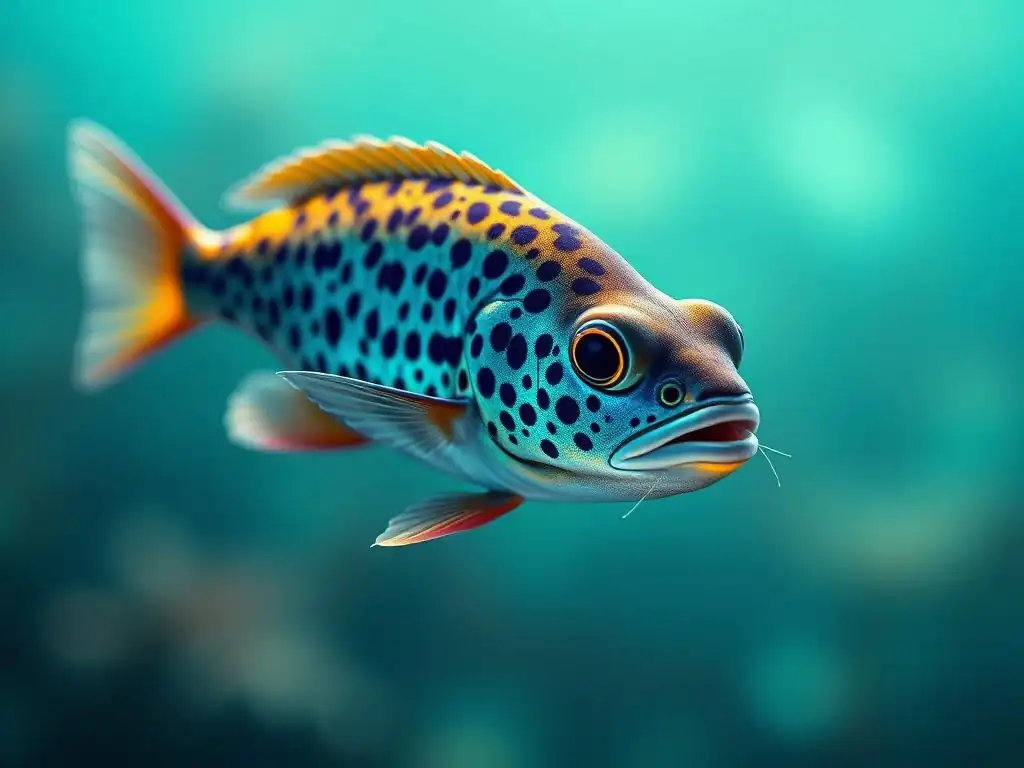
The Kuiter's Leopard Wrasse exhibits fascinating behaviors that make it a captivating addition to a well-suited aquarium. They are highly active fish during the day, constantly sifting through the sand bed with their mouths, searching for small invertebrates. This continuous foraging behavior is not only vital for their diet but also helps aerate the substrate. When startled or as night falls, Macropharyngodon kuiteri will quickly dive headfirst into the sand, burying themselves completely for safety and sleep.
While generally peaceful towards other fish, M. kuiteri can be shy, especially when first introduced to a new environment. It may take several weeks for a new specimen to feel secure enough to be out consistently during daylight hours. For example, a newly introduced wrasse might spend 80-90% of its first few days buried, only emerging for brief periods to forage. Patience is key, and providing ample hiding spots and a secure sand bed helps them acclimate and reduces stress, allowing their true personality to emerge.
Choosing Suitable Tank Mates for Your Kuiter's Leopard Wrasse
Choosing appropriate tank mates is critical for the long-term well-being of the Kuiter's Leopard Wrasse. Given their peaceful and somewhat shy nature, they thrive best with other non-aggressive, docile fish that won't outcompete them for food or bully them. Good choices include small, peaceful gobies (such as watchman gobies, though be mindful of sand-sifting competition), blennies (like the Tailspot Blenny), cardinalfish (e.g., Banggai Cardinalfish), and certain peaceful tangs in larger systems (e.g., Yellow Tang, Kole Tang).
It's important to select tank mates that occupy different niches within the aquarium to minimize competition for resources. For instance, a blenny that grazes on algae from rocks will not directly compete with the wrasse for its sand-dwelling microfauna diet. Always introduce the Kuiter's Leopard Wrasse to a well-established tank with existing peaceful inhabitants, or introduce it simultaneously with other docile fish to prevent territorial disputes. Careful selection is a cornerstone of effective Leopard Wrasse care.
Avoiding Aggression: Ensuring a Peaceful Aquarium Environment
To ensure a peaceful aquarium environment for your Kuiter's Leopard Wrasse, it is crucial to avoid housing them with aggressive, territorial, or overly boisterous species. Fish that are known to be fin-nippers, highly territorial, or predatory can cause significant stress to the wrasse, leading to health issues and even death. Large angelfish, triggerfish, and most damselfish species are generally unsuitable tank mates due to their aggressive tendencies.
Furthermore, while wrasses can sometimes be kept in groups or pairs, this is generally not recommended for Macropharyngodon kuiteri in typical home aquarium sizes (under 150-200 gallons), as aggression between congenerics (members of the same genus) can occur, especially between males. If multiple wrasses are desired, they should be introduced simultaneously to a very large, well-established tank. Providing ample space, numerous hiding spots, and ensuring a balanced bioload helps to mitigate potential aggression and maintain a harmonious community, which is vital for comprehensive Leopard Wrasse care.
Identifying and Treating Common Leopard Wrasse Diseases
Recognizing Signs of Illness in Macropharyngodon kuiteri
Early recognition of illness is vital for the successful treatment of Macropharyngodon kuiteri. Common signs of distress or disease include a loss of appetite, lethargy, erratic swimming, clamped fins, rapid breathing, or visible spots (indicative of marine ich or velvet). Other indicators can be cloudy eyes, torn fins, or a general dulling of their typically vibrant coloration. A sunken belly is a particularly critical sign, often pointing to malnutrition or internal parasites, which can be common in newly acquired wrasses.
Due to their burrowing habit, it can sometimes be challenging to observe a Kuiter's Leopard Wrasse for signs of illness, as they may spend more time buried if they feel unwell. Therefore, consistent observation, especially during feeding times when they are most active, is crucial. For example, a wrasse that typically emerges quickly for food but suddenly remains buried for an entire day should raise an immediate red flag, prompting closer inspection and consideration of Leopard Wrasse care adjustments.
Treating Parasitic Infections in Leopard Wrasses
Like many marine fish, Kuiter's Leopard Wrasses are susceptible to parasitic infections such as marine ich ( Cryptocaryon irritans) and velvet ( Amyloodinium ocellatum). If these parasites are detected, treatment in a dedicated quarantine or hospital tank is highly recommended, as most effective medications are not reef-safe and can harm corals and invertebrates in the main display. Copper-based medications are often used for ich and velvet, but wrasses can be sensitive to copper, so careful dosing and monitoring of copper levels are essential.
Alternative treatments in a hospital tank include hyposalinity (gradually reducing salinity to 1.008-1.010 SG for a period) or the use of Chloroquine Phosphate, which can be effective against a range of protozoan parasites. For internal parasites, which often manifest as a sunken belly despite eating, Praziquantel can be administered through medicated food. Always follow manufacturer instructions for medications and ensure proper aeration in the treatment tank. These targeted Leopard Wrasse care tips are crucial for disease management.
Preventative Measures: Maintaining a Healthy Leopard Wrasse
Prevention is paramount when it comes to maintaining a healthy Kuiter's Leopard Wrasse. The cornerstone of disease prevention lies in providing a stable, low-stress environment with pristine water quality and a high-quality, varied diet. A well-fed wrasse with a robust immune system is significantly less susceptible to pathogens. Implementing a strict quarantine protocol for all new arrivals, including fish, corals, and invertebrates, is perhaps the single most effective preventative measure against introducing diseases into the main display tank.
Beyond environmental factors, practicing good biosecurity helps minimize the risk of pathogen spread. Use separate nets and equipment for your main display and any quarantine or hospital tanks. Regular tank maintenance, including siphoning detritus from the sand bed and ensuring proper filtration, also contributes to a lower pathogen load in the water column. These proactive Leopard Wrasse care tips significantly reduce the likelihood of illness and contribute to the long-term vitality of your Macropharyngodon kuiteri.
The Challenges of Keeping Kuiter's Leopard Wrasse
Why Leopard Wrasses Can Be Difficult to Acclimate
The Kuiter's Leopard Wrasse is widely considered a challenging species to acclimate to aquarium life, primarily due to several factors stemming from their natural habitat and collection methods. They often originate from deeper waters, meaning they may experience significant stress and potential decompression issues during collection and shipping. This stress can compromise their immune system and make them highly susceptible to disease. Furthermore, many arrive in an emaciated state, having struggled to feed during transit.
Their specialized diet of live microfauna is another major hurdle. Unlike some fish that readily accept prepared foods, Macropharyngodon kuiteri often refuses anything but live copepods or amphipods initially. This makes getting them to eat in captivity a significant challenge, and many succumb to starvation if not provided with their preferred food source. Anecdotal reports from experienced aquarists suggest that initial mortality rates for Macropharyngodon species can be as high as 50-70%, highlighting the demanding nature of their initial Leopard Wrasse care.
Overcoming the Challenges: Strategies for Success
Overcoming the challenges of keeping a Kuiter's Leopard Wrasse requires a meticulous and patient approach. Upon arrival, a very slow drip acclimation process (over 1-2 hours) is recommended to minimize shock from water parameter changes. The wrasse should then be introduced to a mature, stable quarantine tank with a deep sand bed (at least 3-4 inches) and plenty of PVC pipes or live rock for hiding. Keeping the lights dim for the first few days can also help reduce stress.
The most critical strategy for success lies in feeding. Immediately upon introduction, offer live copepods and amphipods. If live food is not readily available, try a variety of very small, high-quality frozen foods such as cyclop-eeze, enriched brine shrimp, or finely chopped mysis shrimp, offered frequently throughout the day. Patience is paramount; it can take days or even weeks for the wrasse to begin eating consistently. These focused Leopard Wrasse care tips are essential for encouraging initial feeding.
Addressing Initial Acclimation Issues and Feeding Refusal
If the Kuiter's Leopard Wrasse is refusing to eat, several strategies can be employed to encourage feeding. Try different types of foods and presentation methods; some wrasses prefer food broadcast into the water column, while others might respond better to food placed near the sand bed. Soaking frozen foods in appetite stimulants like garlic extract or vitamin supplements (e.g., Selcon) can sometimes entice a reluctant feeder.
In cases of persistent feeding refusal or severe emaciation, a dedicated "feeding station" or a small, bare-bottom hospital tank with only sand and a few hiding spots can be beneficial. This minimizes competition from other fish and allows for targeted feeding. Maintaining pristine water parameters, even in a temporary setup, is crucial during this sensitive period. Continuous access to a refugium that cultivates live microfauna is often the most reliable method to ensure a steady food supply and overcome initial feeding issues, solidifying key Leopard Wrasse care strategies.
Leopard Wrasse Tank Mates: Best and Worst Choices
Compatible Fish Species for a Leopard Wrasse Aquarium
Selecting compatible tank mates is crucial for the peaceful coexistence and well-being of your Kuiter's Leopard Wrasse. The best tank mates are generally peaceful, non-aggressive species that will not outcompete the wrasse for food or stress it. Excellent choices include various species of peaceful gobies, such as the Diamond Watchman Goby (though consider sand-sifting competition in smaller tanks) or Candy Cane Goby, which often occupy different niches. Small, docile blennies like the Tailspot Blenny or Starry Blenny are also good companions.
Other suitable tank mates include cardinalfish (e.g., Banggai Cardinalfish, Pajama Cardinalfish), which are generally slow-moving and non-aggressive. In larger aquariums (100+ gallons), some peaceful tangs like the Yellow Tang or Kole Tang can also coexist well, as they primarily graze on algae and rarely bother the wrasse. The key is to choose species with similar temperaments that won't overwhelm the more delicate Macropharyngodon kuiteri, ensuring effective Leopard Wrasse care.
Incompatible Species: Fish to Avoid with M. kuiteri
To avoid stress, injury, or even death, certain fish species should be strictly avoided as tank mates for the Kuiter's Leopard Wrasse. Any highly aggressive or predatory fish are unsuitable. This includes most triggerfish (e.g., Clown Triggerfish, Picasso Triggerfish), large predatory lionfish, and many larger, more boisterous angelfish (e.g., Queen Angelfish, Emperor Angelfish) that can intimidate or harass the wrasse.
Additionally, most species of damselfish (e.g., Domino Damsel, Three Stripe Damsel) are notorious for their aggression and territoriality, making them poor choices. While some wrasses can be kept in pairs or groups, it is generally not recommended to house multiple Macropharyngodon species together in tanks under 150-200 gallons, as inter-species aggression can occur, particularly between males. Introducing fish carefully and observing their interactions is a critical part of Leopard Wrasse care.
Creating a Balanced Community: Tank Mate Considerations
Creating a balanced community for your Kuiter's Leopard Wrasse involves thoughtful planning beyond just avoiding aggressive species. Consider the overall bioload of the tank; a 75-gallon tank might comfortably house the wrasse, a pair of clownfish, and a small goby, but adding too many fish will quickly strain filtration and water quality. It's also important to introduce fish in a strategic order, typically starting with the least aggressive species first, allowing them to establish territories before introducing more sensitive fish like the wrasse.
Always provide ample hiding spots and visual breaks within the aquascape to minimize territorial disputes and allow all inhabitants a sense of security. Observe how potential tank mates interact with other fish in a fish store before purchasing. A harmonious tank environment, where all inhabitants can thrive without undue stress or competition, is the ultimate goal of effective Leopard Wrasse care and contributes significantly to the longevity and vibrancy of Macropharyngodon kuiteri.
Sourcing a Healthy Kuiter's Leopard Wrasse
Responsible Acquisition: Prioritizing Sustainable Practices
When acquiring a Kuiter's Leopard Wrasse, prioritizing responsible and sustainable acquisition practices is paramount. Macropharyngodon kuiteri is primarily wild-caught, making it crucial to source from reputable dealers who work with ethical collectors. Inquire about the fish's origin, how long it has been held at the fish store, and its feeding habits. Dealers who hold the fish for at least 2-3 weeks and ensure it's eating prepared foods before selling are preferable, as this indicates a higher chance of successful acclimation.
Supporting sustainable practices helps reduce the impact on wild populations and promotes better animal welfare throughout the supply chain. While captive-bred M. kuiteri are extremely rare, if they become available, they should be prioritized as they are typically hardier and already accustomed to aquarium life and prepared foods. Choosing a well-acclimated specimen from a responsible source is the first and most critical step in providing optimal Leopard Wrasse care.
Evaluating Health: Observing Key Indicators Before Purchase
Thoroughly evaluating the health of a Kuiter's Leopard Wrasse before purchase is essential to minimize risks. Observe the fish in the store tank for key indicators of health: it should be active and alert, with clear eyes and intact fins. Look for any visible spots (ich), patches (velvet), cloudy areas, or torn fins. Perhaps the most important indicator is its body condition; avoid any wrasse with a sunken belly or pinched appearance, as this is a strong sign of emaciation and potential internal parasites or starvation.
Crucially, ask the dealer to show you the wrasse eating. A healthy Macropharyngodon kuiteri should be curious and actively sifting through the sand or responding to food offerings. If it is not consistently eating prepared foods, it represents a significant risk and should ideally be avoided, even if it appears otherwise healthy. This pre-purchase diligence is a foundational aspect of successful Leopard Wrasse care tips.
Quarantine Procedures: Minimizing Risks for New Arrivals
Implementing a strict quarantine procedure for any new Kuiter's Leopard Wrasse is non-negotiable for minimizing risks to your established display tank. A dedicated quarantine tank (QT) of at least 10-20 gallons, equipped with a heater, filter, and a shallow sand bed (2-3 inches) for burrowing, along with PVC pipes for hiding, is ideal. The purpose of the QT is to observe the fish, treat any potential diseases, and allow it to acclimate to prepared foods in a stress-free environment, without the presence of other tank mates or corals.
A typical QT protocol involves a 4-6 week observation period. During this time, monitor for any signs of illness. If no signs appear, consider prophylactic treatment for common parasites (e.g., a copper treatment for marine ich/velvet, or praziquantel for flukes, if appropriate for wrasses). This stringent approach significantly reduces the chance of introducing pathogens to your main display, protecting your existing livestock and ensuring a healthier start for your new Macropharyngodon kuiteri. This is arguably the most critical of all Leopard Wrasse care tips.
Conclusion: Is the Kuiter's Leopard Wrasse Right for You?
Weighing the Pros and Cons of Keeping This Rare Species
Deciding whether the Kuiter's Leopard Wrasse is the right addition to your aquarium involves carefully weighing its unique attributes against its demanding care requirements. On the "pro" side, Macropharyngodon kuiteri is an undeniably stunning and rare species, offering vibrant coloration and fascinating sand-sifting behaviors that add a dynamic element to any reef or fish-only tank. Its reef-safe nature makes it an excellent choice for a coral-dominated system, and successfully keeping one provides immense satisfaction for the dedicated aquarist.
However, the "cons" are significant. These wrasses are typically expensive, often retailing between $100 and $300 or more, reflecting their rarity and collection challenges. They are notoriously difficult to acclimate, often refusing prepared foods initially and being sensitive to stress and water quality fluctuations. They require a very mature tank with a deep sand bed and a consistent supply of live microfauna, making them unsuitable for beginner aquarists or those unwilling to commit to extensive Leopard Wrasse care.
Ensuring Long-Term Success with Macropharyngodon kuiteri
Ensuring the long-term success of a Kuiter's Leopard Wrasse hinges on a holistic approach to aquarium husbandry. This includes providing a well-established, stable tank of adequate size (75 gallons or more) with a deep, fine sand bed. Pristine and consistent water quality, maintained through regular water changes and diligent parameter monitoring, is non-negotiable. A varied and consistent diet, emphasizing live foods initially and transitioning to high-quality frozen options, is crucial for their nutritional needs.
Furthermore, careful selection of peaceful tank mates, a commitment to observation, and a stringent quarantine protocol for all new arrivals are vital preventative measures. With dedication, patience, and adherence to these comprehensive Leopard Wrasse care tips, Macropharyngodon kuiteri can thrive for many years, potentially living for 5-7 years or even longer in ideal conditions, becoming a vibrant and engaging focal point of your marine aquarium.
Recommended Resources for Further Leopard Wrasse Care
For aquarists embarking on the journey of keeping a Kuiter's Leopard Wrasse, continuous learning and access to reliable information are invaluable. While specific detailed guides on Macropharyngodon kuiteri may be limited due to its rarity, much can be learned from broader resources on wrasse care and advanced reef aquarium husbandry. Reputable online forums dedicated to saltwater aquariums offer a wealth of shared experiences and troubleshooting advice from seasoned hobbyists.
Consulting detailed care guides from well-known aquarist websites provides foundational knowledge on water chemistry, filtration, and general fish health. Engaging with experienced local fish stores that specialize in marine fish can also offer personalized advice and insights into sourcing and acclimating these delicate wrasses. Remember that adapting general wrasse care principles to the specific needs of Macropharyngodon kuiteri is often necessary, and platforms like AquariumMastery.com serve as a comprehensive resource for refining your Leopard Wrasse care tips.
Frequently Asked Questions
What makes the Kuiter's Leopard Wrasse a desirable aquarium fish?
The Kuiter's Leopard Wrasse is highly sought after due to its rarity in the trade and its stunning coloration, making it a true "jewel" for experienced aquarists. Its captivating patterns add a unique aesthetic to reef tanks.
What are the essential water parameters to maintain for Kuiter's Leopard Wrasse care?
Maintaining stable and pristine water quality is critical. This includes consistent salinity (around 1.025), proper temperature (72-78°F), and minimal levels of nitrates and phosphates.
What is the ideal tank size and environment for a Kuiter's Leopard Wrasse?
A larger tank (75 gallons or more) is recommended, with a thick sand bed (at least 4 inches) for burrowing and sleeping. Plenty of live rock provides shelter and grazing opportunities.
What is the recommended diet for a Kuiter's Leopard Wrasse?
They require a varied diet of small, meaty foods, such as copepods, amphipods, mysis shrimp, and finely chopped seafood. Consistent feeding is essential, ideally multiple times per day.
What are some common health issues affecting Kuiter's Leopard Wrasses and how can they be prevented?
They are prone to stress-related diseases due to shipping and acclimation. A quarantine period is crucial to observe for signs of illness and address any issues before introducing them to the main tank.
Final Reflection: Unveiling the Leopard's Legacy
The delicate beauty and specific needs of the Kuiter's Leopard Wrasse, as we've explored, highlight the fragility of our marine ecosystems and the responsibility we bear as aquarists. Understanding and adhering to proper Leopard Wrasse care tips is not merely about keeping a fish alive; it's about actively participating in the preservation of a species and its natural habitat, especially given the challenges they face in the wild.
This journey into the world of Macropharyngodon kuiteri underscores the profound impact even seemingly small actions can have on the larger ecological tapestry. The dedication required to successfully care for this species serves as a microcosm of the broader commitment needed to protect our oceans. In the end, we will conserve only what we love; we will love only what we understand; and we will understand only what we are taught.
- Baba Dioum's words resonate deeply, reminding us that education and understanding are the cornerstones of conservation.
Now, as you close this article, consider how you can translate this newfound knowledge into action. Let the allure of the Kuiter's Leopard Wrasse inspire you to become a more informed and responsible aquarist. Research, educate others, and advocate for sustainable practices. The future of this rare jewel, and countless other marine species, rests in our collective hands.
Unleash the Vibrant Depths of Knowledge!
Thank you for diving deep into the fascinating world of the Kuiter's Leopard Wrasse with us. We hope you've found inspiration in the rarity and beauty of this captivating fish. Now, let's turn that knowledge into action!
- Commit to researching ethical sourcing practices before considering adding a Kuiter's Leopard Wrasse to your aquarium. Protecting these jewels starts with informed decisions.
- Share this article with fellow aquarists to raise awareness about the Kuiter's Leopard Wrasse and responsible reef keeping.
- Explore other rare and fascinating fish species on Aquarium Mastery to further expand your knowledge and appreciation for the underwater world.
What specific questions do you have about the long-term care requirements of delicate wrasse species like the Kuiter's Leopard Wrasse, and how can you further contribute to their conservation through responsible aquarium keeping?